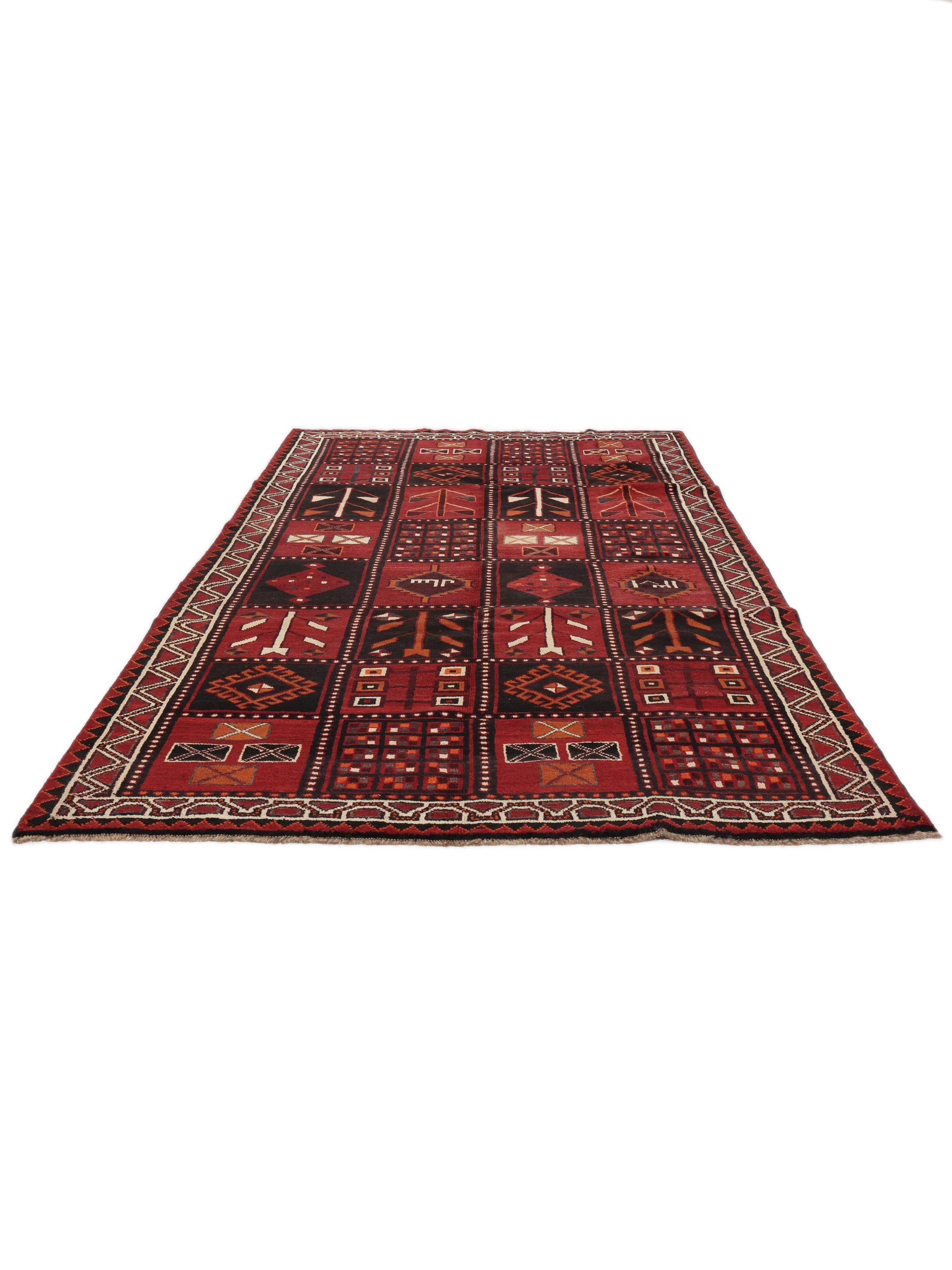
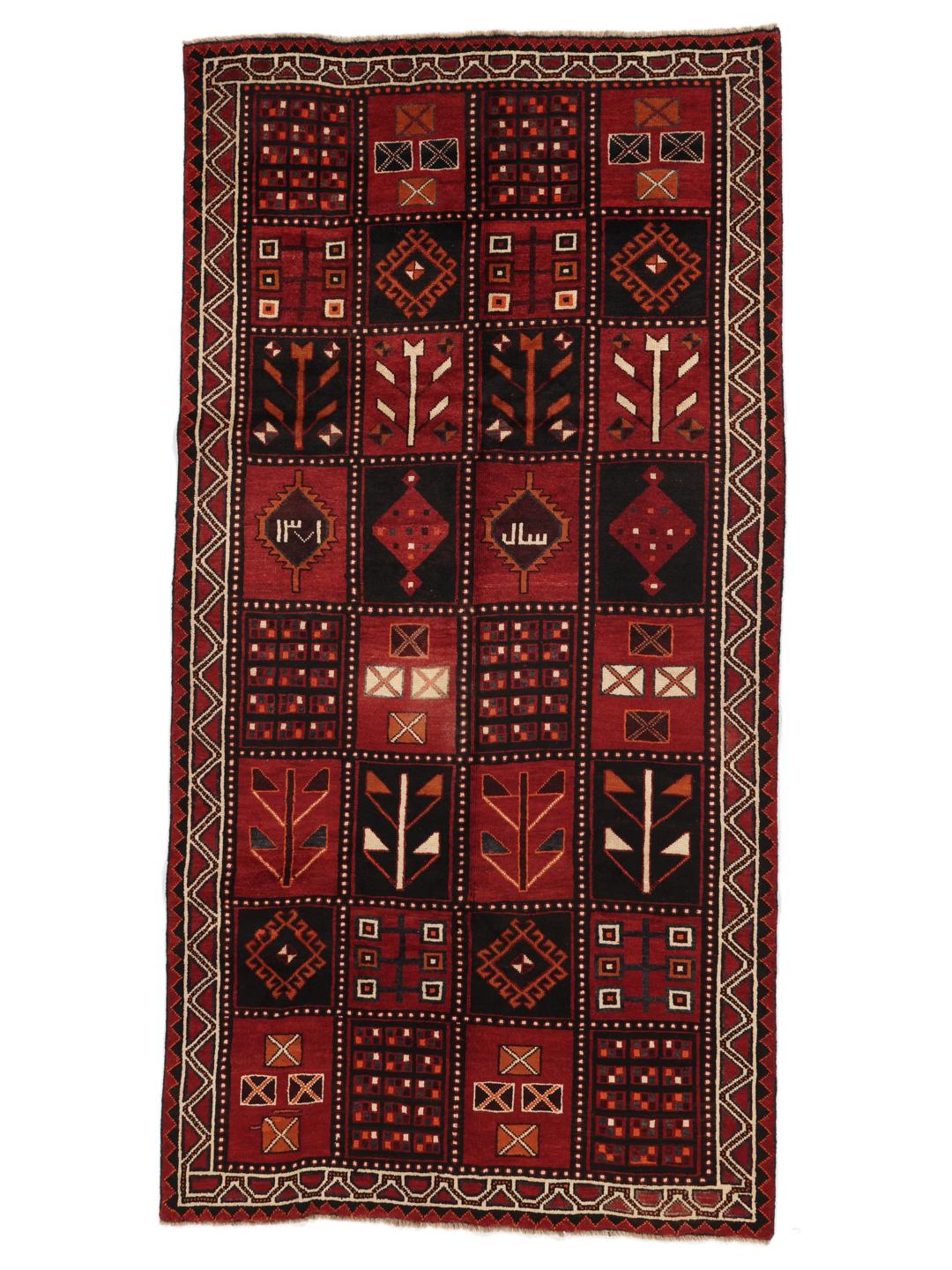
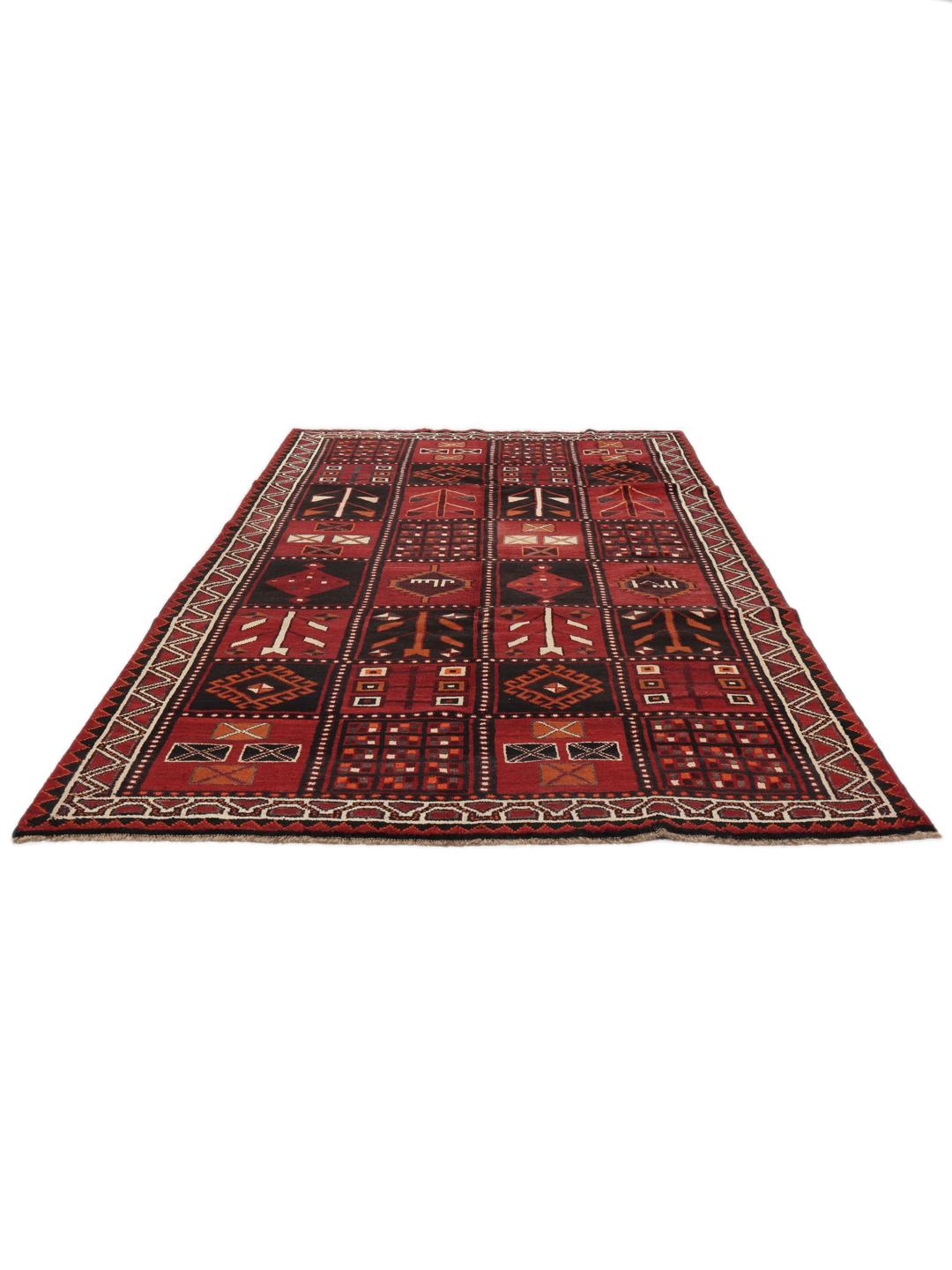
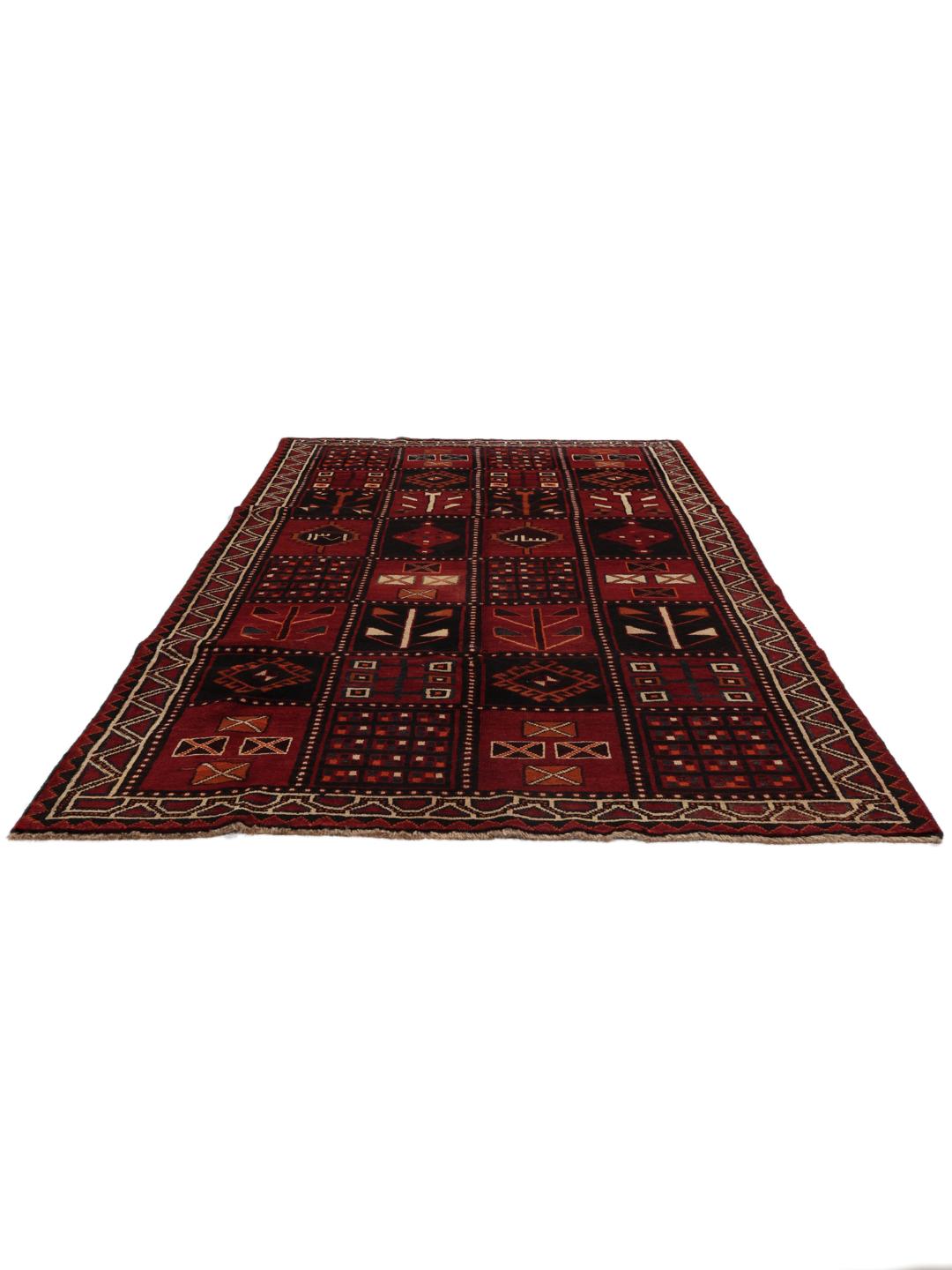
The Lori rug tradition originates from the Lori people, a nomadic and semi-nomadic group residing in the mountainous regions of the Middle East. These rugs are deeply rooted in a culture that values functional art, where every motif serves as a visual language reflecting the weaver's environment and ancestral history.
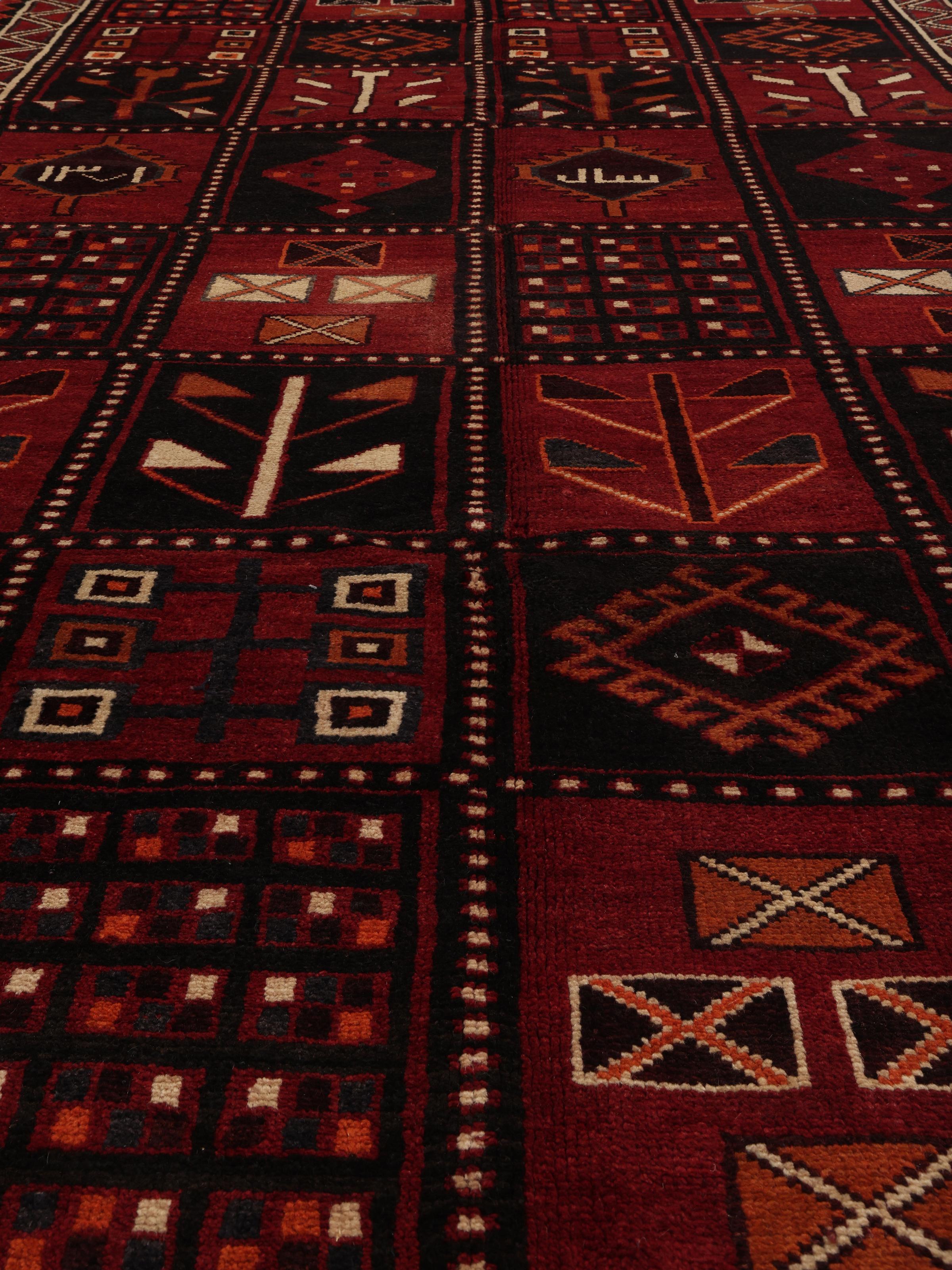
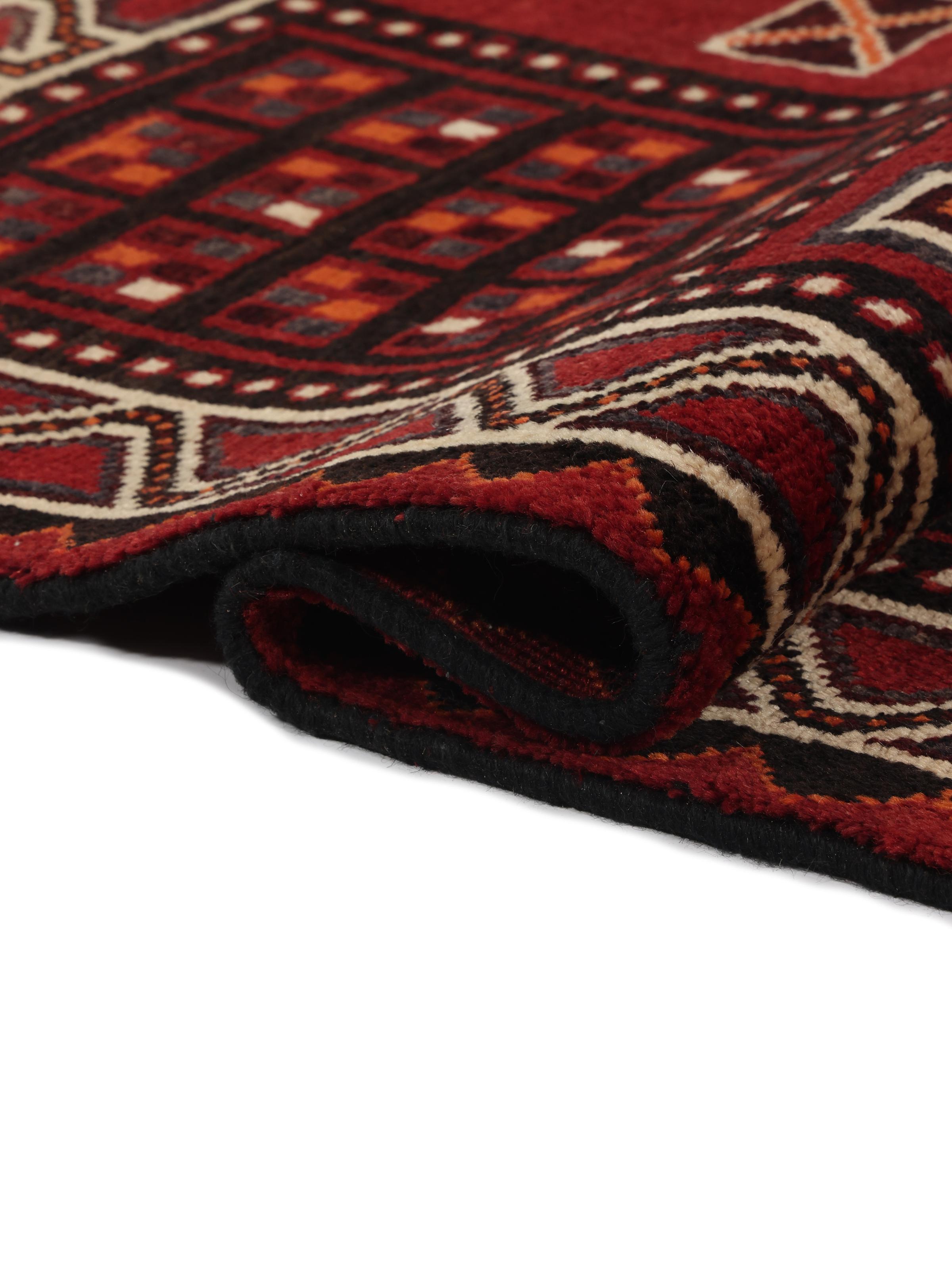
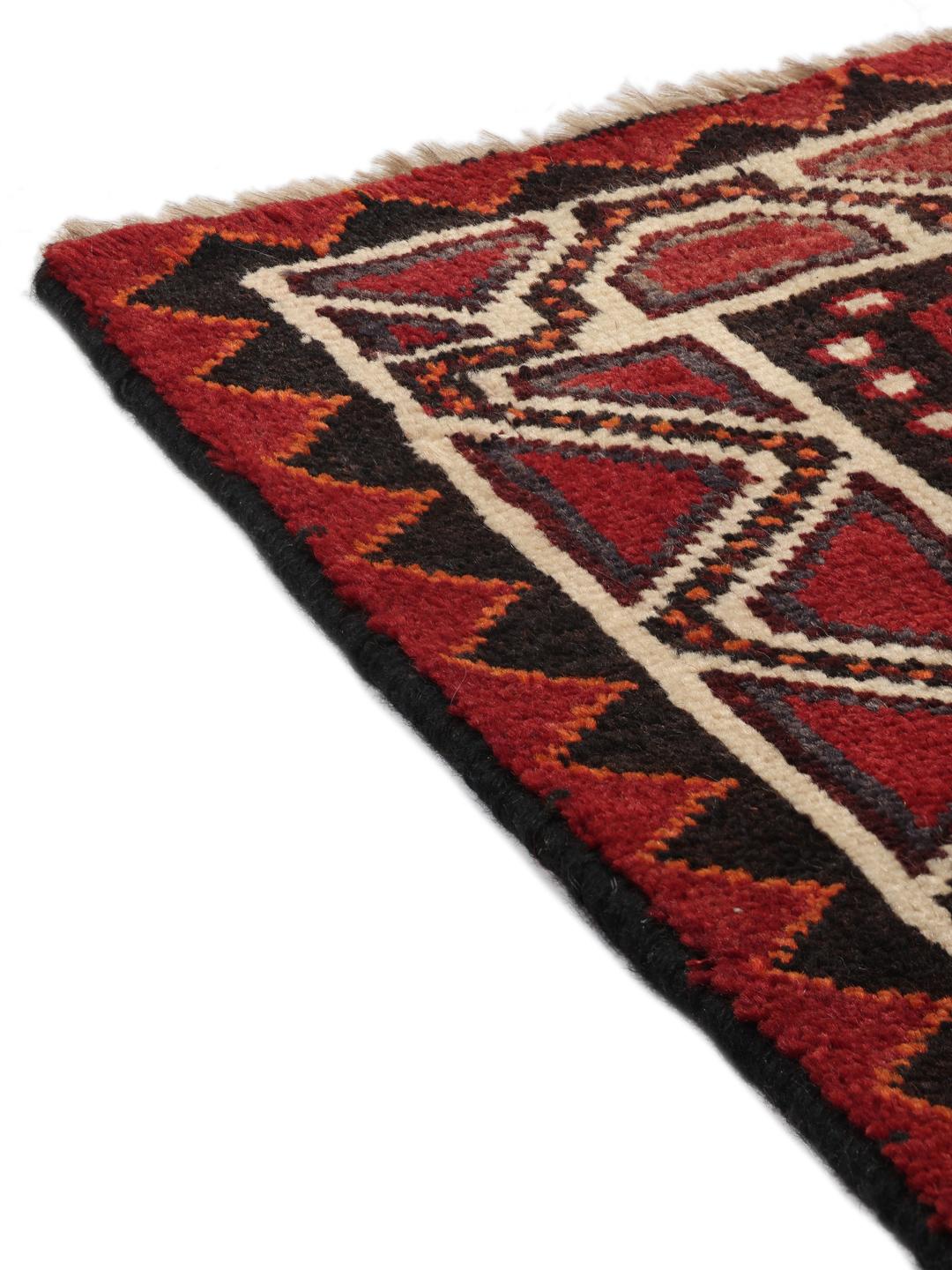
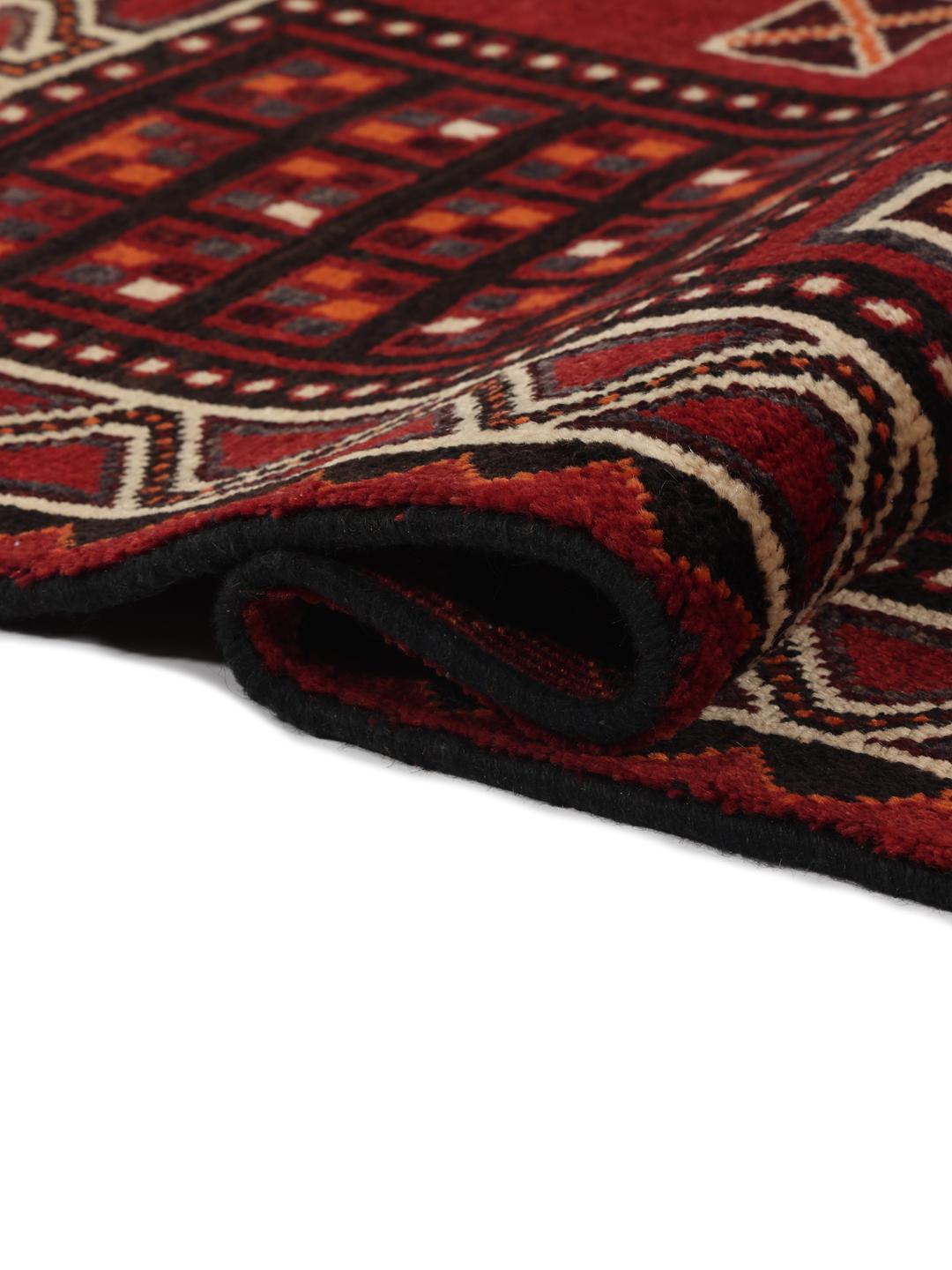
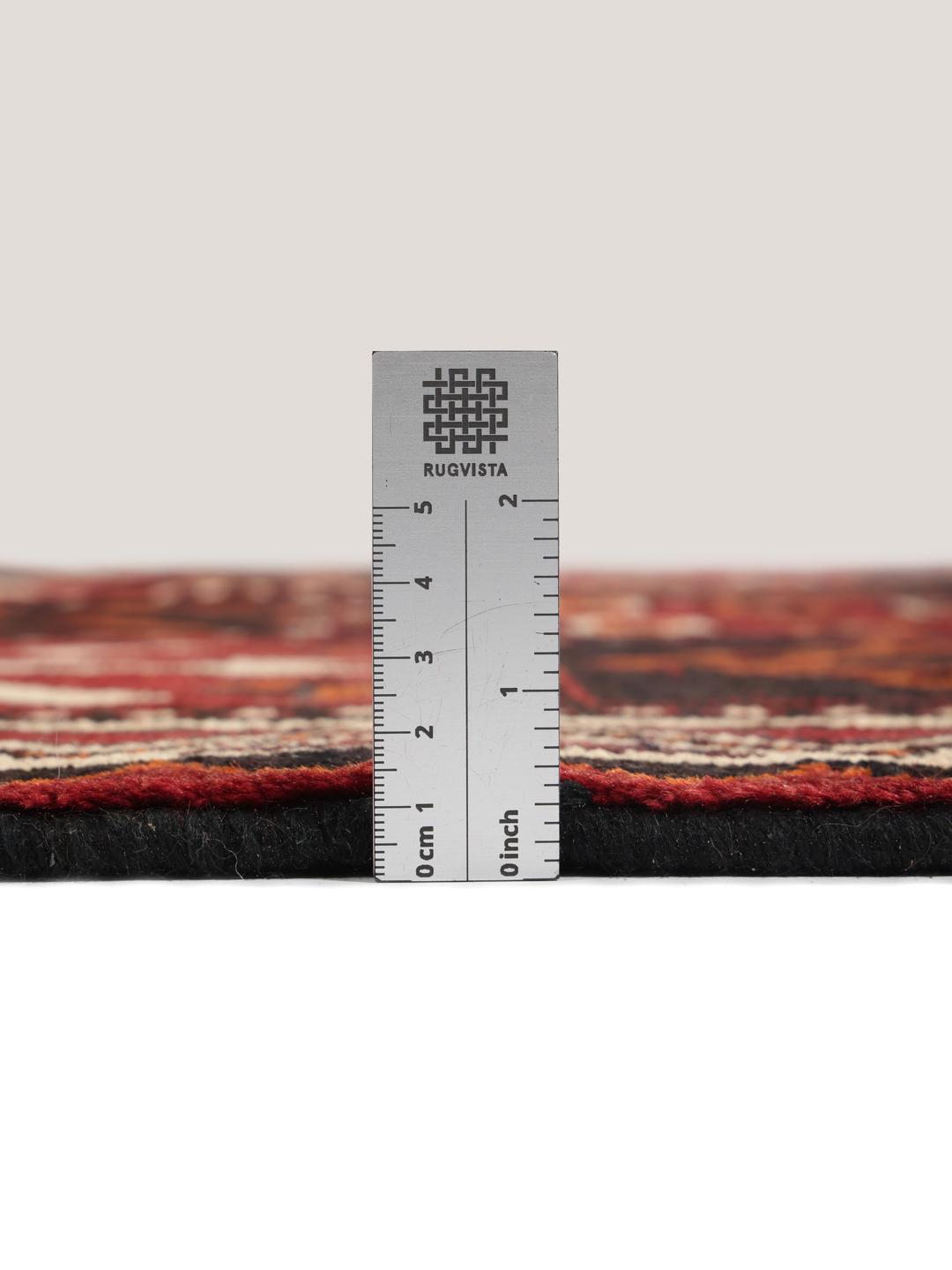
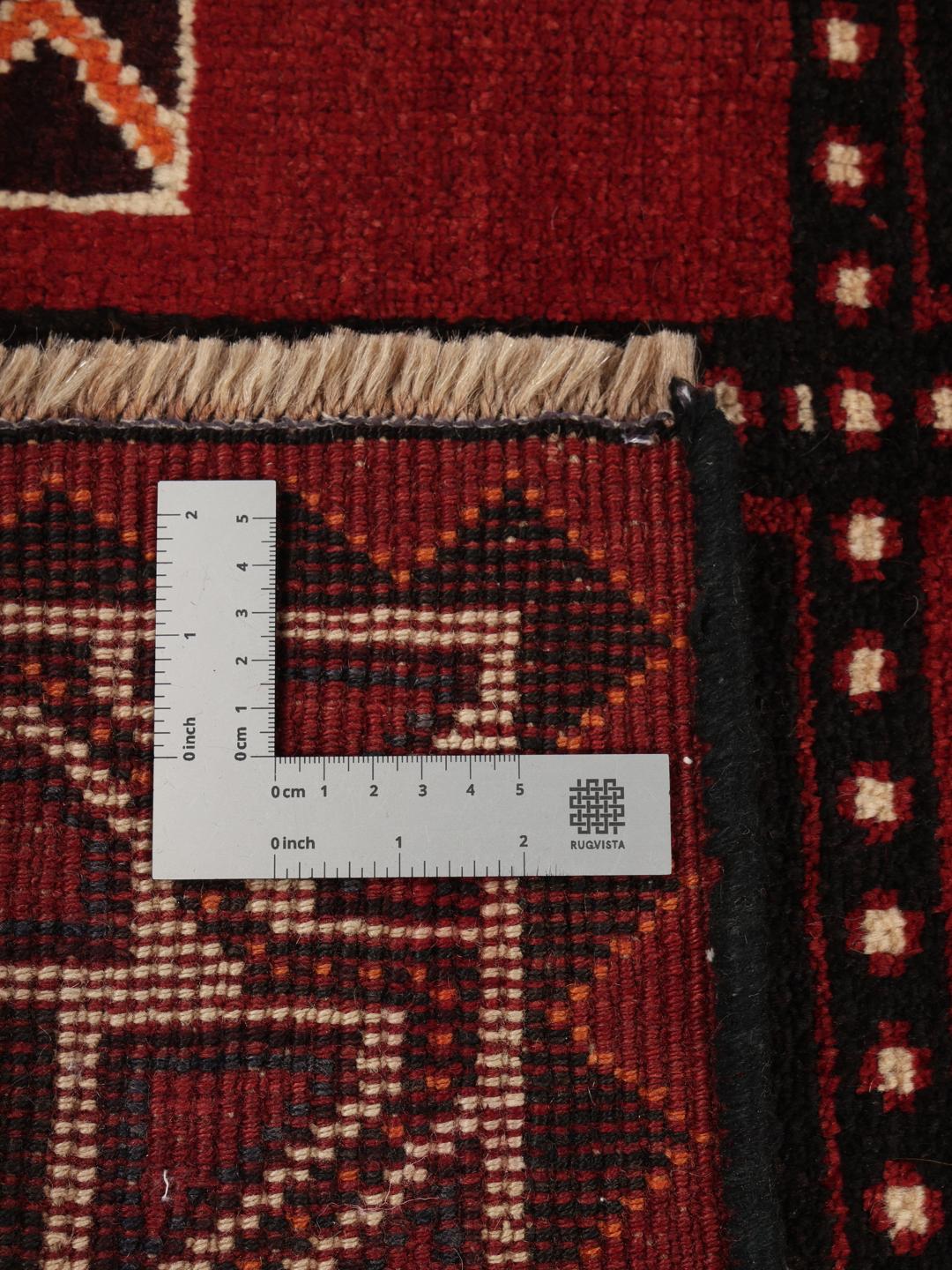
Lori rugs are celebrated for their sturdy construction and the use of high-quality wool, which is often hand-spun to maintain the natural integrity of the fibres. This traditional approach results in a pile that is not only soft and tactile but also remarkably resilient, capable of enduring the harsh conditions of nomadic life and the demands of a modern home.
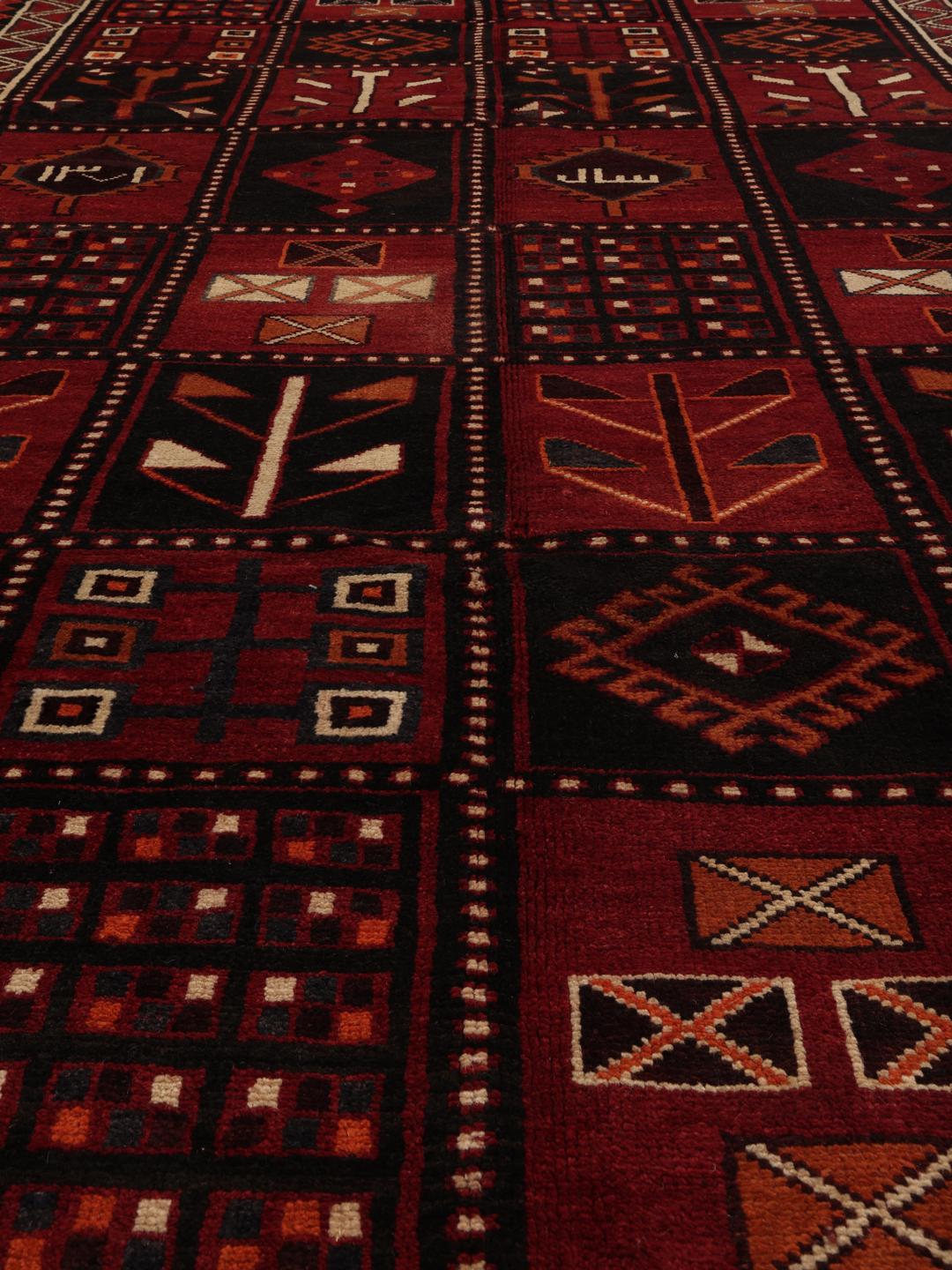
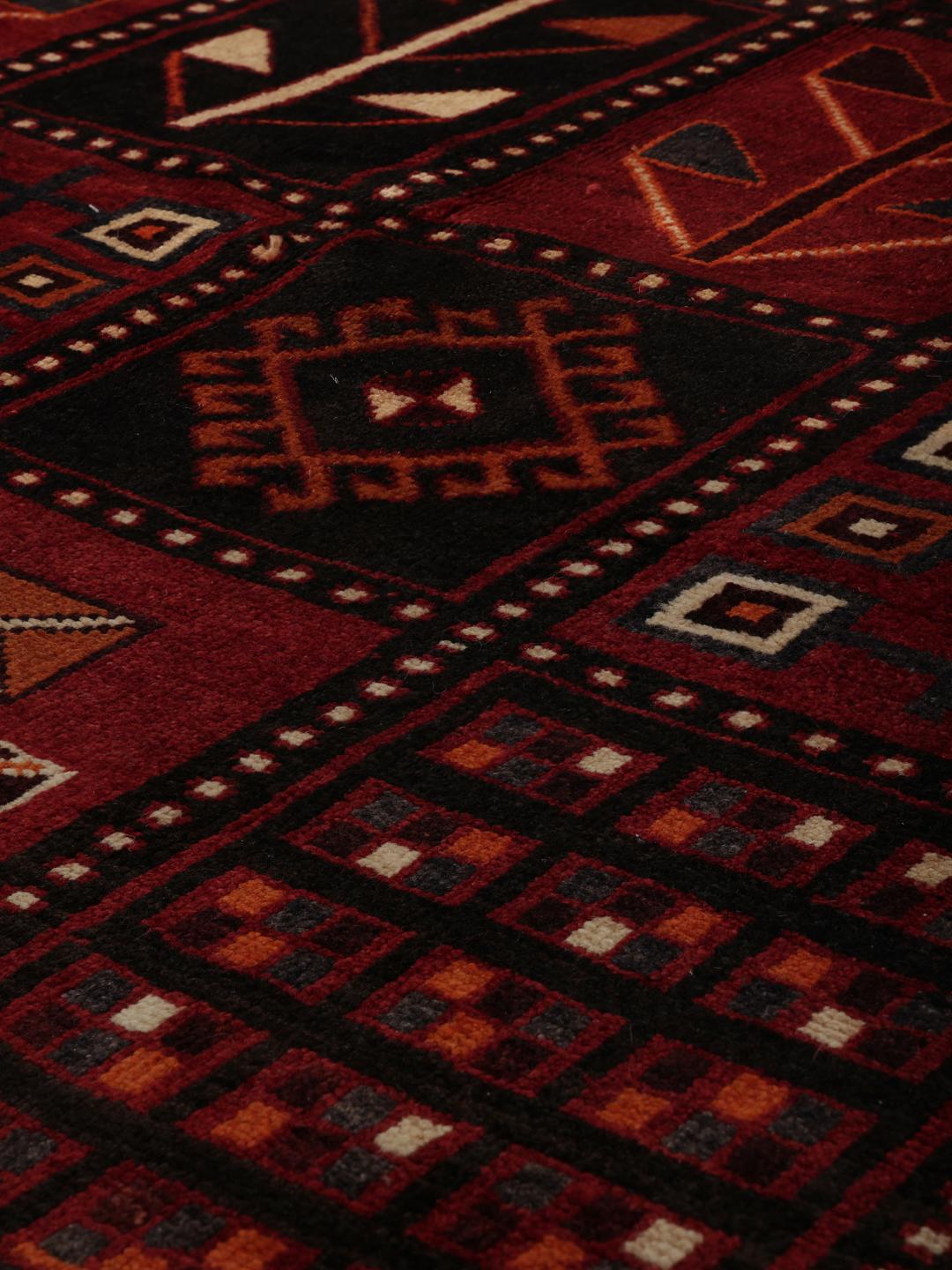
The design vocabulary of these rugs is primarily geometric, often featuring stylized botanical motifs, diamonds, and repeating medallions arranged in a structured grid. The use of deep, earthy reds and bold blacks is a hallmark of the style, creating a stark, powerful contrast that highlights the clarity of each individual shape.
Collecting a Lori rug is an opportunity to preserve a fading art form that emphasises human skill and cultural identity. These pieces are highly valued by collectors for their authenticity and the sense of grounded, historical weight they bring to a room, acting as a bridge between ancient nomadic traditions and contemporary living.