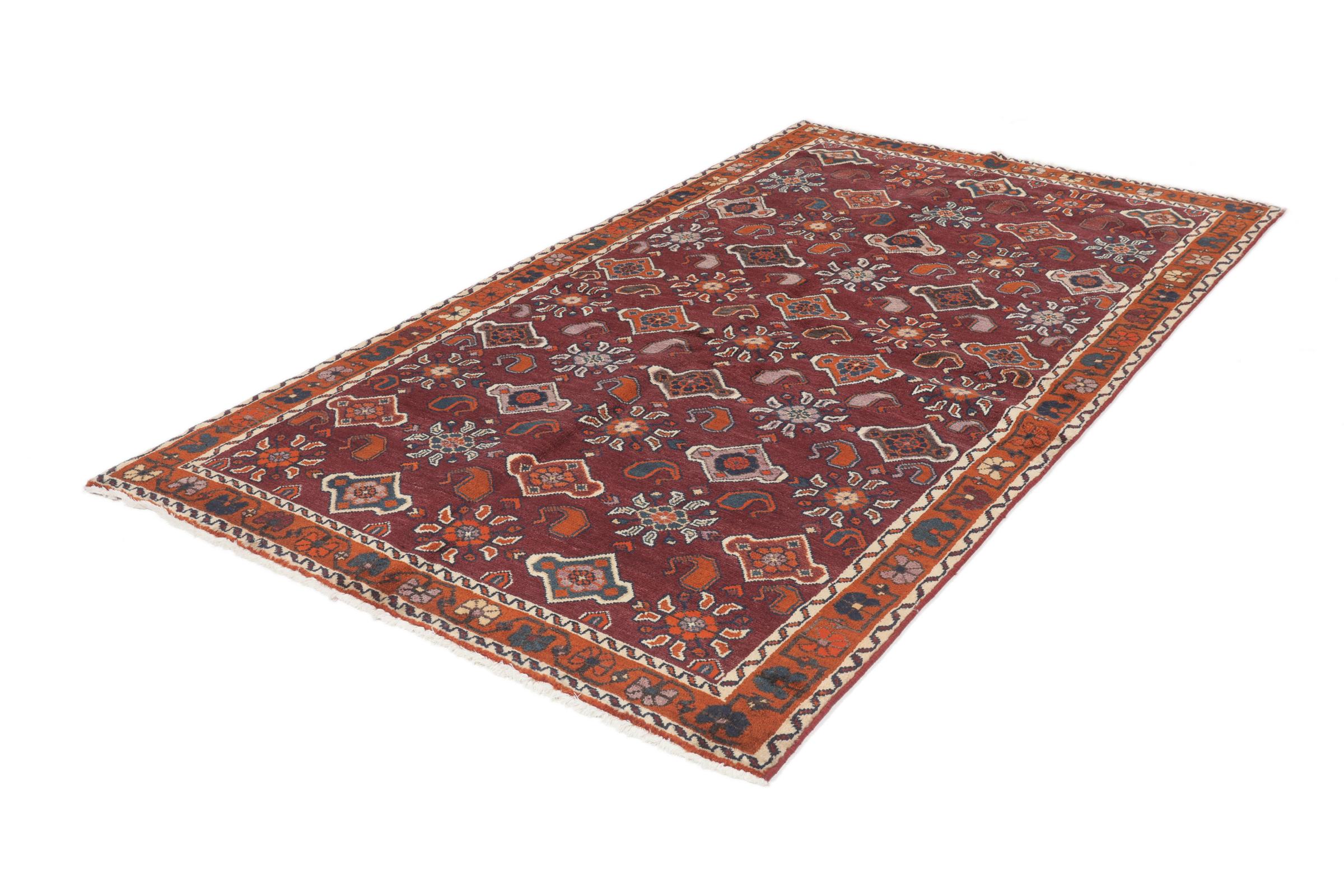
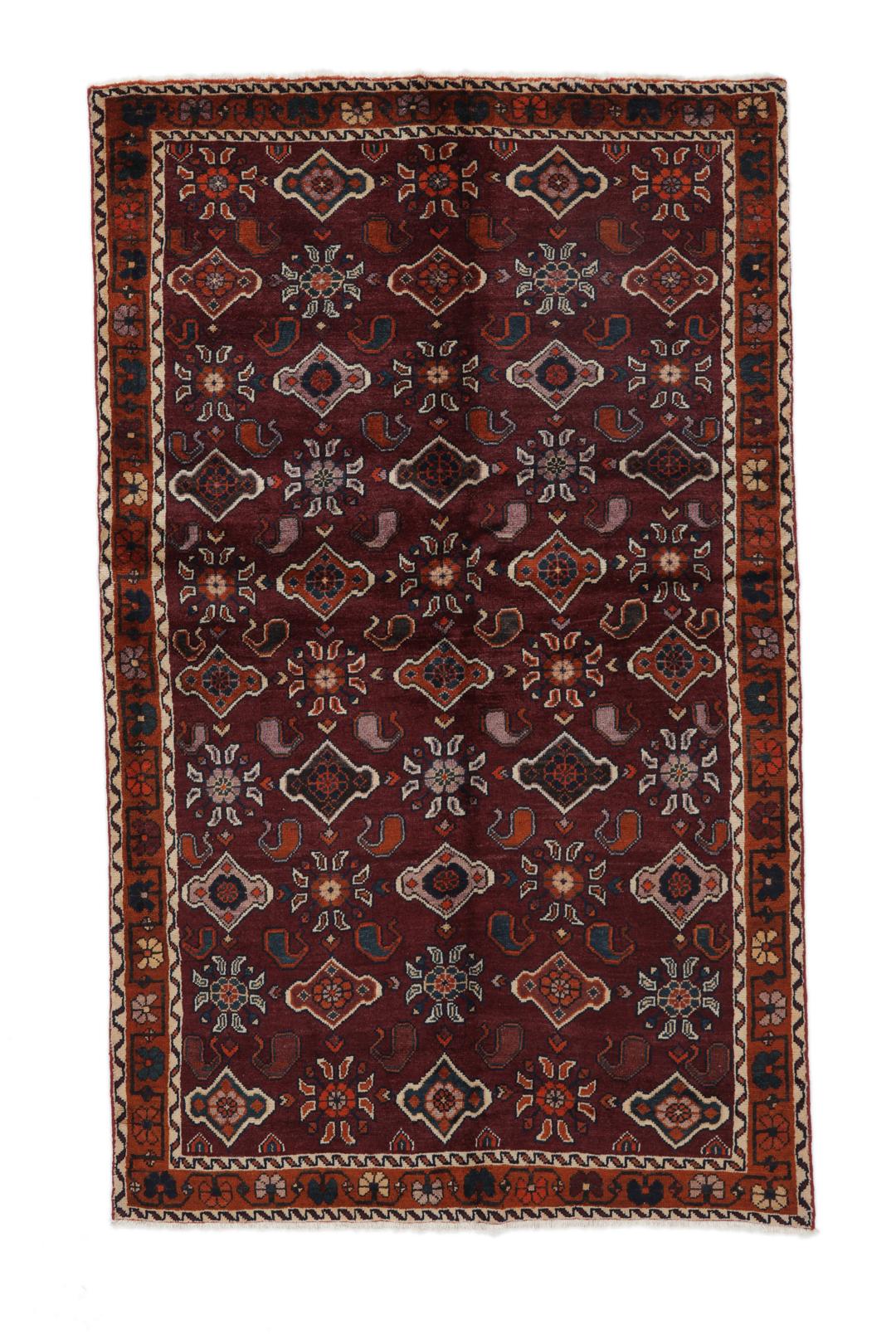
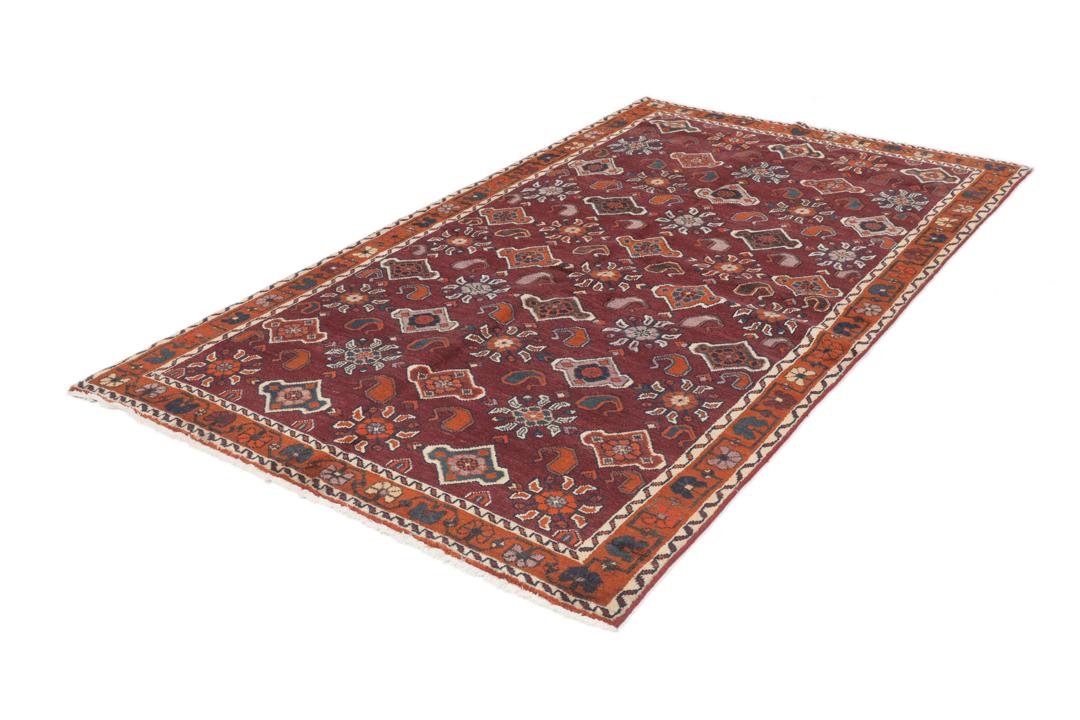
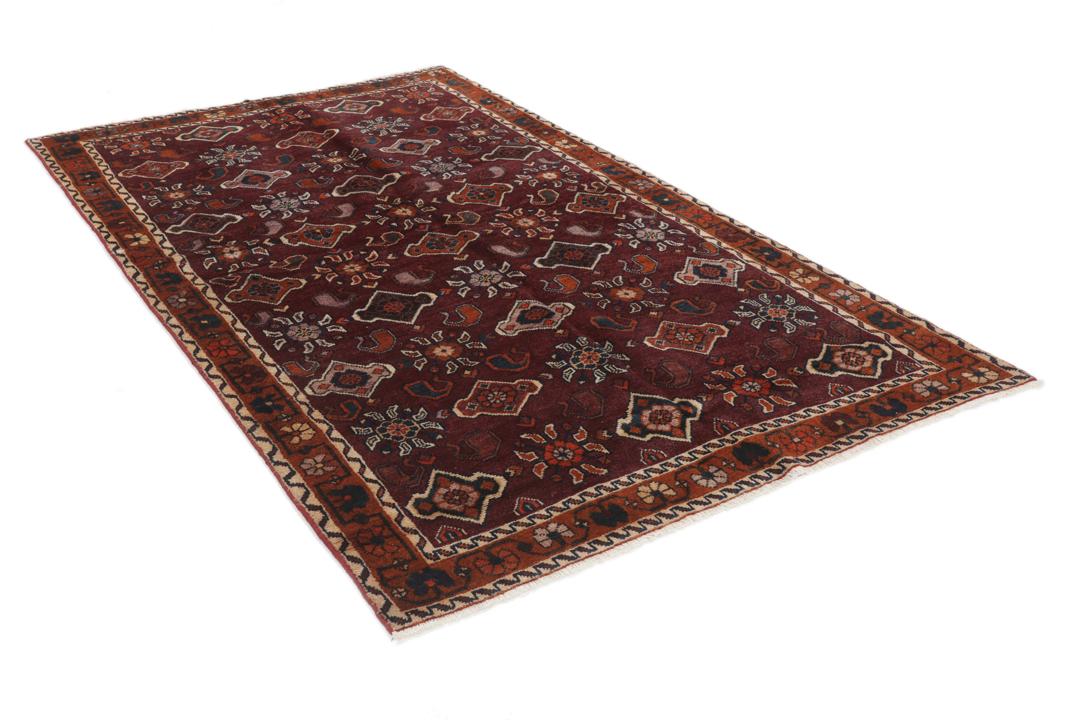
The Lori rug tradition hails from the mountainous regions of the Middle East, where nomadic and semi-nomadic tribes have long expressed their cultural identity through textile art. These rugs are deeply connected to the landscape and the ancestral knowledge of the weavers, who have handed down their techniques through generations. The evolution of these rugs reflects a history of movement, adapting traditional motifs to the changing needs of the tribes.
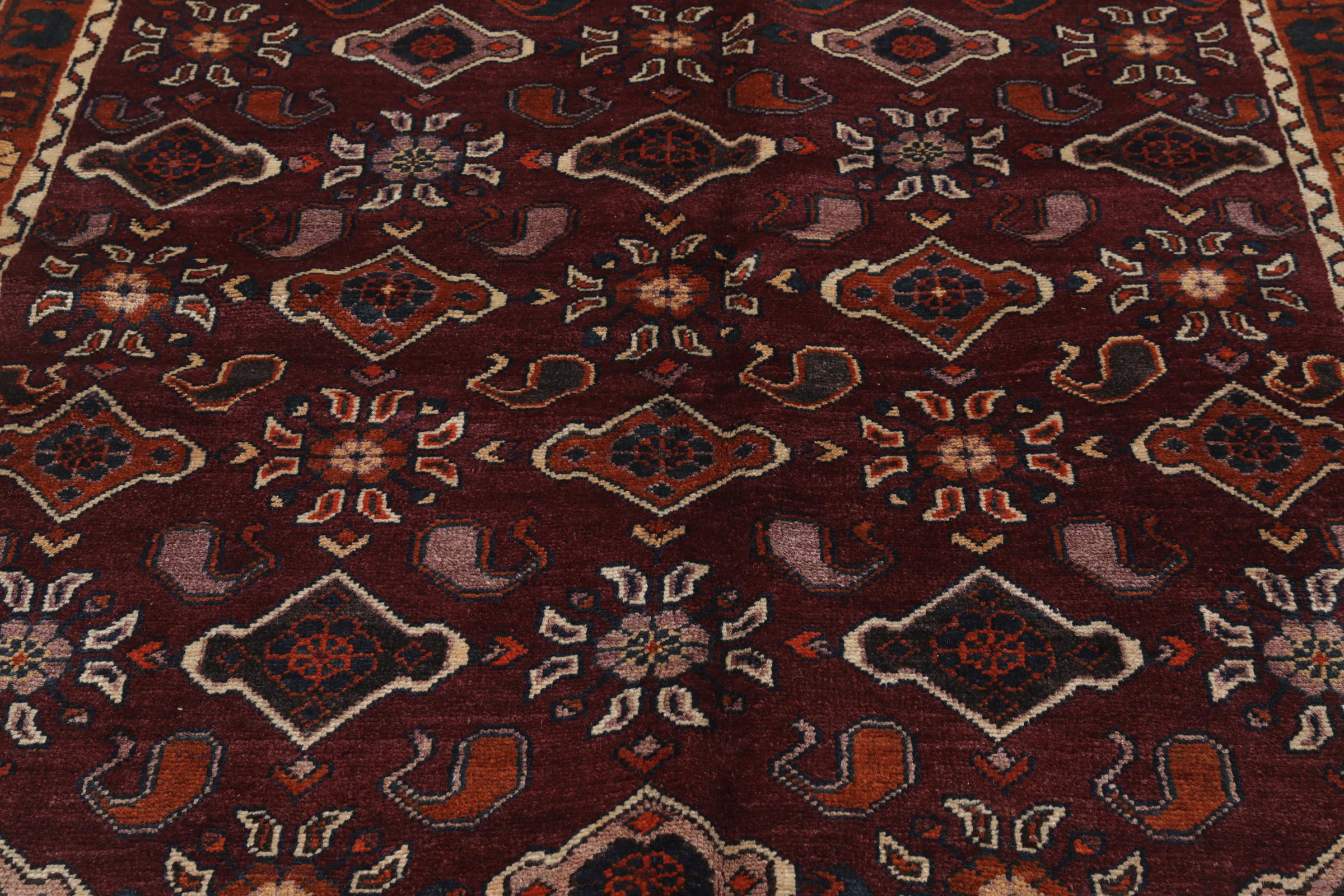
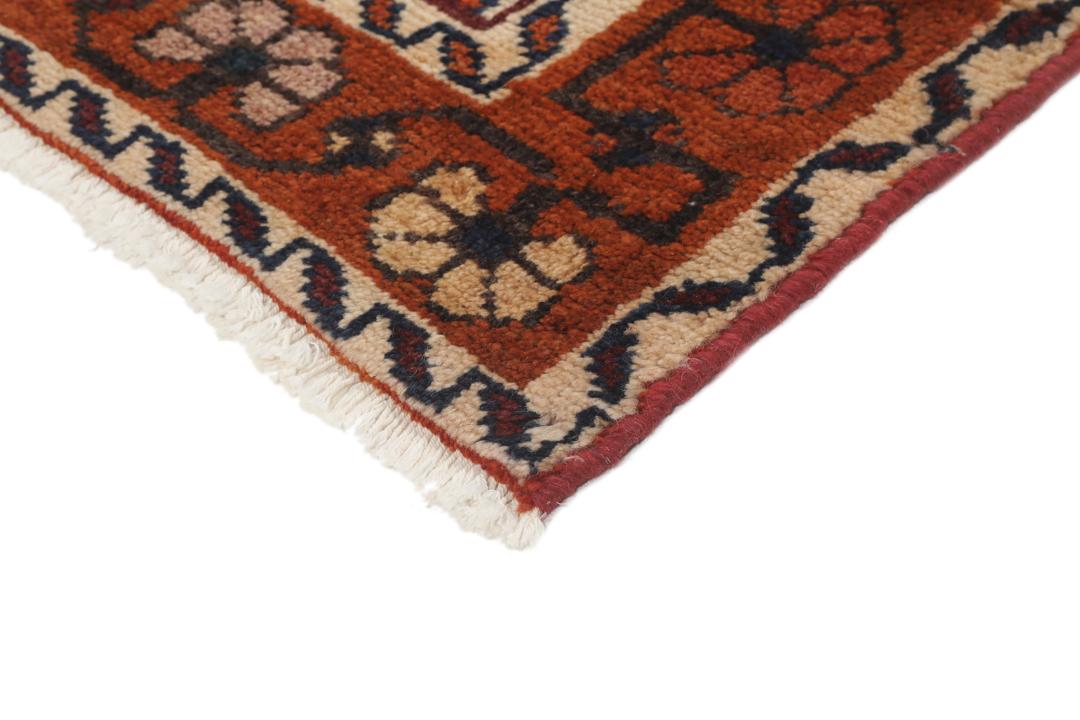
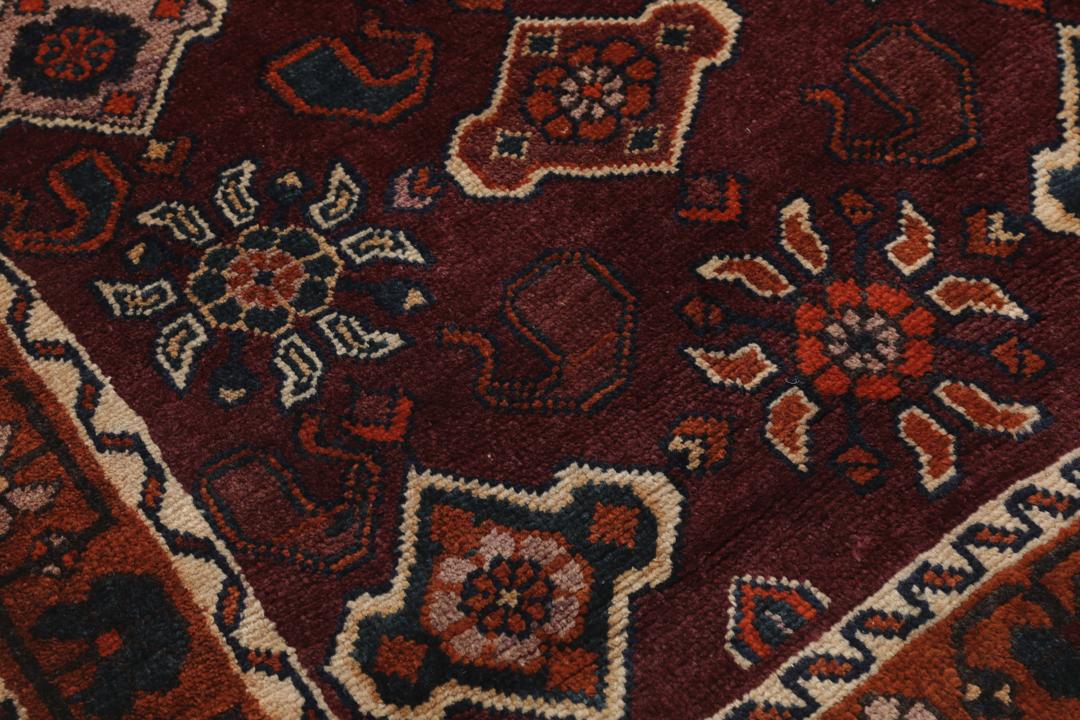
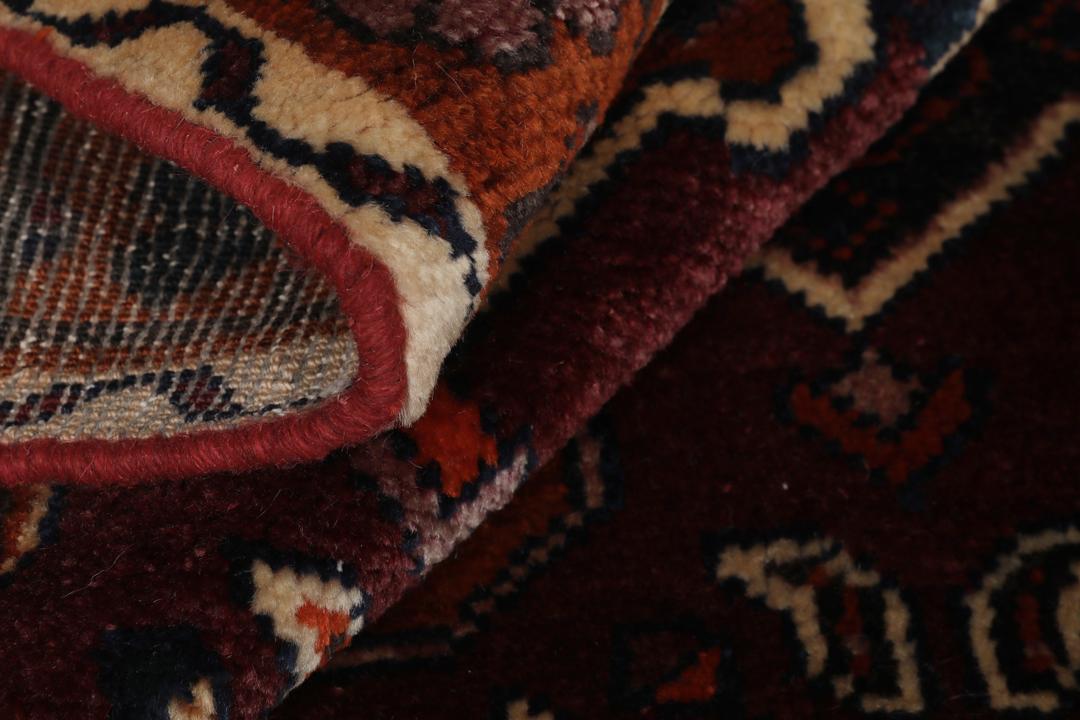
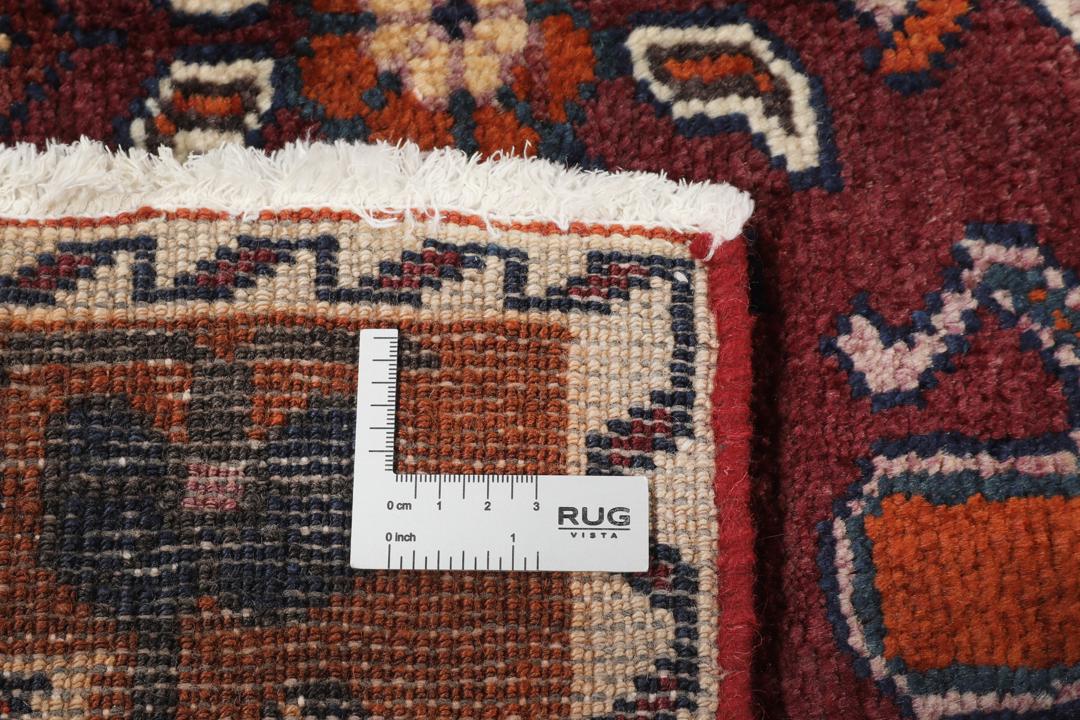
Technical mastery is at the heart of the Lori tradition. The construction often employs hand-spun wool, which retains its natural lanolin to provide a soft, durable, and stain-resistant finish. This material choice is vital, as it ensures the rug develops a beautiful patina over time, becoming more characterful the longer it is used in the home.
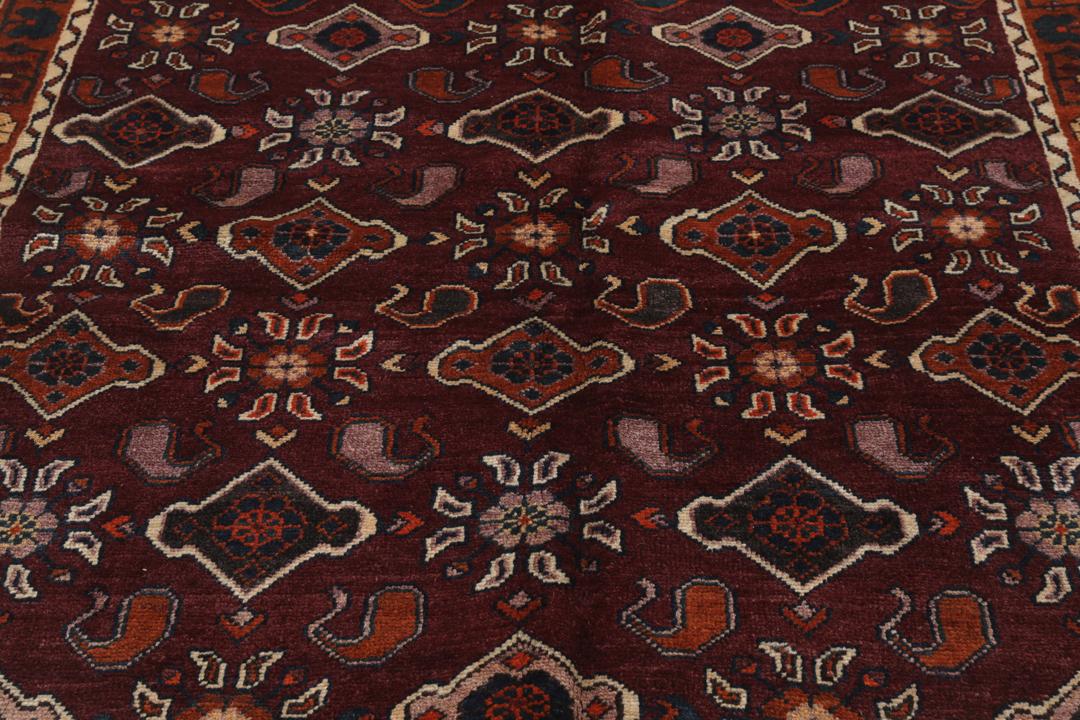
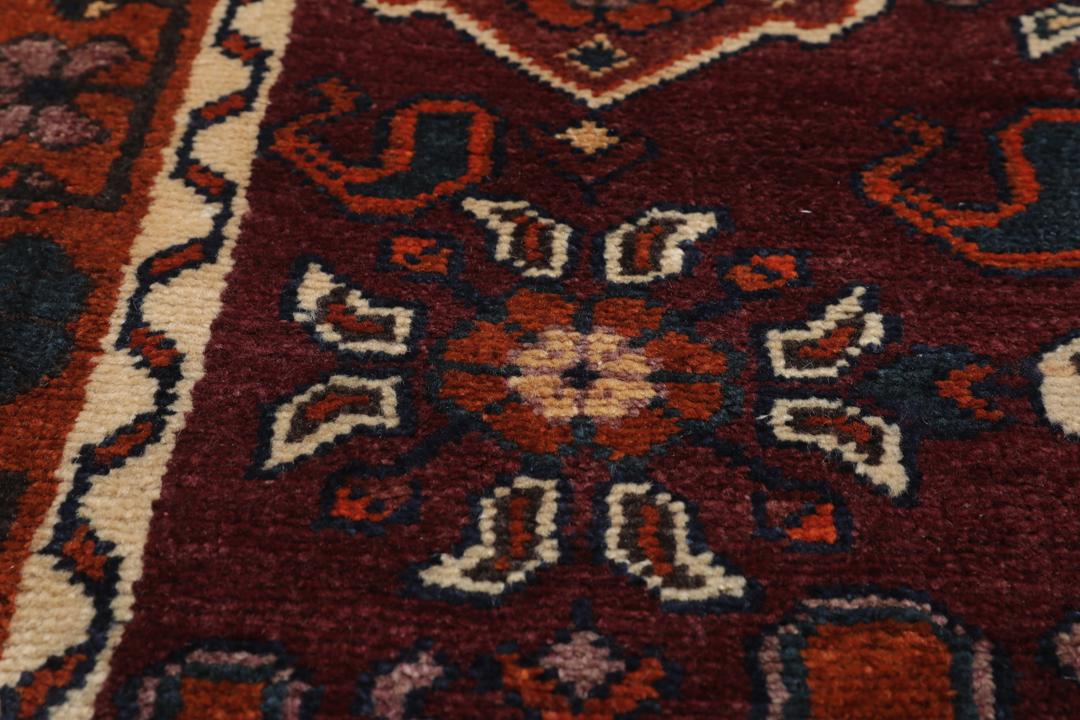
Visually, Lori rugs are celebrated for their bold geometric language. The field is often populated with stylized medallions, tribal motifs, and repeating patterns that tell stories of the weavers' environment. The use of deep, earthy colours is a signature of this style, often achieved through natural dyes that have a remarkable ability to hold their richness even after decades of use.
Collecting a Lori rug is an investment in a living heritage. These pieces are valued not just for their utility as floor coverings, but as repositories of skill, history, and communal expression. To own one is to participate in a centuries-old craft tradition, bringing a piece of genuine artistic history into your daily life.