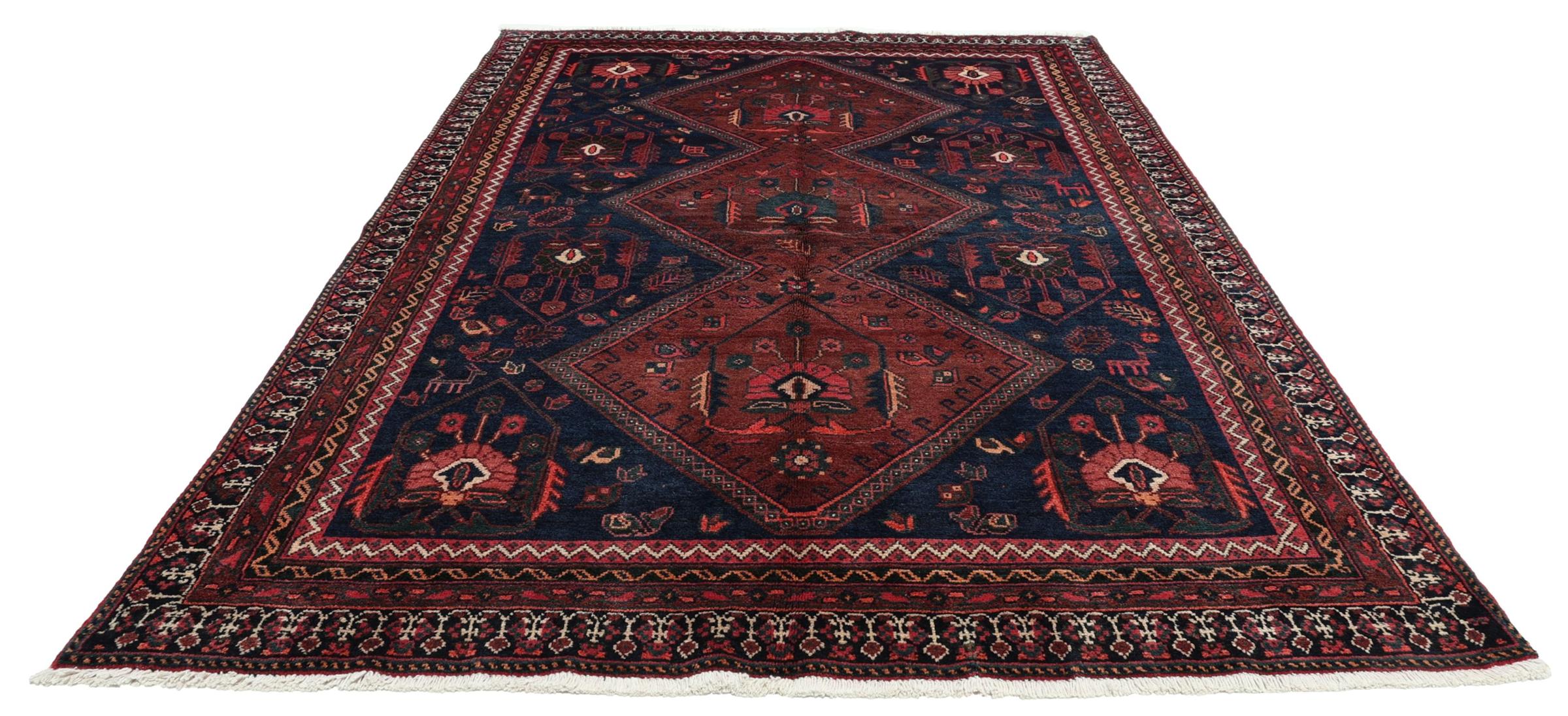
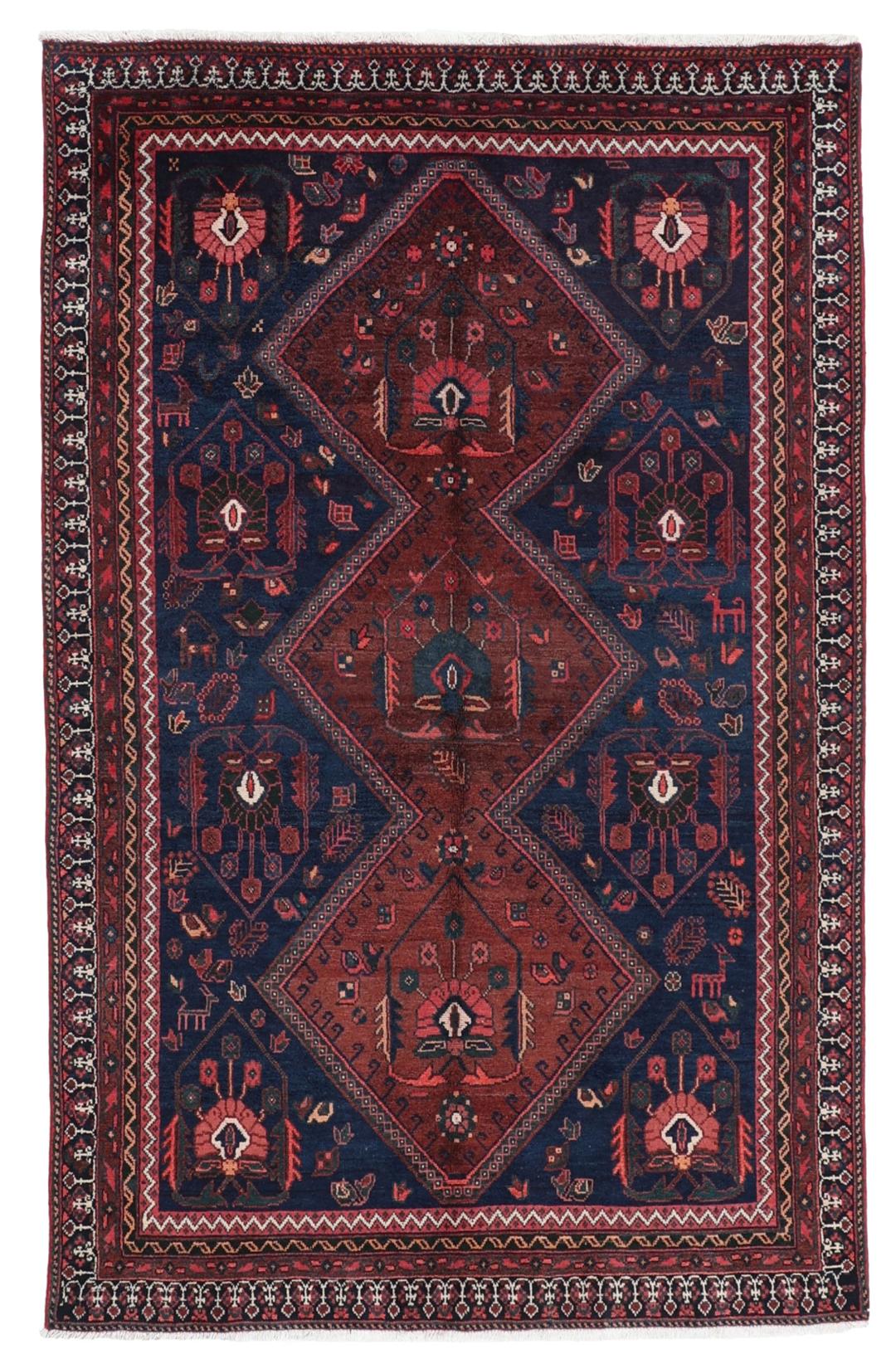
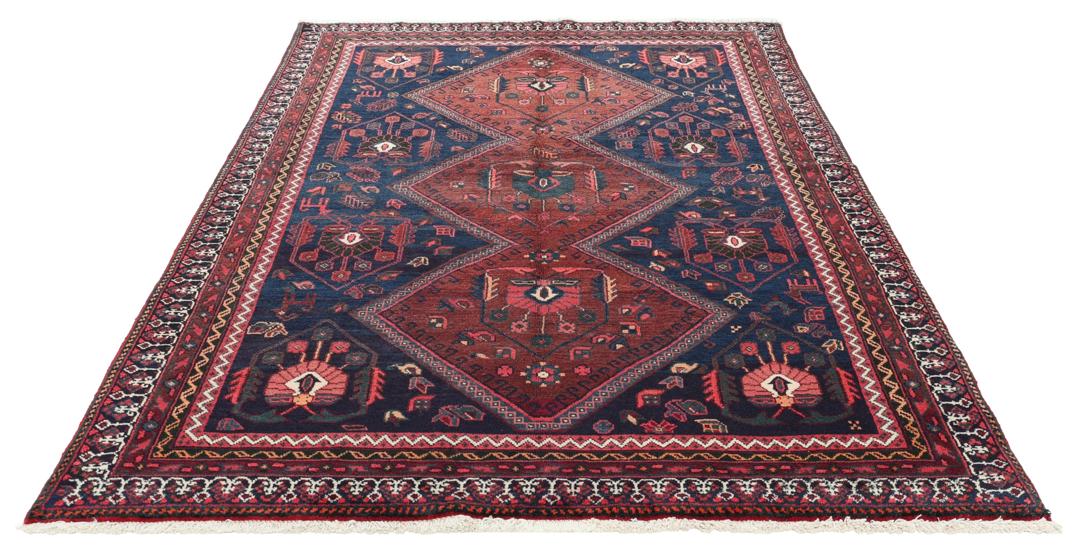
Lori rugs originate from the mountainous regions of the Middle East, where the Lori people have maintained a long-standing tradition of weaving. These rugs are deeply rooted in the nomadic heritage of the region, reflecting a culture that values the functional beauty of textiles created for both utility and symbolic expression.
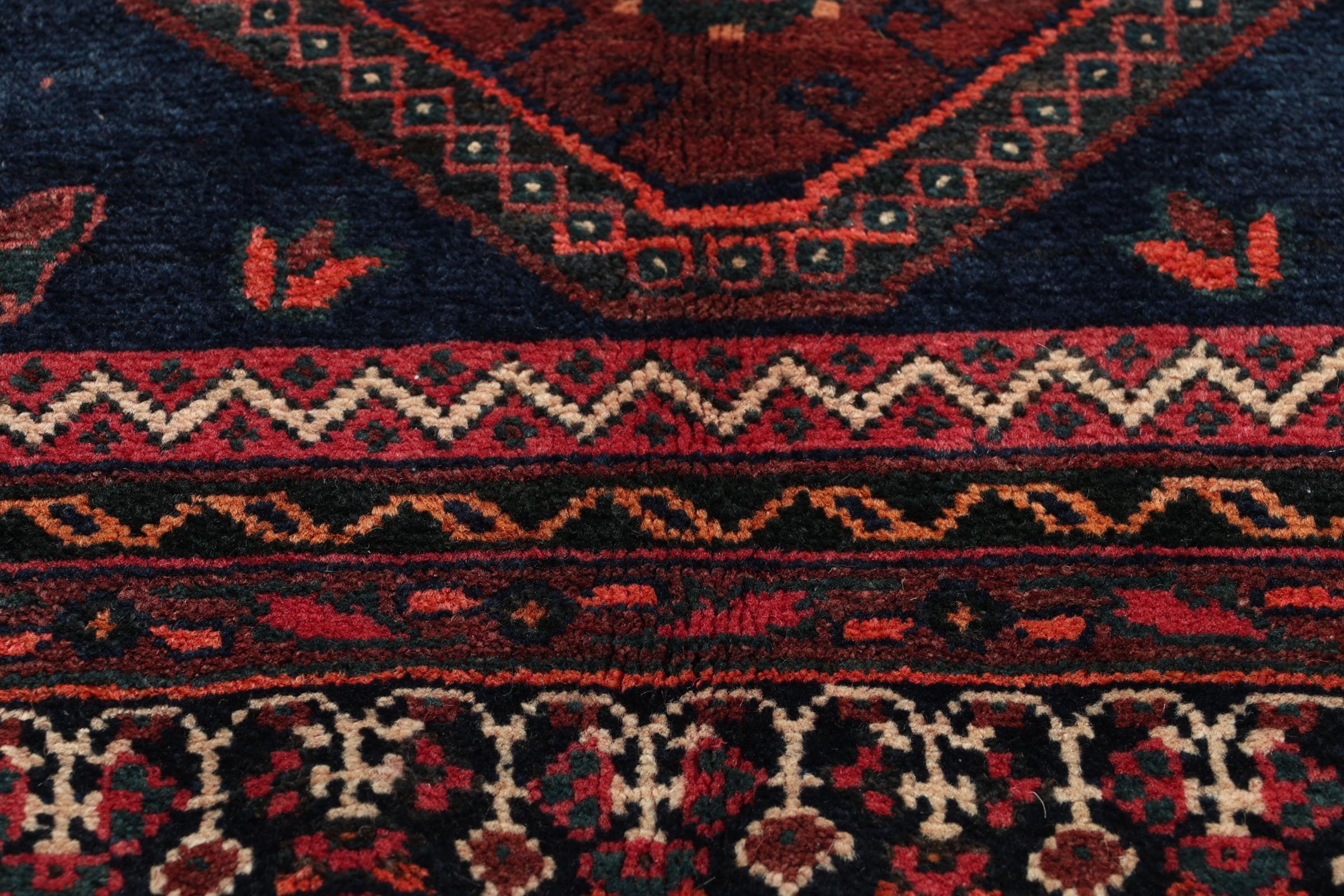
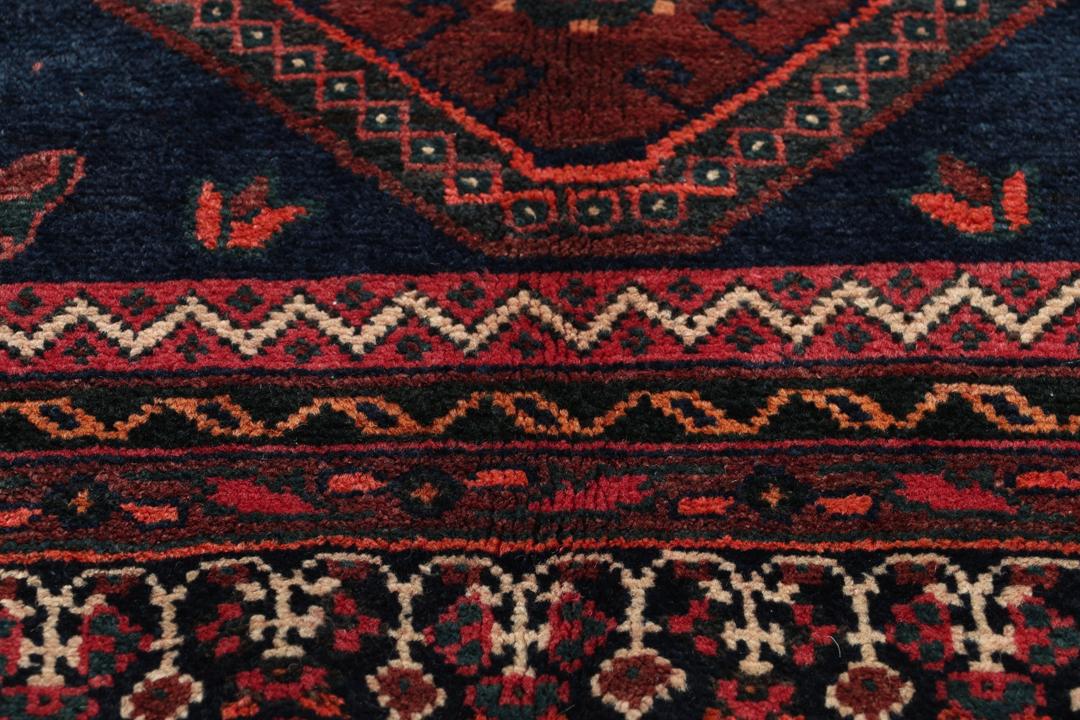
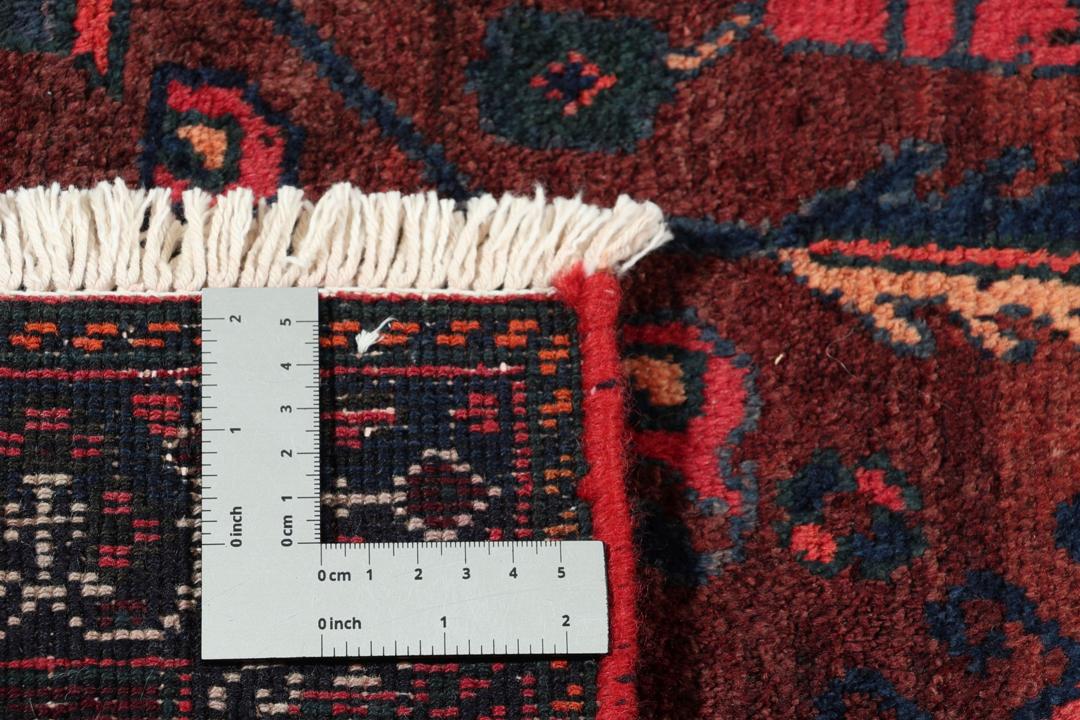
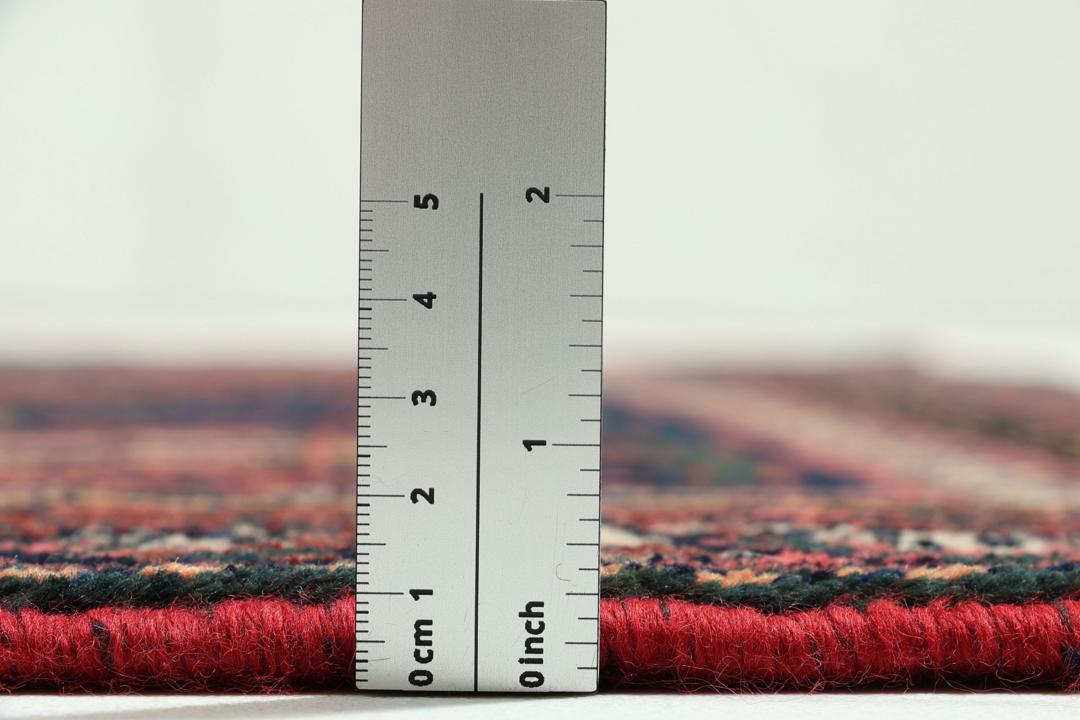
The weaving tradition is characterised by the use of wool sourced from local livestock, which is often hand-spun to create a durable and lustrous pile. This process is essential to the quality of the rug, as the natural oils in the wool are preserved, contributing to the rug's ability to soften and develop a beautiful patina over decades of use.
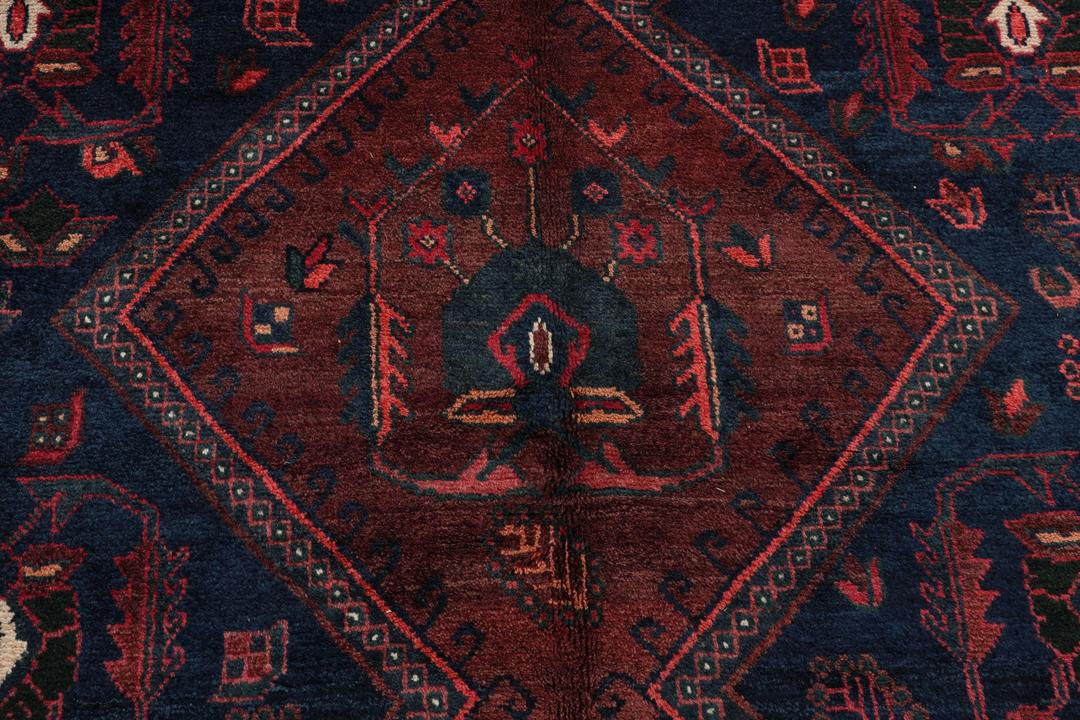
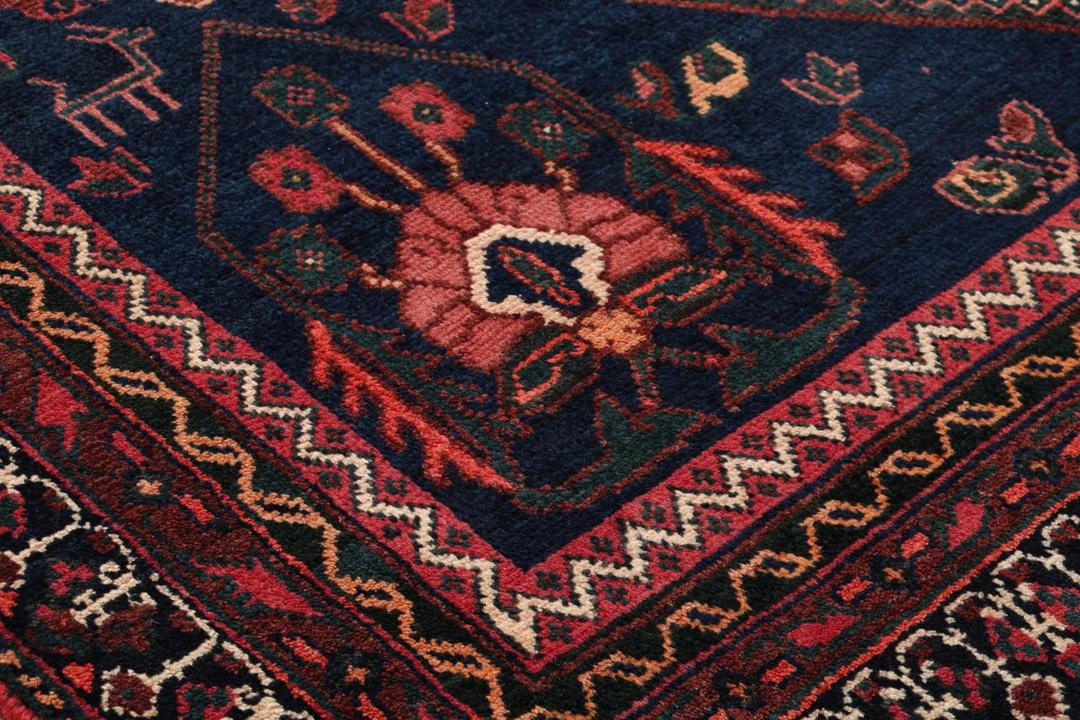
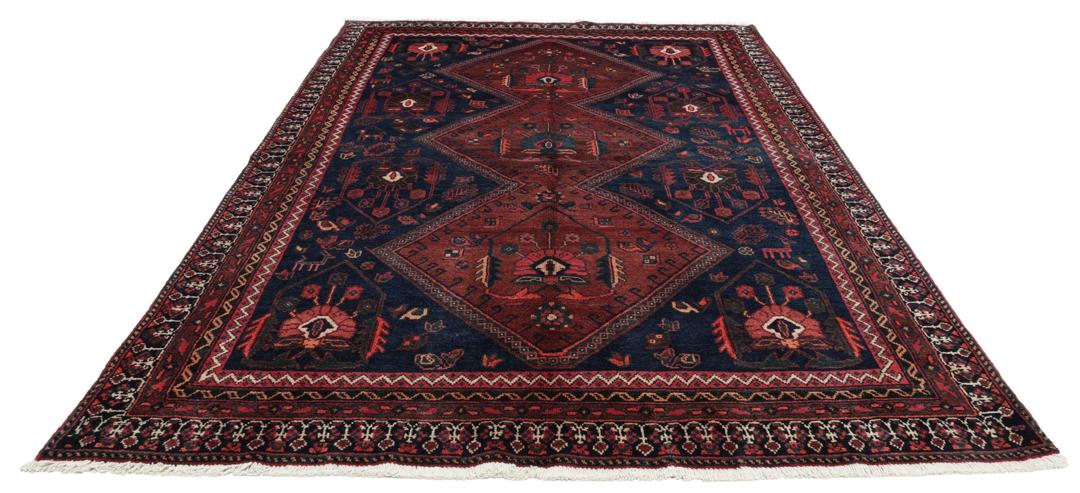
Visually, Lori rugs are often recognised for their bold, geometric motifs and the use of deep, earthy colour palettes. The designs frequently incorporate stylised animals, plants, and tribal symbols that hold specific cultural meanings, arranged in compositions that are both spontaneous and balanced, reflecting the environment and worldview of the weavers.
These rugs are highly sought after by collectors for their authentic tribal aesthetic and the human story behind every knot. Owning a Lori rug is an opportunity to connect with a centuries-old craft tradition, preserving a piece of cultural history that celebrates skill, creativity, and the enduring nature of hand-woven art.