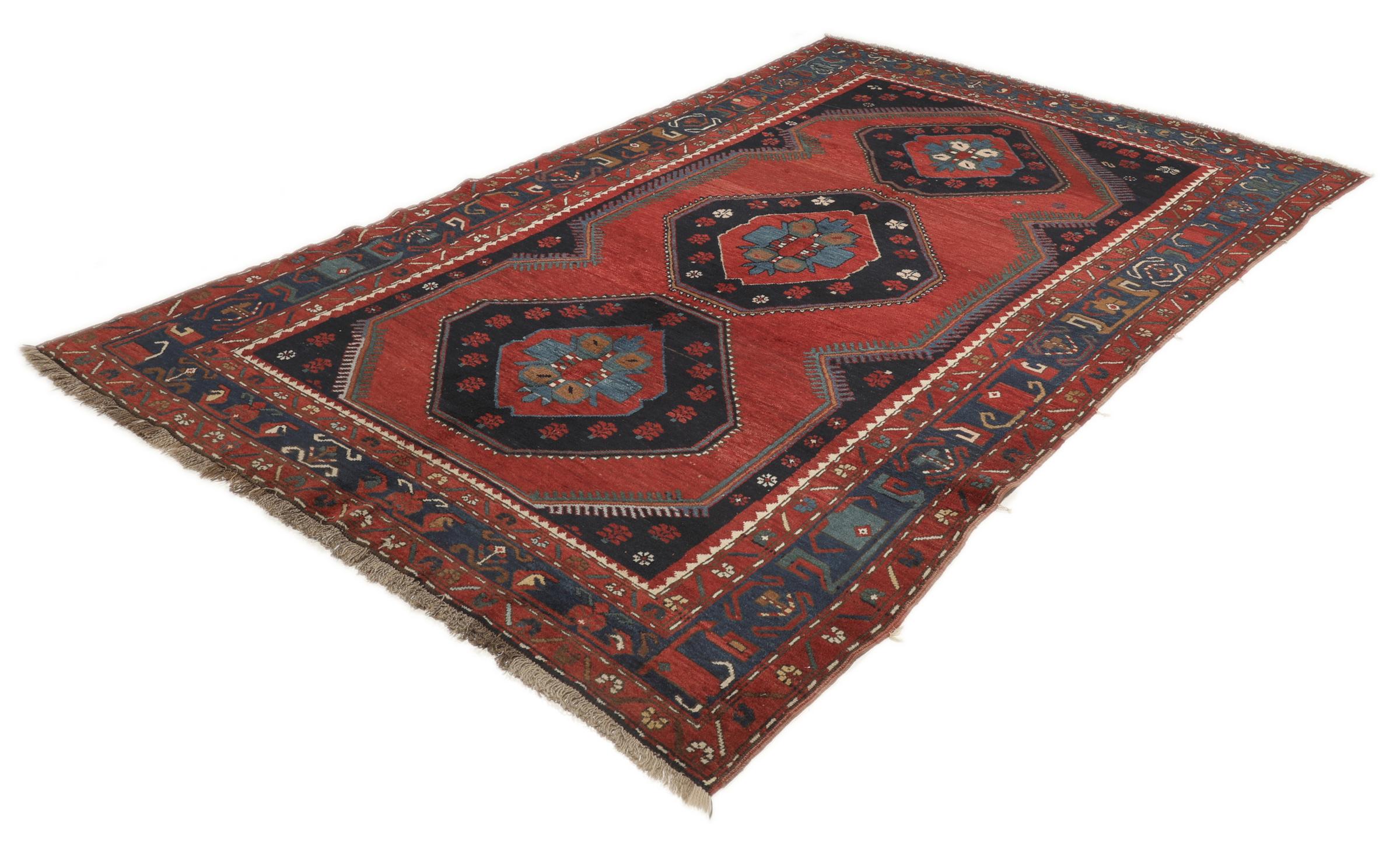
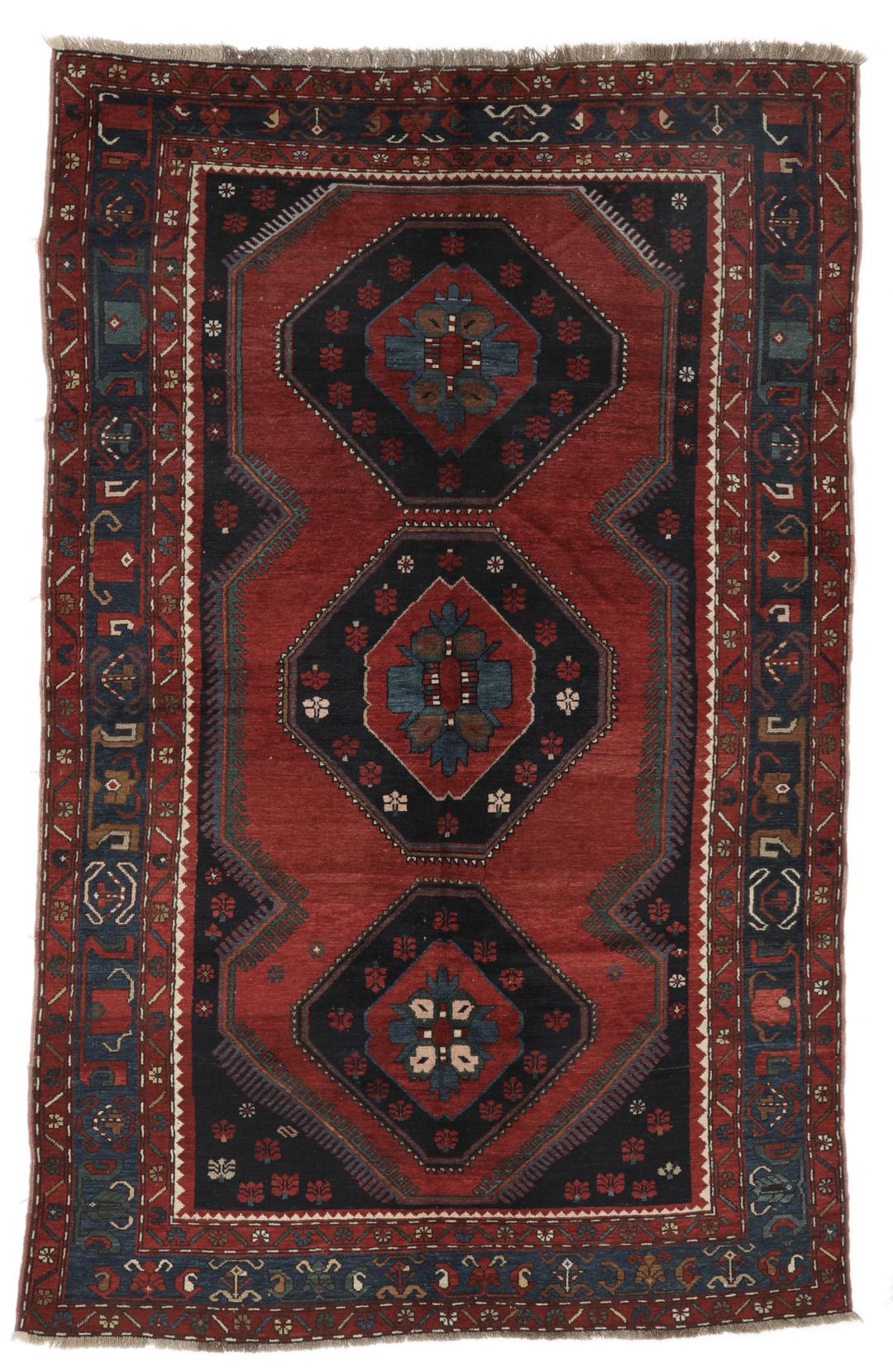
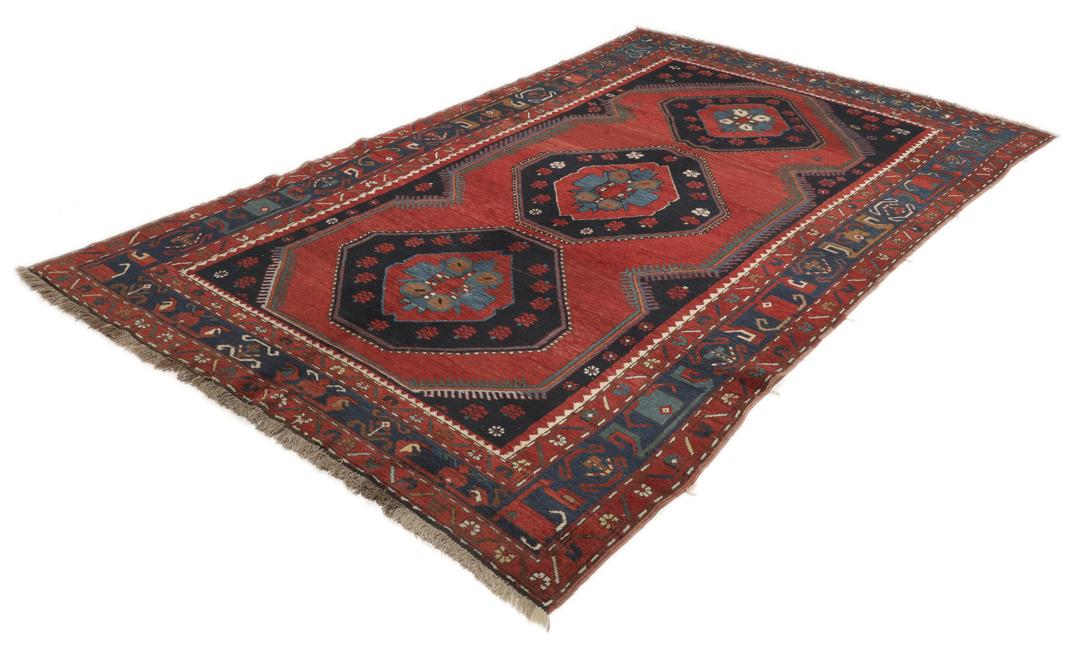
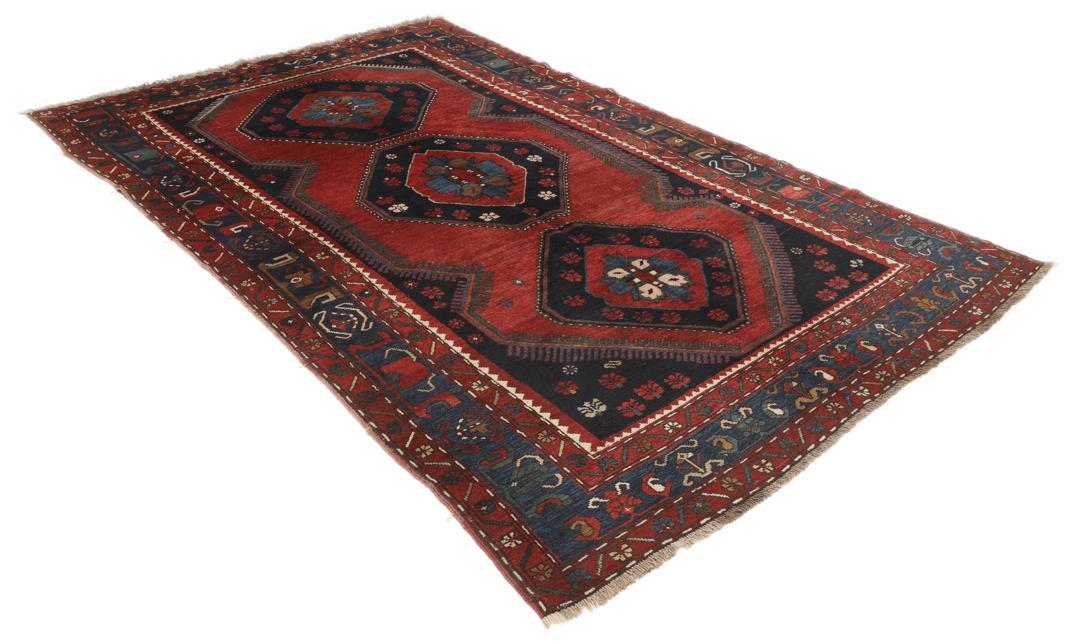
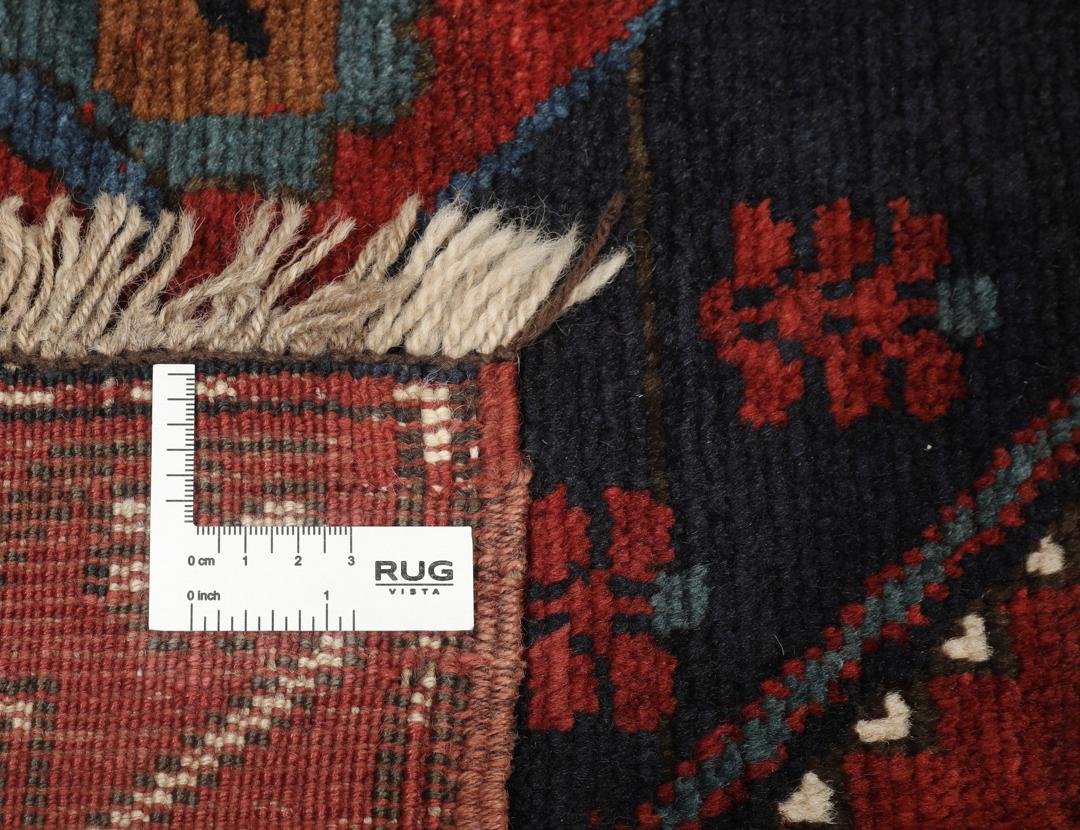
The Lori Pambak rugs are among the most recognisable and coveted types of Shirvan and Caucasian textiles. They originate from the mountainous regions of the Caucasus, specifically the area near the Lori and Pambak rivers in the Middle East. These rugs emerged from a rich cultural melting pot where nomadic traditions met settled village life, resulting in a distinct visual language that has fascinated collectors for over a century.
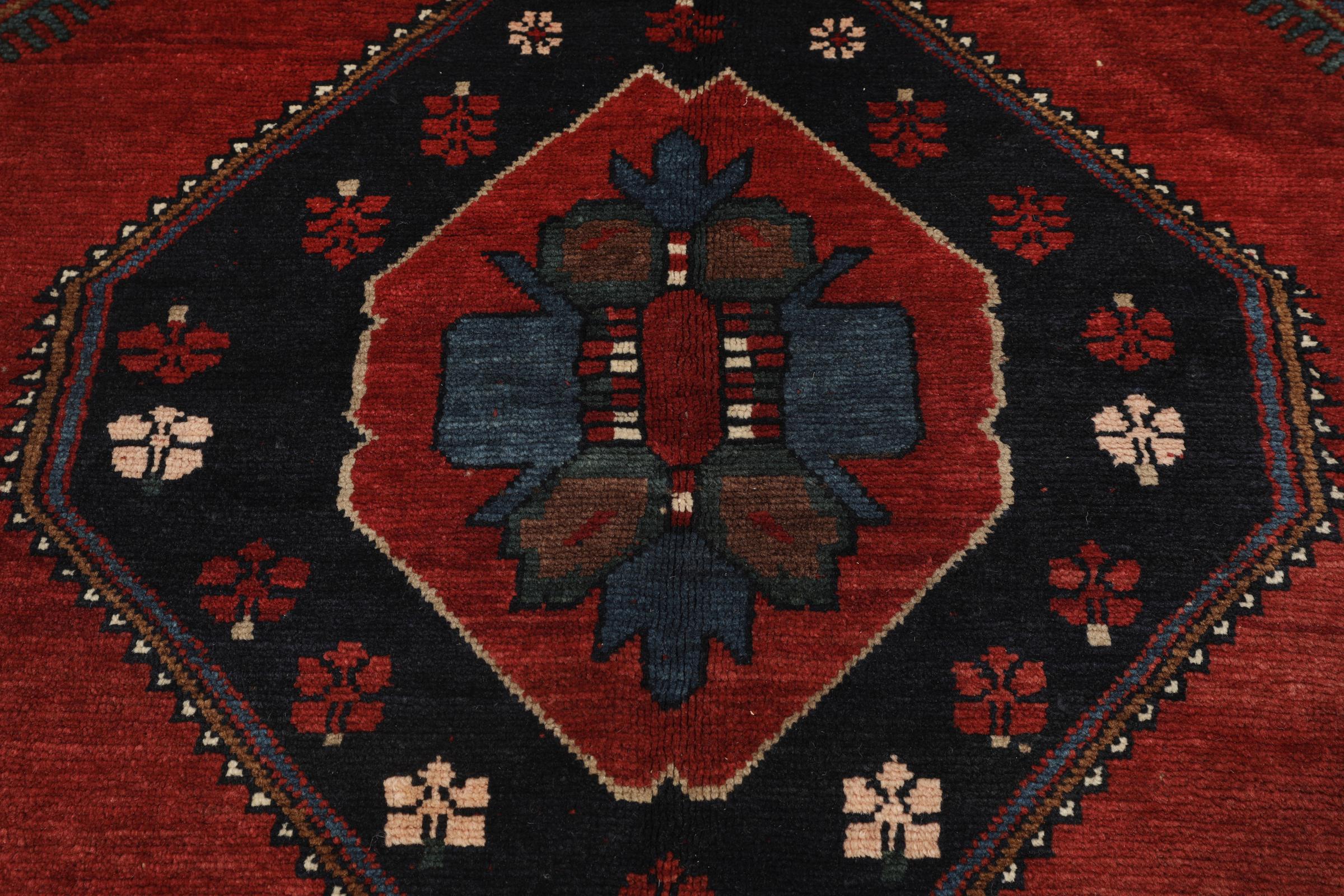
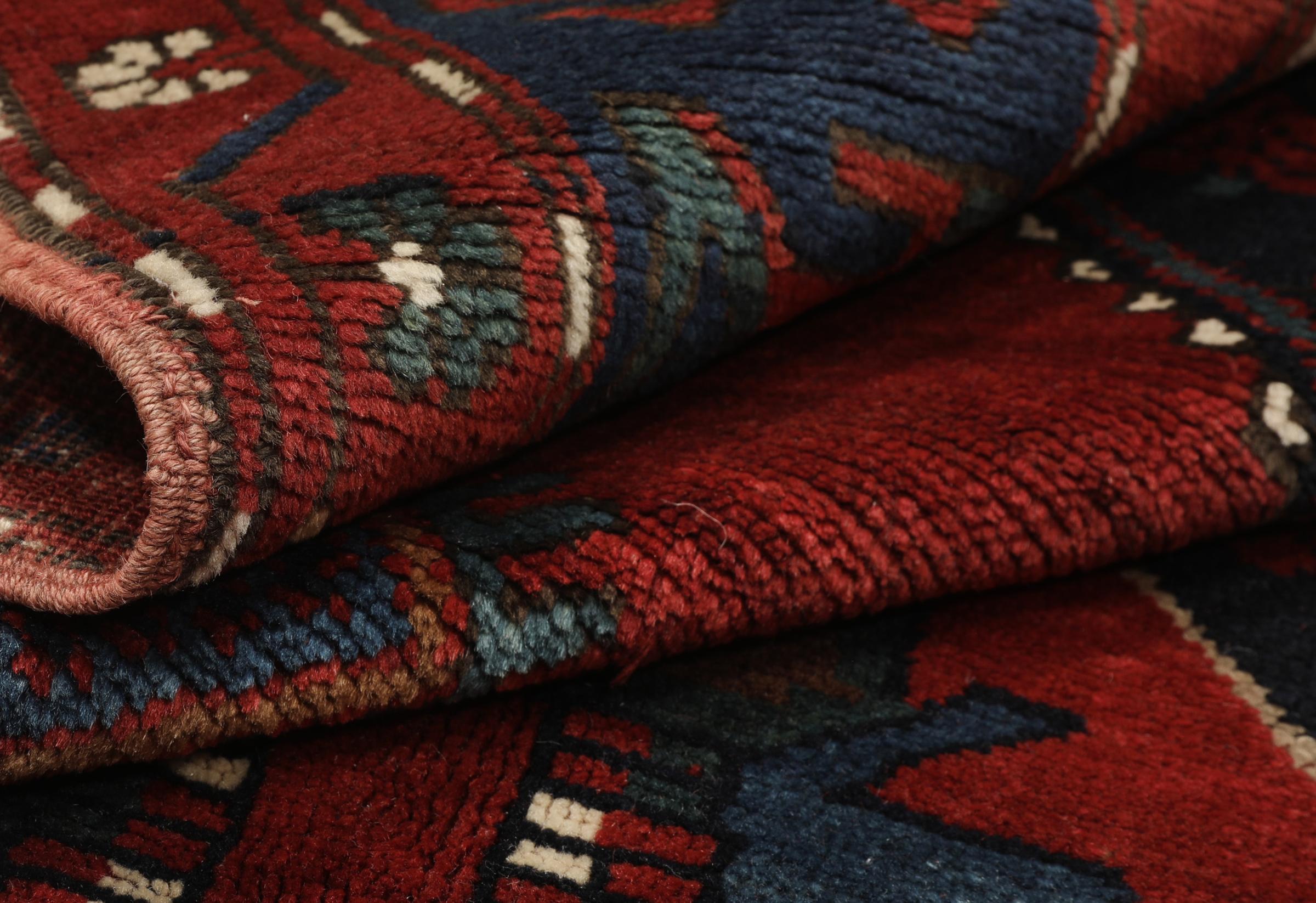
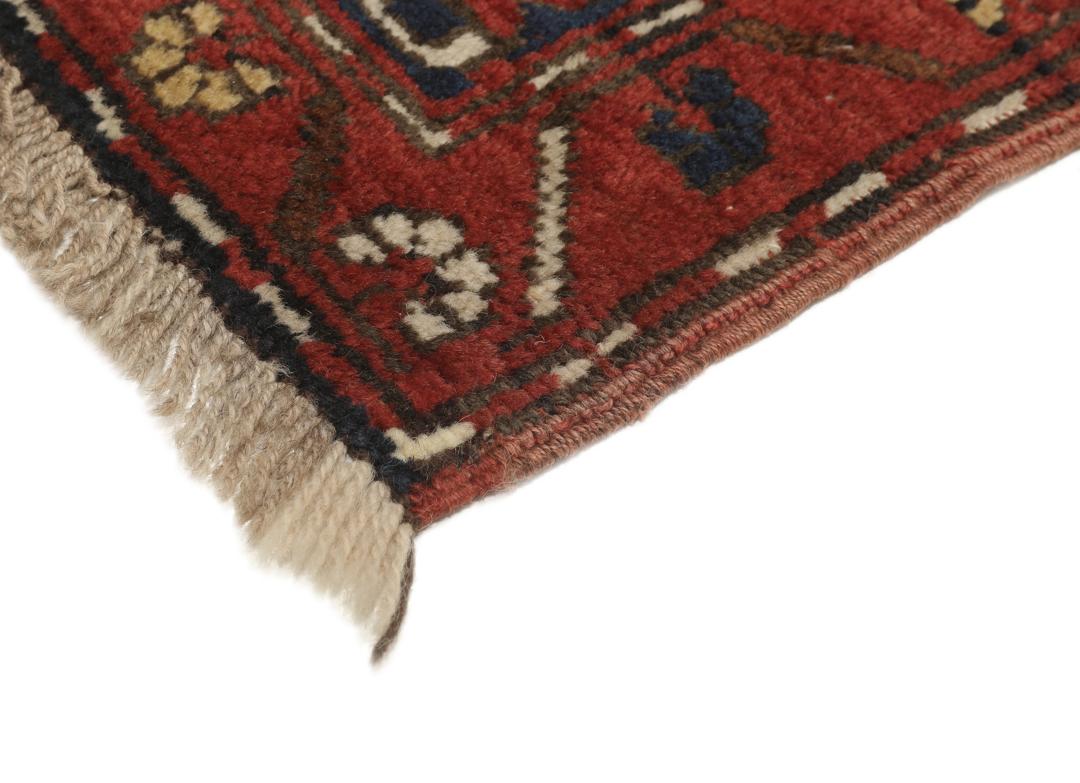
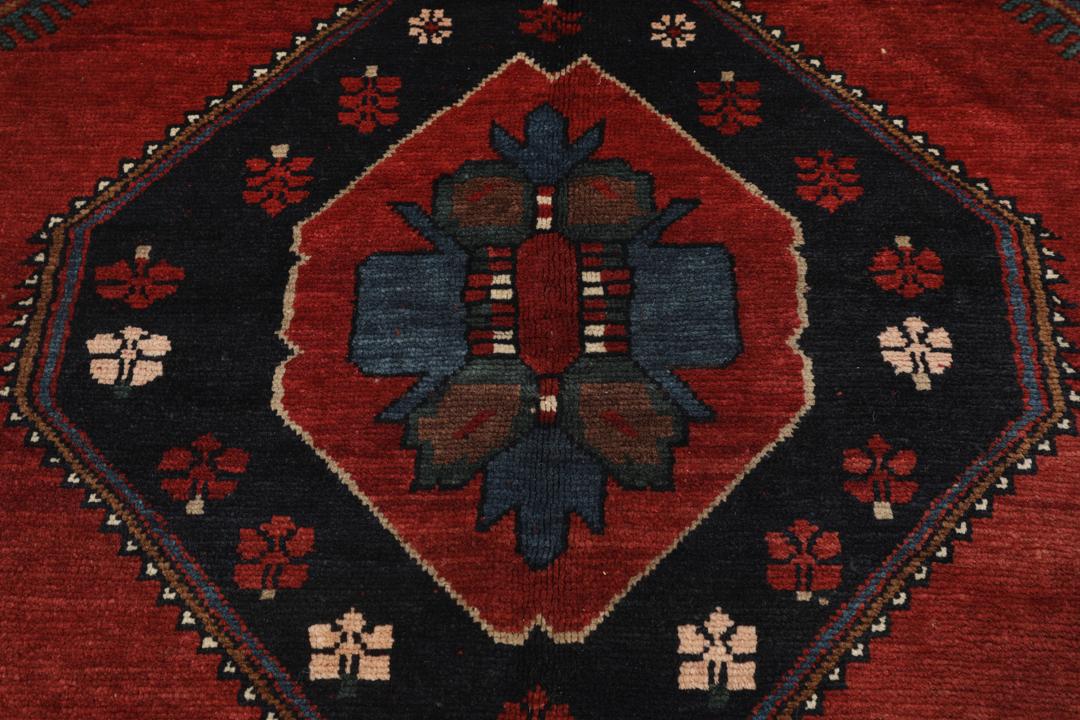
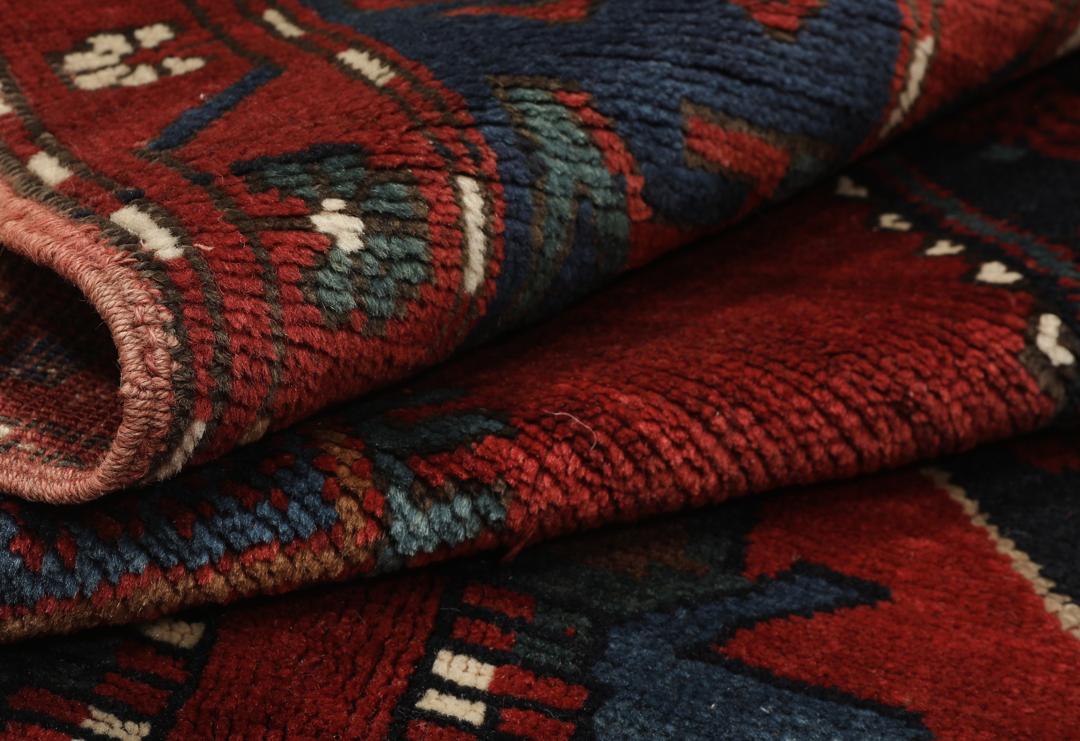
These rugs are defined by their bold, large-scale geometric motifs, most notably the massive central medallions that often dominate the field. Unlike the delicate floral patterns found in other Middle Eastern traditions, the Lori Pambak aesthetic is architectural and monumental. The structure is typically dense and robust, designed to withstand the harsh conditions of the high-altitude climate where these rugs were traditionally used.
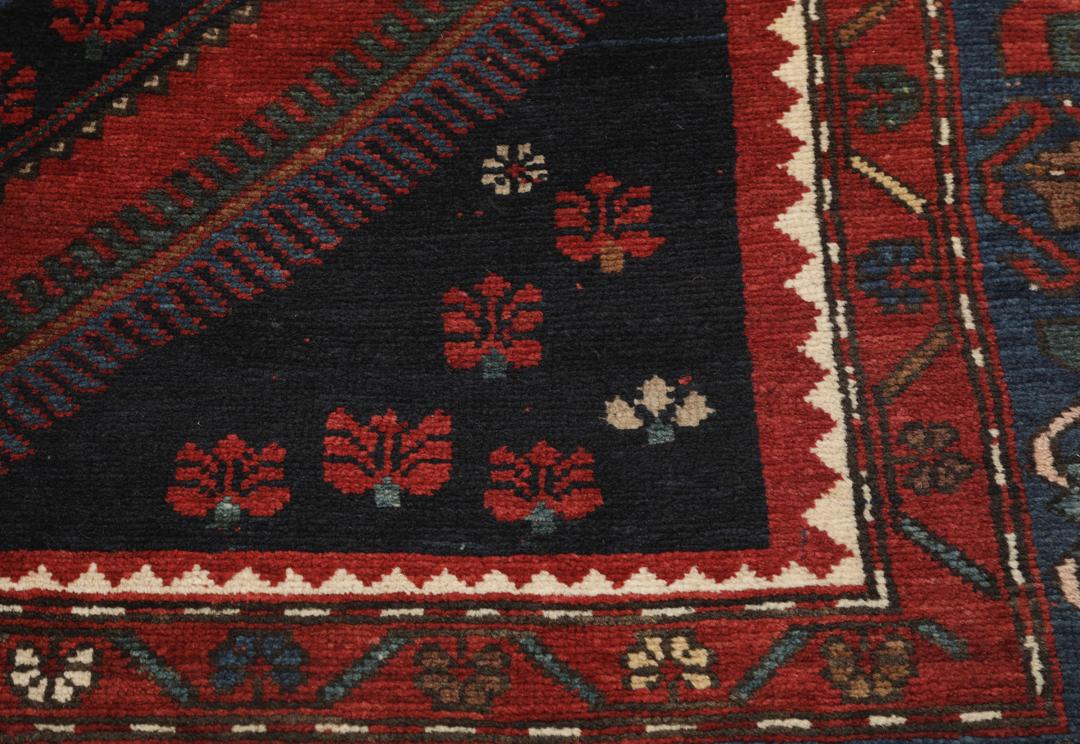
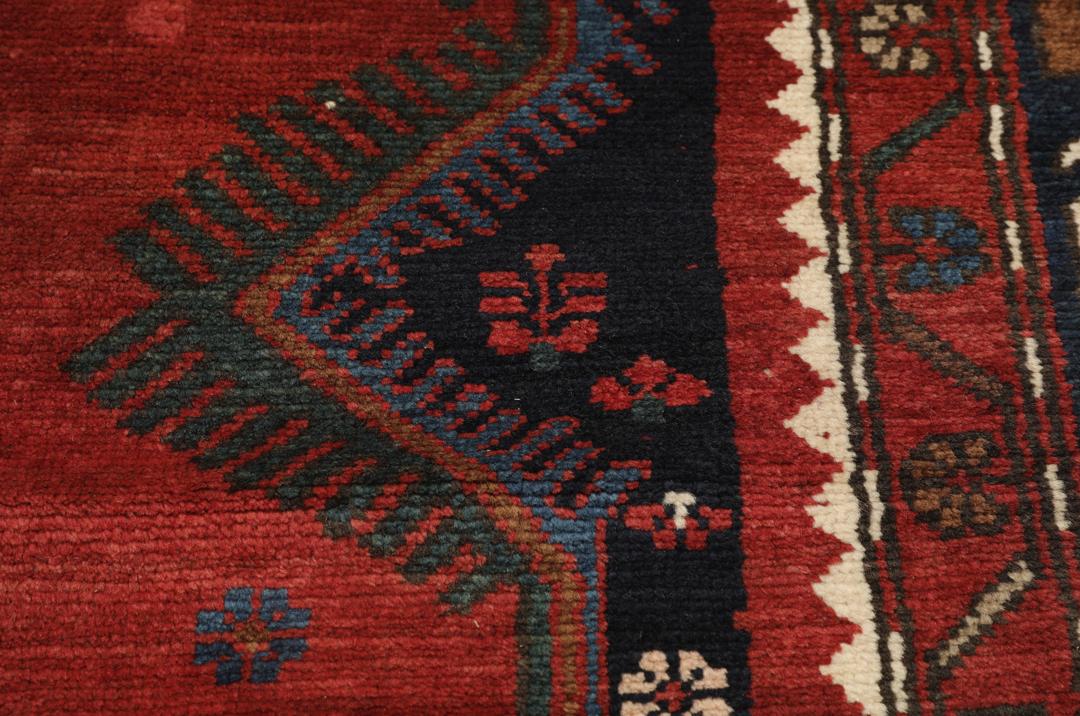
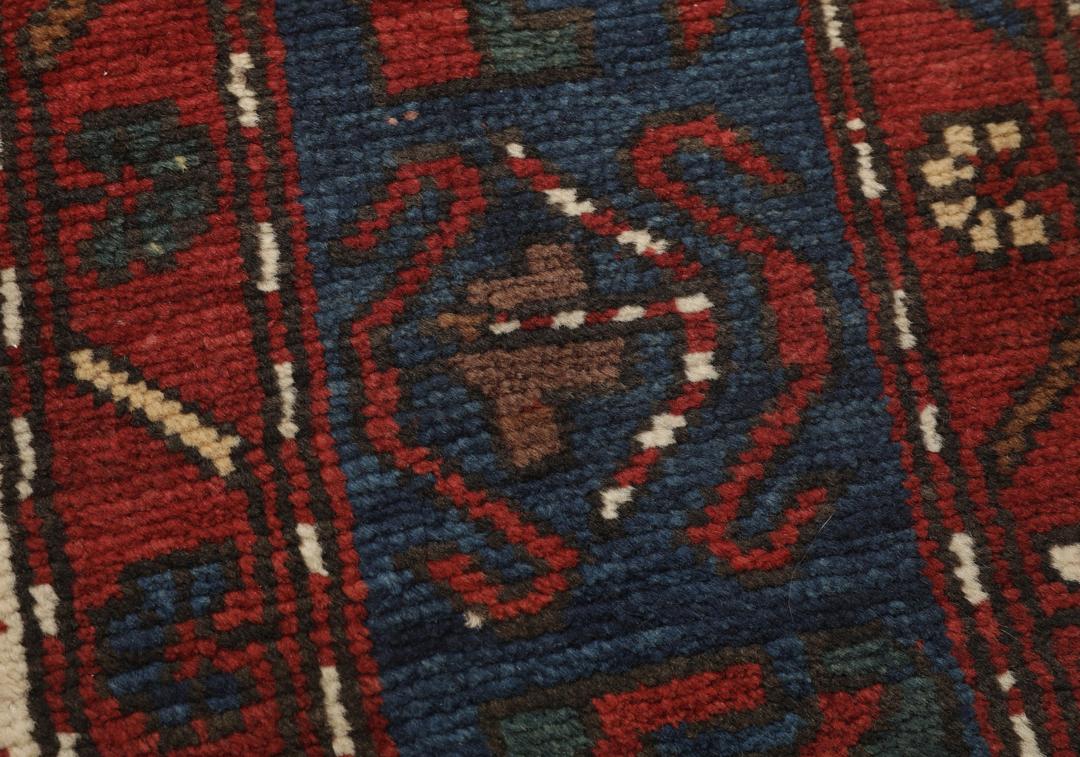
The signature design elements of a Lori Pambak include a large central octagon or stylised medallion, often surrounded by smaller geometric motifs like stars, latch-hooks, and animal figures. The borders are usually broad and formal, framing the wild, energetic patterns of the centre. The use of a deep, iron-rich red field is a hallmark of this tradition, providing a dramatic backdrop for the intricate, often darker, geometric details.
Owning an antique piece from this tradition is akin to preserving a chapter of history. These rugs are highly valued by collectors for their uncompromising design, their deep roots in regional folk art, and the sheer skill required to execute such complex patterns without the aid of modern technology. To possess one is to connect with a legacy of craftsmanship that has survived through centuries of migration and cultural evolution.