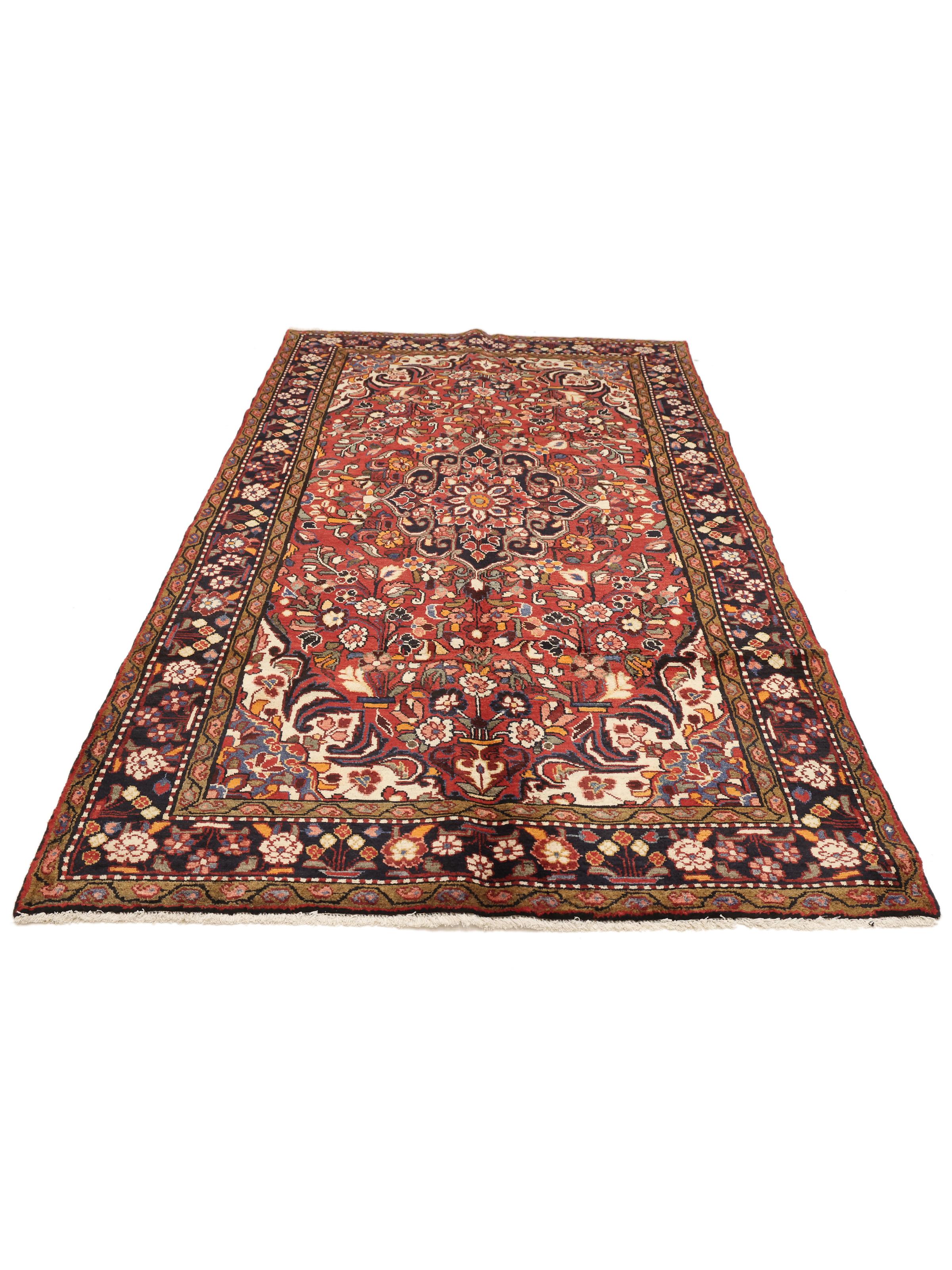
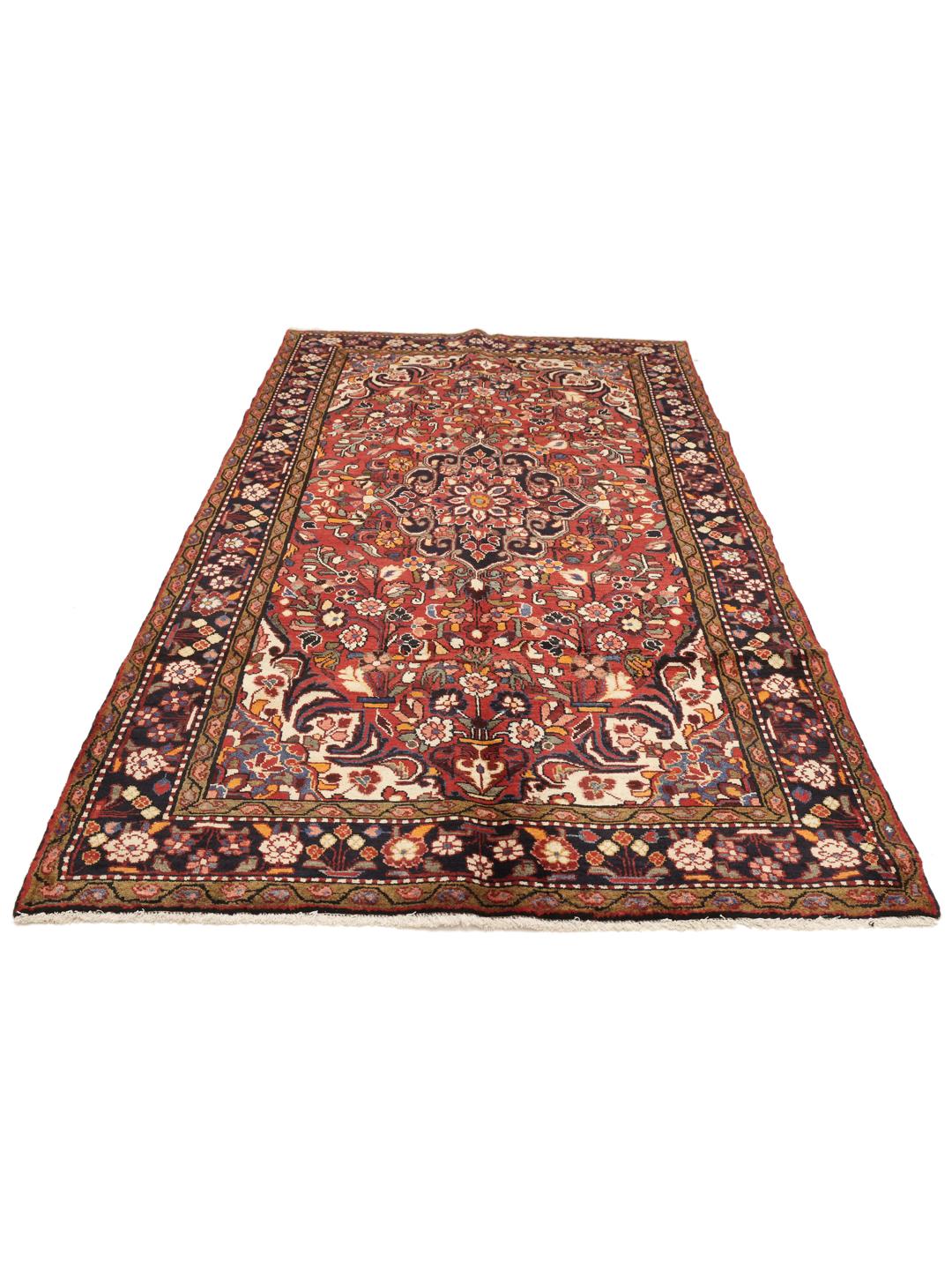
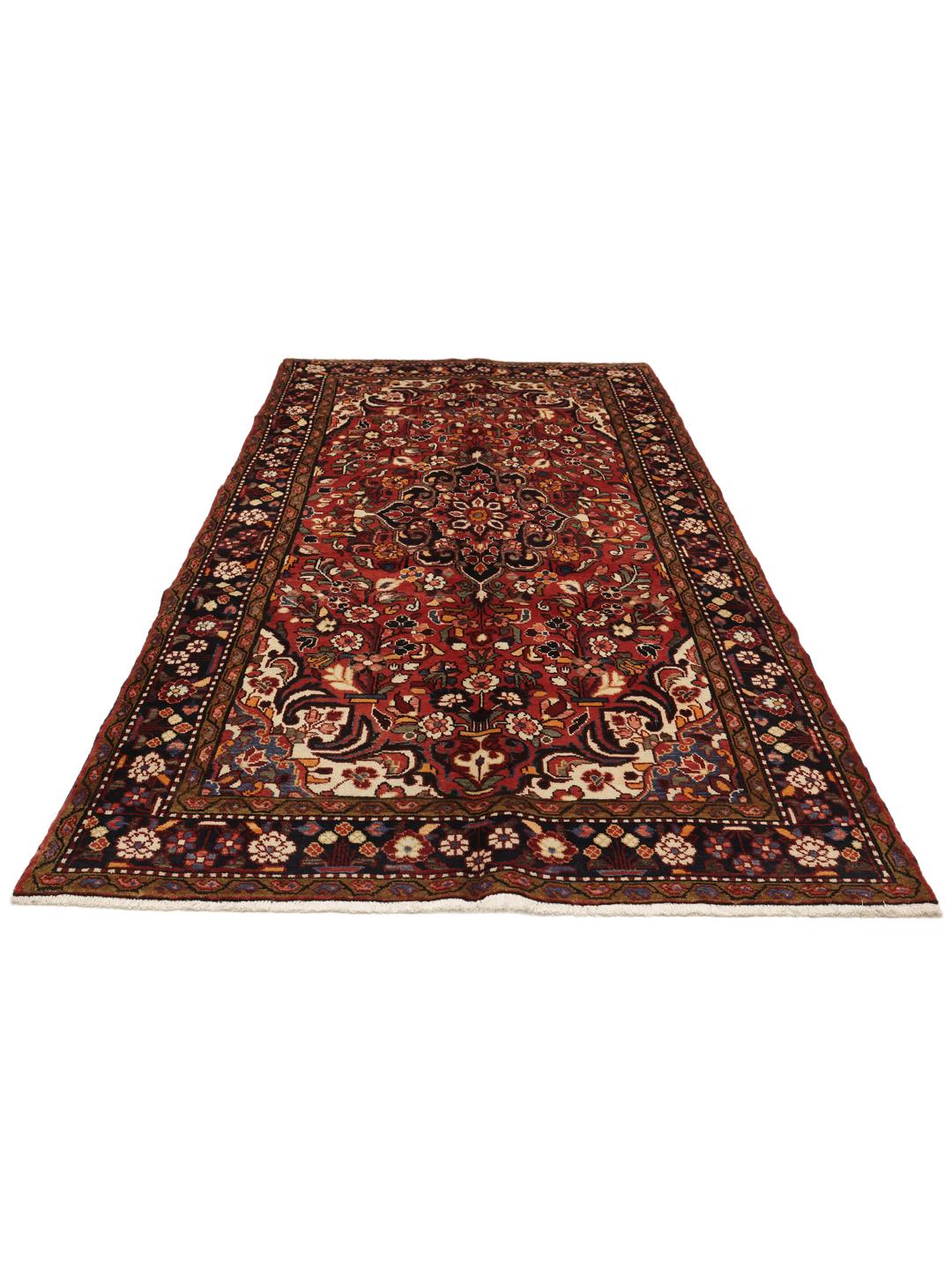
Lillian rugs originate from the village of the same name in the Arak region of the Middle East. This area has long been a significant hub for rug weaving, celebrated for its ability to produce pieces that balance robust construction with refined, decorative aesthetics. The region's weaving tradition has been passed down through generations, maintaining a distinct character that remains highly sought after by collectors.
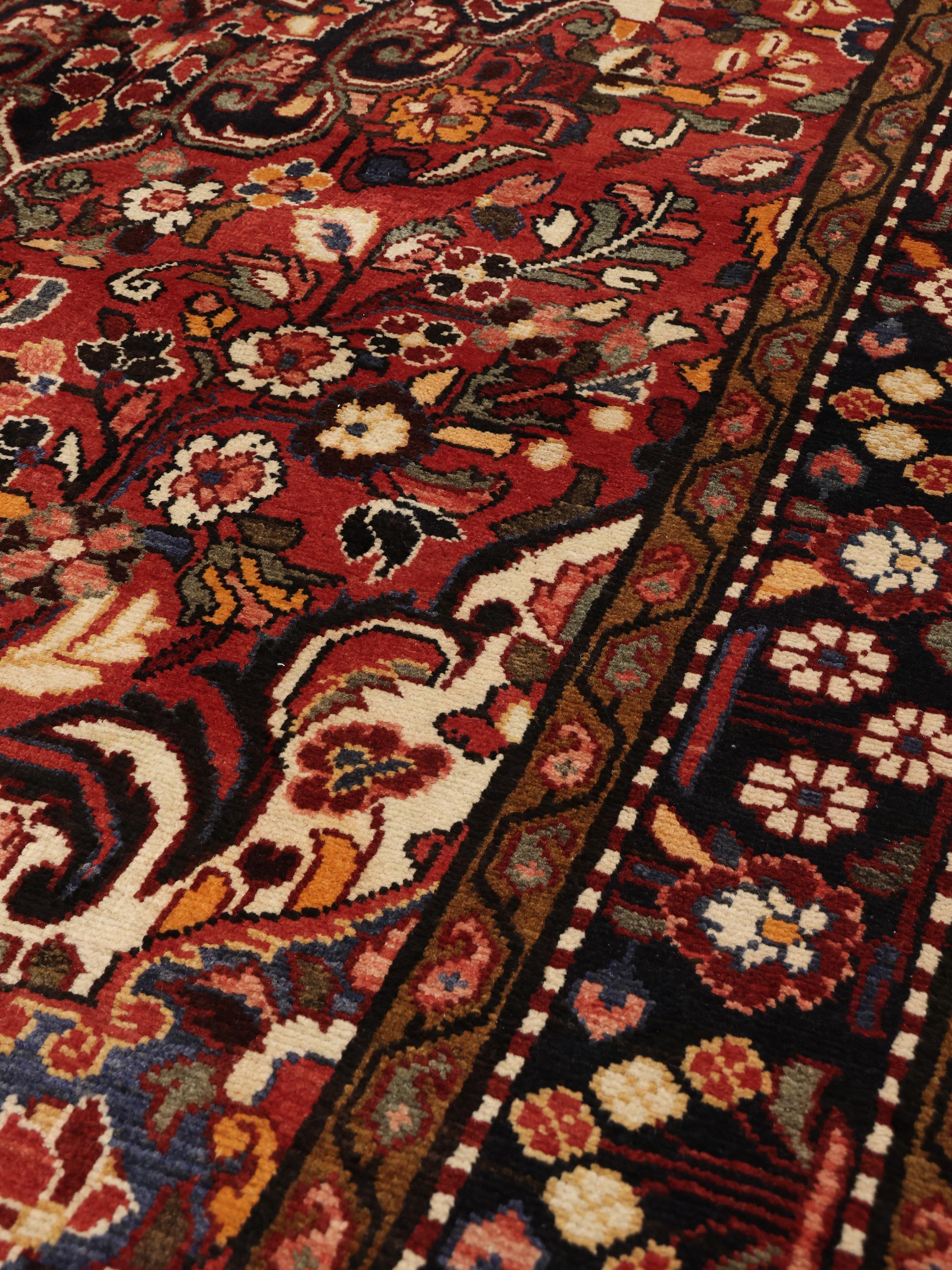
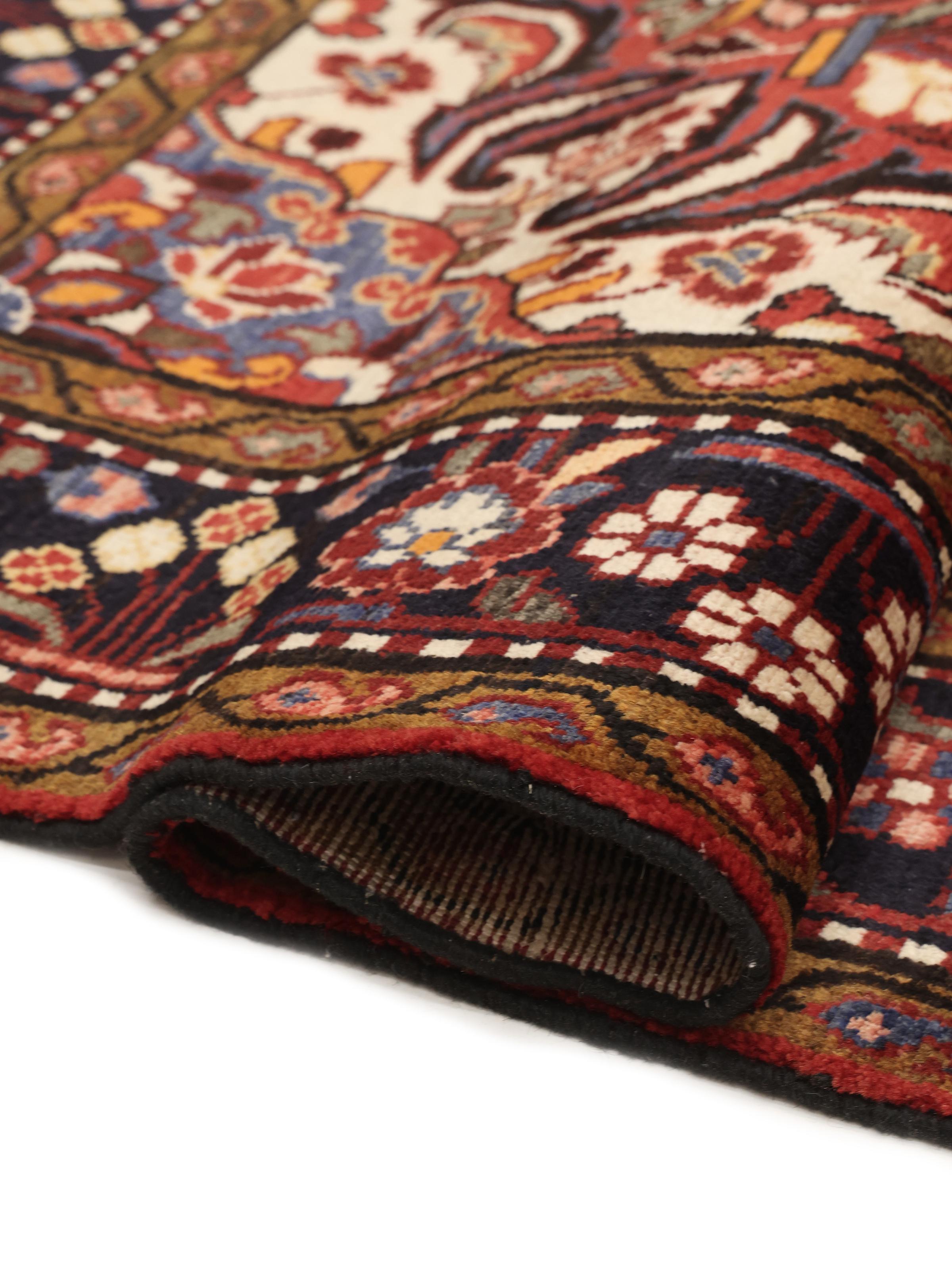
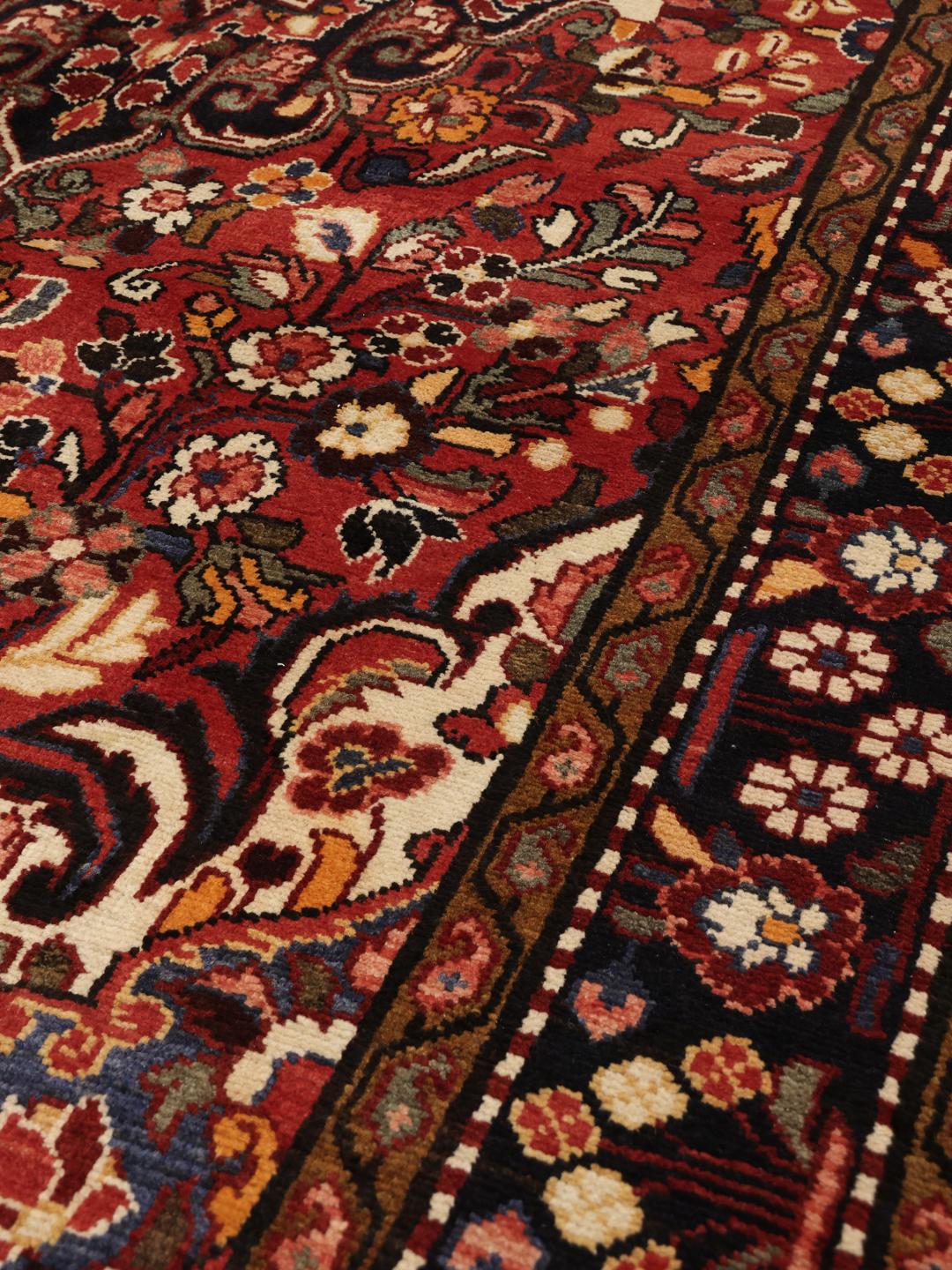
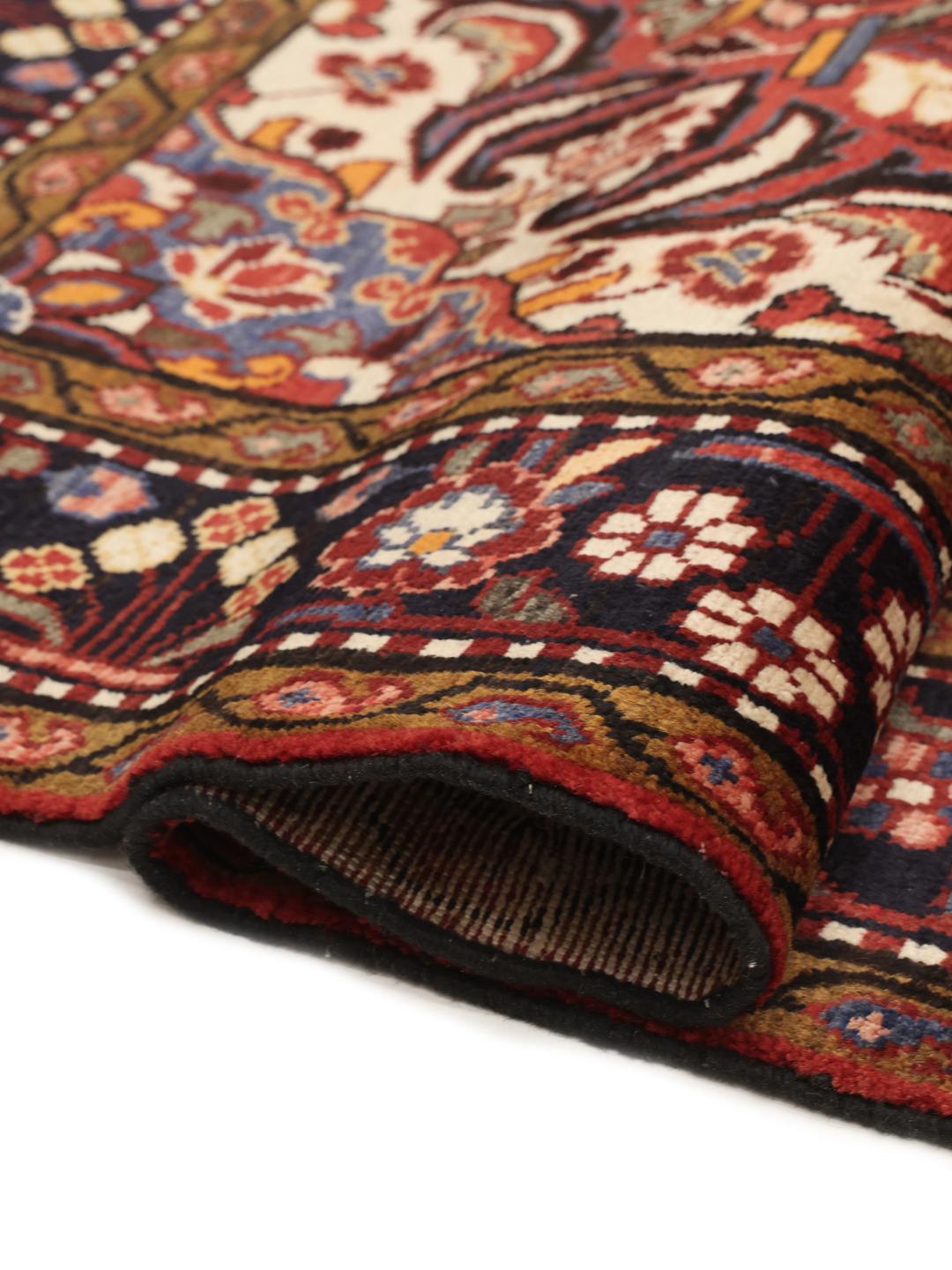
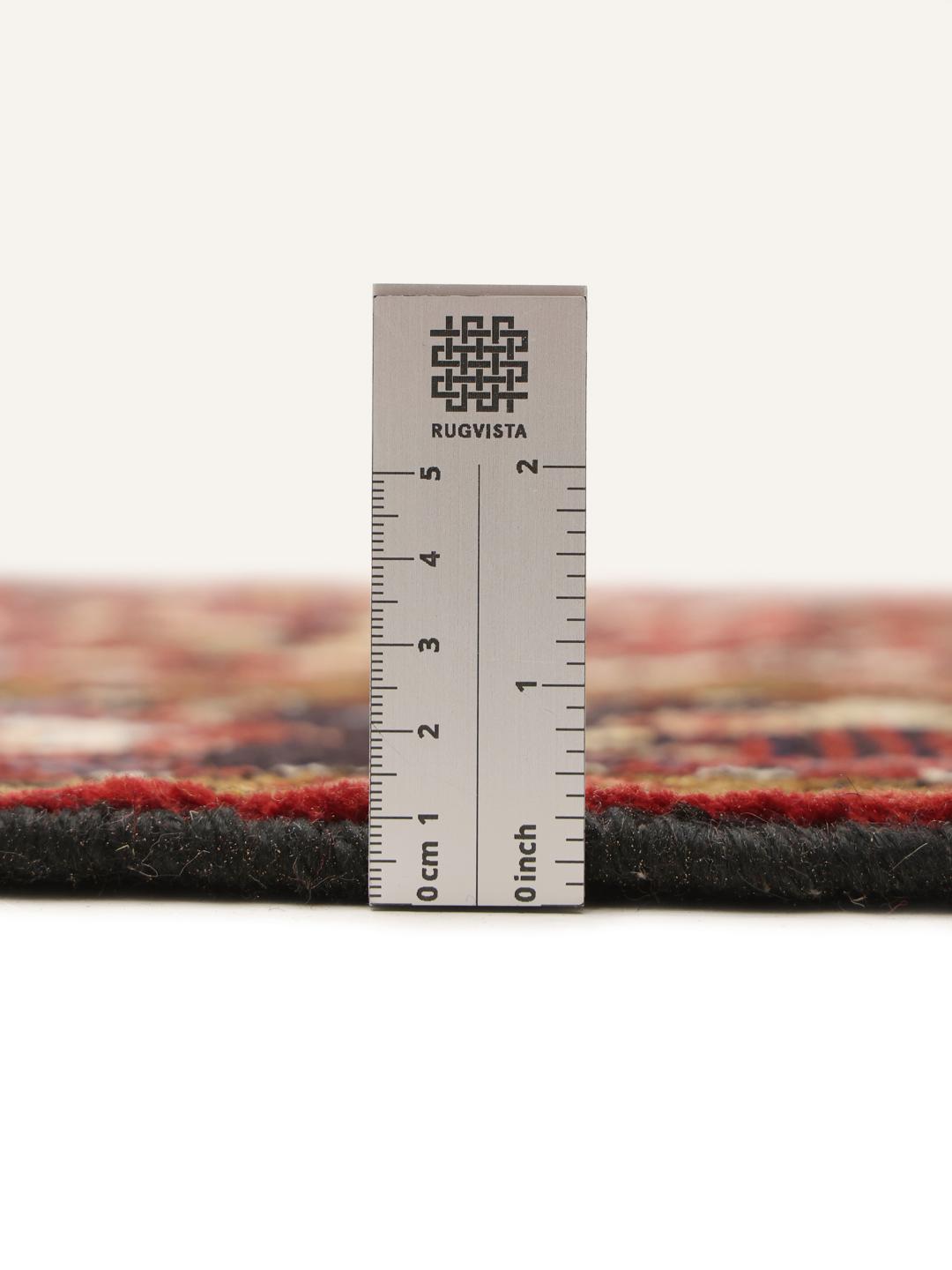
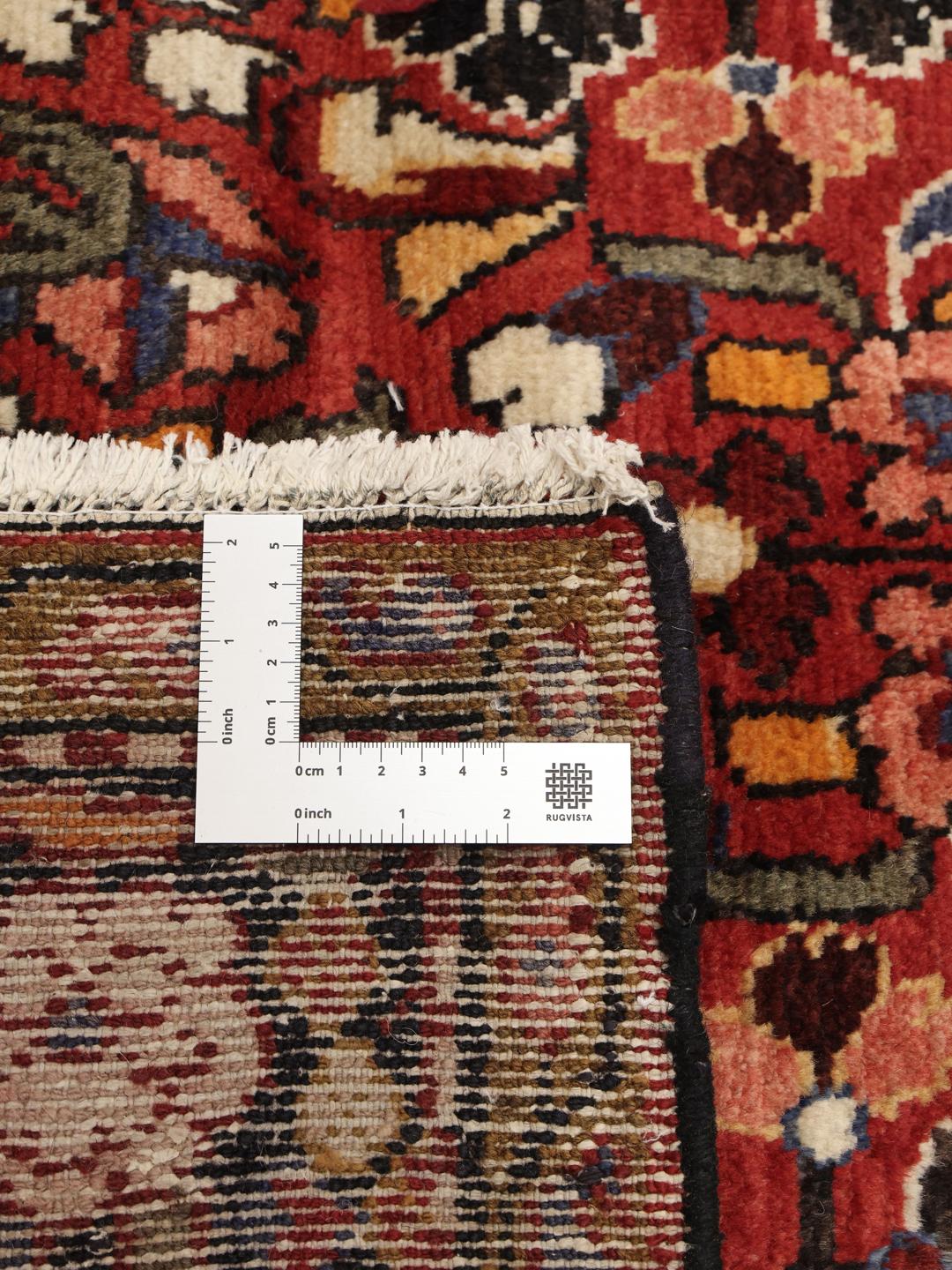
The craftsmanship behind a Lillian rug is defined by its use of sturdy materials and a traditional knotting technique that emphasises longevity. These rugs are known for their firm, heavy foundations, which allow them to withstand years of heavy foot traffic while maintaining their lustre and structural shape, making them a practical yet beautiful choice for any home.
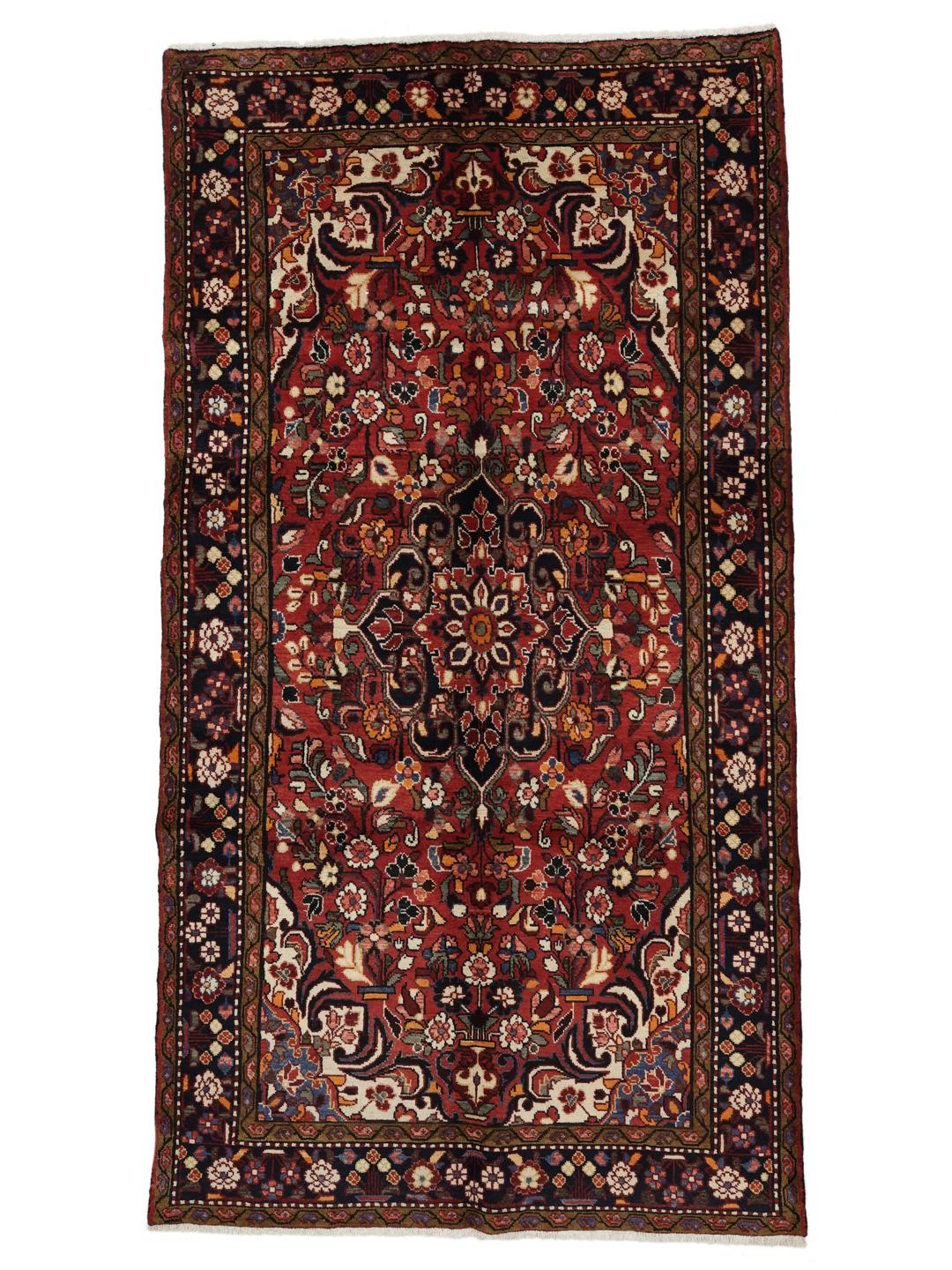
Signature design elements of the Lillian tradition often include bold, geometric floral patterns and large-scale medallions. While many rugs from this region follow a formal structure, the Lillian is prized for its creative use of space, often blending a central medallion with scattered floral vines and blossoms that feel both disciplined and organic.
Valued for their cultural significance and the high level of skill required to produce them, Lillian rugs are seen as an investment in heritage. Owning one is an opportunity to preserve a piece of historical craft, as these rugs represent the pinnacle of regional weaving traditions that prioritise both artistic expression and enduring, high-quality materials.