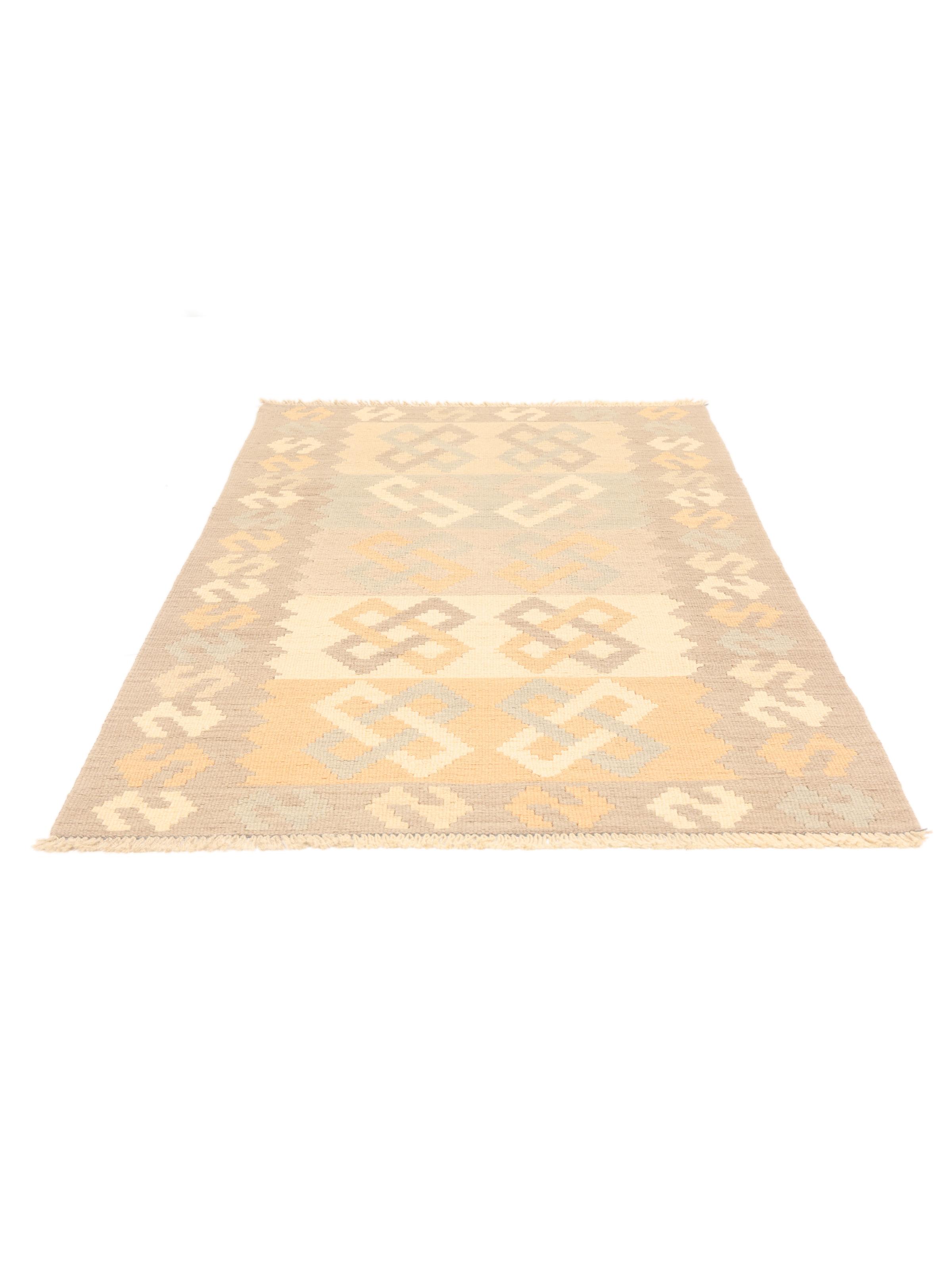
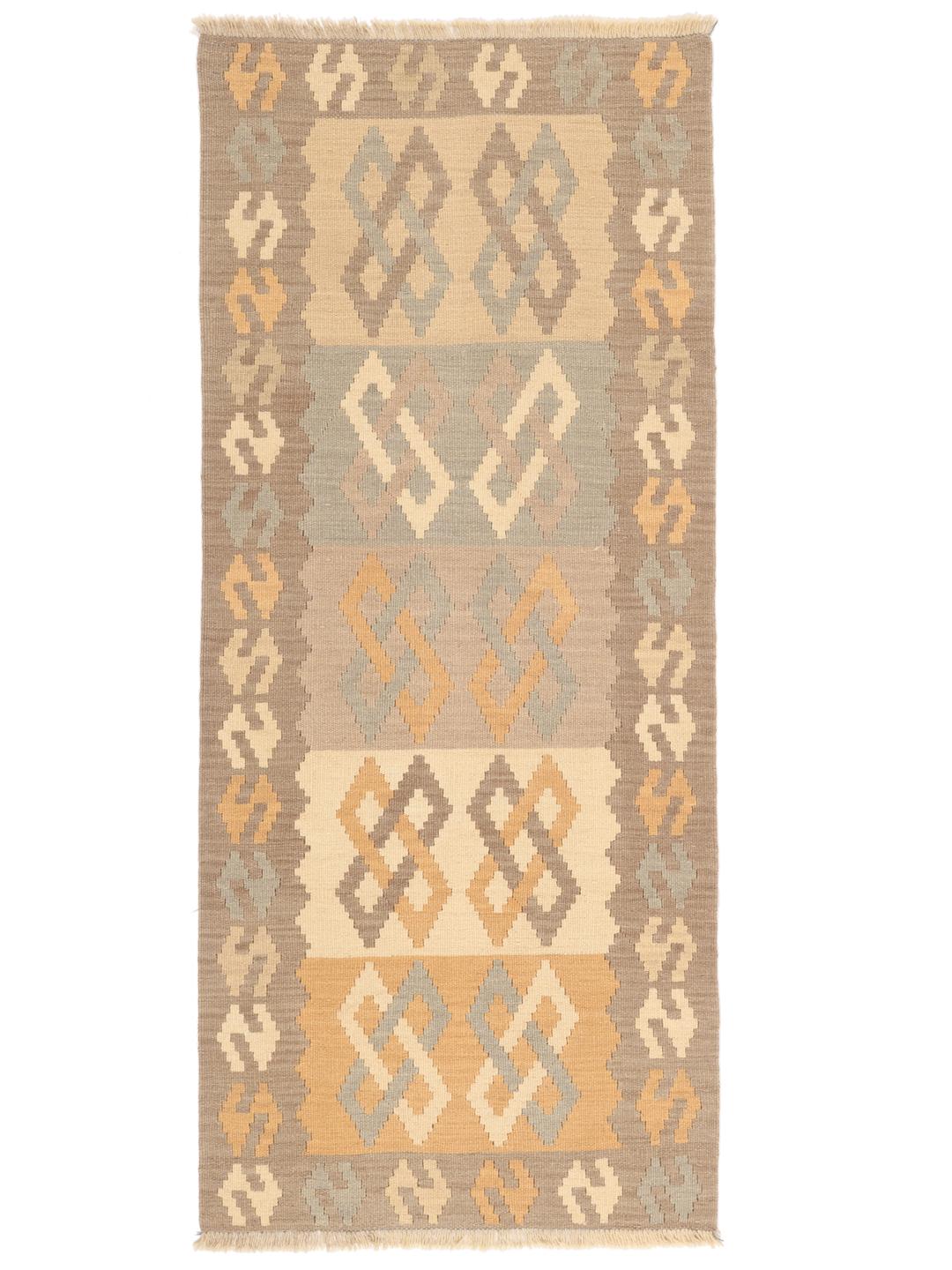
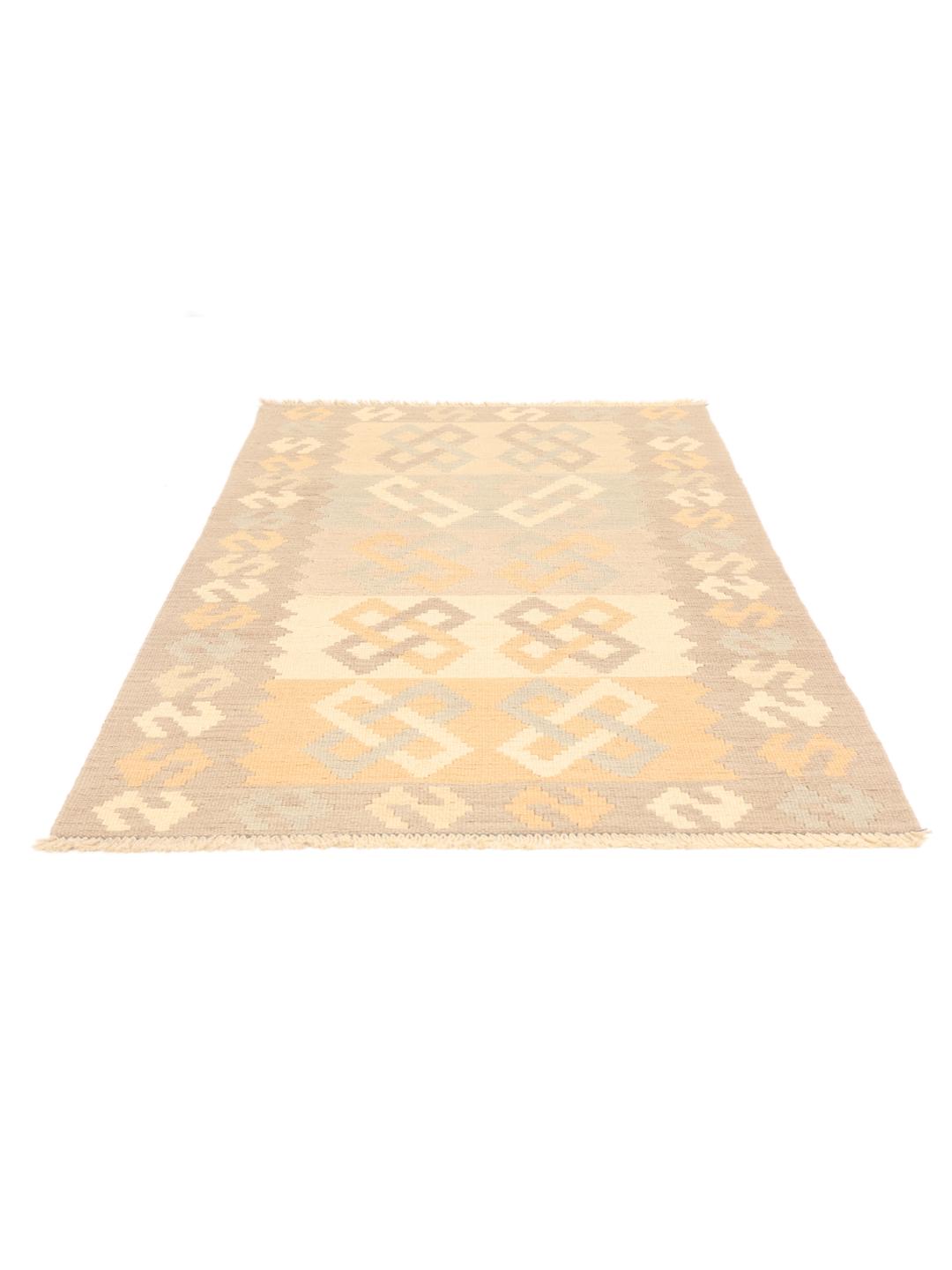
The Ghashghai people are a nomadic confederation from the Middle East, renowned for their exceptional weaving traditions. Historically, these rugs were created to serve the practical needs of a nomadic life, meant to be rolled up and transported as the tribes moved across the landscape. Today, these designs are celebrated for their authentic, tribal character and their ability to bring a sense of history into contemporary homes.
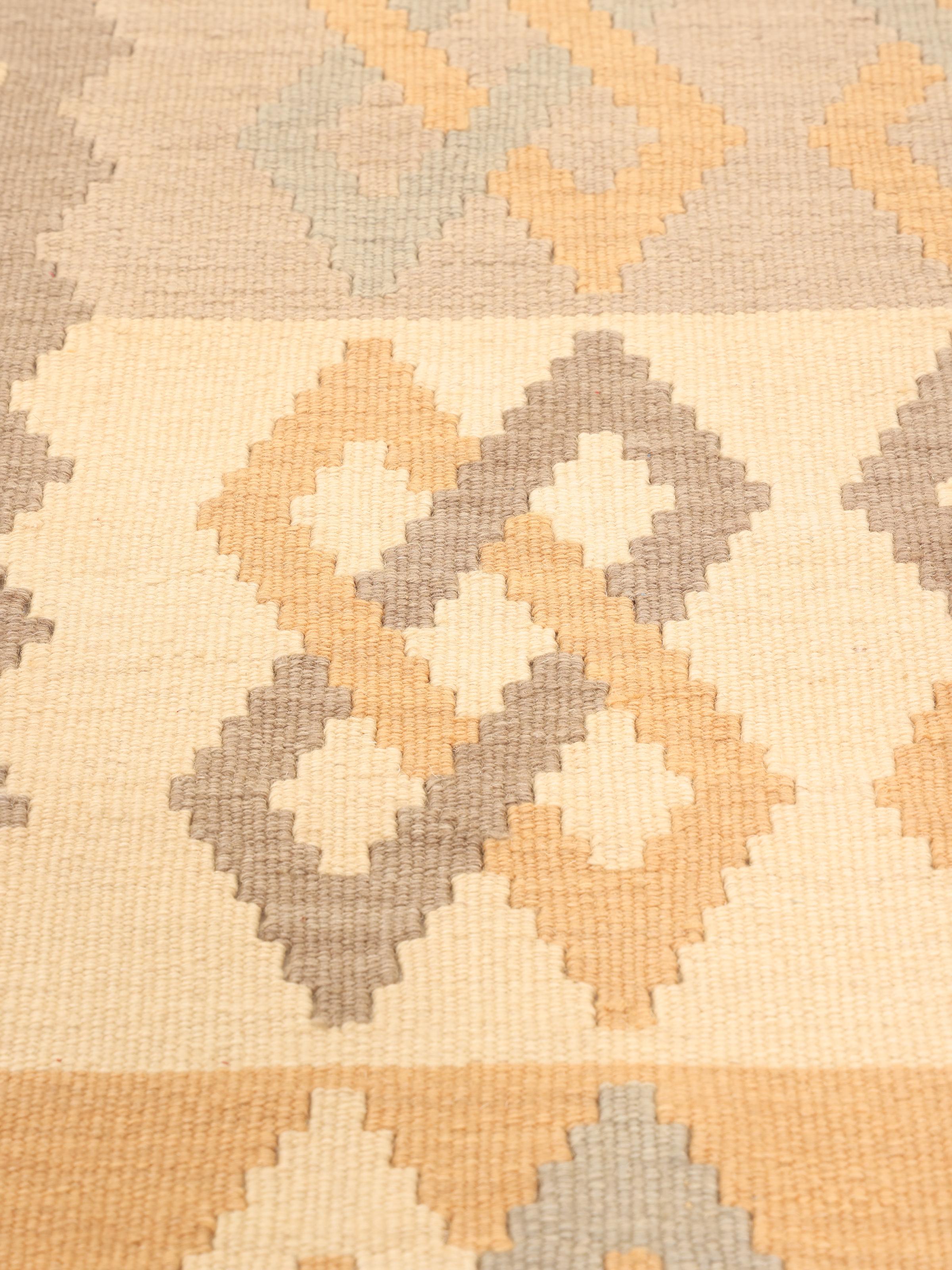
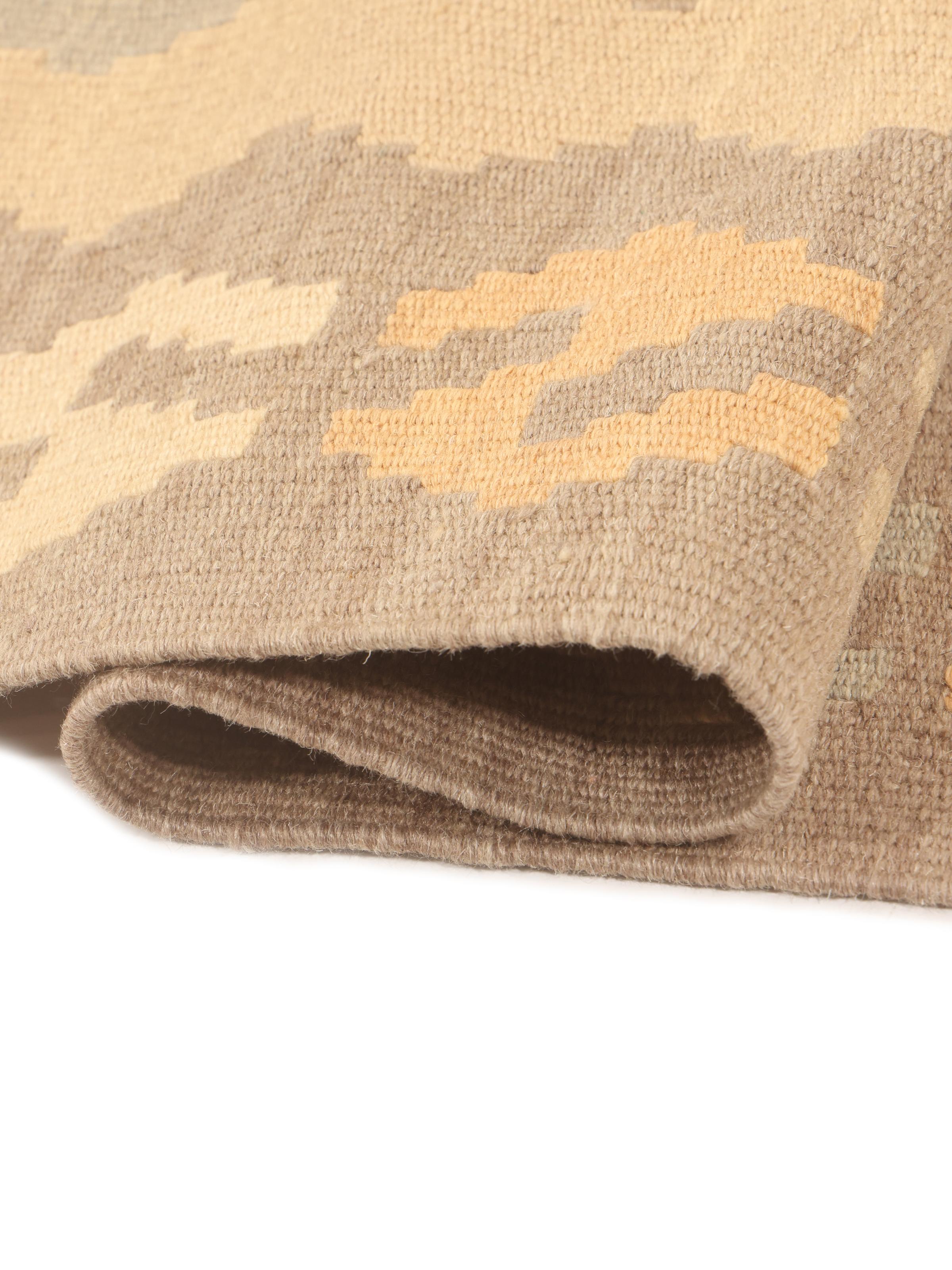
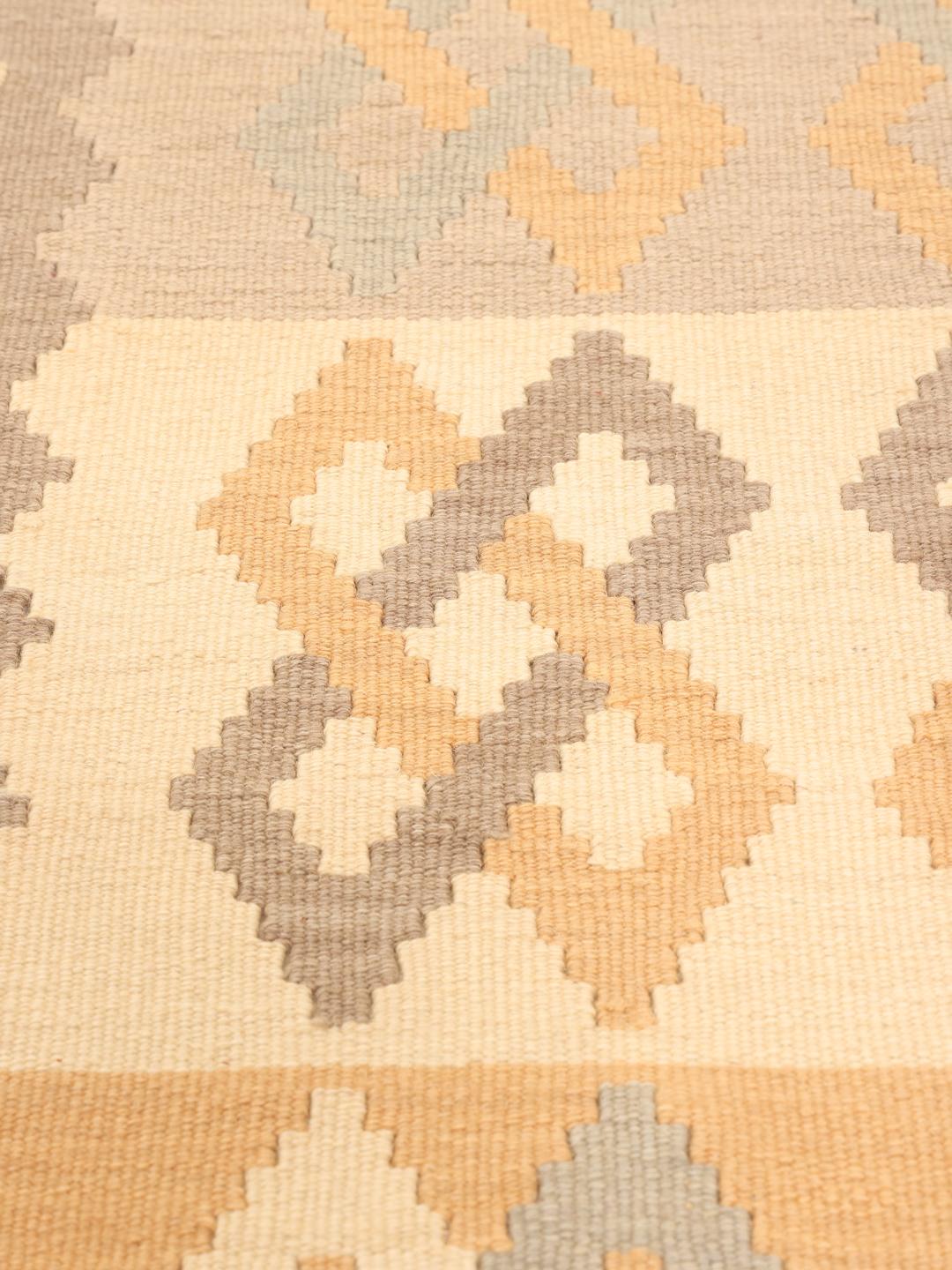
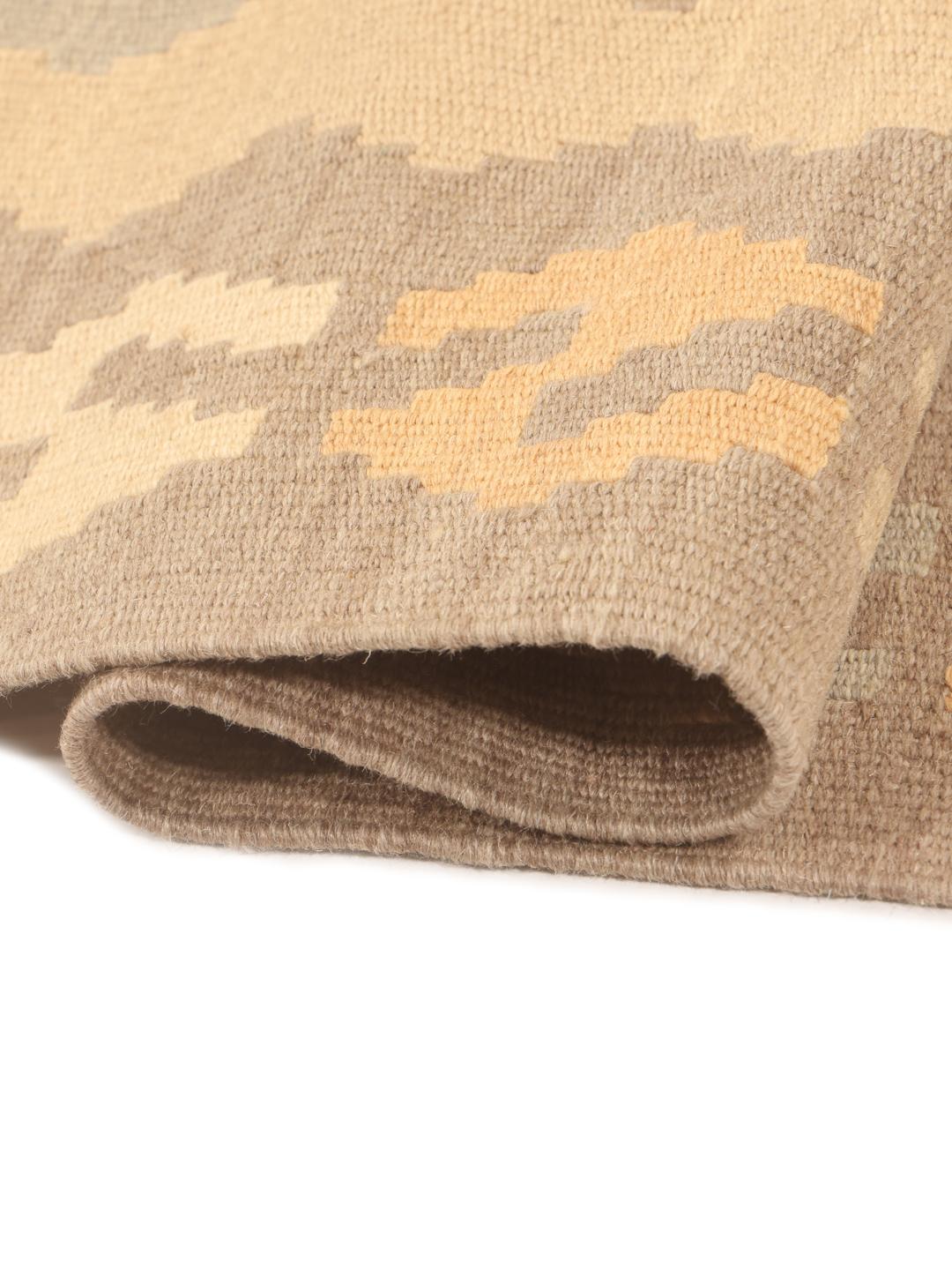
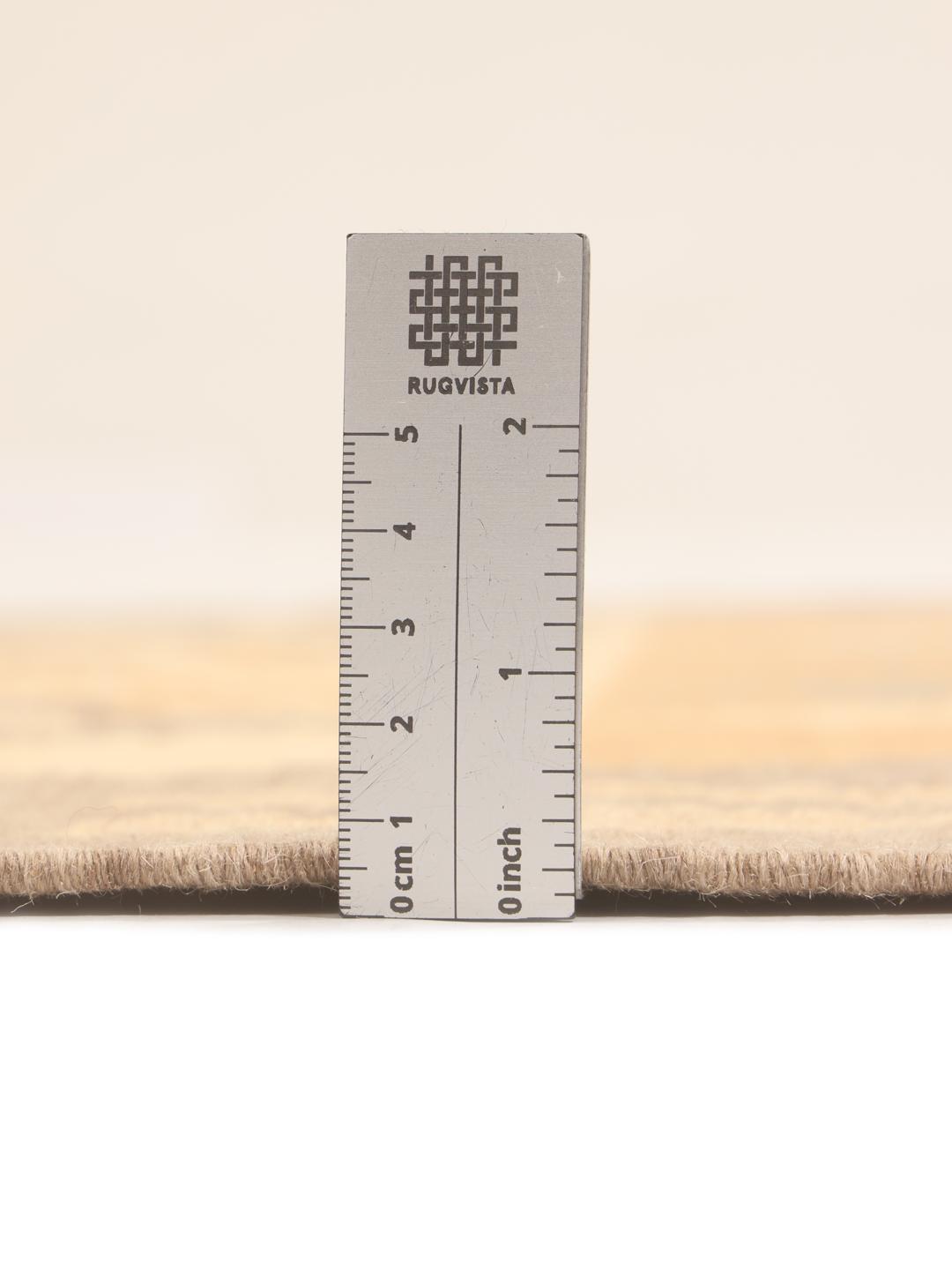
The term Kilim refers to a flat-weave technique where the rug is created without a pile. By interweaving the warp and weft strands, artisans create a thin, durable, and reversible textile. This style of construction is highly valued for its versatility and the clarity it brings to geometric patterns, as the absence of pile allows for clean, sharp lines and a distinct visual rhythm.
Signature design elements of these pieces often include bold geometric symbols, diamond shapes, and stylized representations of the natural world. These motifs are not merely decorative but are deeply rooted in the cultural identity of the weavers, often passed down through generations. The earthy colour palette, derived from natural sources, reflects the rugged landscape of the region, creating a connection to the earth and the nomadic lifestyle.
Collecting these rugs is an investment in human skill and cultural preservation. Each piece tells a story of the person who created it and the traditions that have survived for centuries. Owning a Ghashghai Kilim means you are preserving a piece of heritage, valuing the slow, deliberate work of an artisan over the uniformity of modern industrial production.