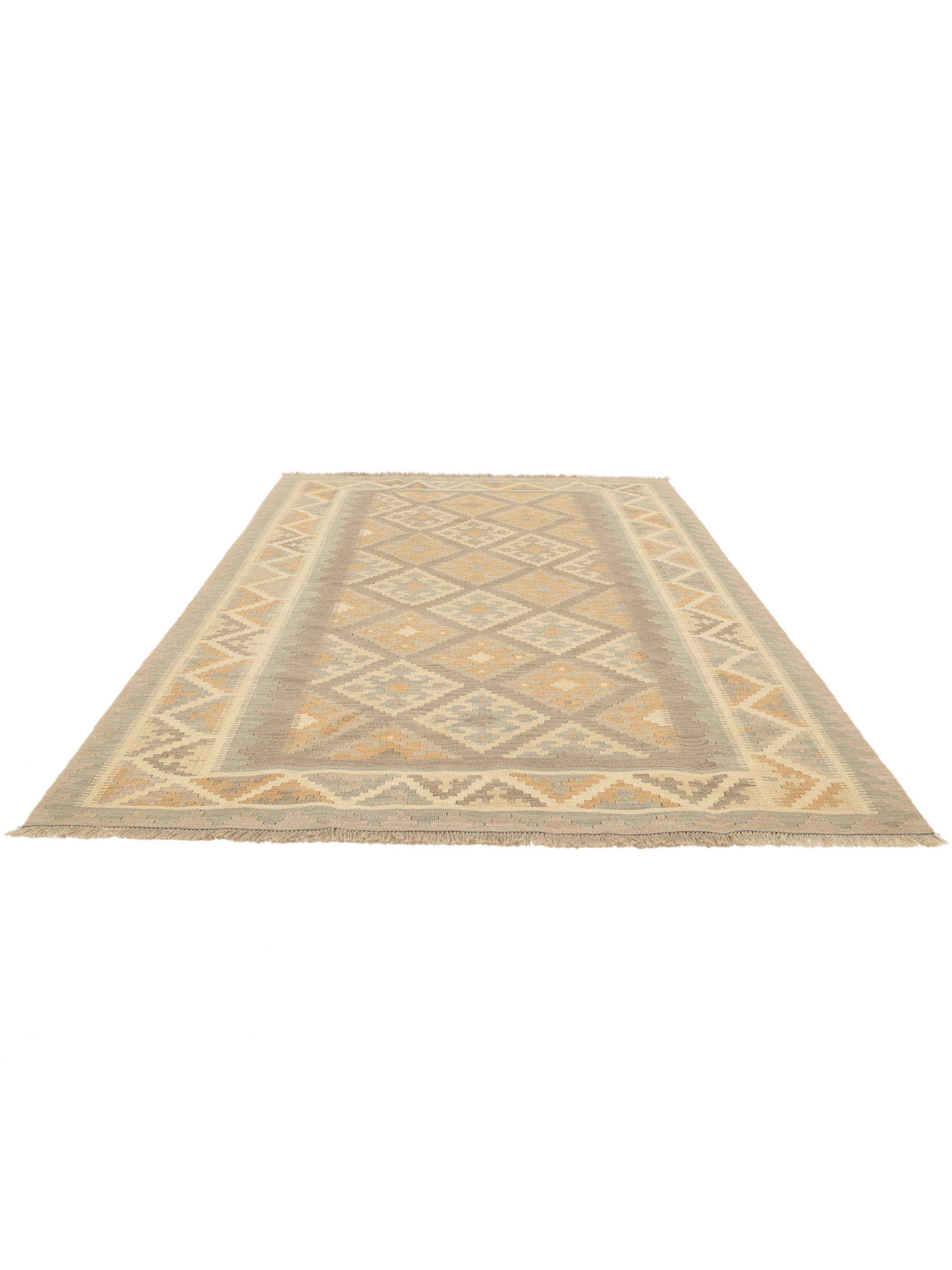
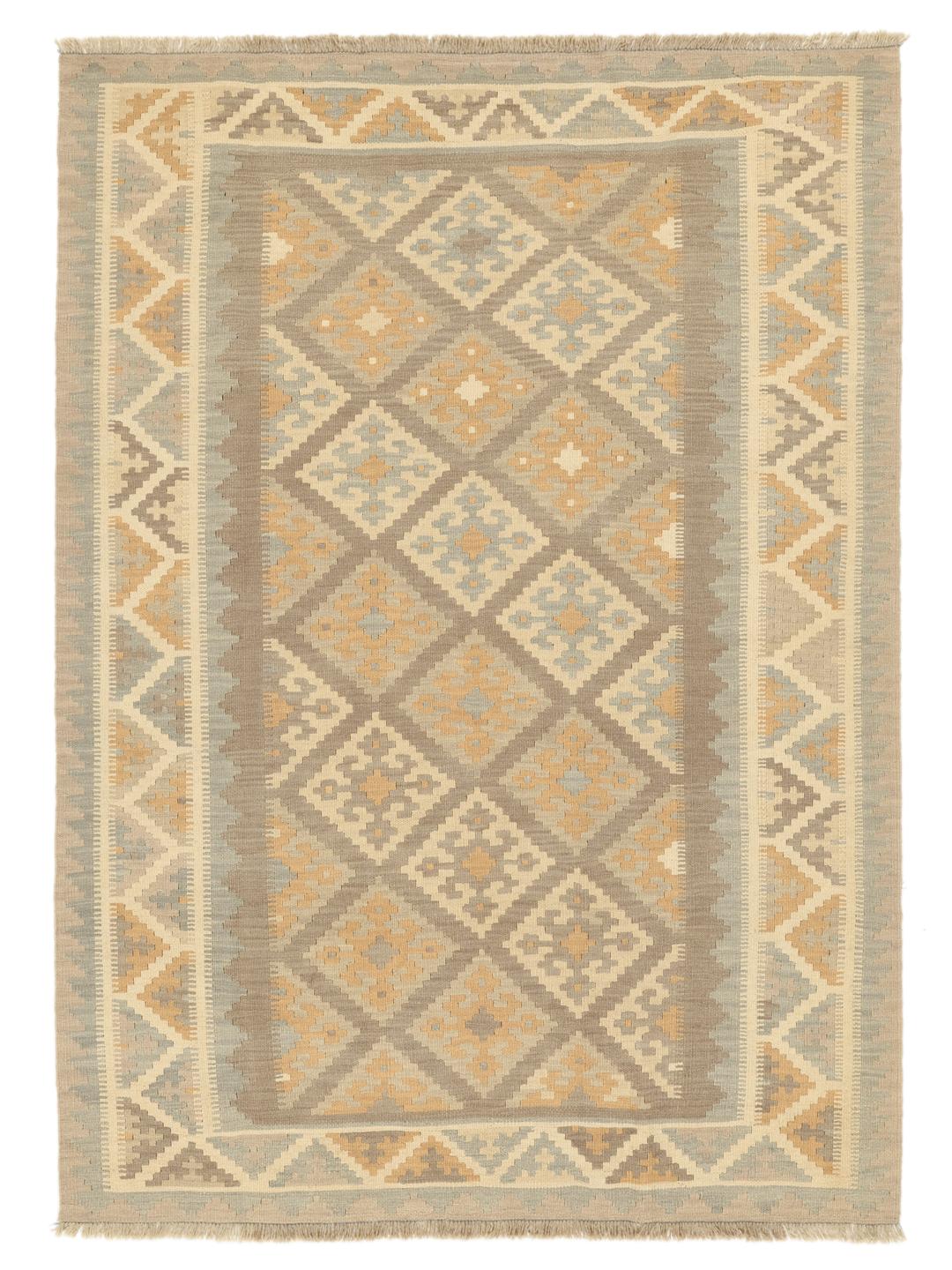
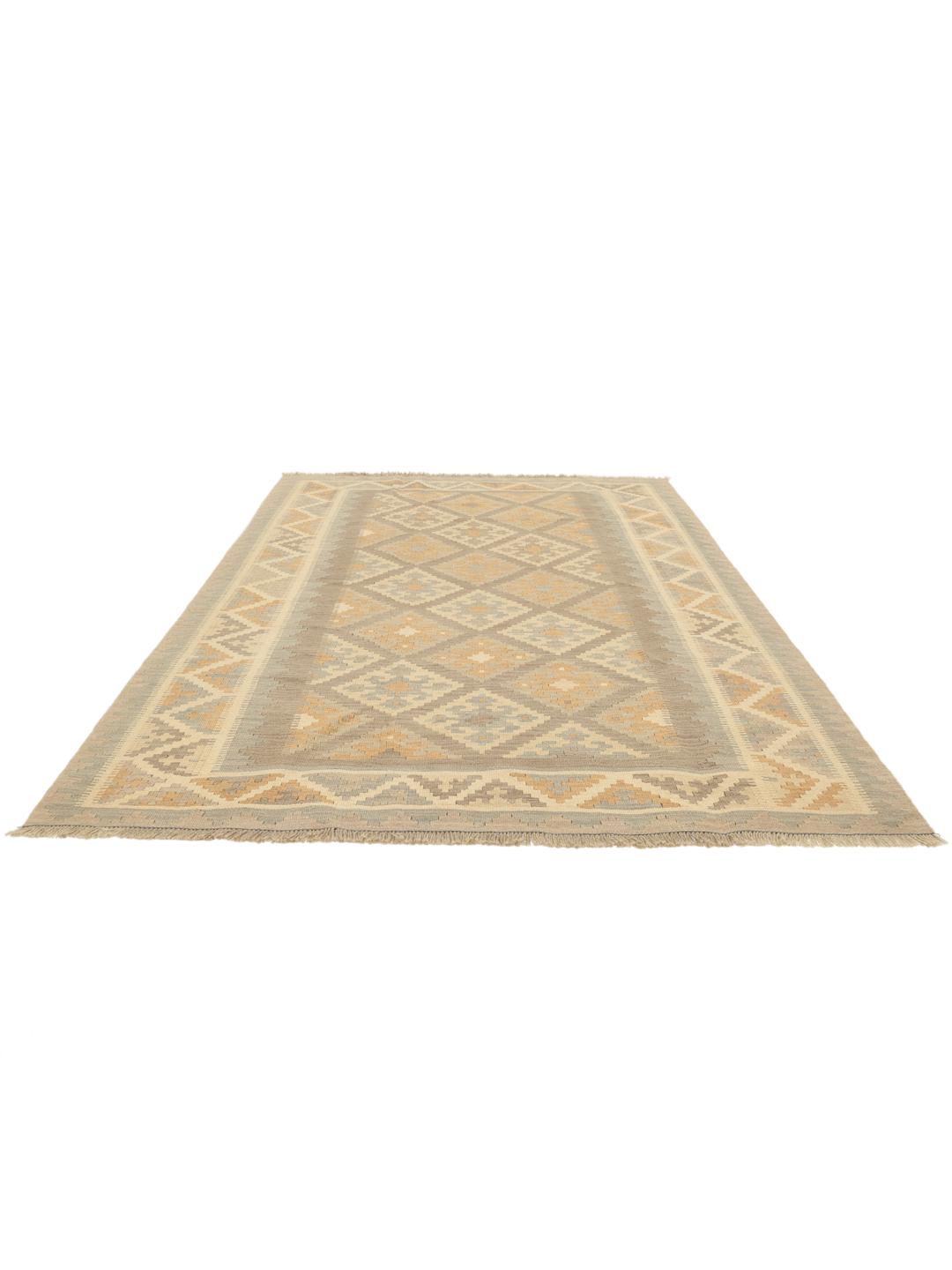
The Ghashghai people are a nomadic tribal confederation from the Middle East, renowned for their centuries-old tradition of weaving durable and expressive textiles. Historically, these rugs were created to serve the practical needs of nomadic life, providing warmth and insulation in portable tents. Over time, these functional items evolved into highly sought-after art forms known for their bold colours and symbolic geometric motifs.
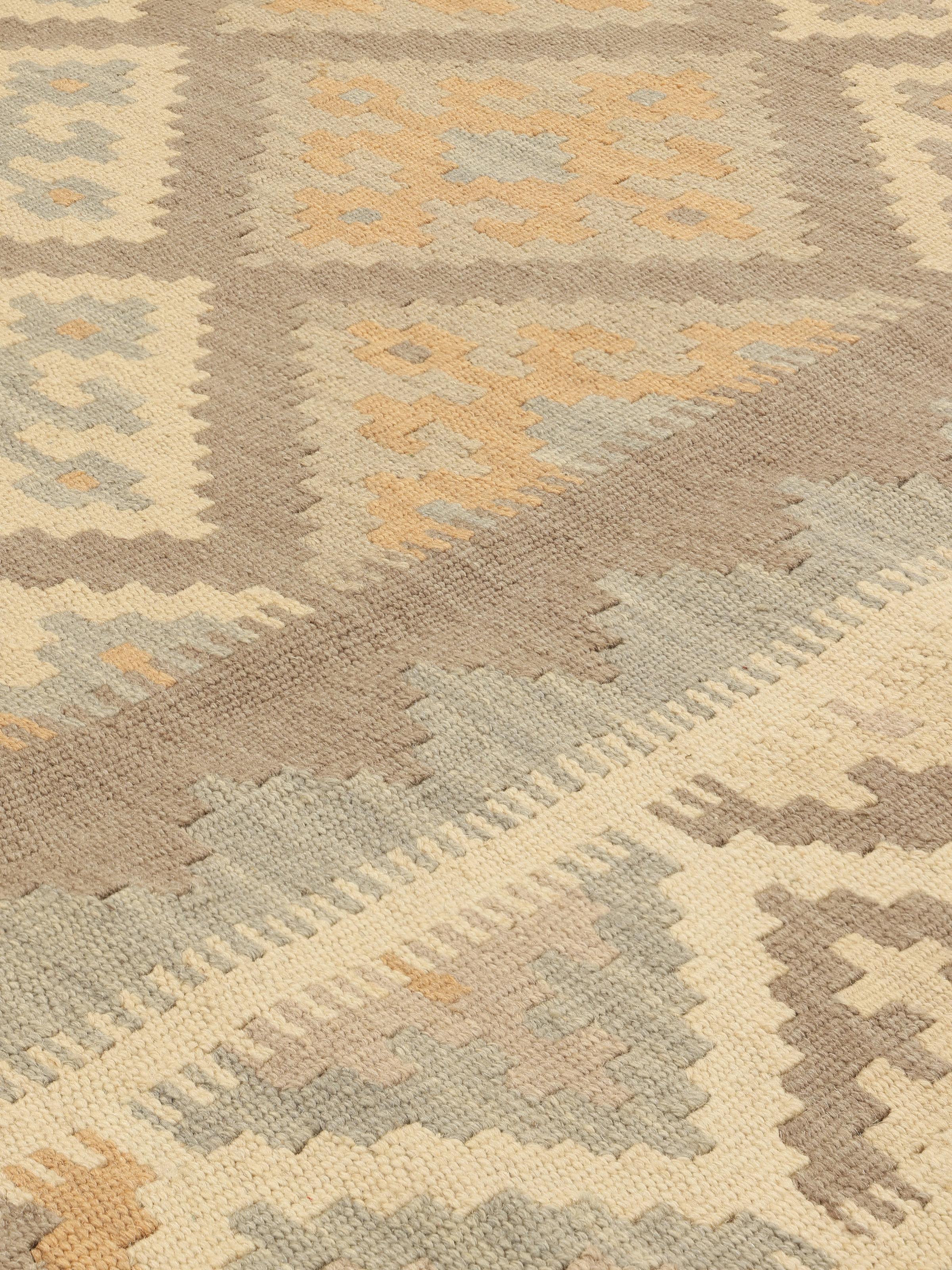
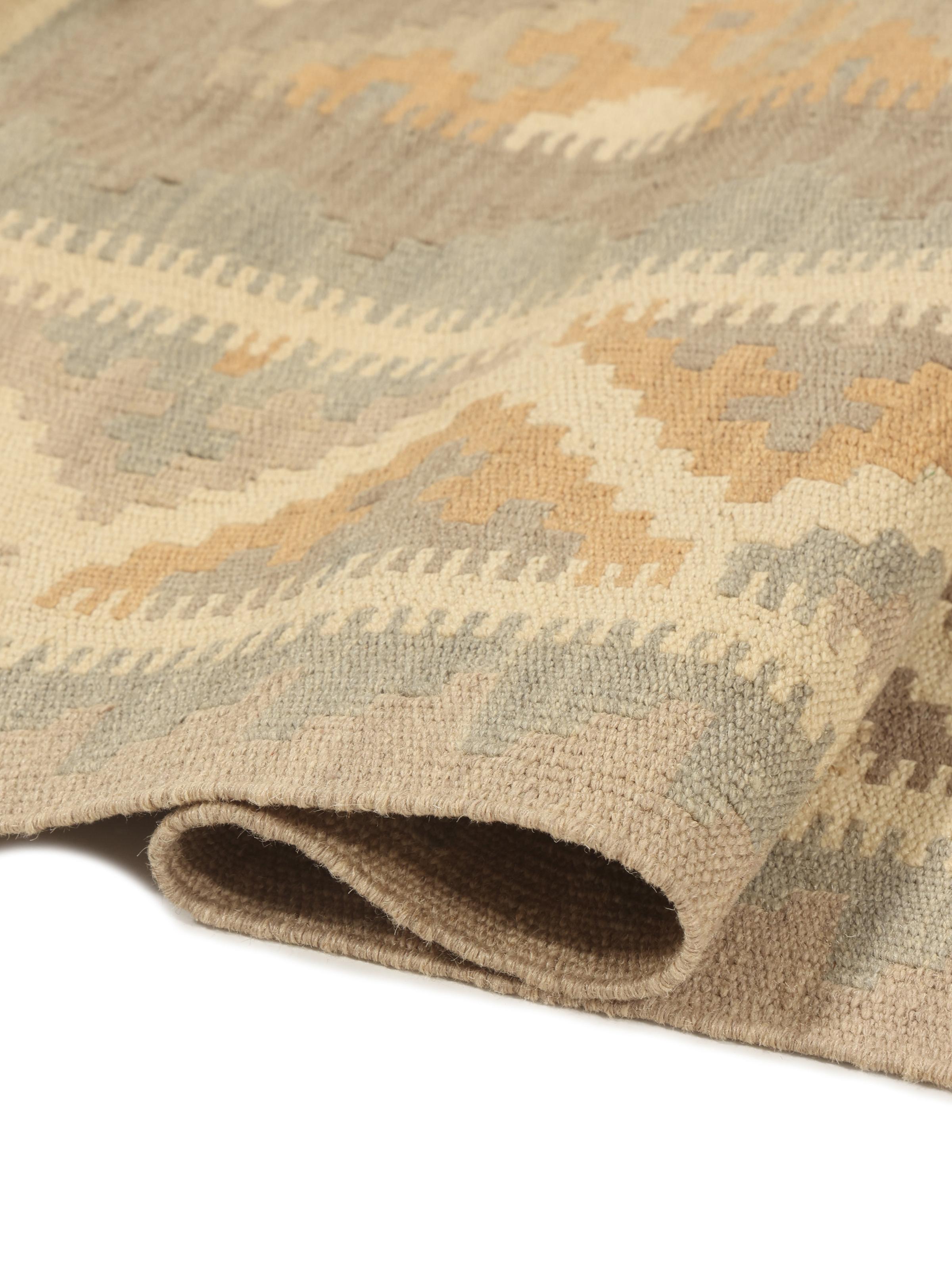
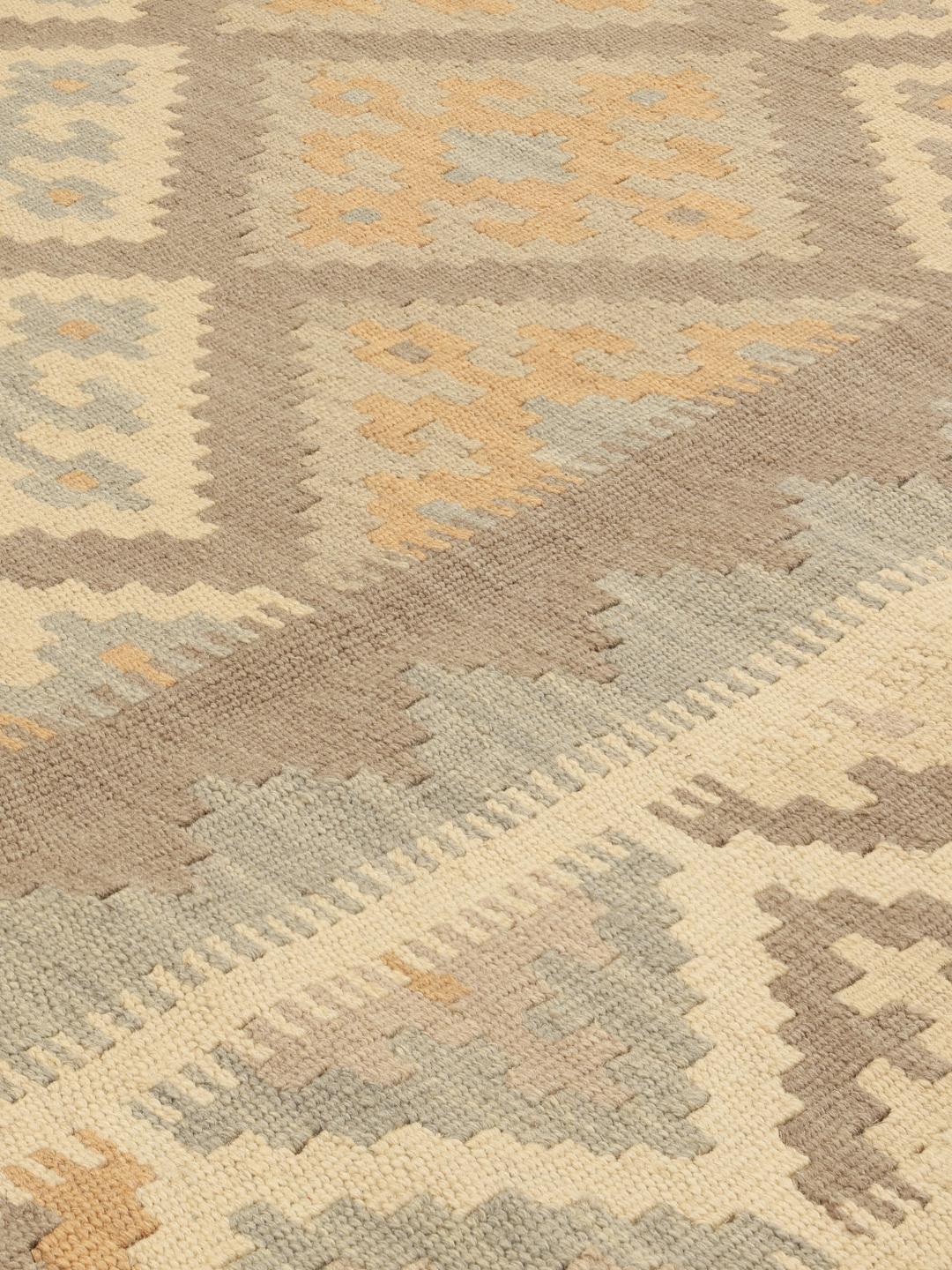
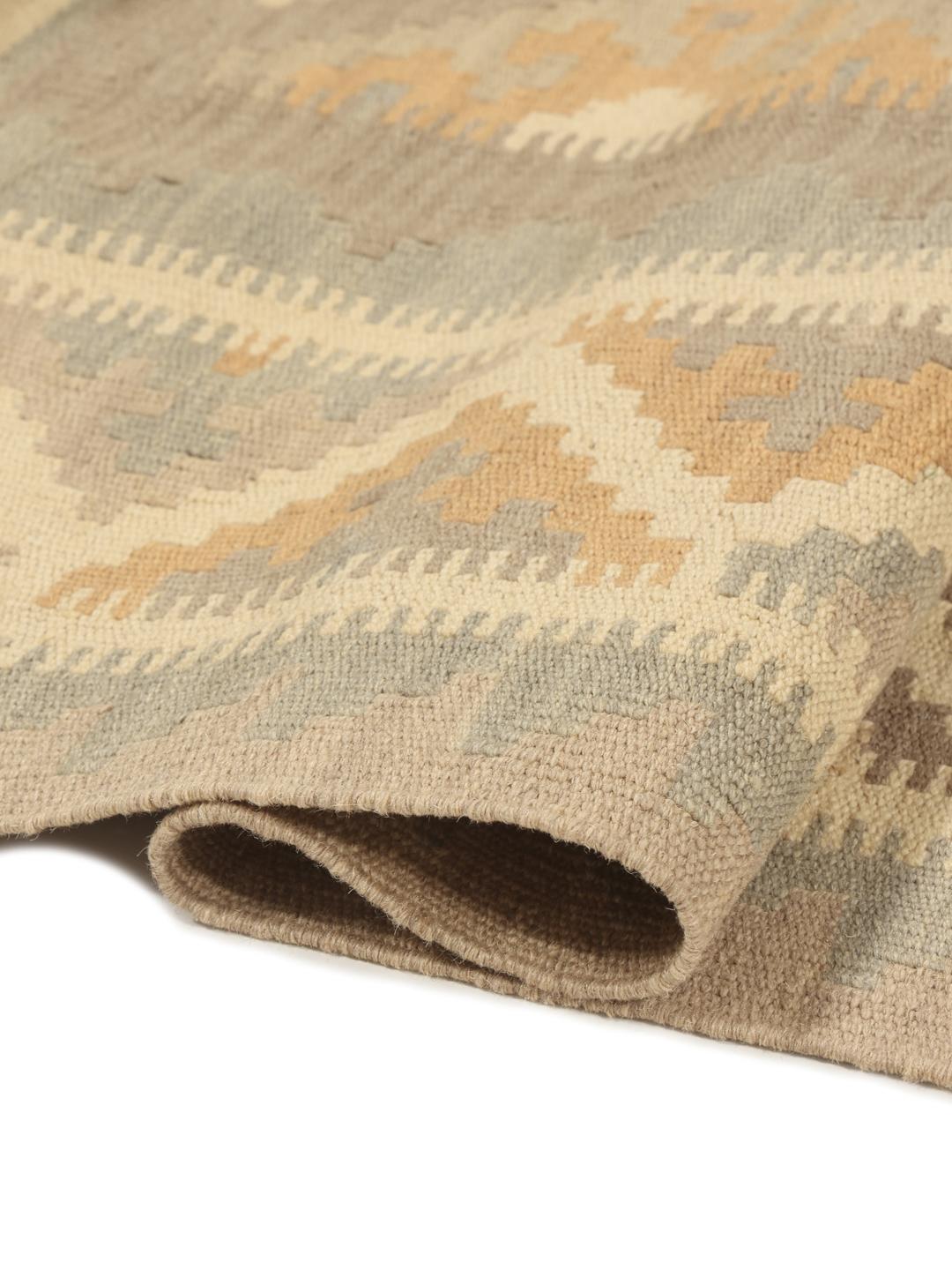
The term 'Kelim' refers to a flat-woven textile, meaning it is crafted without the knotted pile found in traditional carpets. This technique involves passing the weft threads tightly over and under the warp, creating a smooth, reversible surface that is both lightweight and incredibly resilient. This method allows weavers to create intricate, sharp-edged patterns that are synonymous with the tribal aesthetic.
Design elements in Ghashghai weaving often feature stylized representations of the natural world, including geometric diamonds, latch-hook motifs, and simplified floral shapes. These patterns are not merely decorative but often hold deep cultural significance, reflecting the weaver's environment and heritage. The use of soft, natural dyes further highlights these motifs, giving the rugs an organic and harmonious appearance.
Today, Ghashghai rugs are celebrated by collectors for their authenticity and the human story behind every weave. Owning such a piece is an investment in cultural heritage, representing a connection to ancient nomadic traditions. These rugs are valued not just for their beauty, but for the immense skill and cultural pride embedded in every thread, ensuring they remain cherished items for generations.