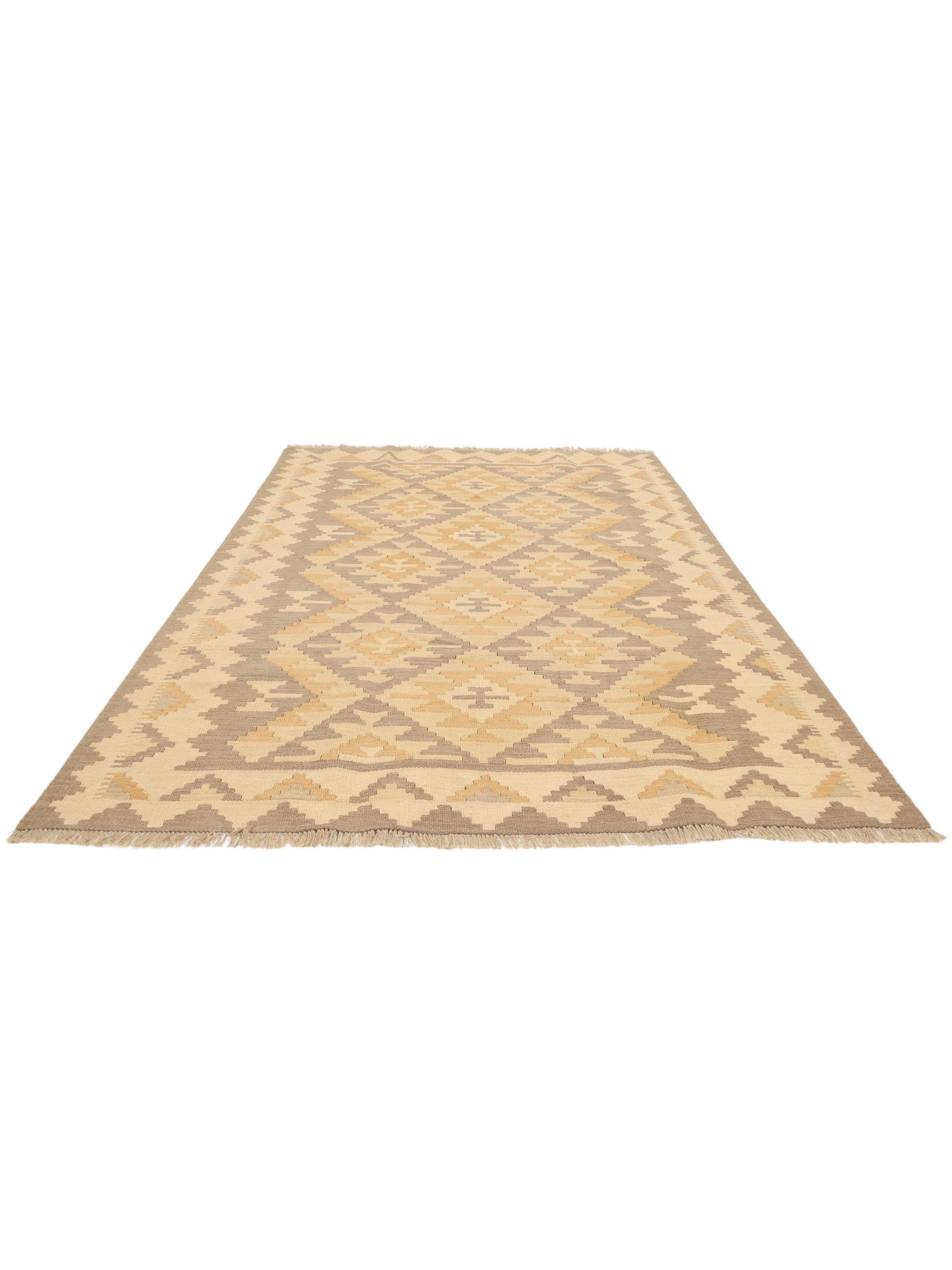
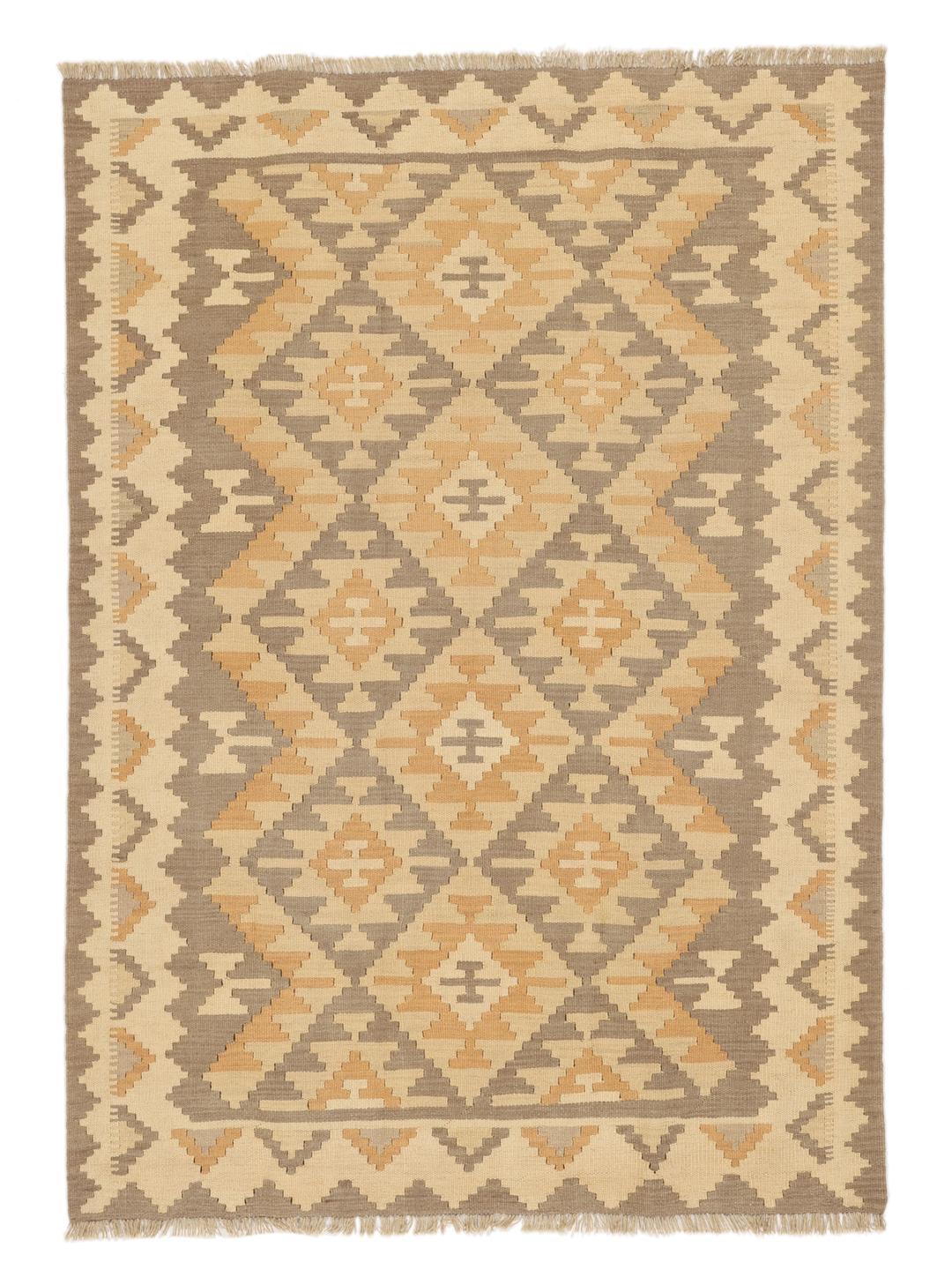
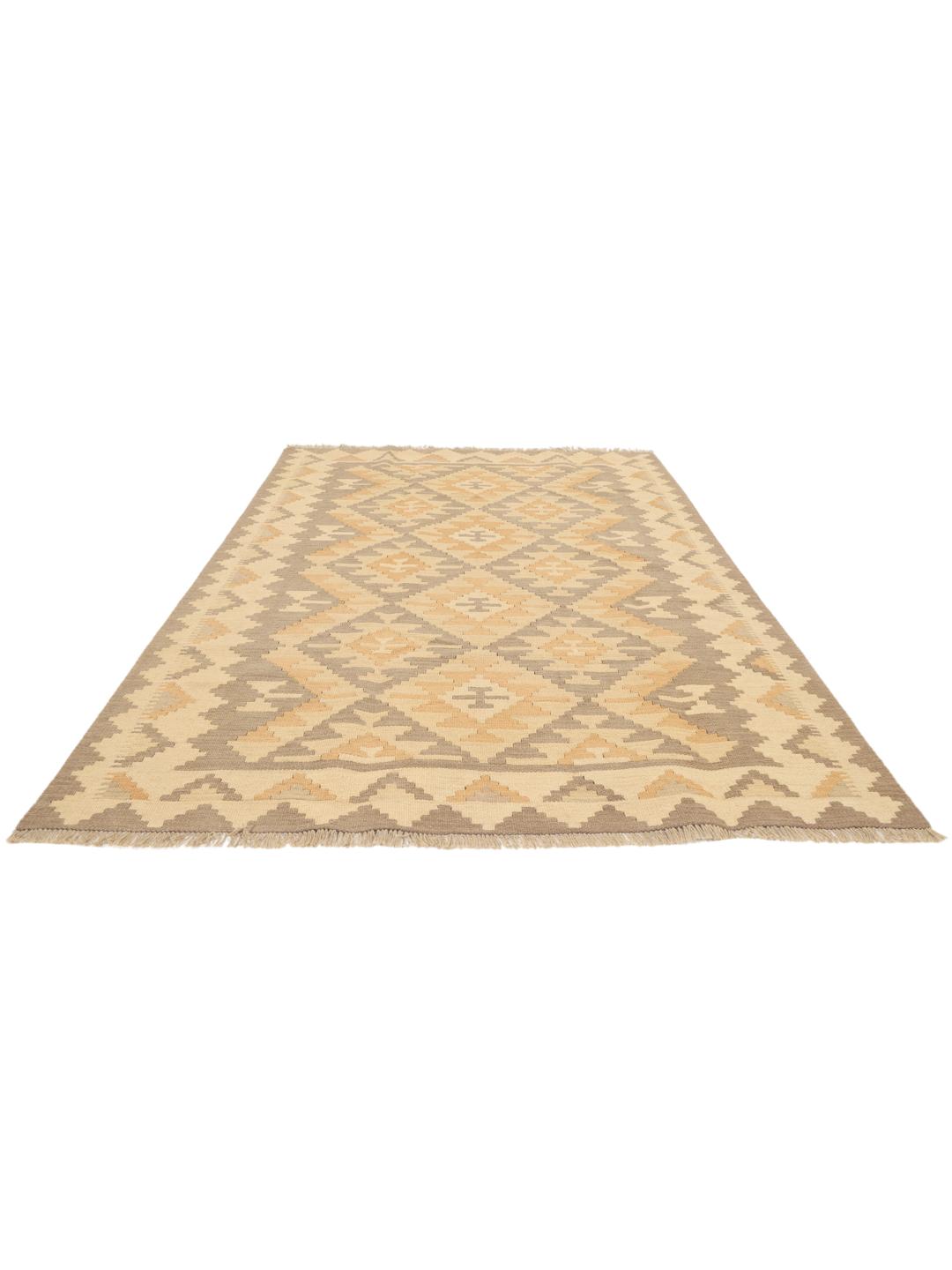
The Ghashghai kilim is deeply rooted in the nomadic traditions of the Middle Eastern tribes who have traversed the region for centuries. These rugs were originally created as functional, portable items for tent life, serving as floor coverings, blankets, or bags, which necessitated a construction that was both lightweight and exceptionally durable.
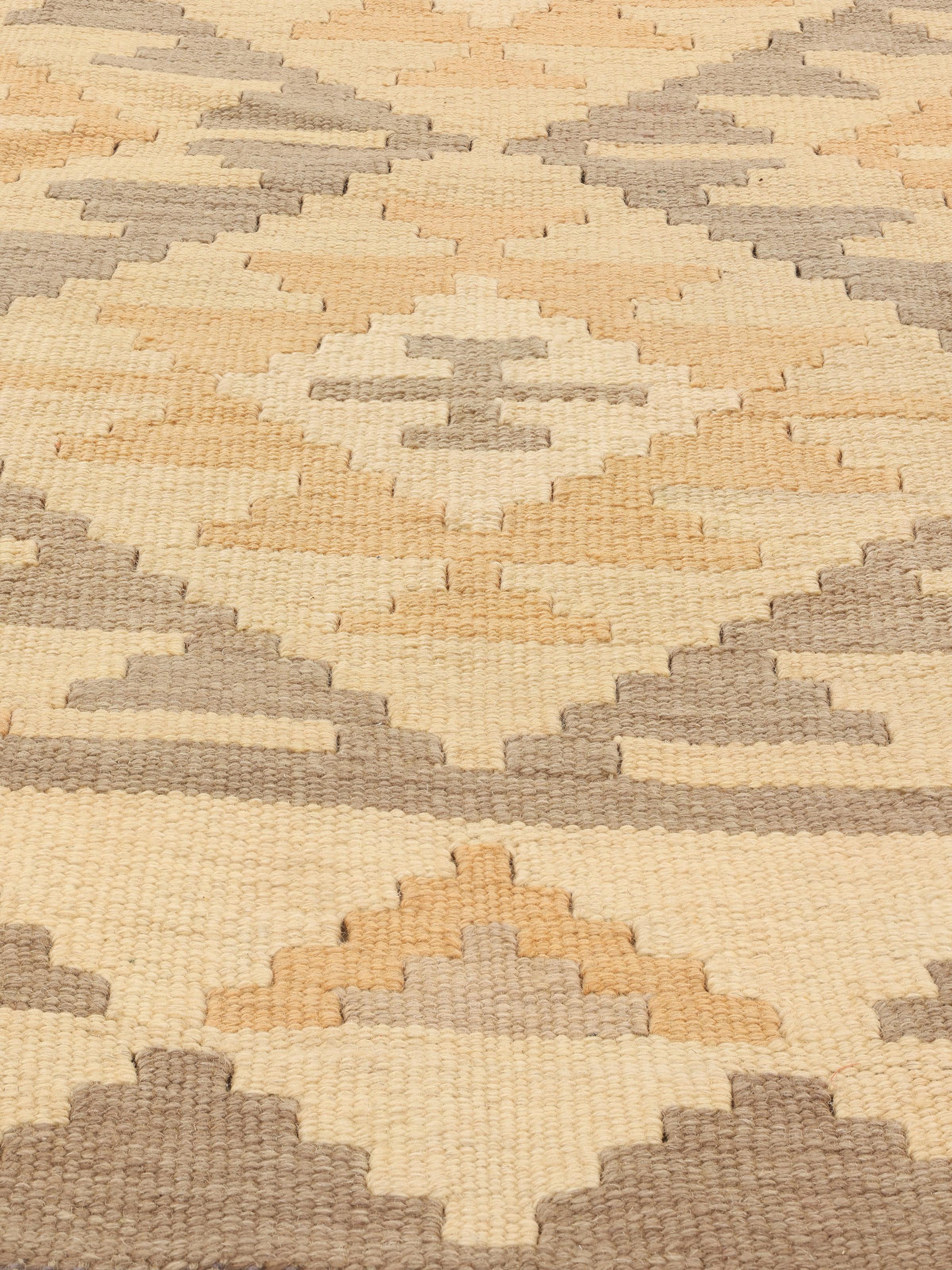
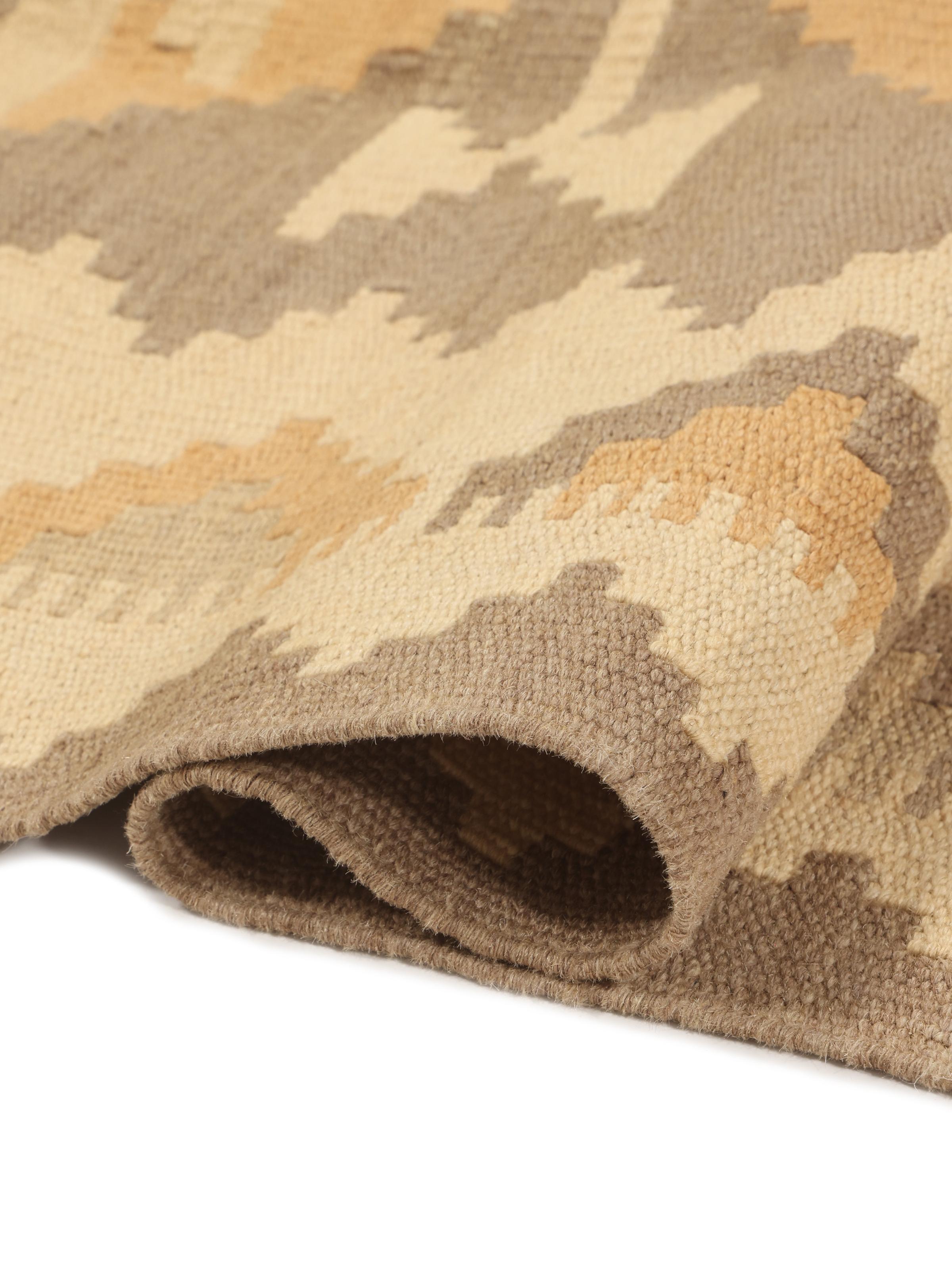
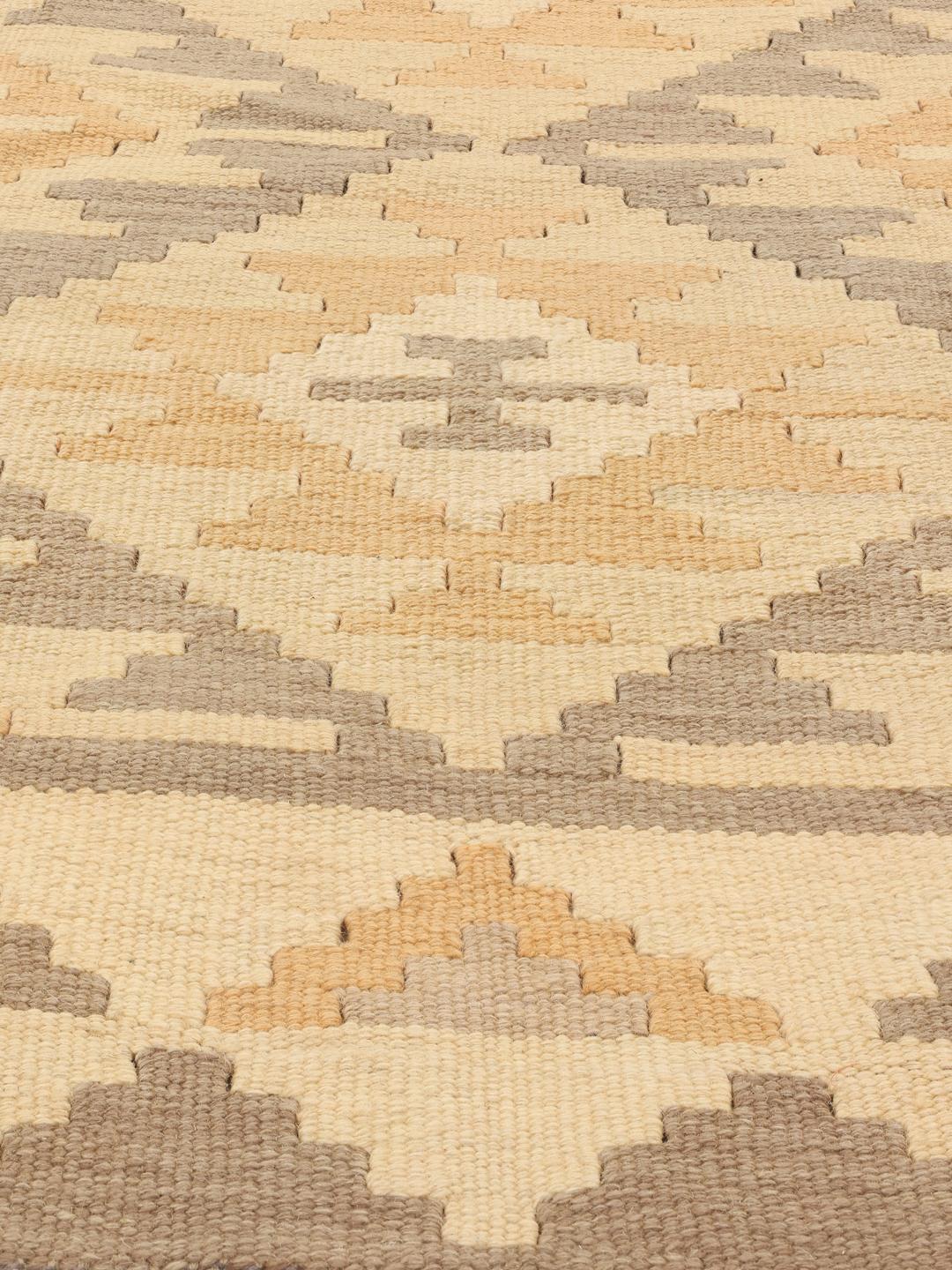
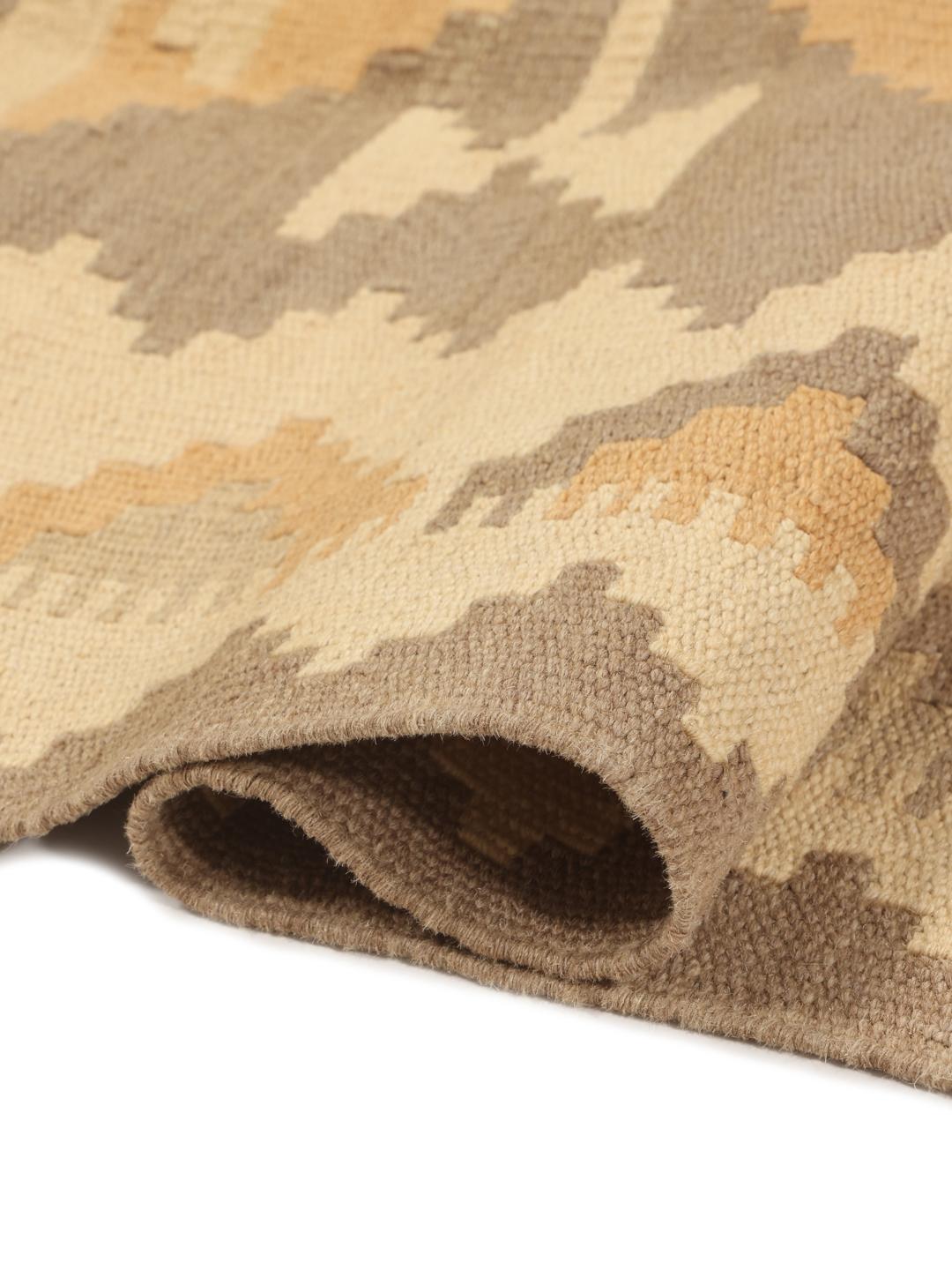
A kilim is defined by its flat-woven technique, where the weft strands are passed through the warp to create a pattern, resulting in a rug without a pile. This traditional method produces a crisp, clean design where the motifs are clearly visible on both sides, a hallmark of skilled craftsmanship that reflects the nomadic heritage of its makers.
The visual language of these rugs is dominated by geometric motifs, often featuring diamonds, hooked triangles, and stylized floral elements. These patterns are not merely decorative but are symbolic, reflecting the environment and the cultural identity of the tribe, with each weaver bringing their own interpretation to the traditional layout.
Collectors value these pieces for their authenticity and the human story woven into every thread. Owning a Ghashghai kilim means preserving a living tradition, as these rugs represent a direct link to a lifestyle that has prioritised utility and beauty in equal measure for generations.