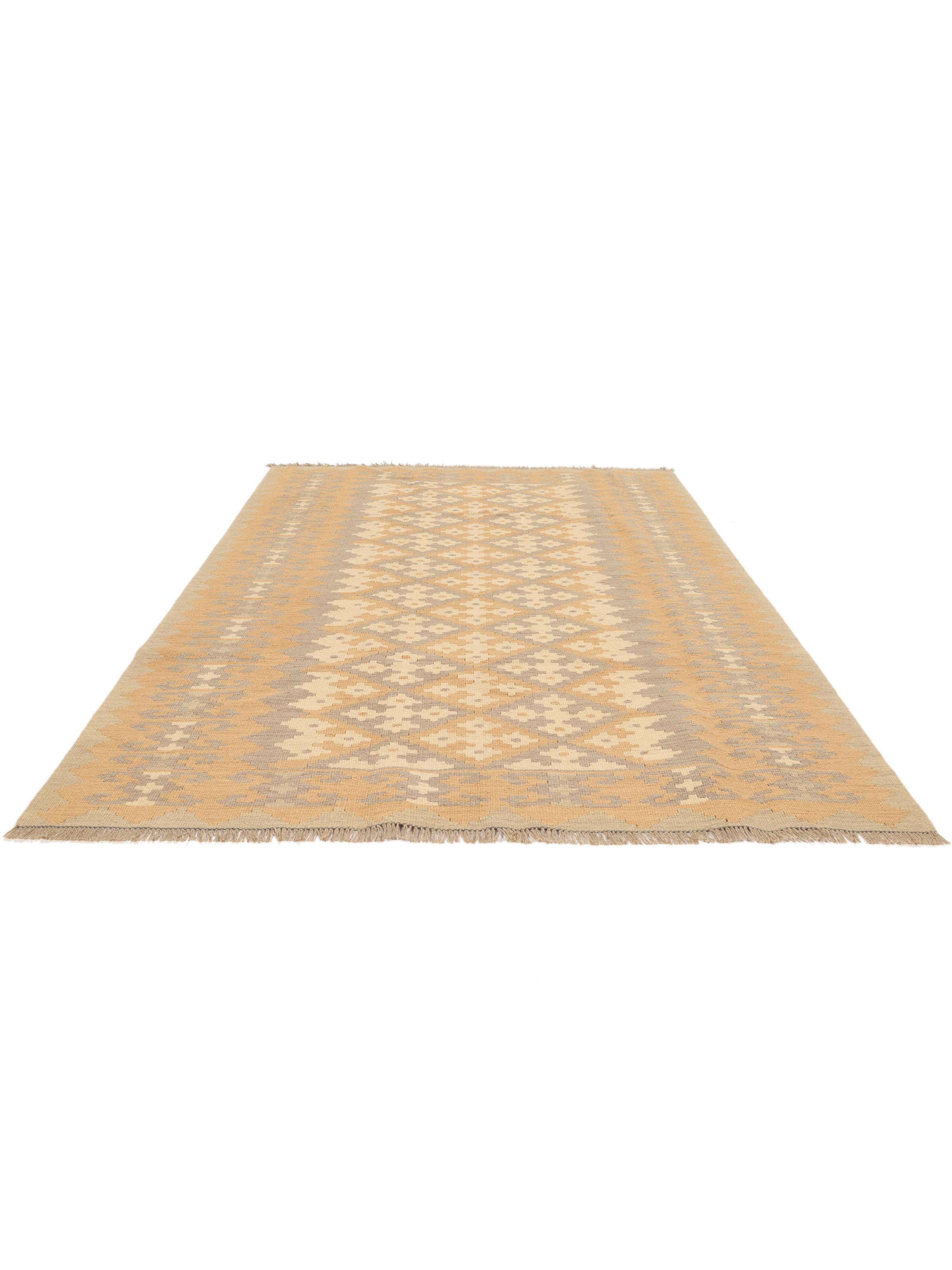
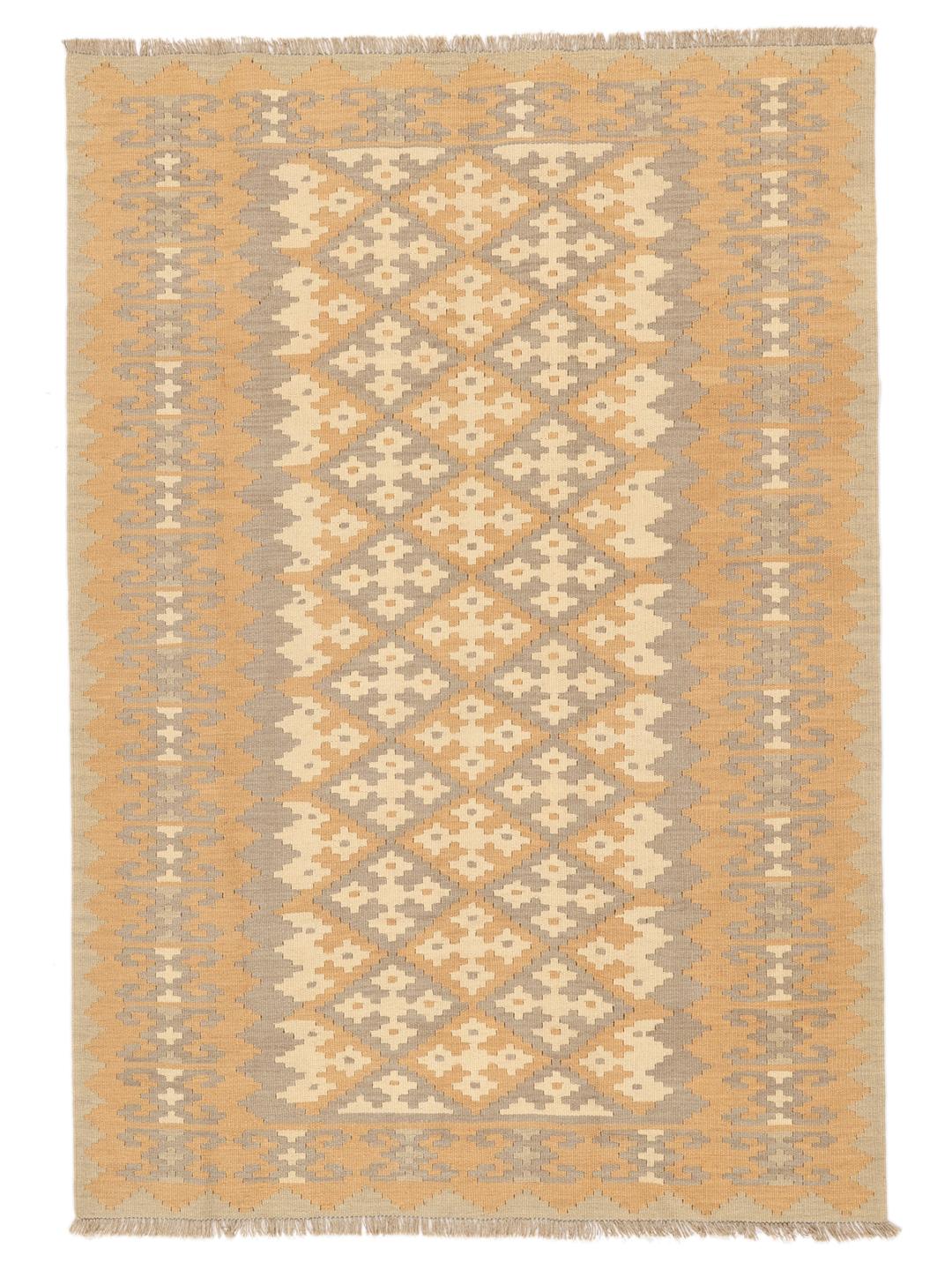
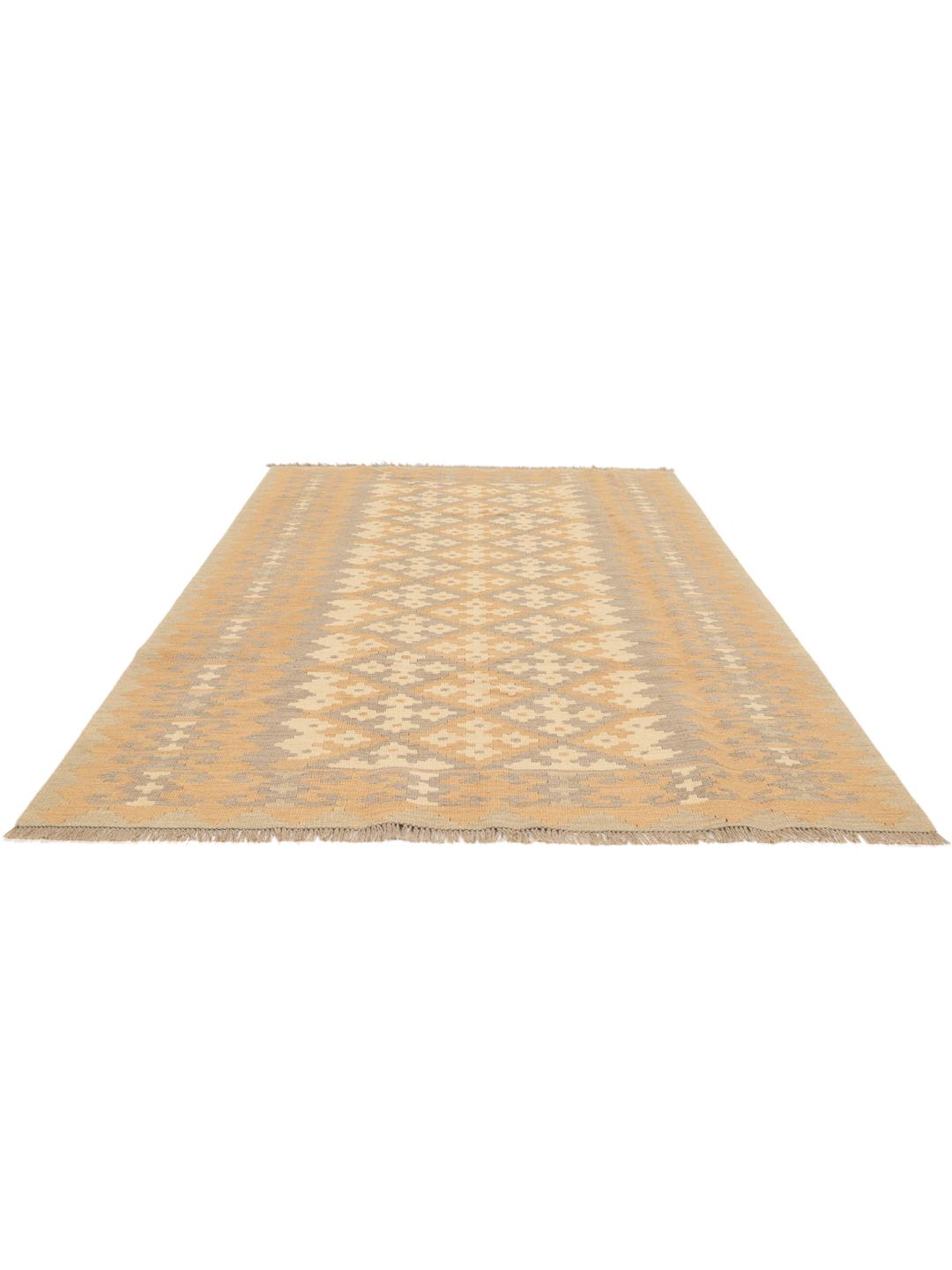
The Ghashghai people are a nomadic confederation from the Middle East, renowned for their long-standing tradition of weaving exceptional textiles. Historically, these rugs were created to serve both functional and decorative purposes within the nomadic lifestyle, providing insulation in tents and serving as storage bags or floor coverings. The migration and seasonal movement of these tribes have deeply influenced the evolution of their weaving styles.
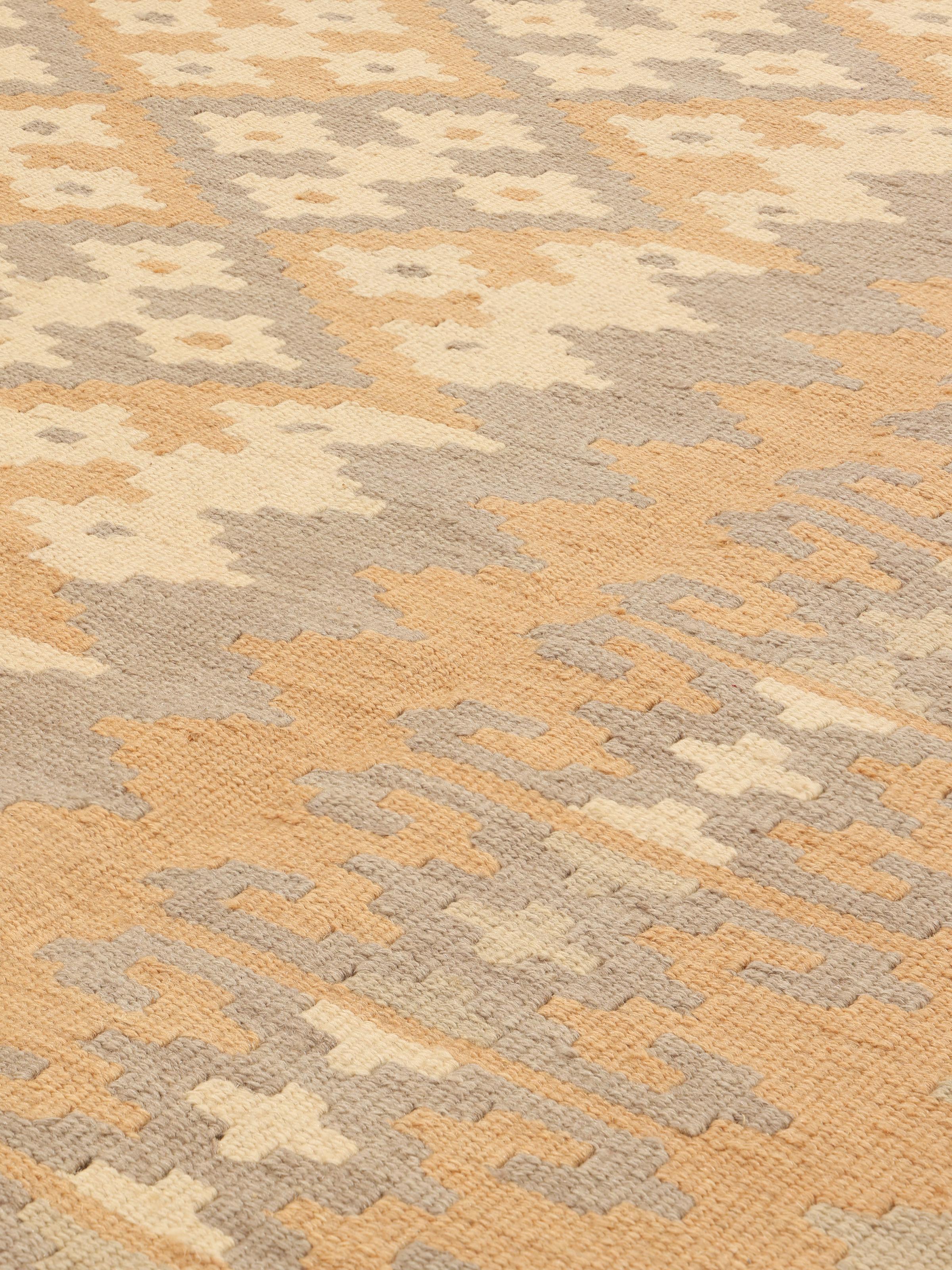
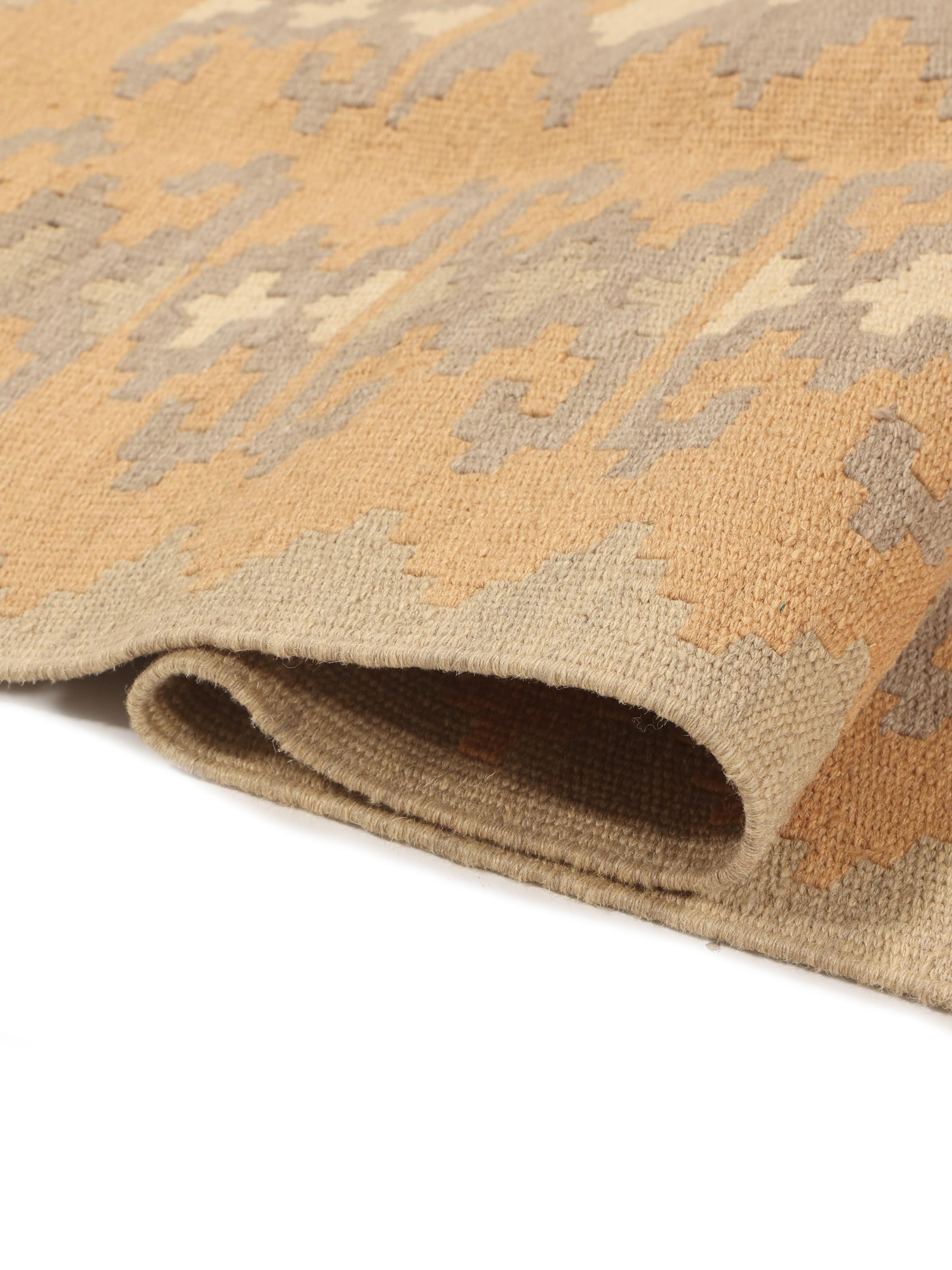
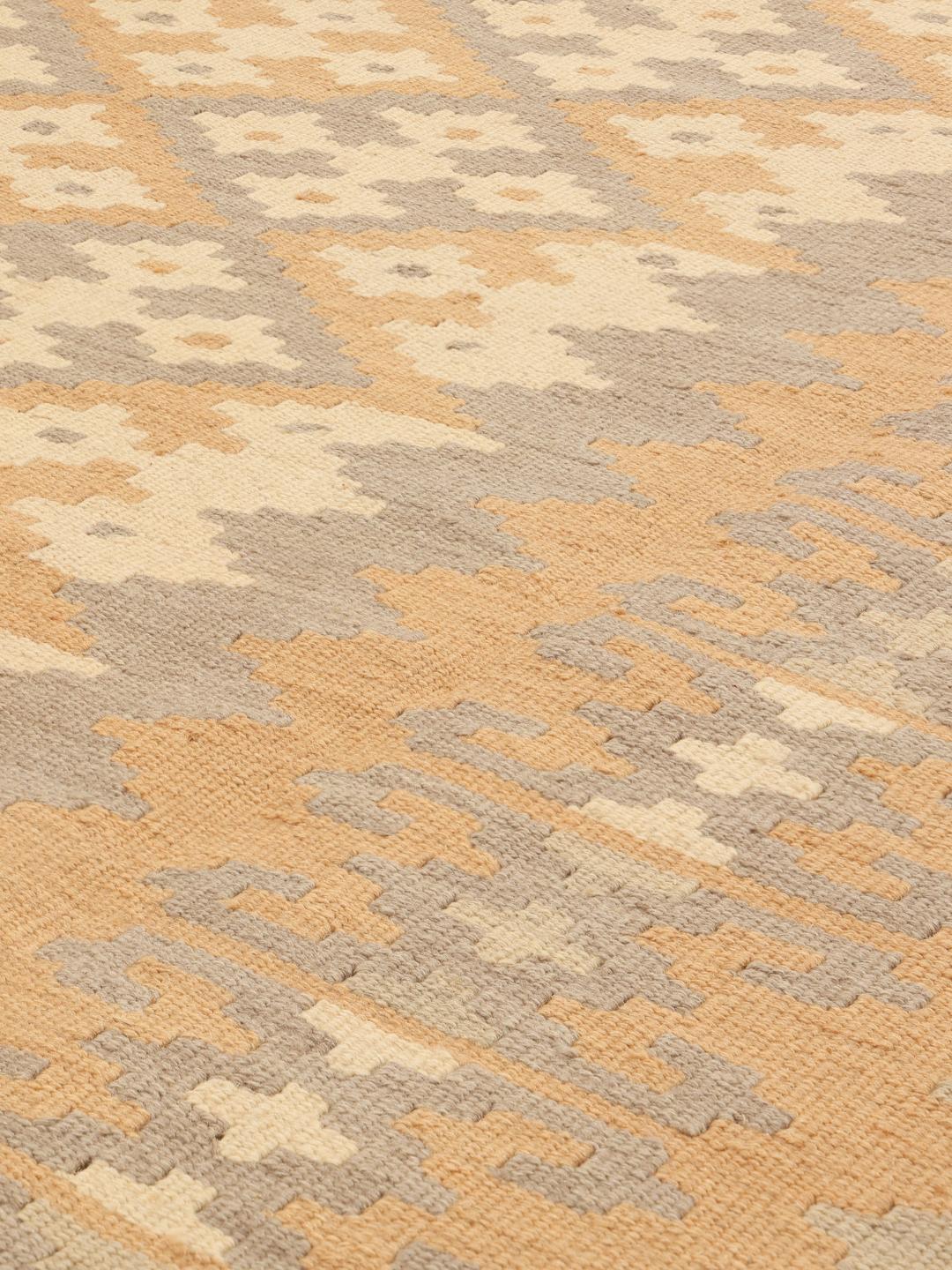
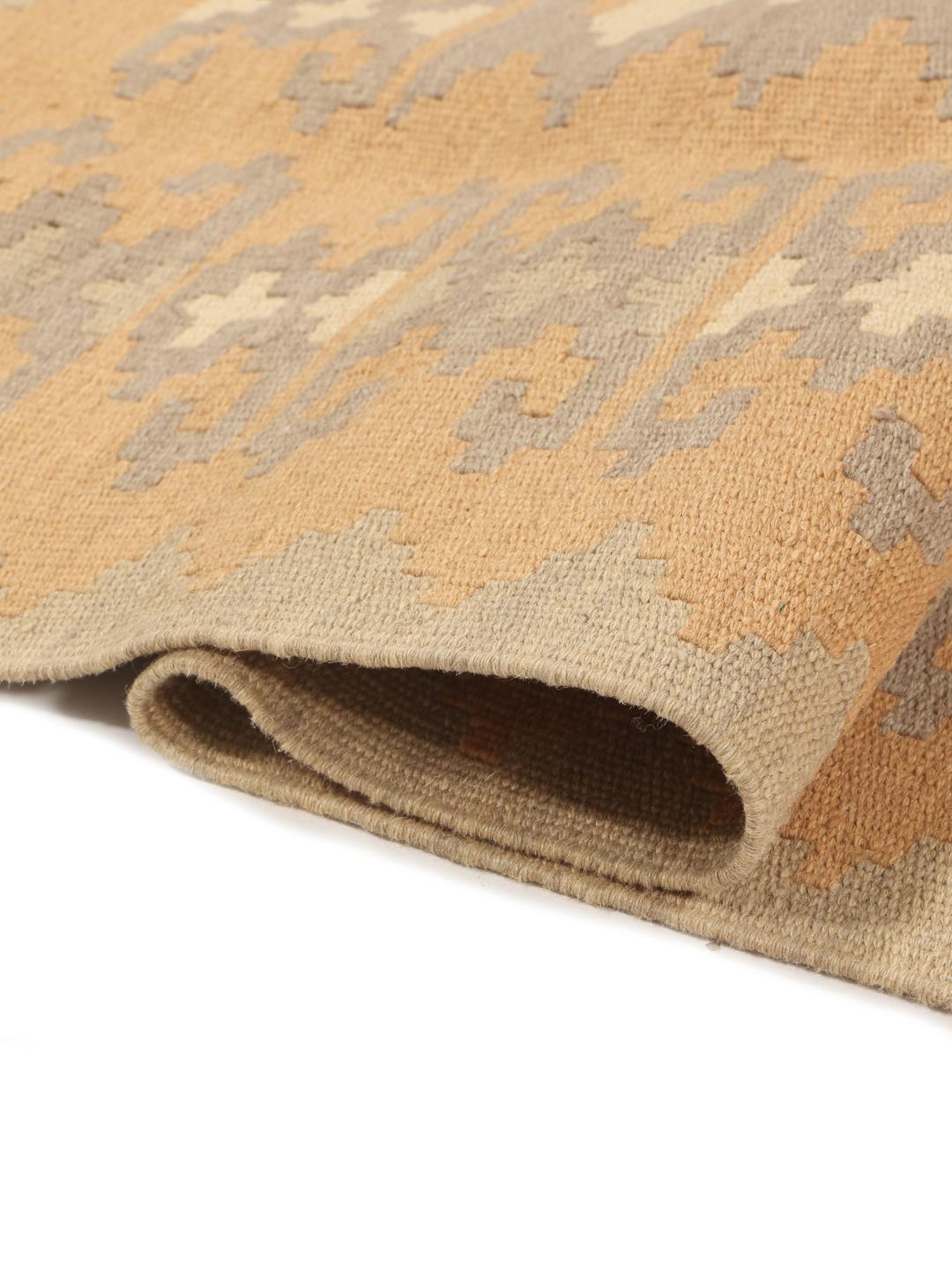
The term 'Kelim' refers to a flatweave technique where the weft strands are tightly interlaced with the warp to create a smooth, pileless surface. This method is distinct from knotted rugs, as the patterns are created during the weaving process itself. This technique requires an immense level of precision and mathematical understanding, as the weaver must manage the tension and colour transitions to maintain the integrity of the design throughout the rug.
Ghashghai designs are famously recognised for their bold, geometric language, often featuring stylised medallions, floral motifs, and repeating diamond patterns. These motifs are not merely decorative but are deeply rooted in the cultural identity of the weavers, often symbolising aspects of nature, fertility, or tribal protection. The use of warm, earthy palettes is a signature trait, reflecting the natural landscapes of the region.
Today, Ghashghai Kelims are highly valued by collectors and design enthusiasts for their authenticity and the skill required to produce them. Owning a piece from this tradition is an investment in cultural heritage and human artistry. These rugs are celebrated for their ability to bridge the gap between traditional aesthetics and modern interior needs, offering a timeless quality that remains relevant across generations.