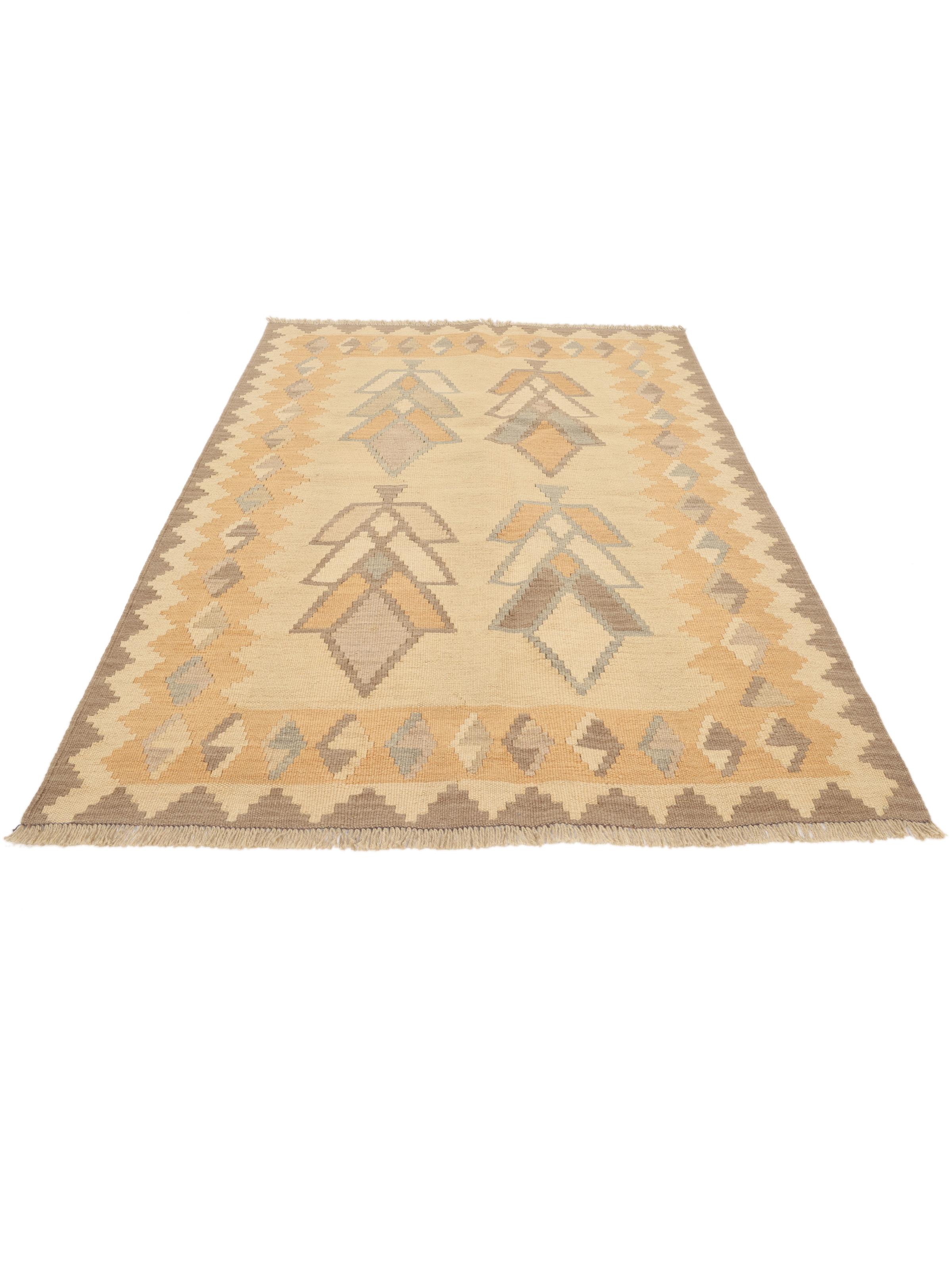
The Ghashghai people are a confederation of nomadic tribes with a storied history of weaving that spans generations across the Middle East. Their migration patterns and deep connection to the land have long informed the visual language of their textiles, which are celebrated for their vibrancy and connection to traditional life. These rugs are not merely floor coverings but are deeply embedded in the social and cultural fabric of the tribes.
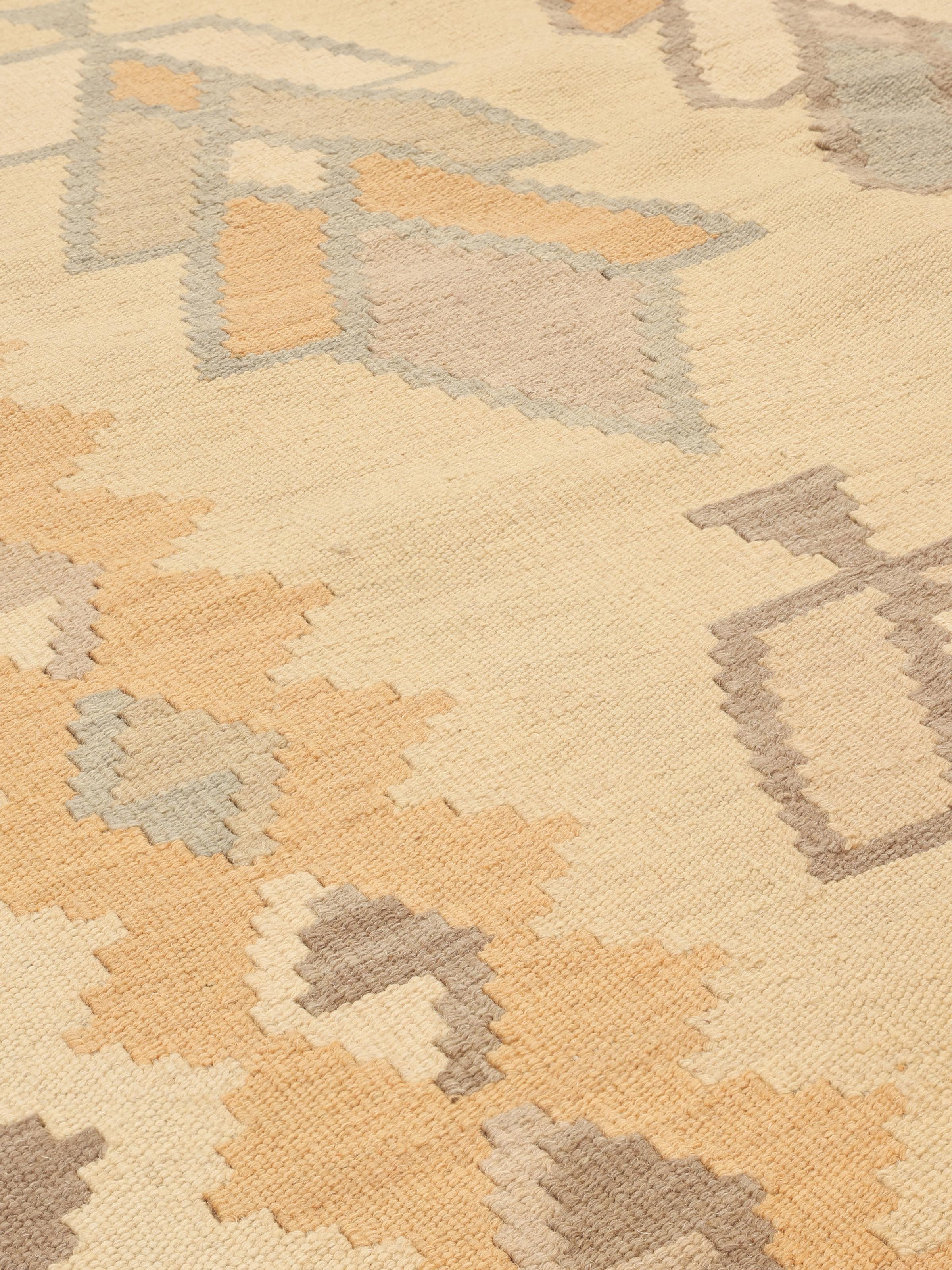
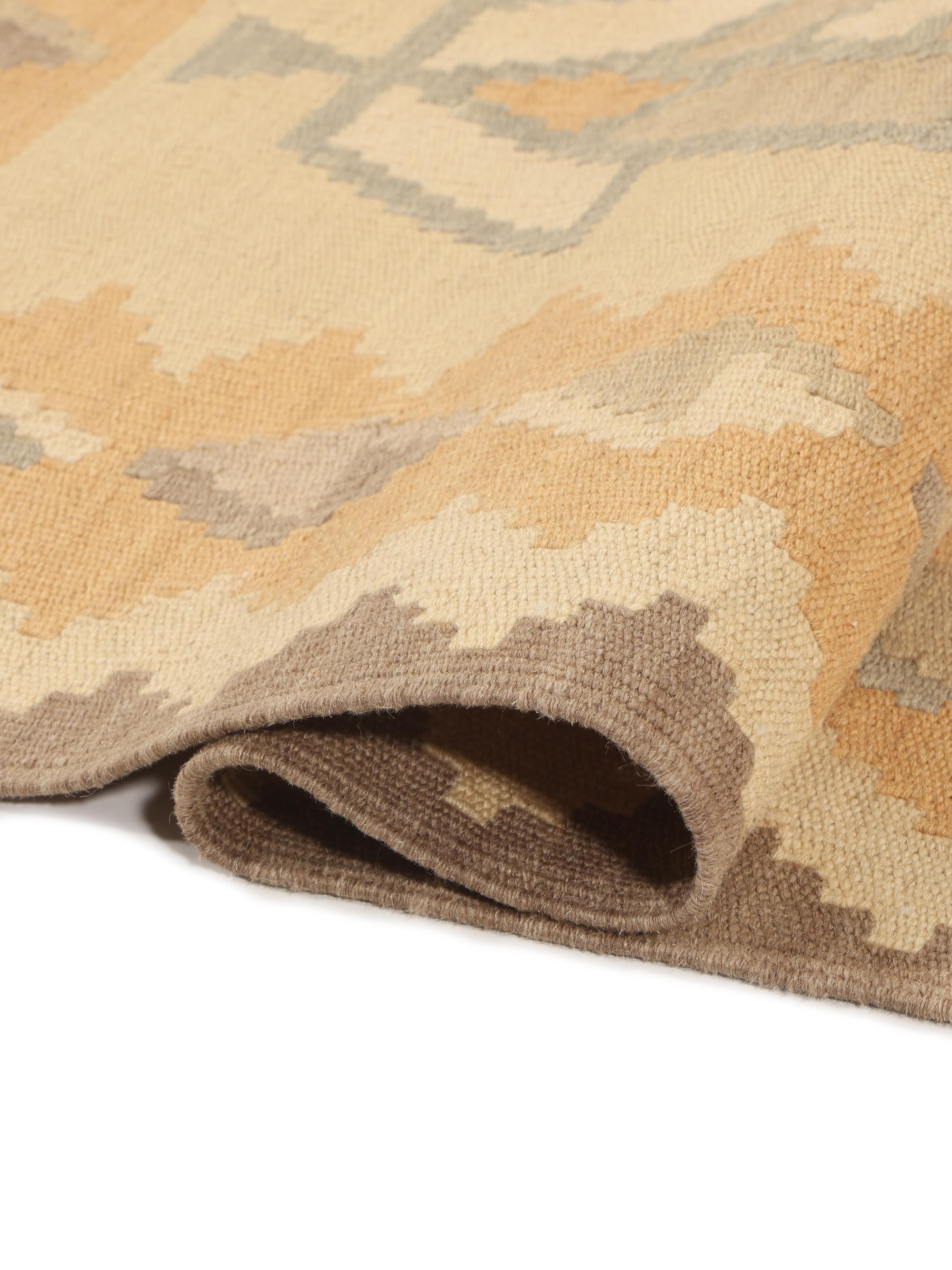
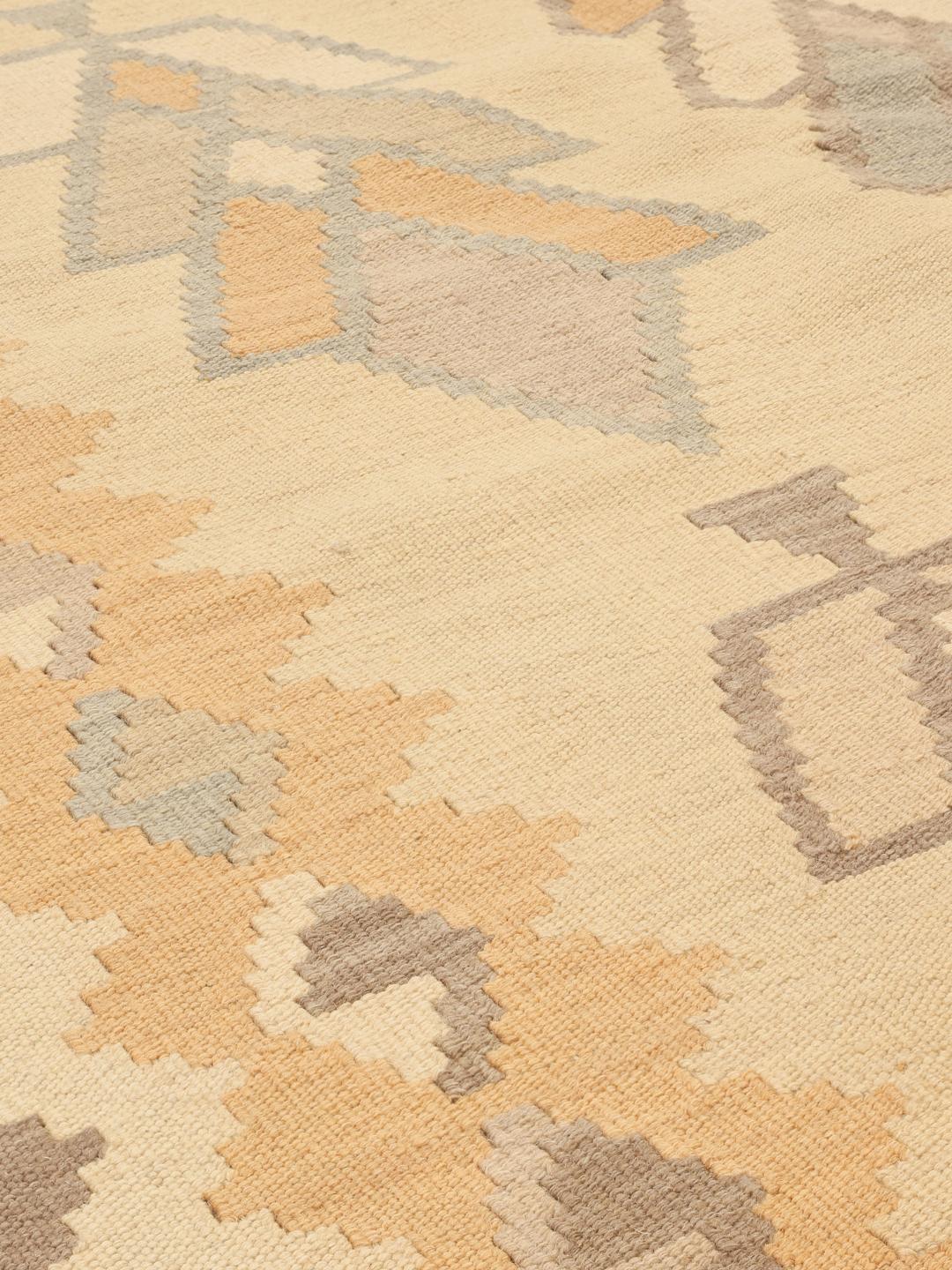
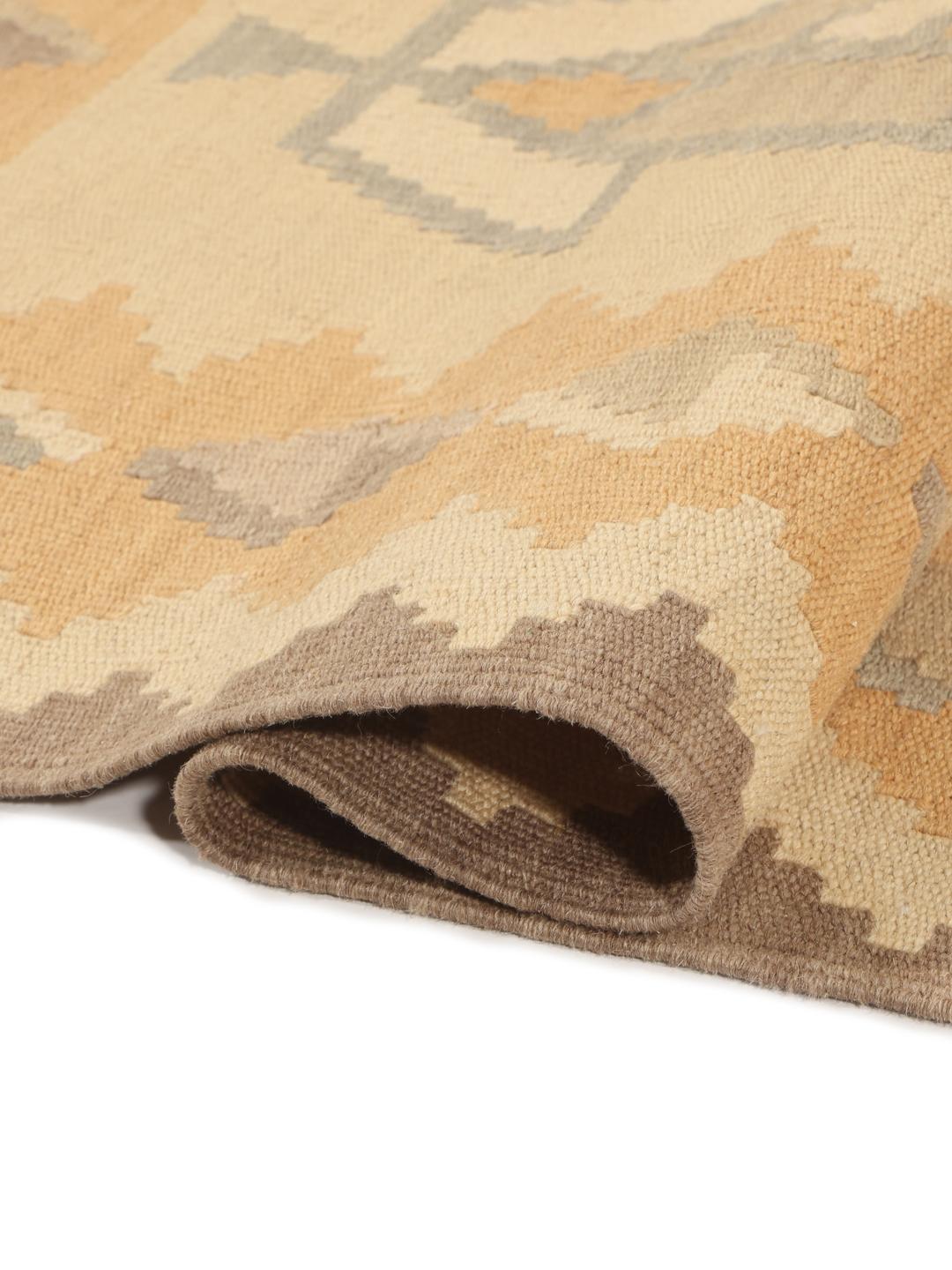
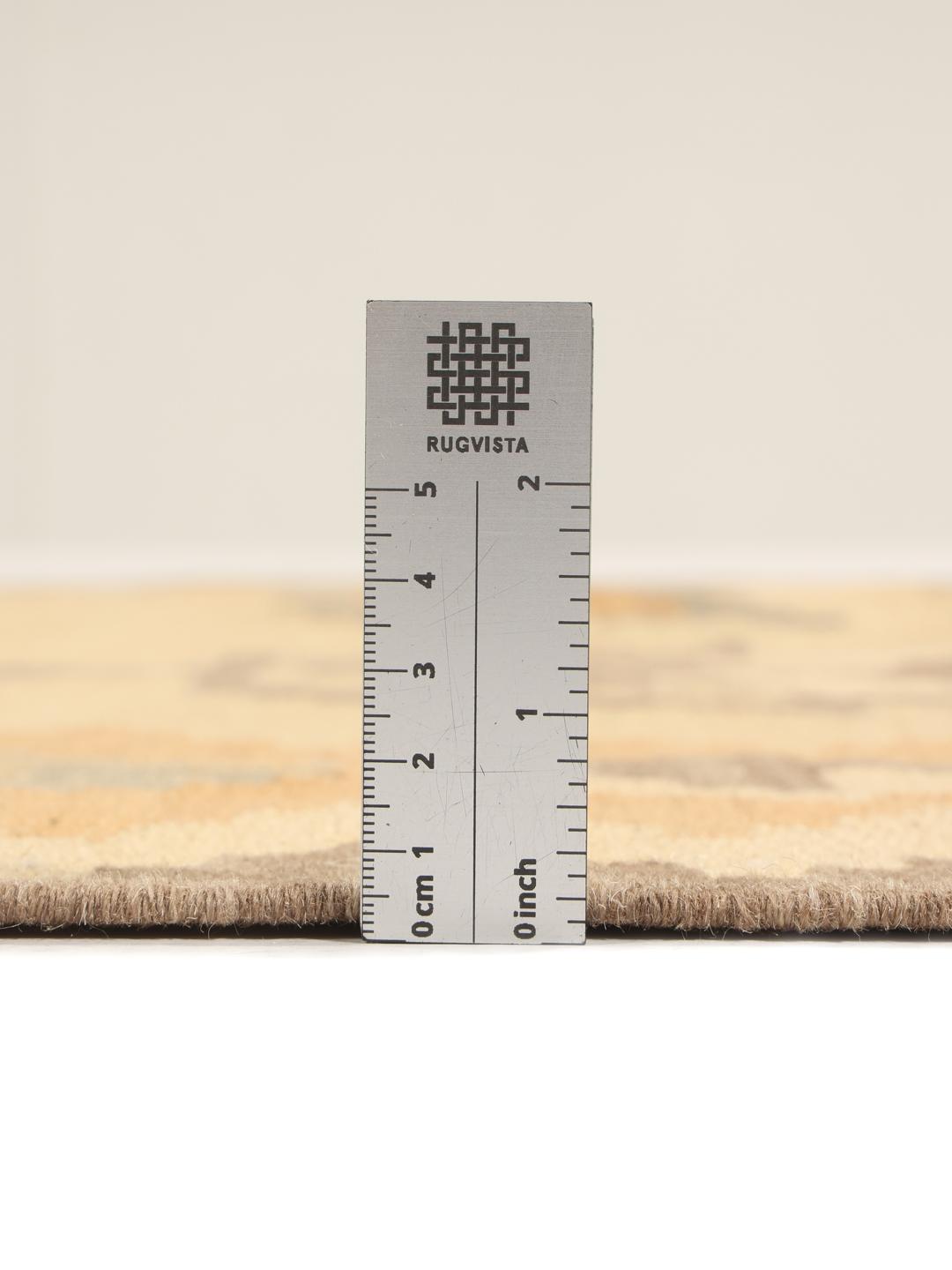
A Kelim is defined by its flat-woven construction, which lacks the pile found in knotted rugs. This technique involves the interweaving of the coloured weft strands with the warp, creating a versatile and lightweight textile. The lack of pile gives the Kelim a distinct, crisp aesthetic where the patterns appear sharp and clear, making it an ideal canvas for the bold, geometric storytelling that characterises the region's output.
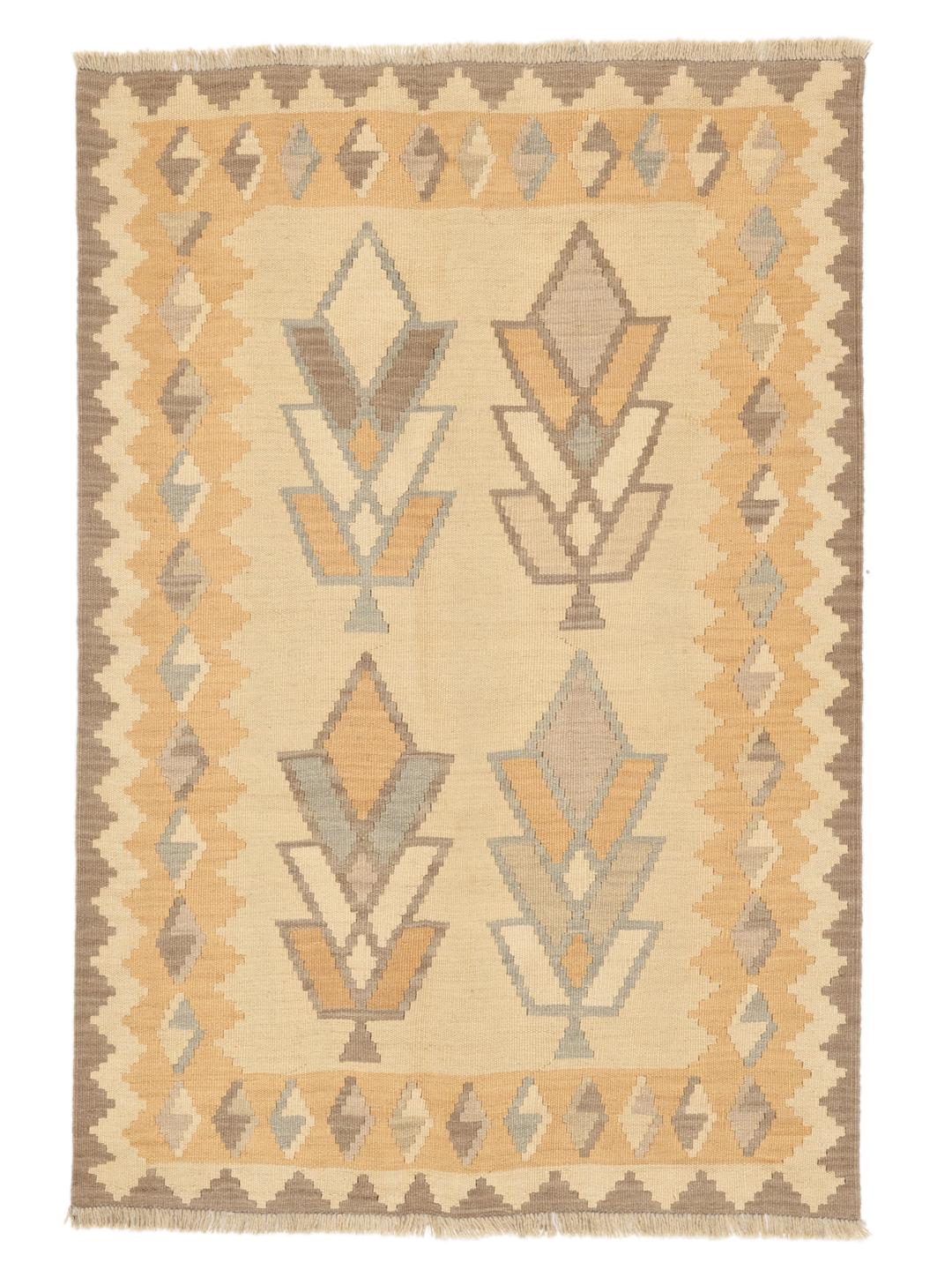
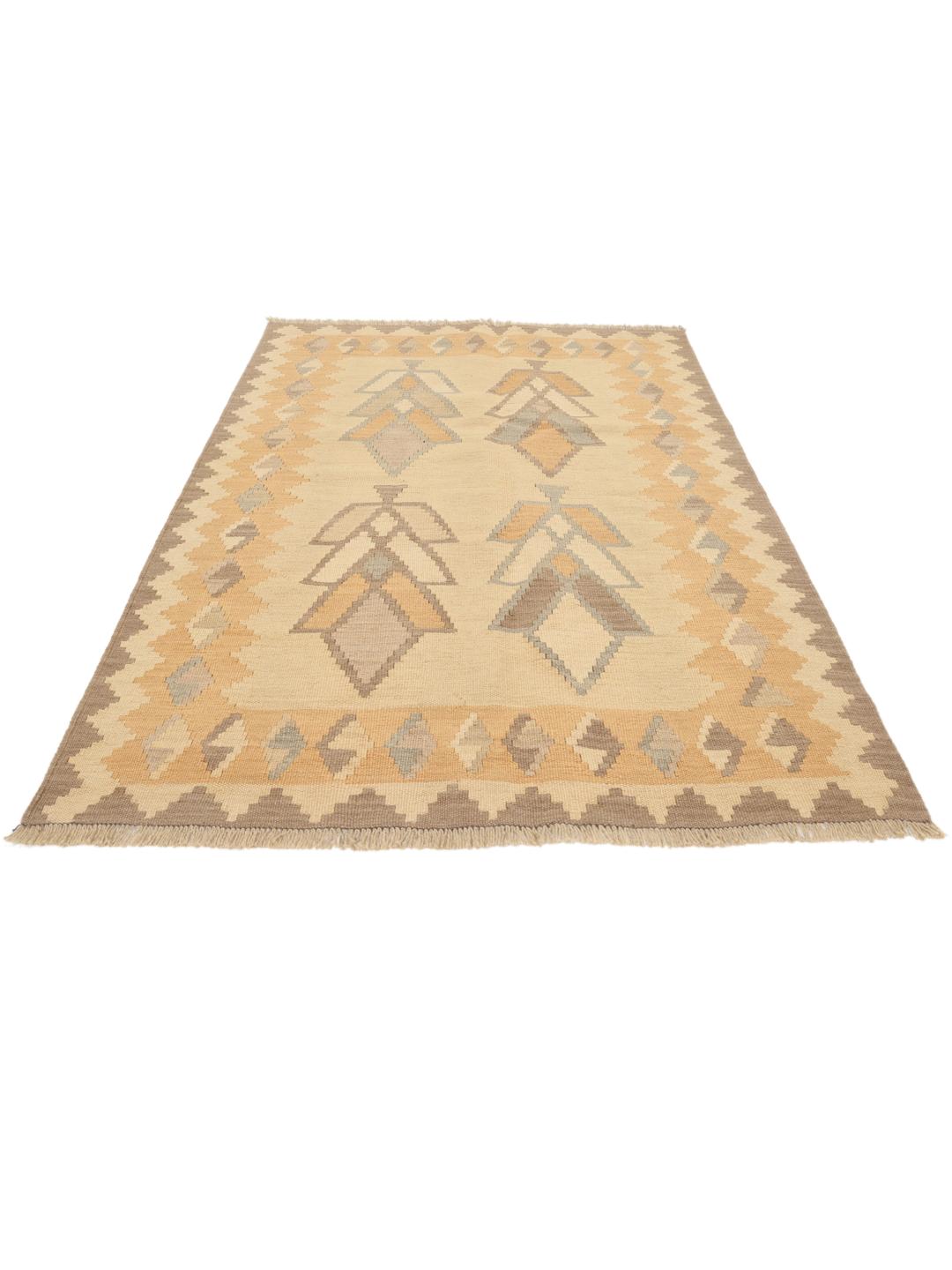
The signature design elements of these pieces often include stylized geometric motifs, such as diamonds and zig-zags, which are arranged to create a rhythmic, balanced field. The borders are frequently decorated with smaller, repeating patterns that frame the central design. This particular rug utilises a neutral palette that highlights the clarity of its geometric forms, demonstrating a sophisticated take on traditional tribal aesthetics.
Collectors value these rugs for their authenticity and the human story they tell. Owning a genuine Ghashghai piece is an investment in cultural heritage, representing a tradition where every rug is a unique expression of the weaver's skill and environment. The enduring quality of these textiles ensures they remain highly sought after by those who appreciate the intersection of history, craft, and functional design.