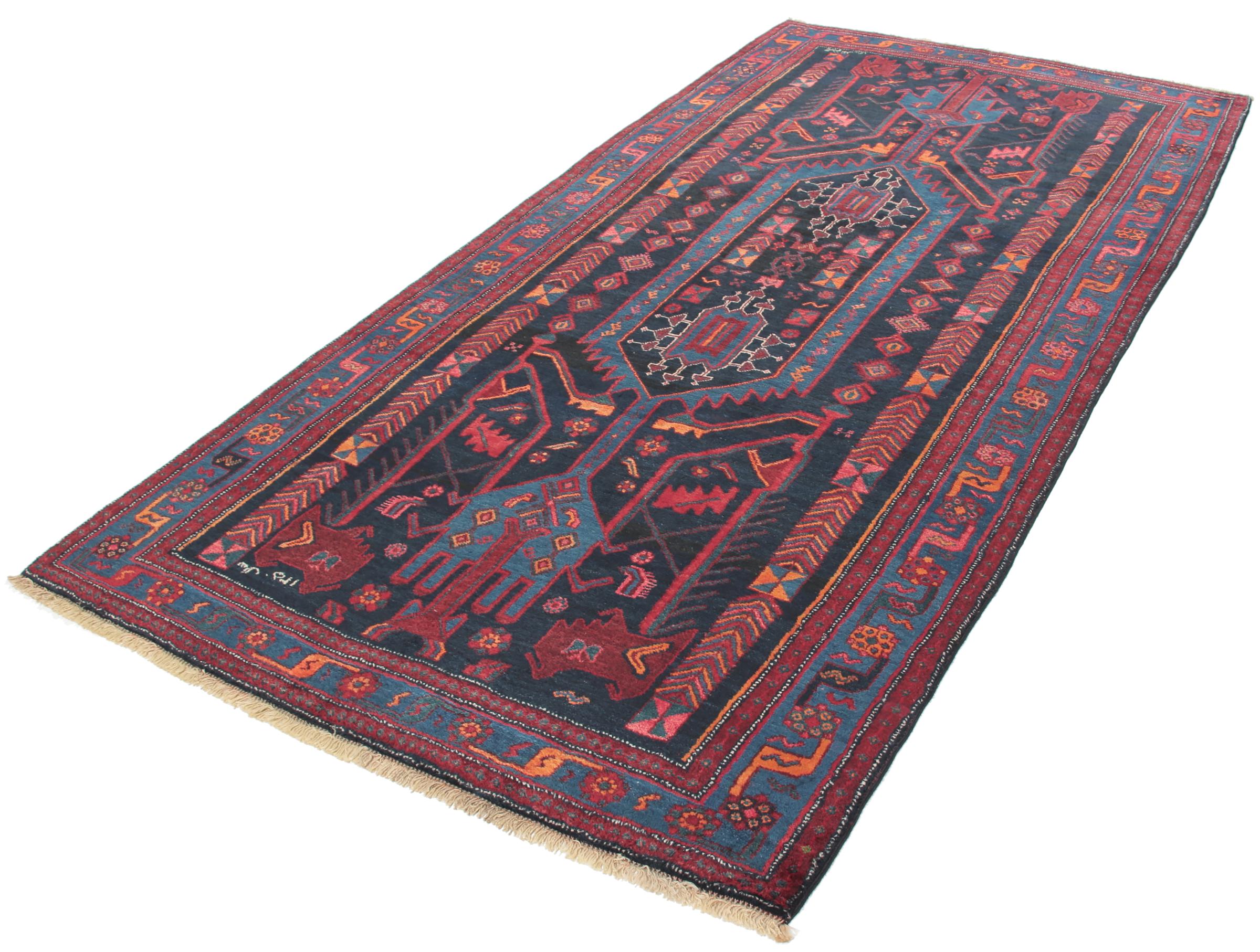
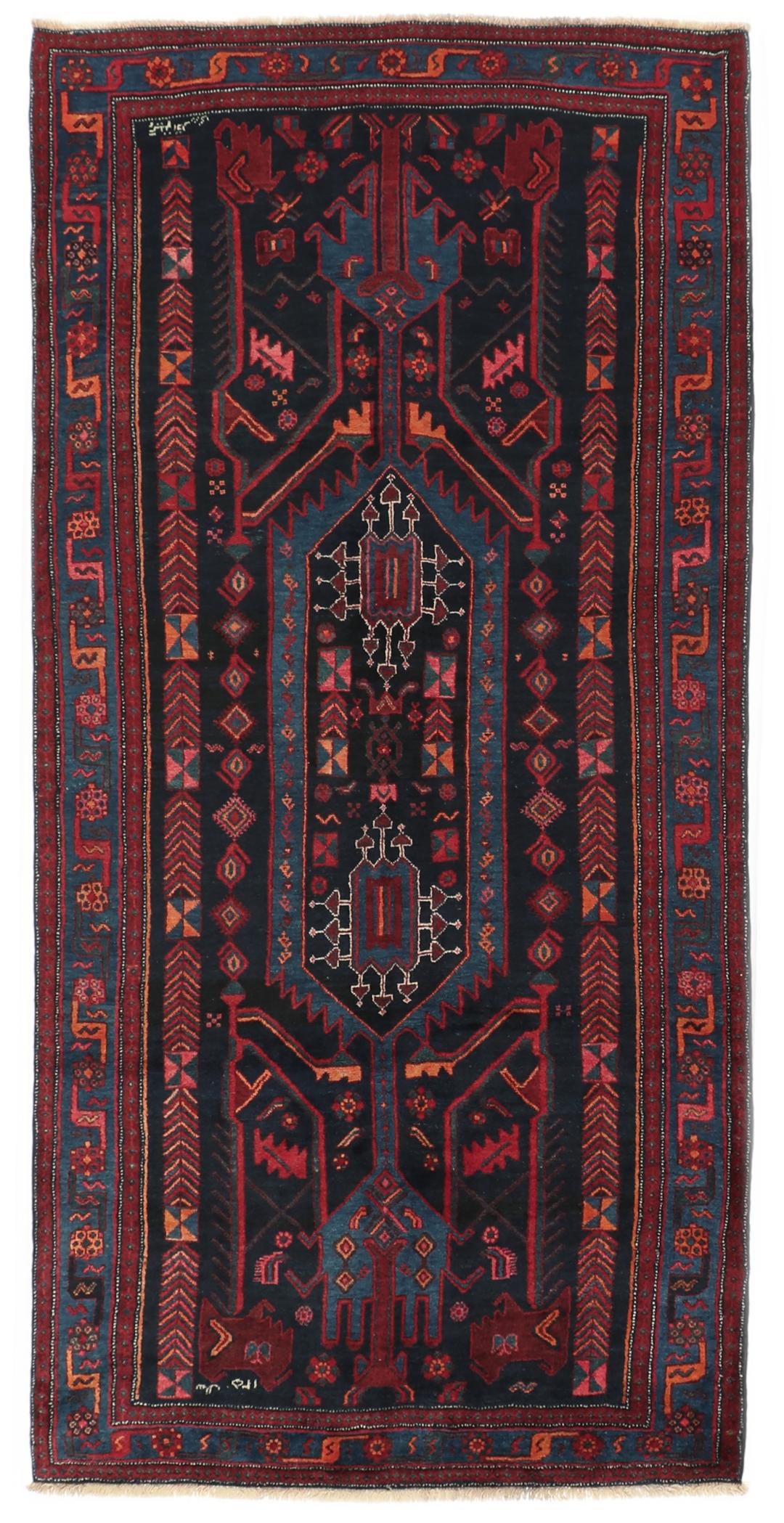
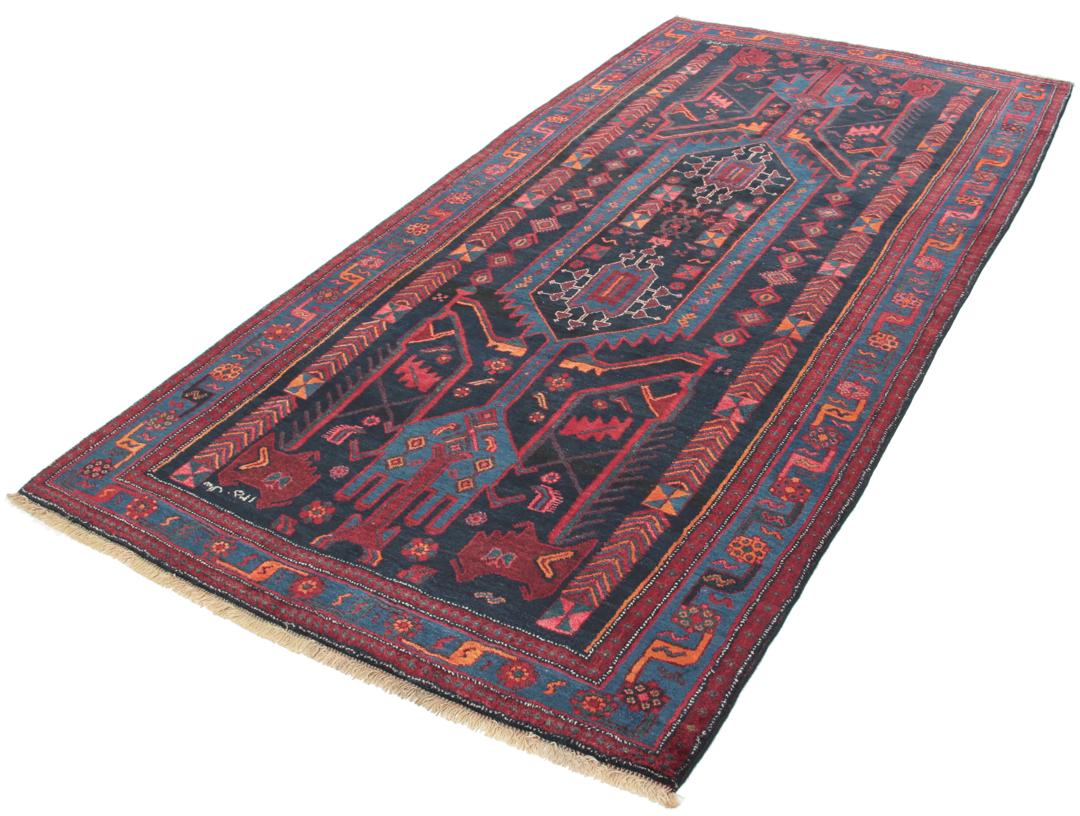
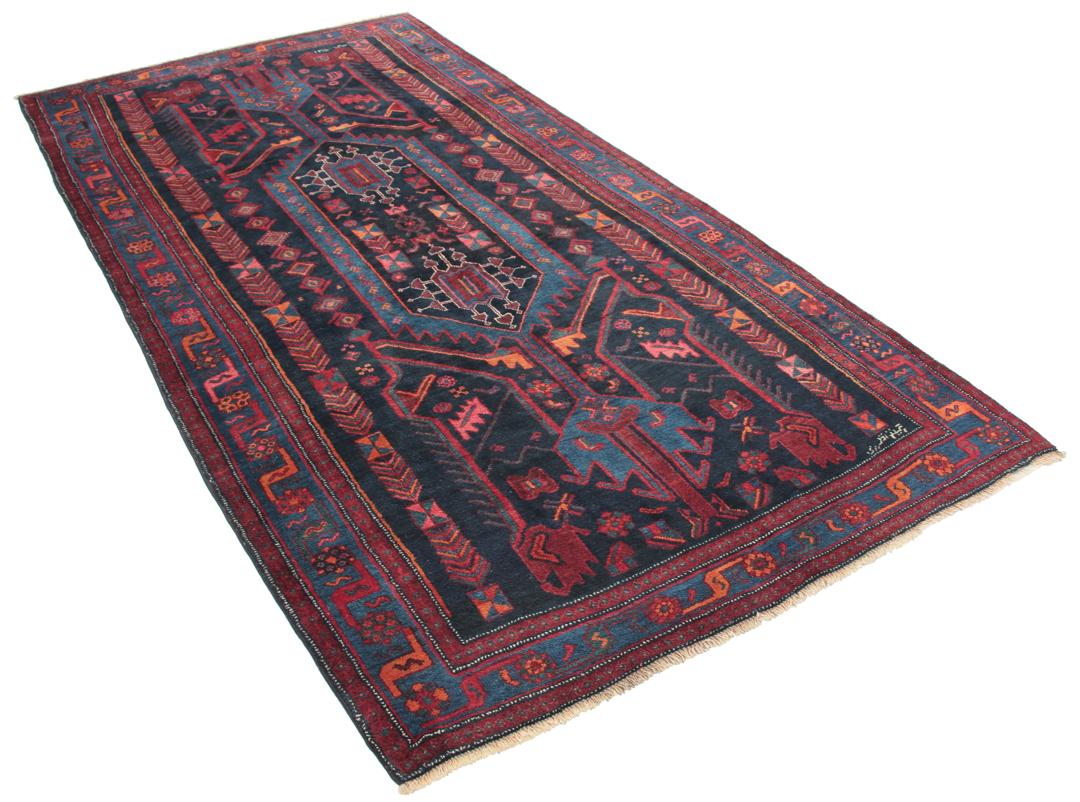
The Kurdi tradition originates from the nomadic and semi-nomadic tribes of the Middle Eastern highlands. For centuries, these communities have woven rugs that reflect the harsh, beautiful landscapes they call home. These textiles were originally created for practical use in tents, serving as floor coverings, blankets, and storage bags, which led to the development of a highly durable and functional craft tradition.
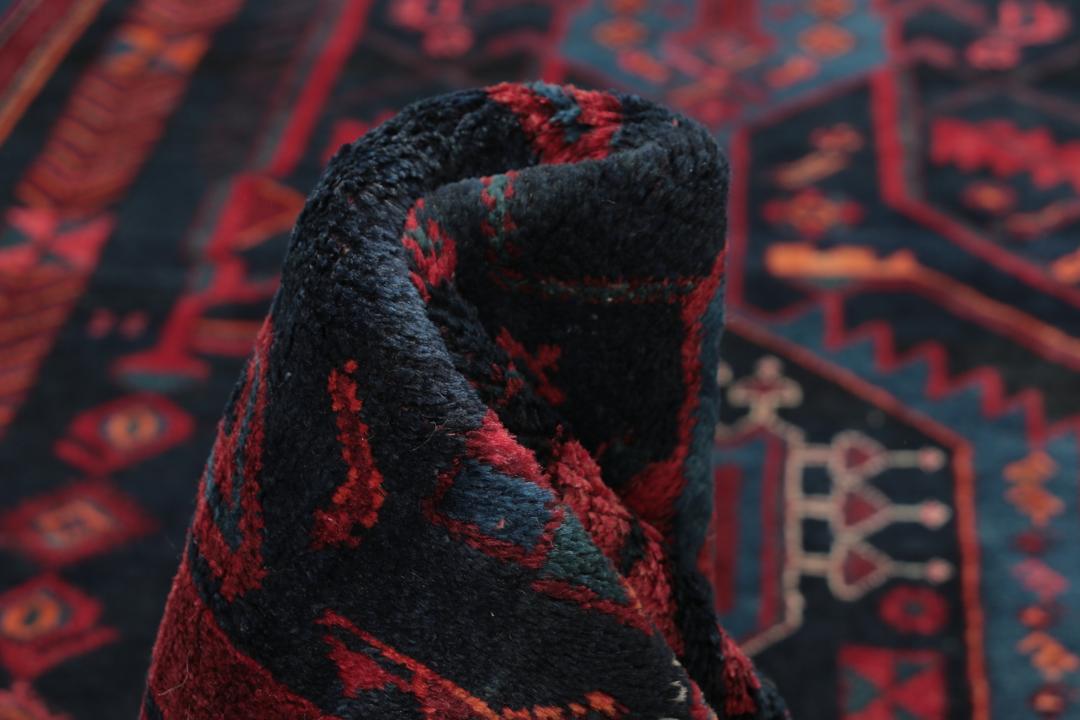
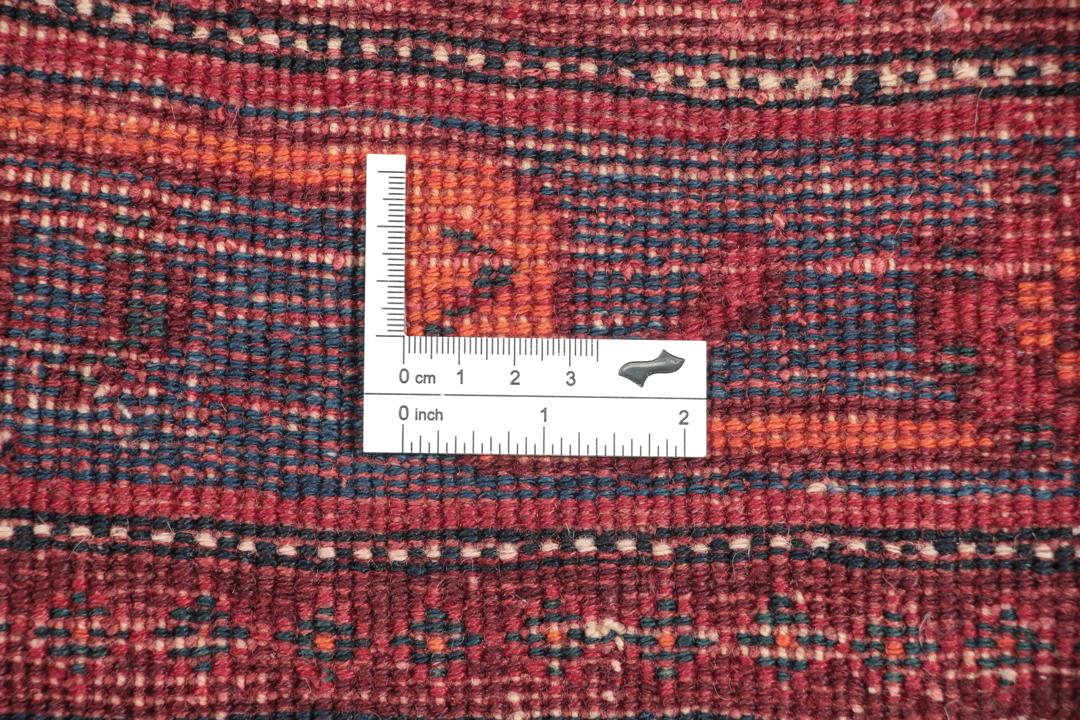
The technical quality of a Kurdi rug is defined by the use of high-quality wool, which is often hand-spun to retain natural oils. This process ensures the pile is resilient and soft to the touch, providing a natural sheen that catches the light beautifully. The foundation is typically made from sturdy fibres that allow the rug to withstand years of use without losing its shape or structural cohesion.
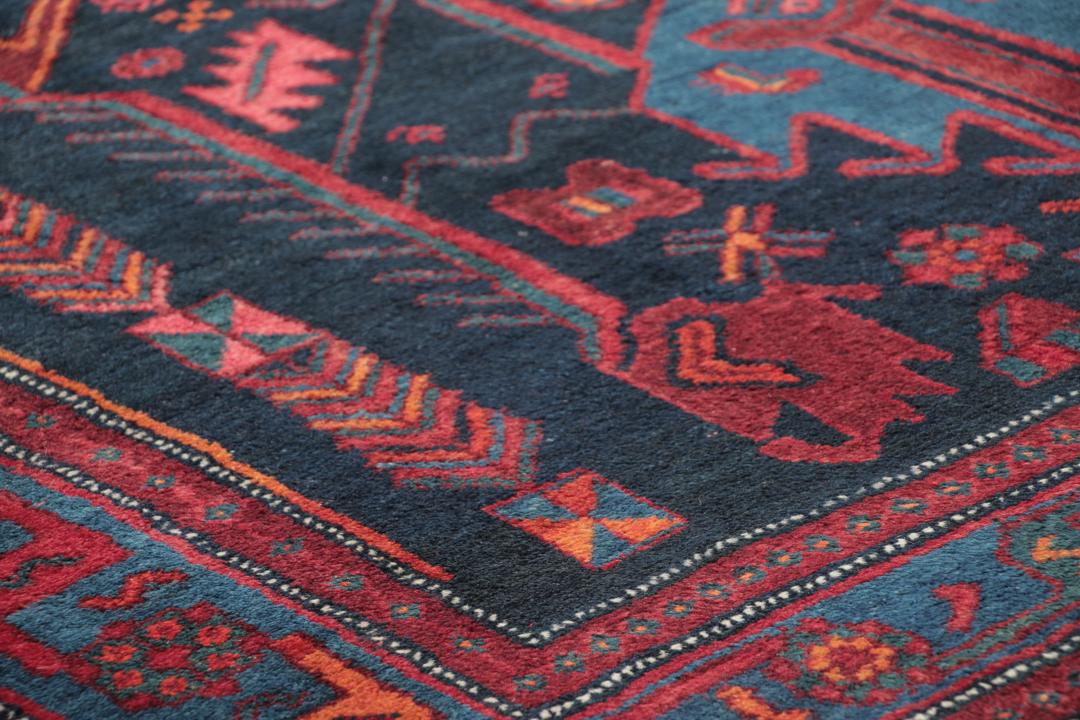
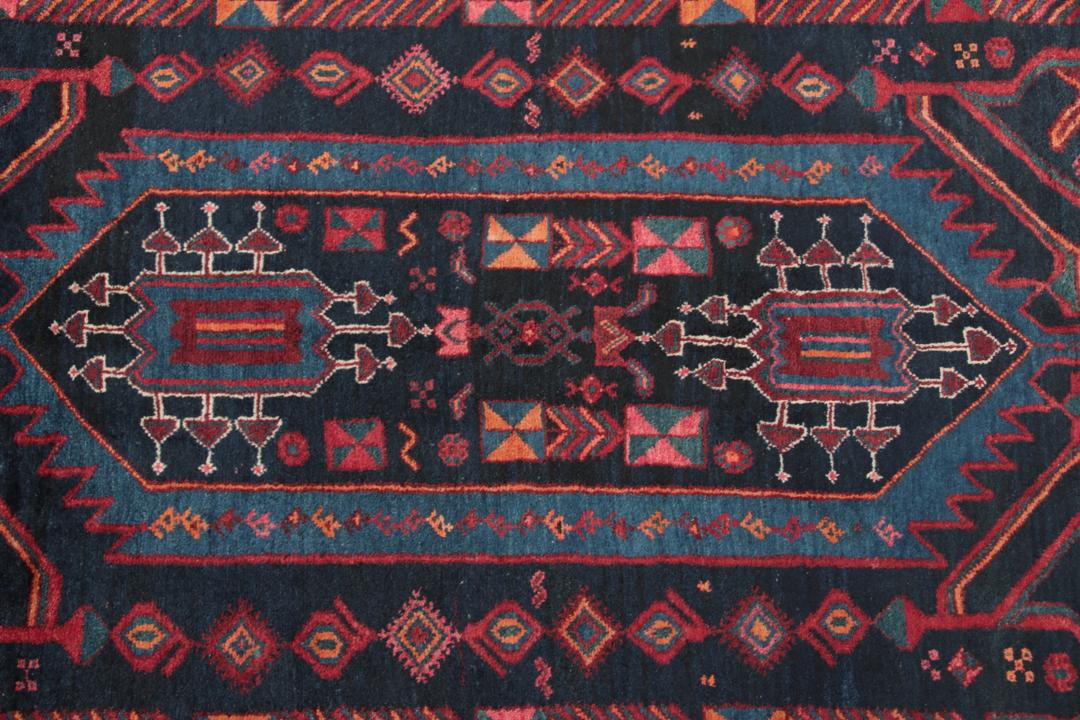
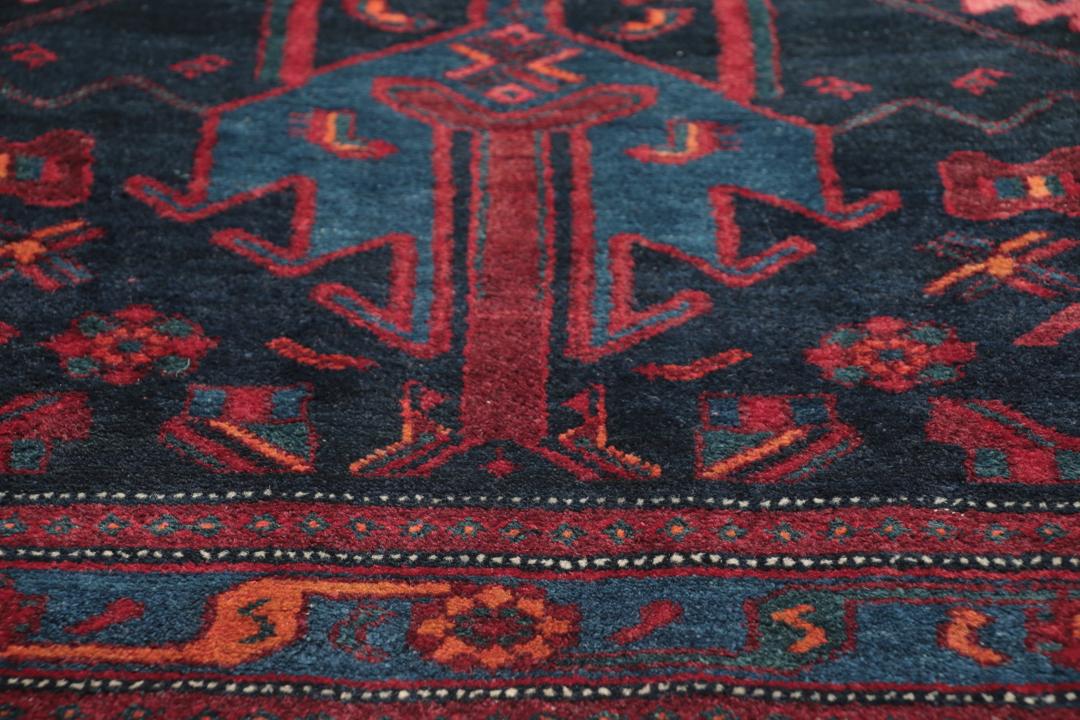
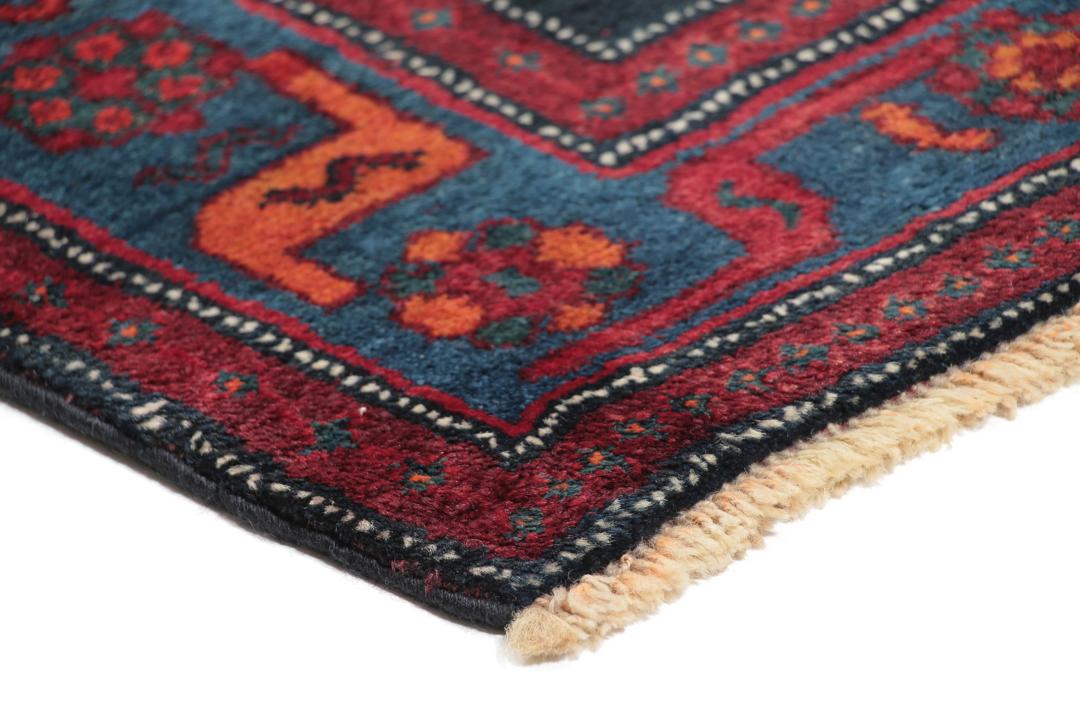
Visually, these rugs are famous for their bold, geometric language. You will often find motifs such as stylized animals, serrated leaves, and complex medallions that represent the weaver’s environment and cultural identity. The borders are frequently decorated with repeated tribal elements that frame the central field, creating a balanced yet energetic composition that feels both ancient and contemporary.
Collectors value these rugs for their authenticity and the human element present in every thread. Owning a Kurdi rug is more than just purchasing a floor covering; it is an investment in a living heritage. Because each piece is a reflection of the weaver's personal vision and local traditions, it carries a cultural weight that brings a sense of history and depth to any modern interior.