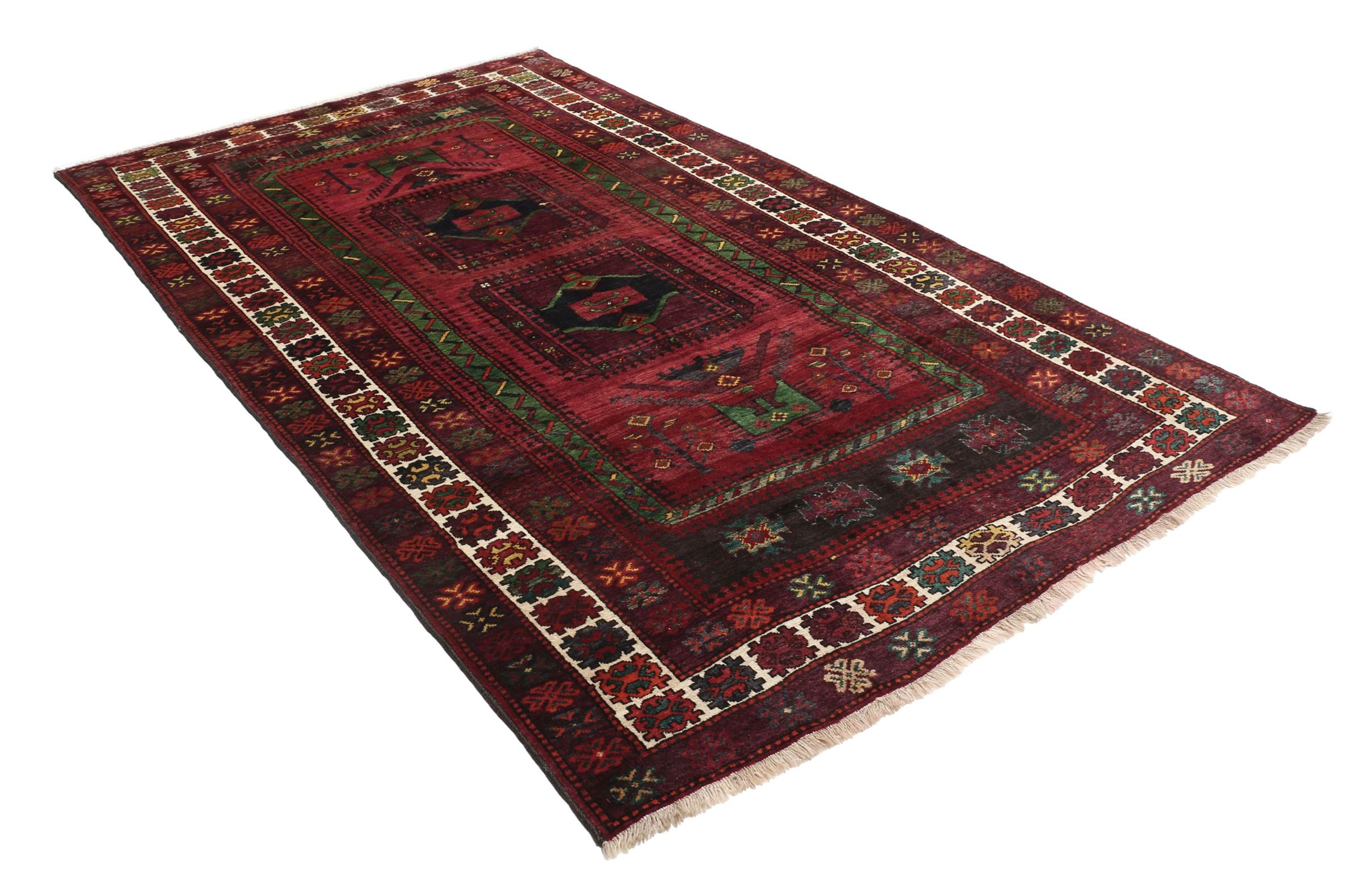
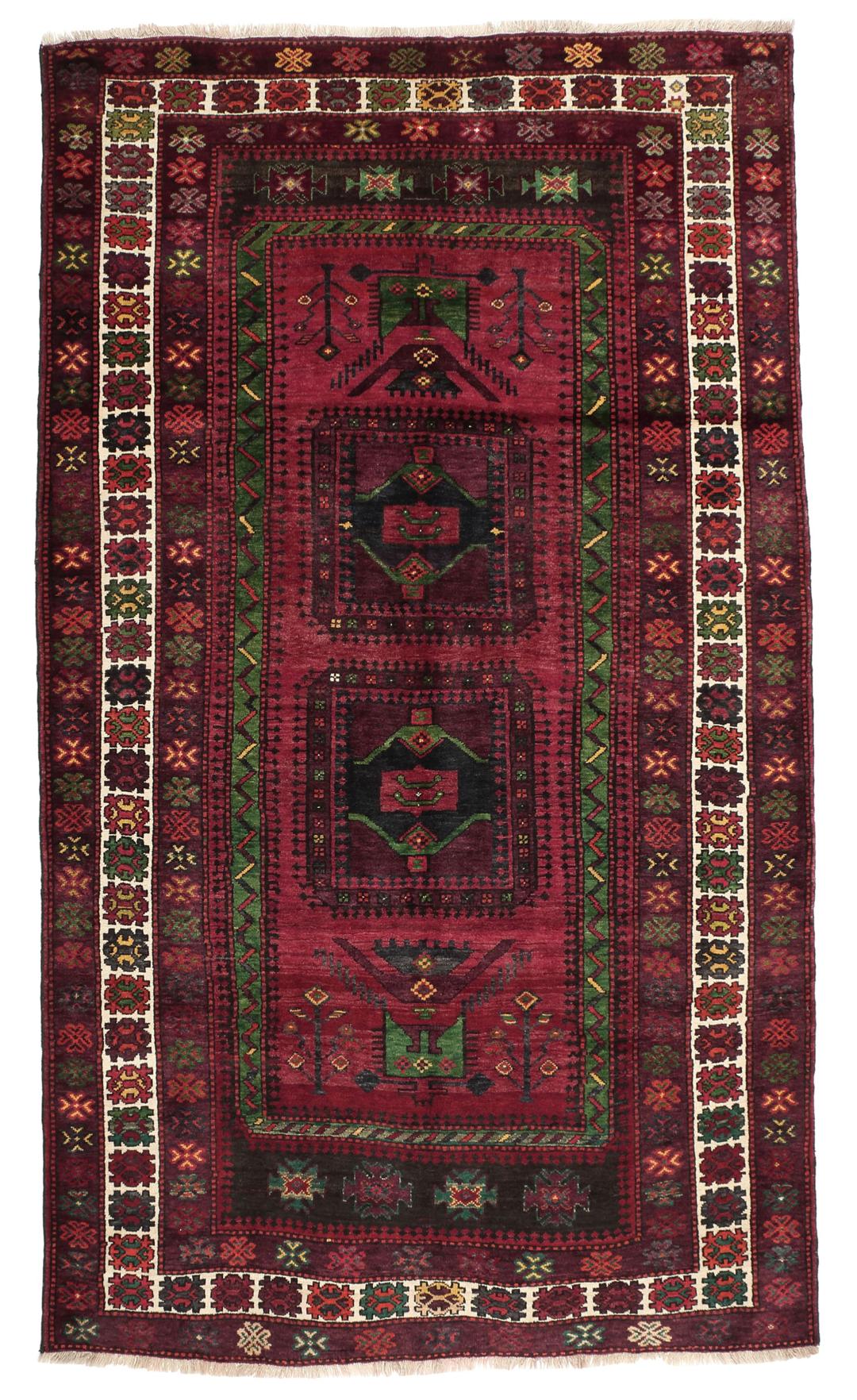
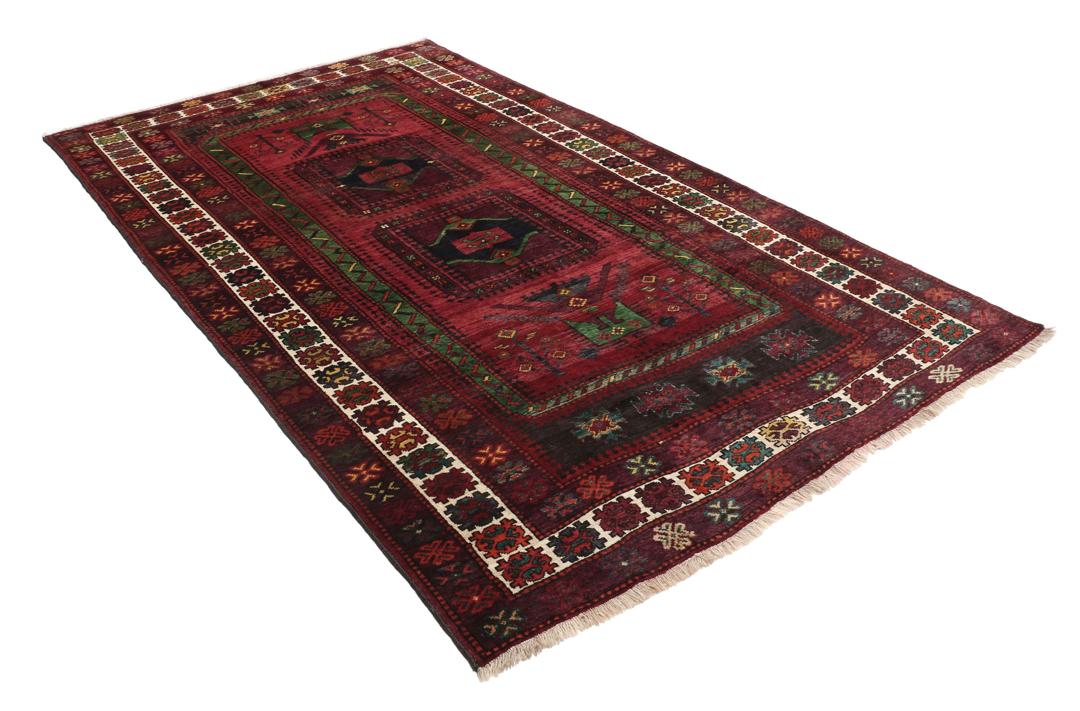
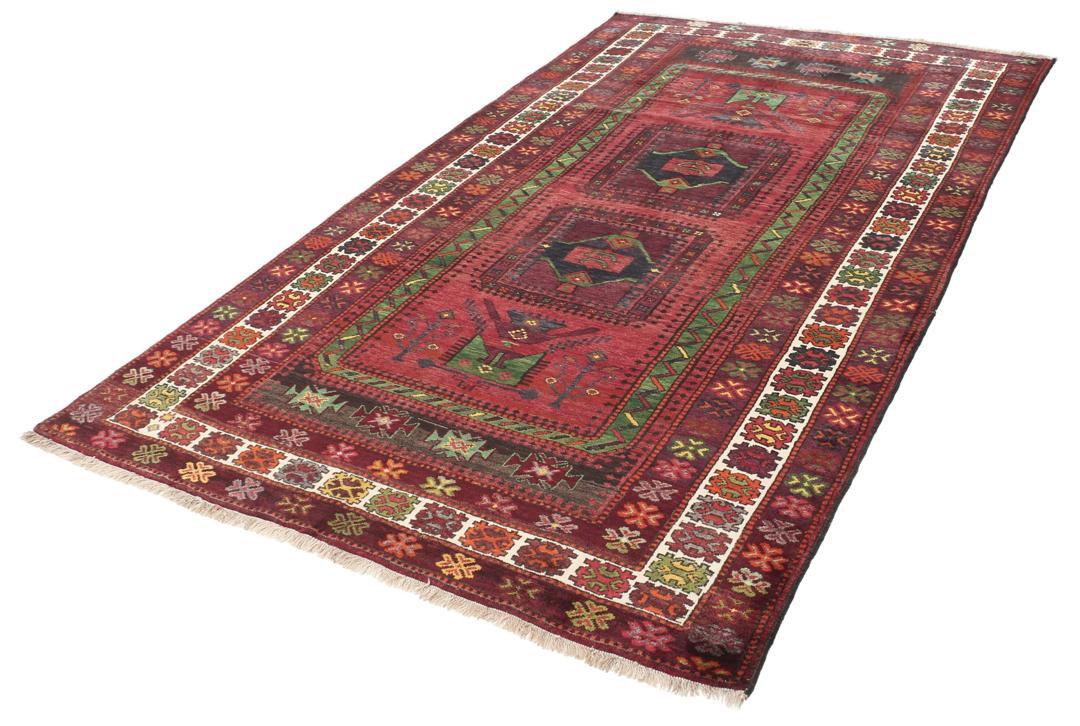
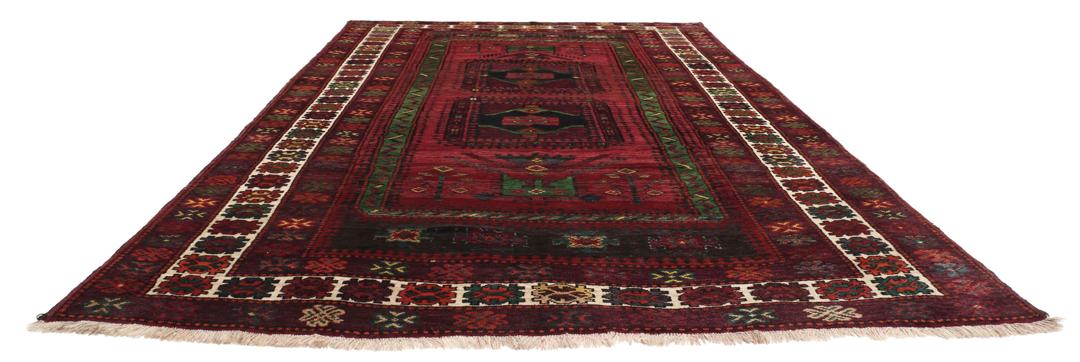
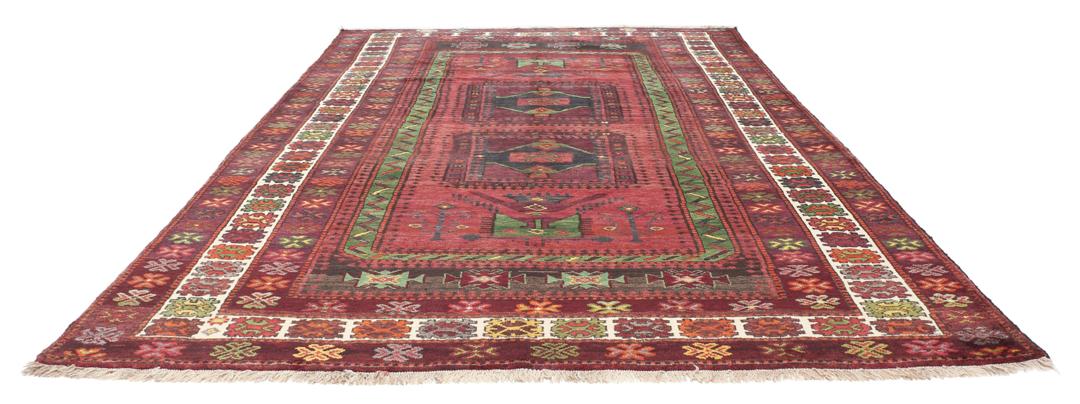
The Kurdi rug tradition hails from the mountainous regions of the Middle East, where Kurdish tribes have practised the art of weaving for centuries. These rugs are deeply tied to the nomadic and semi-nomadic lifestyles of the people, serving as essential items for warmth, insulation, and decoration within traditional dwellings. Over generations, the craft has evolved to incorporate local symbols and motifs that carry significant cultural weight, reflecting the environment and social history of the weavers.
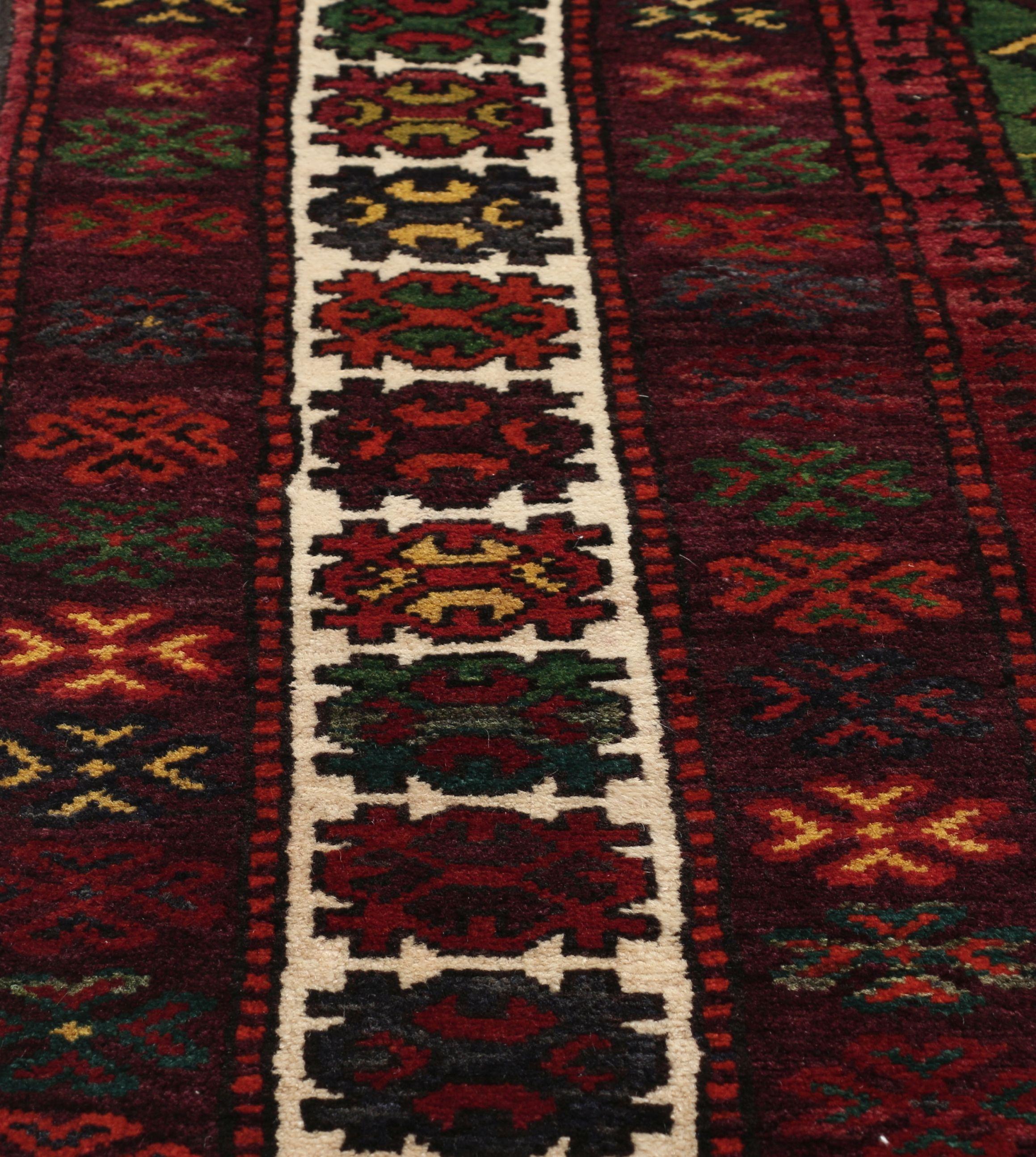
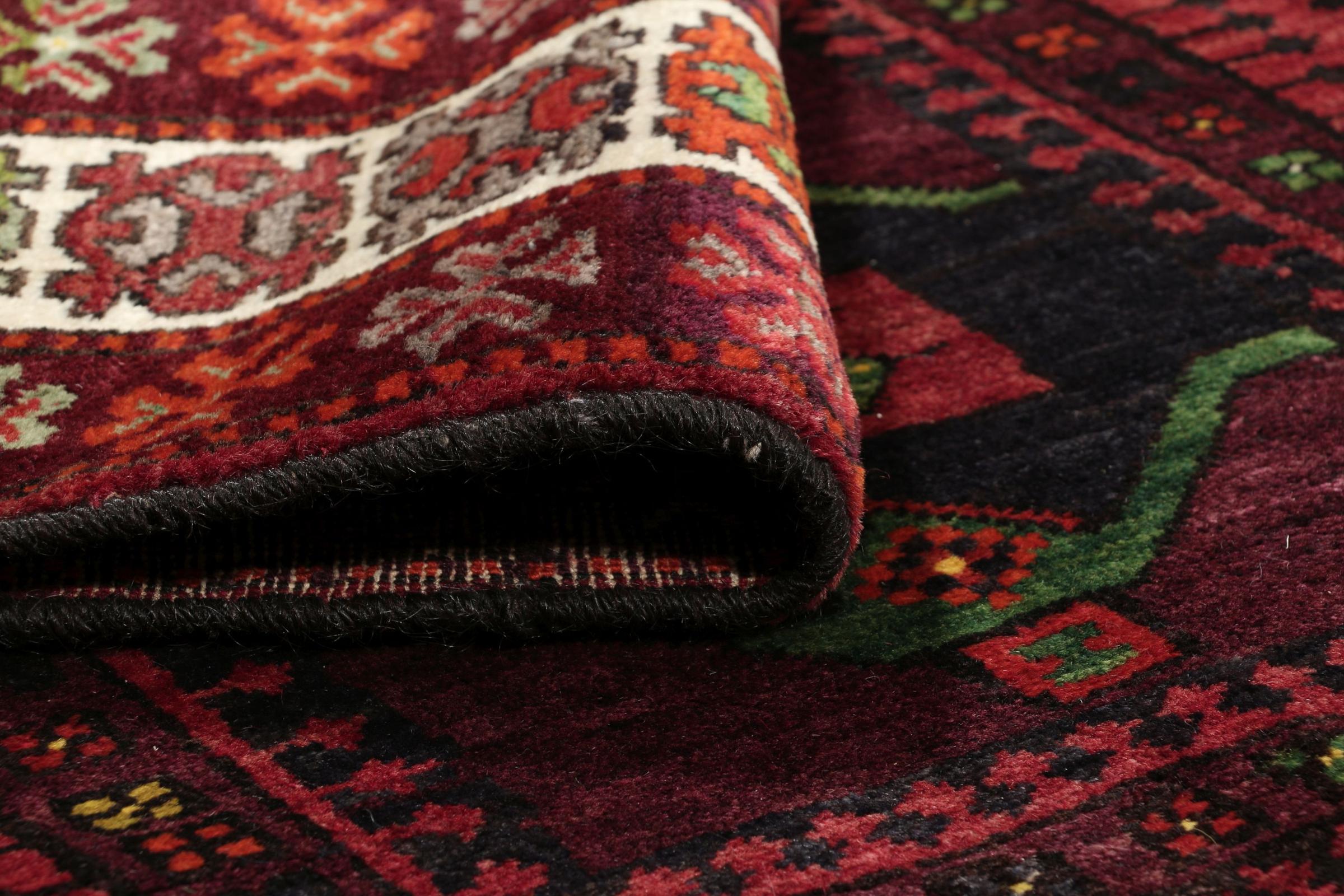
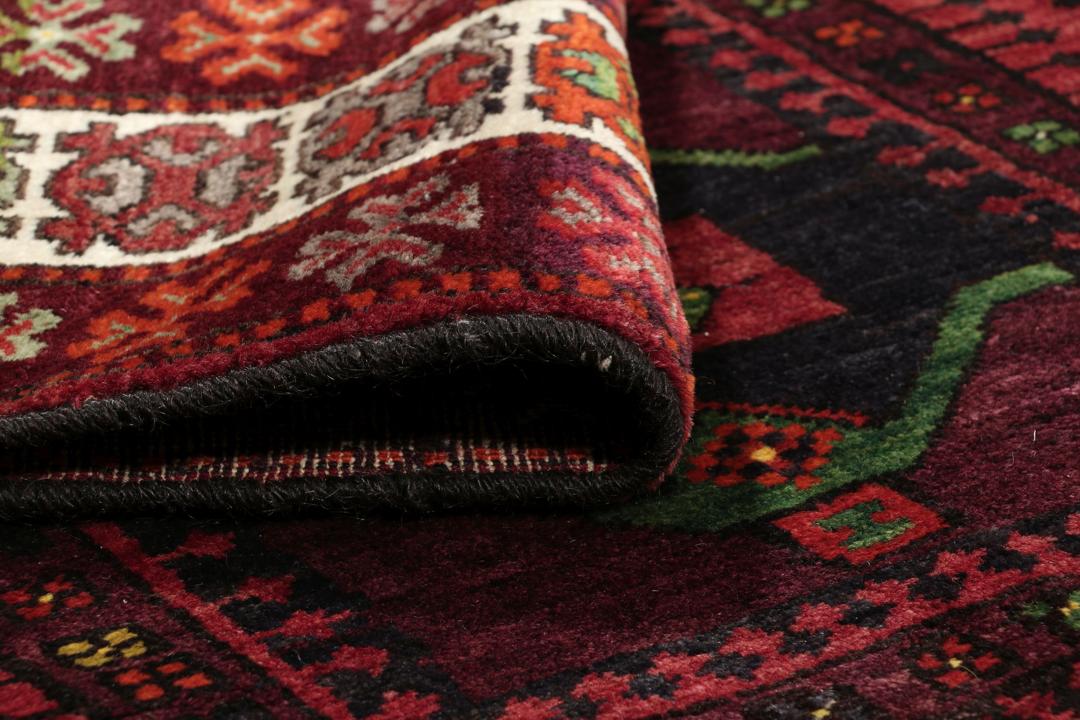
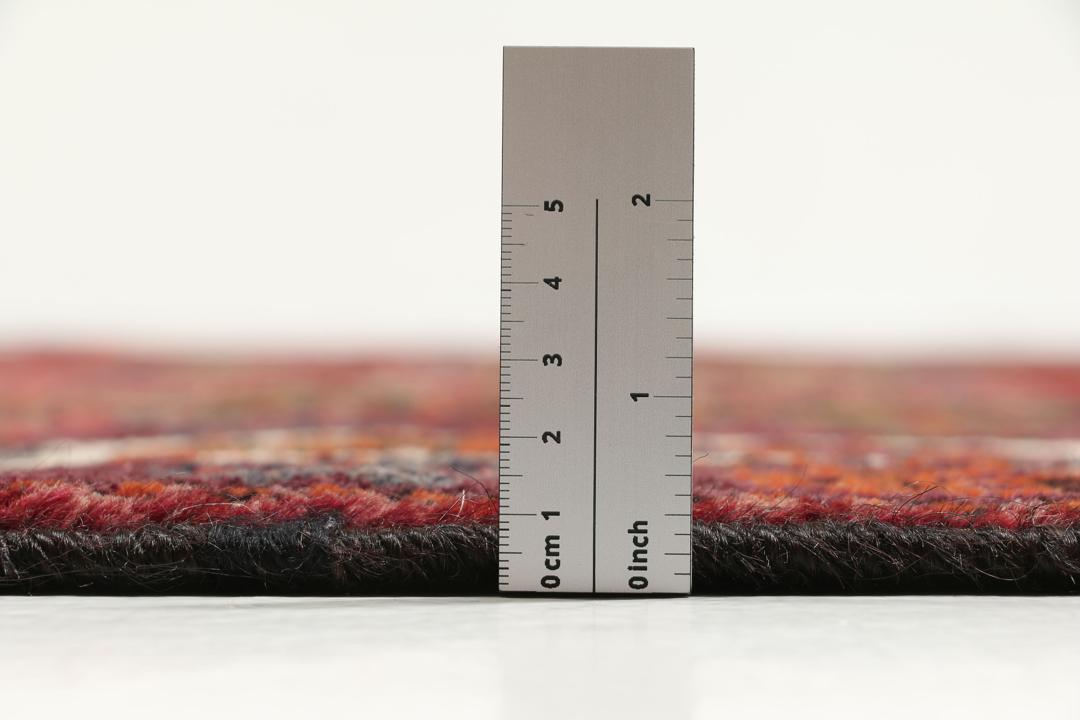
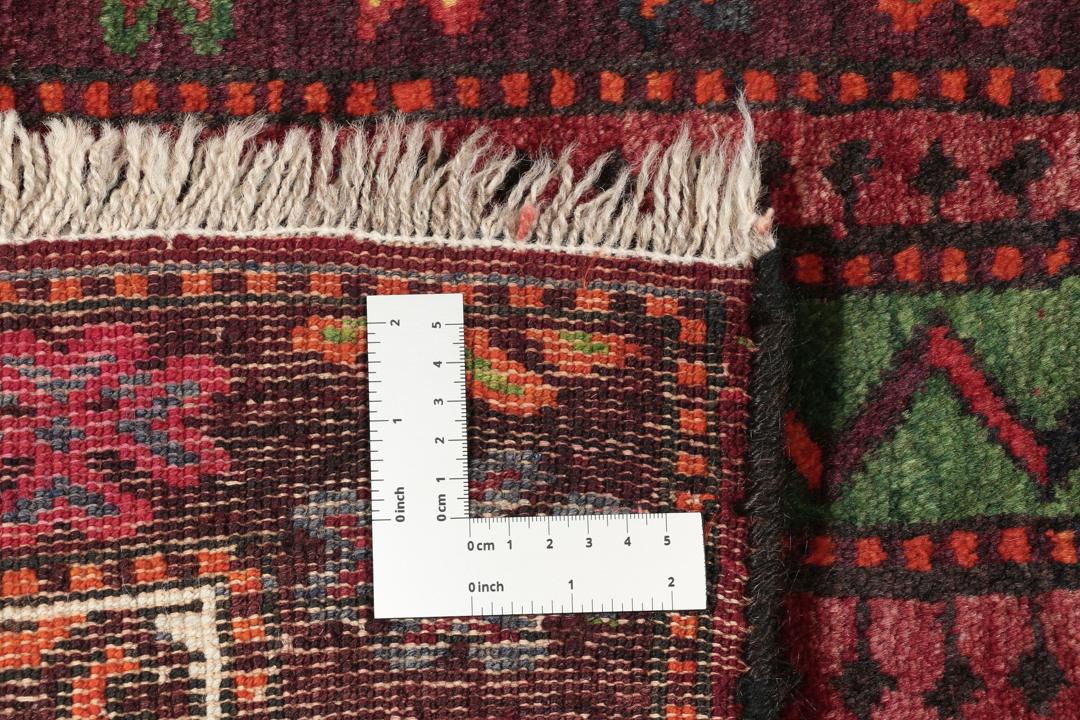
Technically, Kurdi rugs are celebrated for their sturdy construction and the use of high-quality, local wool. The weaving technique often involves a traditional knotting style that is designed to be as durable as it is beautiful. The use of a robust foundation ensures that the rugs can withstand the harsh conditions of mountain life, a quality that translates perfectly to the modern home, offering a reliable and long-lasting floor covering.
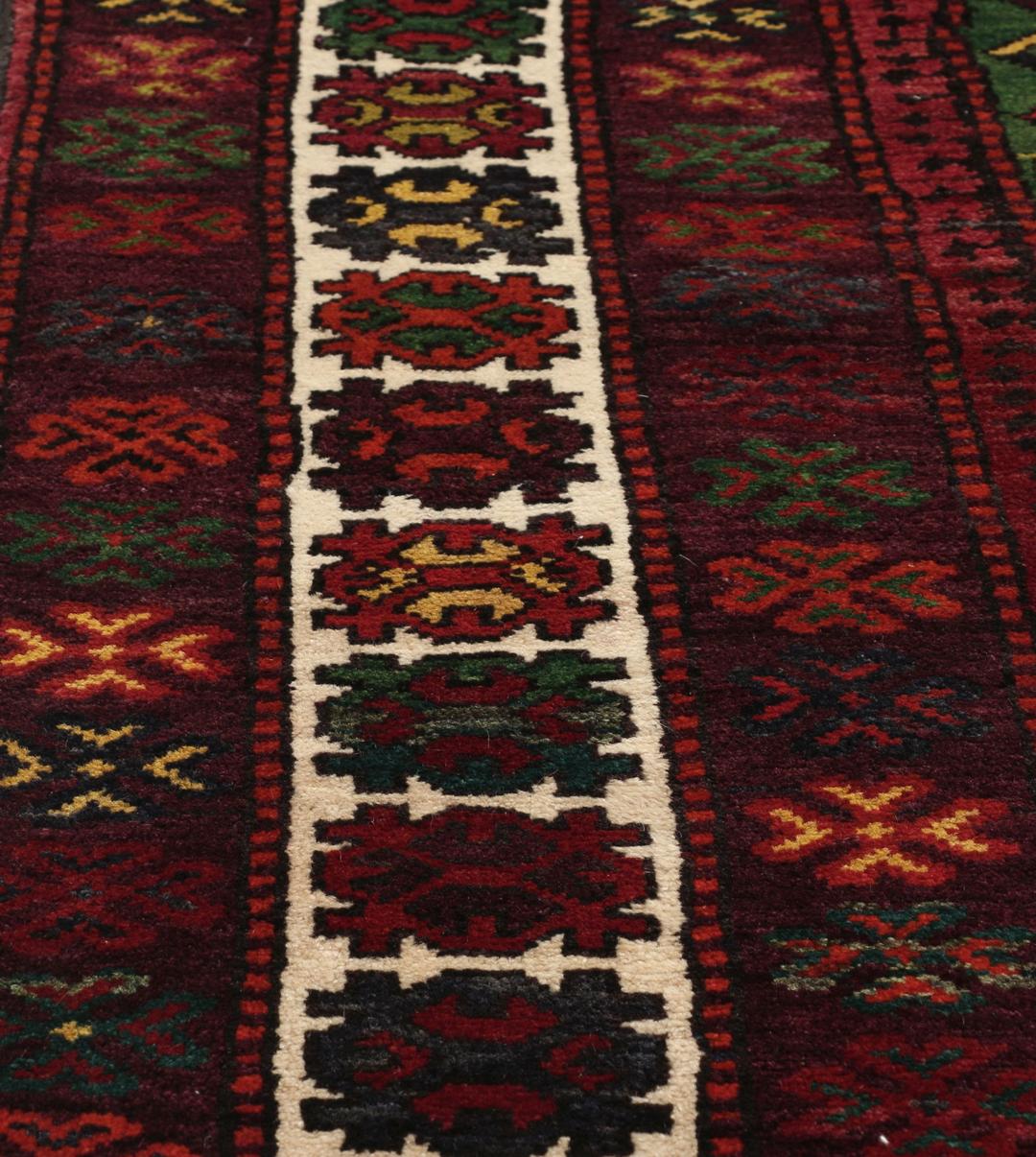
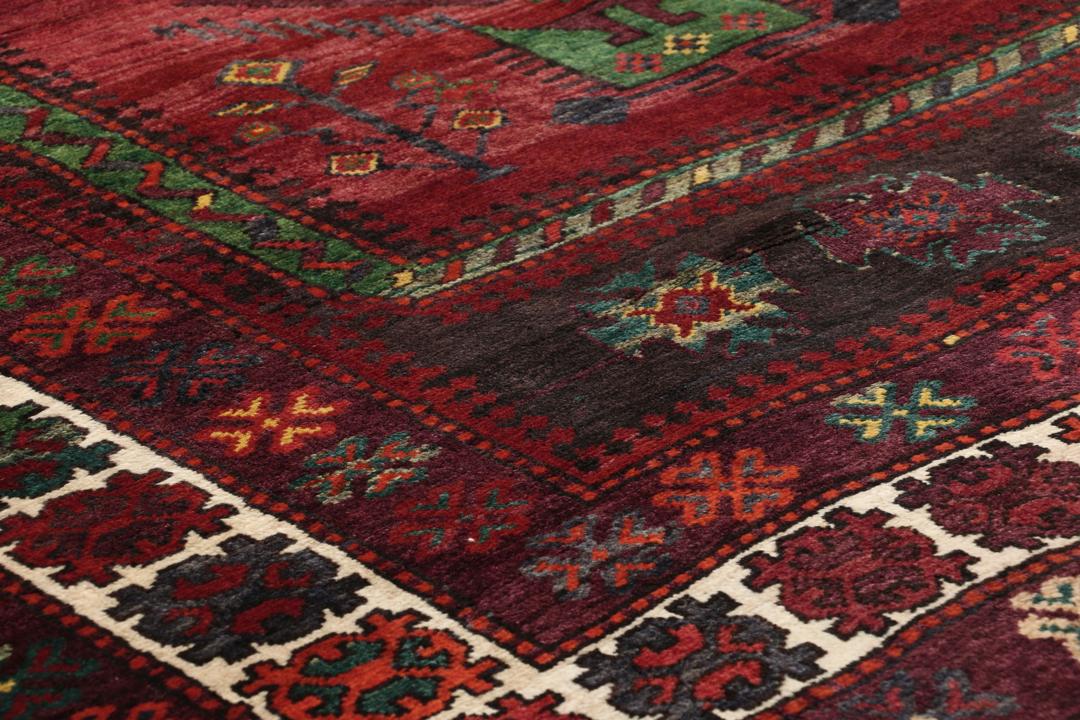
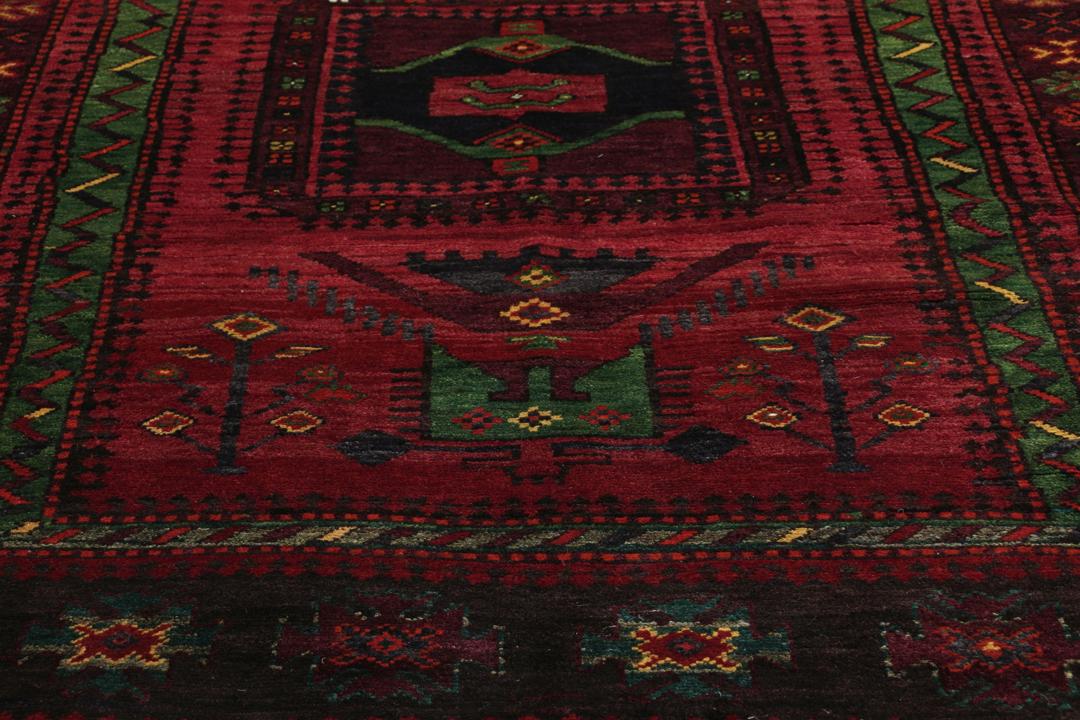
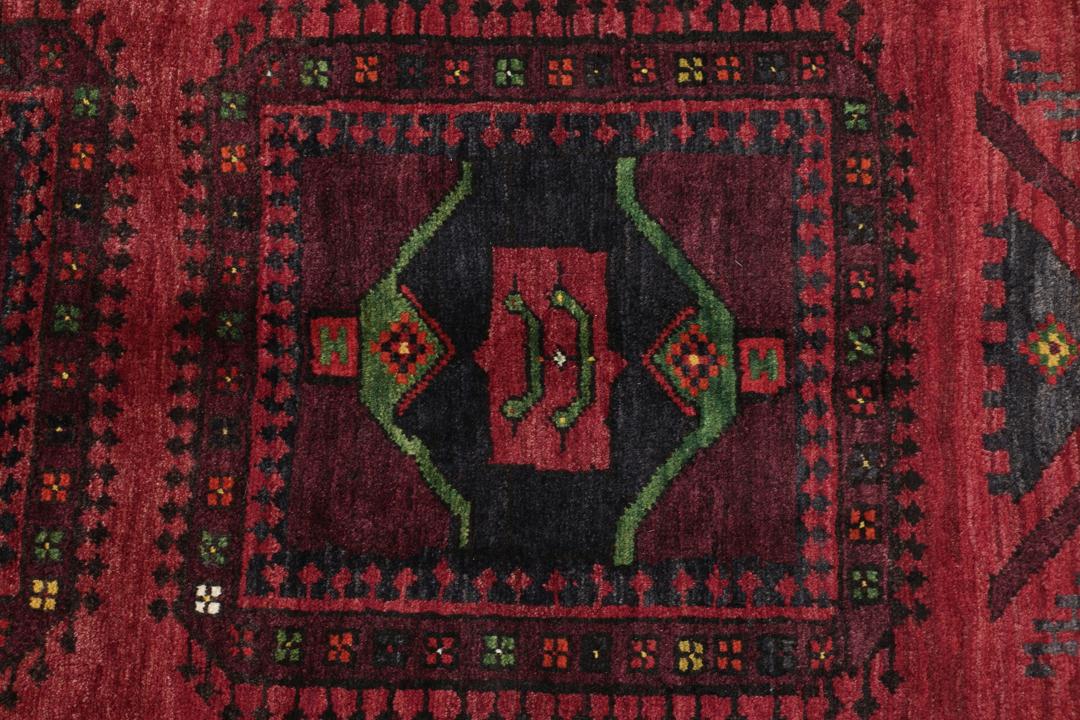
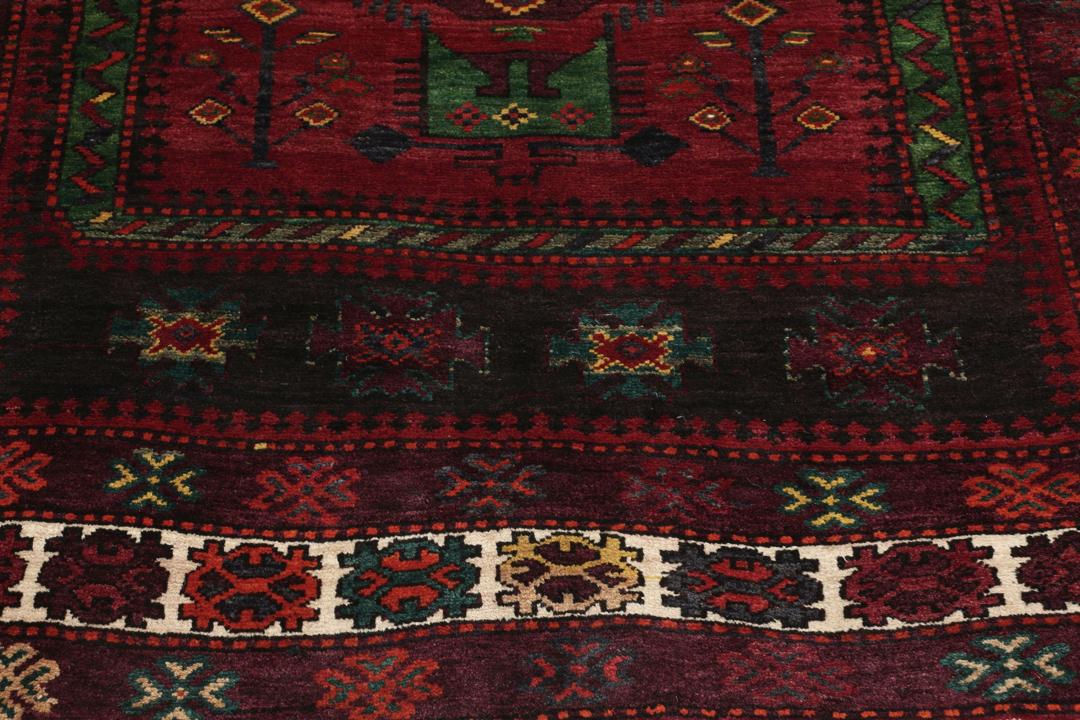
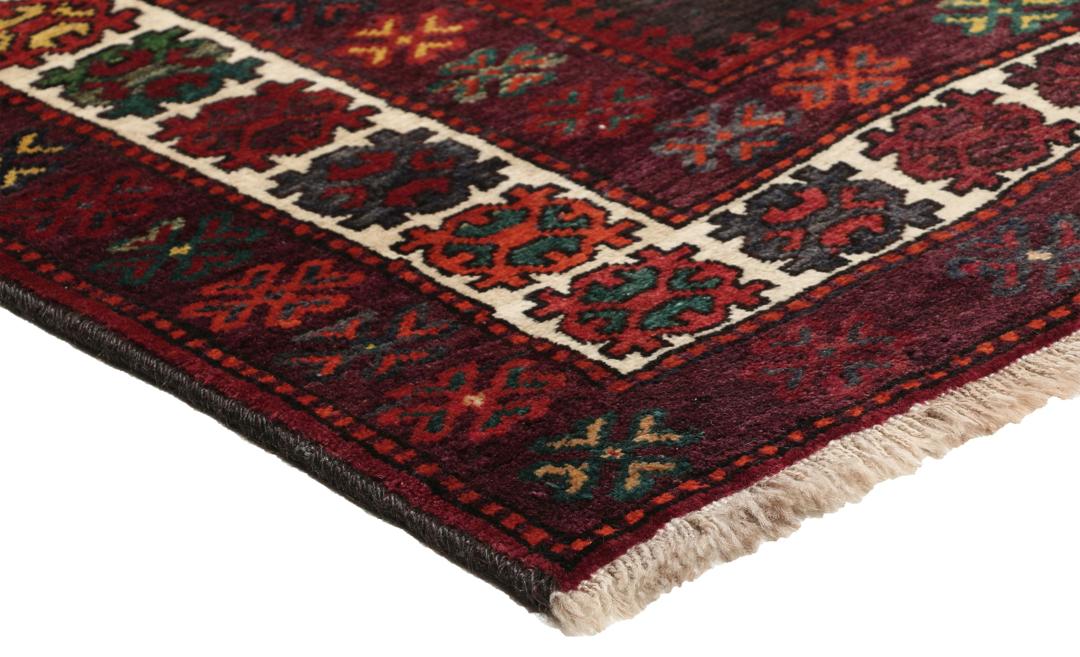
Visually, these rugs are known for their bold, geometric language and deeply saturated colours. The Ghuchan style specifically often features powerful, stylized medallions and intricate borders that frame the field with precision. The colour choices are typically derived from natural dyes, resulting in rich reds, deep greens, and earthy tones that age gracefully over time. These designs are not merely decorative but are a visual language passed down through families, with each motif holding a place in the broader cultural narrative.
Collectors value Kurdi rugs for their authenticity and the sheer human effort required to produce them. Owning a piece from this tradition is an act of preserving a heritage that prioritises skill and patience over speed. Because the designs are often improvised or adapted from memory and tradition, each rug serves as a rare example of individual expression within a collective craft, making them highly sought after by those who appreciate the intersection of history, art, and utility.