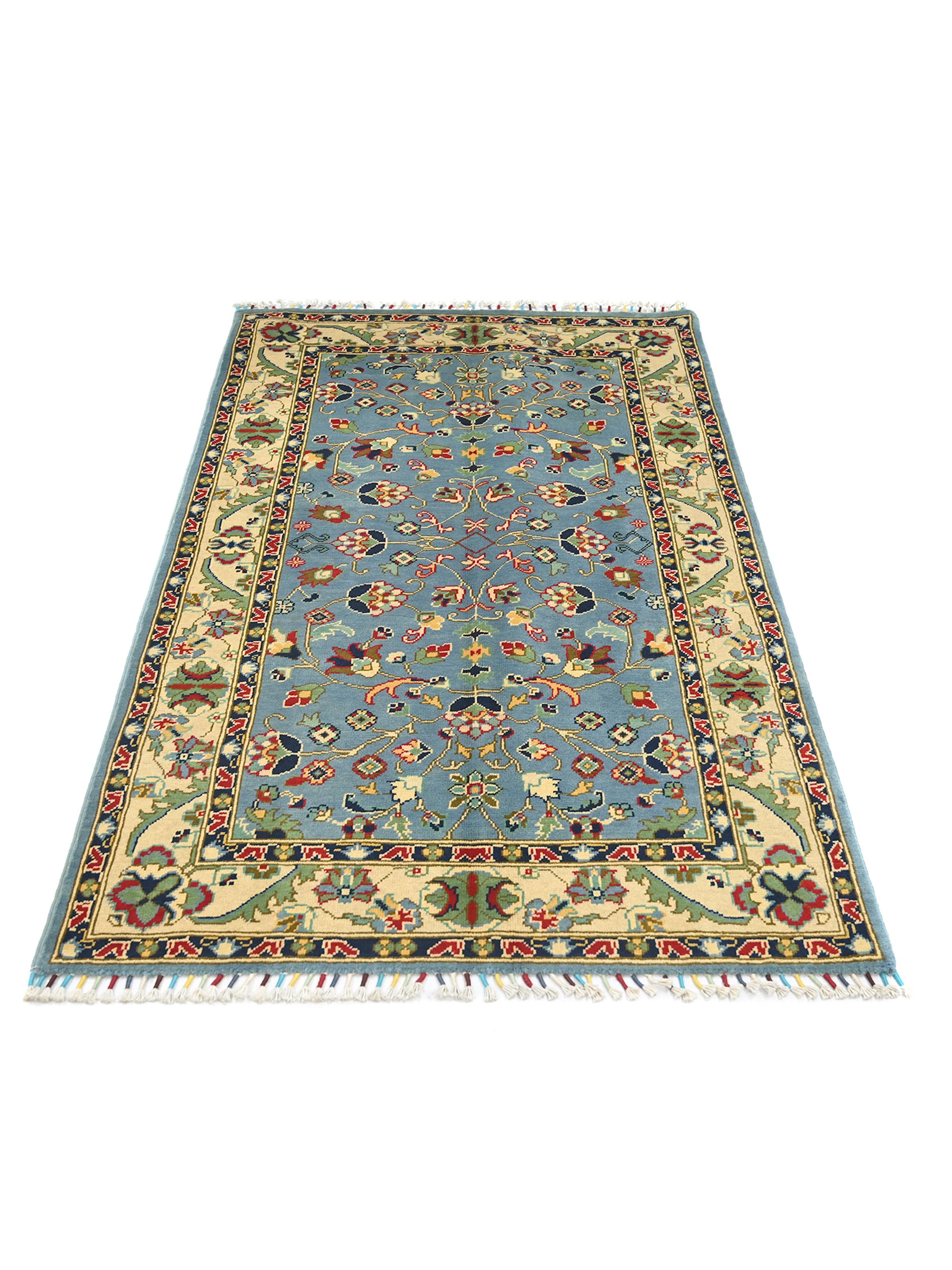
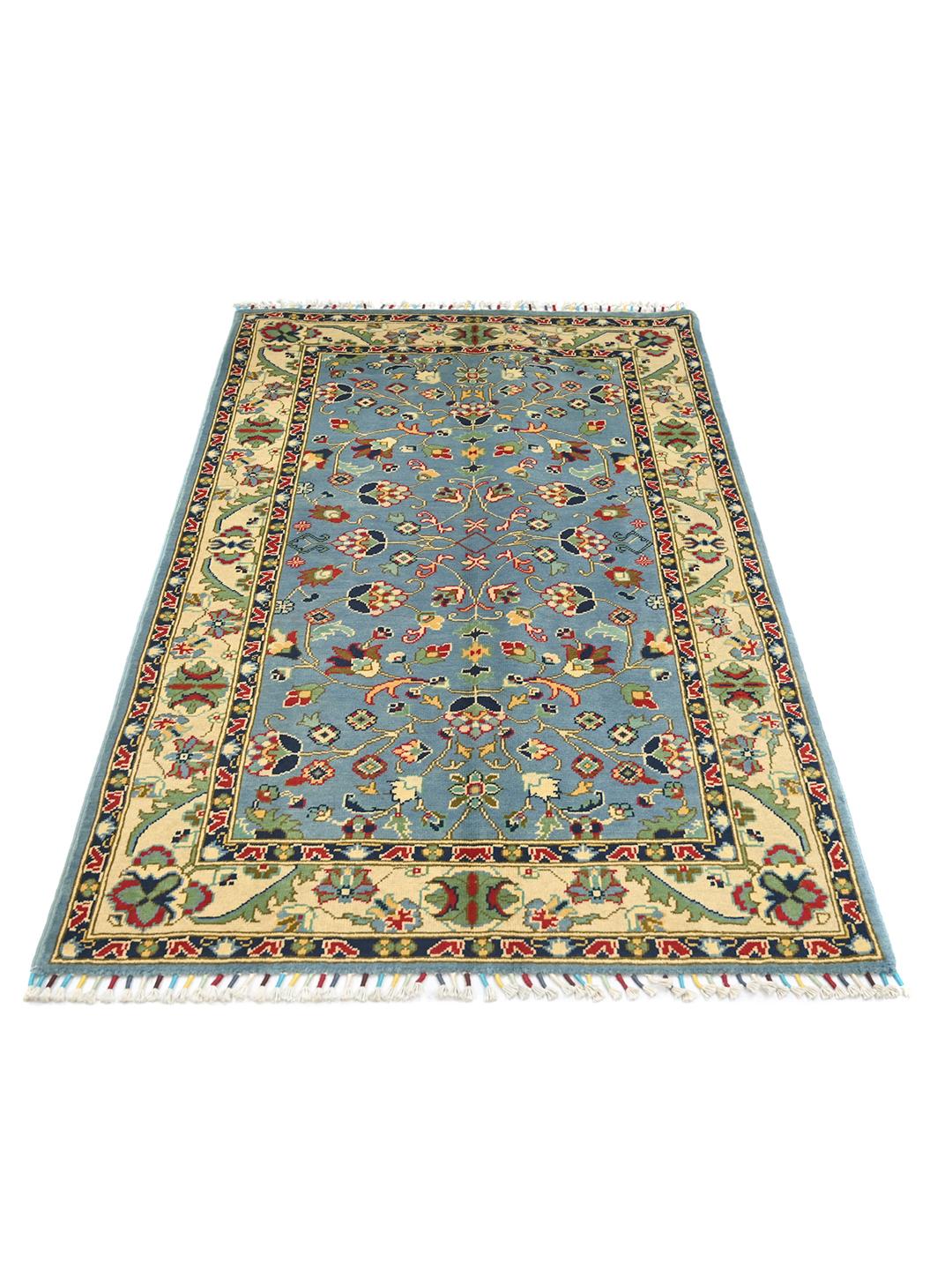
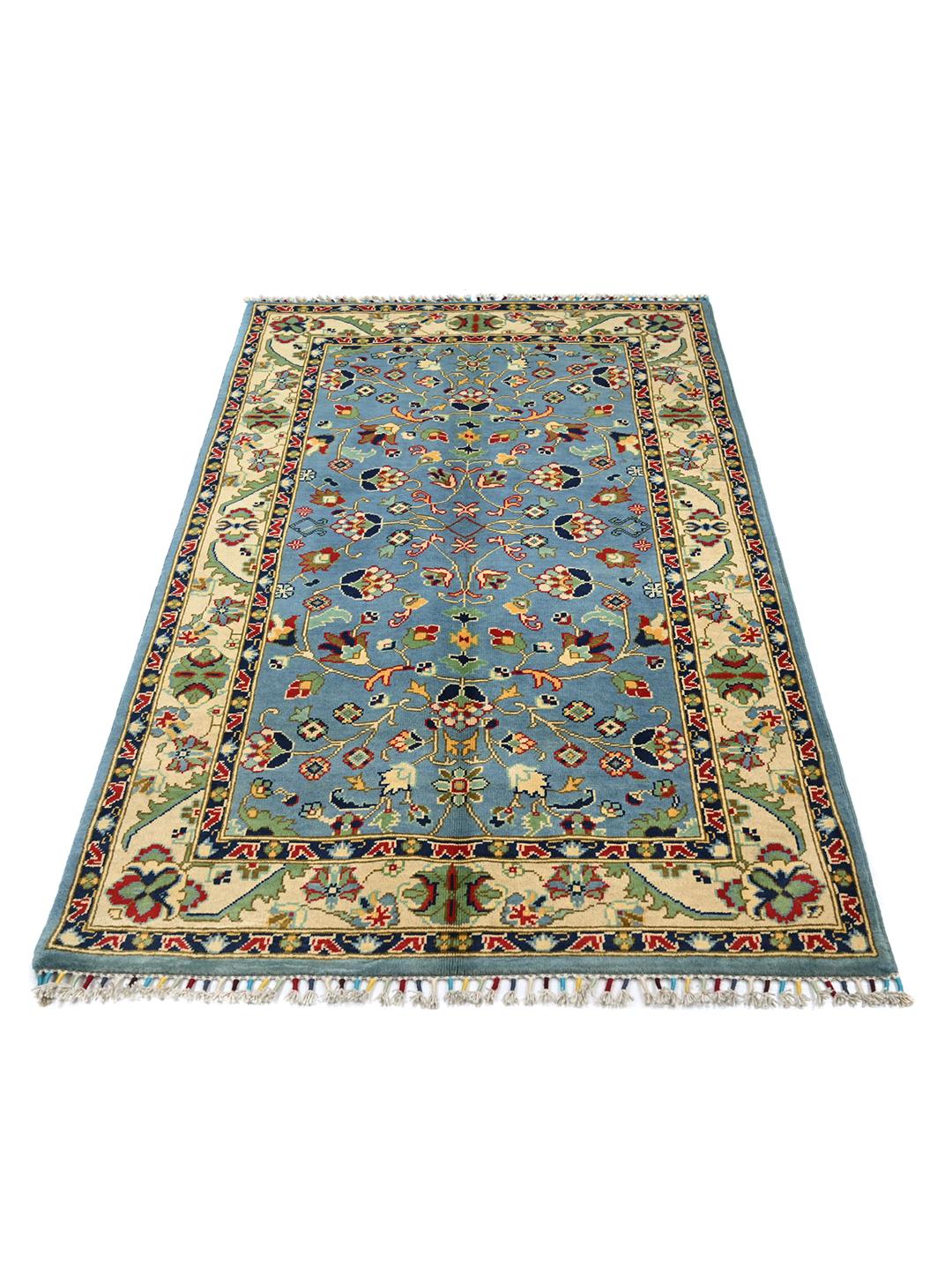
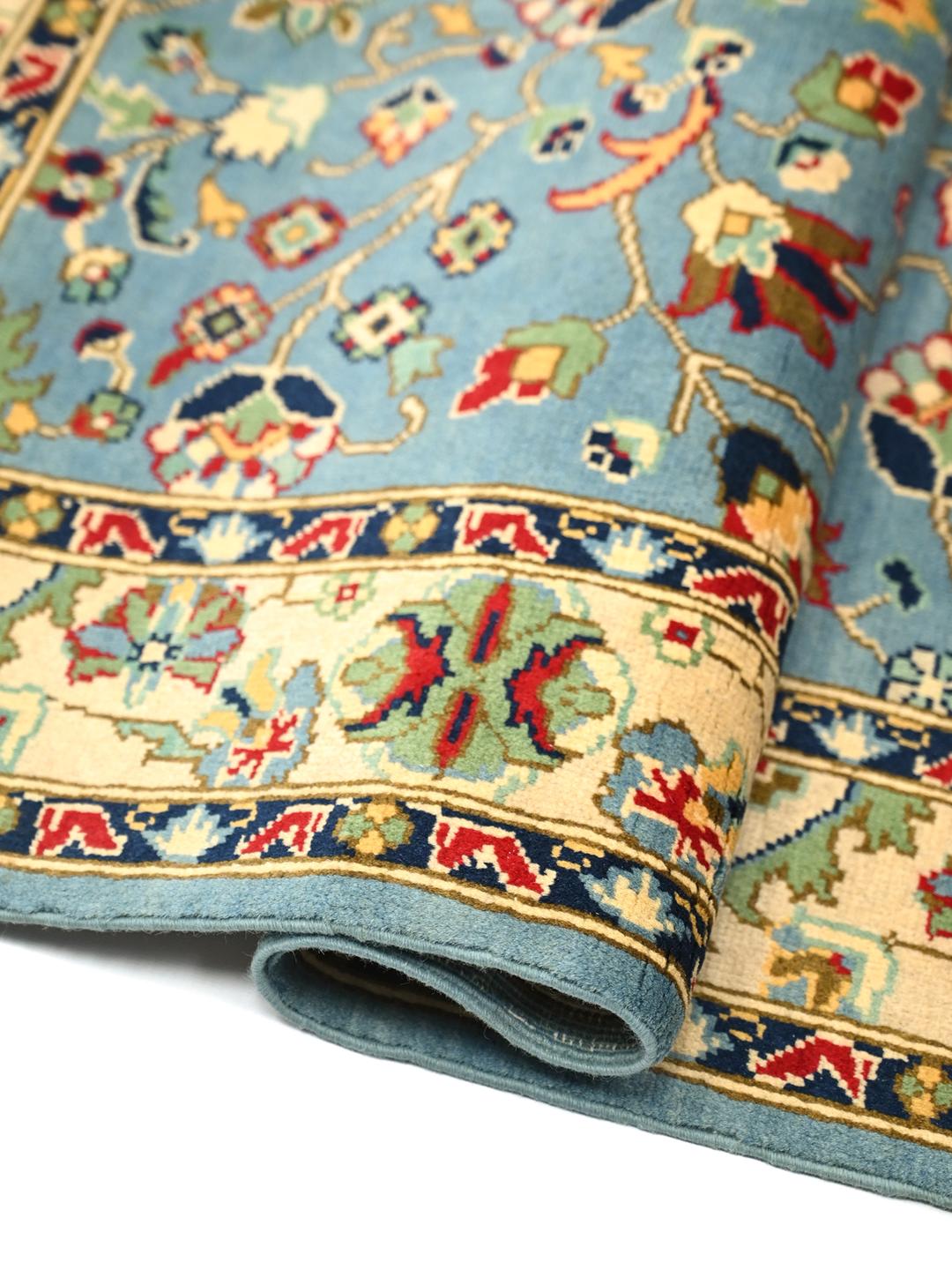
Kunduz rugs originate from the northern regions of Afghanistan, a territory with a long and storied history of textile production. These rugs are deeply rooted in the traditions of the Afghan people, reflecting the diverse cultural influences of the Central Asian landscape. The art of weaving in this region has been passed down through generations, with each piece serving as a reflection of the weaver's environment and local customs.
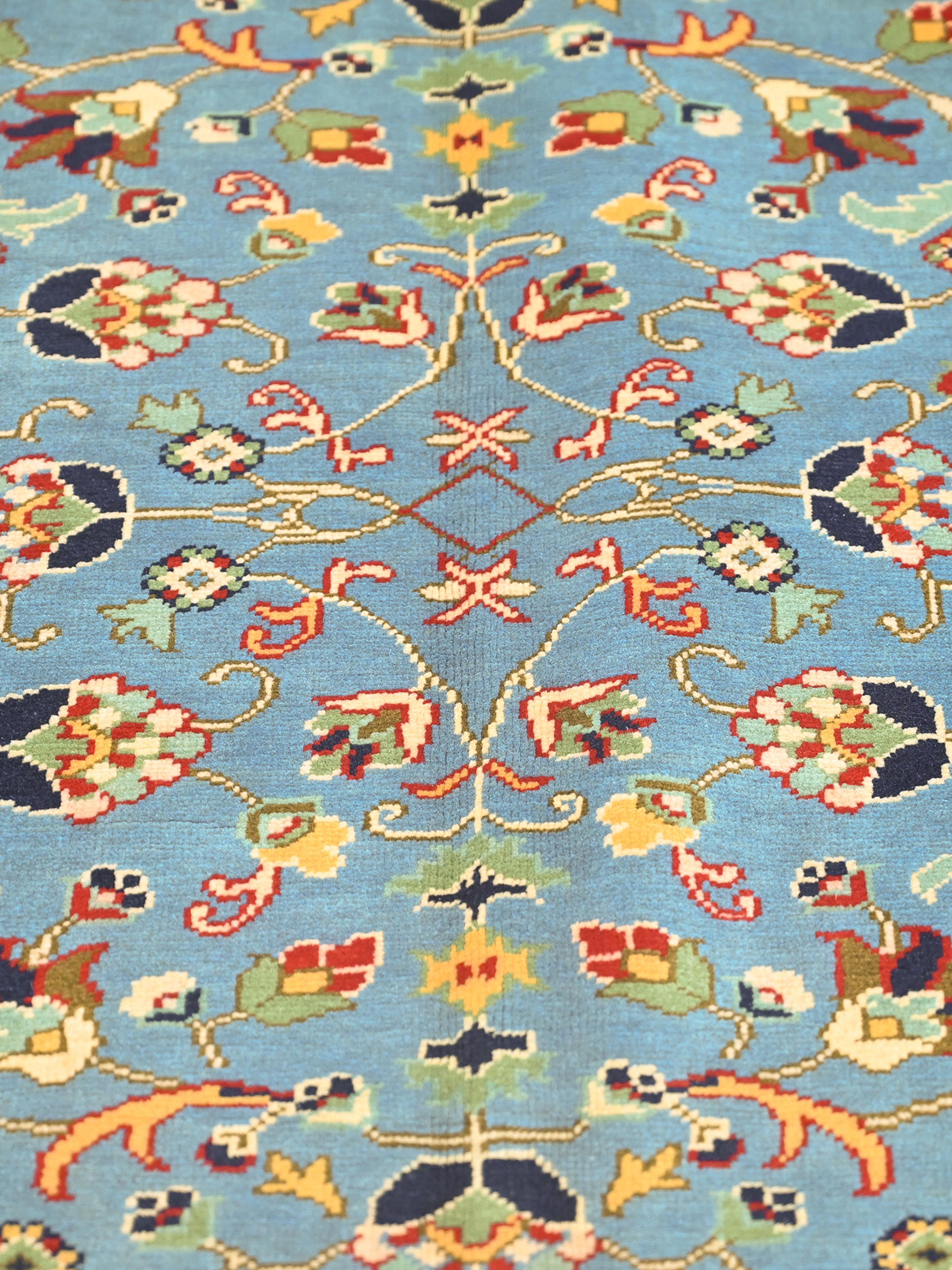
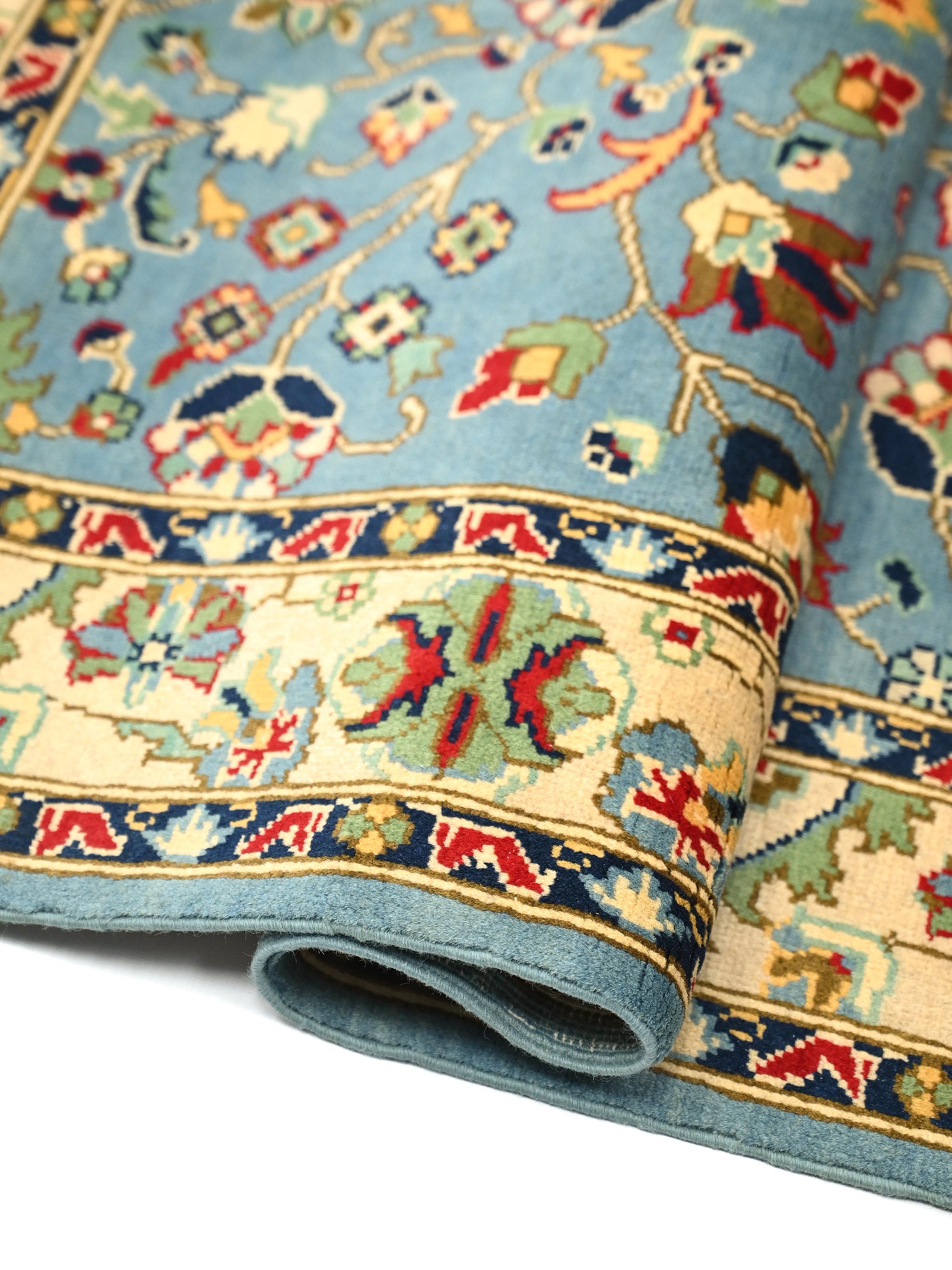
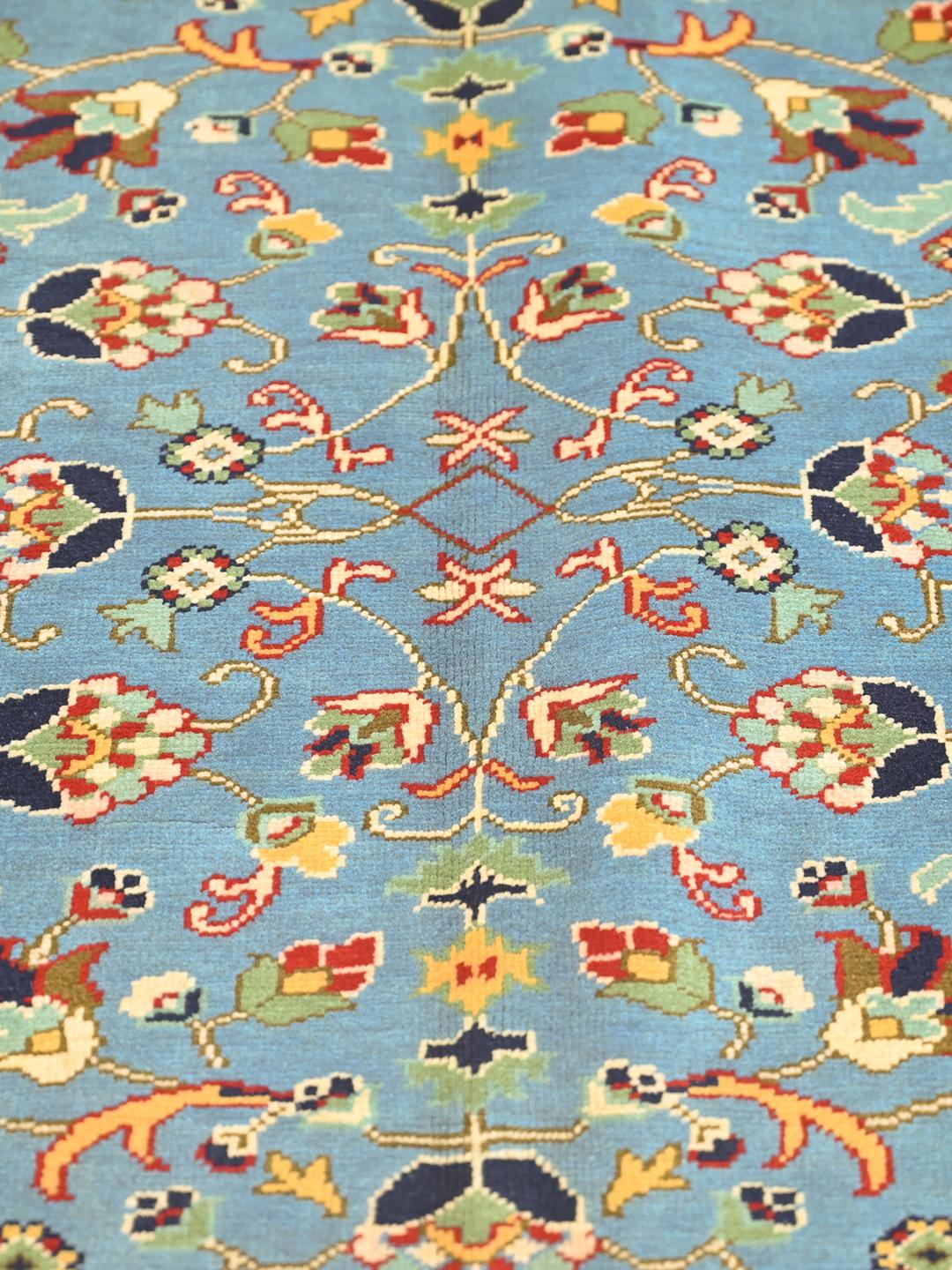
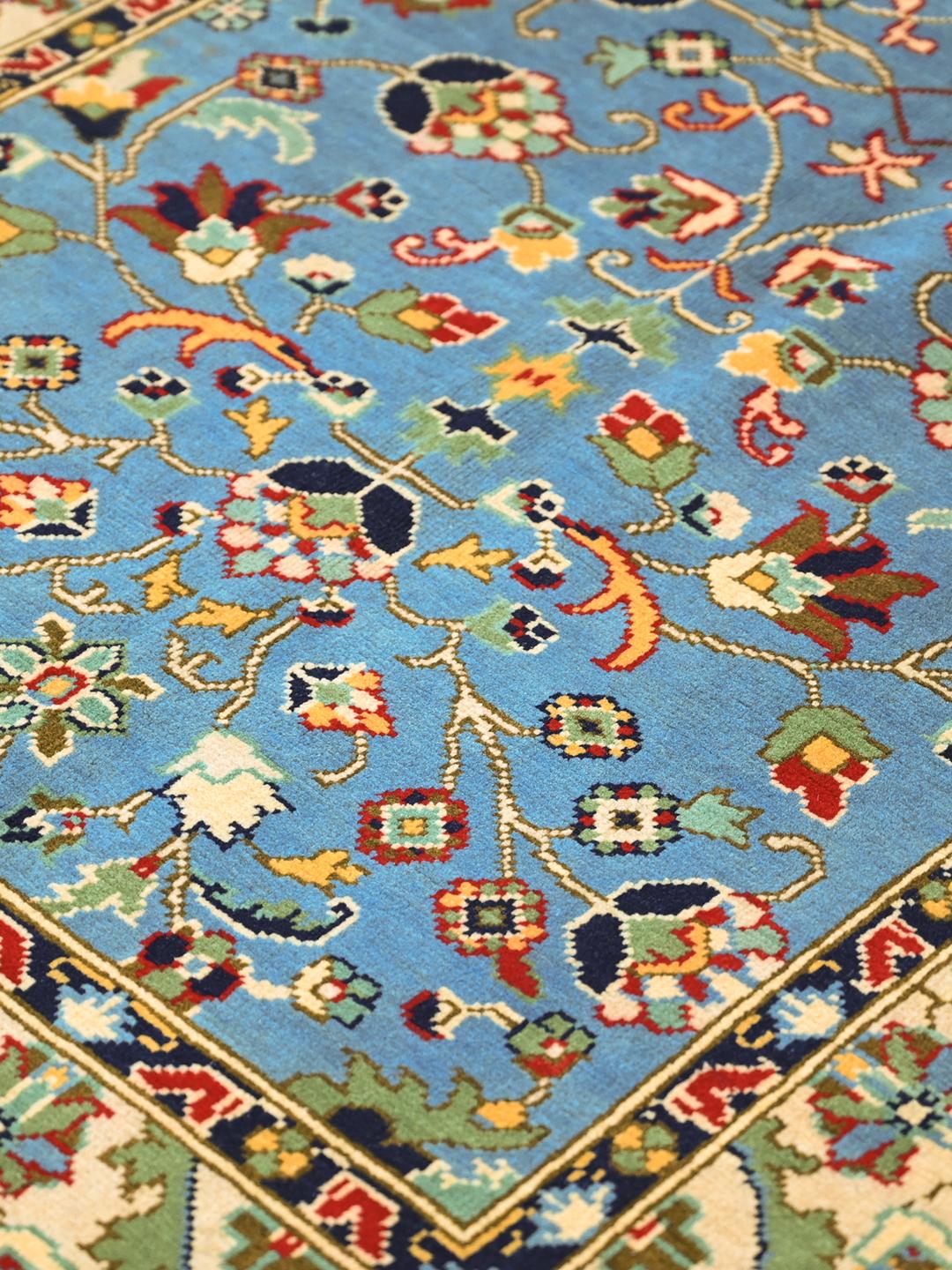
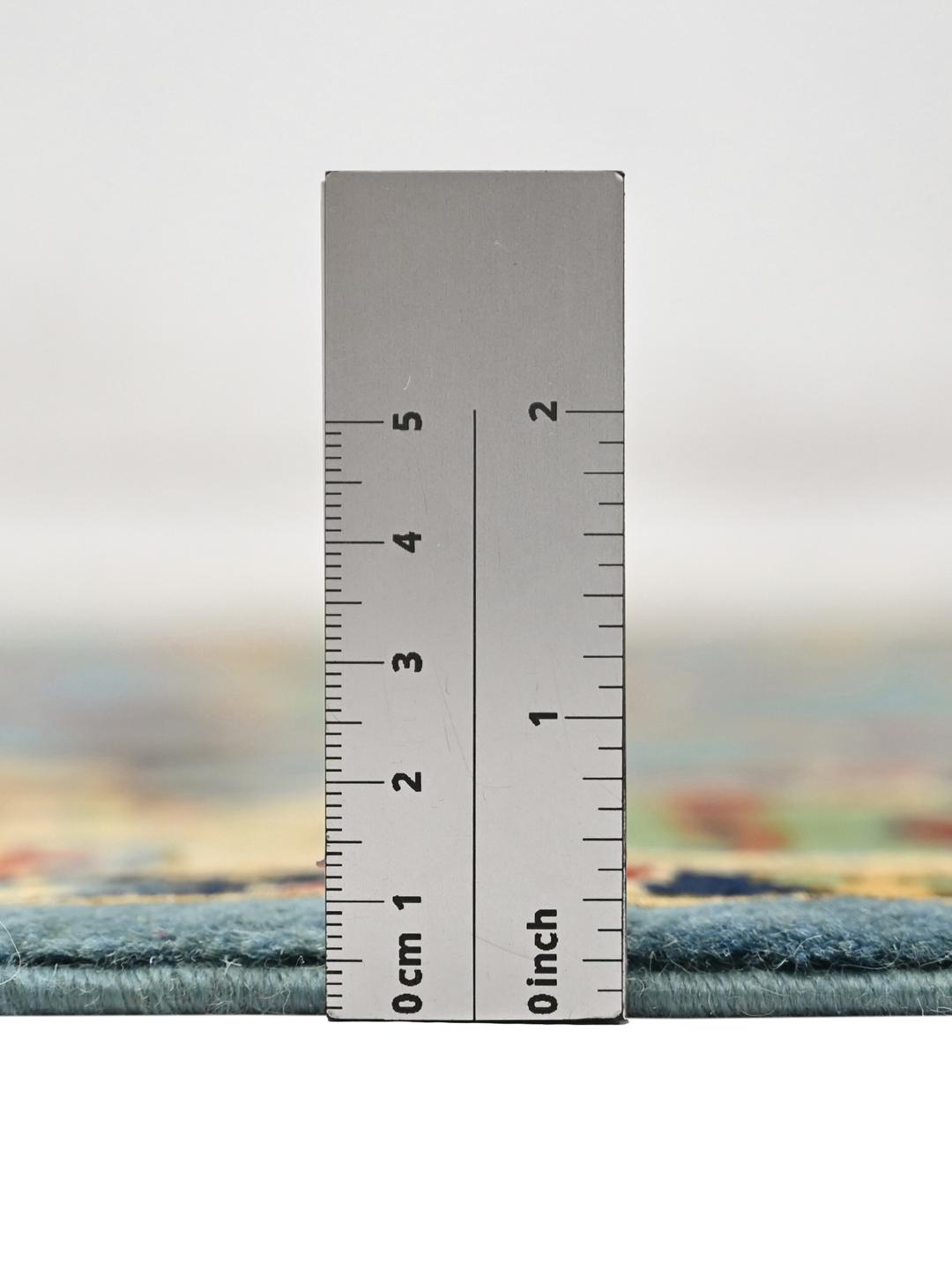
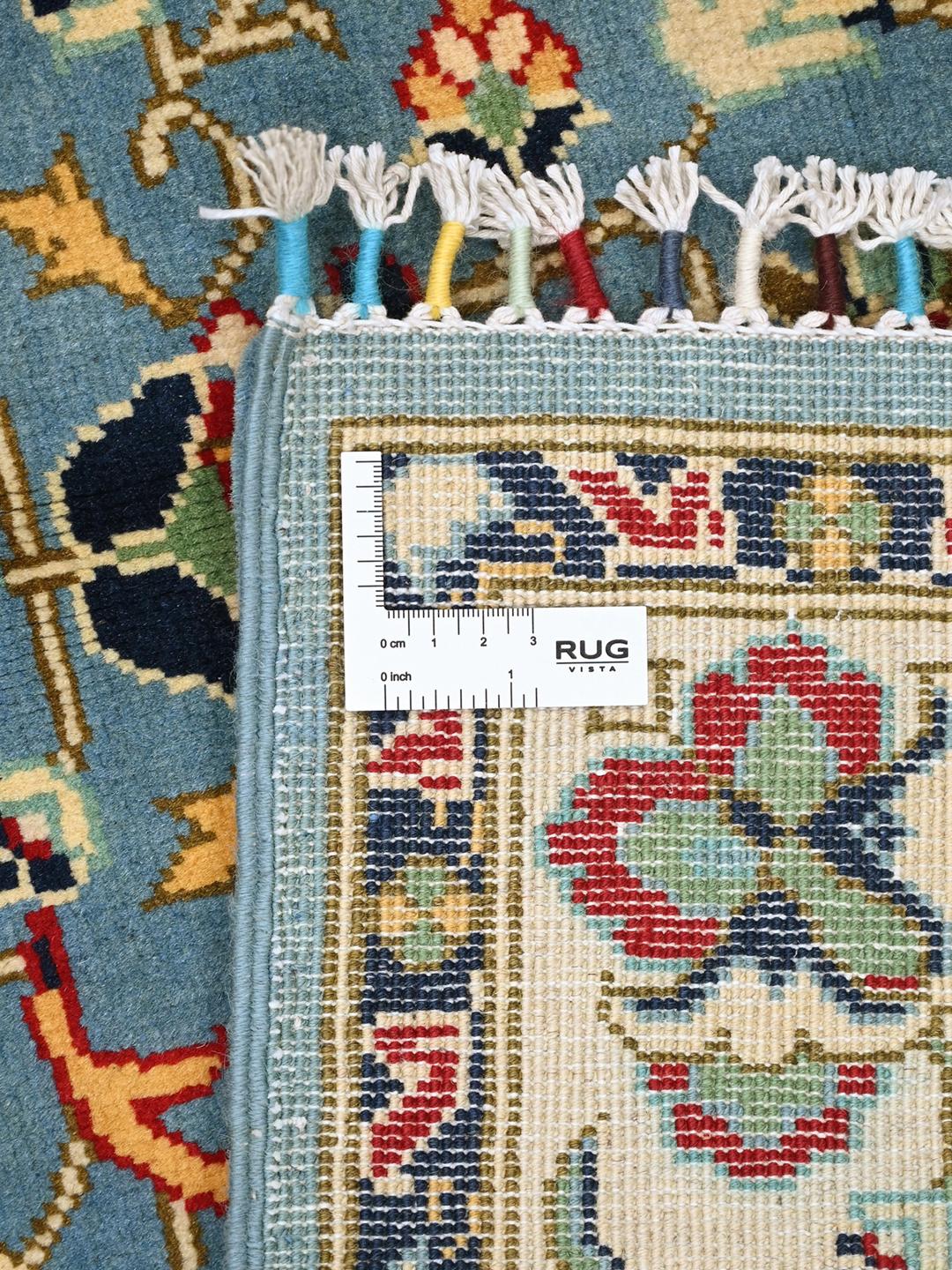
The craft terminology surrounding these rugs centres on the hand-knotted process, which is essential for their quality and longevity. Unlike mass-produced alternatives, the hand-knotted technique ensures that the pile is securely attached to the foundation. This creates a dense, luxurious texture that not only feels substantial underfoot but also allows the rug to stand the test of time, resisting wear and maintaining its character even in high-traffic areas of the home.
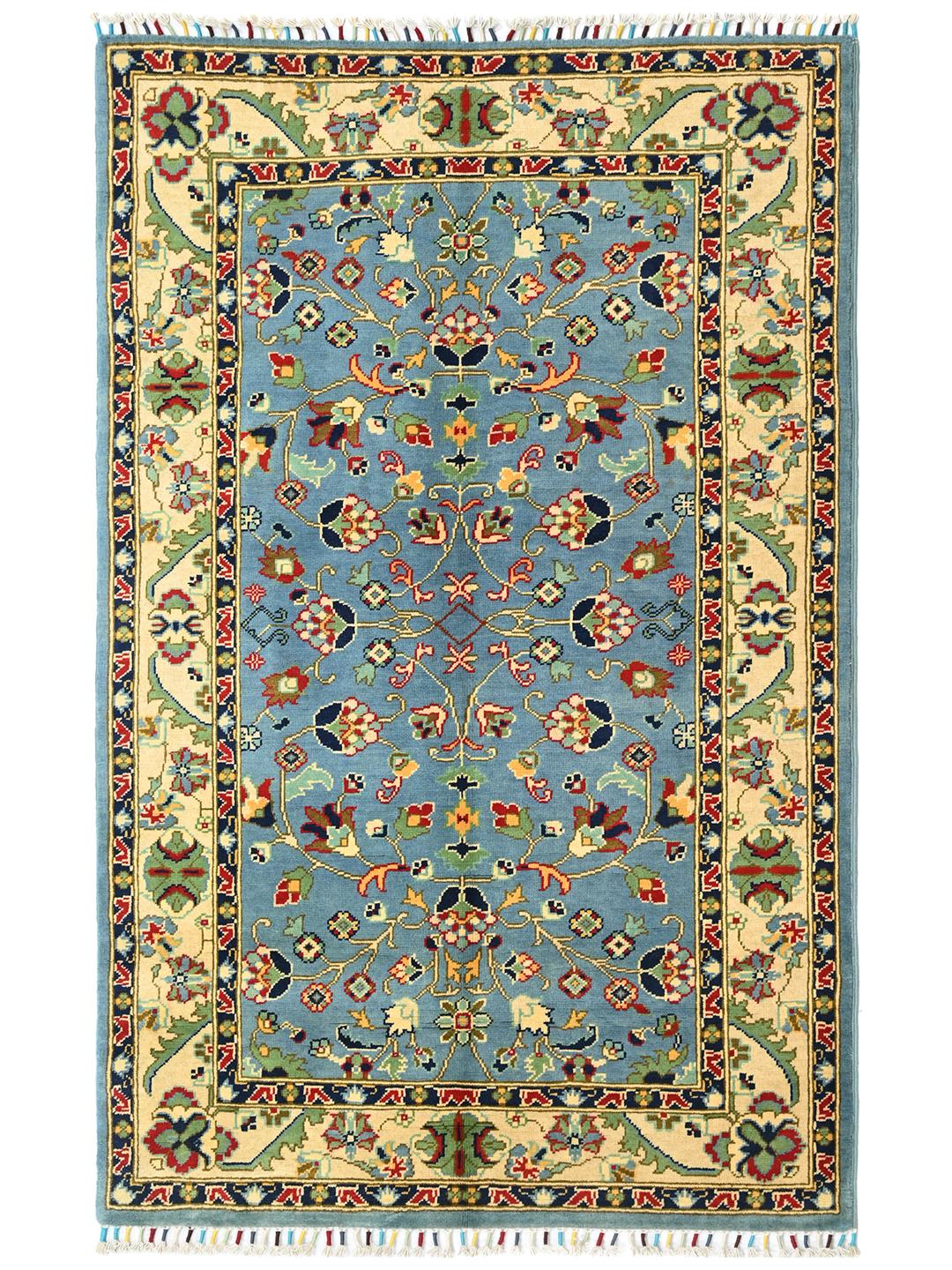
Visually, Kunduz rugs are known for their sophisticated floral and geometric designs. While they often feature classic patterns, each weaver adds their own interpretation, leading to the variations that make every rug a unique discovery. The use of natural, vibrant dyes is a signature of this tradition, resulting in a colour depth that feels alive and connected to the earth, contrasting beautifully with the intricate, detailed borders that frame the main field.
Collecting a Kunduz rug is a way to support a living tradition that values skill, patience, and cultural continuity. These pieces are highly regarded by those who appreciate the human element in their home decor. Owning one is an investment in heritage, offering a tangible connection to the artisans of Afghanistan and the timeless, meditative craft of hand-knotted textiles that has defined the region for centuries.