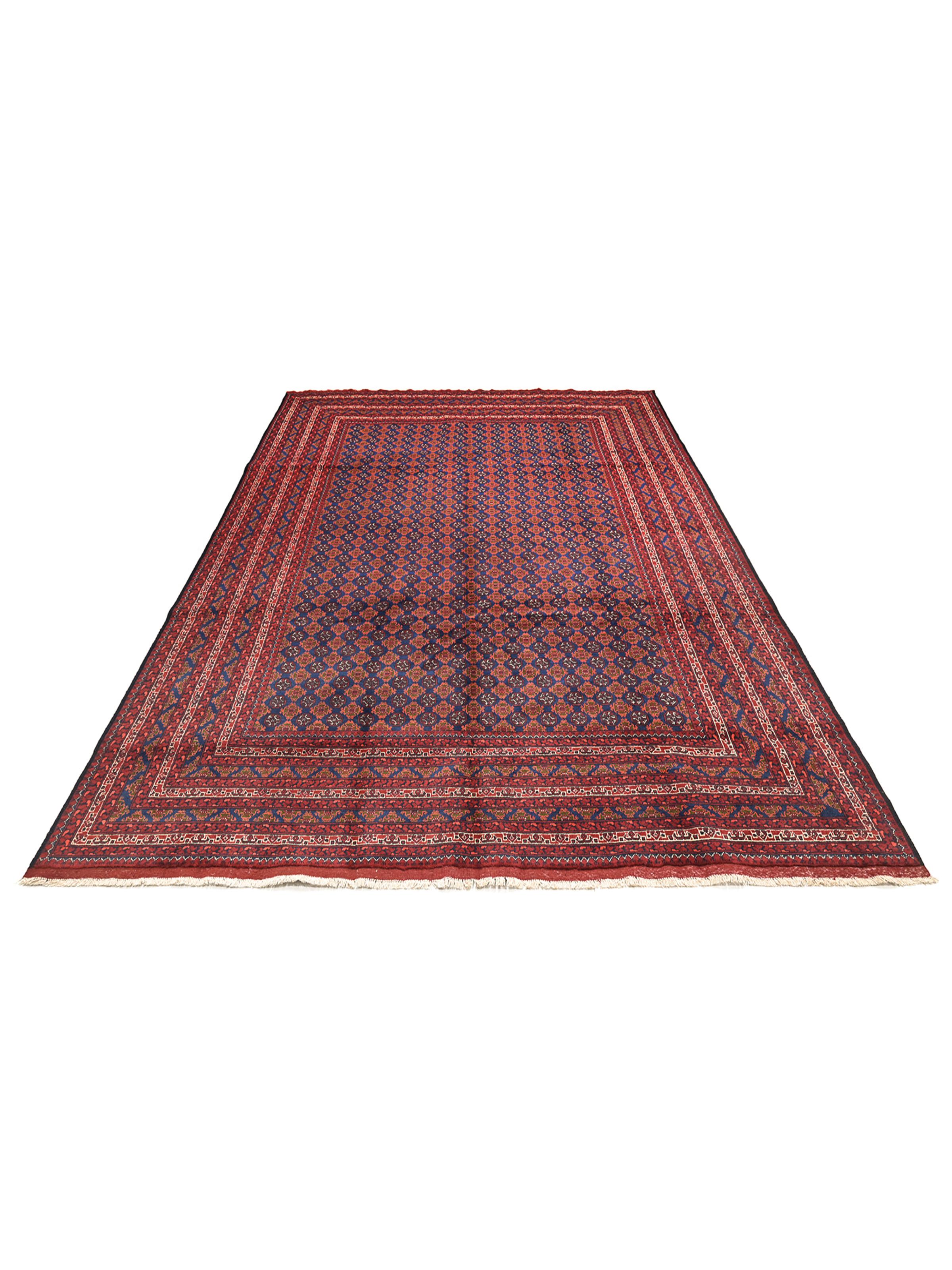
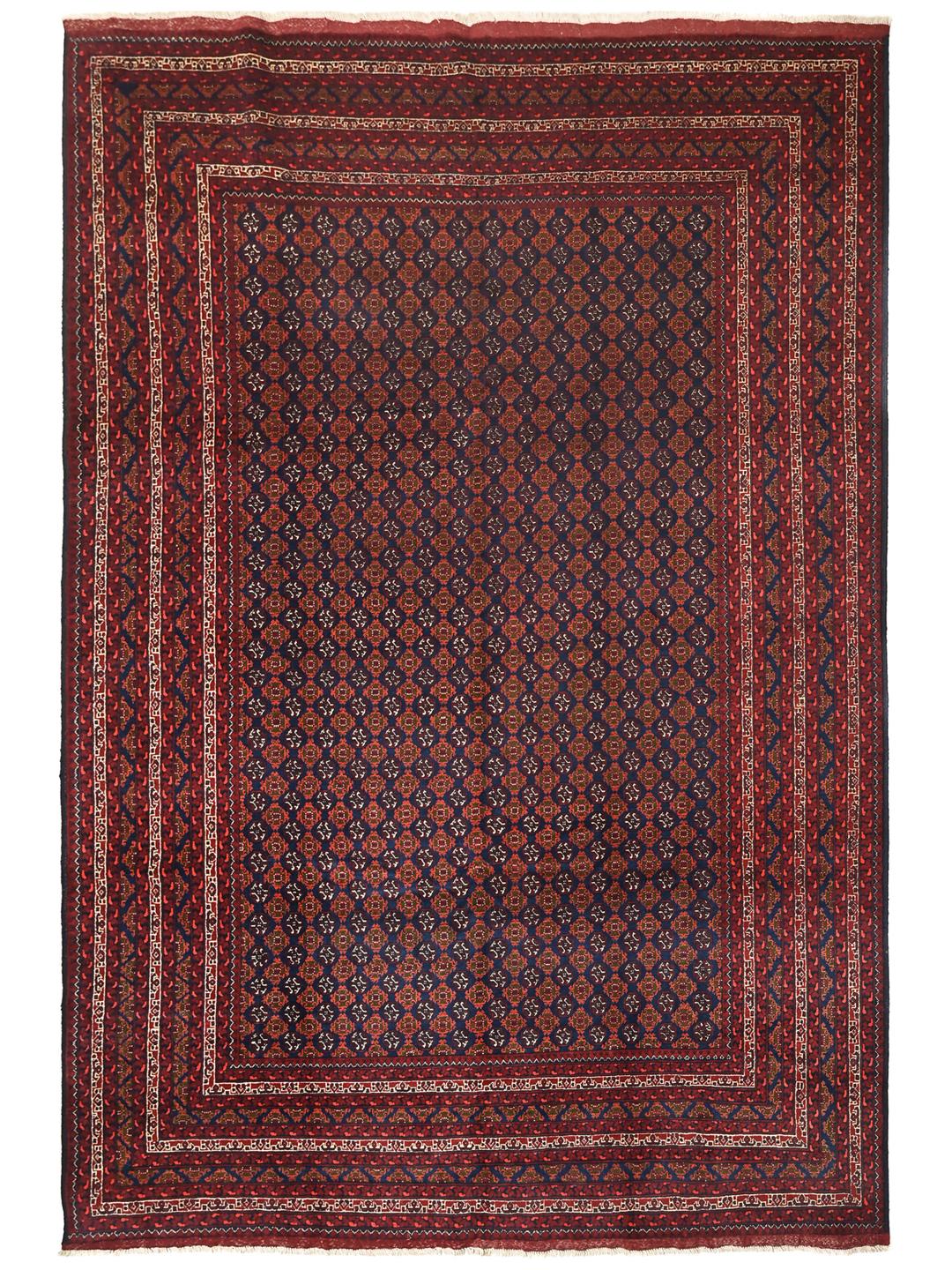
Kunduz rugs originate from the northern regions of Afghanistan, a land with a deep-rooted history in the art of rug weaving. These rugs are deeply influenced by the nomadic traditions of the surrounding Central Asian cultures, where weaving was not just a craft, but a vital part of daily life and cultural expression. The region's history as a crossroads of trade has allowed these designs to evolve, blending ancient tribal aesthetics with a sophisticated, refined sensibility.
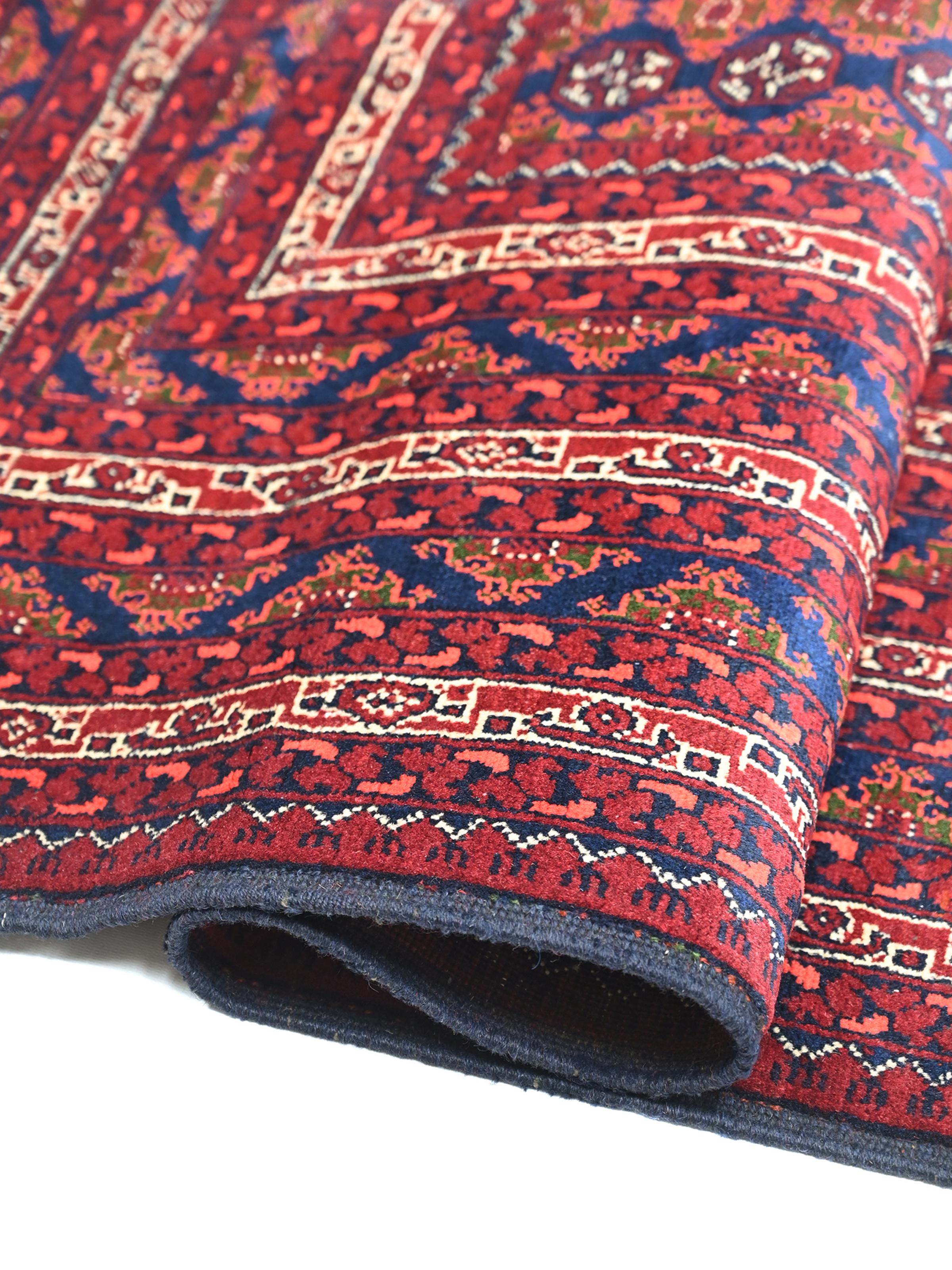
The term Kunduz refers to both the city and the broader tradition of weaving in this province. These rugs are highly regarded for their use of high-quality wool, which is often sourced from local mountain sheep. The wool is known for its natural lanolin content, which provides a soft, lustrous finish and inherent durability. This material quality is a hallmark of the region's output and is essential to the rug's ability to age gracefully over time.
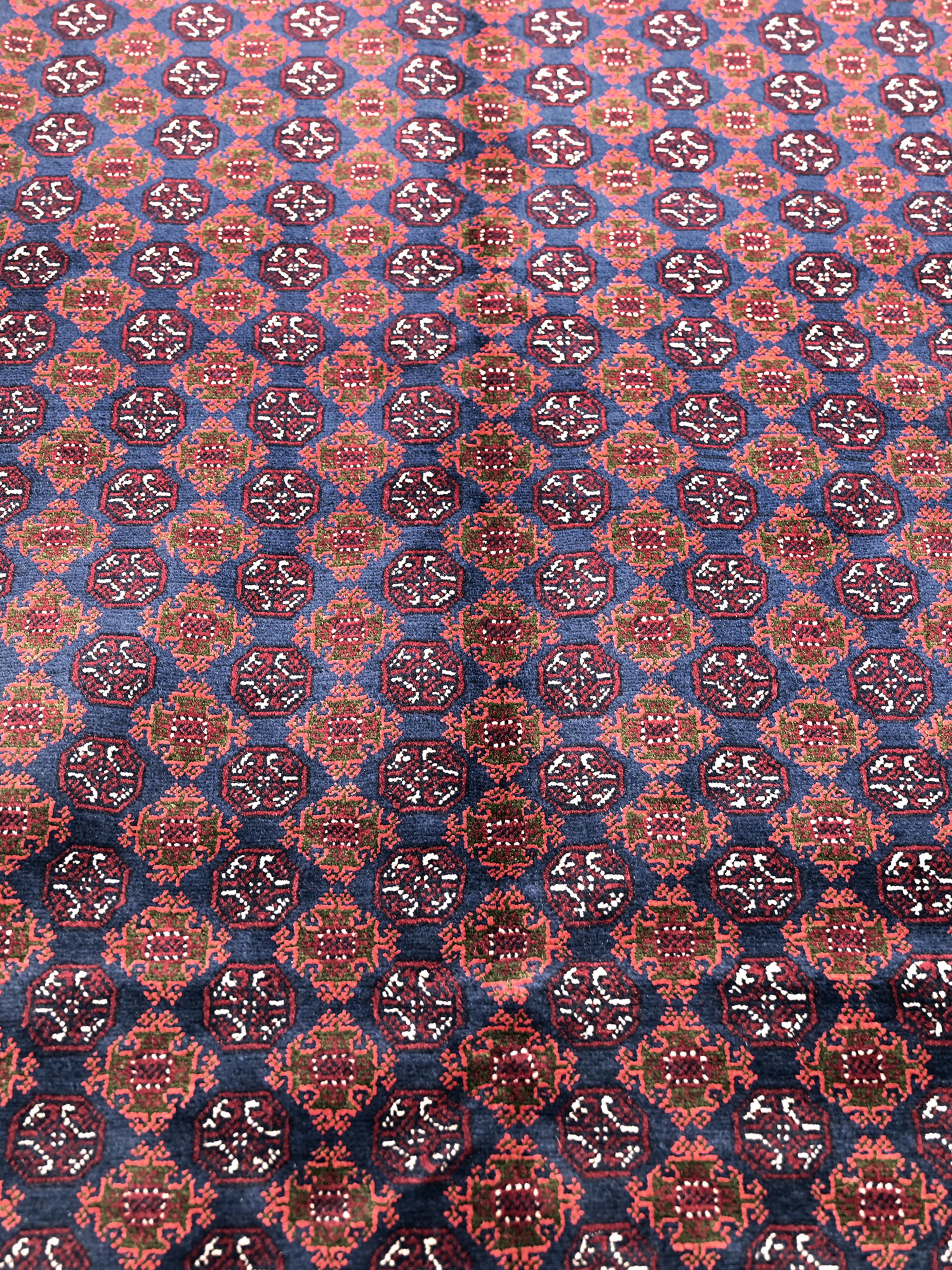
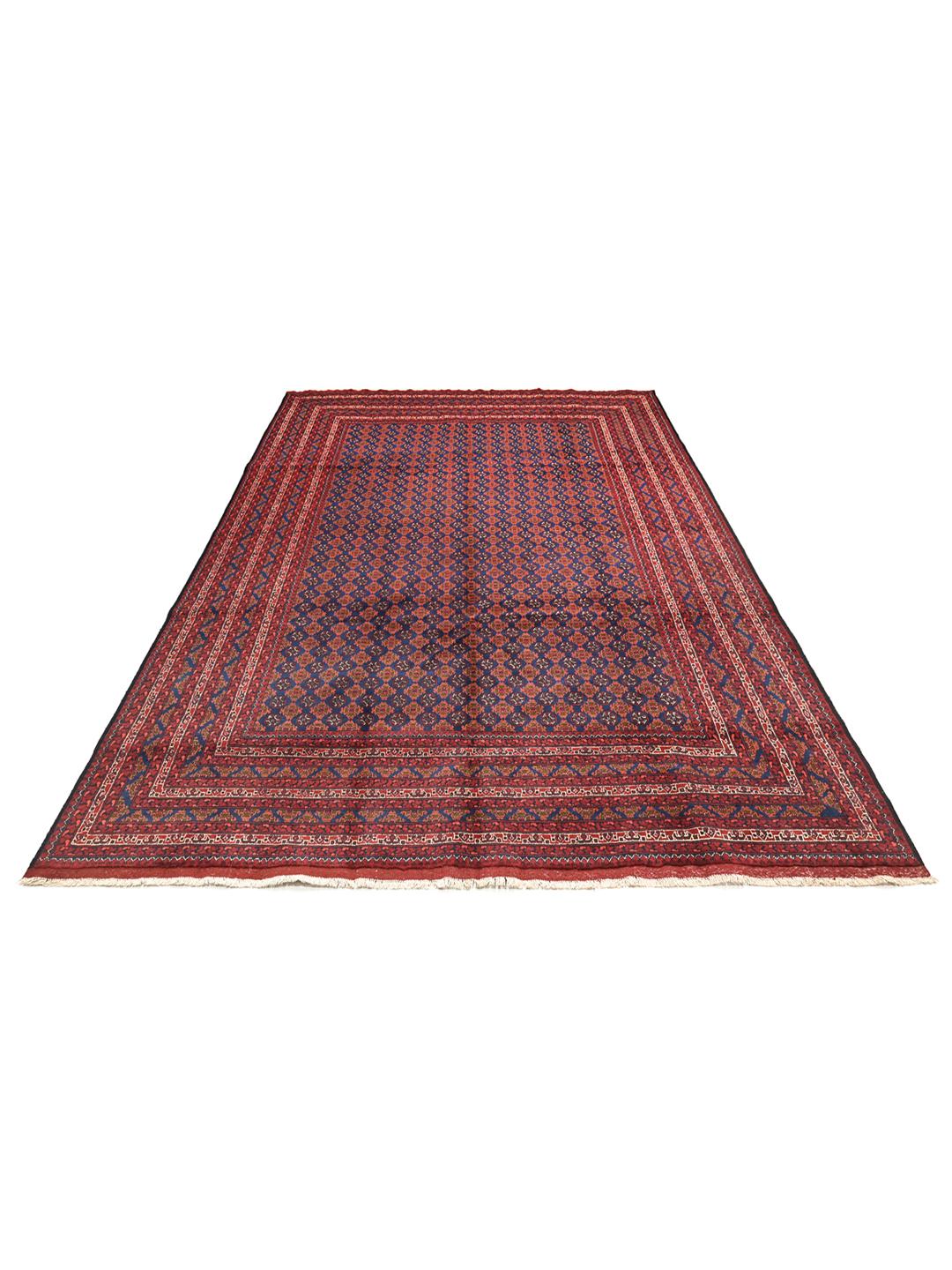
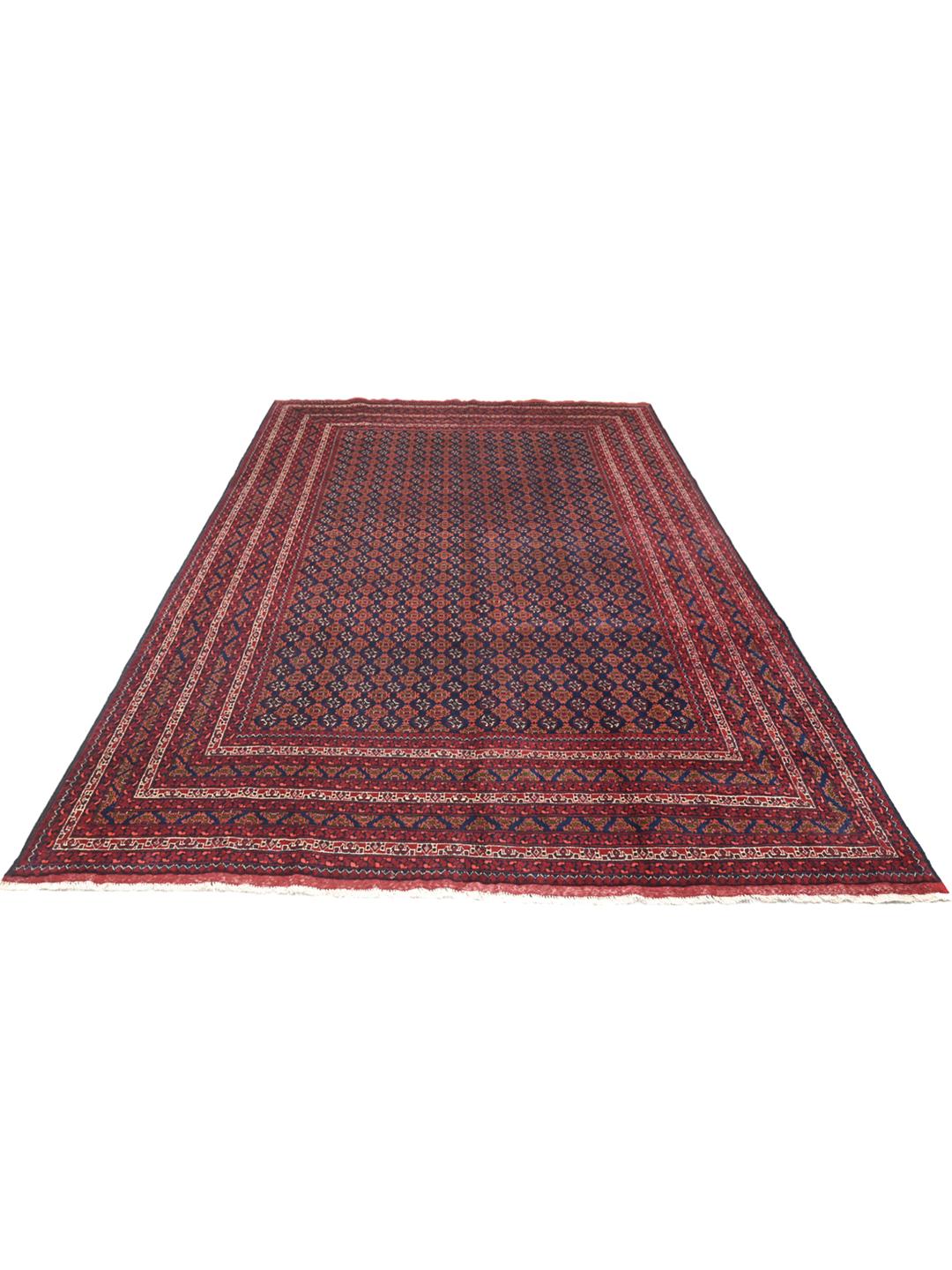
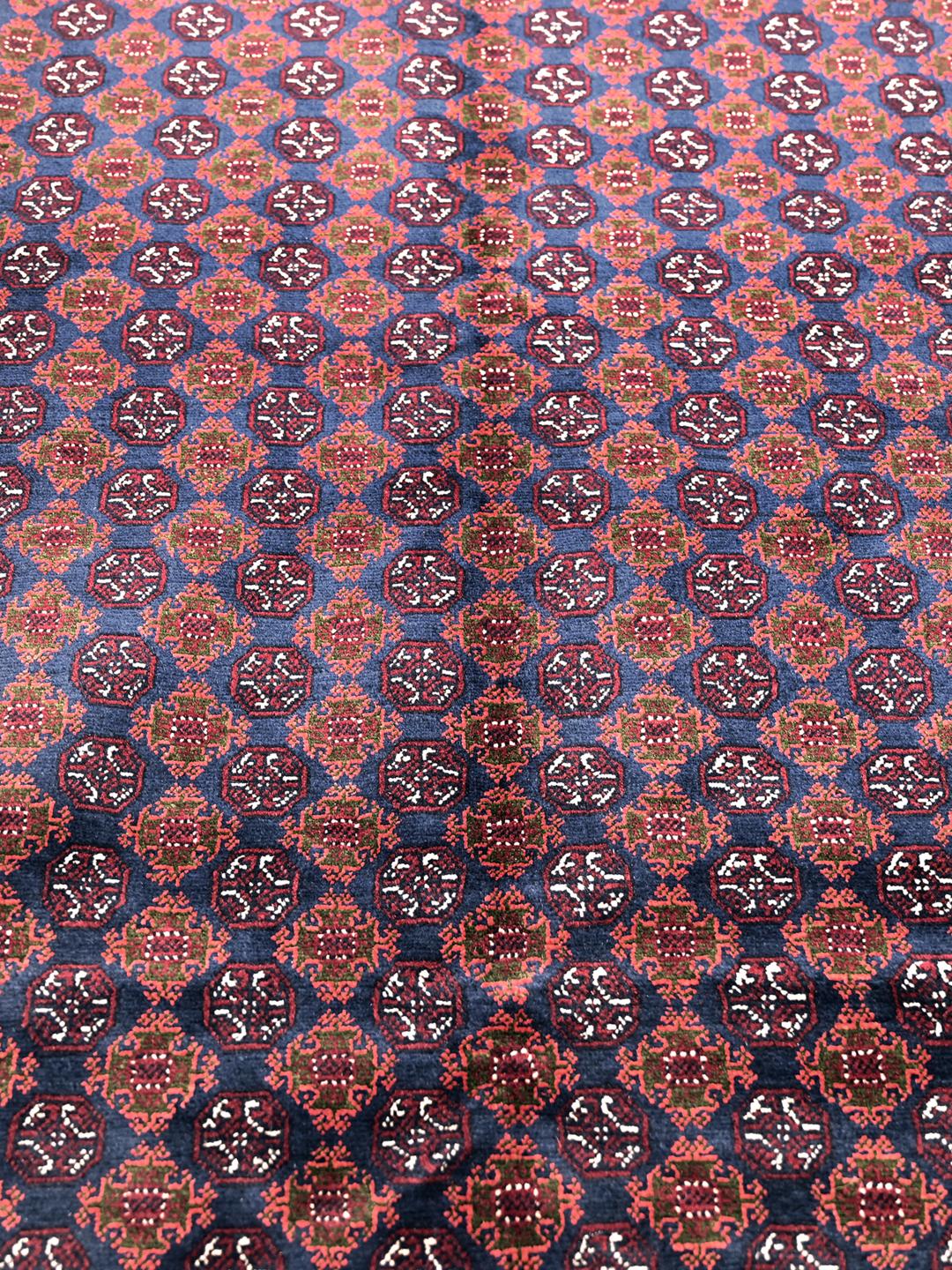
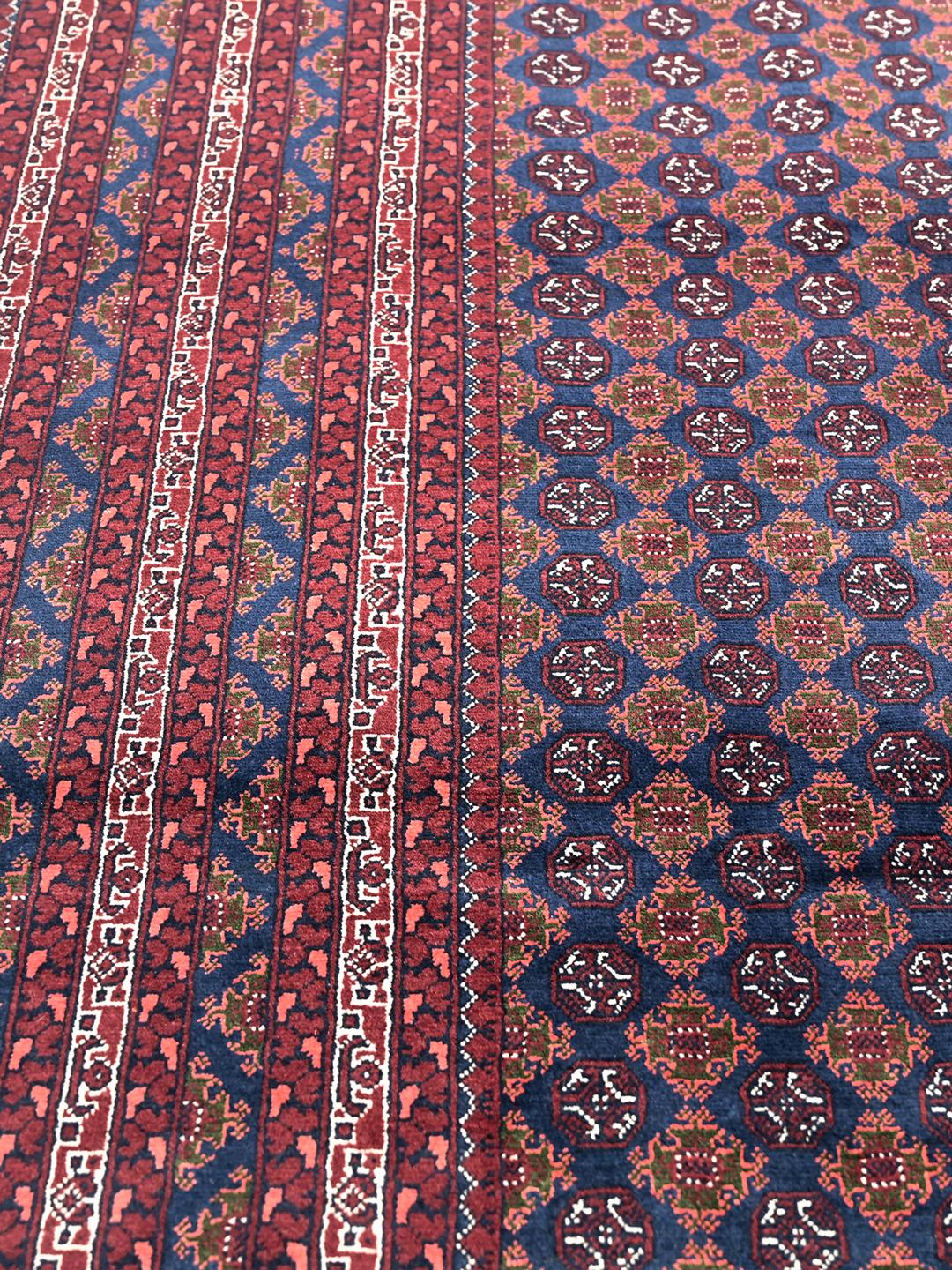
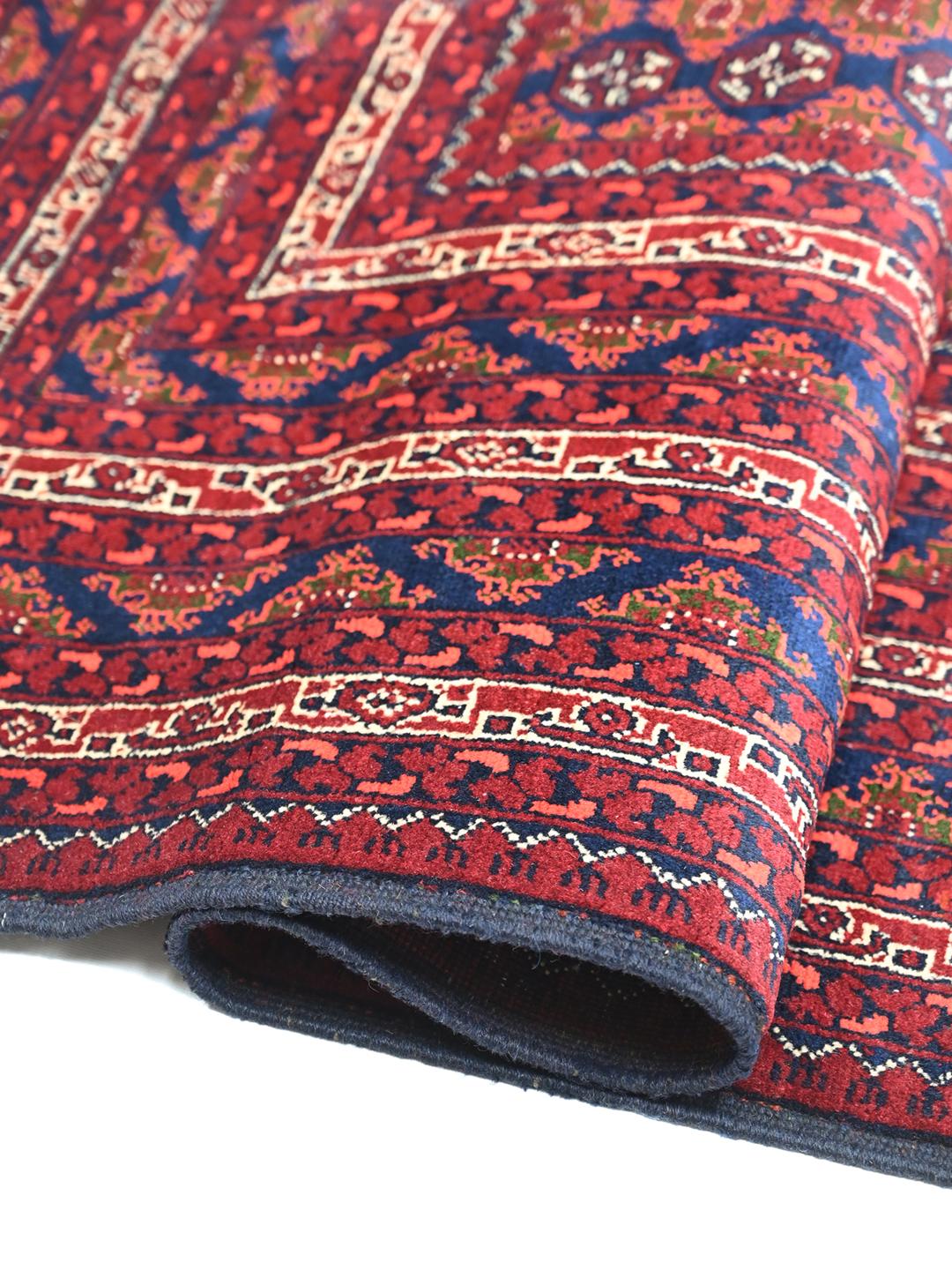
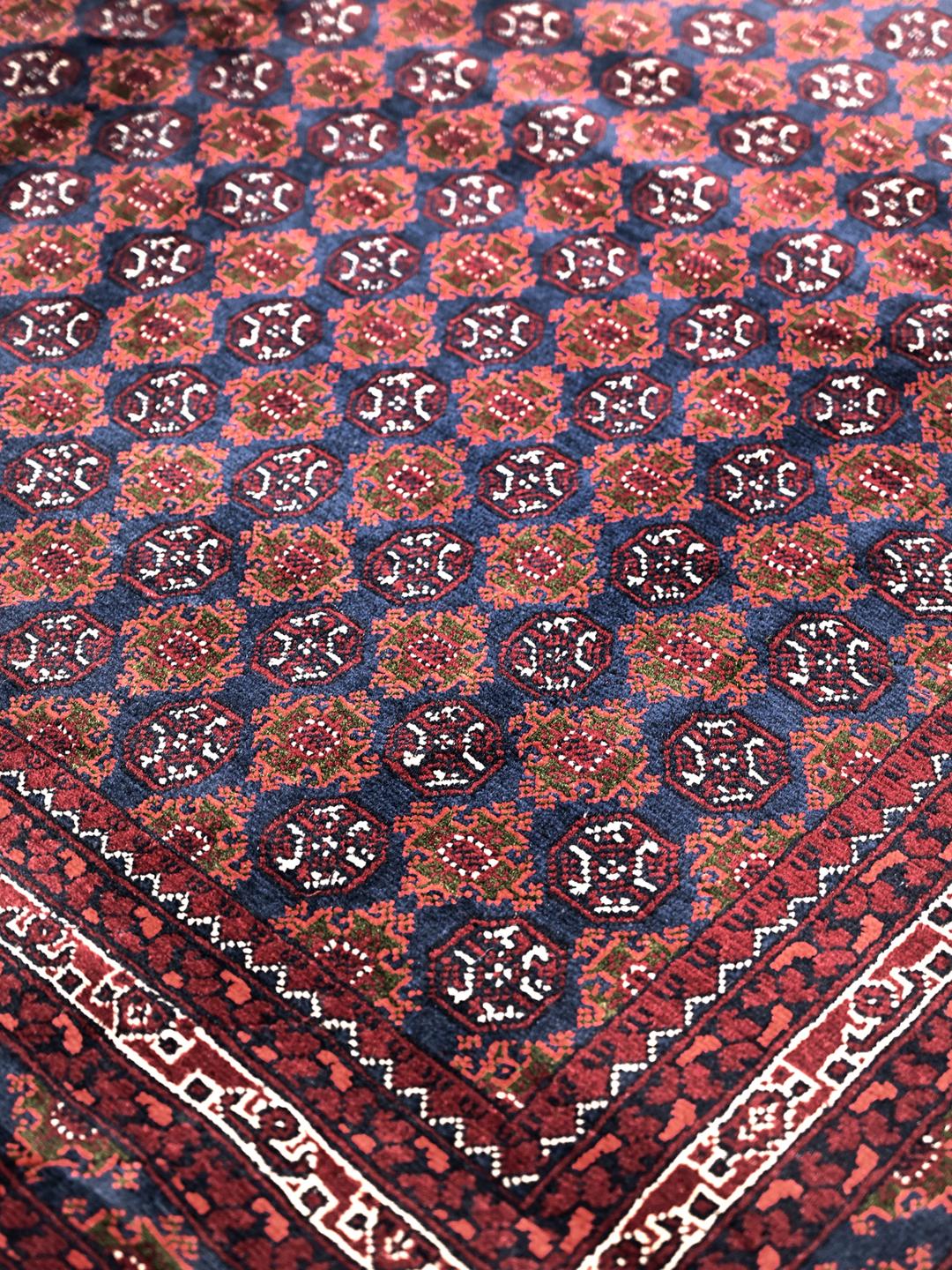
Visually, Kunduz rugs are characterised by their repeating patterns and a deeply saturated colour palette. You will often find geometric motifs and stylised floral elements that reflect the cultural heritage of the weavers. The borders are typically formal and balanced, framing the central field in a way that creates a sense of harmony. The use of dark, intense colours is a signature of this tradition, lending the rugs a dramatic and grounding presence in any interior.
Collecting a Kunduz rug is an investment in a living heritage. These pieces are valued for their authenticity and the human story behind every knot. They represent a bridge between the past and the present, offering owners a piece of history that is both functional and culturally significant. By choosing such a rug, you are supporting the preservation of a craft that has been passed down through generations, ensuring these traditions continue to thrive.