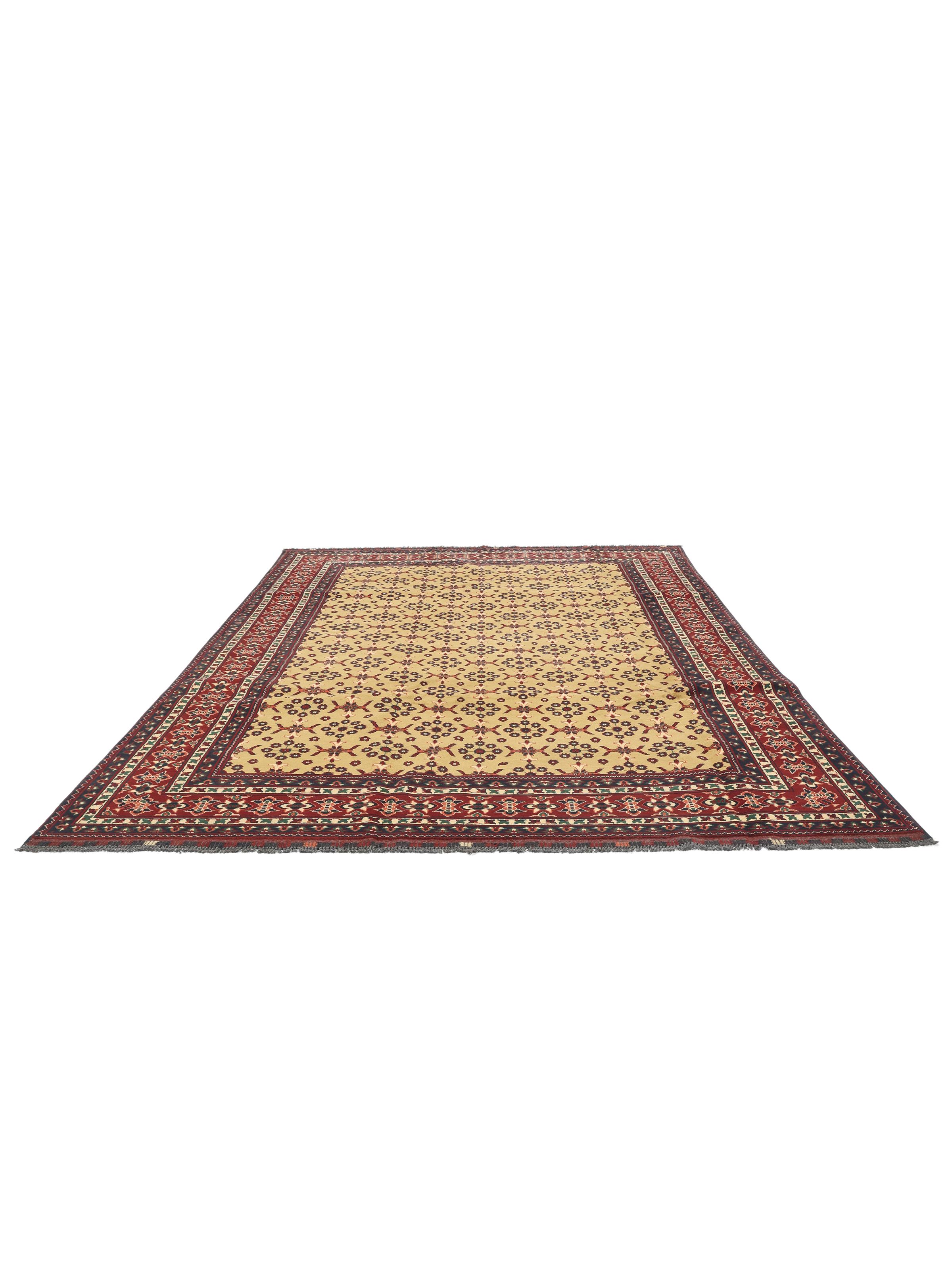
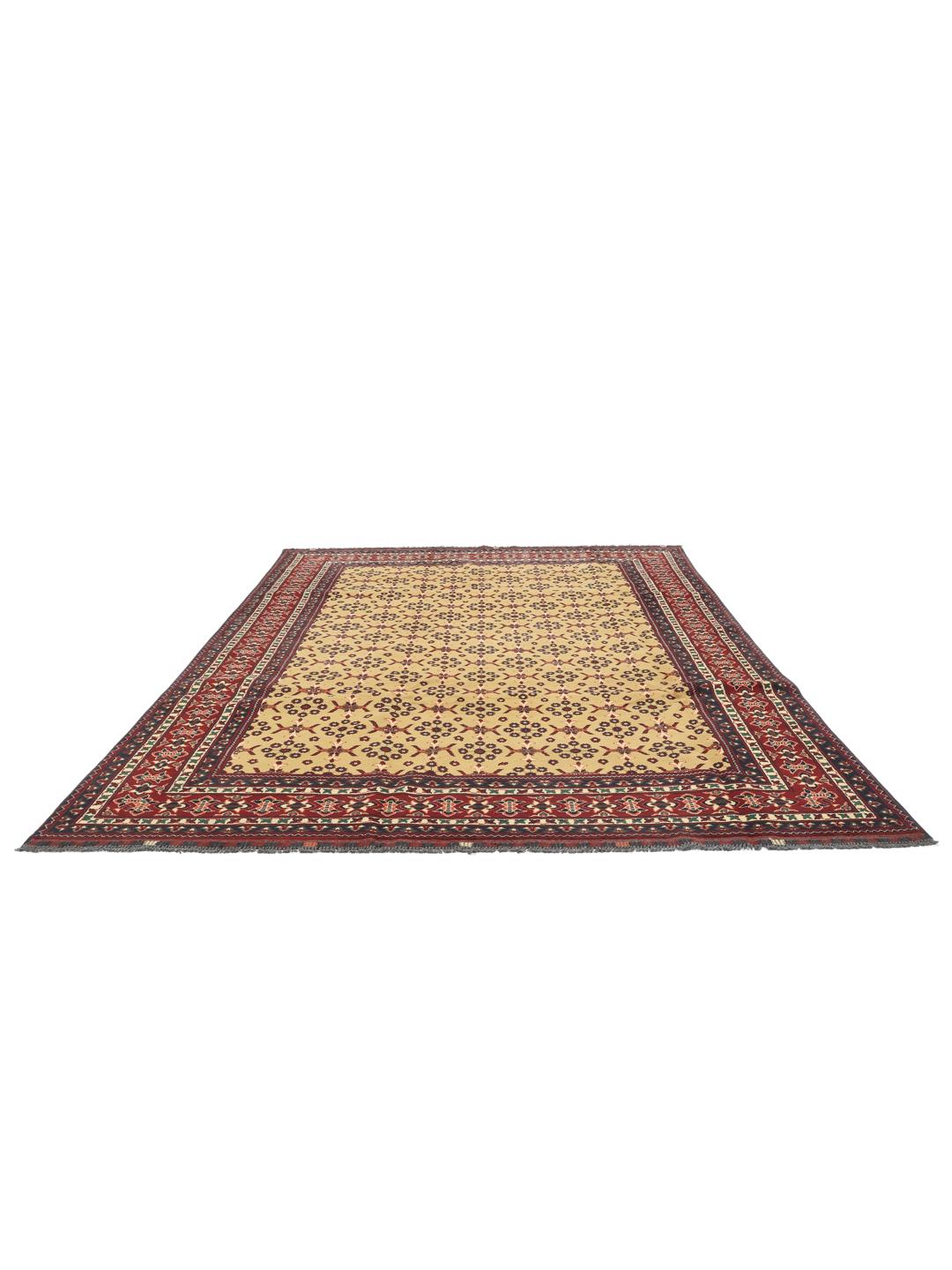
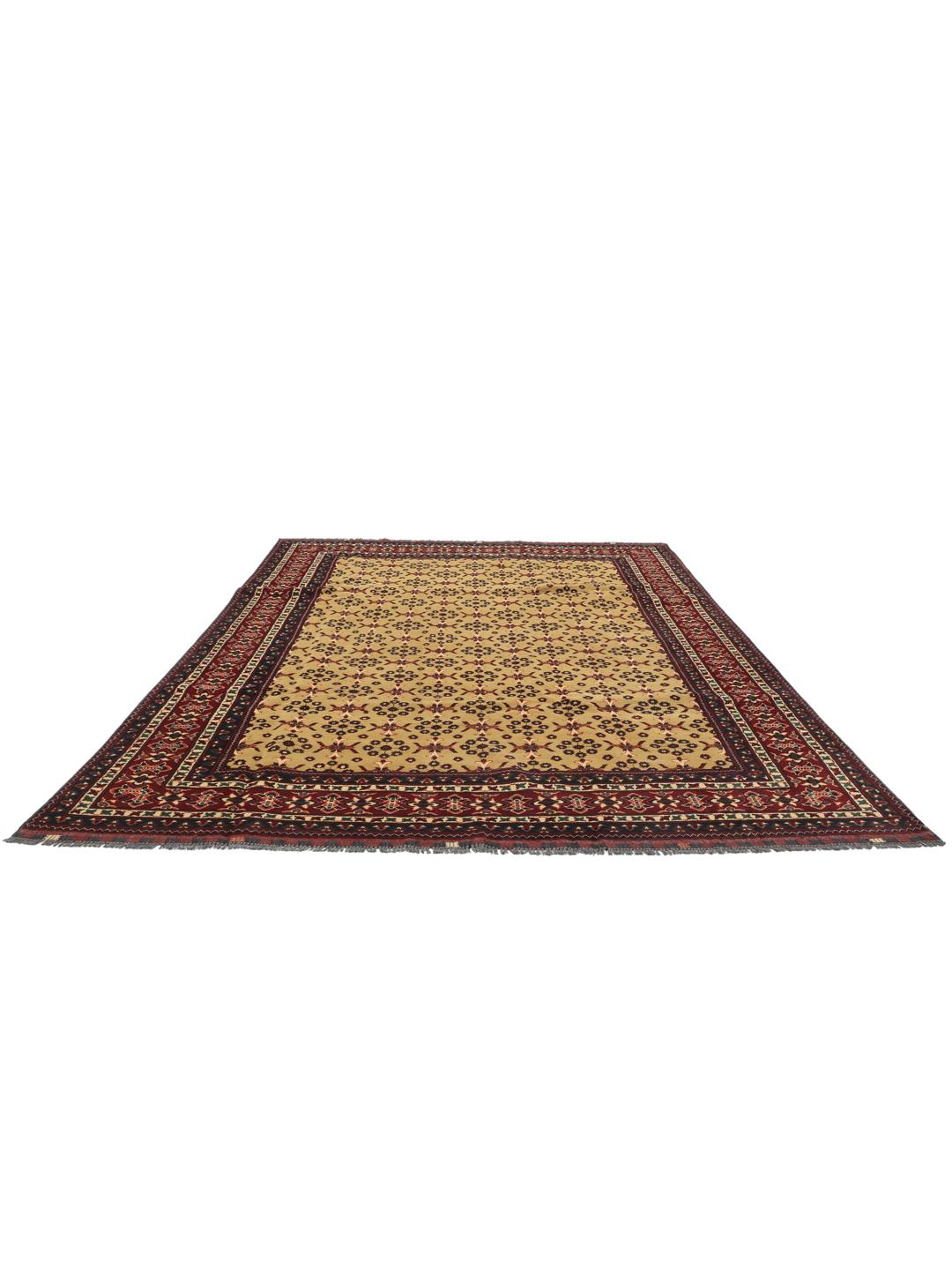
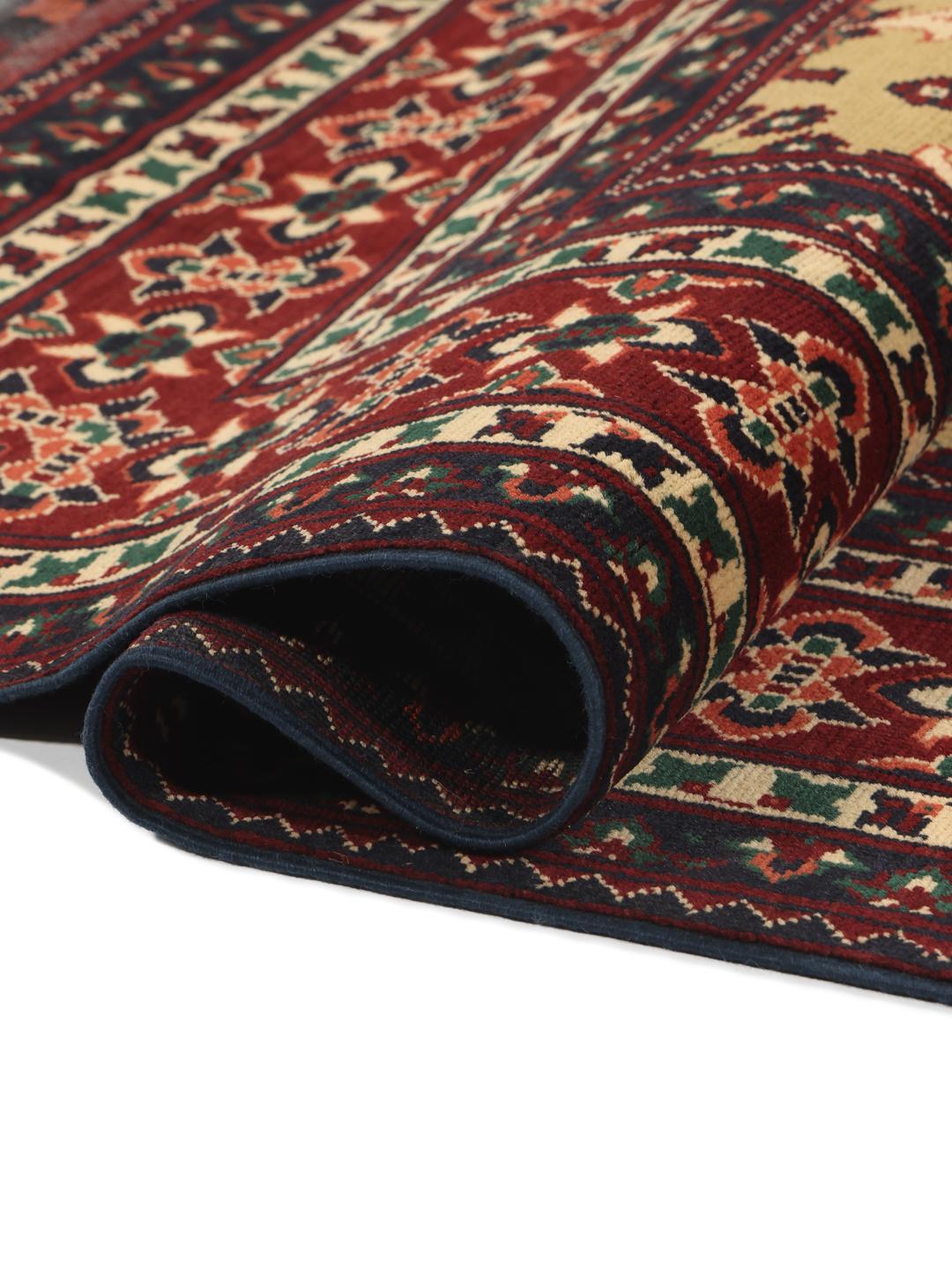
The Kunduz rug tradition hails from the northern regions of Afghanistan, a land with a deep-rooted history of textile artistry. These rugs are deeply connected to the nomadic and semi-nomadic cultures that have traversed the Central Asian landscapes for centuries, carrying their weaving techniques and symbolic design languages across borders and generations.
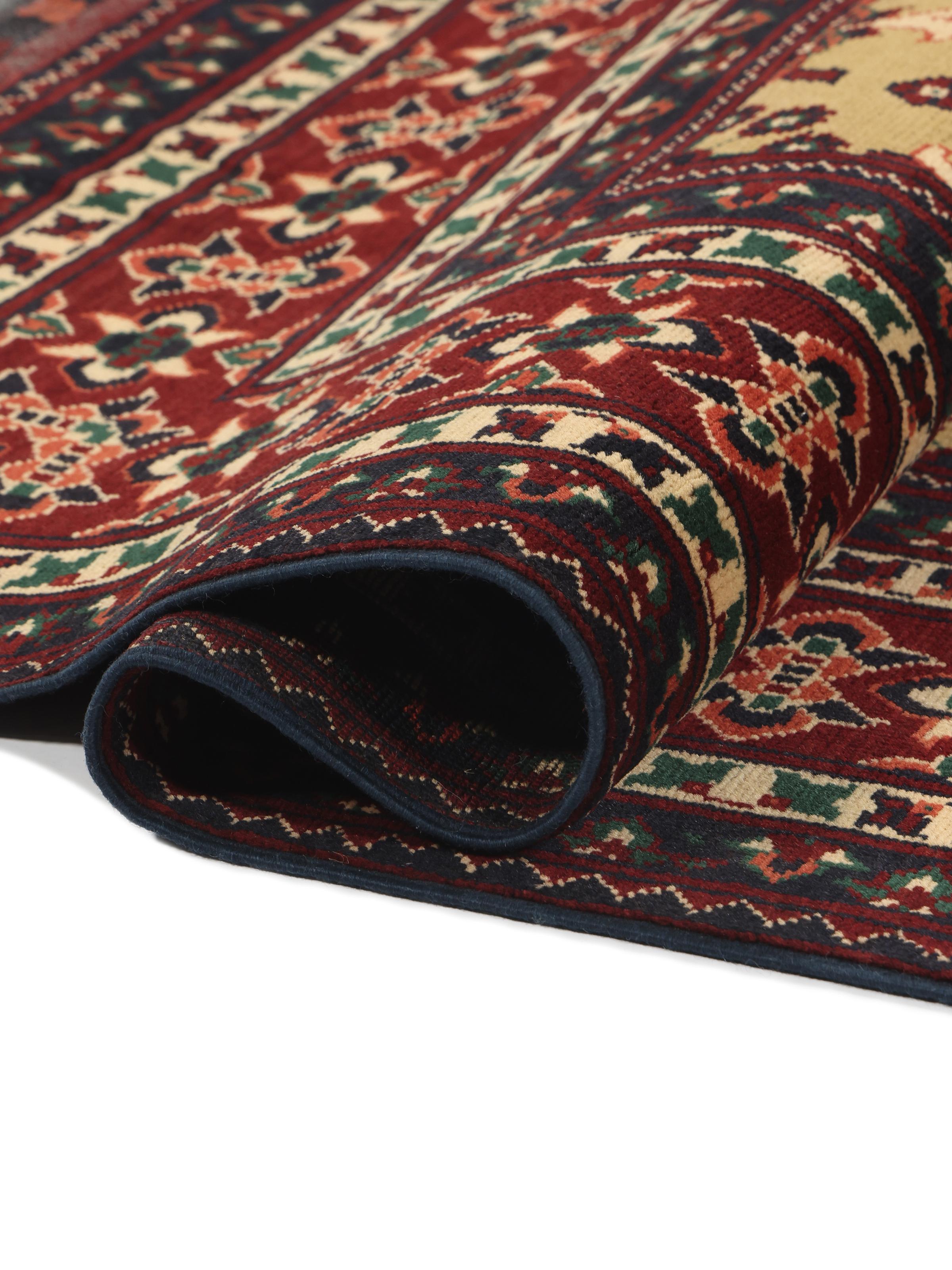
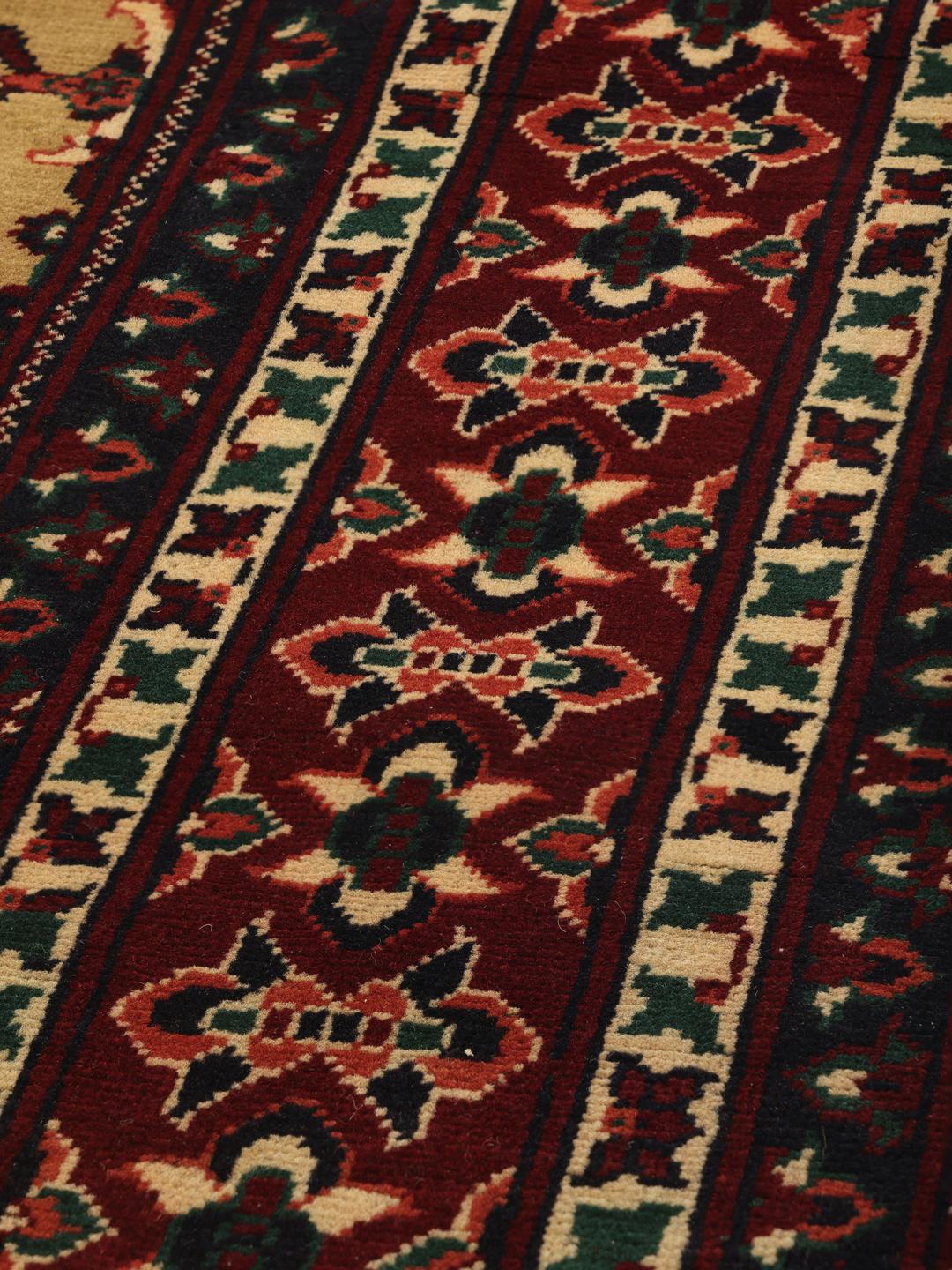
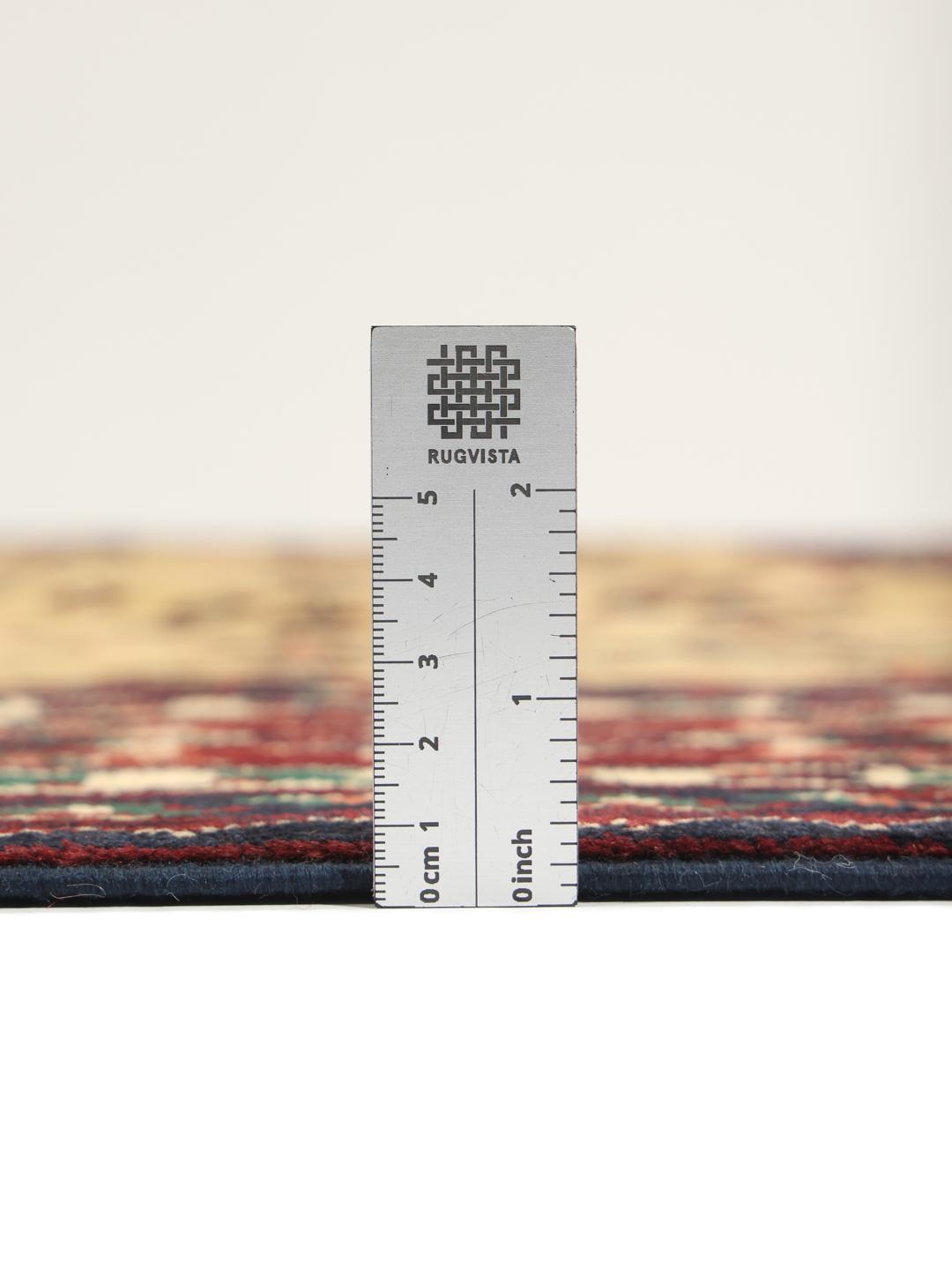
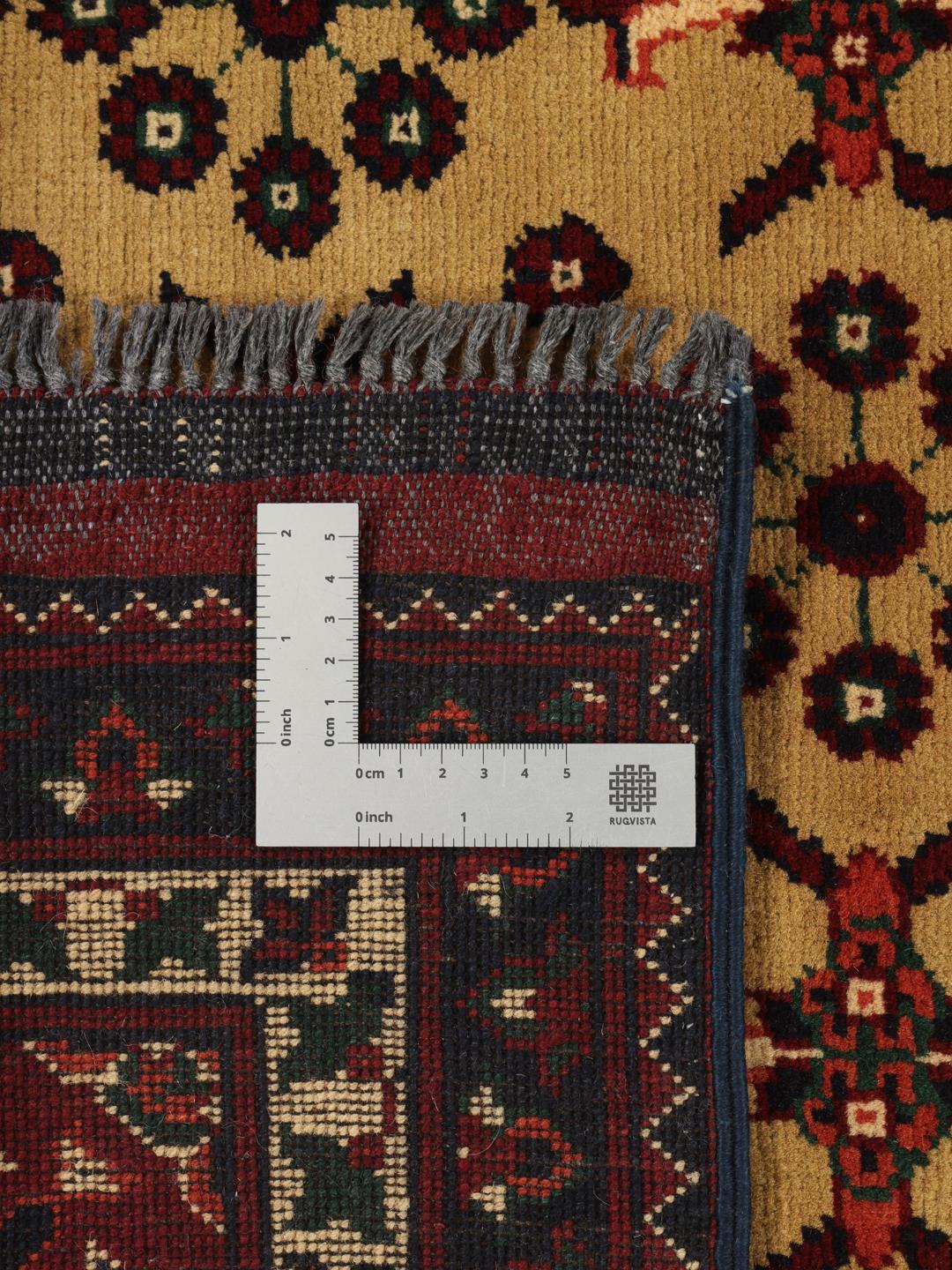
The term Kunduz refers to both a city and a province in Afghanistan, serving as a centre for the production of these distinctive rugs. The technical mastery involved in their creation is defined by the use of high-quality wool, which is often hand-spun to retain its natural lanolin. This results in a pile that is not only soft to the touch but also naturally resistant to wear, making these rugs as functional as they are beautiful.
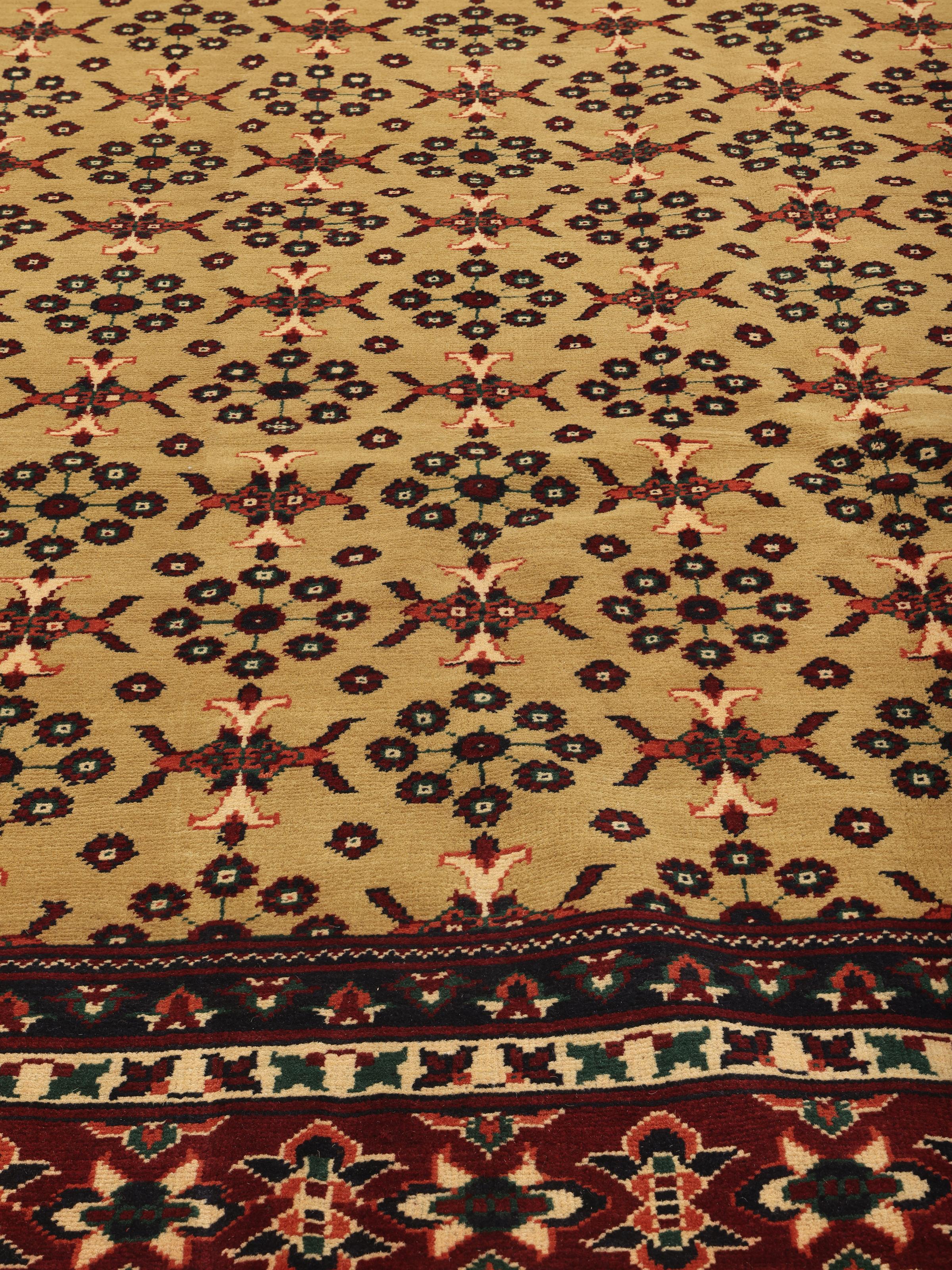
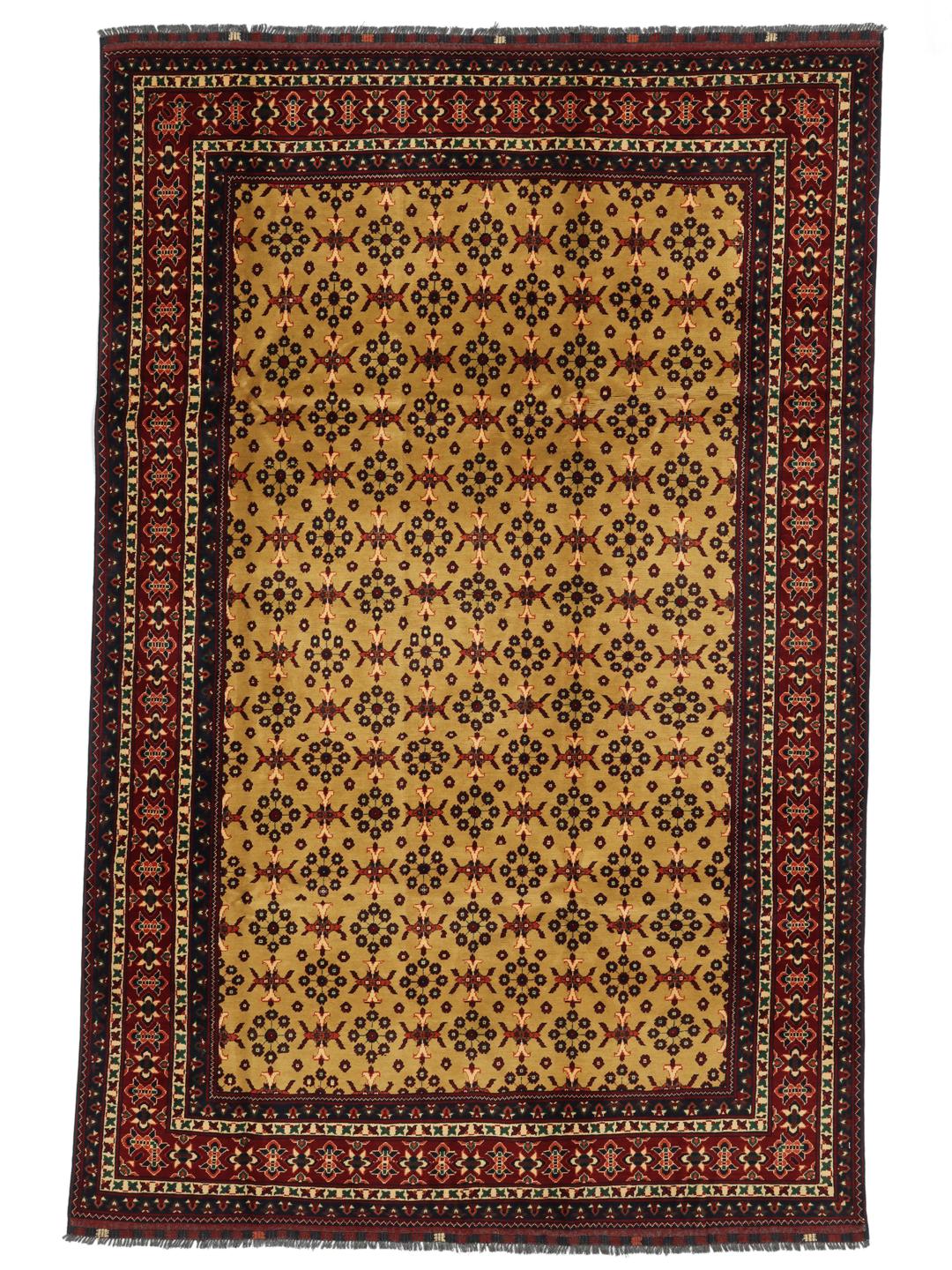
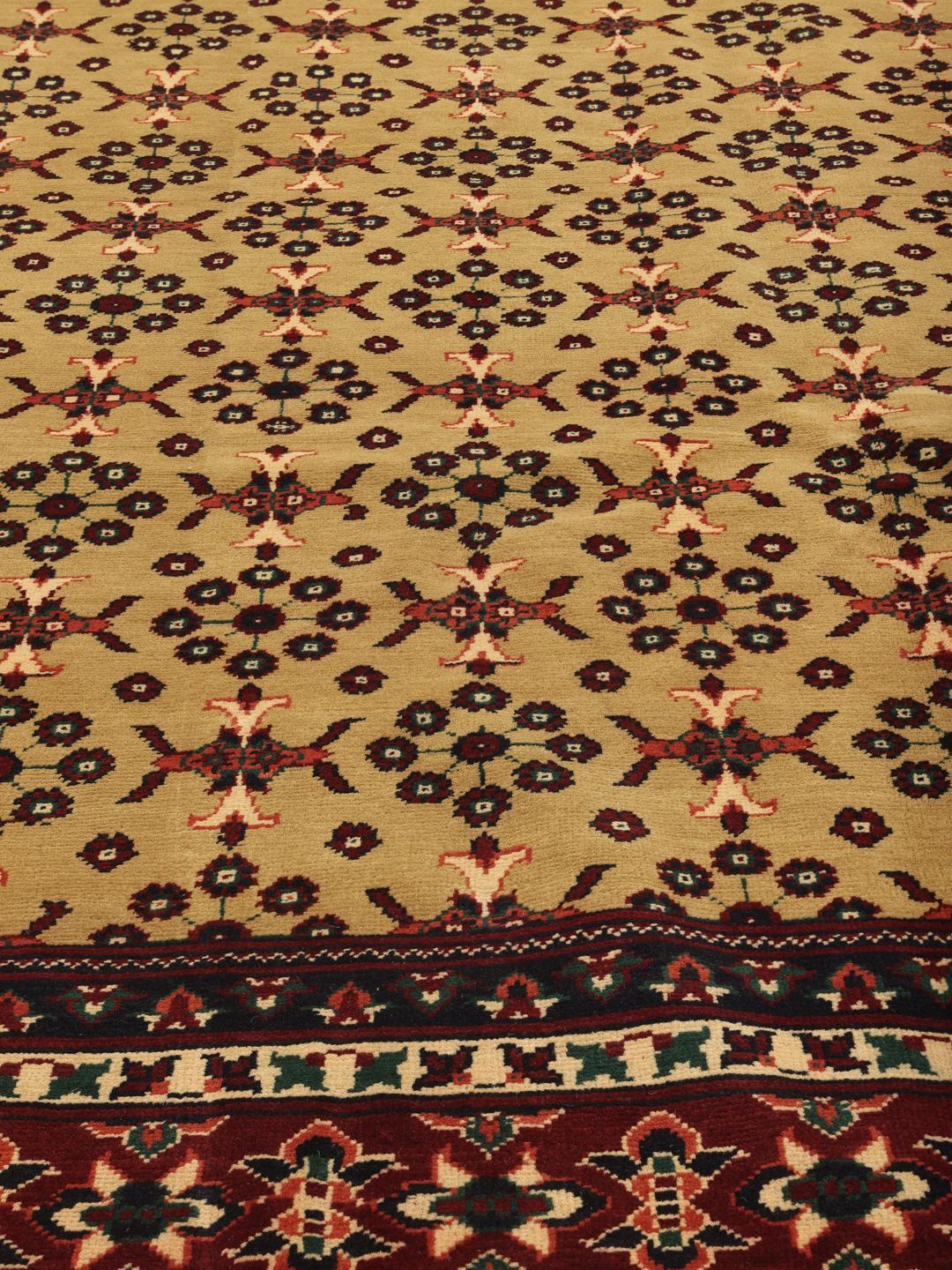
Visually, Kunduz rugs are known for their strong colour palettes, often featuring deep, earthy browns, rich reds, and dark accents. The patterns frequently incorporate geometric shapes, stylised floral motifs, and repeating medallions that reflect the cultural heritage of the weavers. These designs are not merely decorative but often act as a visual narrative, with motifs passed down through family lineages to preserve specific regional identities.
Collectors value Kunduz rugs for their authenticity and the palpable sense of human connection they bring to a space. Owning one is an investment in a living tradition, a way to preserve the skill and artistry of Afghan weavers. These rugs are highly regarded for their ability to bridge the gap between historical craft and modern living, offering a sense of depth and permanence that mass-produced alternatives simply cannot match.