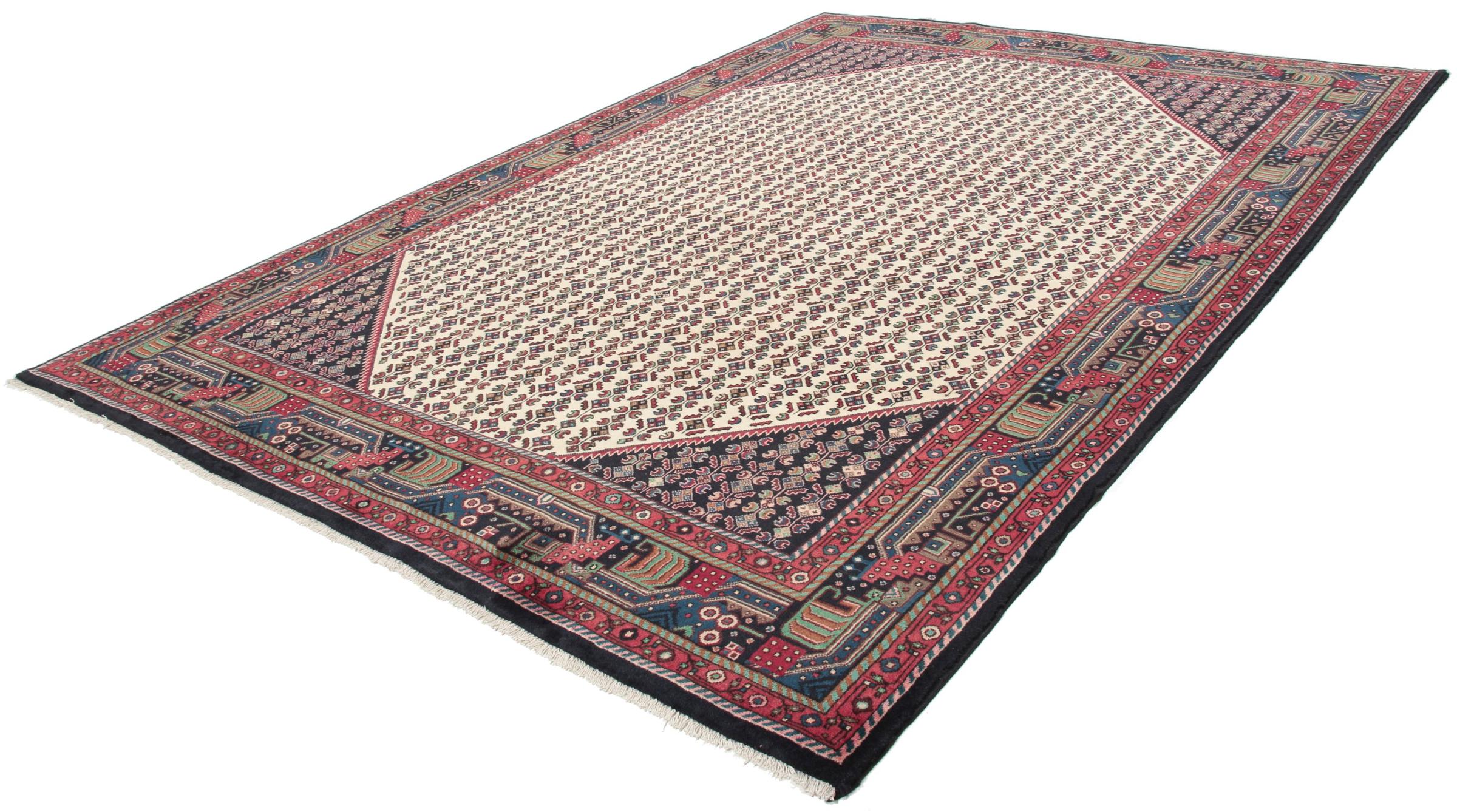
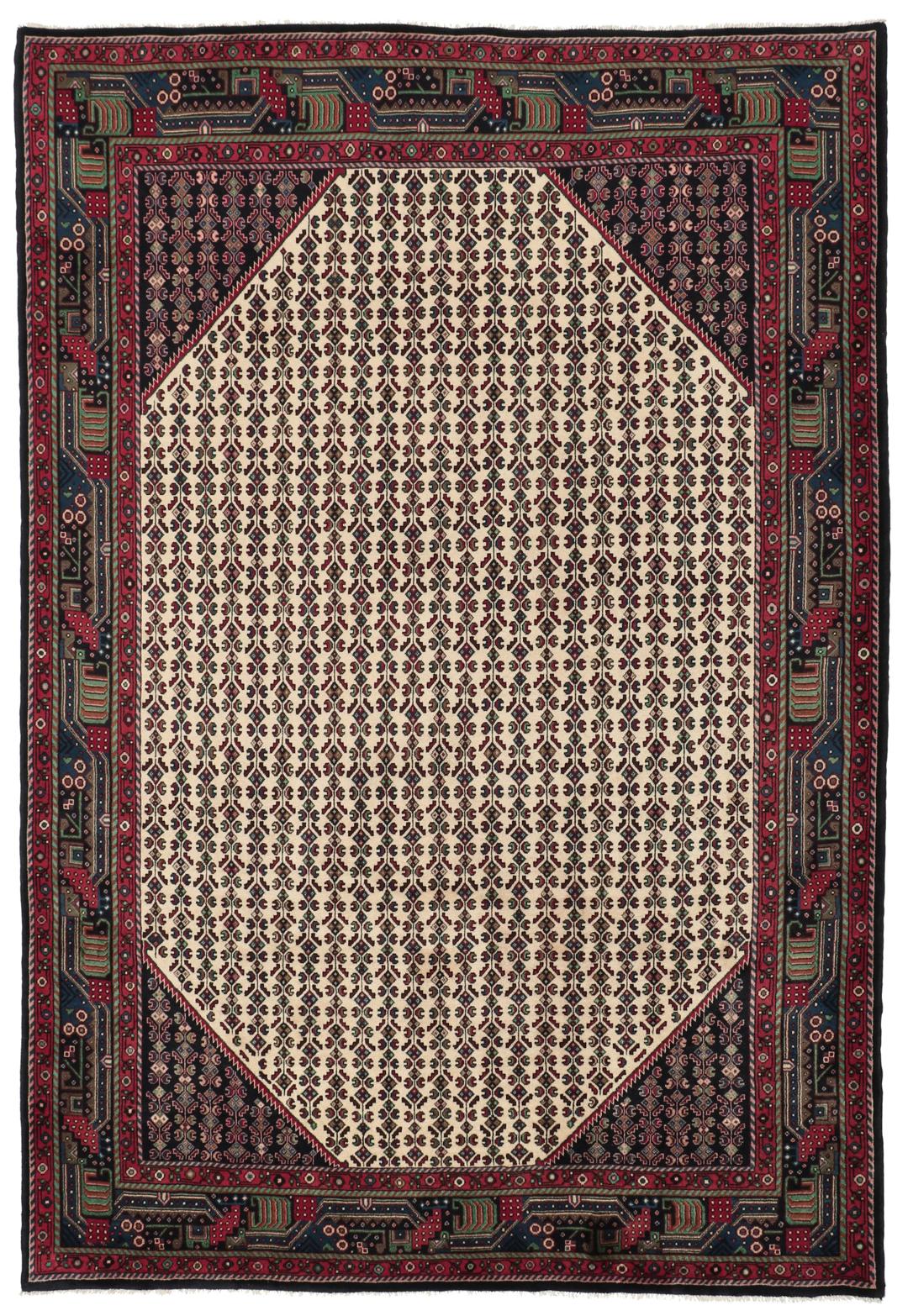
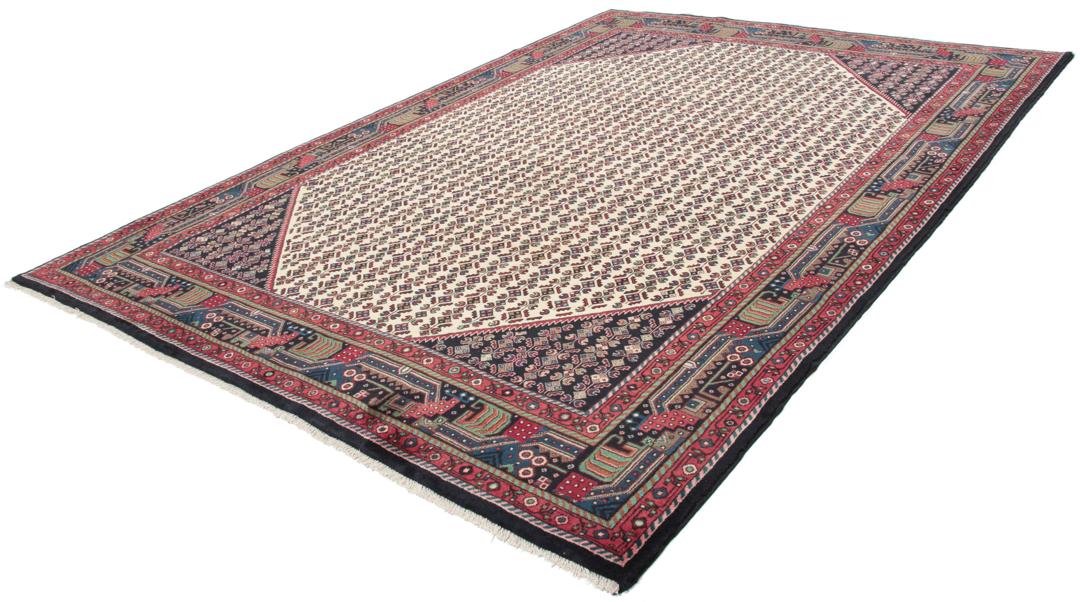
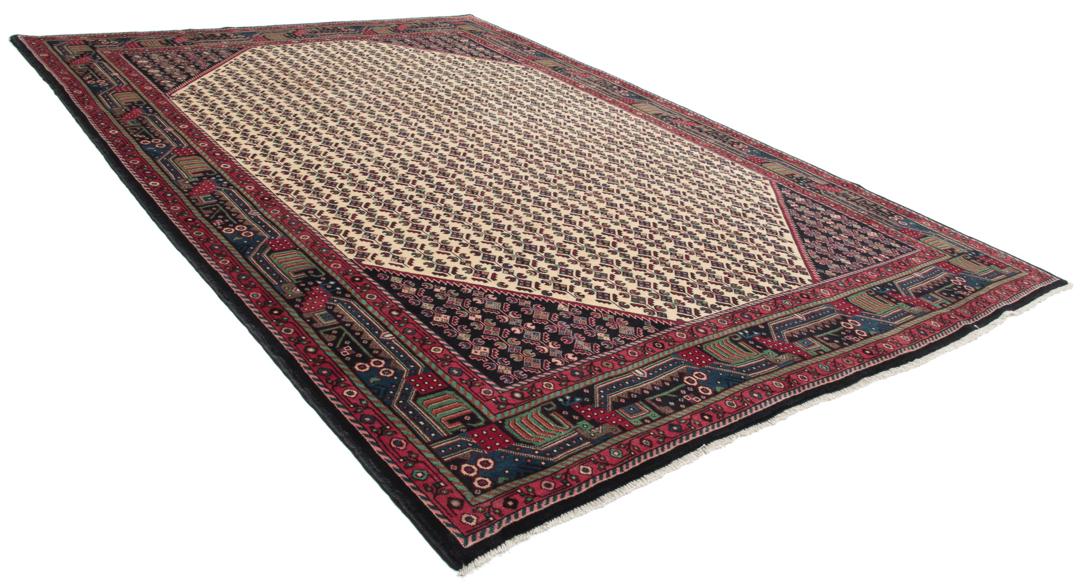
Koliai rugs originate from the nomadic and village weavers of the Kurdish regions in the Middle East. Historically woven by semi-nomadic tribes, these rugs were created primarily for daily domestic life, serving as floor coverings, bedding, and decorative wall hangings inside woven tents and homes.
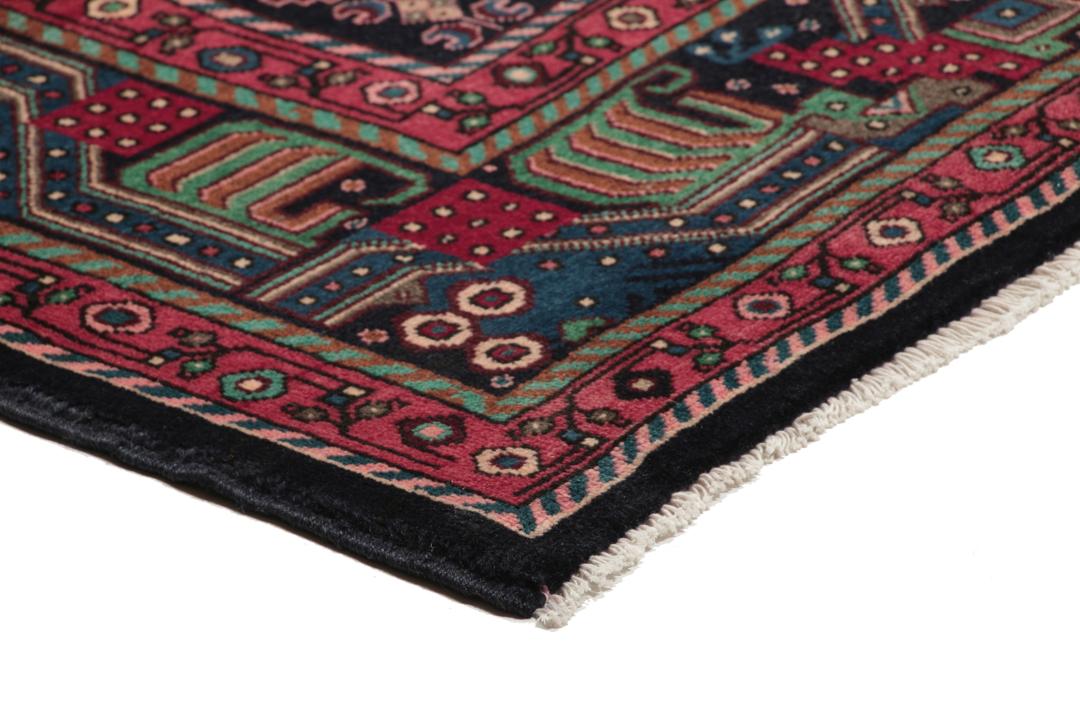
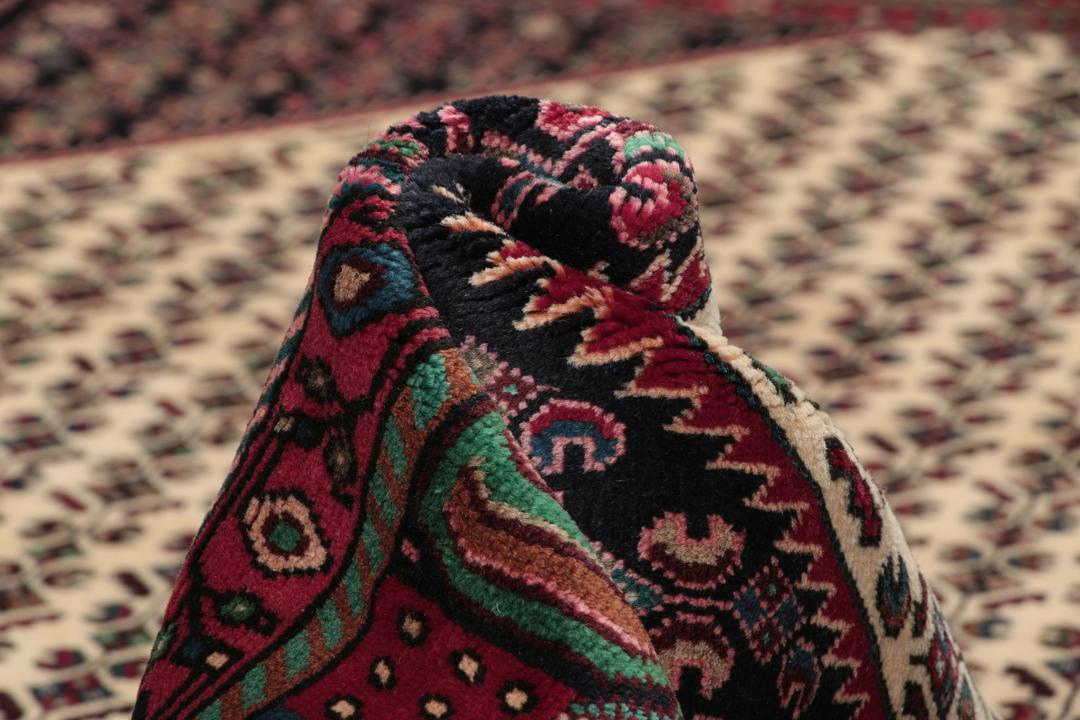
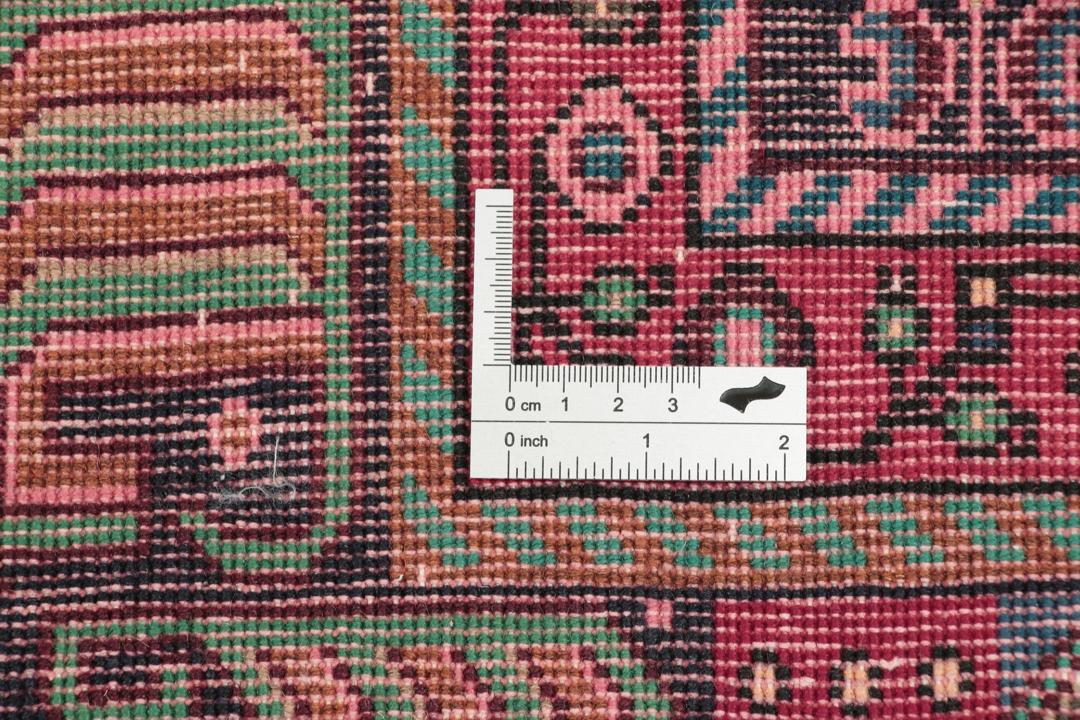
The craftsmanship behind Koliai rugs relies on a sturdy weave using a wool pile paired with cotton strands for structural support. This traditional combination ensures that the rug maintains its shape and pattern alignment, providing a durable base for the dense tribal motifs tied into the surface.
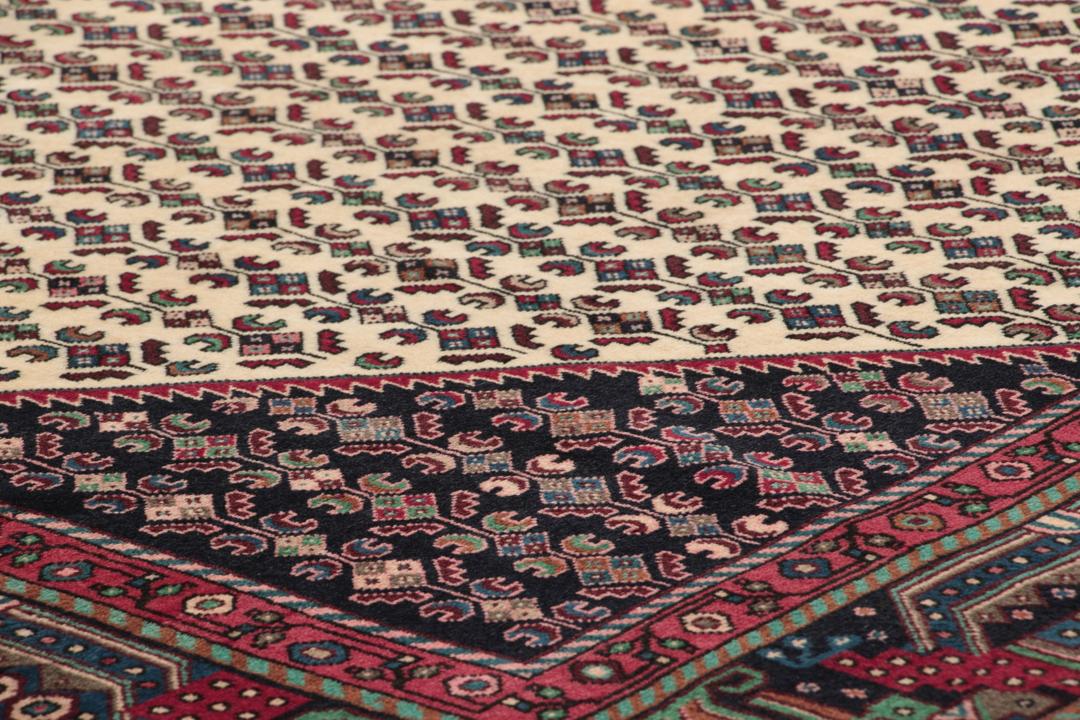
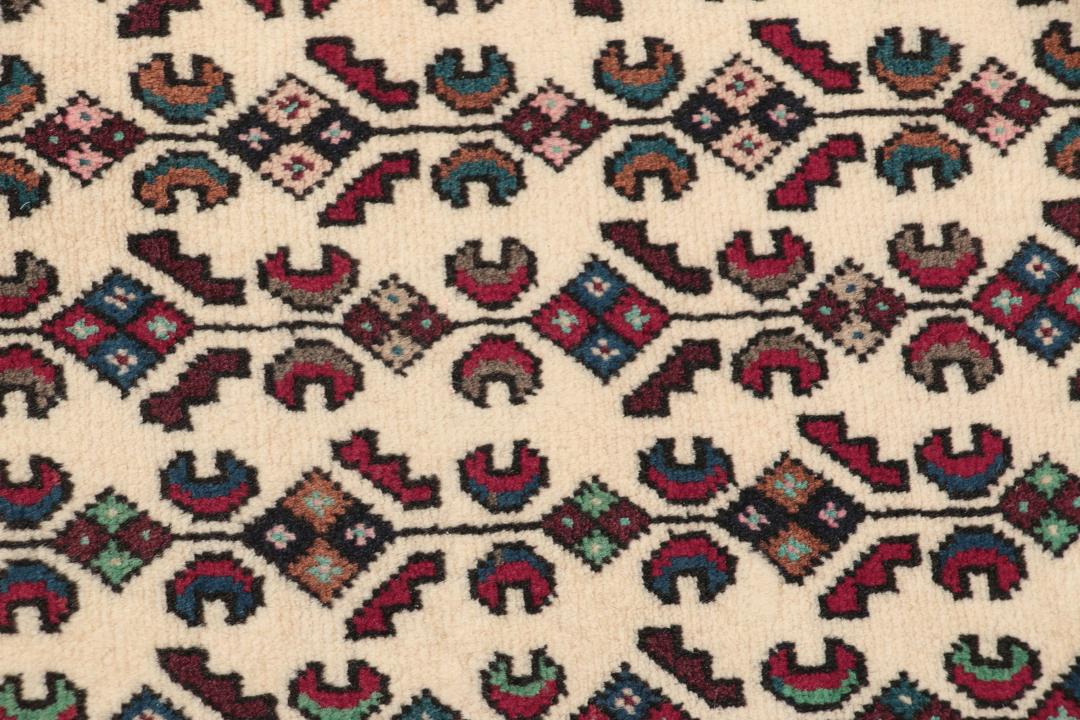
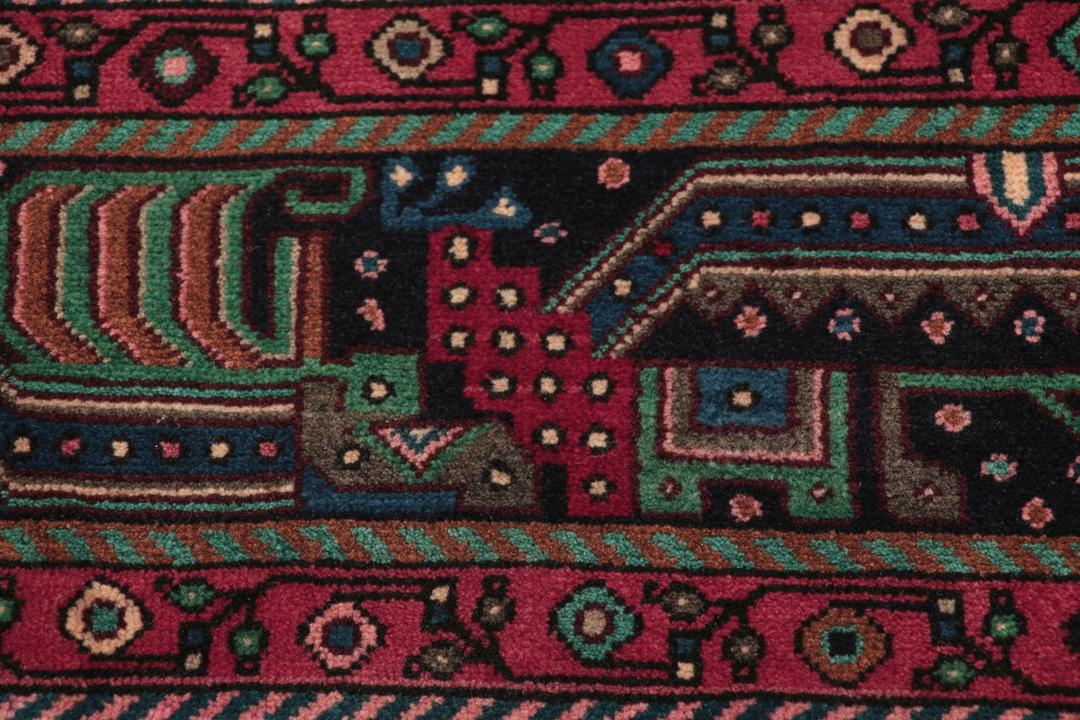
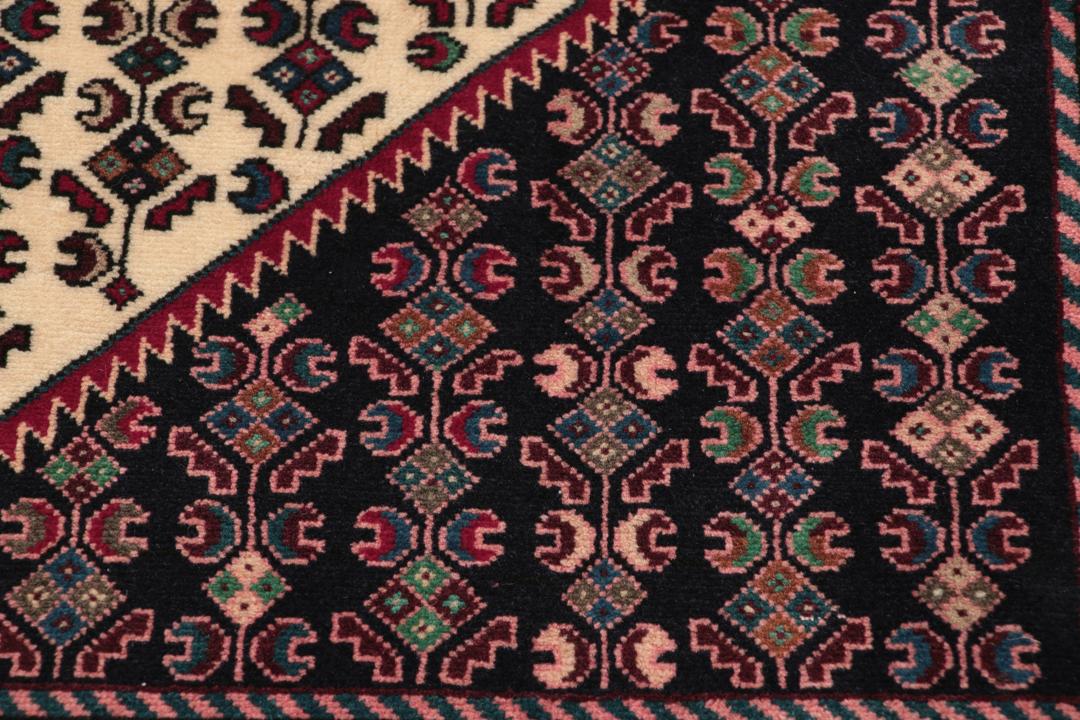
Visual language in Koliai weaving is strongly defined by bold geometric shapes, repeating diamonds, and stylized floral motifs. Distinctive decorative borders frame a busy central field, often utilizing contrasting primary shades like deep reds, navy blues, and warm ivory tones that highlight the geometric precision.
Valued by rug collectors for their tribal character and authentic origins, Koliai textiles represent genuine folk art. Each piece reflects the personal artistic choices of the individual weaver, carrying forward regional cultural traditions that make these rugs prized additions to thoughtful interiors.