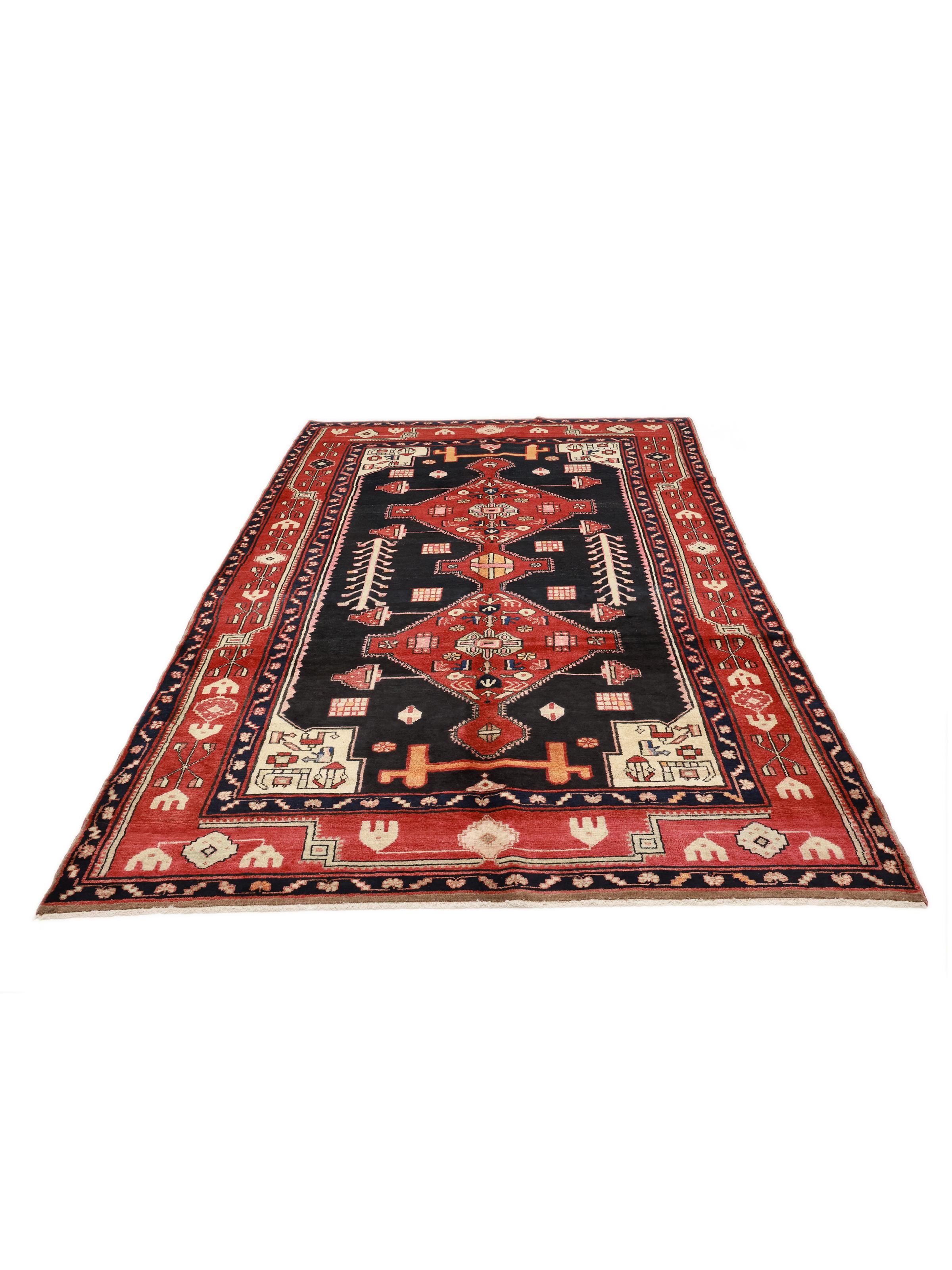
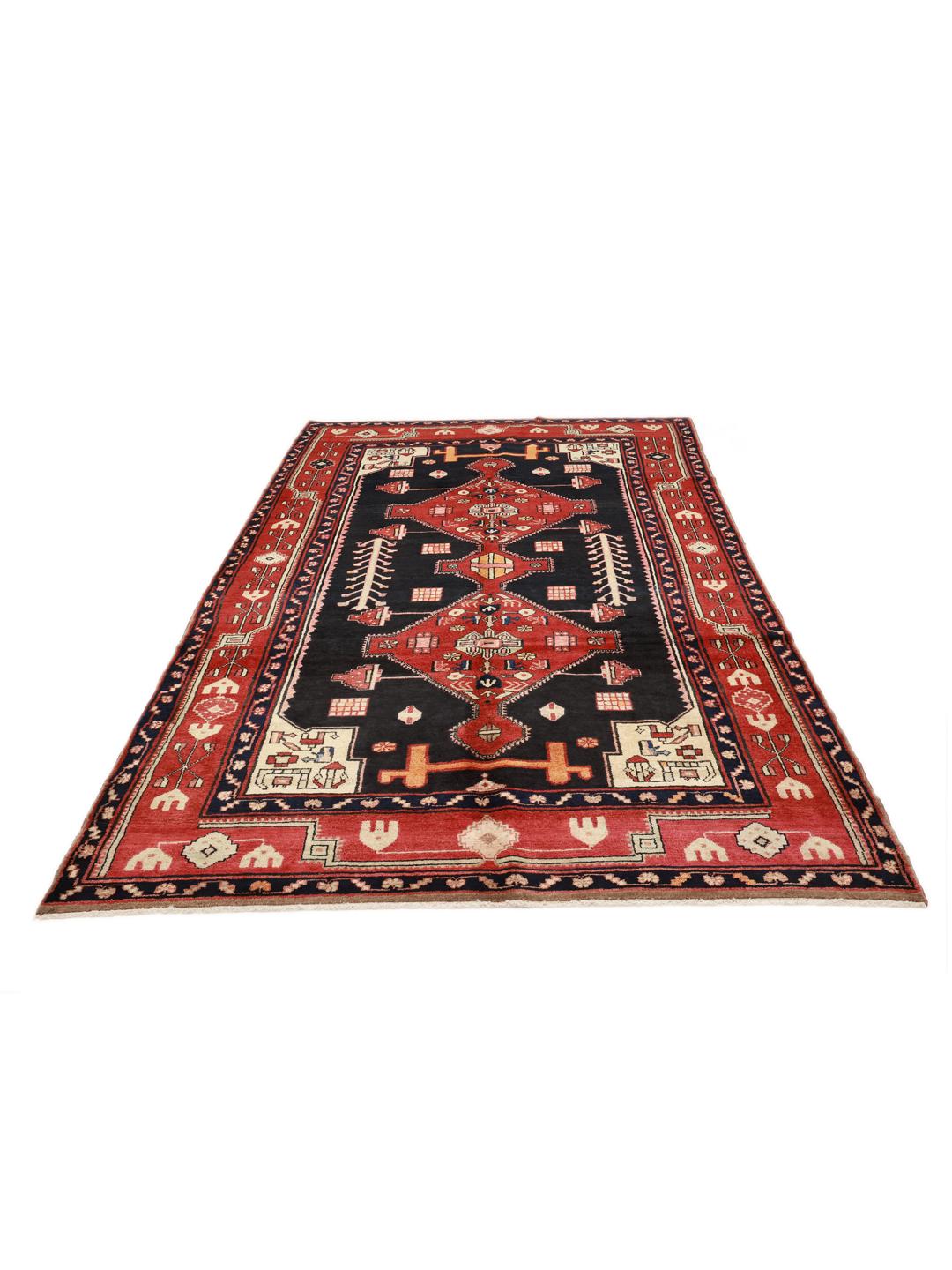
Koliai rugs originate from the mountainous regions of western parts of the Middle East, traditionally woven by the Kurdish tribes who have inhabited these lands for centuries. These rugs are deeply tied to the nomadic and semi-nomadic lifestyles of the region, where weaving was not only a practical necessity for floor coverings and storage bags but also a vital outlet for cultural expression and tribal identity.
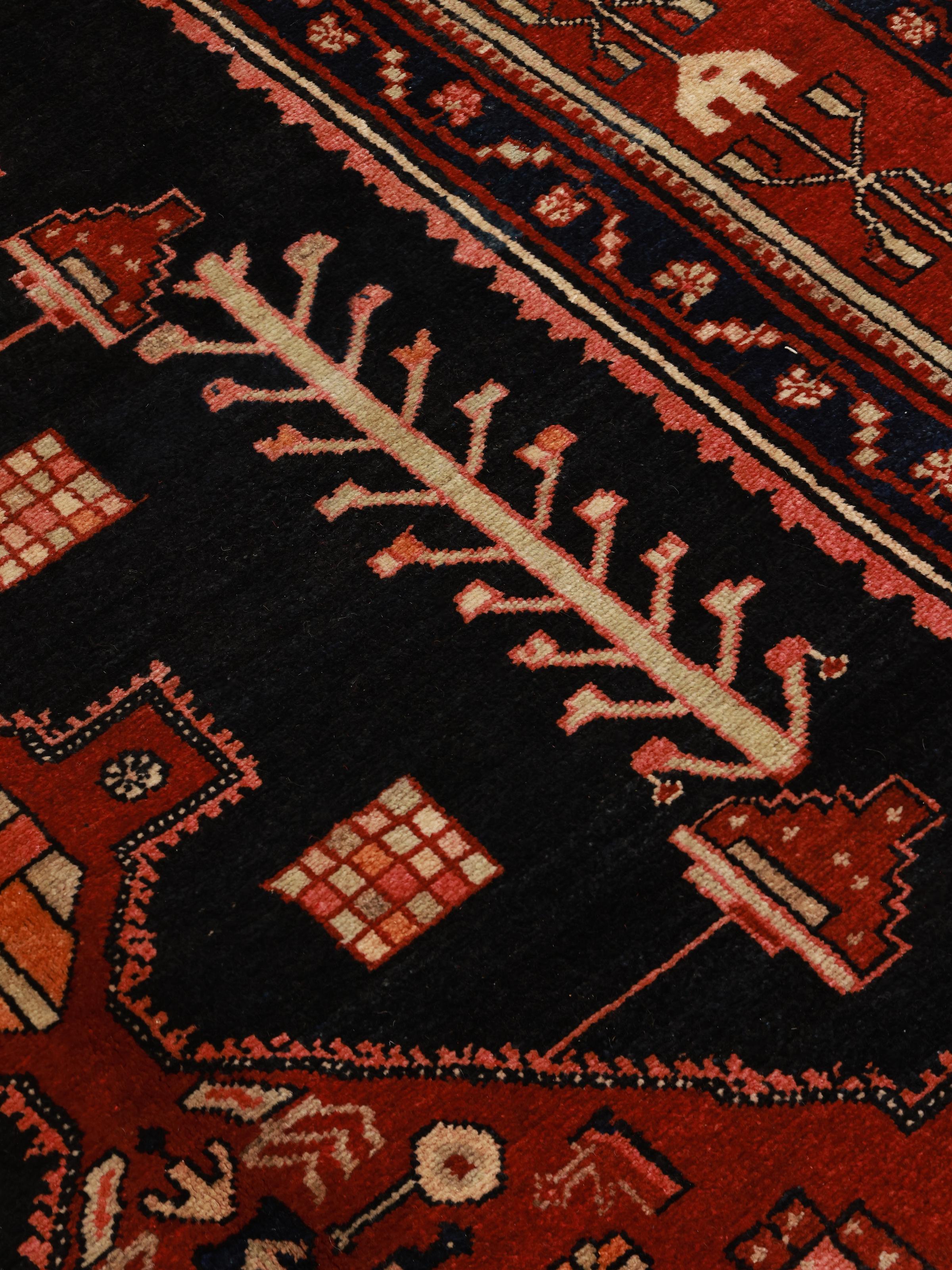
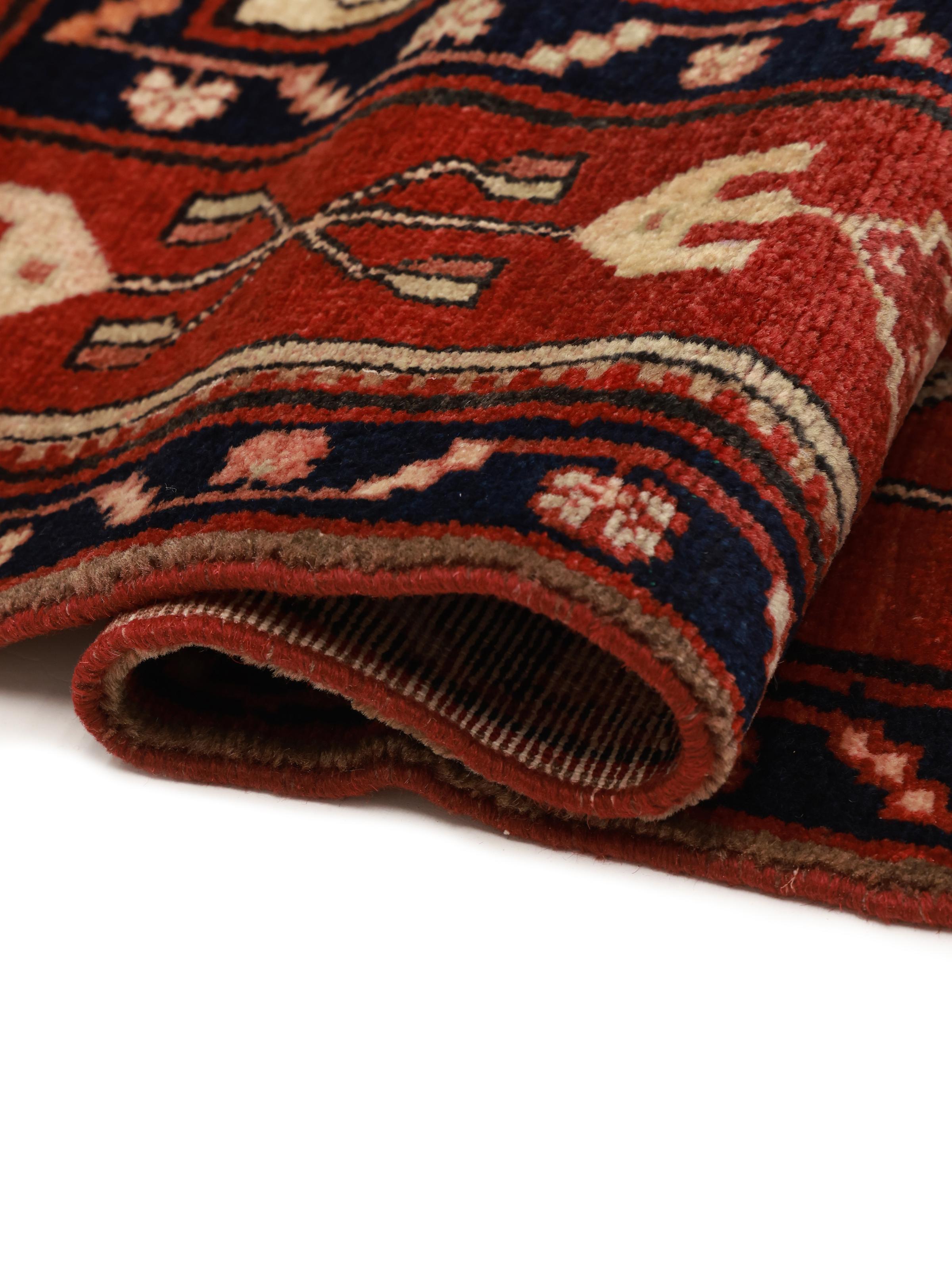
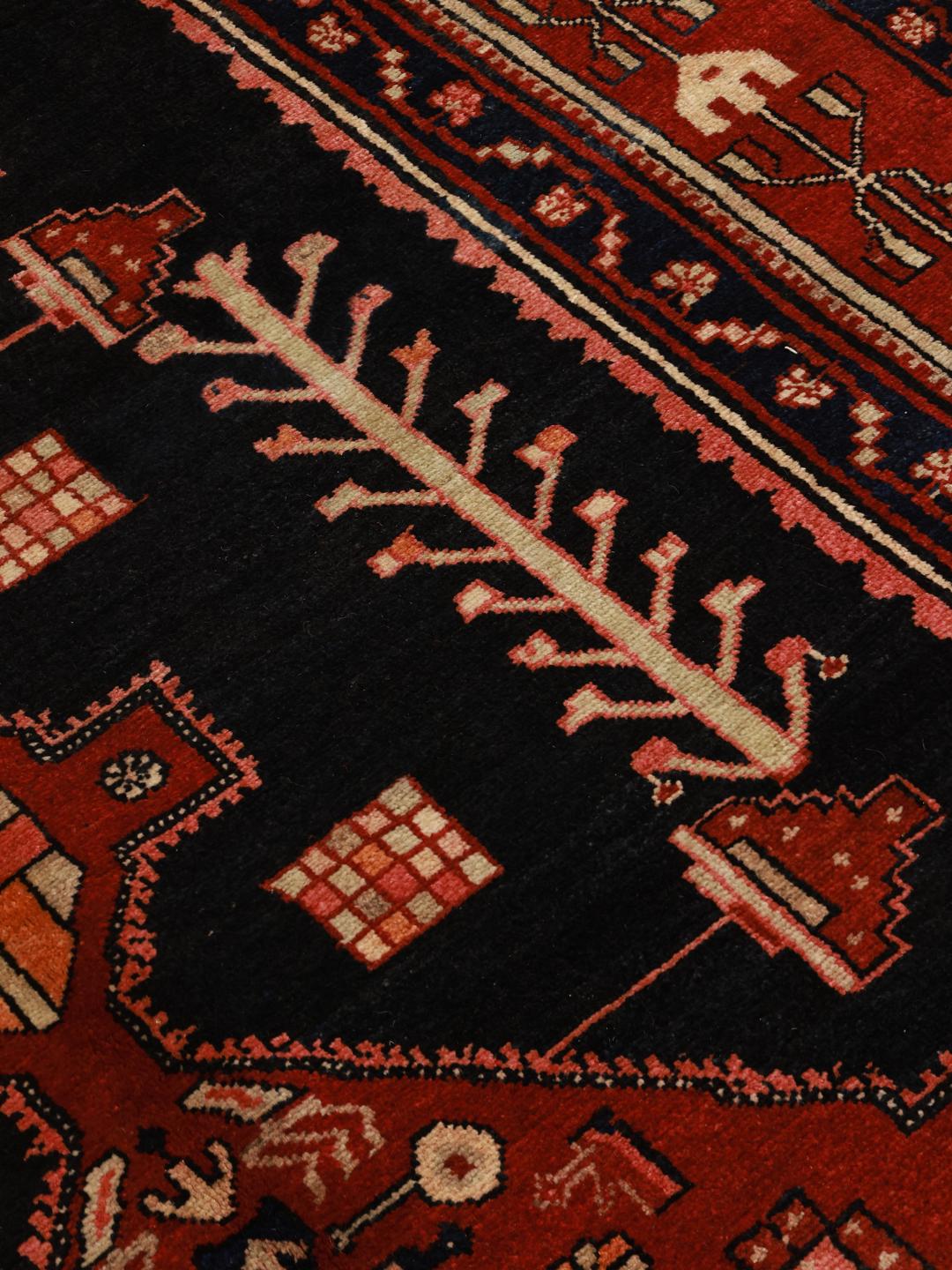
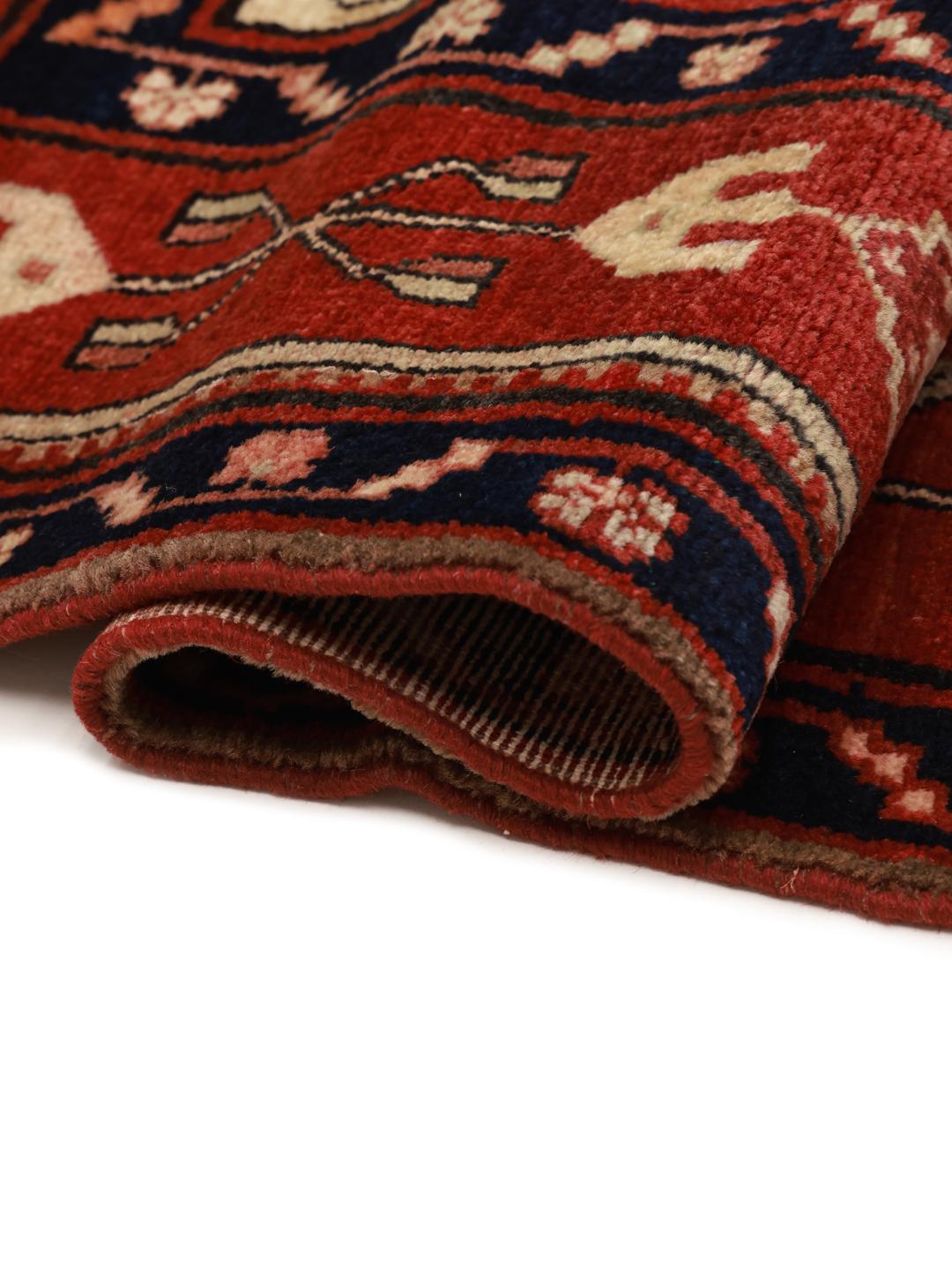
The term Koliai refers to the specific tribal tradition and the robust, long-staple Wool often sourced from local sheep. This high-quality Wool is known for its natural lustre and resilience, which, when combined with traditional knotting techniques, creates a pile that is exceptionally hard-wearing and capable of withstanding the rigours of daily life in both tent dwellings and modern homes.
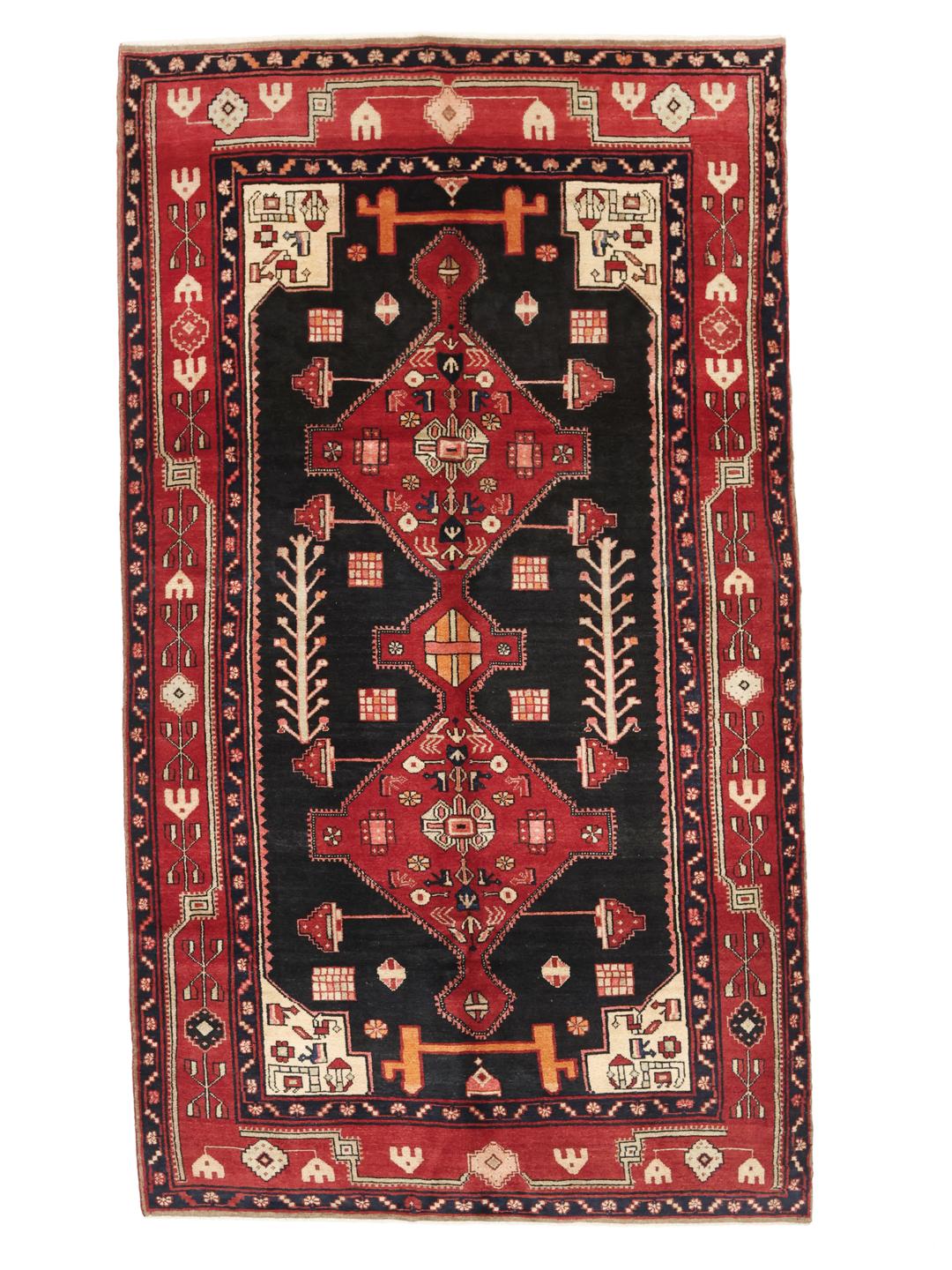
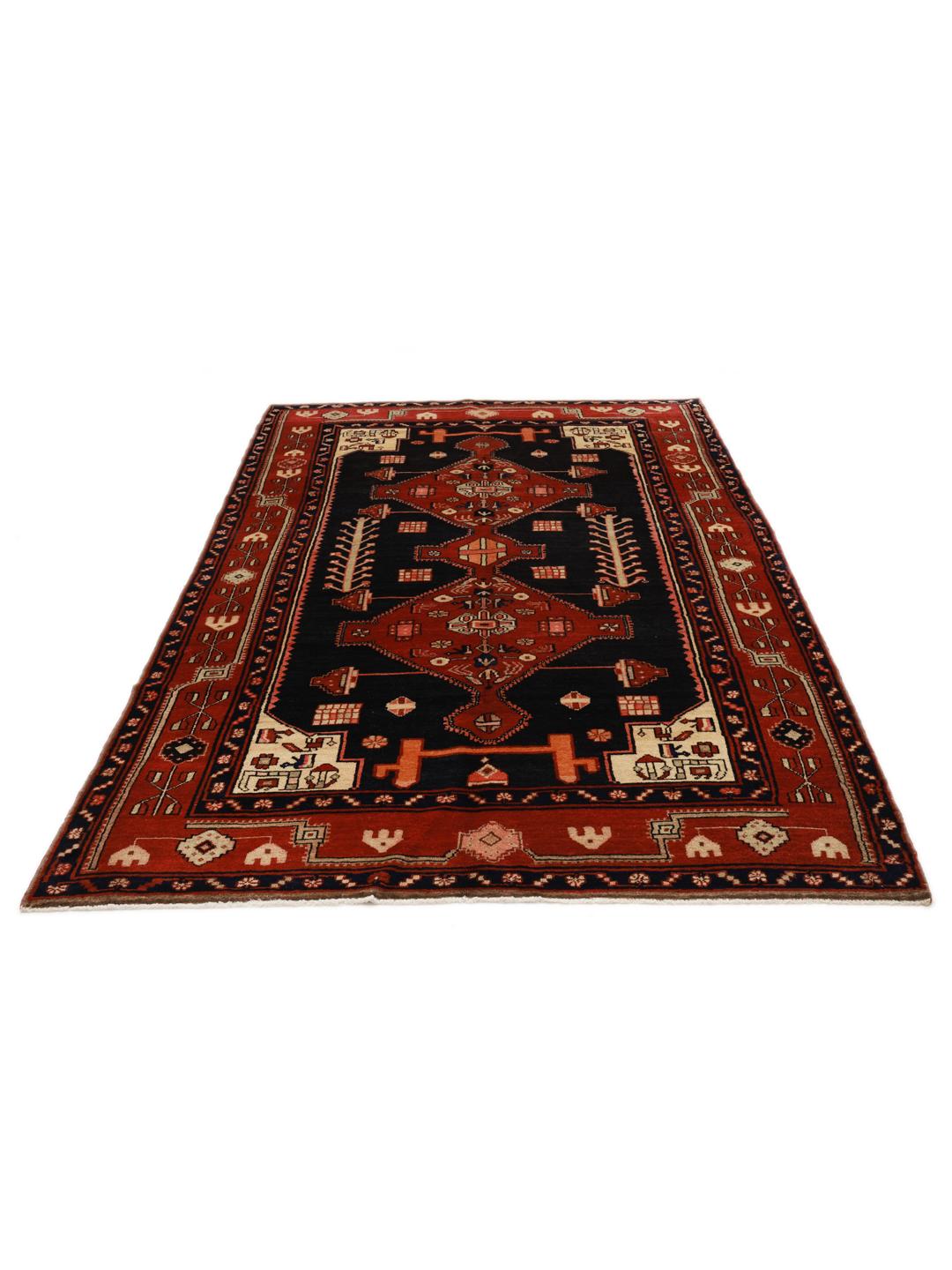
Visually, these rugs are defined by their bold, geometric language. They often feature large-scale central medallions, stylised floral motifs, and stepped diamond shapes that reflect the weaver's environment and ancestral stories. The use of deep, saturated colours—typically ranging from earthy reds and blues to bold black backgrounds—creates a powerful contrast that makes these pieces instantly recognisable and visually arresting.
Collecting a piece from this tradition means acquiring a document of history and human skill. Because these designs are passed down through generations, owning one connects you to a lineage of artistry that prioritises pattern, colour, and structural integrity. It is a piece that brings warmth, character, and a sense of enduring heritage to any interior.