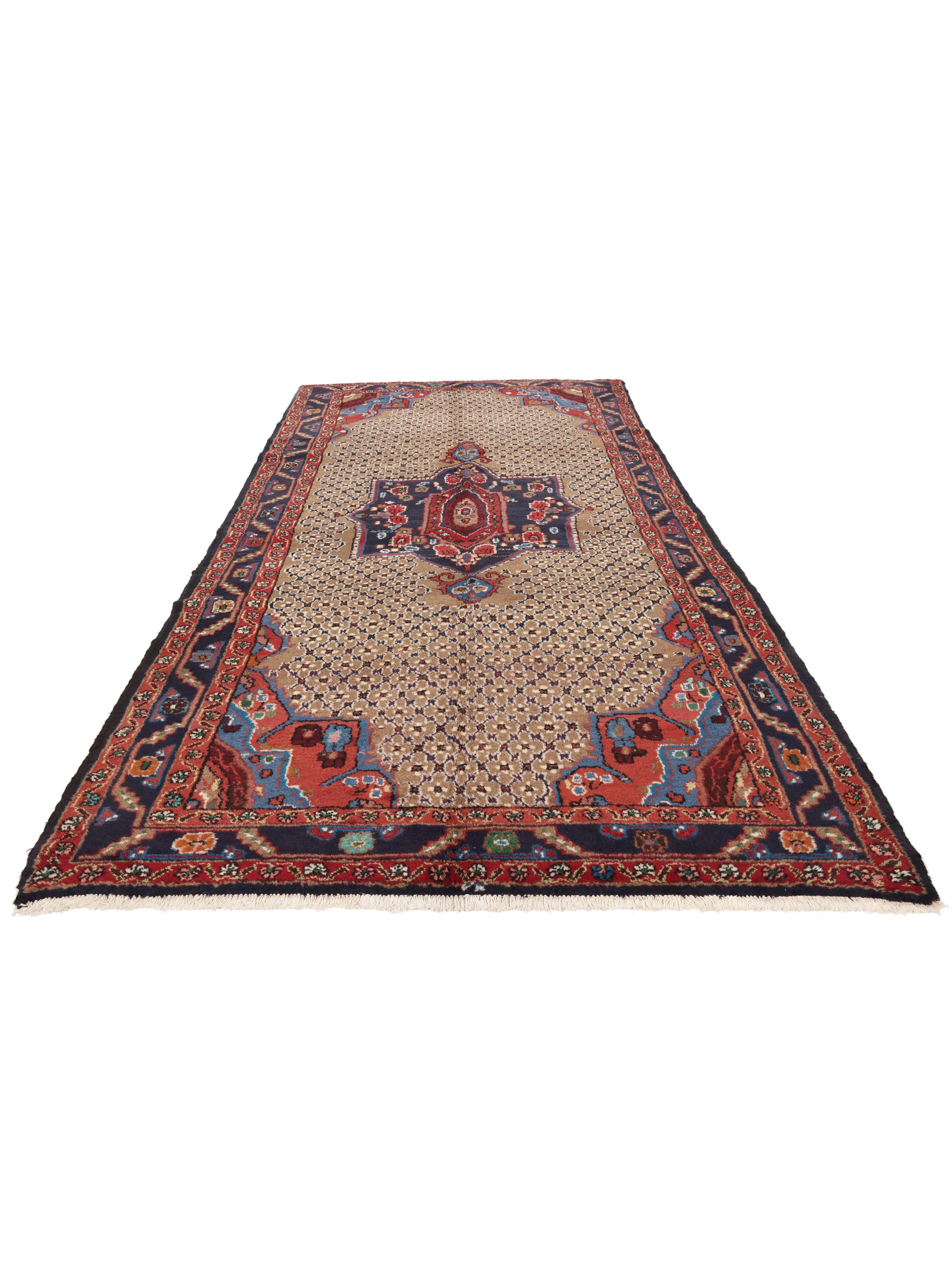
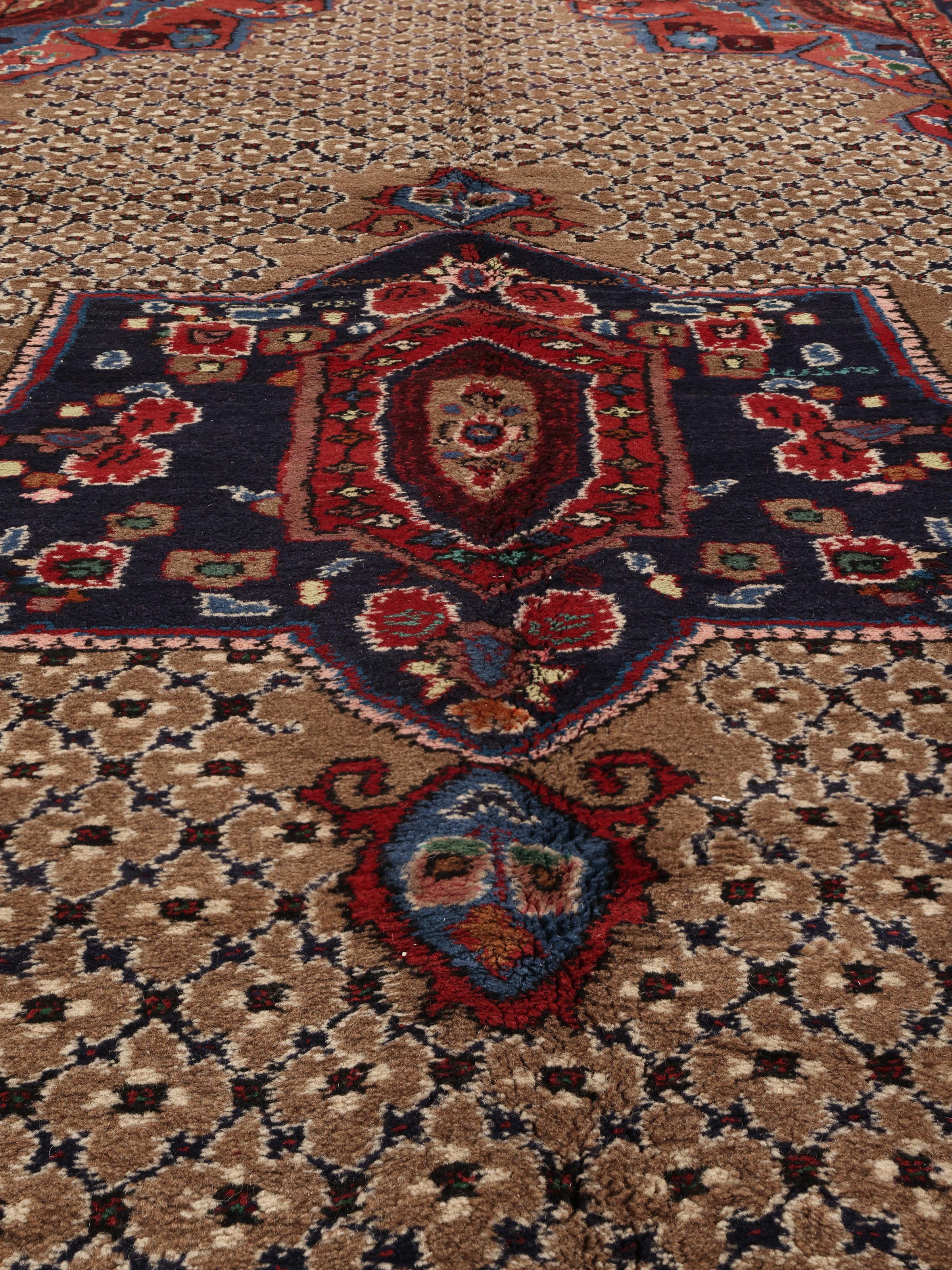
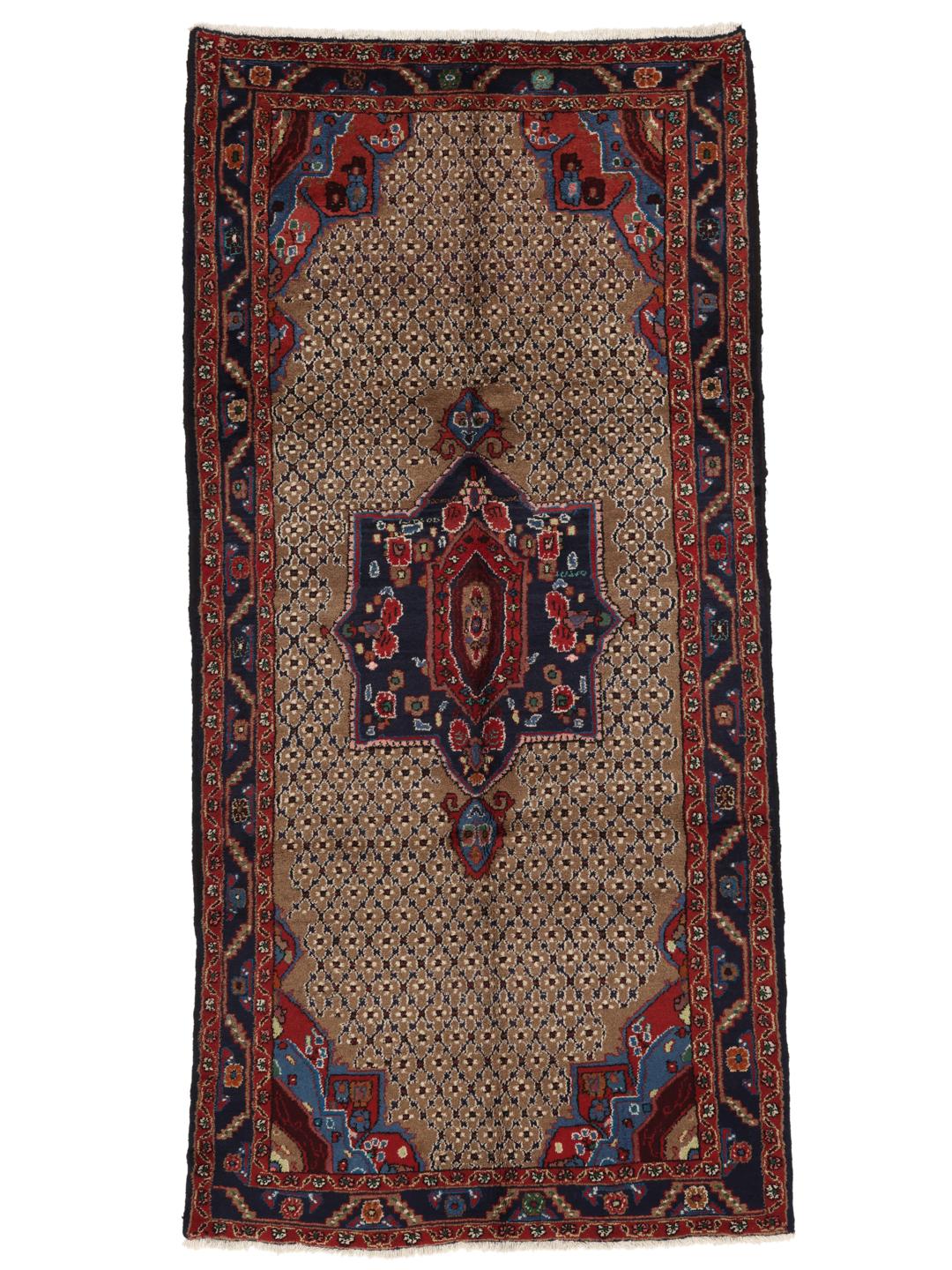
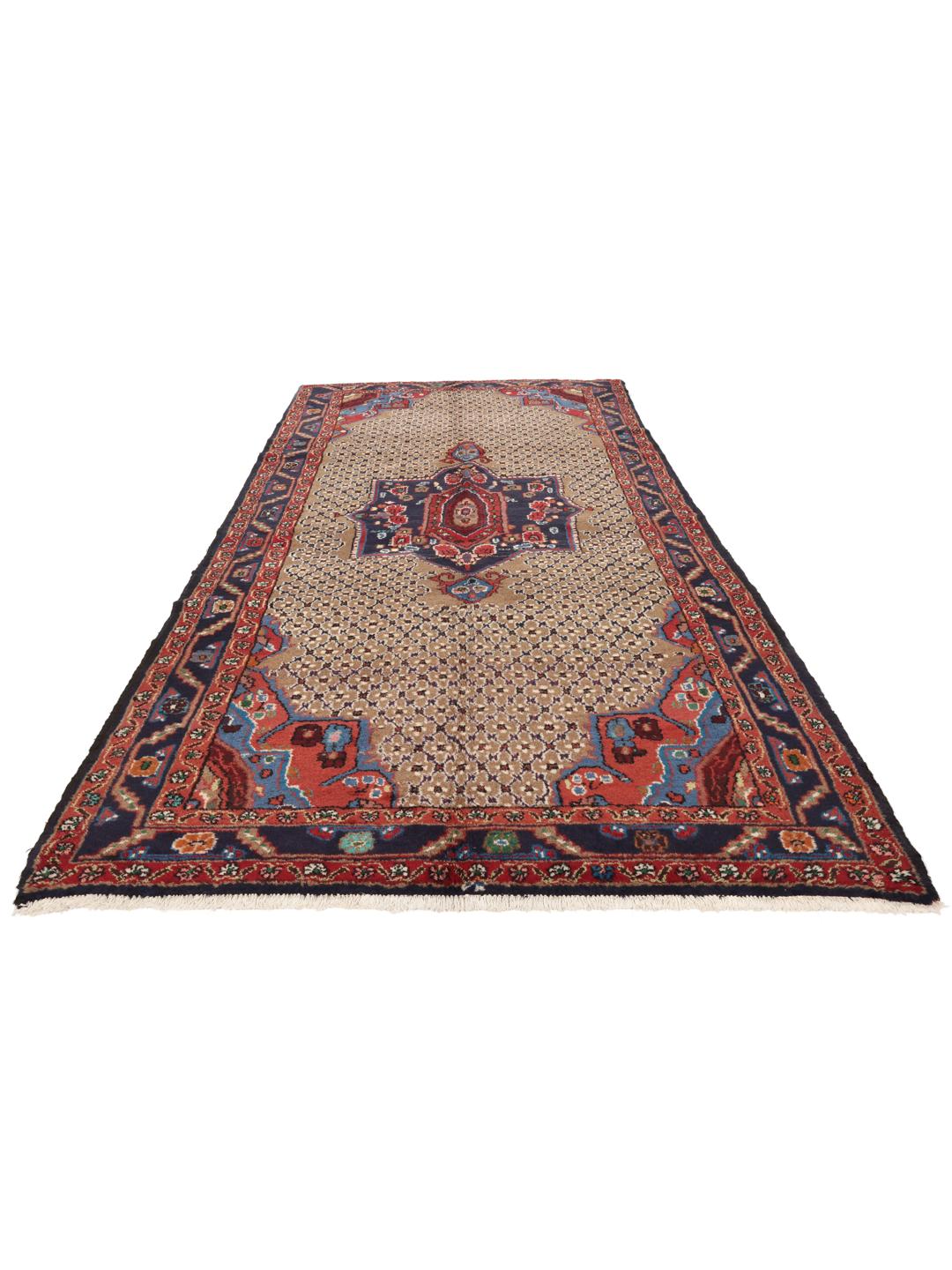
Koliai rugs originate from the Kurdish tribes inhabiting the mountainous regions of the Middle East. These nomadic and semi-nomadic communities have long been celebrated for their weaving traditions, which are deeply intertwined with the rugged, beautiful landscapes they call home. The rugs are known for their strength and bold aesthetic, reflecting the resilience and creativity of the people who produce them.
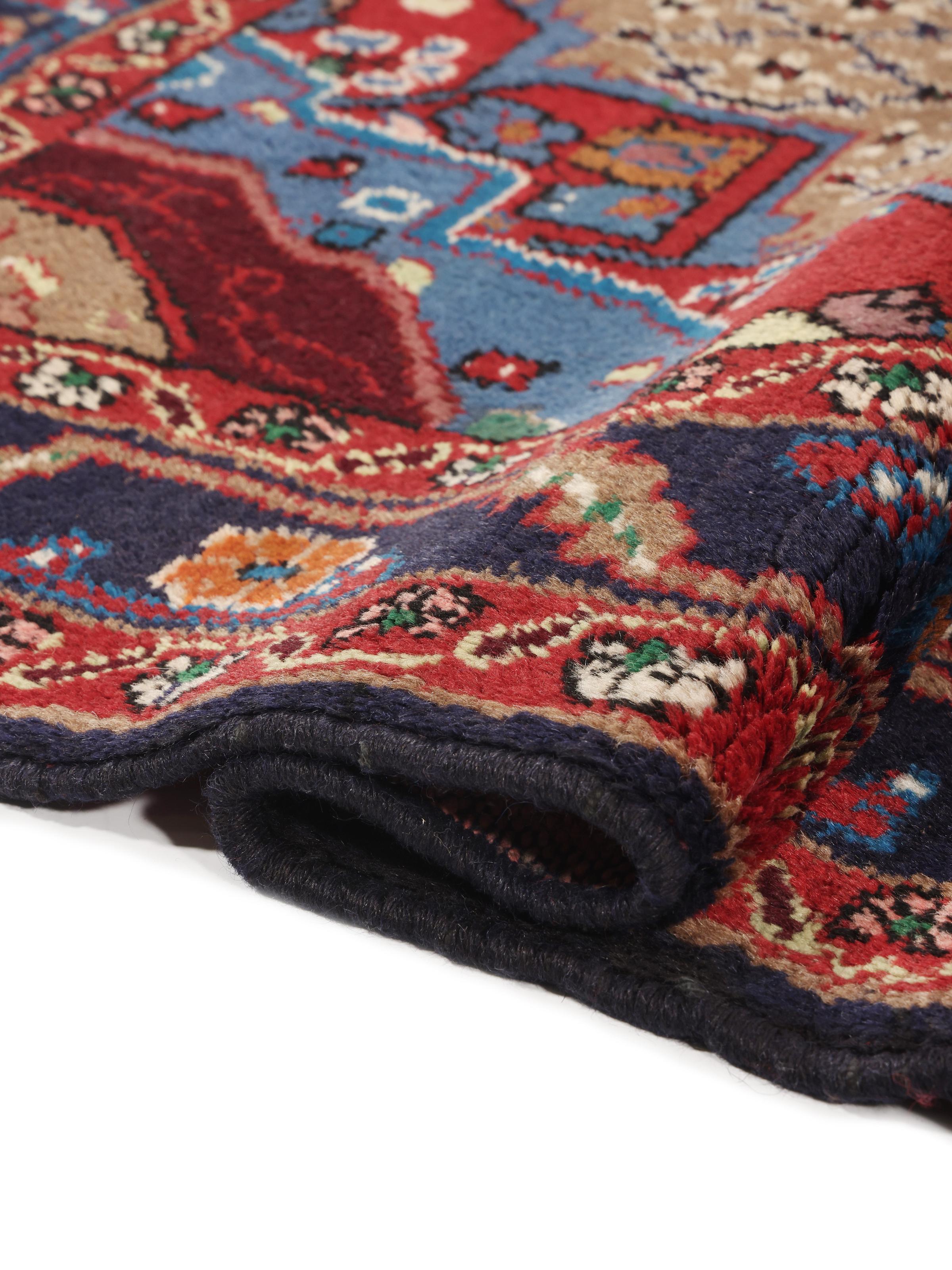
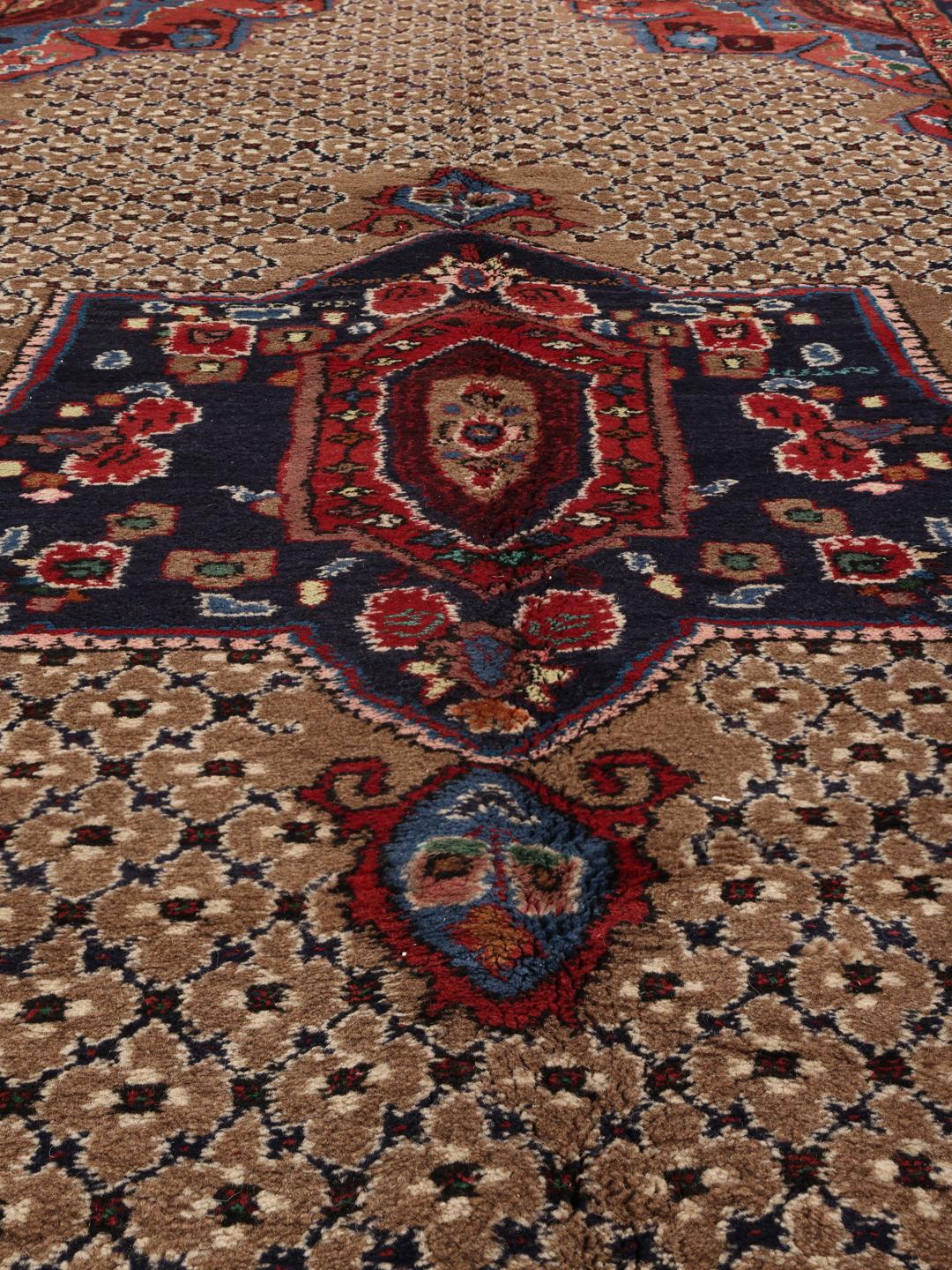
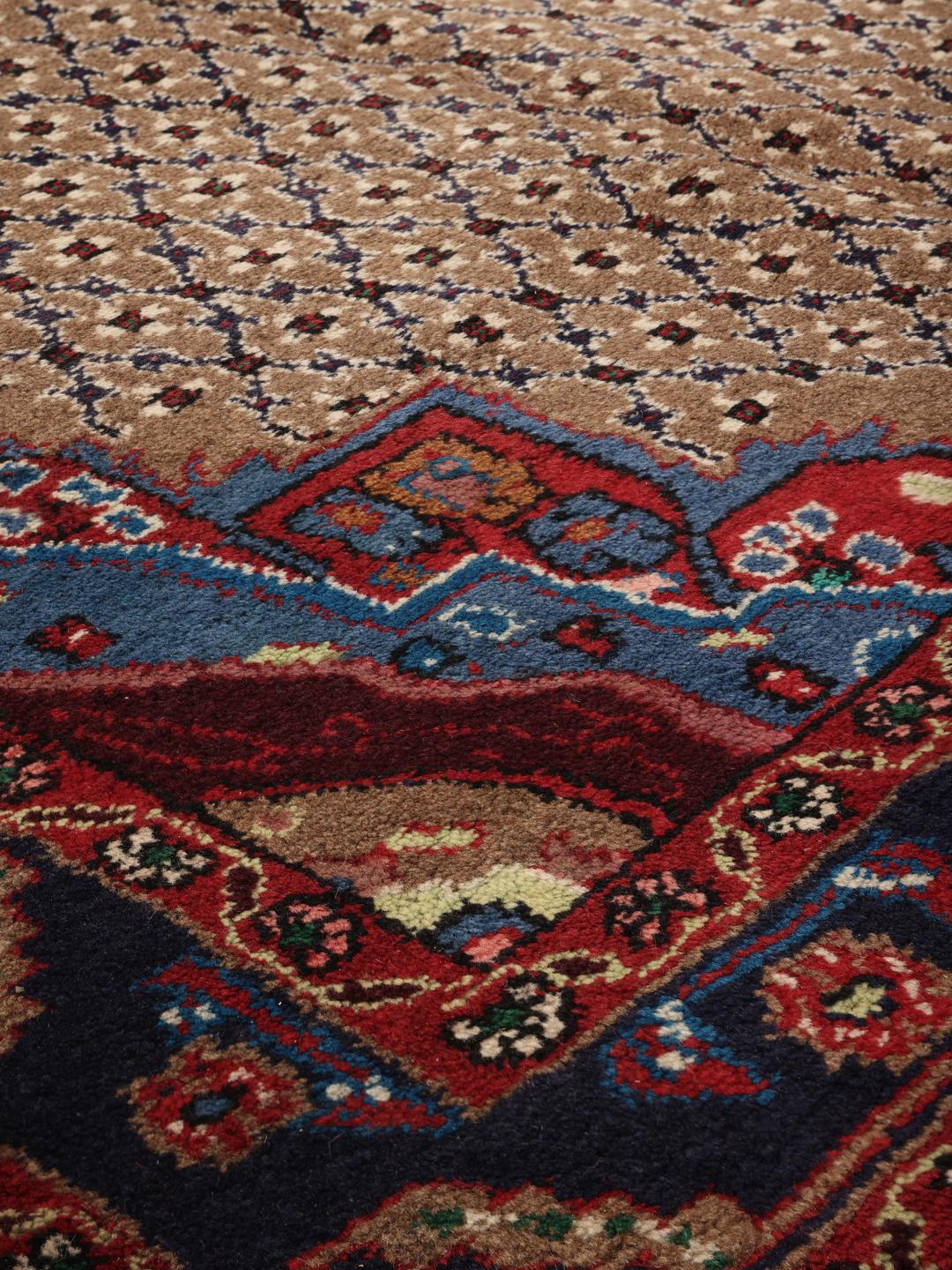
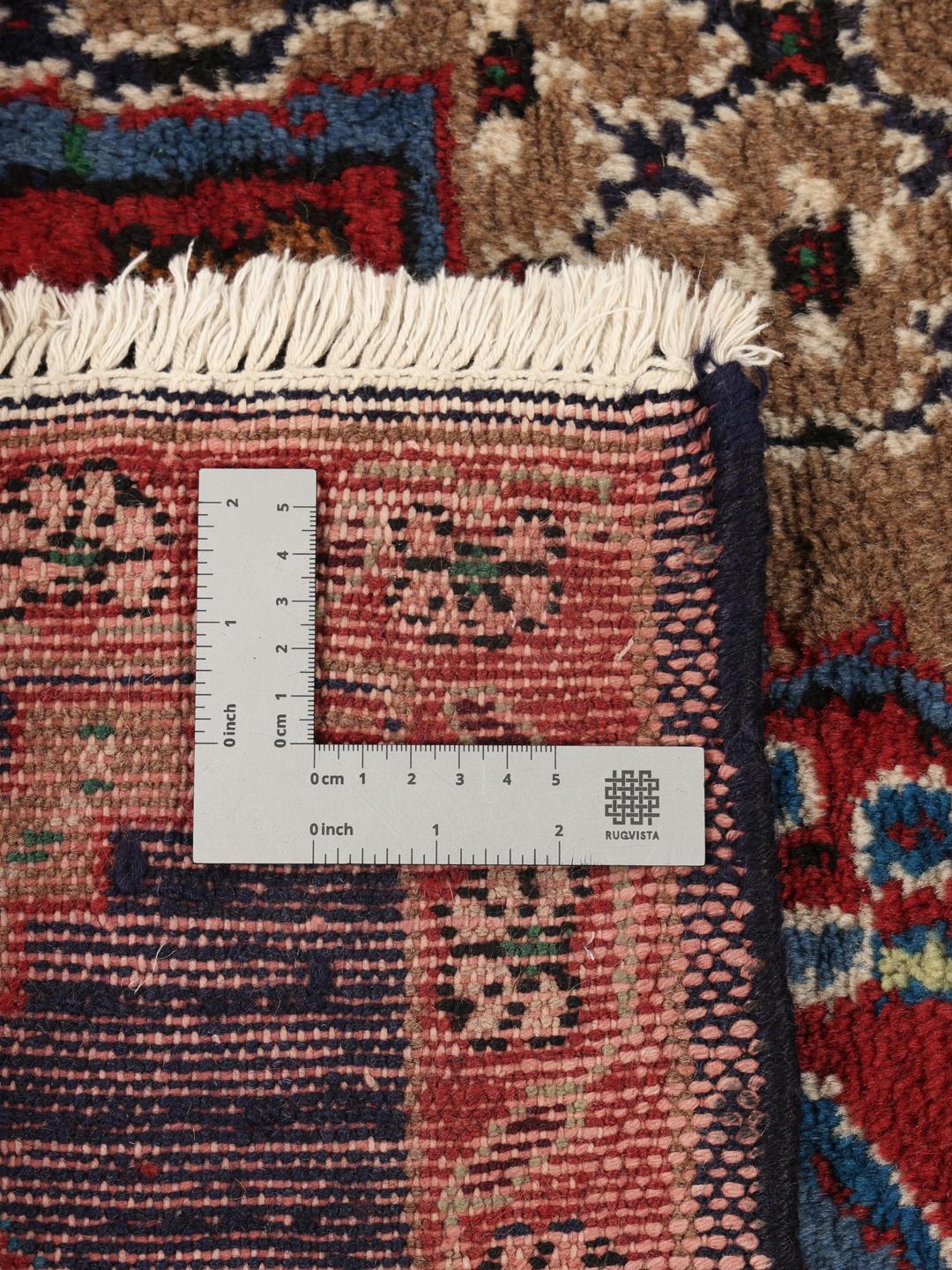
The term Koliai refers to the specific tribal group responsible for these distinctive designs. Their weaving techniques are characterised by the use of high-quality wool, often sourced from their own flocks, which is then spun into durable yarn. This wool is celebrated for its natural lustre and ability to take deep, saturated dyes, which helps to explain why these pieces have remained sought after by collectors for generations.
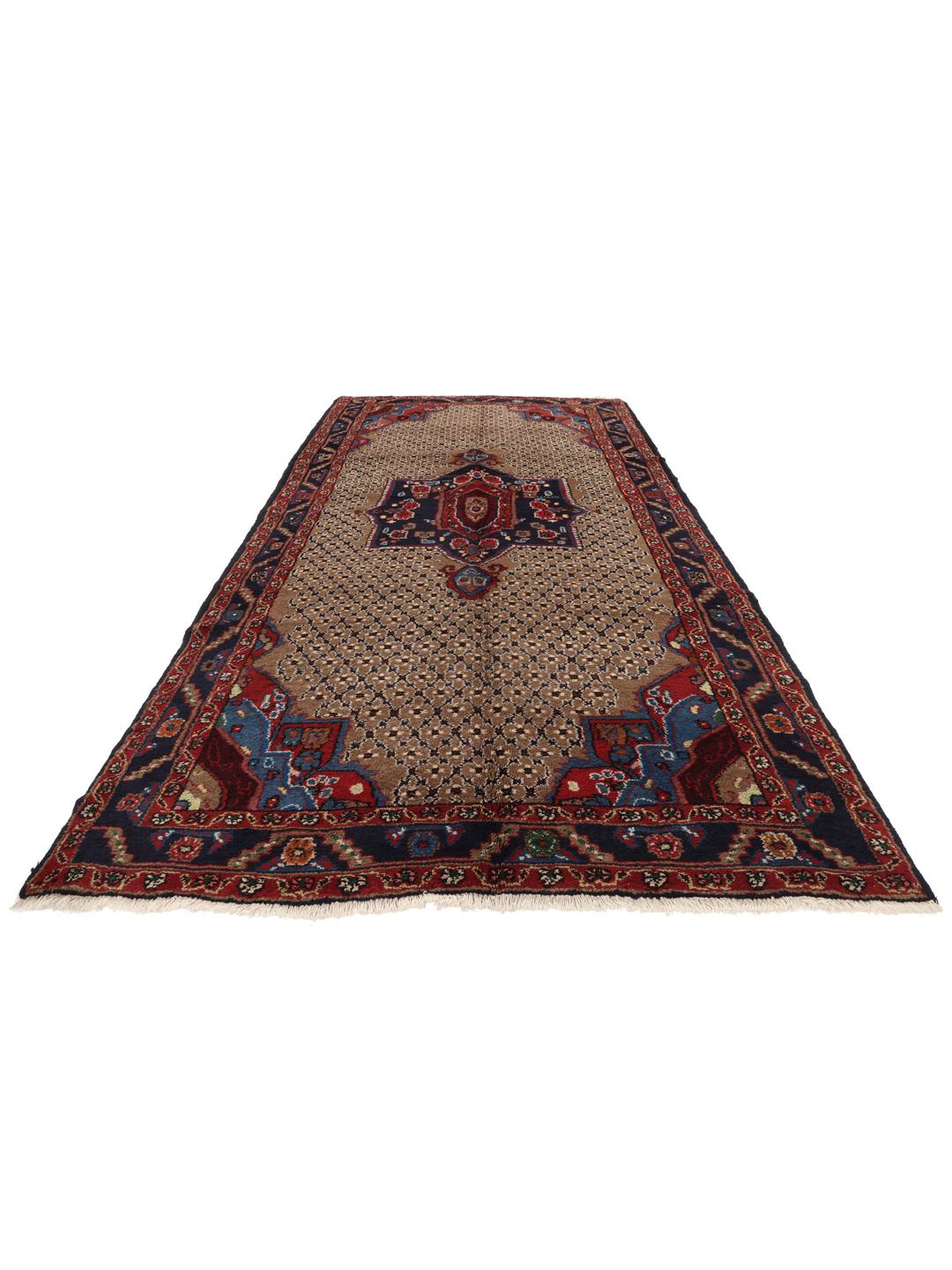
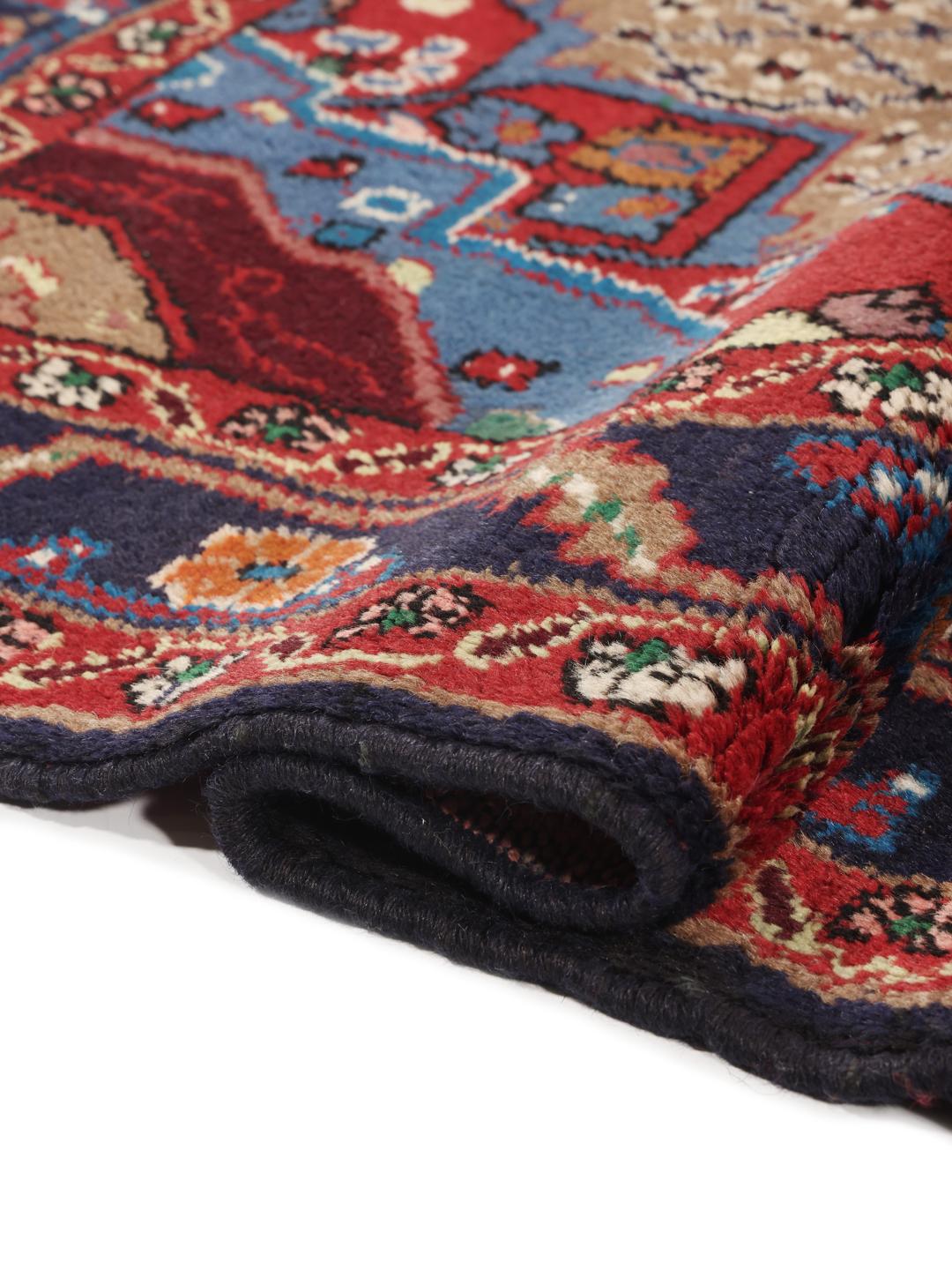
Visually, these rugs are defined by their expressive, often geometric, medallion designs and elaborate borders. While they share a common lineage with other Middle Eastern tribal rugs, the Koliai style is particularly noted for its use of vibrant colours and bold, assertive patterns. The field is often filled with stylised floral motifs or smaller geometric elements, creating a balanced yet energetic composition that feels both ancient and remarkably modern in today's homes.
Owning a Koliai rug is an opportunity to connect with a storied tradition of craftsmanship. These rugs are not just floor coverings but are cultural artefacts that document the artistic heritage of the Kurdish region. Because each rug is made by hand without the use of a pre-set pattern, every piece is a unique expression of the weaver's personal vision and technical skill, making them highly valued for their authenticity and lasting quality.