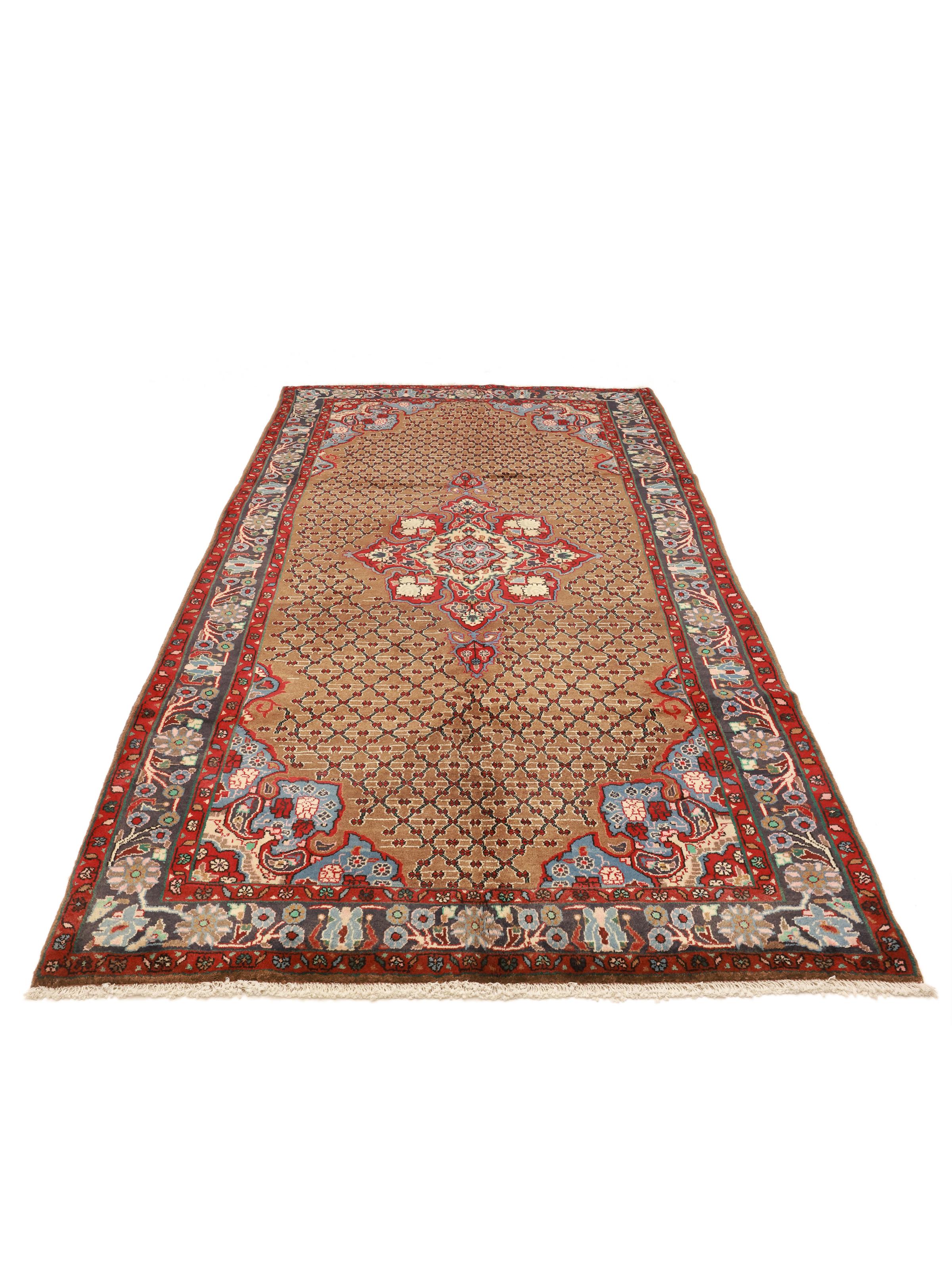
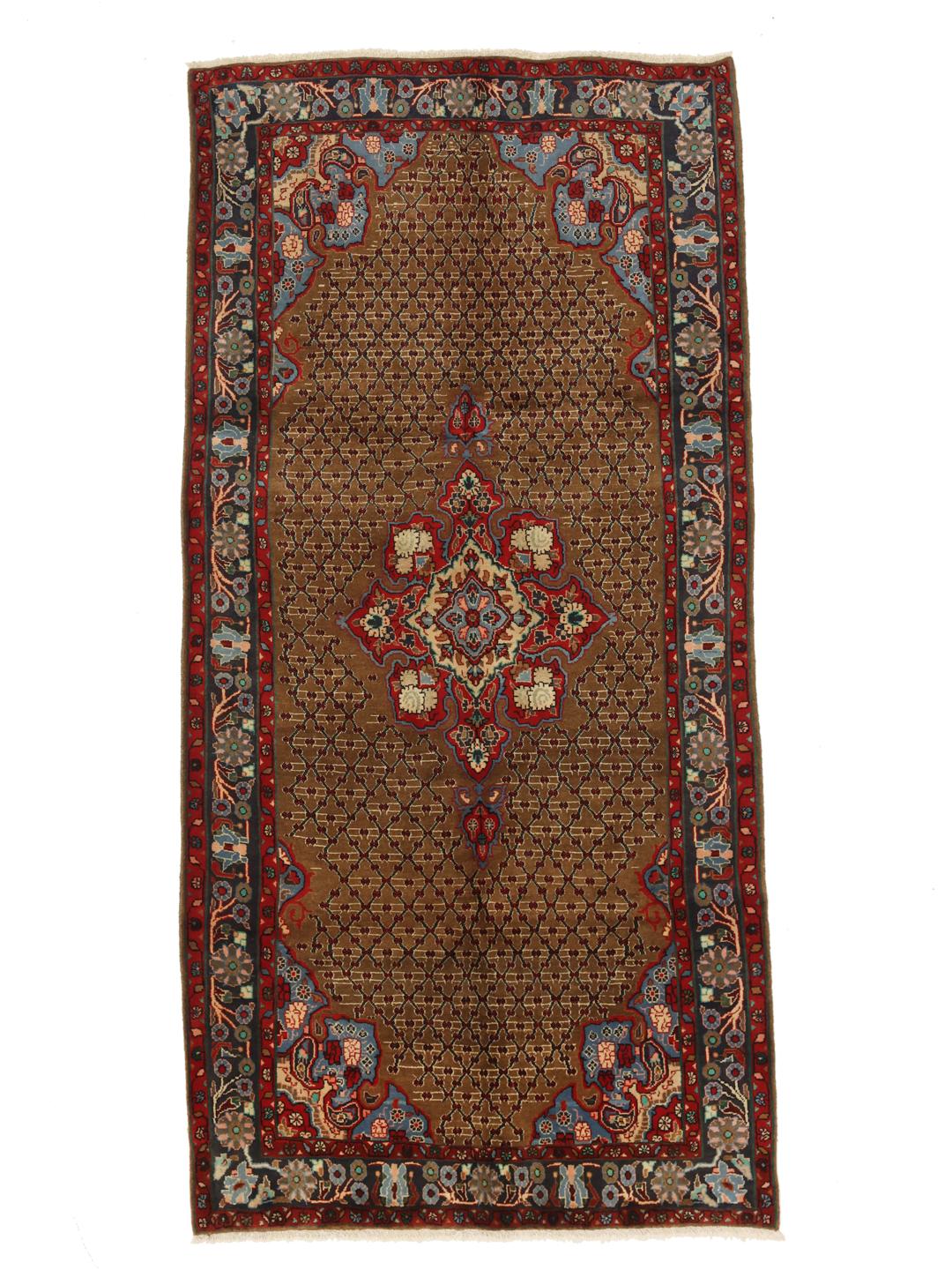
Koliai rugs originate from the mountainous regions of the Middle East, traditionally woven by the Kurdish tribes. These communities have a rich, nomadic history, and their rug-making traditions are deeply intertwined with their cultural identity and natural surroundings. The rugs are known for their sturdy construction and bold, expressive designs that reflect the rugged beauty of the landscapes from which they emerge.
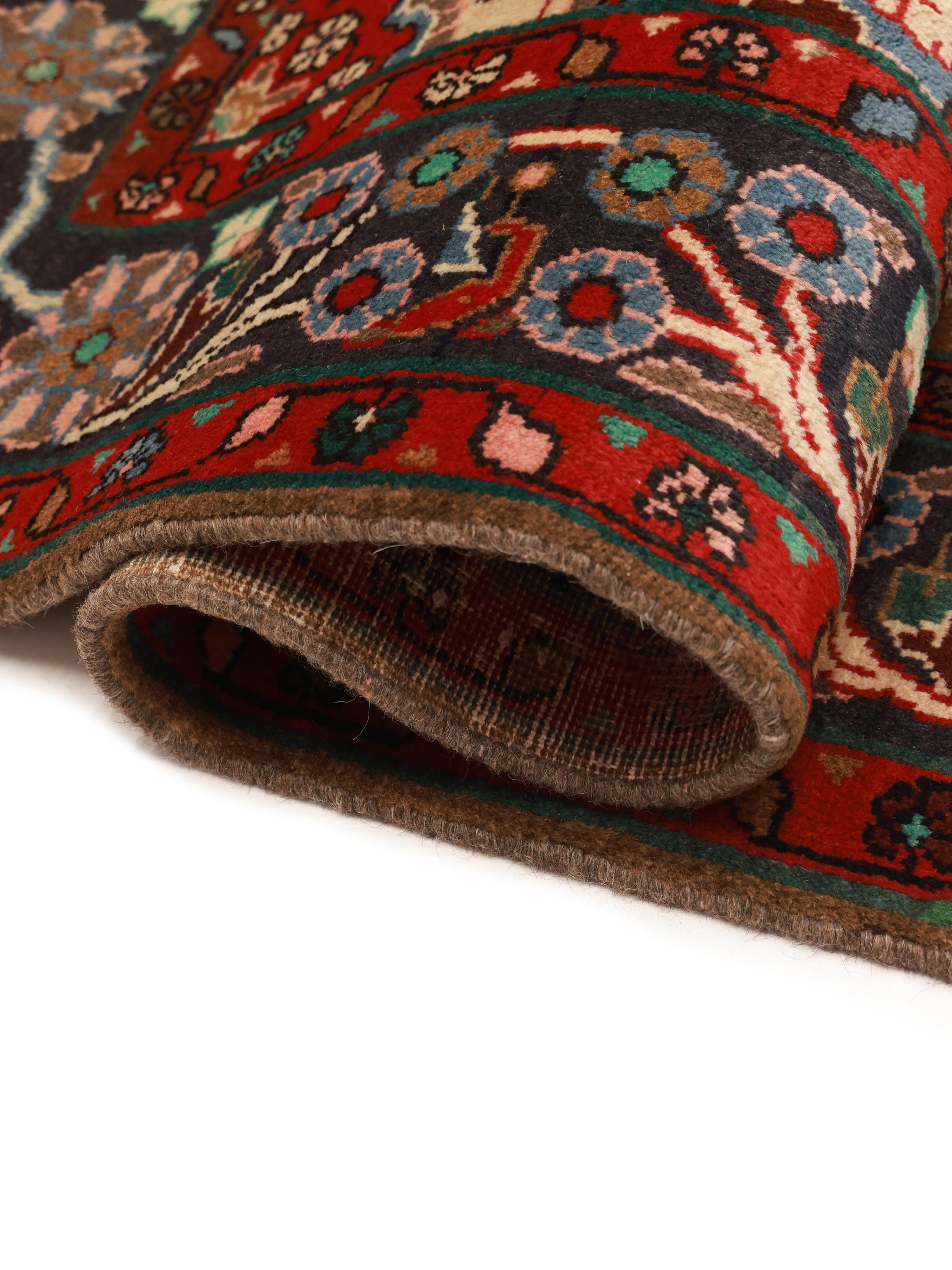
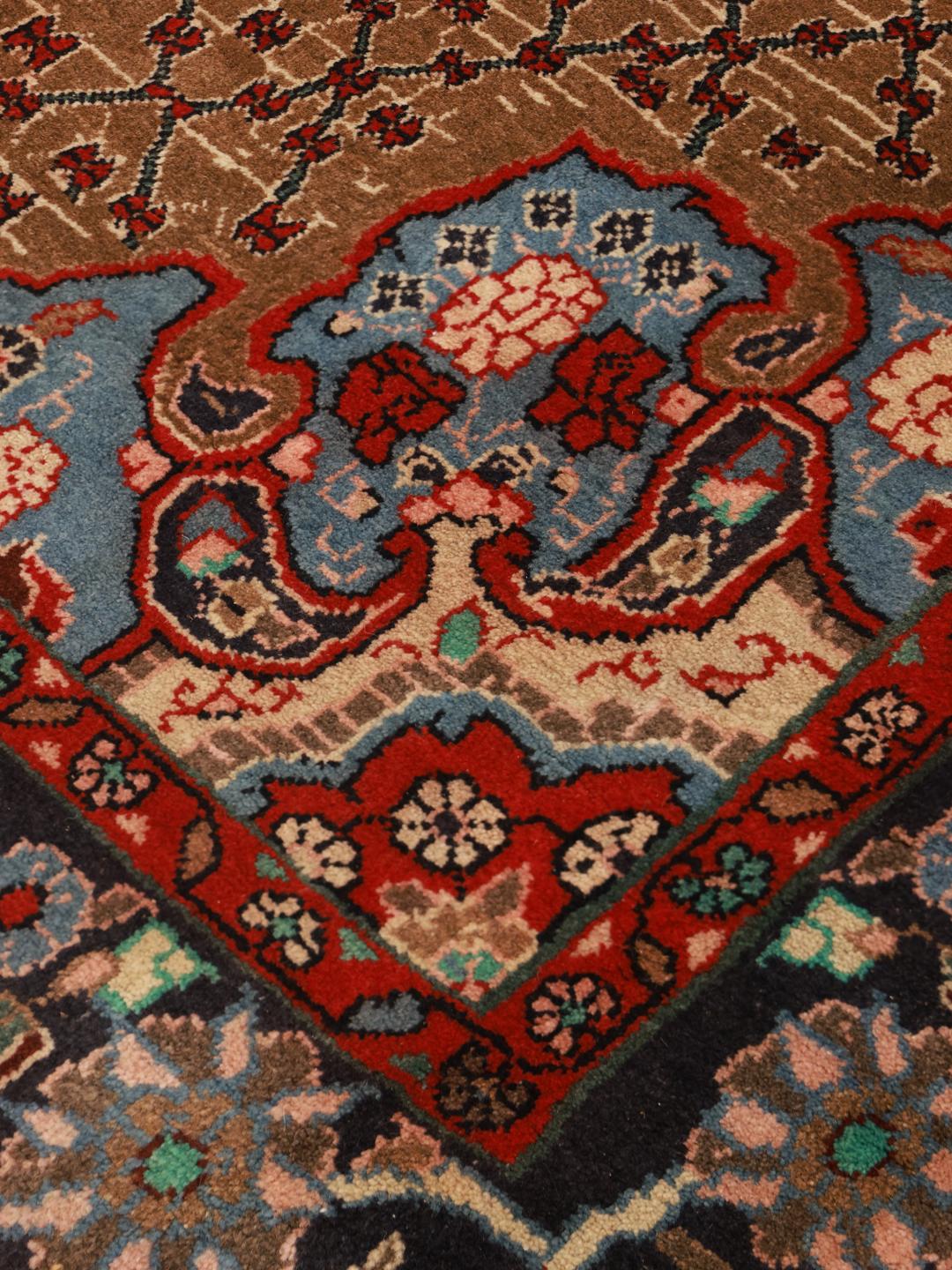
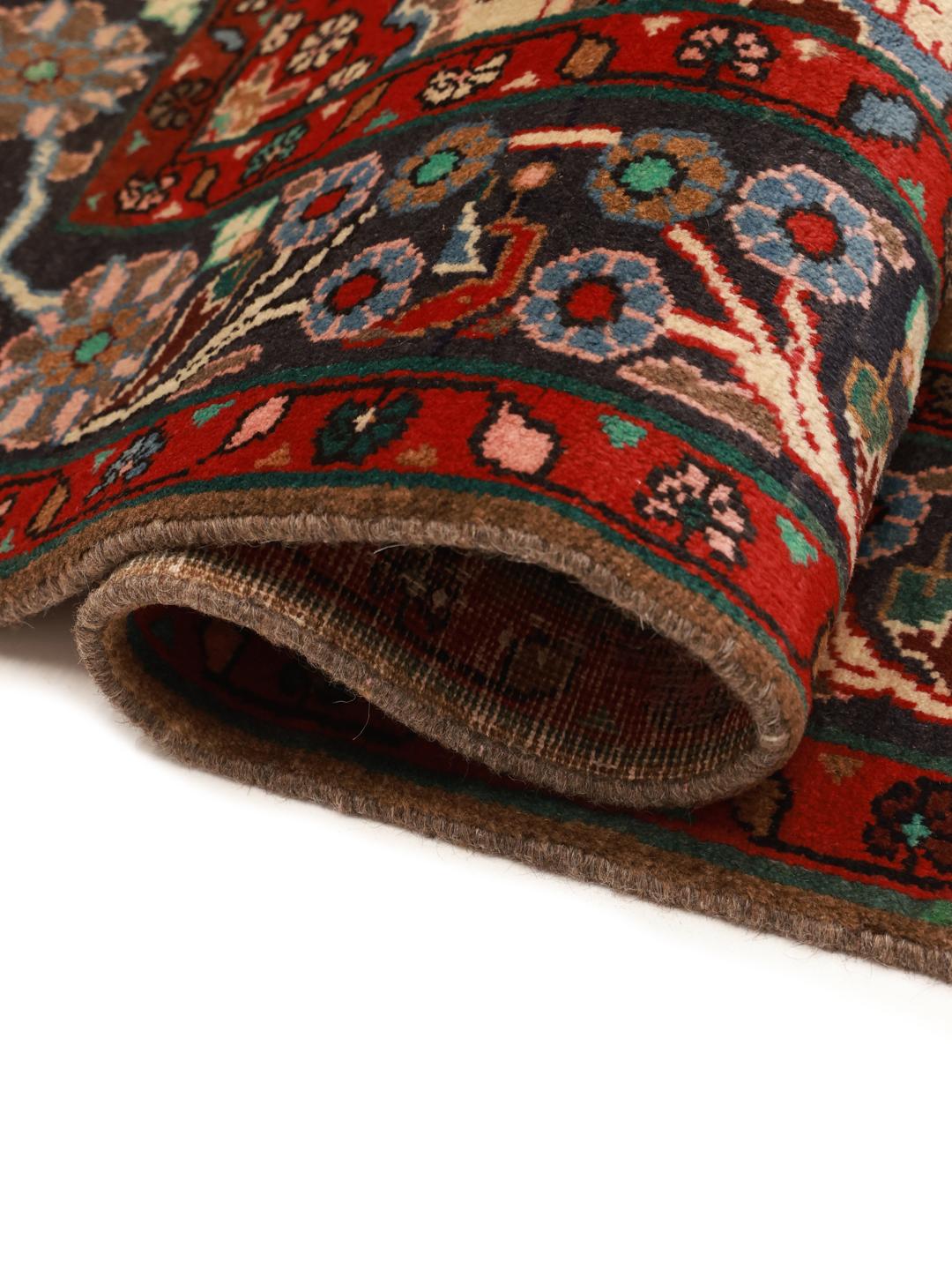
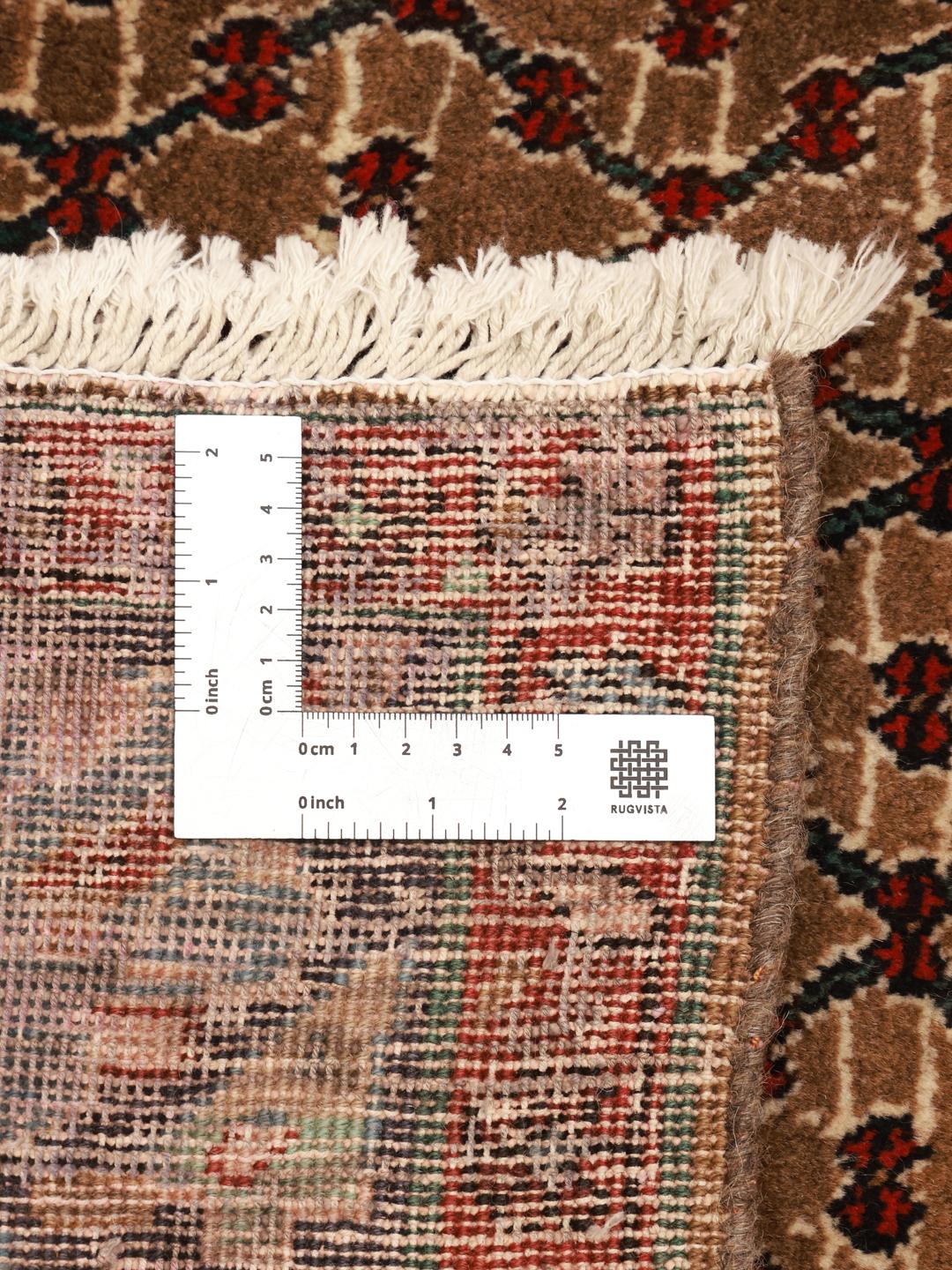
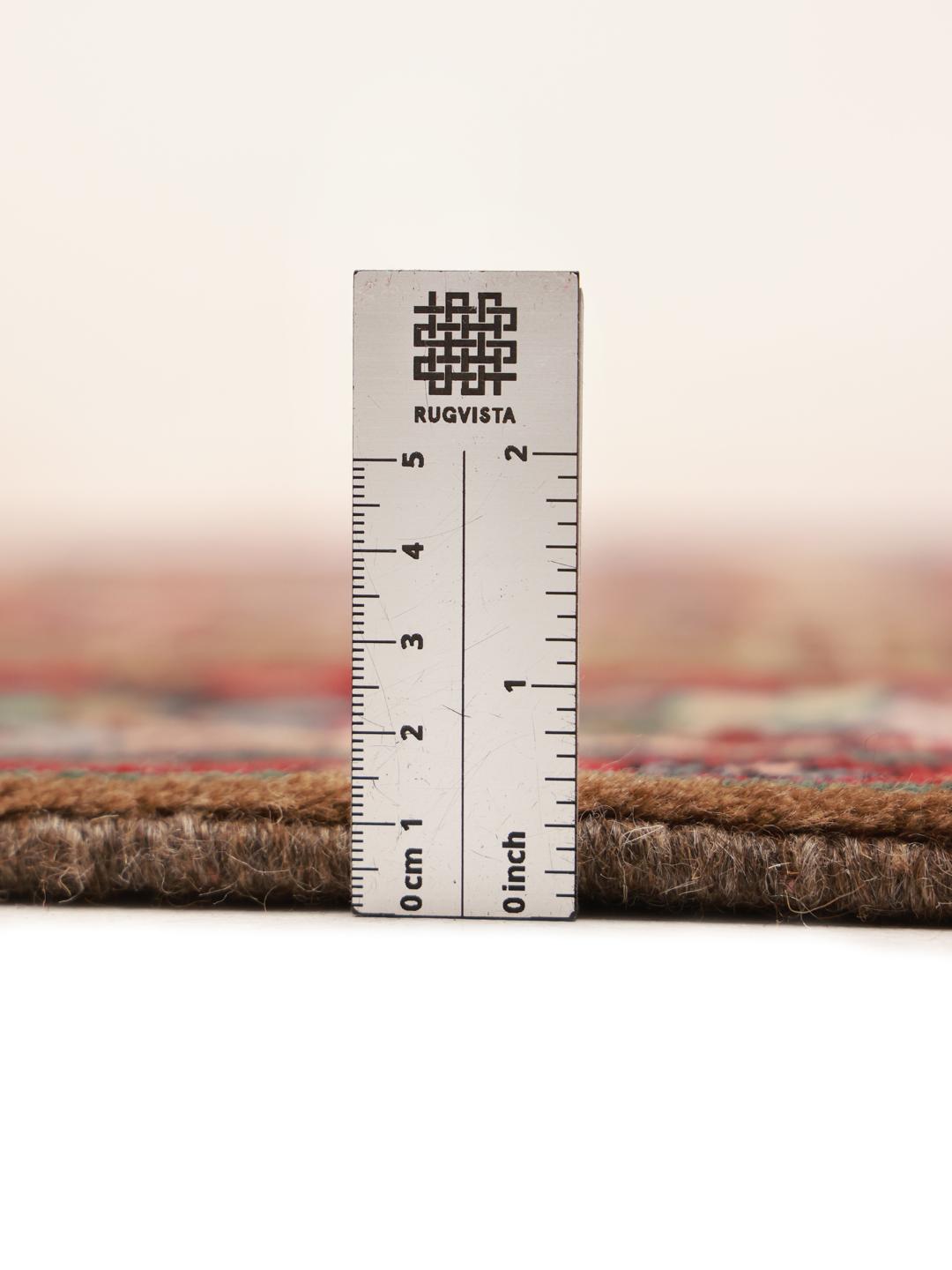
The term Koliai refers to the specific tribal weaving style that prioritises durability and traditional aesthetics. These rugs are often characterised by their robust foundation, which ensures the longevity of the piece. The use of high-quality wool, combined with a dense knotting technique, creates a pile that is not only soft but also capable of holding intricate patterns and vibrant colours over time.
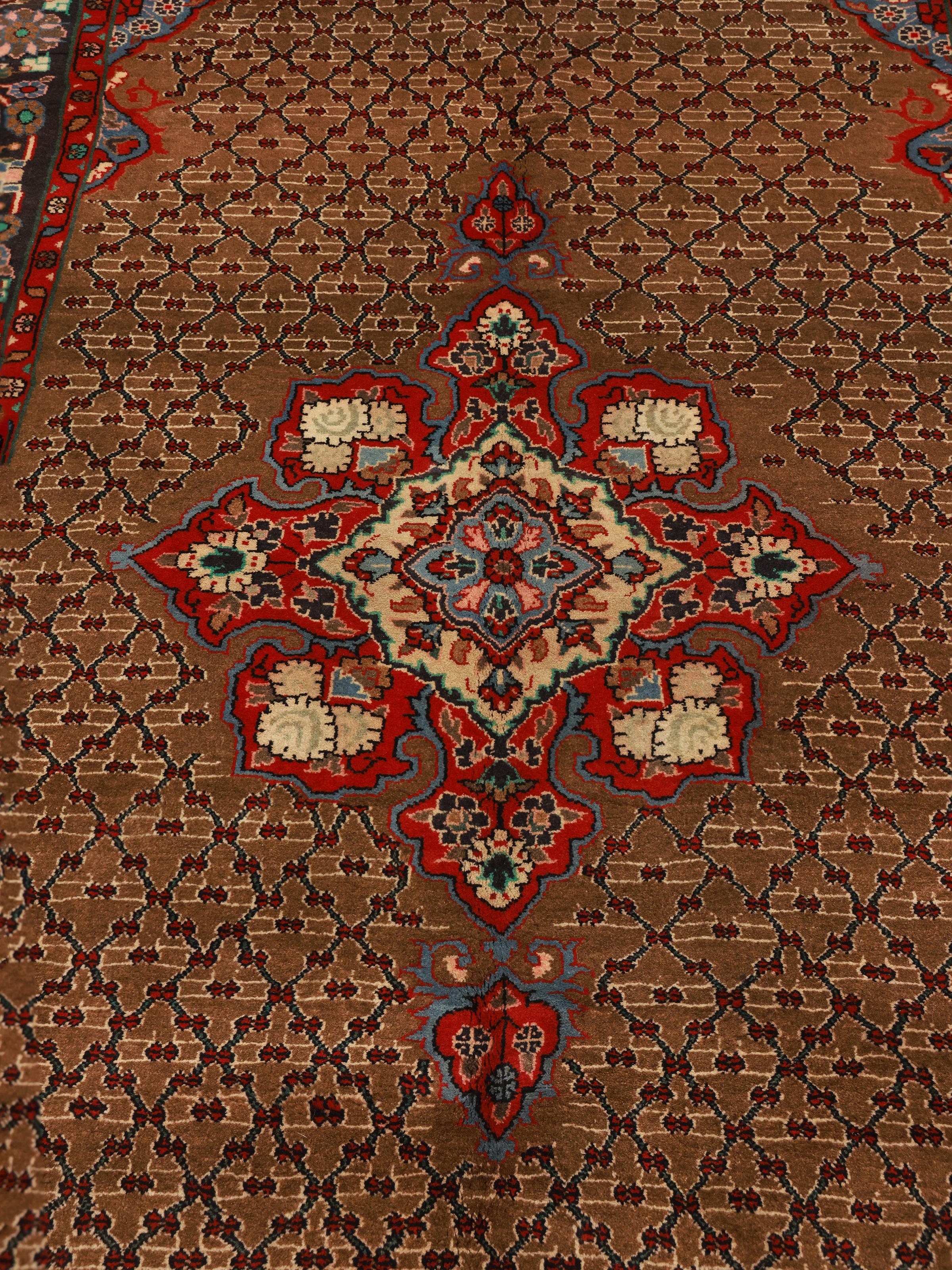
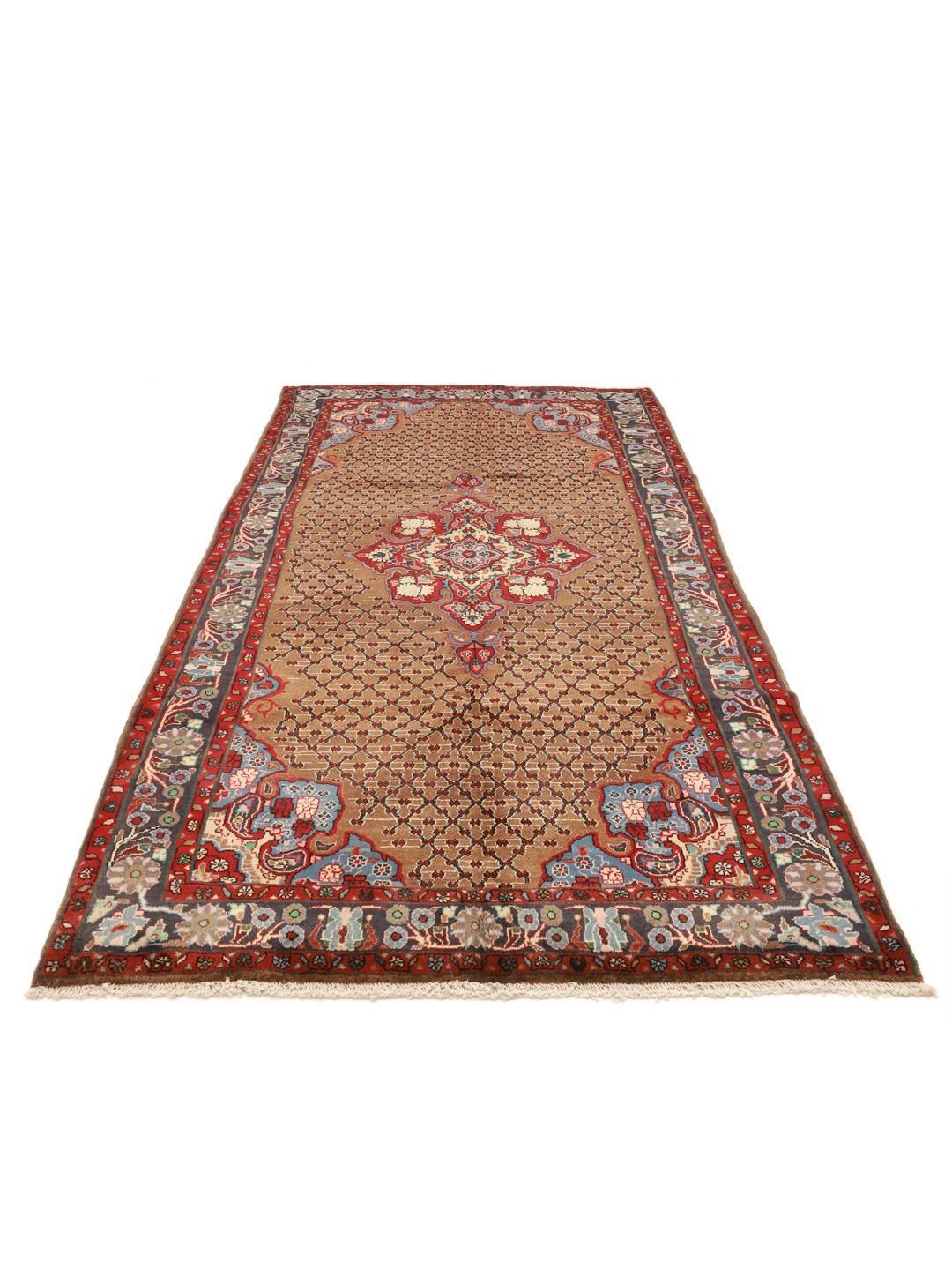
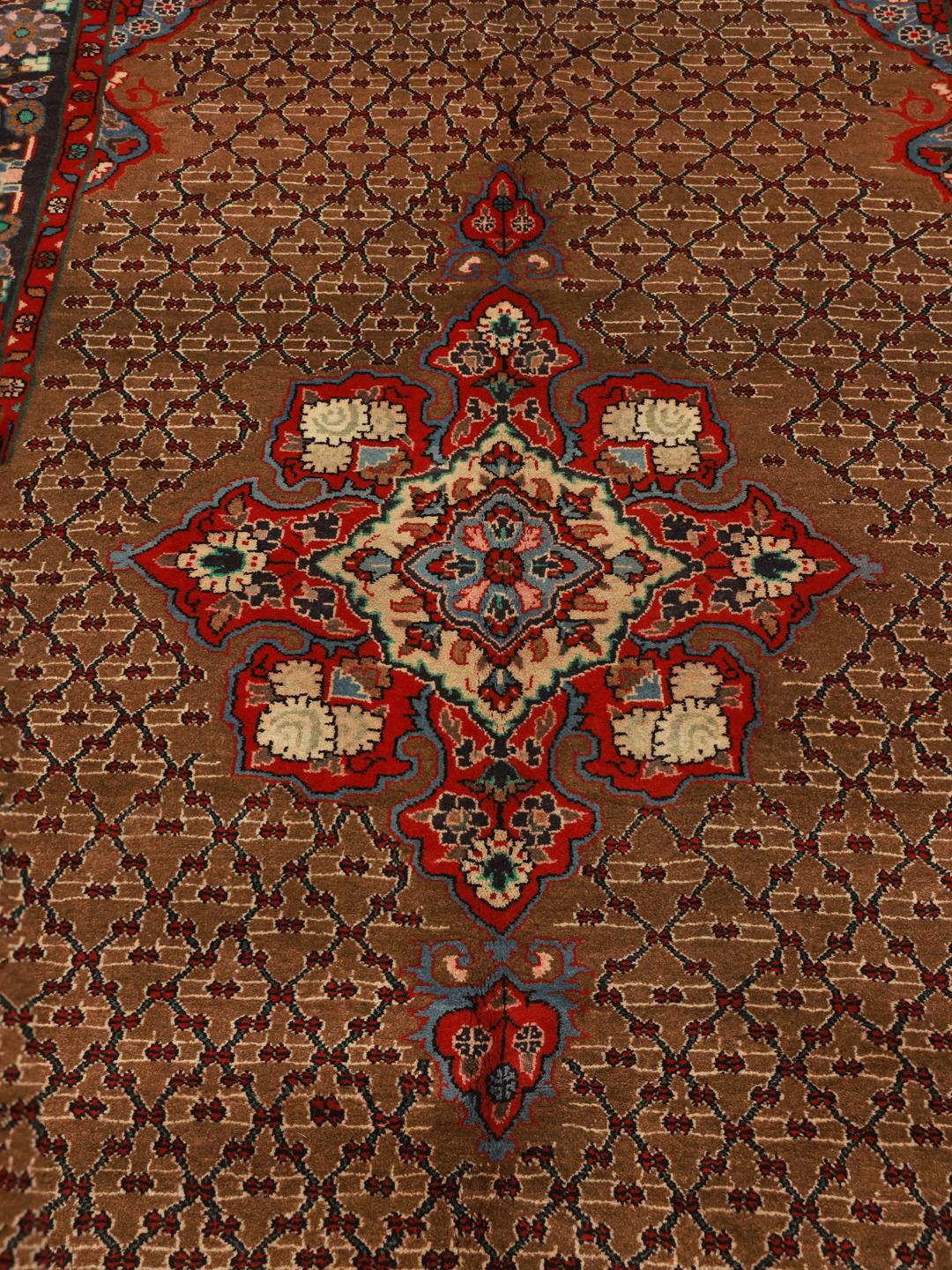
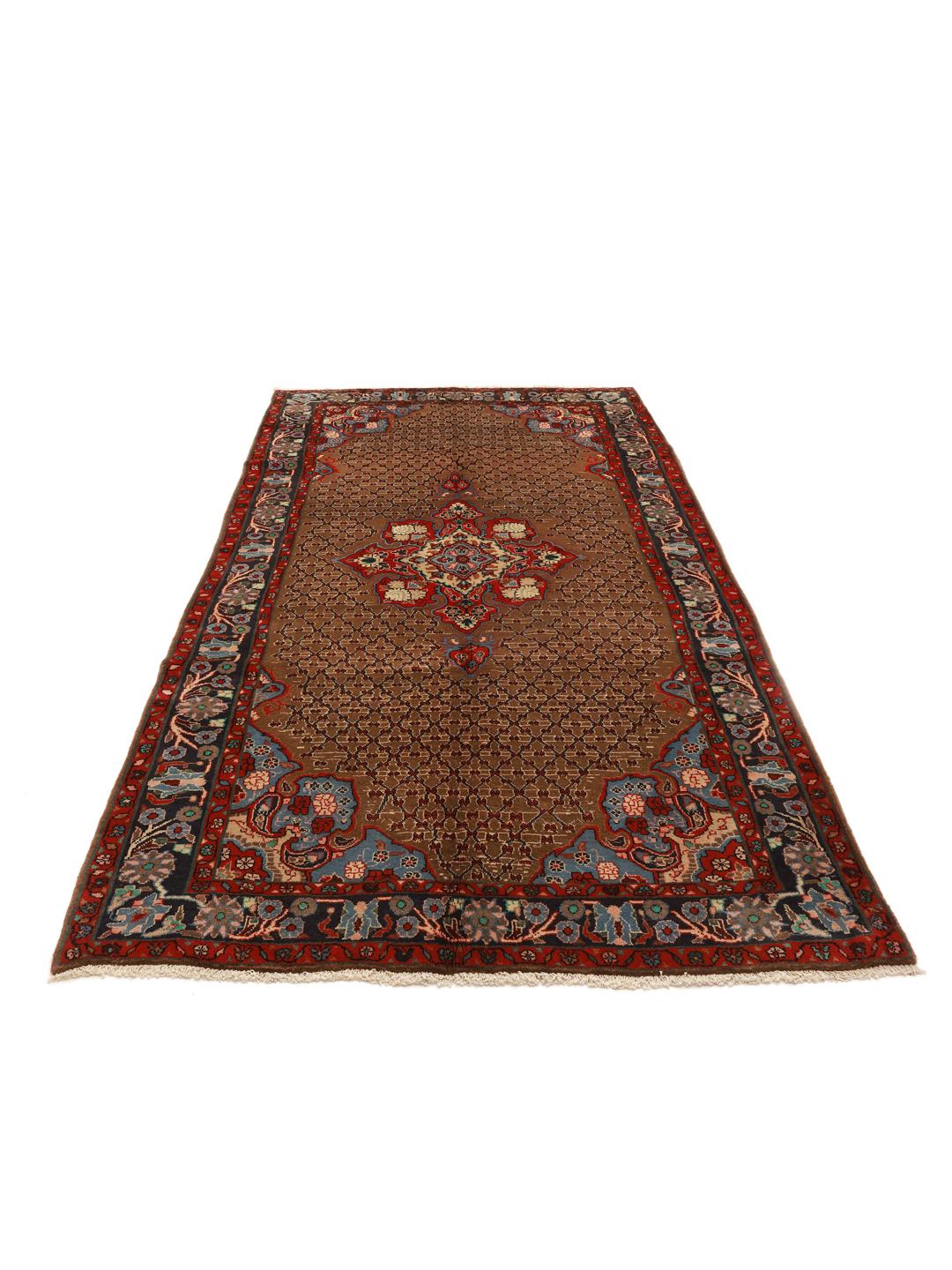
Visually, Koliai rugs are celebrated for their geometric artistry. They often feature a large, prominent central medallion that commands attention, surrounded by a complex field of repeating motifs. The borders are frequently wide and highly decorative, adding a formal frame to the tribal patterns within. The colour palettes are typically derived from natural dyes, showcasing deep, earthy reds, browns, and blues that harmonise beautifully in a home setting.
For collectors and enthusiasts, a Koliai rug represents a tangible link to a storied heritage. These pieces are valued not only for their visual impact but also for the skill required to produce them. Owning one is an opportunity to preserve a piece of cultural history, as each rug carries the signature design language of the tribe and the individual touch of the weaver who created it.