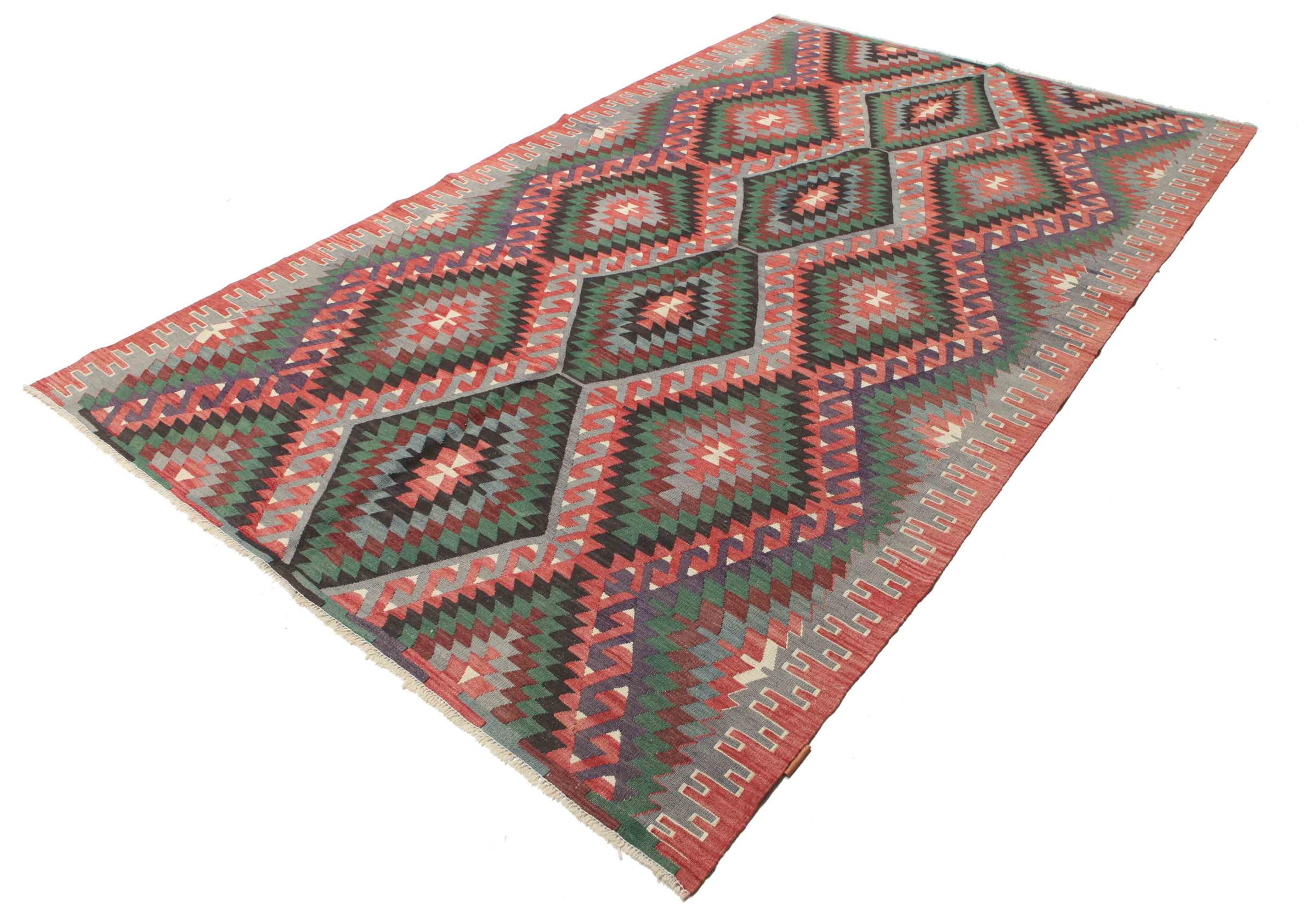
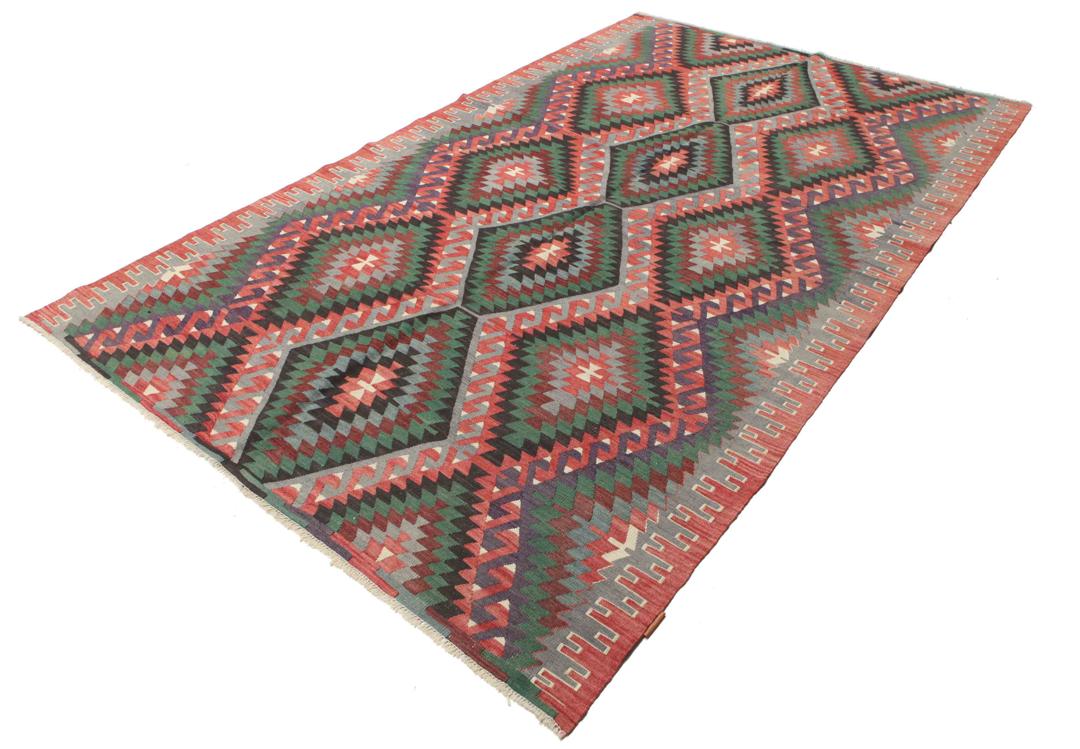
Kilim rugs are a cornerstone of Middle Eastern textile tradition, originating from the nomadic tribes who required durable, portable, and functional floor coverings. These rugs were woven on simple horizontal looms, allowing weavers to move with their herds while maintaining their craft, which has been passed down through generations.
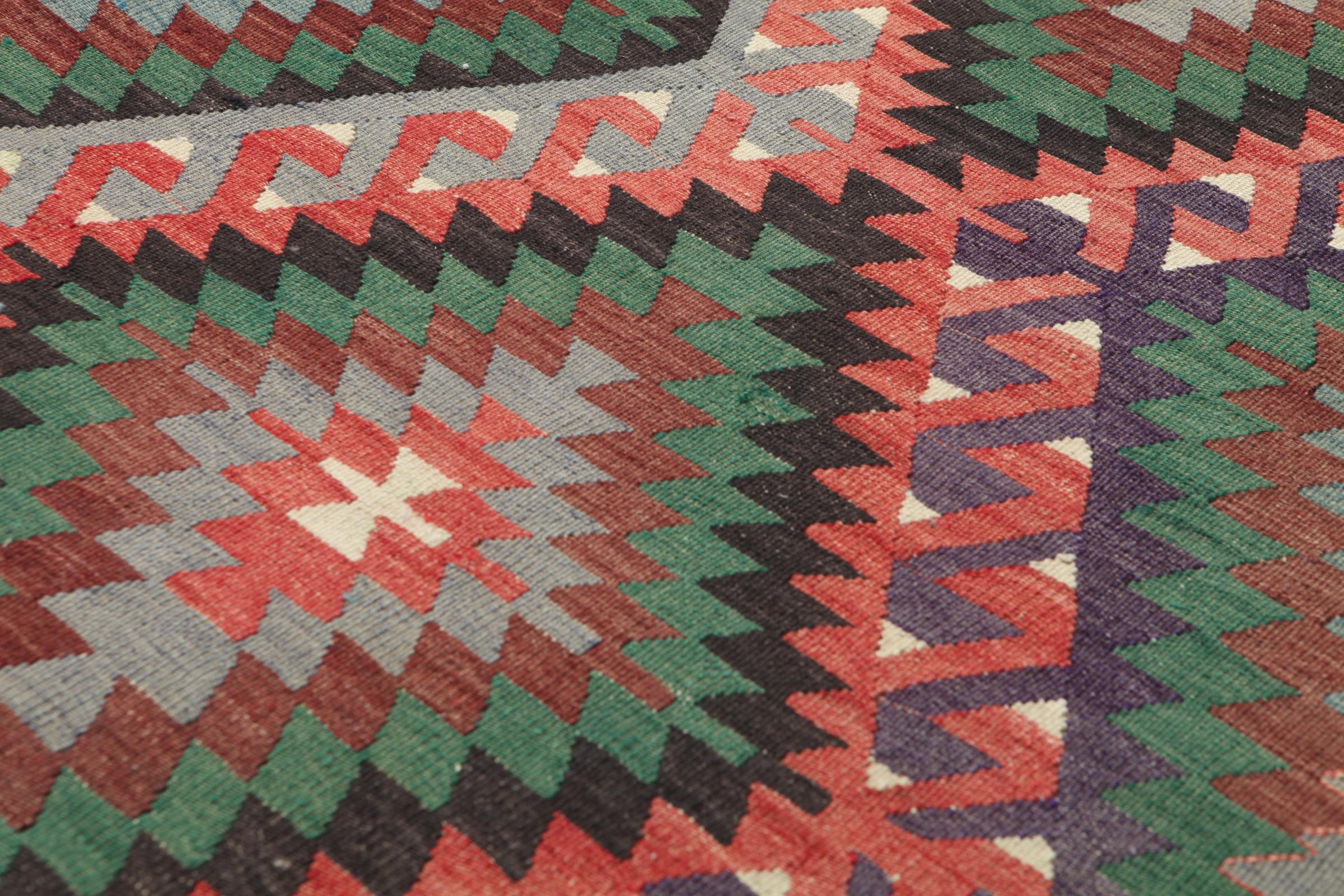
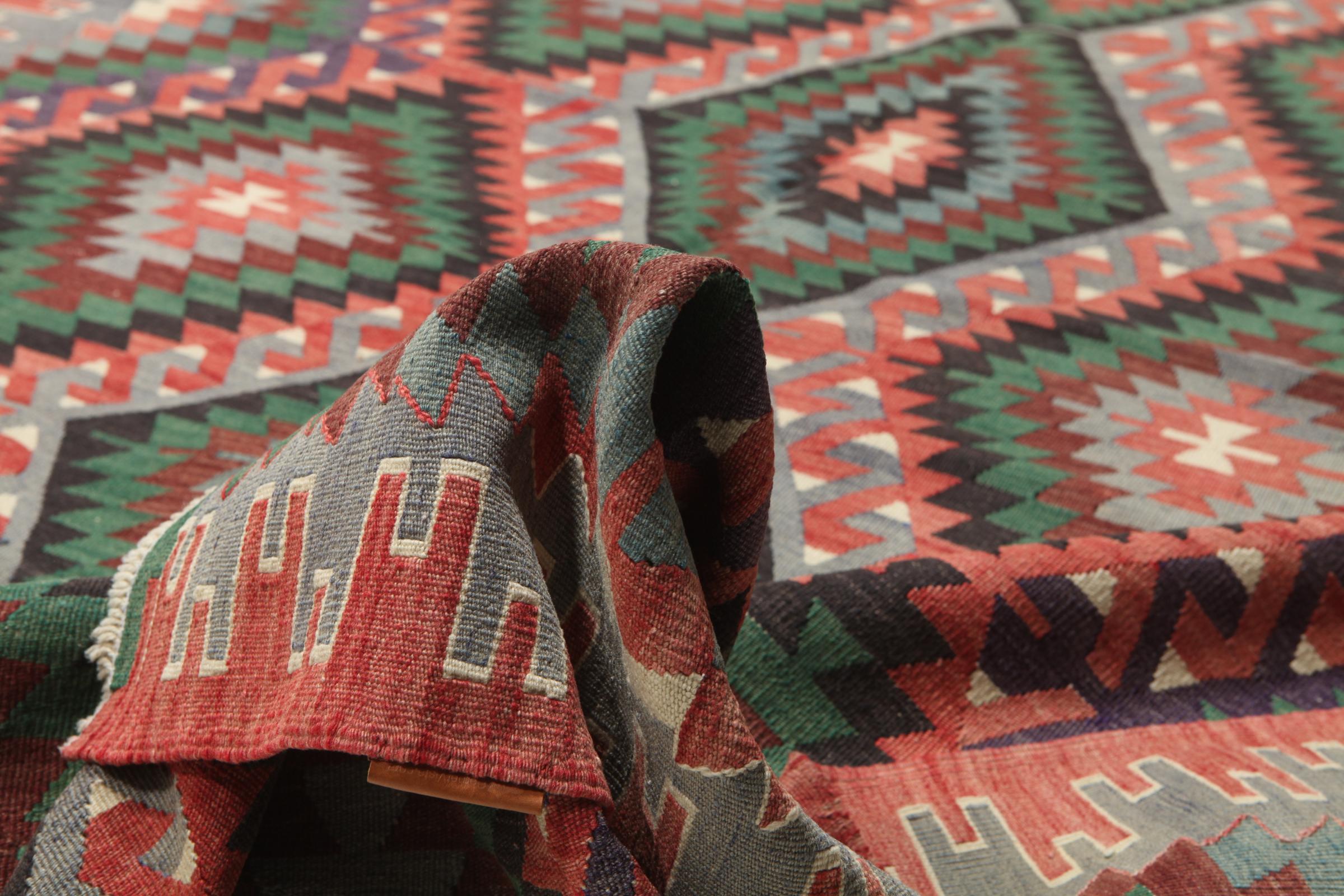
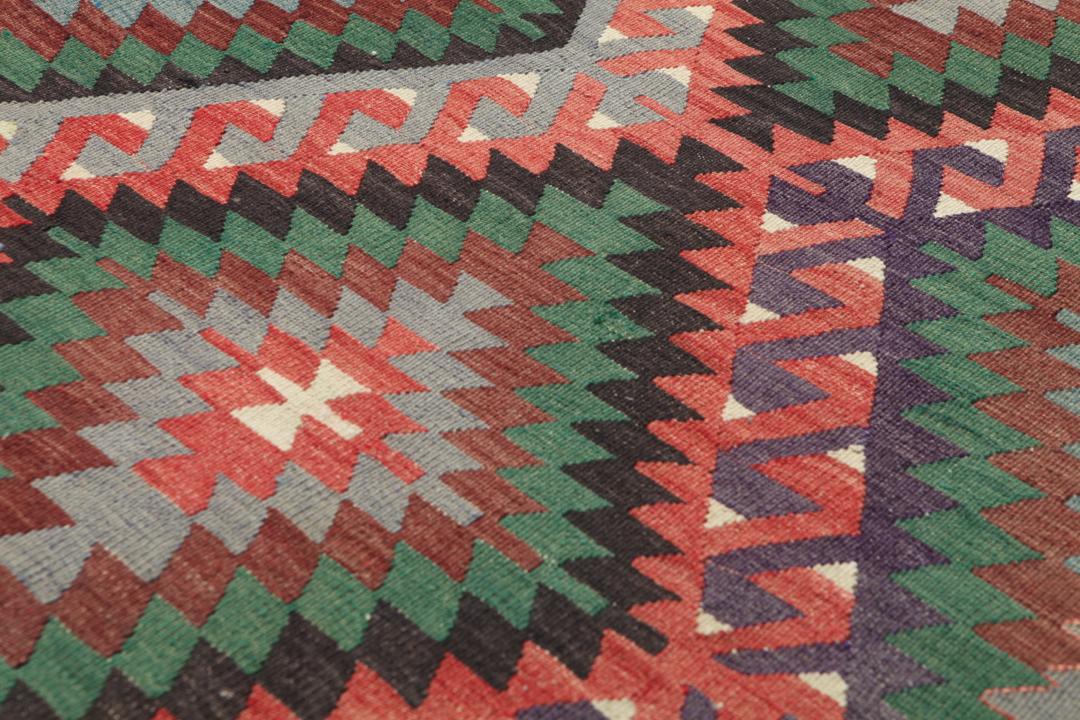
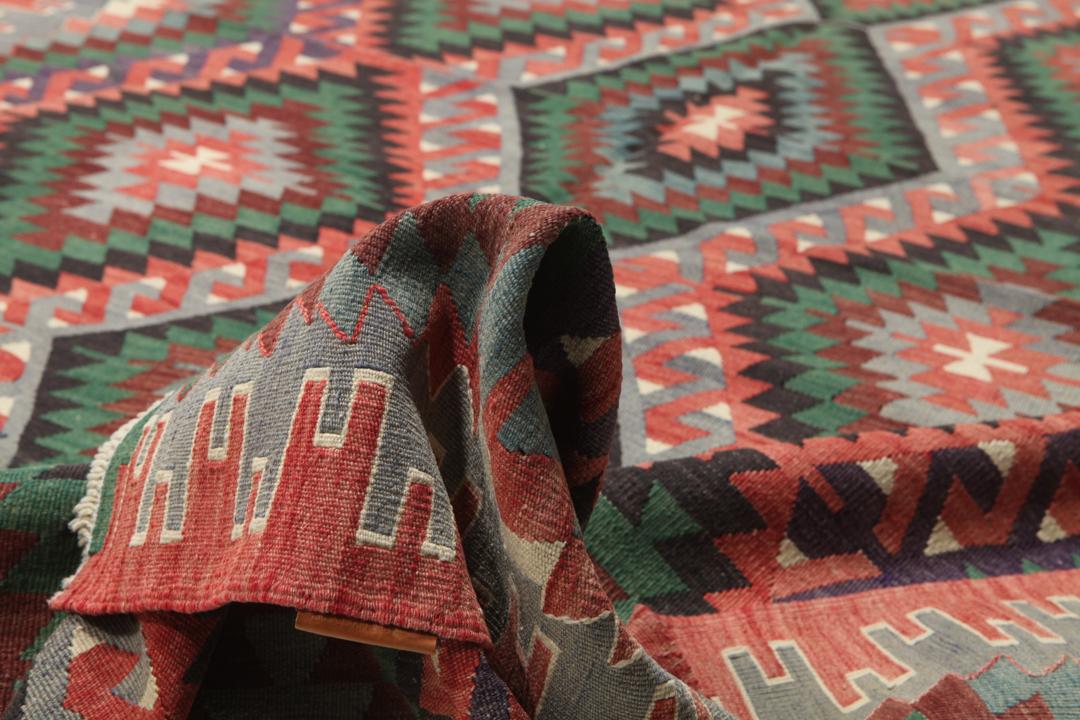
The term 'kilim' refers specifically to the flat-weaving technique used, where the warp and weft threads are woven tightly together to create a smooth, pile-less surface. This method results in a fabric that is significantly lighter than knotted rugs, making them exceptionally versatile for wall hangings, floor coverings, or decorative accents.
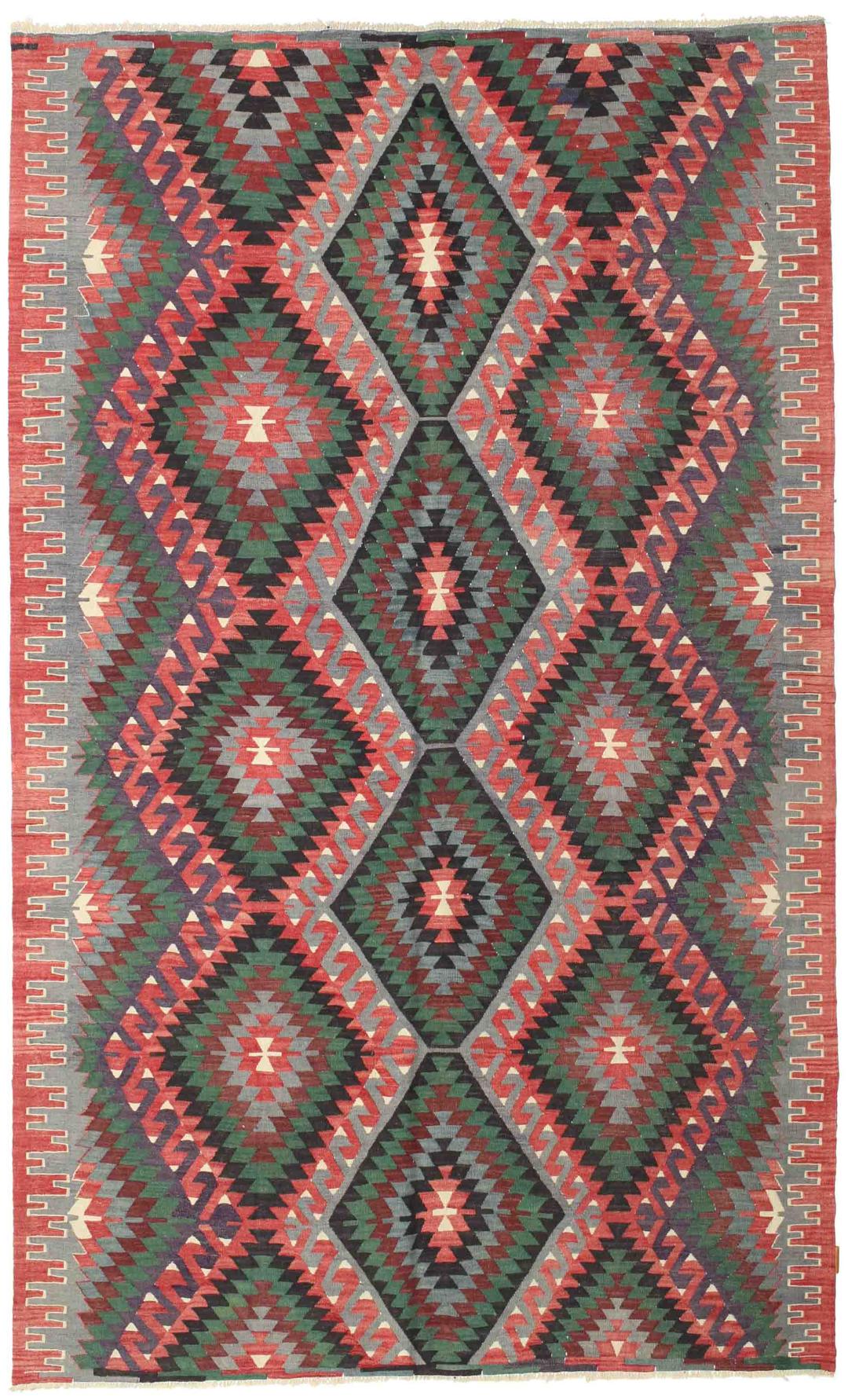
The signature design elements of these rugs are their bold, geometric motifs, often featuring stylized diamonds, triangles, and serrated edges. These patterns are not merely decorative but often carry symbolic meaning related to the tribe’s protection, fertility, or environment. The use of vibrant, natural dyes creates a visual rhythm that is both energetic and harmonious.
Today, these rugs are highly sought after by collectors for their cultural significance and the skill required to produce them. Owning a vintage kilim is an investment in human heritage, representing a bridge between the ancient world and contemporary living, and preserving a craft that remains fundamentally unchanged by time.