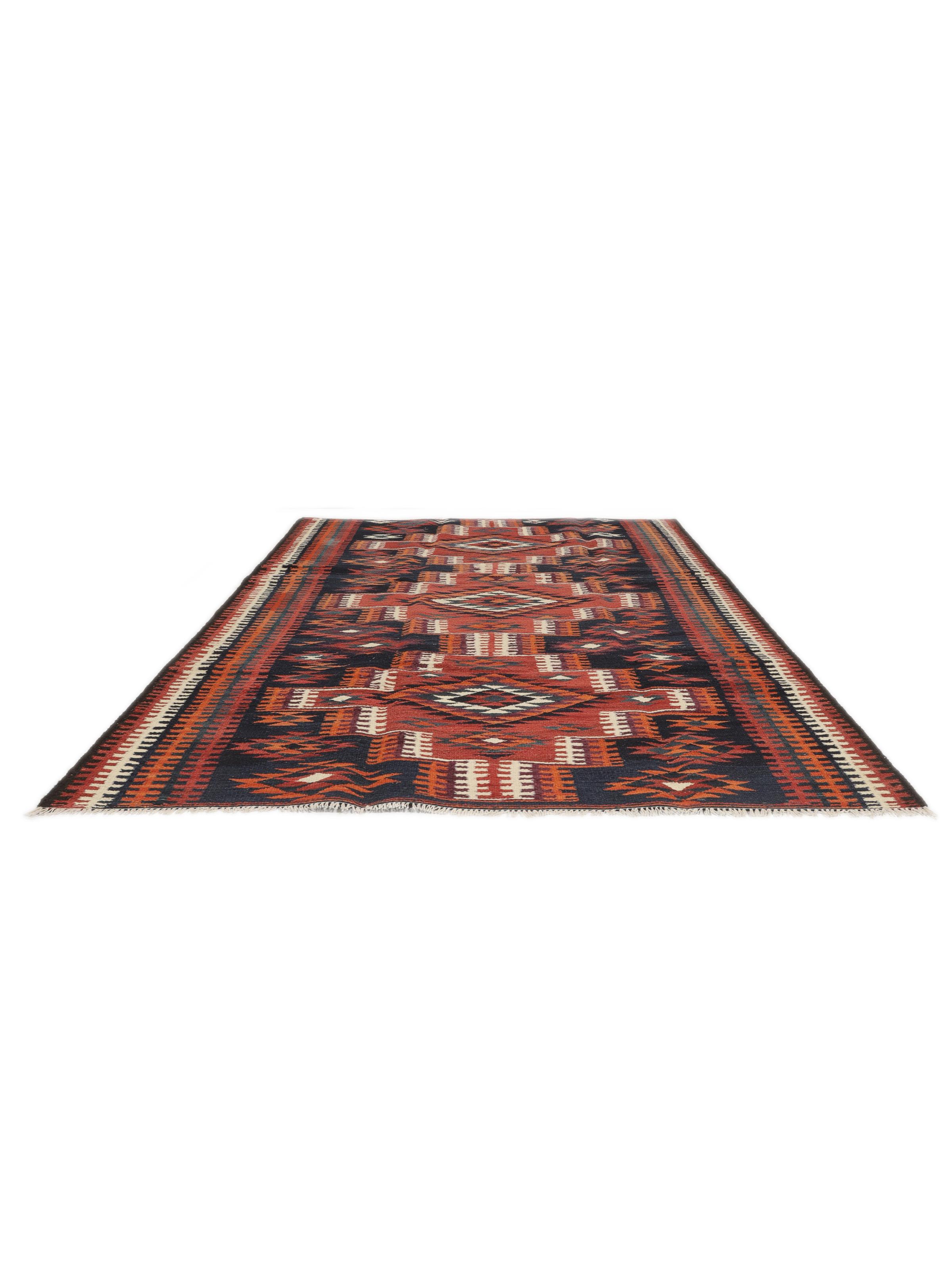
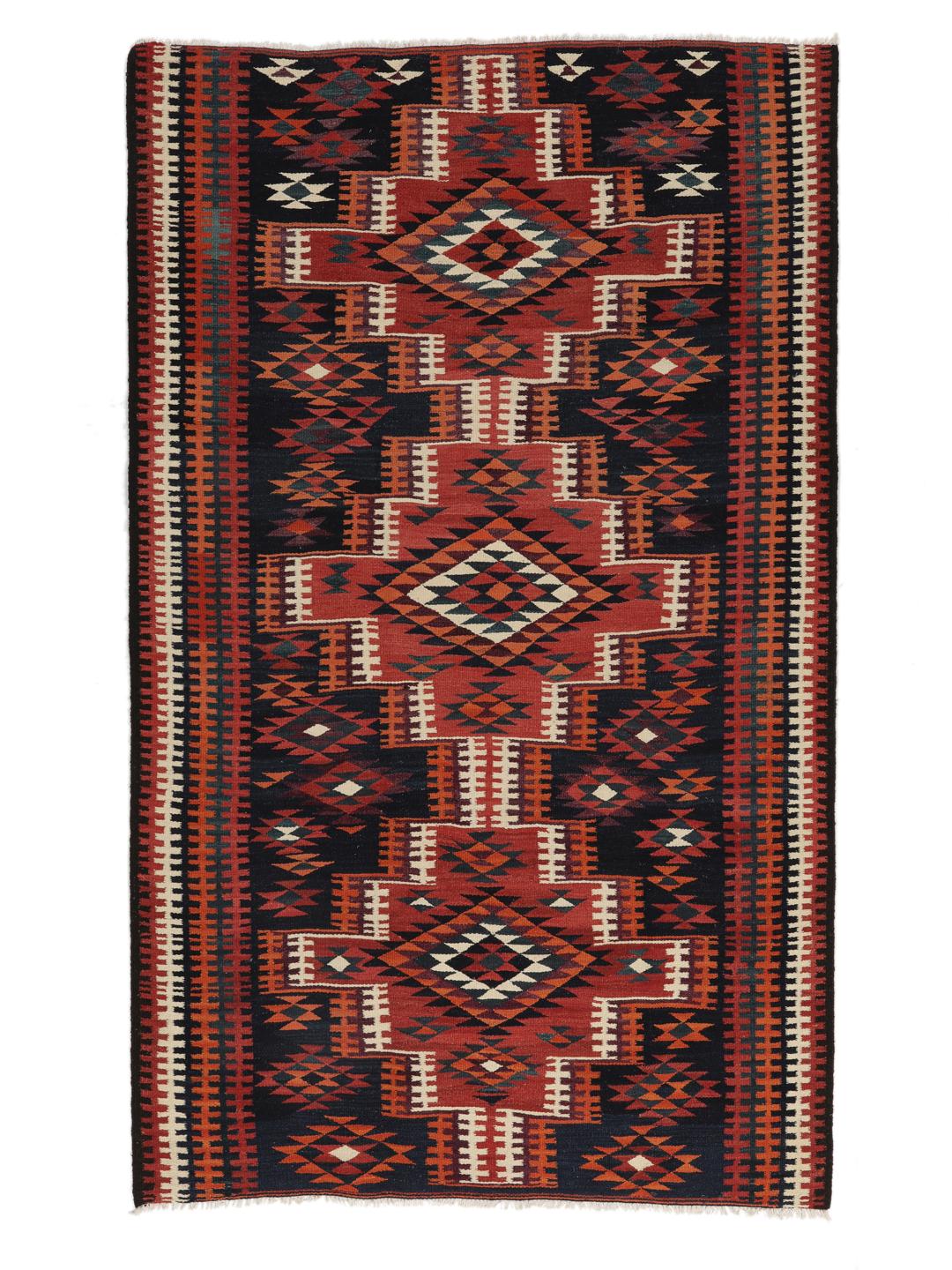
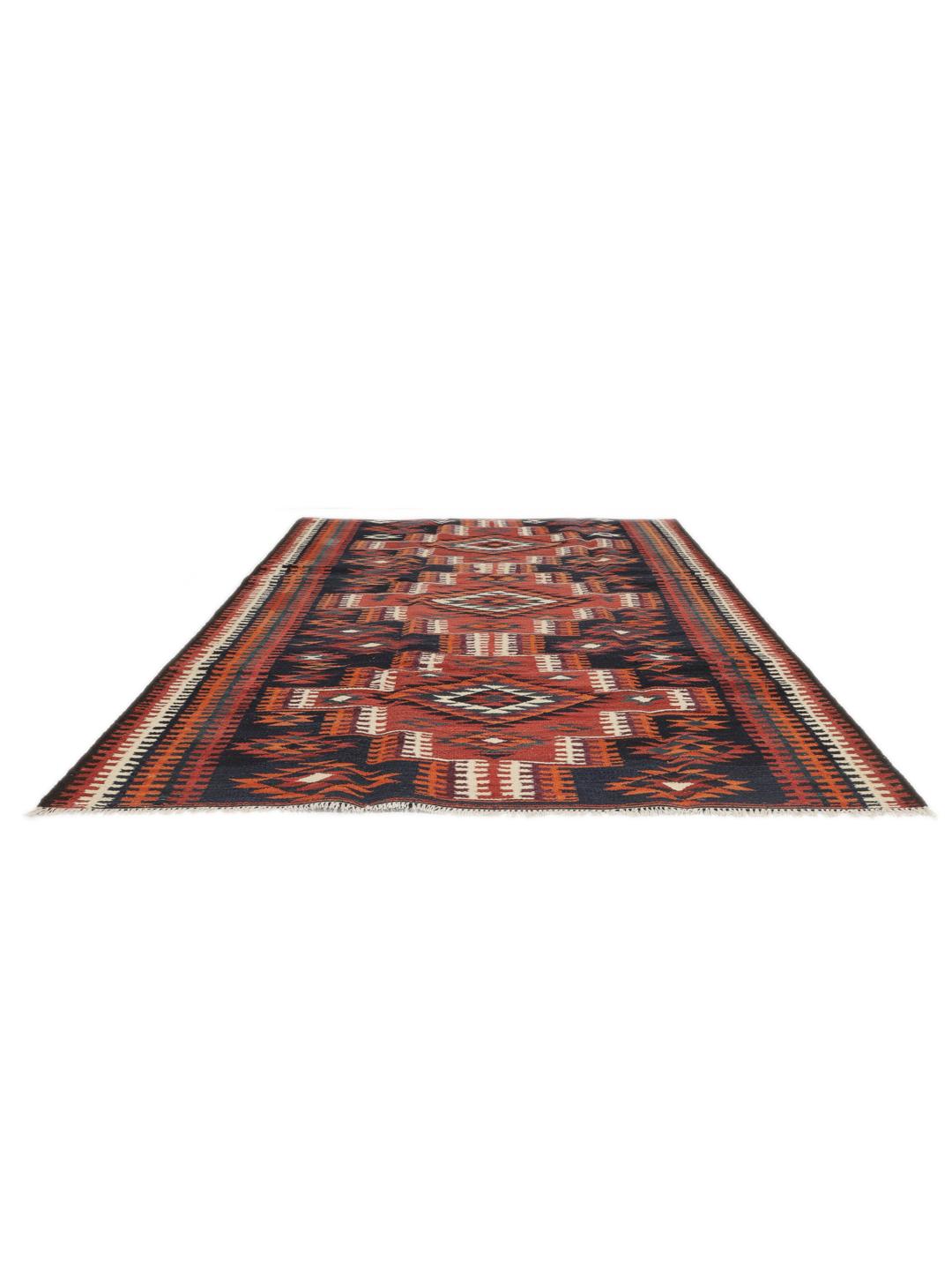
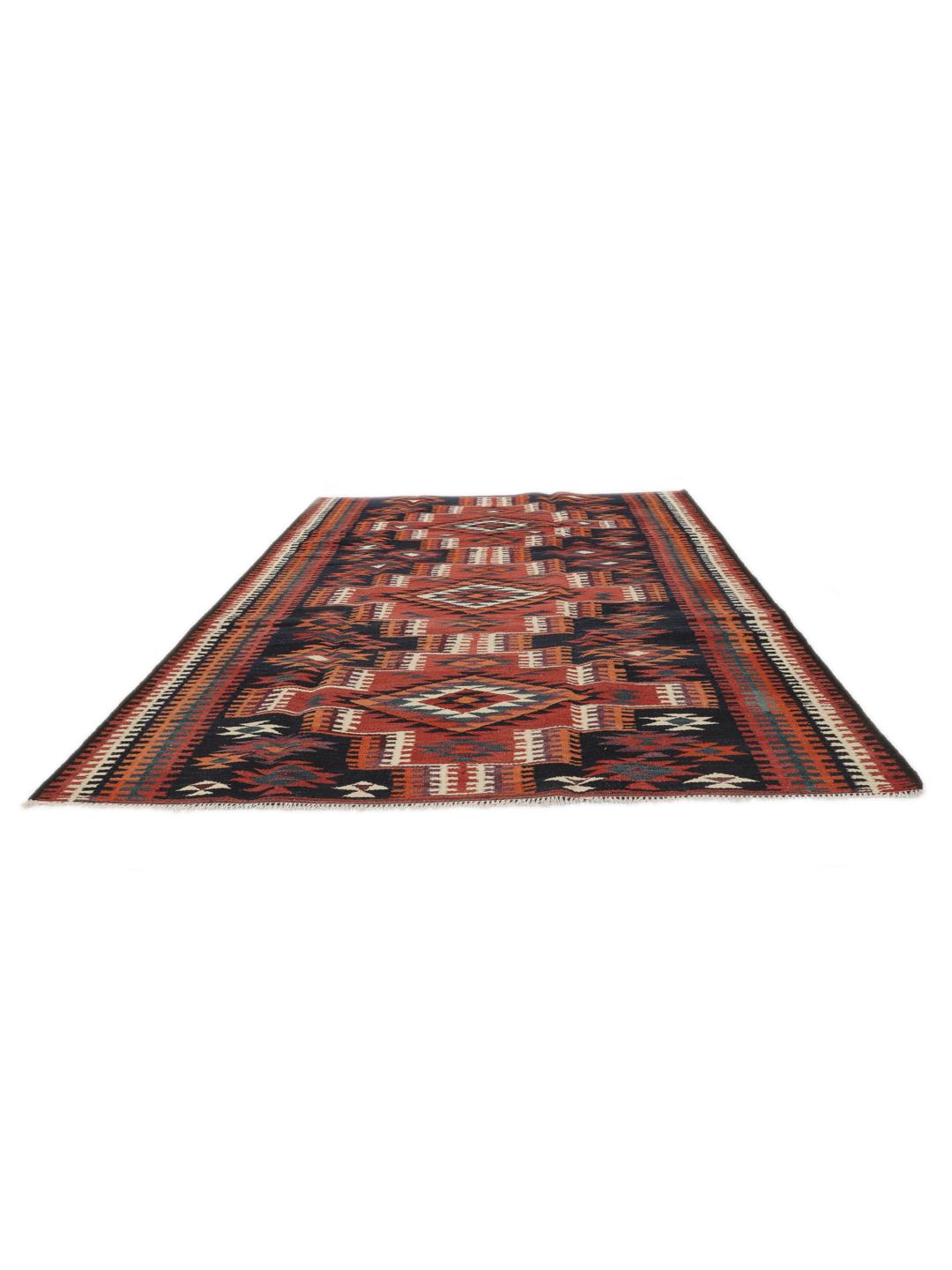
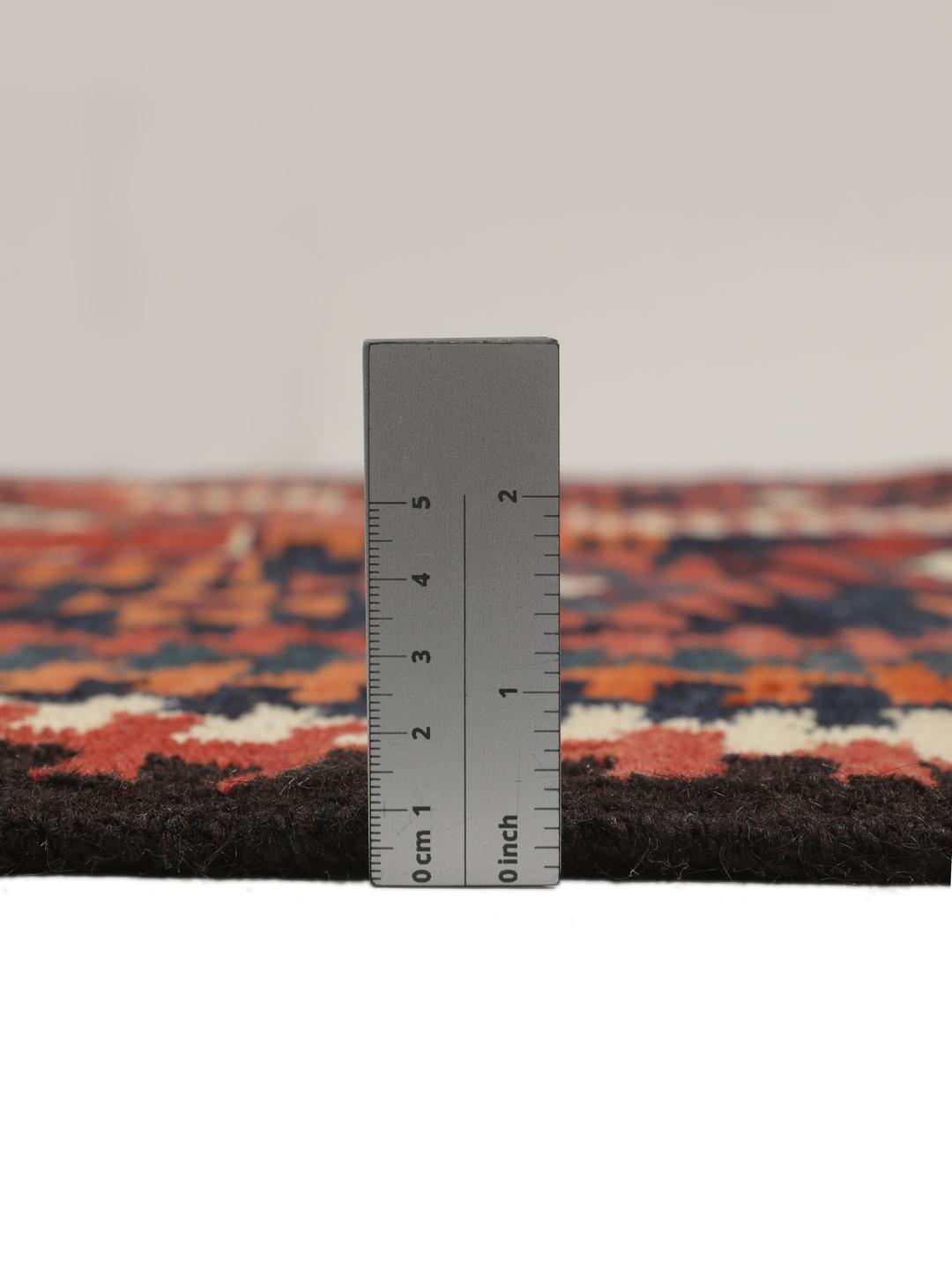
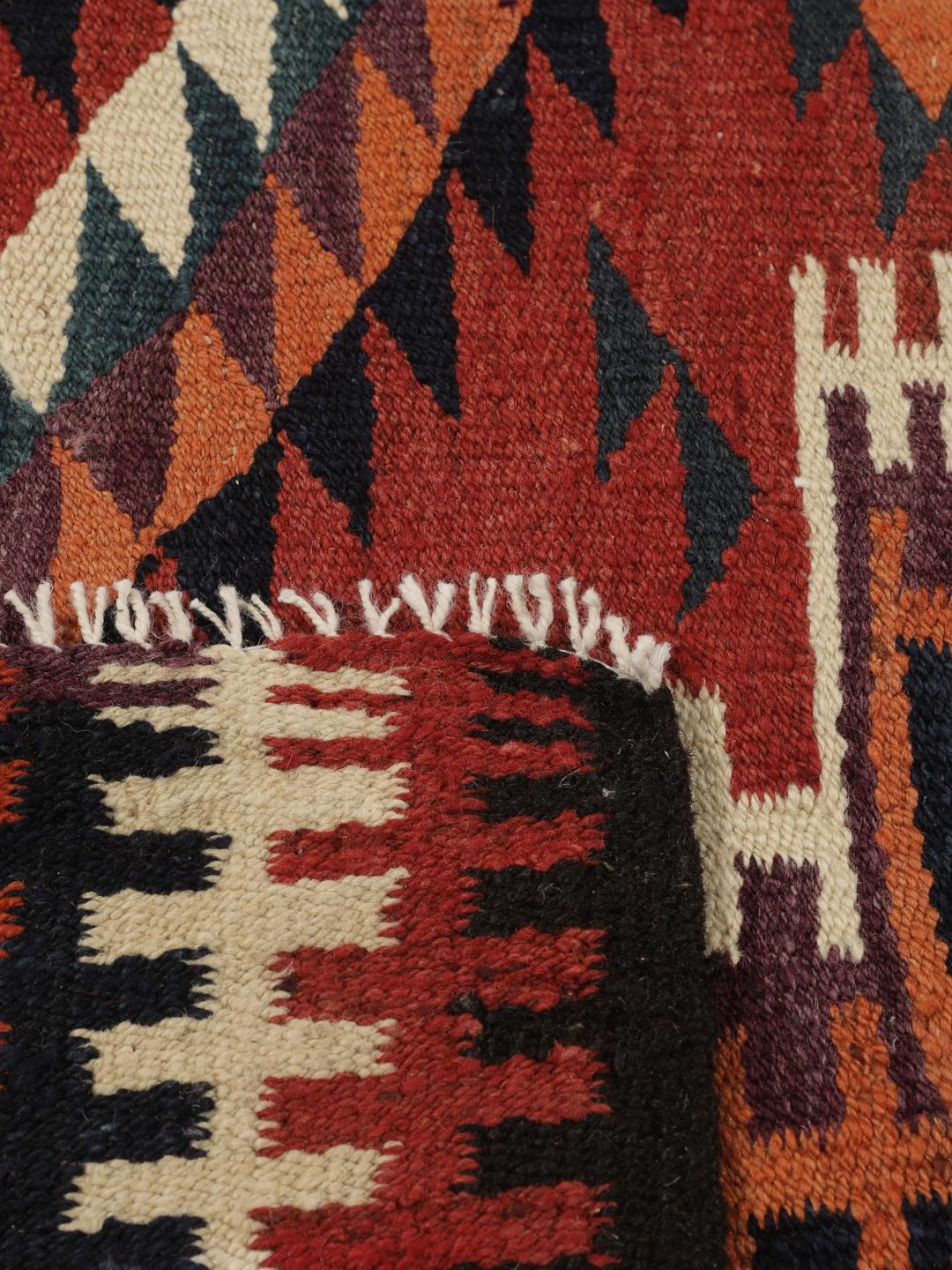
Kilim rugs are a cornerstone of Middle Eastern textile tradition, originating from the nomadic tribes who required durable, portable, and versatile floor coverings. These flat-woven textiles were historically used for everything from floor rugs and wall hangings to saddlebags and tents, serving as essential components of daily nomadic life across the region.
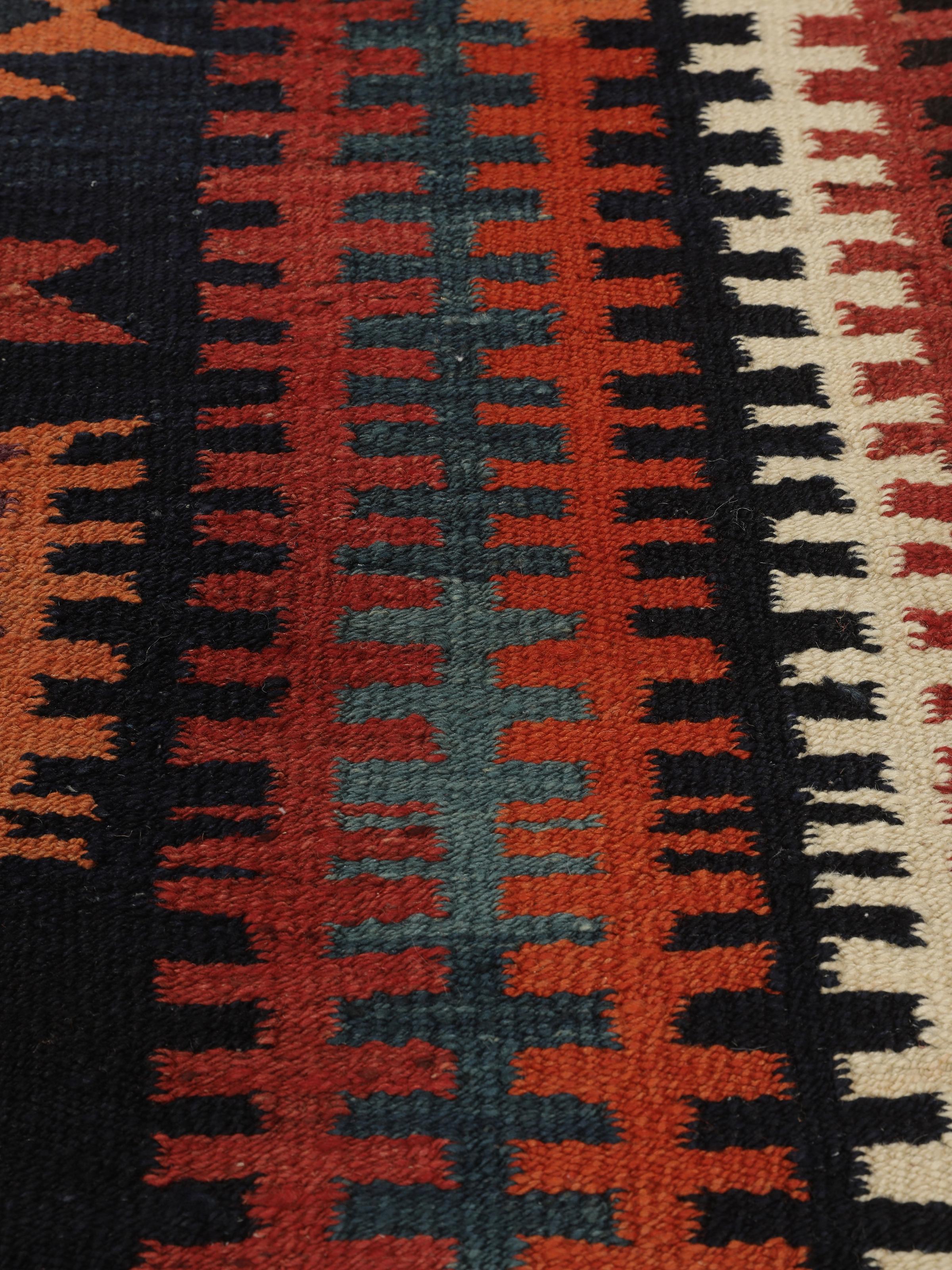
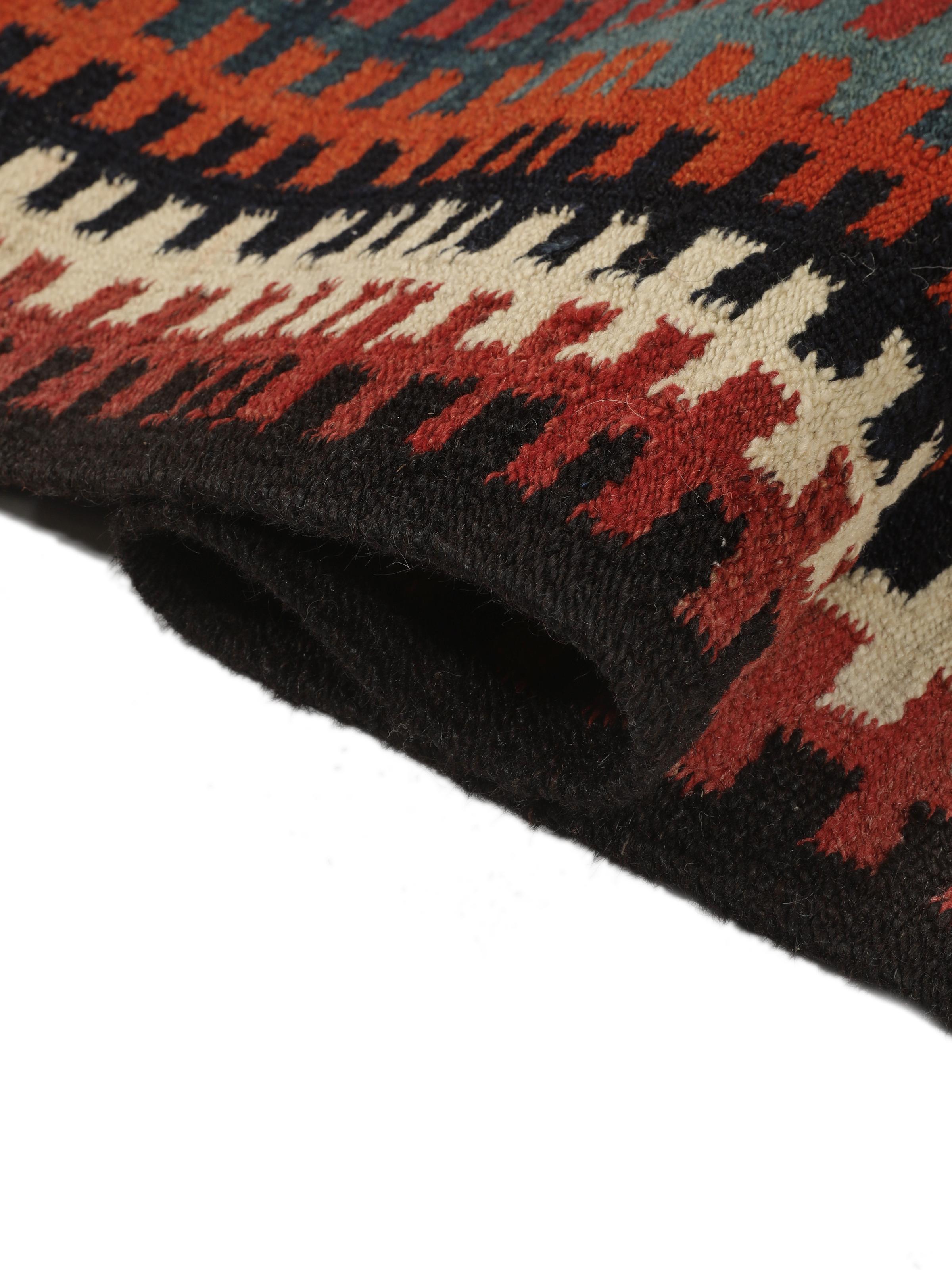
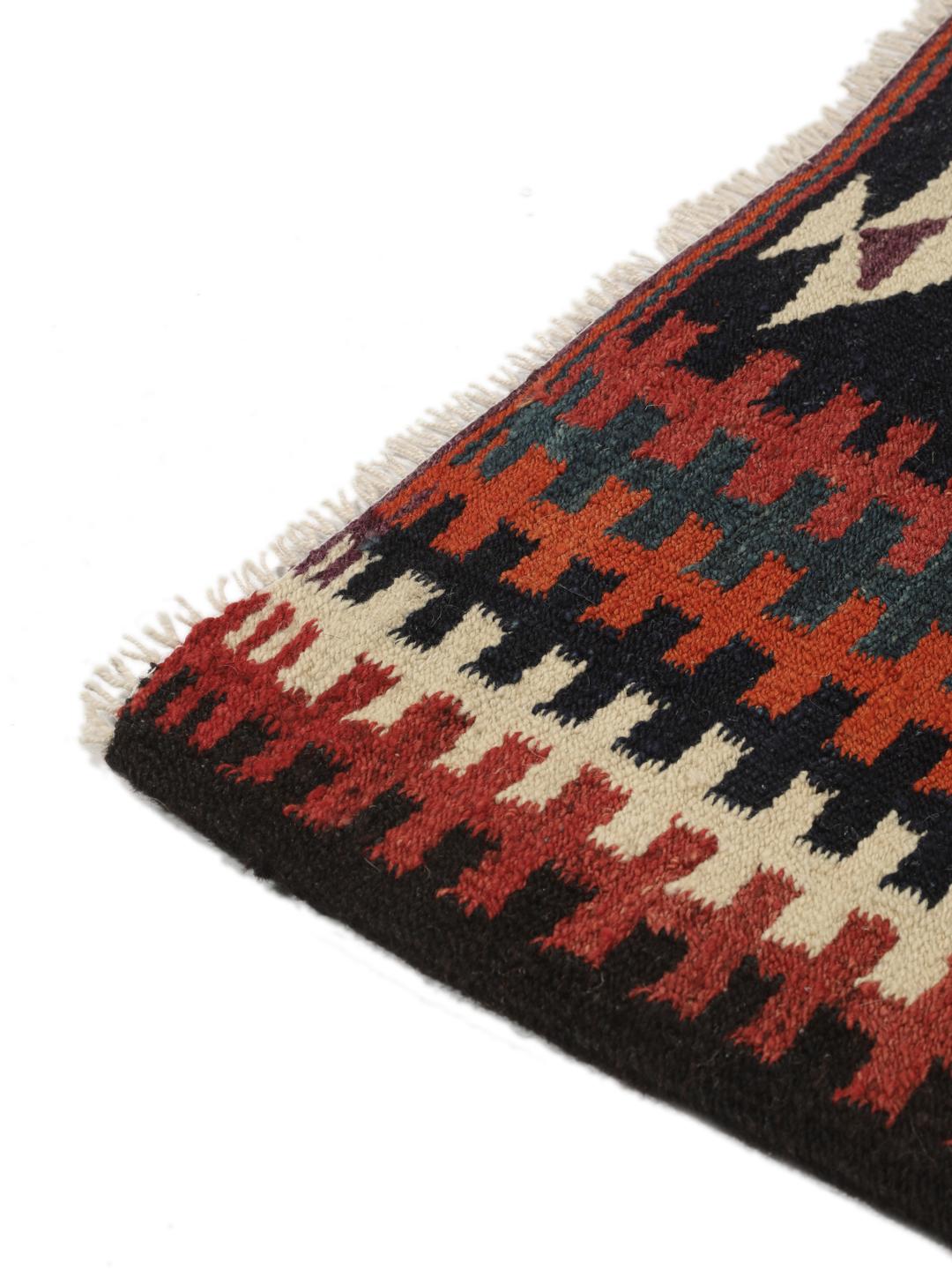
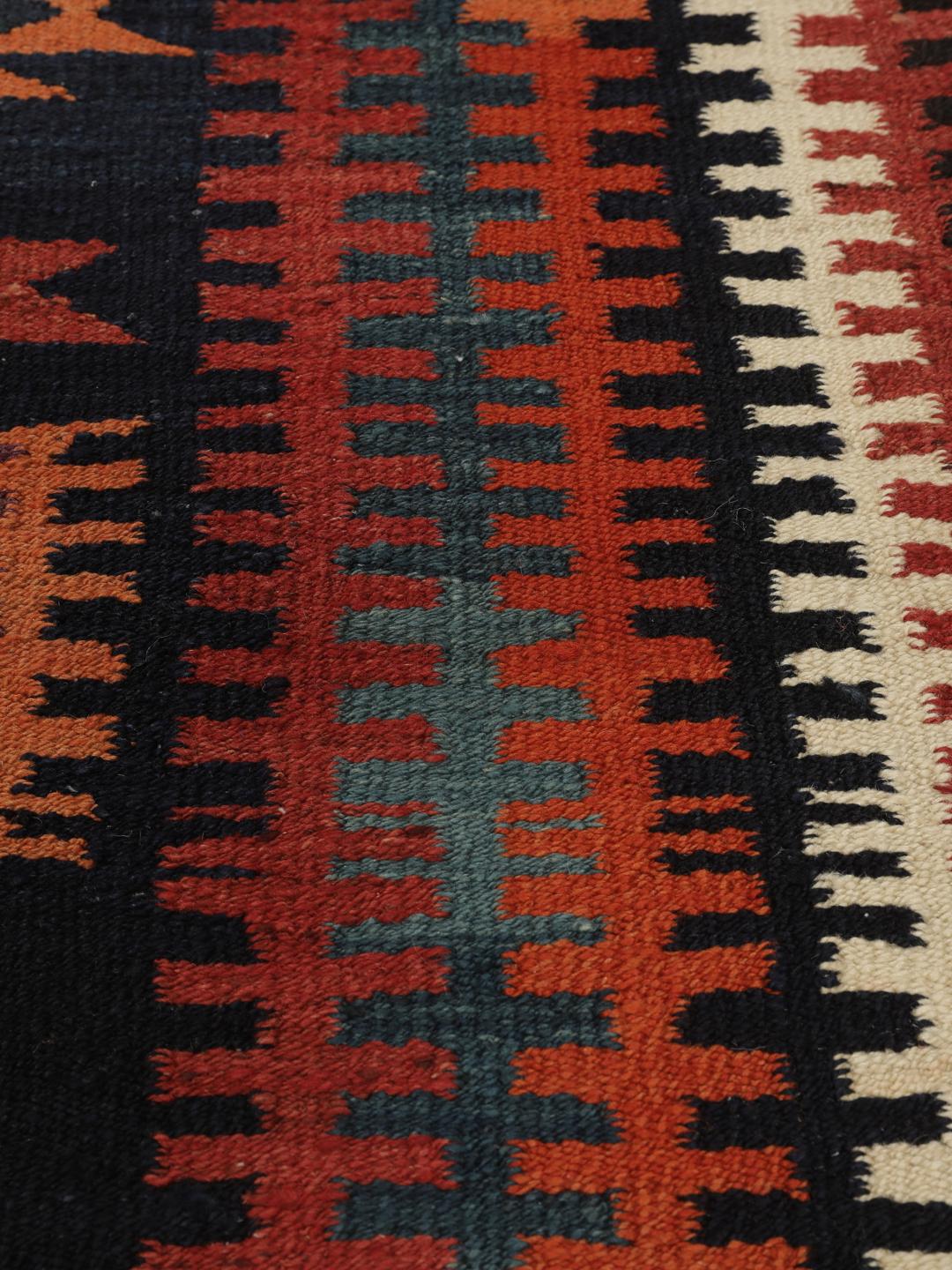
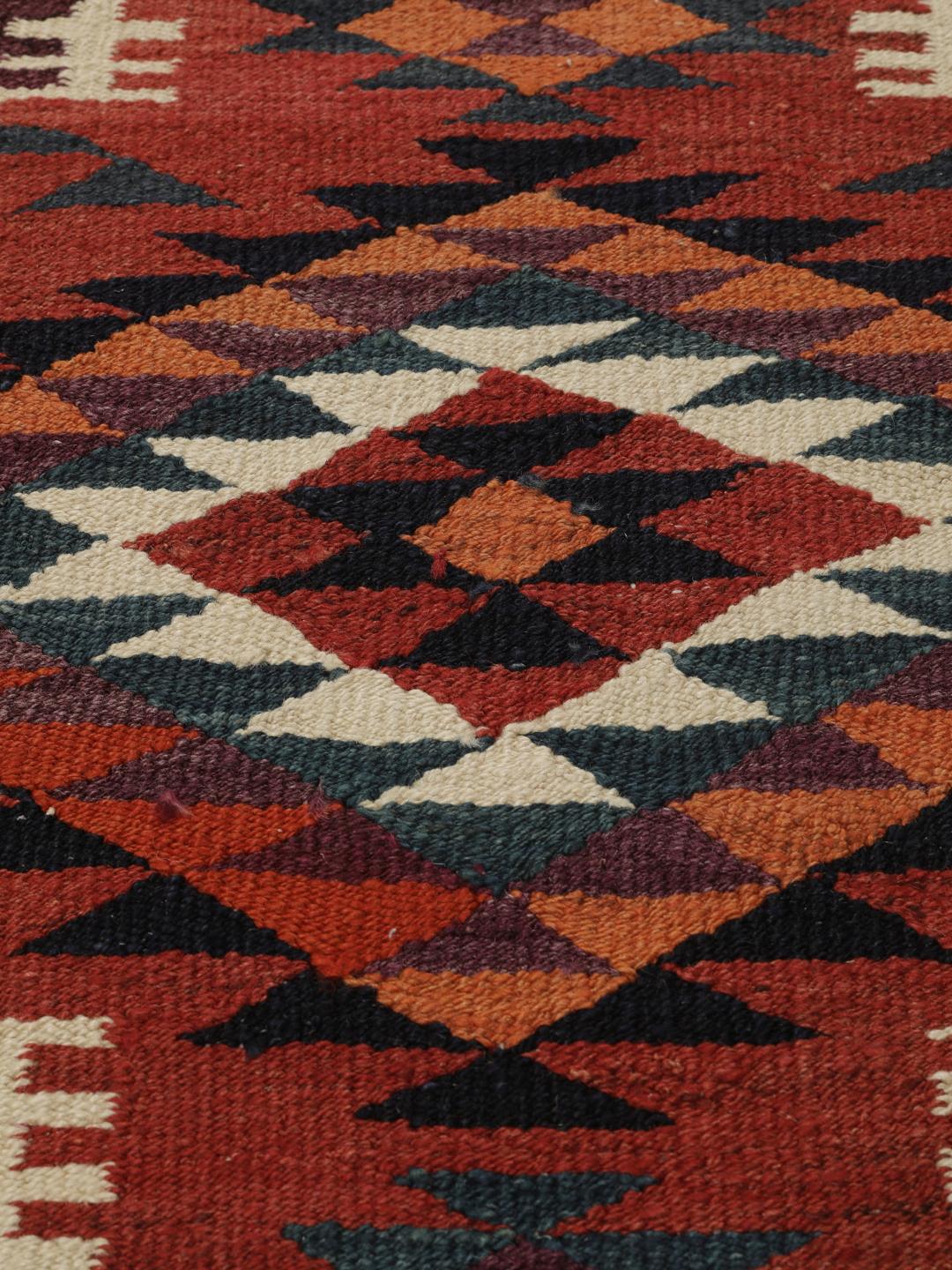
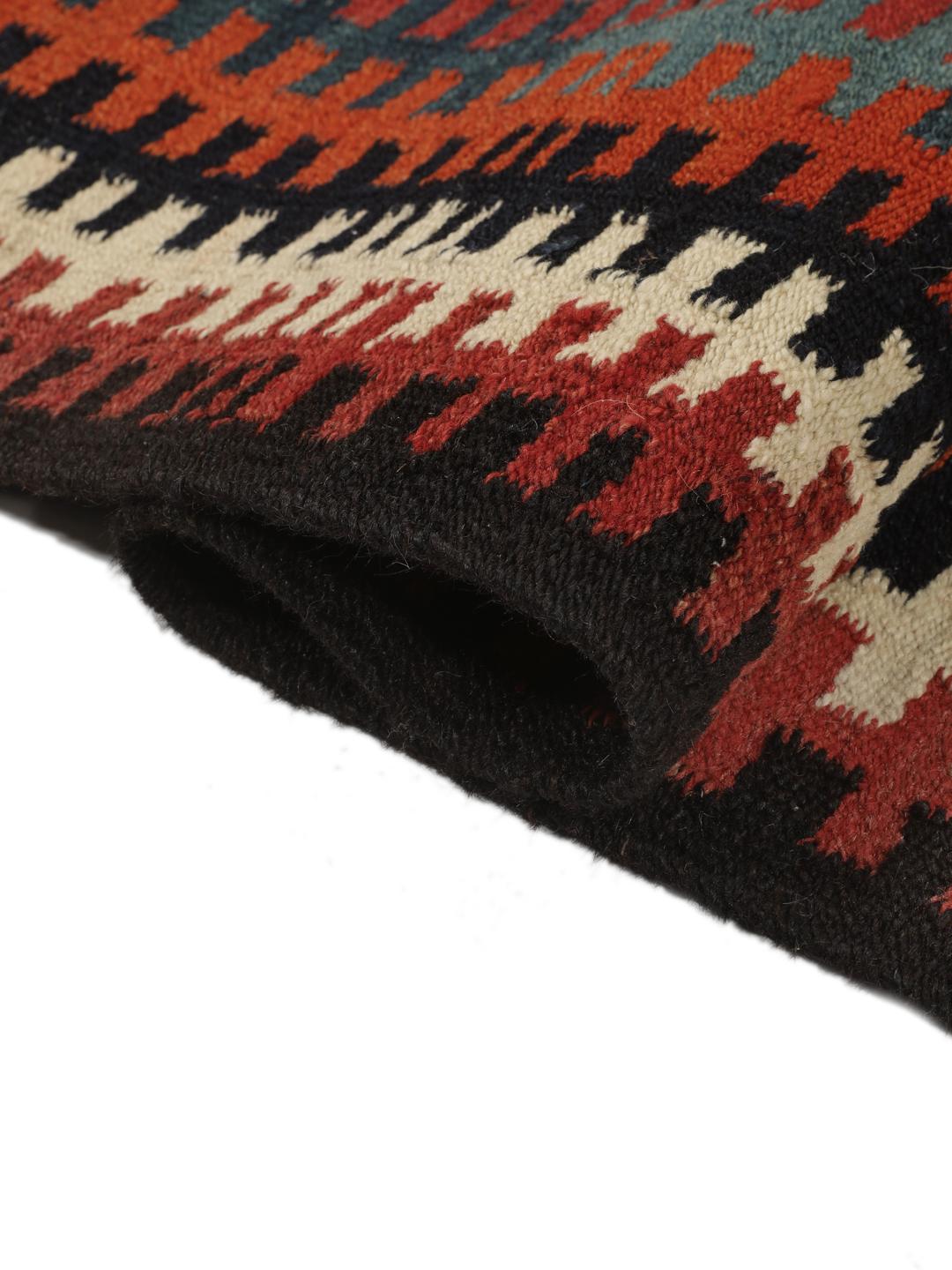
The term Kilim refers to the specific slit-weave technique used to create these rugs, where the weft threads are pulled tightly to conceal the warp. This method results in a thin yet remarkably resilient fabric that is traditionally reversible, offering twice the longevity of more common pile rugs. The technique requires a high level of mathematical precision, as the weaver must calculate the pattern placement carefully during the creation process.
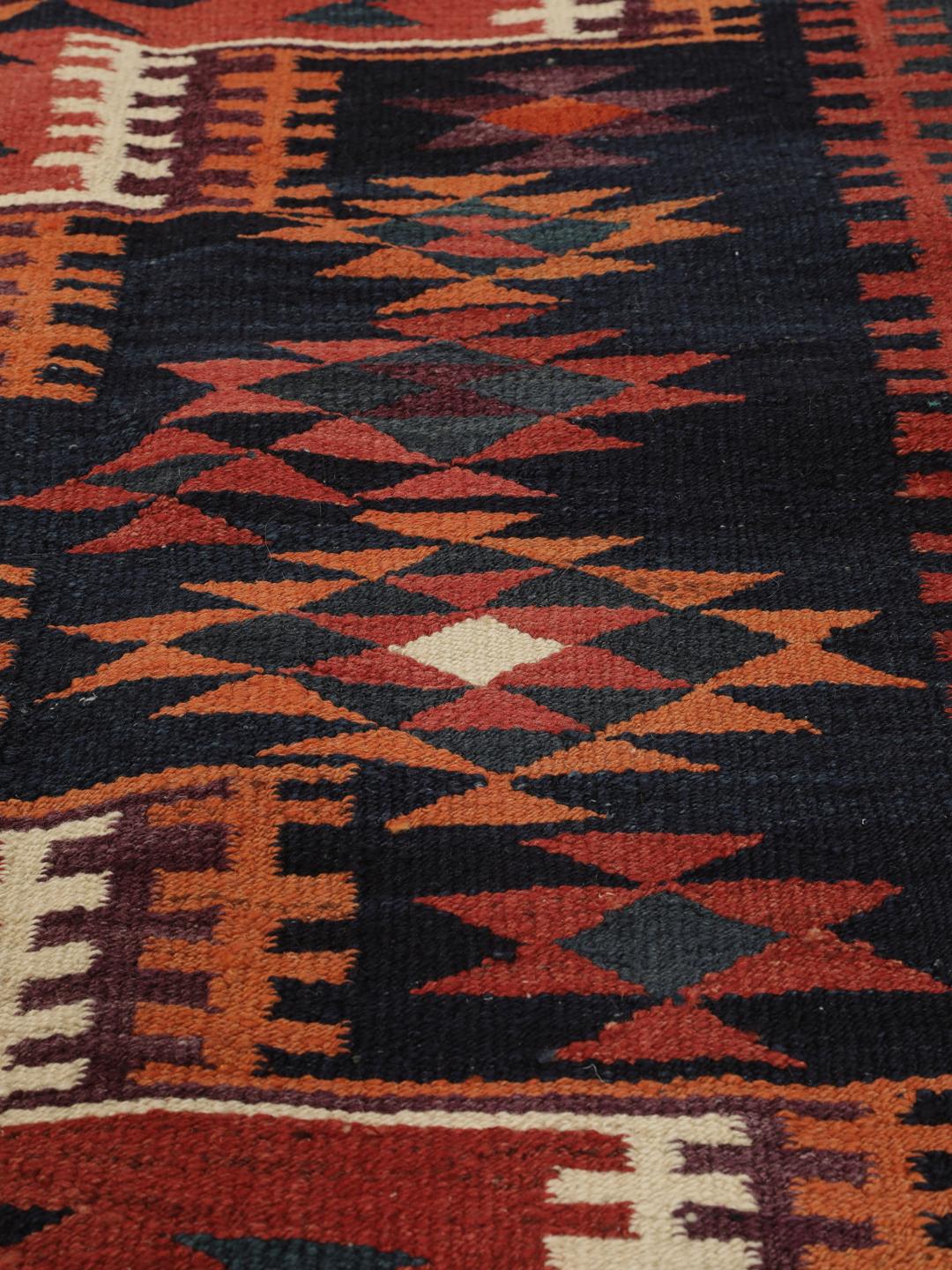
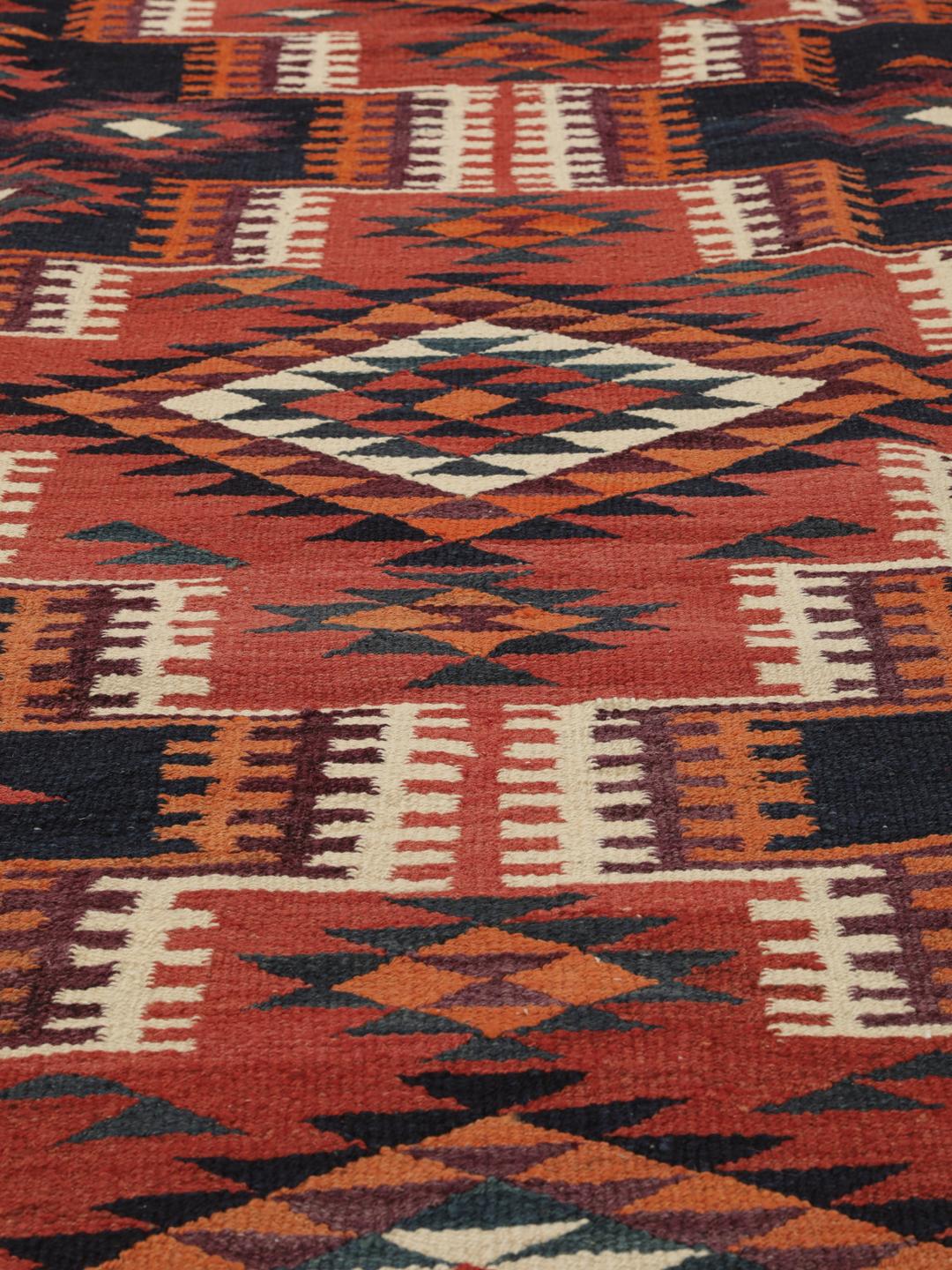
Visually, these rugs are defined by their bold geometric motifs and striking, saturated colour palettes. The patterns often carry symbolic meaning, reflecting the tribal identity, environment, and history of the weavers. The sharp, clean lines formed by the slit-weave construction are a signature of the style, creating a crisp aesthetic that has remained popular for centuries.
Collecting vintage Kilims is an act of preserving cultural heritage. Because these pieces were often woven for personal or tribal use rather than for the commercial market, they possess an authenticity and spontaneity that modern reproductions lack. Owning a piece like this connects you to a lineage of makers whose skills were passed down through generations, making it a valuable addition to any home.