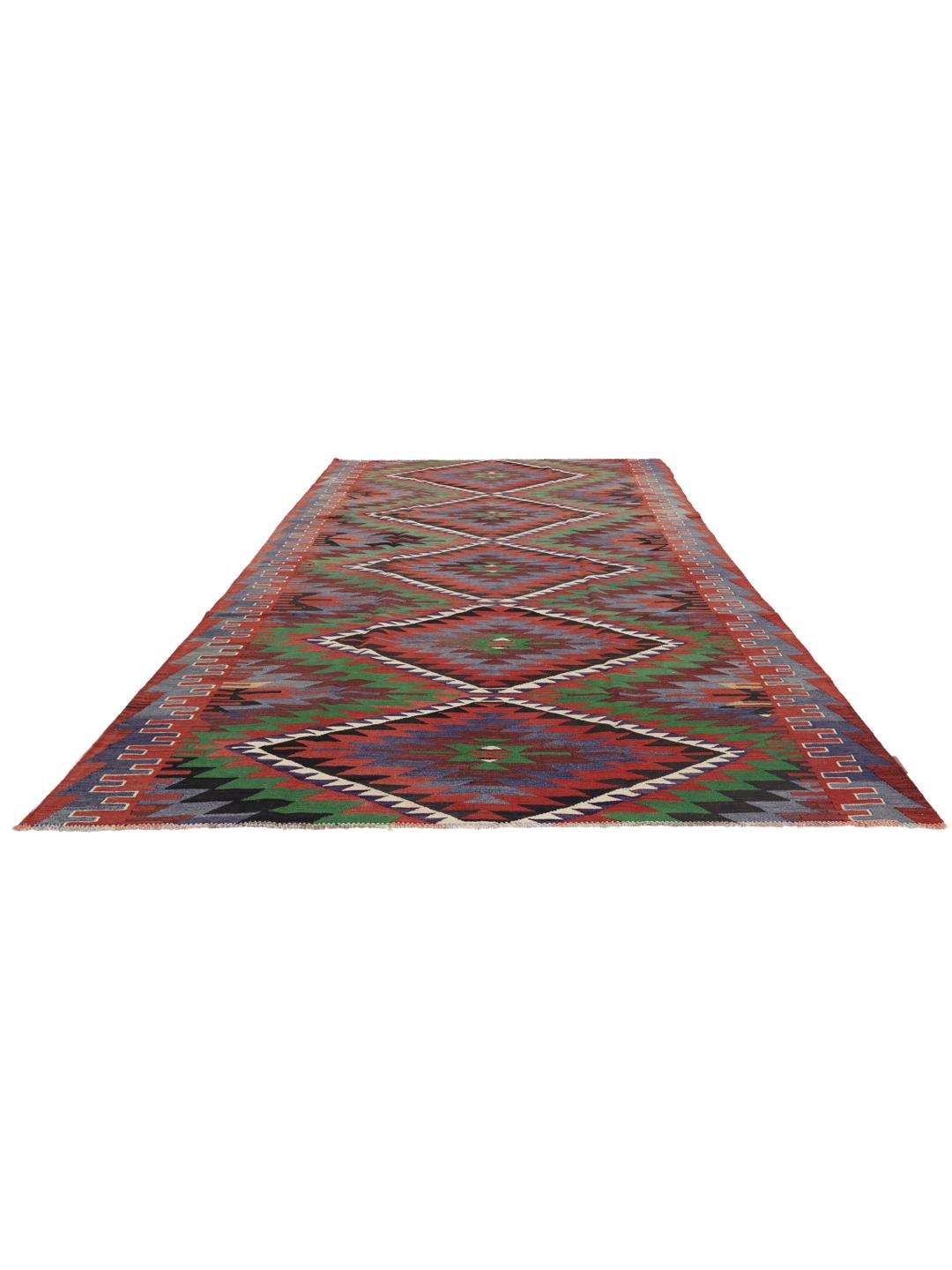
Kilim rugs originate from the rich weaving traditions of the Middle East and Central Asia, with Turkey being one of the most significant hubs for this craft. Historically, these rugs were not merely decorative but served as essential household items, used as floor coverings, wall hangings, and bags by nomadic and semi-nomadic tribes. The art of weaving has been passed down through generations, with each region developing its own distinct visual dialect.
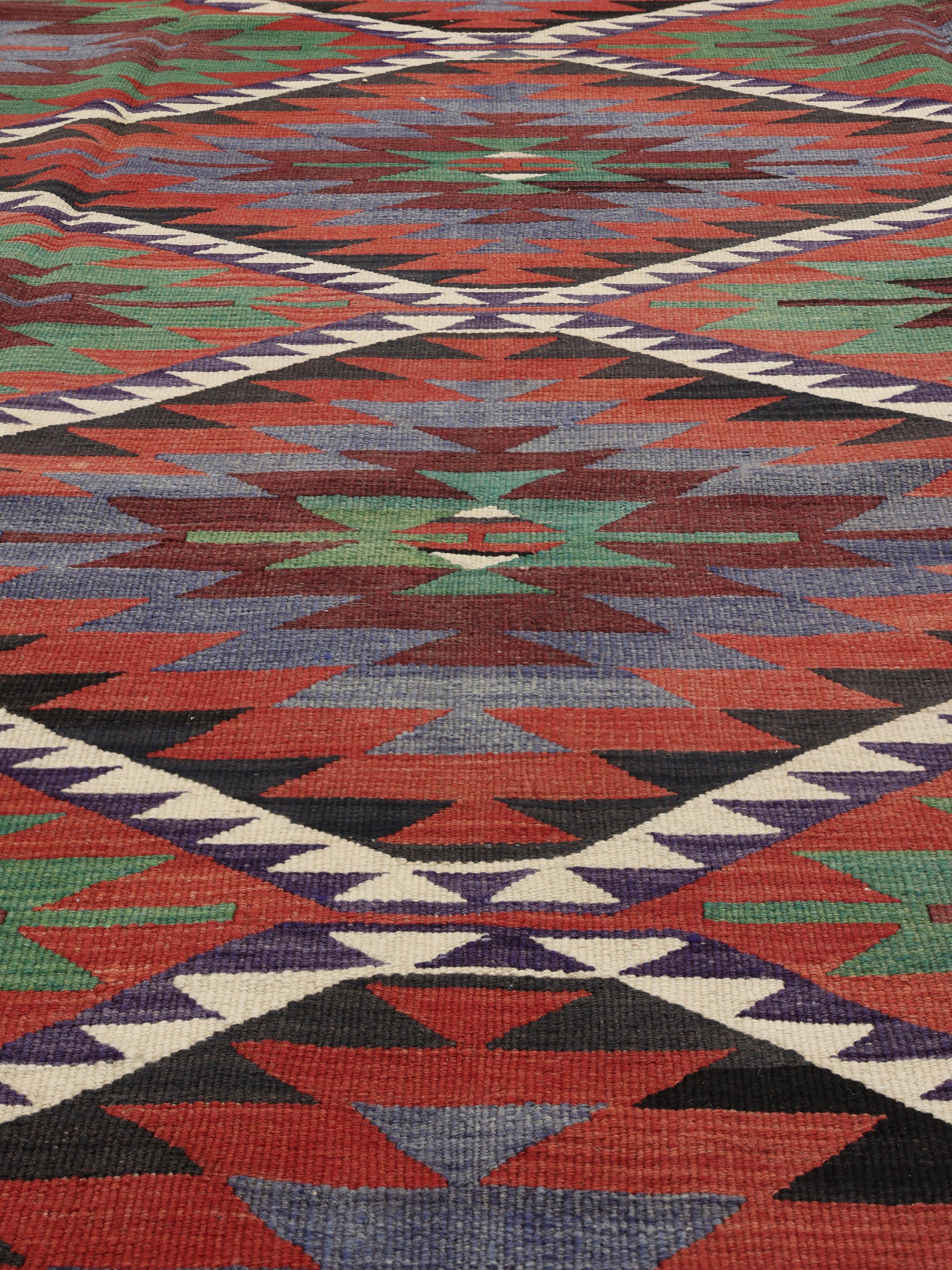
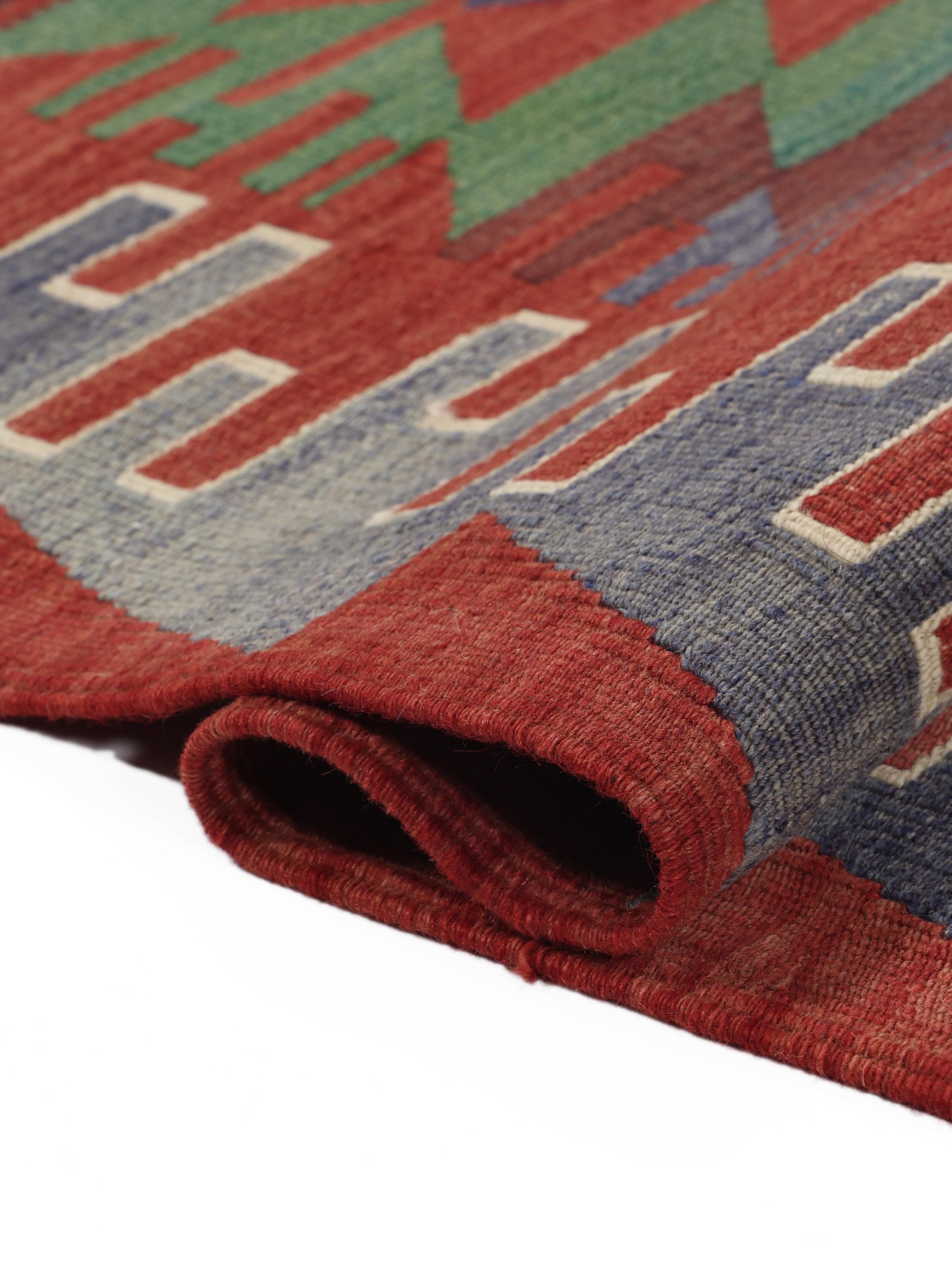
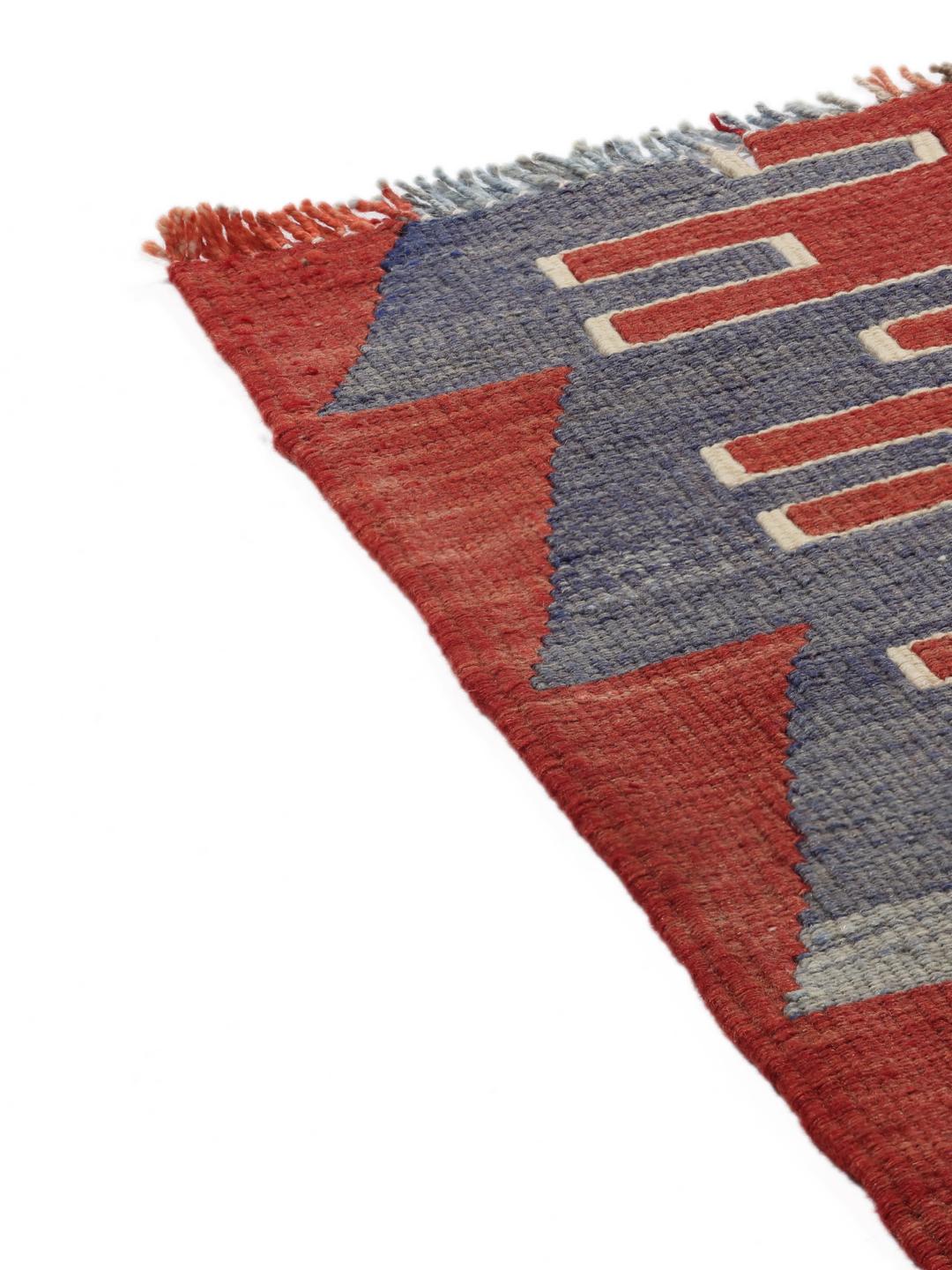
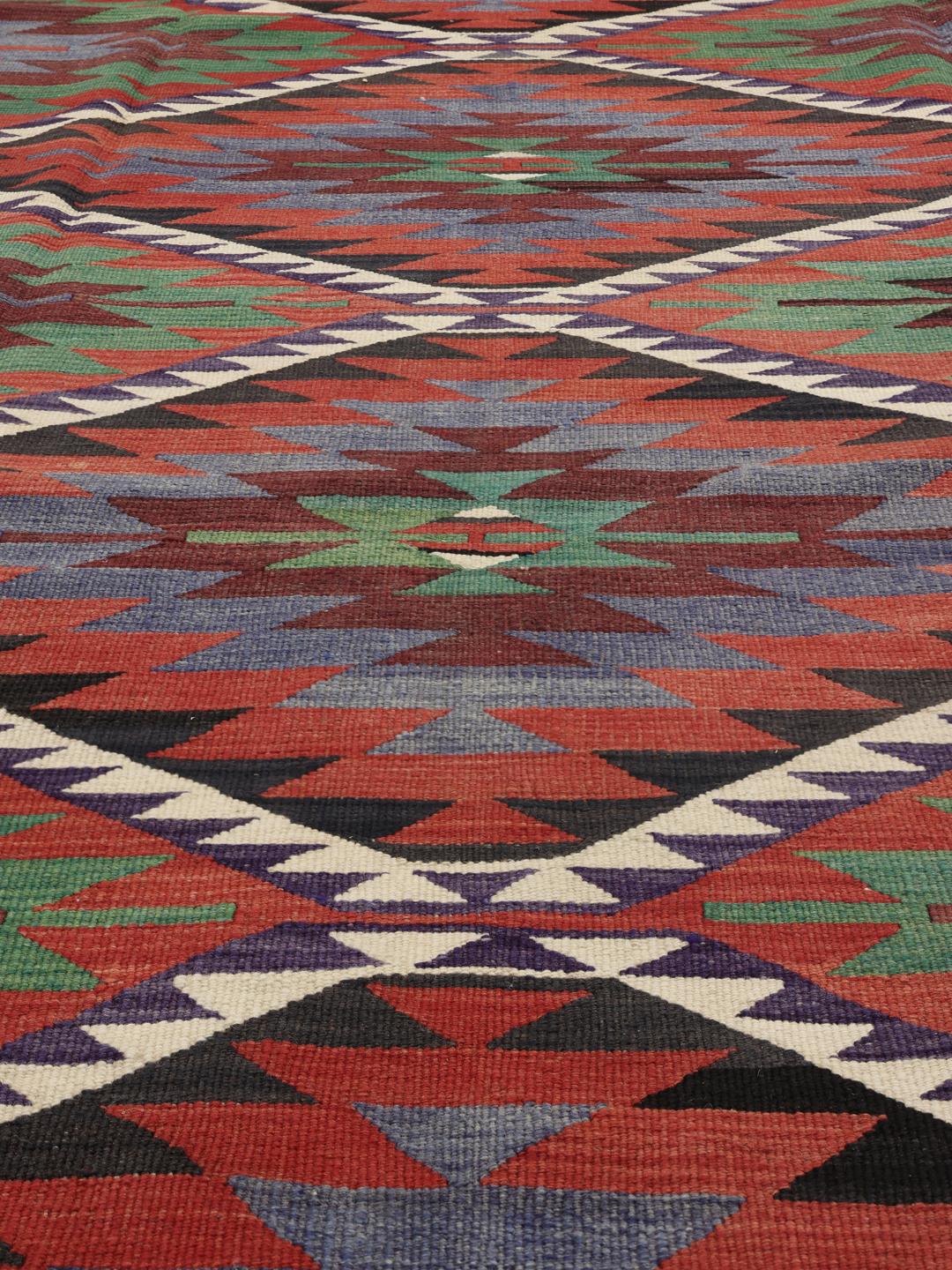
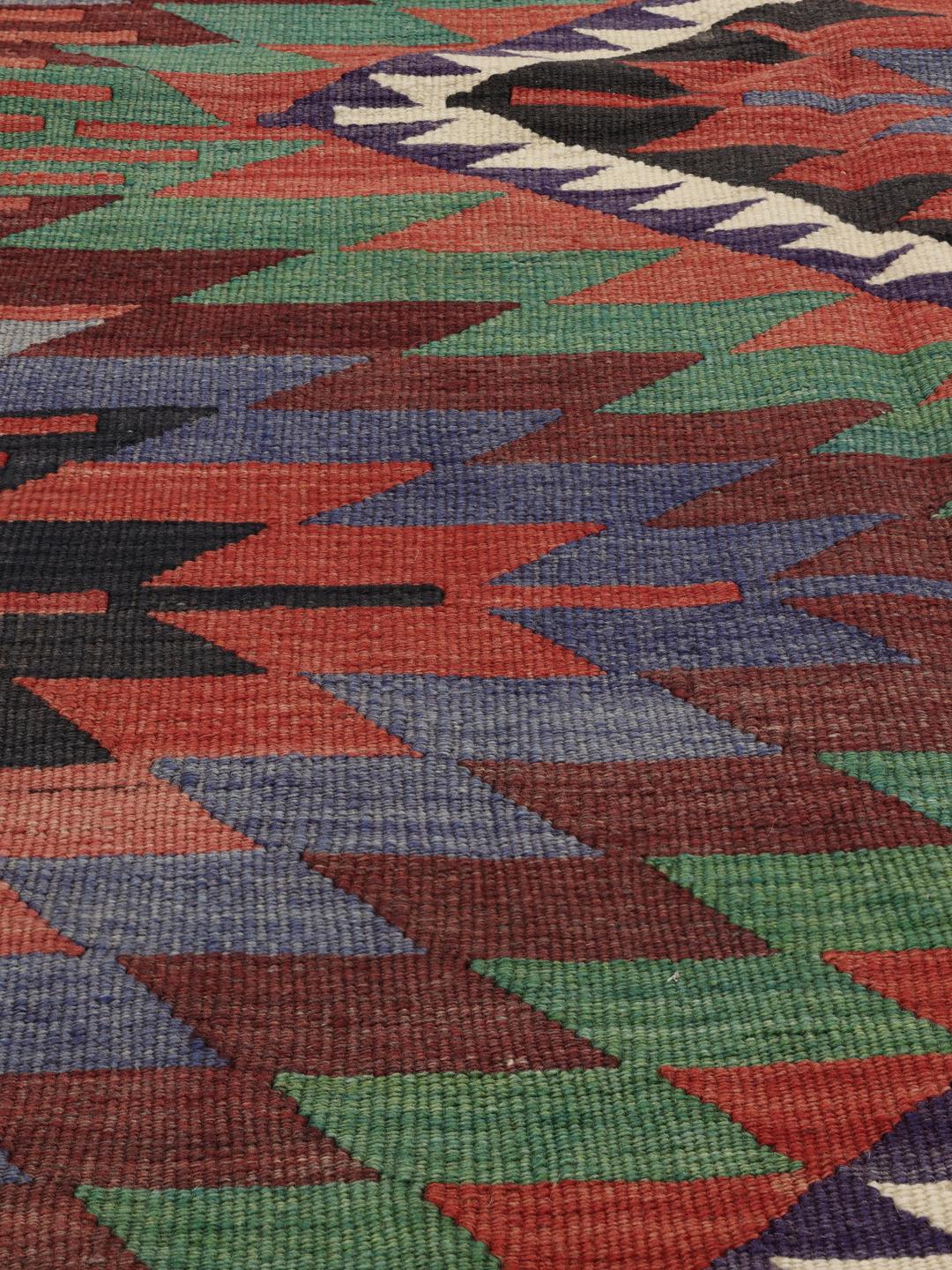
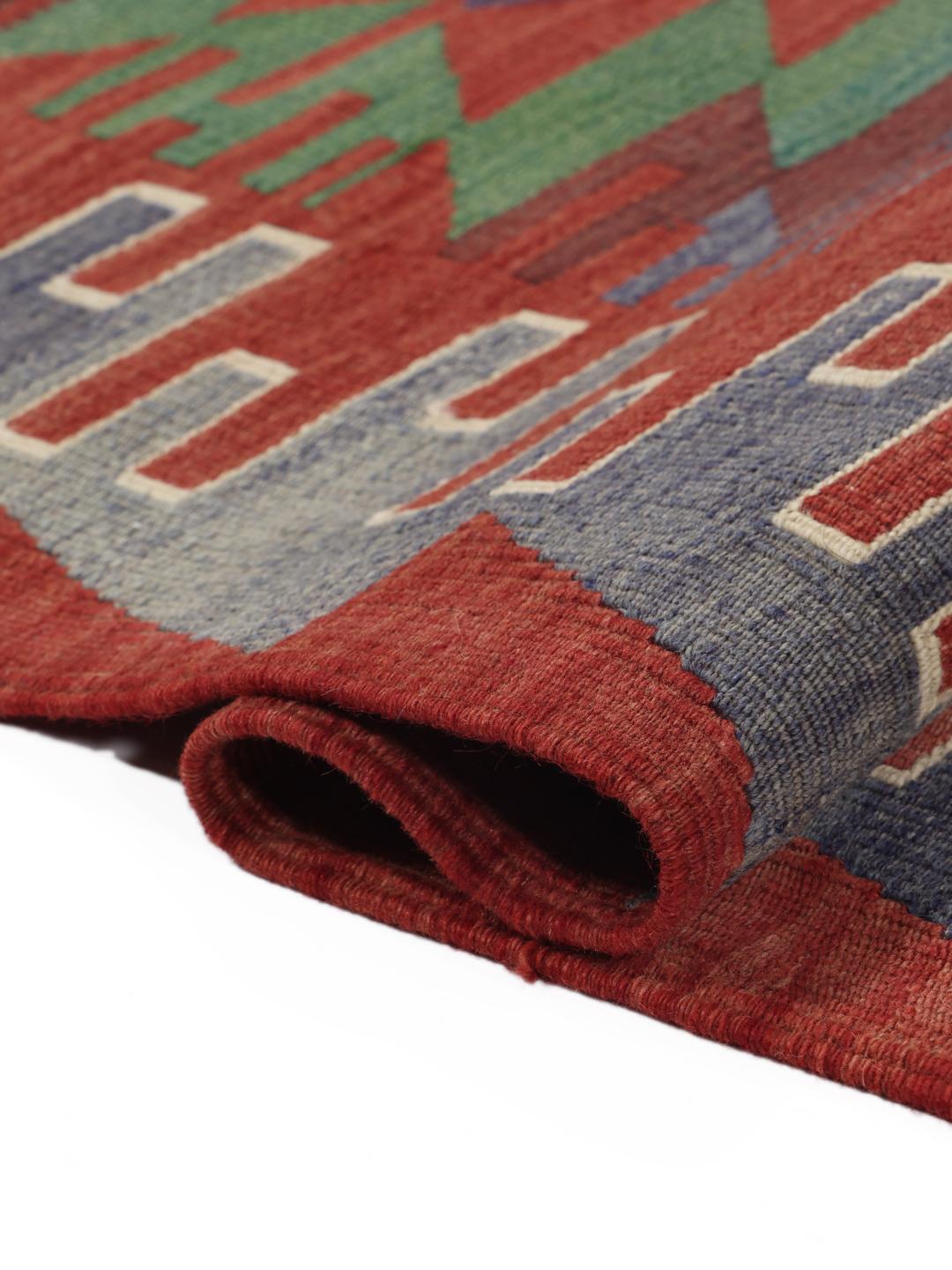
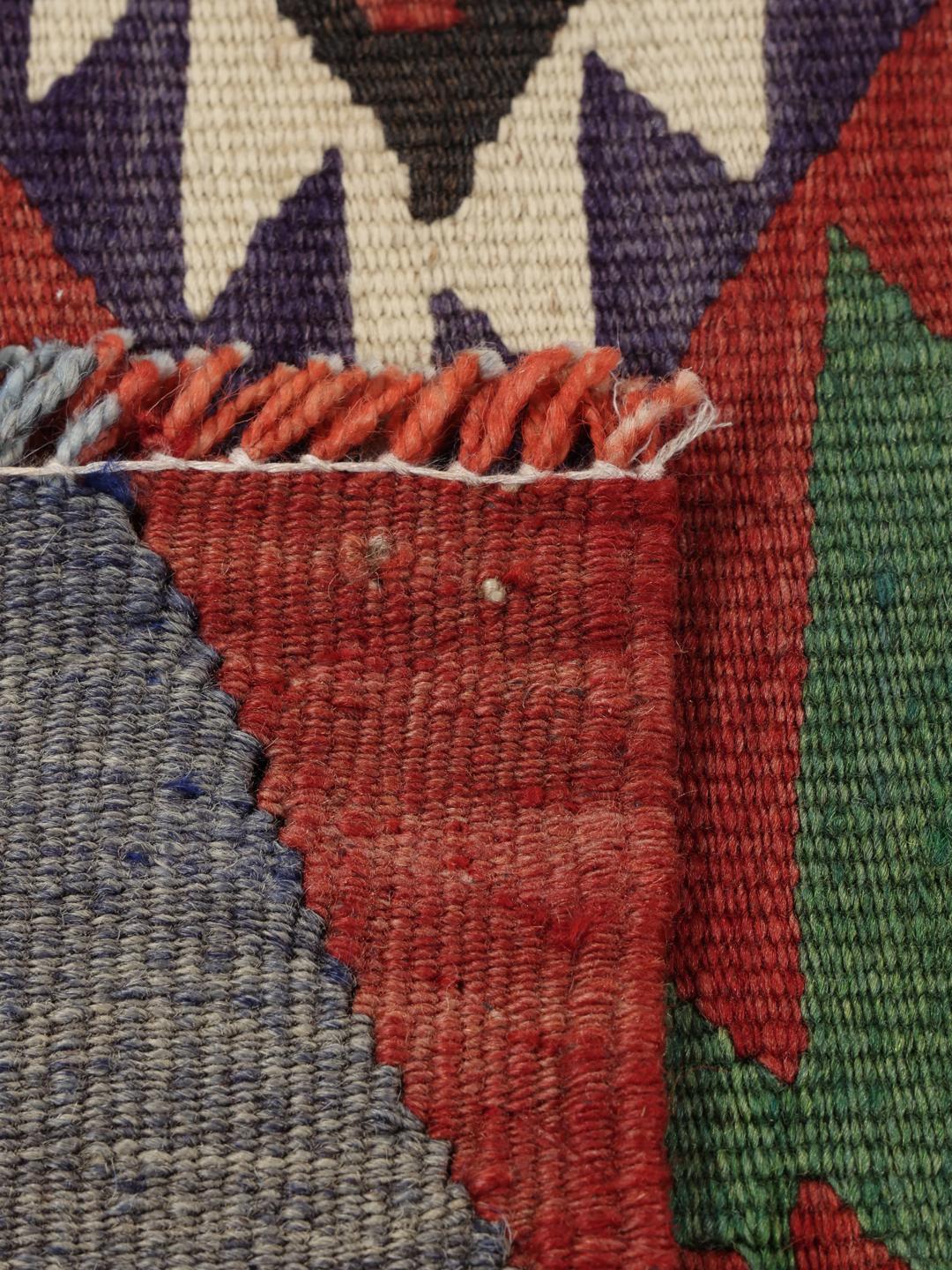
The term Kilim refers to a specific flat-weaving technique where the warp and weft threads are tightly interlaced to create a smooth, pileless surface. This method is highly prized for its durability and the clarity it brings to geometric patterns. Because there is no pile to hide the design, the precision of the weave is paramount, and a tightly woven Kilim is a testament to the weaver's mastery of tension and rhythm.
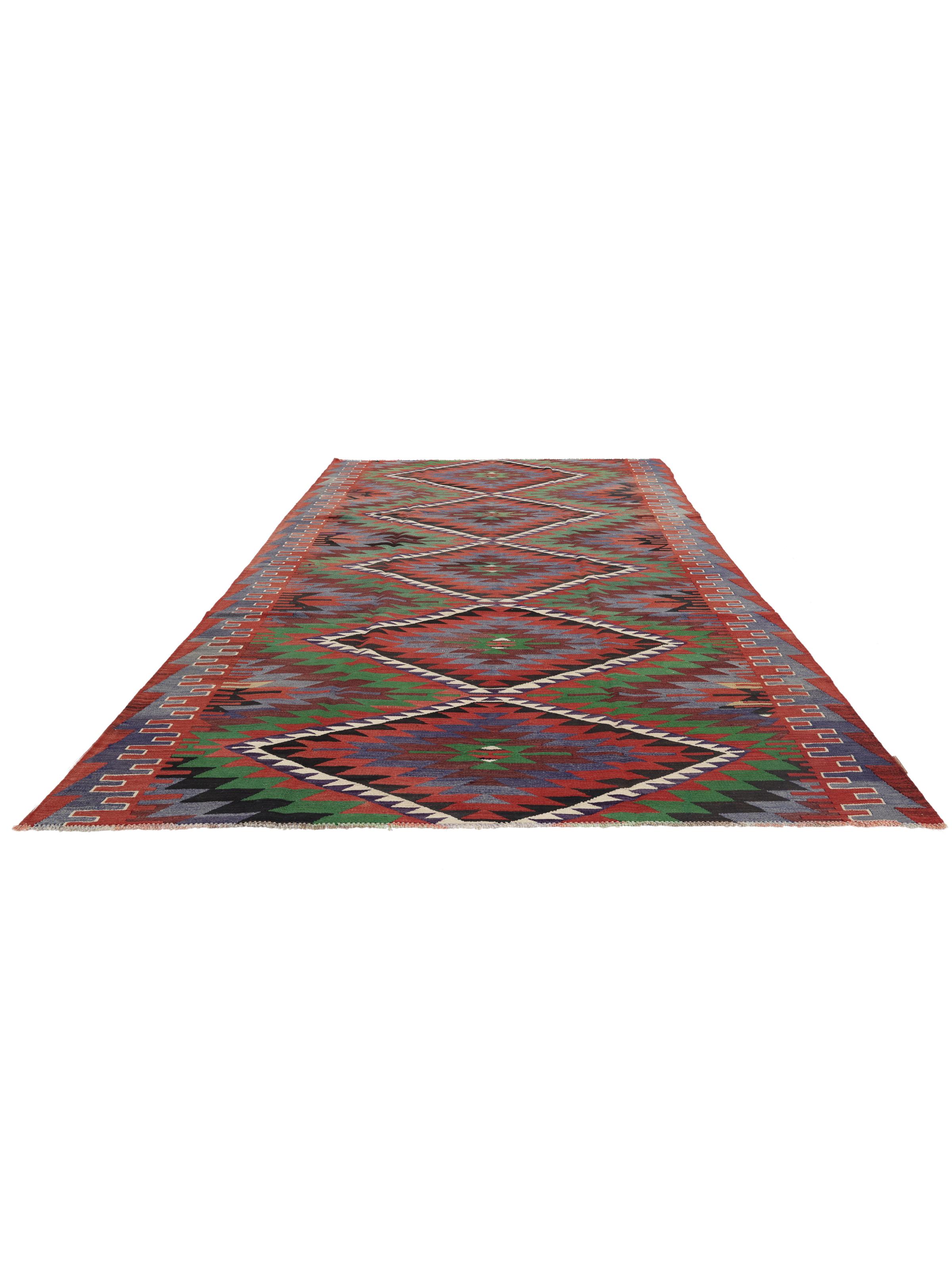
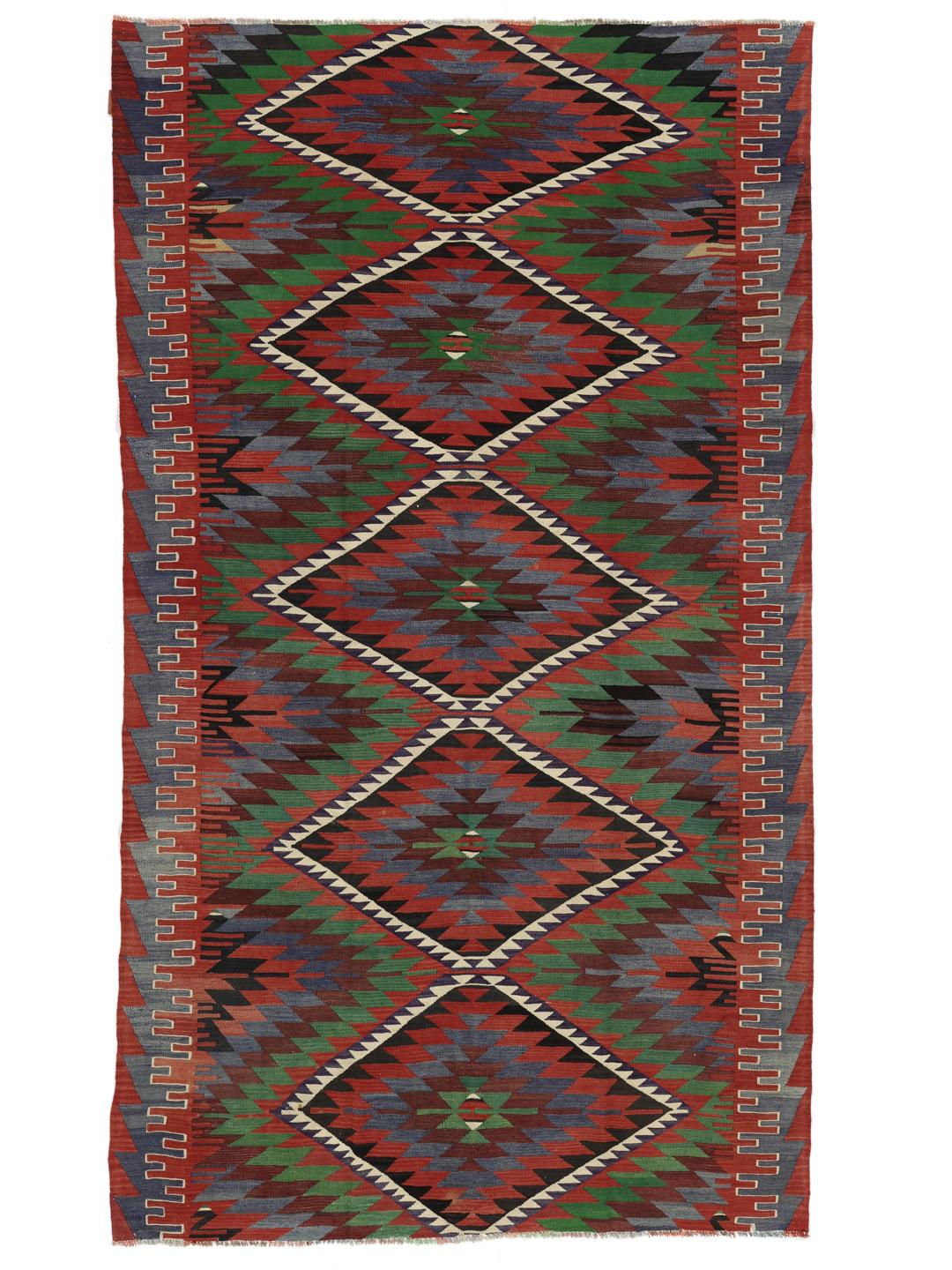
The signature design elements of a Turkish Kilim are its bold, often abstract geometric motifs. Diamond shapes, triangles, and stylized floral elements are common, often arranged in rows or as large, central medallions. The borders are frequently decorated with intricate, symbolic motifs that carry cultural significance, often representing protection, prosperity, or fertility. The vibrant colours are traditionally sourced from natural dyes, which mellow gracefully over time, giving vintage pieces their sought-after, soft patina.
Collecting vintage Kilims is about preserving a piece of cultural heritage. These rugs are highly valued for their individuality and the undeniable skill required to produce them. Owning a Kilim is more than just a design choice; it is an appreciation of a timeless craft that bridges the gap between ancient tradition and modern living, offering a sense of connection to the artisans of the past.