Kilim rugs represent a storied tradition of flat-weaving that dates back centuries across the Middle East, Central Asia, and Turkey. These rugs were historically created by nomadic tribes as functional, portable floor coverings, bags, and blankets, designed to be both lightweight and incredibly durable for life on the move.
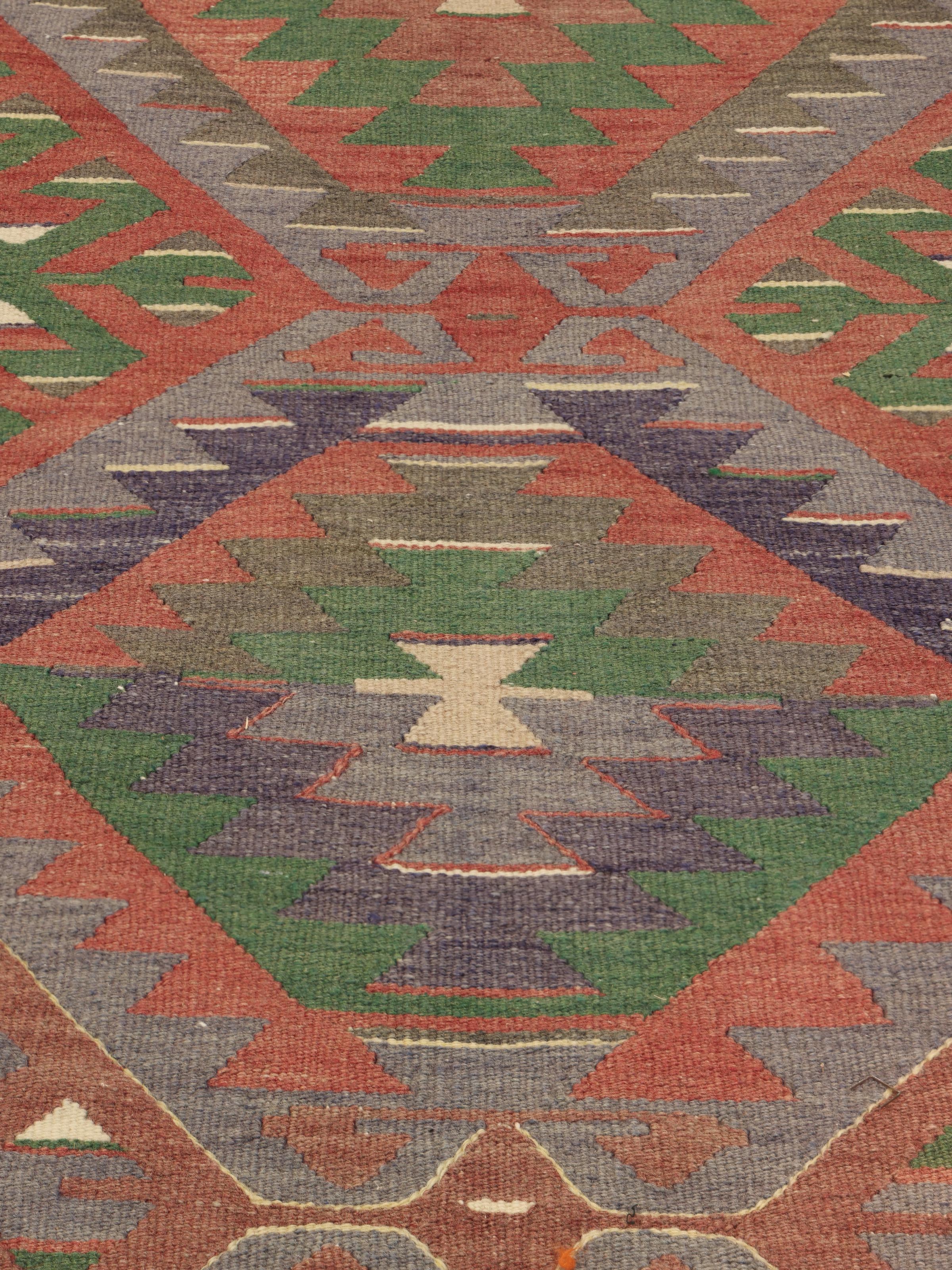
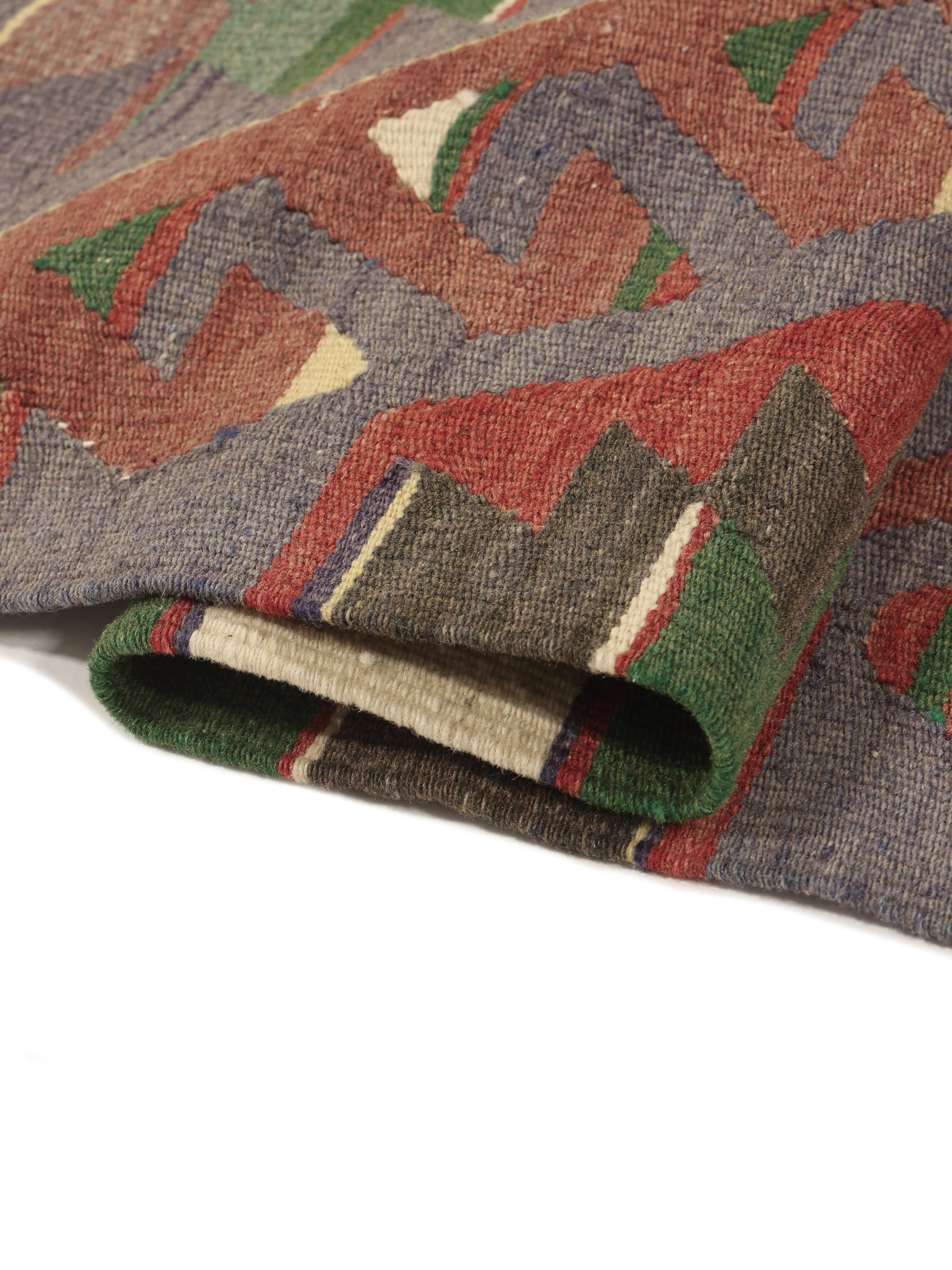
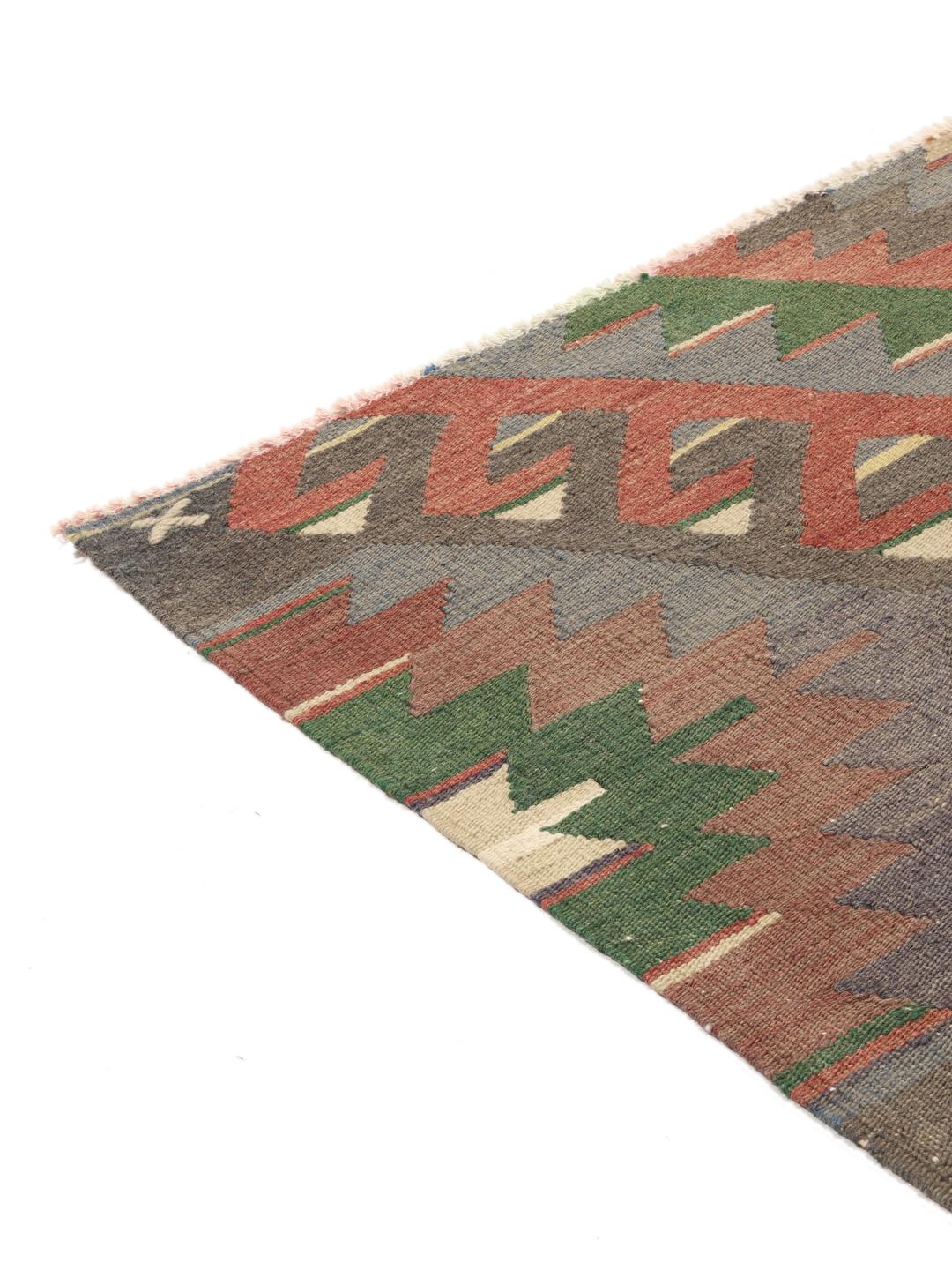
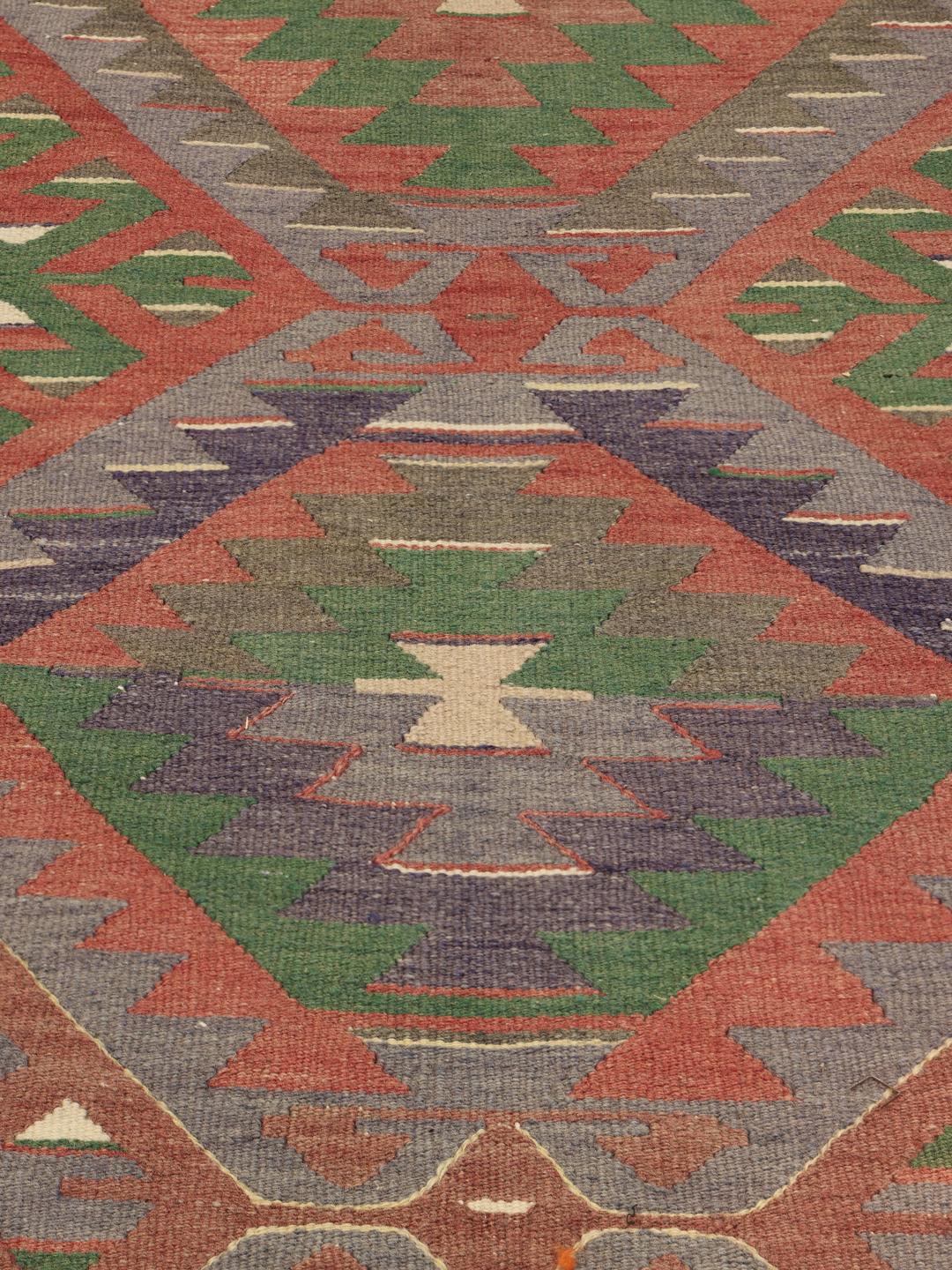
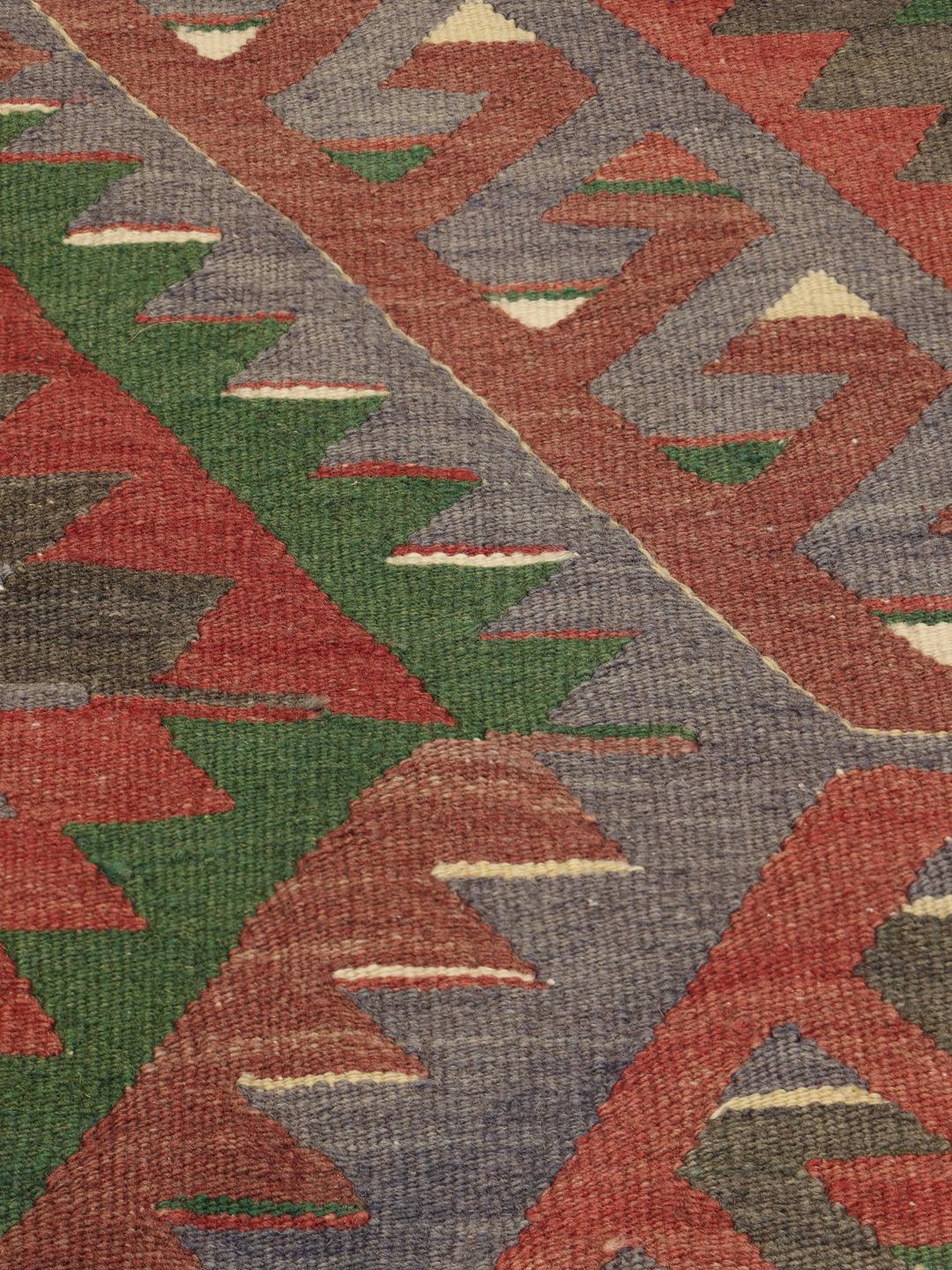
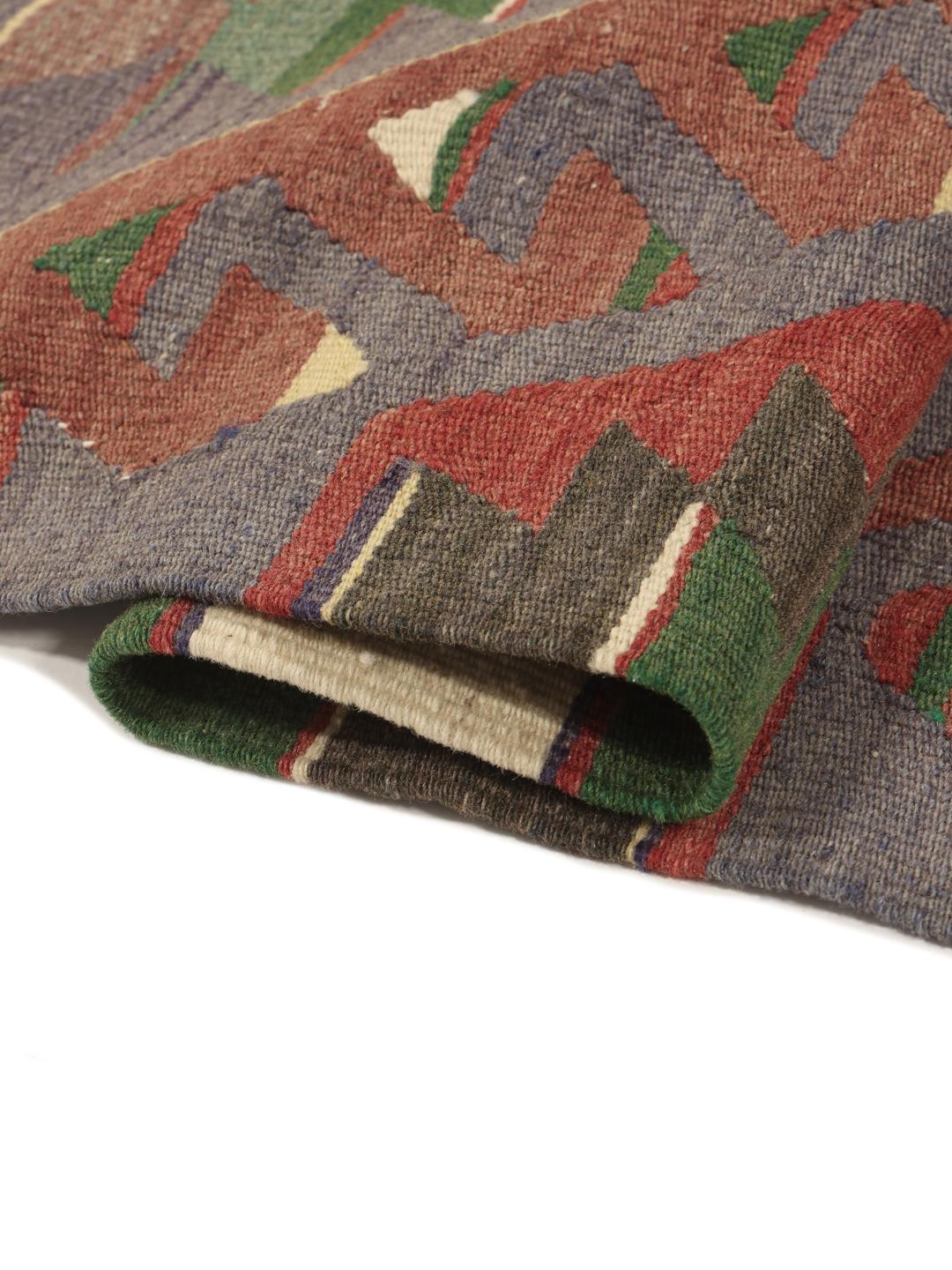
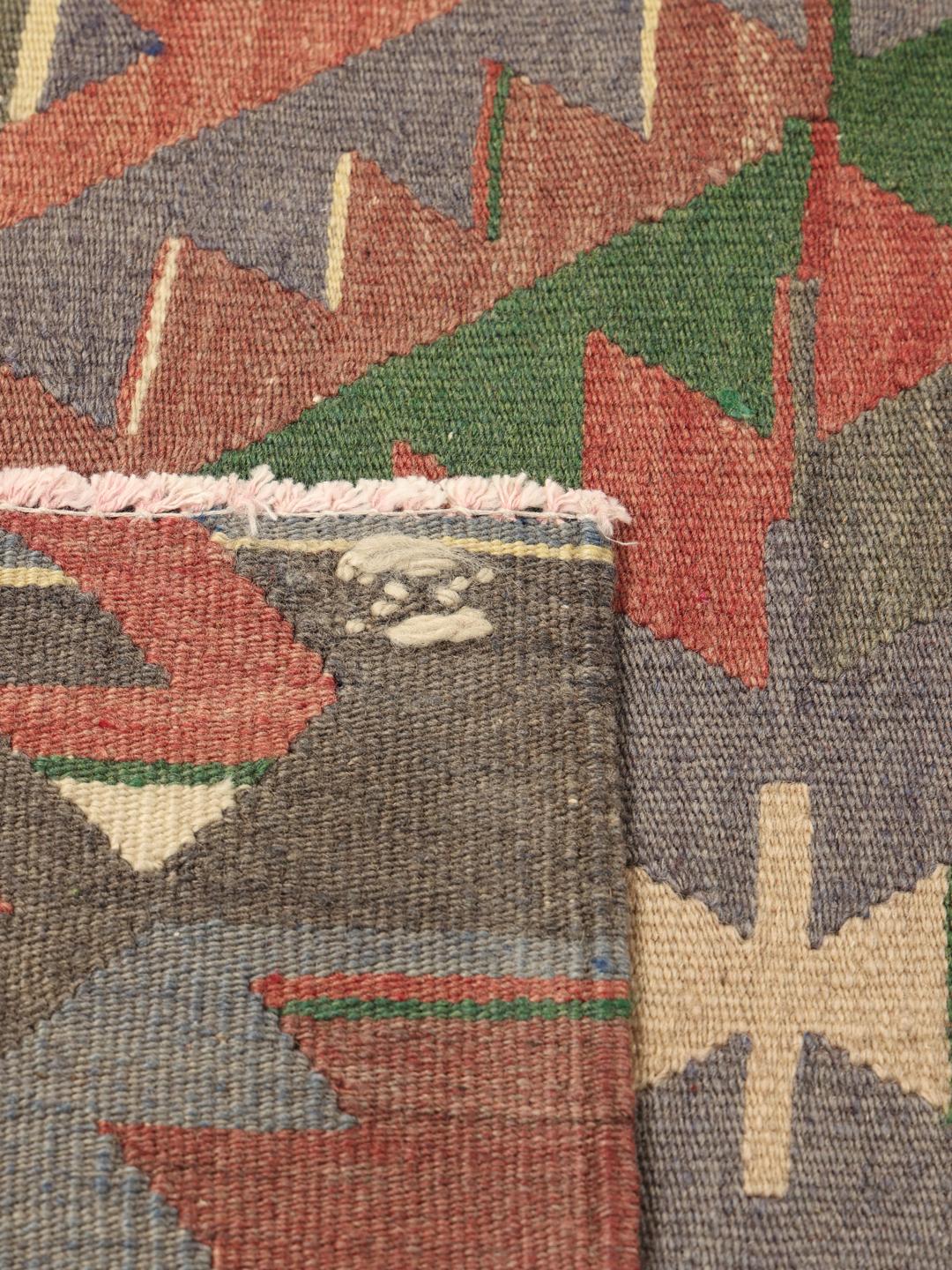
The term Kilim refers to the specific slit-weave technique used to create these pieces. Unlike pile rugs, Kilims are made by interweaving the warp and weft strands, which creates a flat, reversible surface. This method allows for the sharp, clean lines of geometric patterns that have become the hallmark of the style.
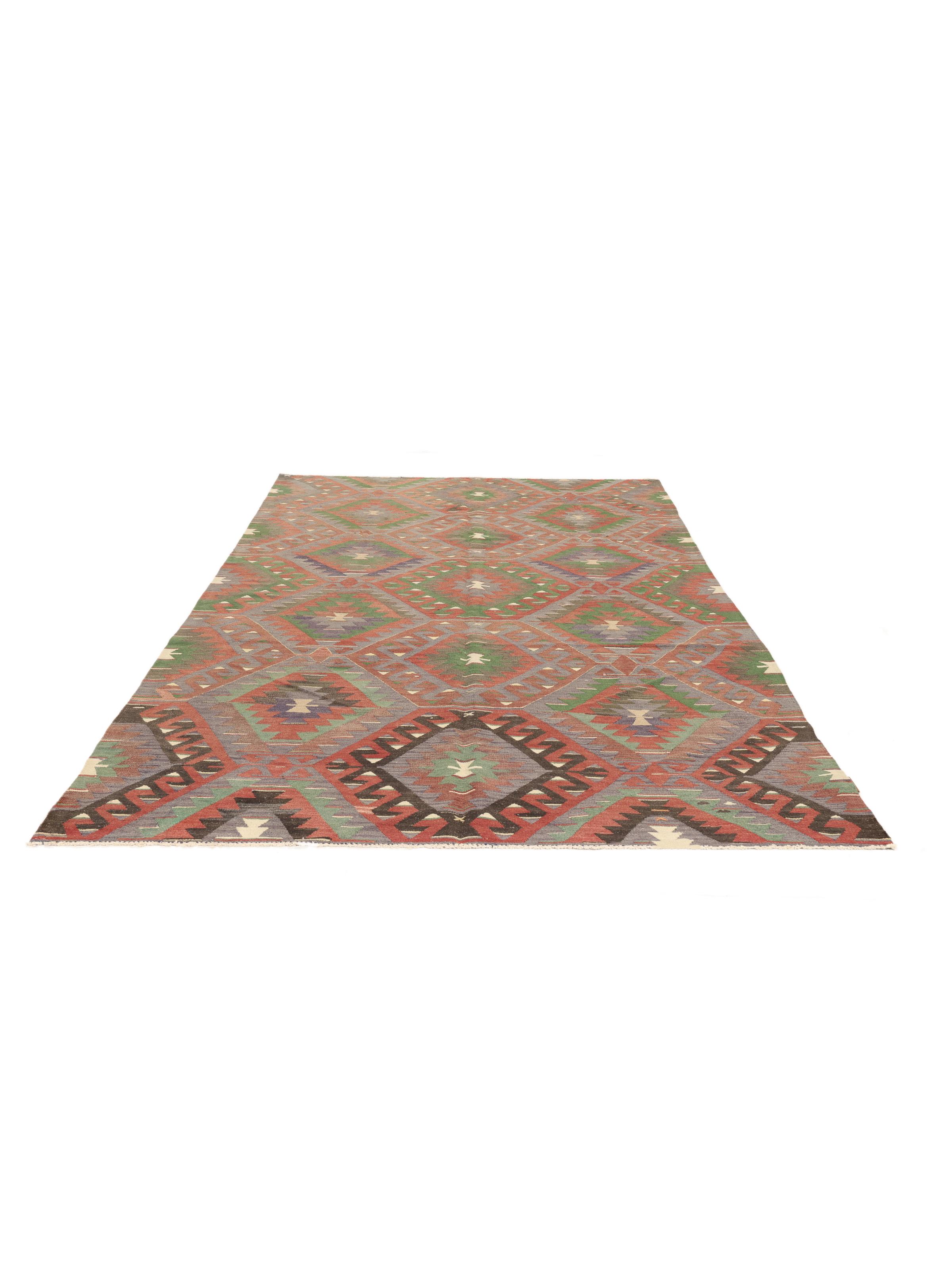
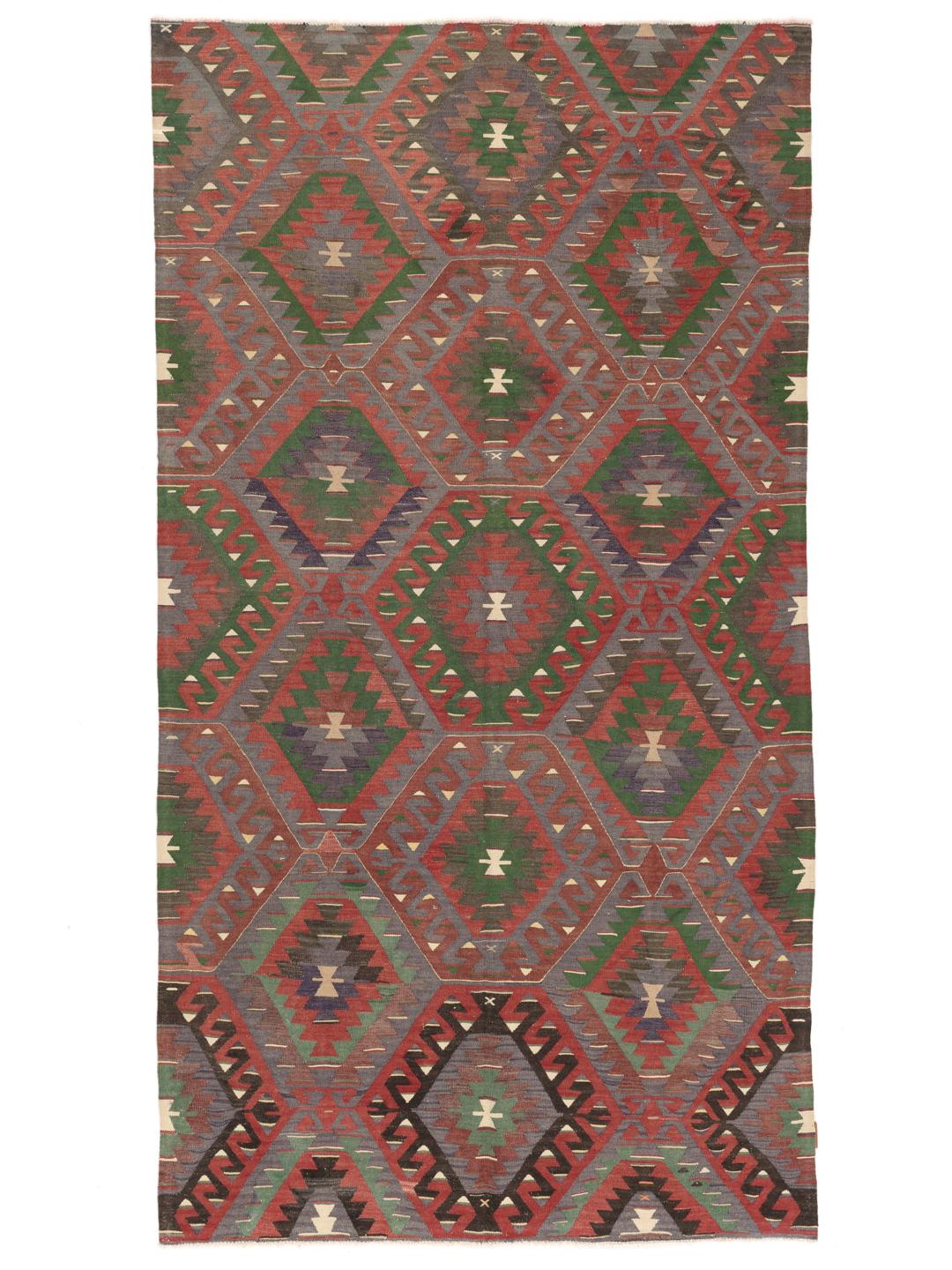
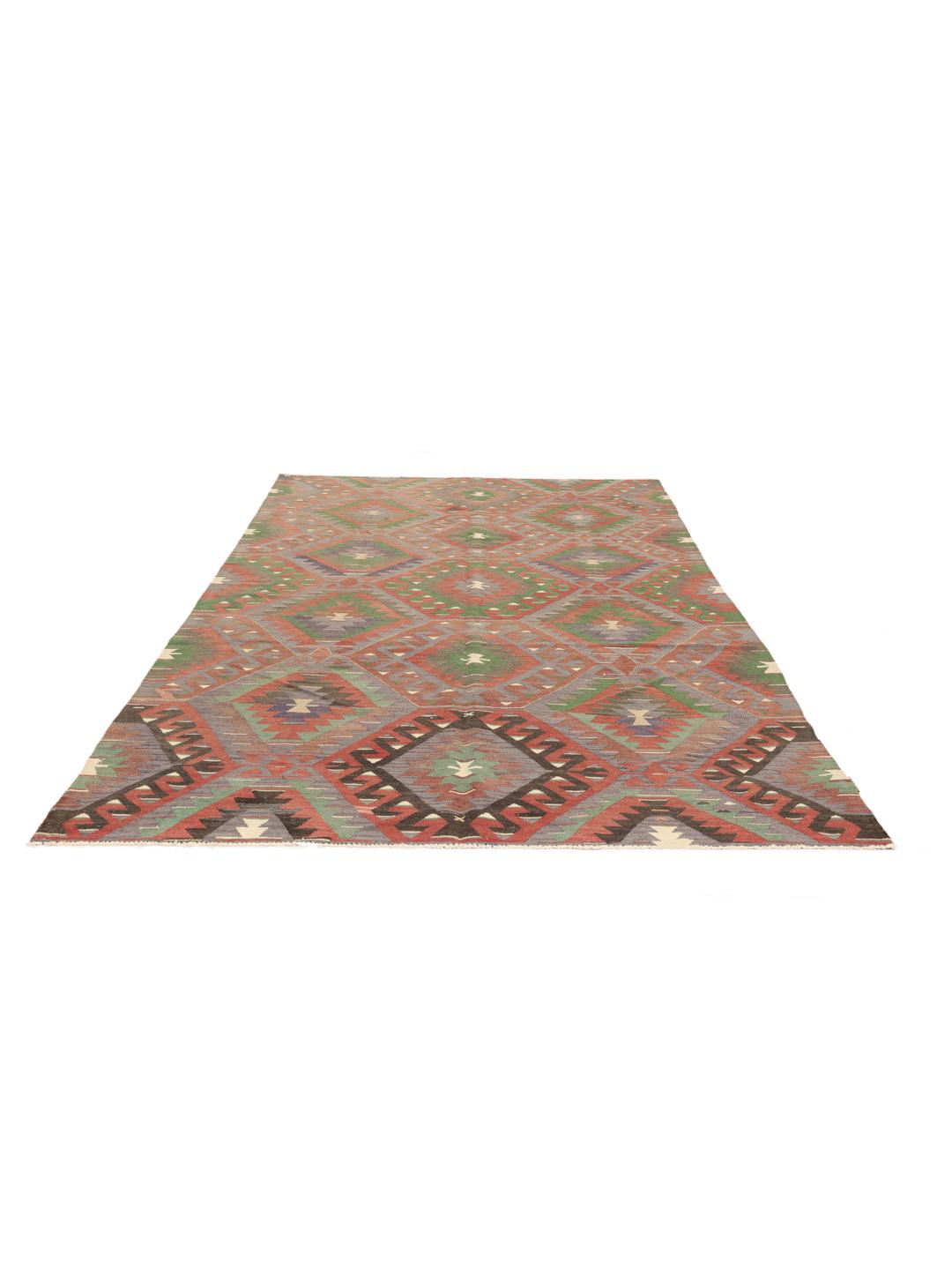
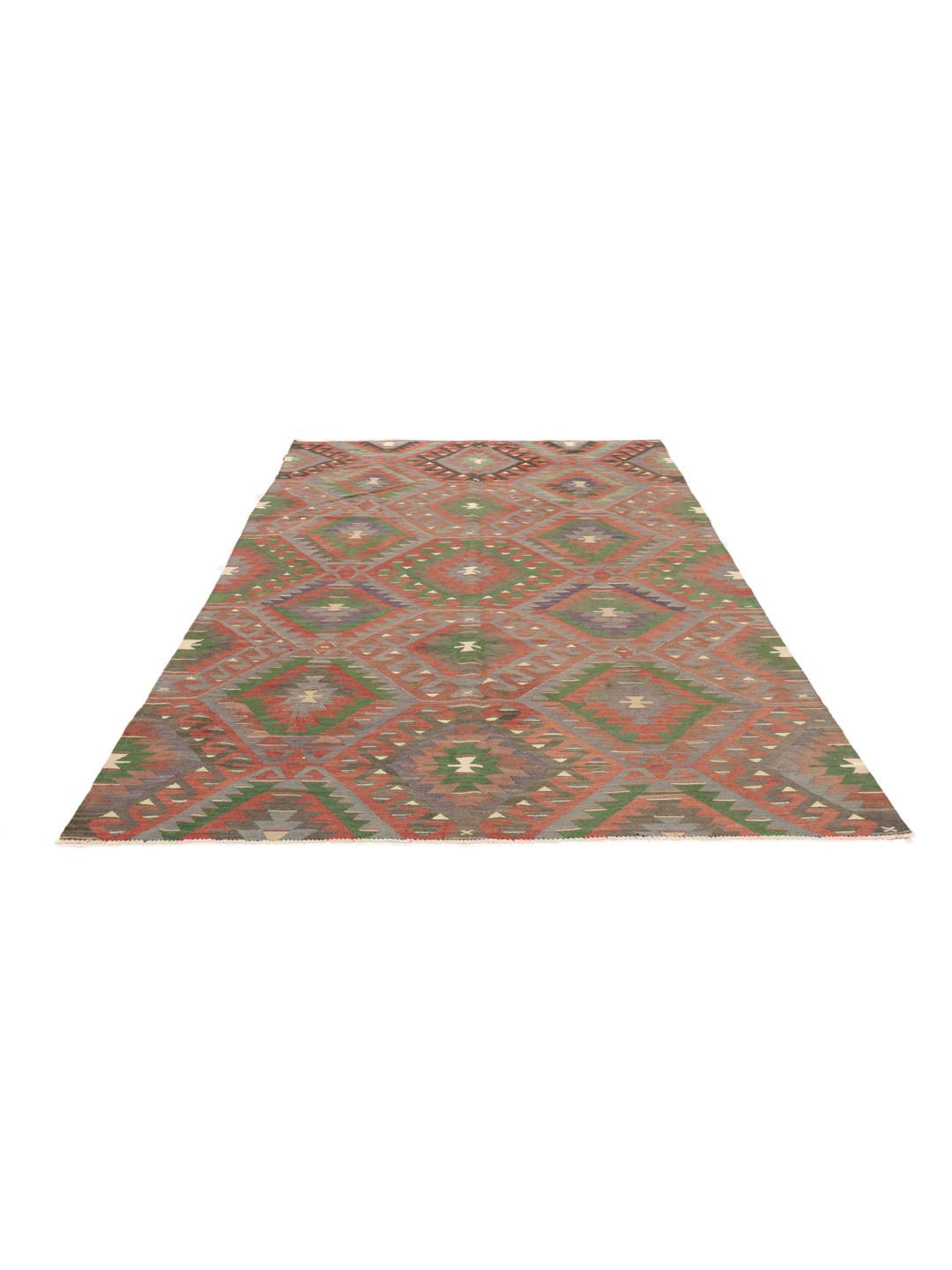
The design language of this Turkish Kilim is defined by its bold geometric shapes, often featuring repeated diamonds and hooked motifs that hold symbolic meaning related to protection and prosperity. The vibrant, earthy colour palette is typically achieved through traditional dyeing methods, reflecting the natural landscapes and cultural heritage of the Anatolian region.
Collecting vintage Kilims is an act of preserving cultural history. Because each rug is a reflection of the weaver's personal expression and local traditions, they are highly valued for their individuality. Owning a piece like this connects you to a timeless craft and a heritage of skill that remains a vital part of global textile history.