Kilim rugs are a foundational element of Middle Eastern textile history, emerging from centuries of nomadic traditions. These flat-woven textiles were originally created by tribal communities for practical, everyday use, serving as floor coverings, blankets, and storage sacks while travelling across diverse landscapes.
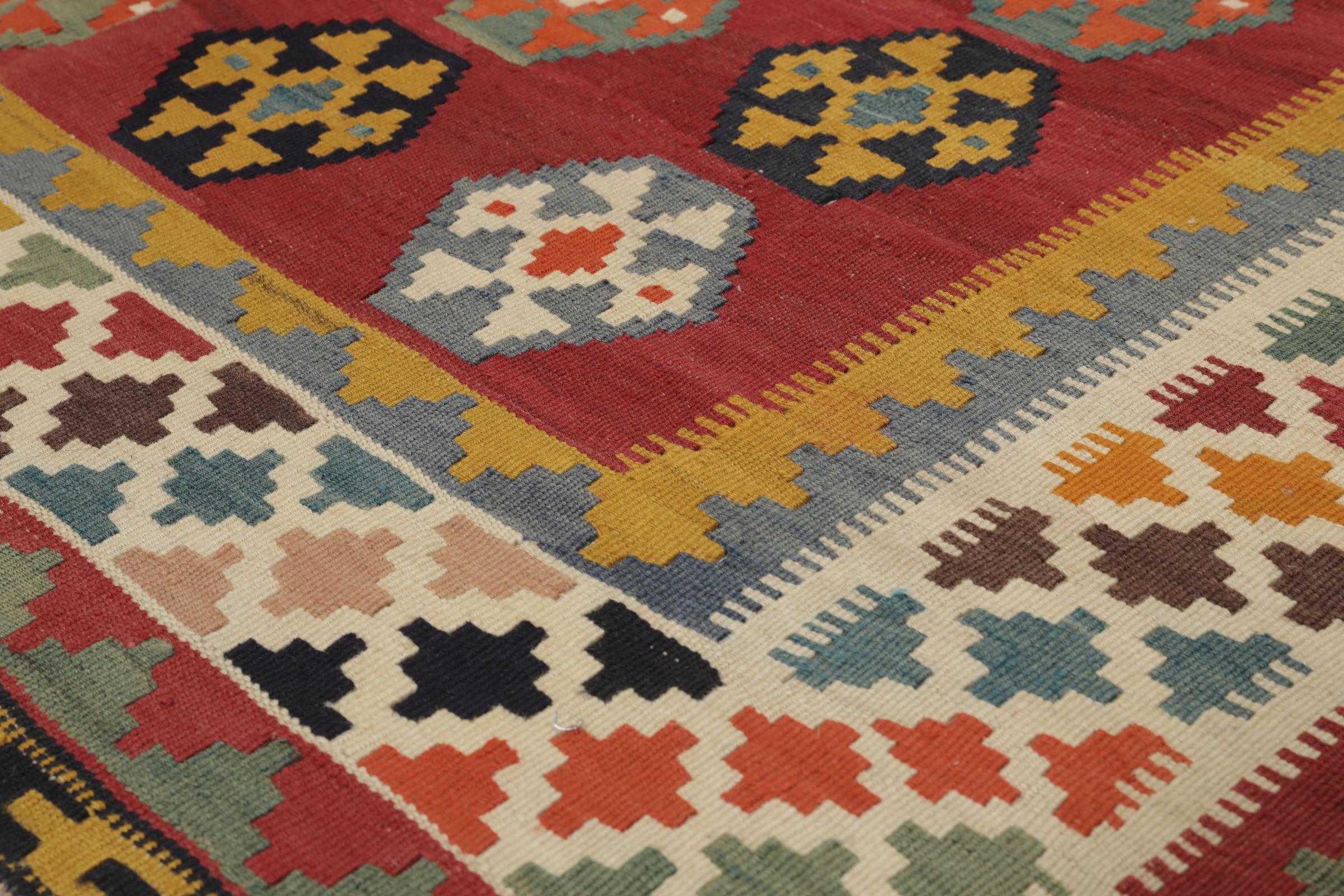
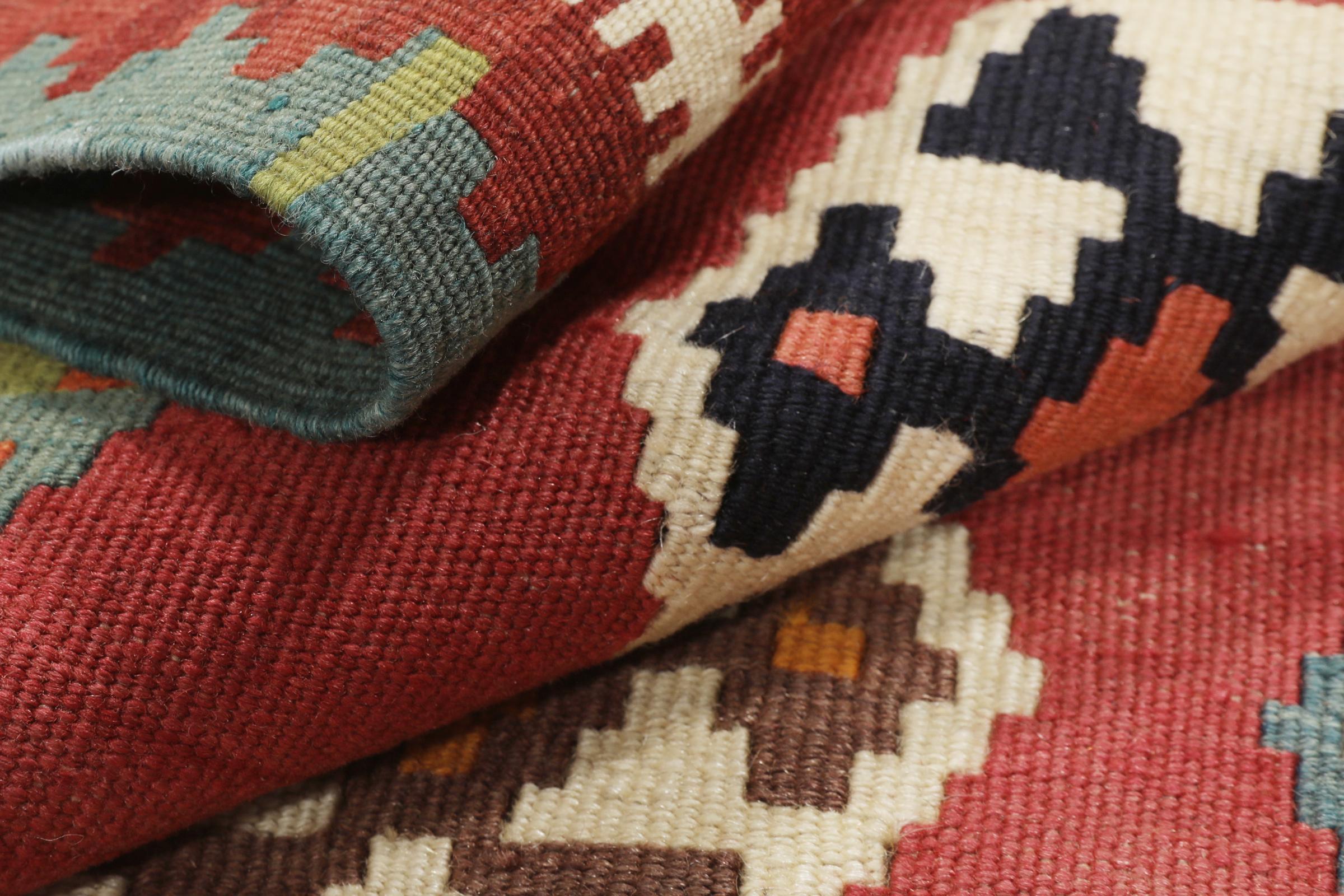
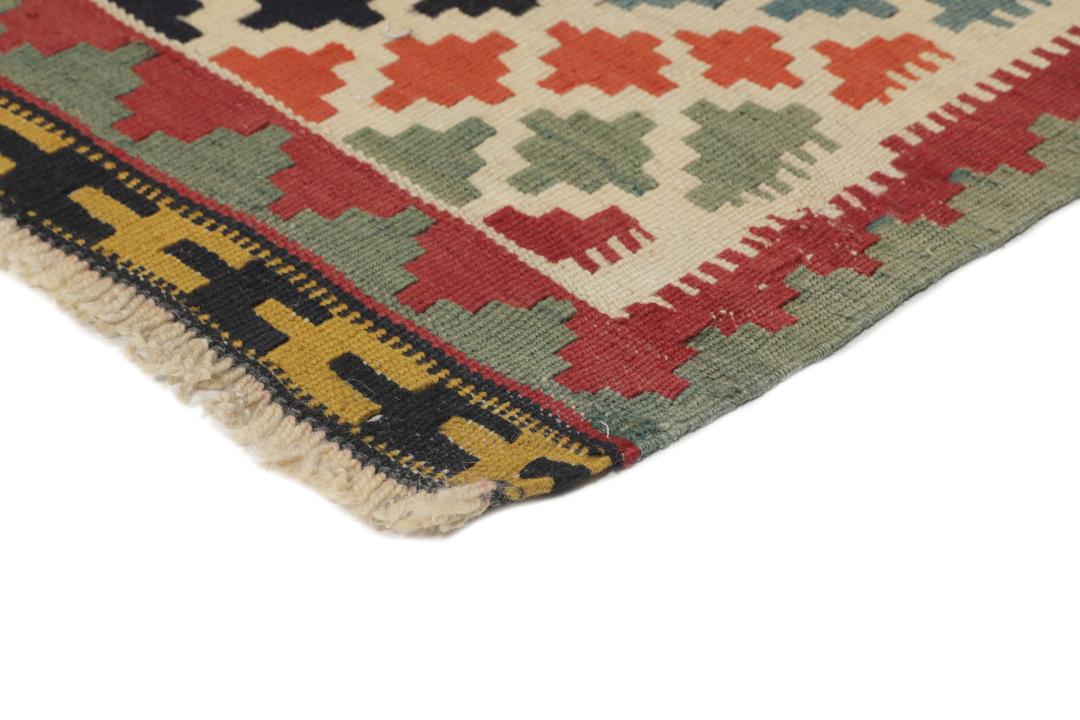
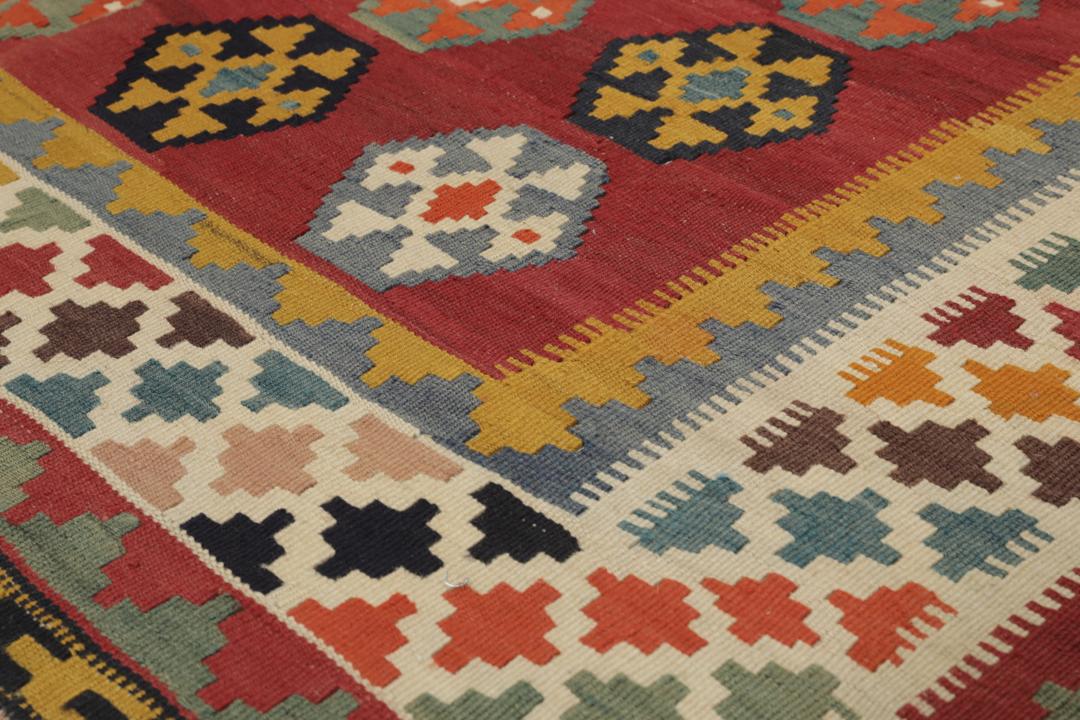
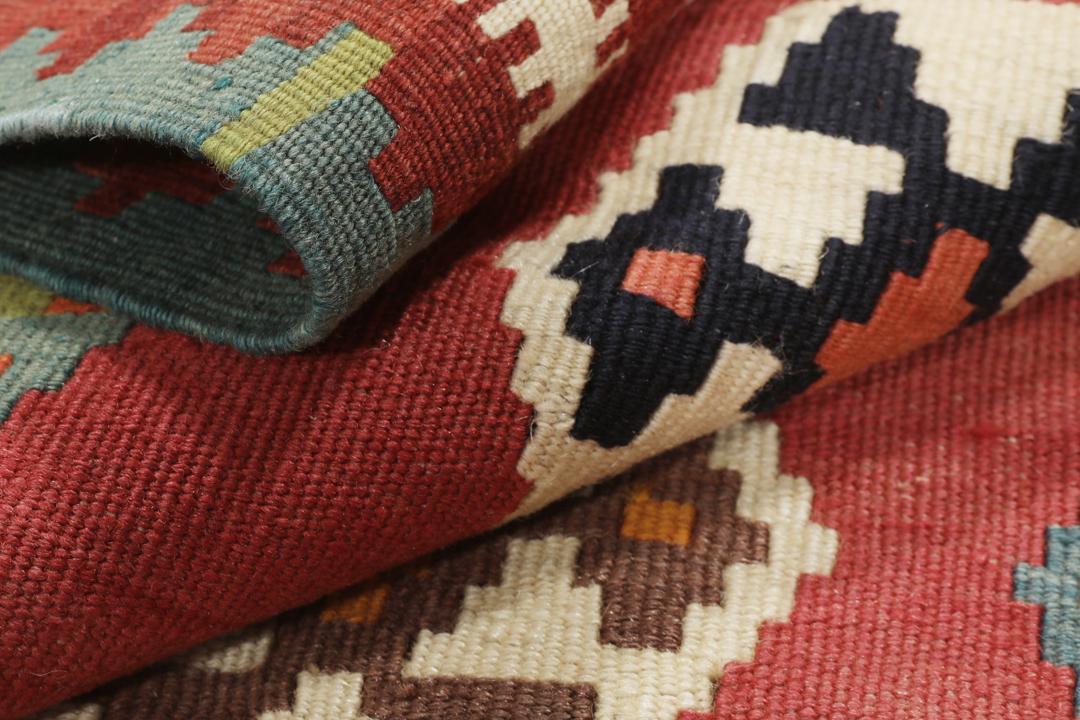
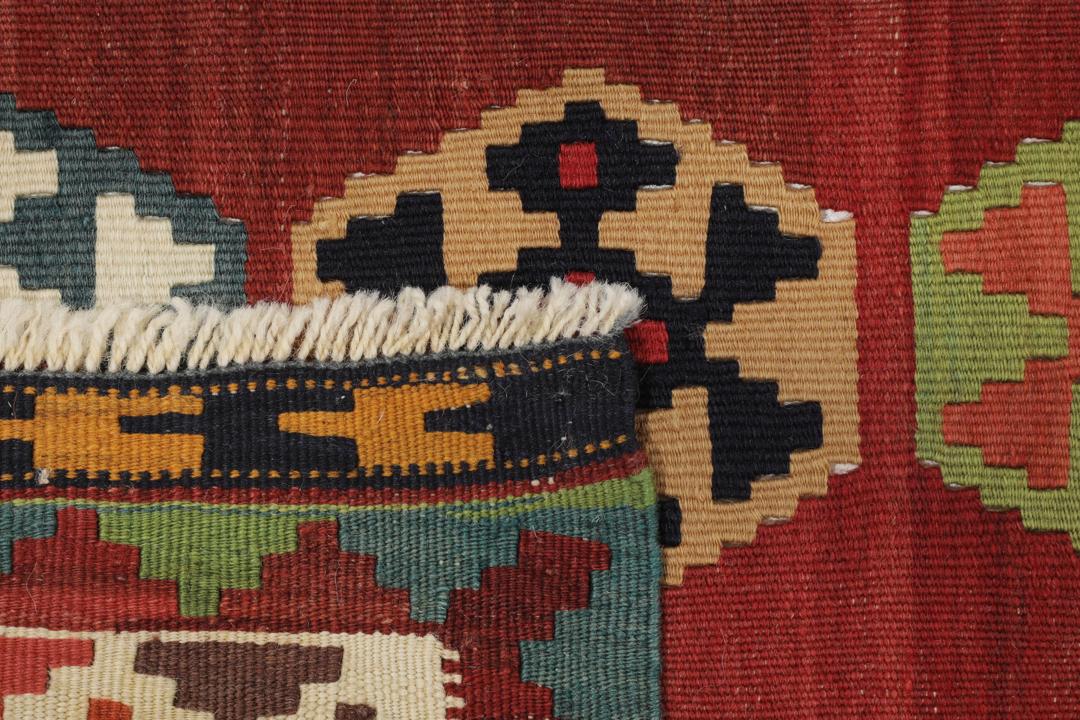
The term 'kilim' specifically refers to the slit-weave technique used to create the patterns, where the weaver wraps the coloured thread around the warp and weft to build the design. This method is what allows for the sharp, crisp geometric shapes that define the style, as the colours do not blend but rather meet at a clean, vertical join.
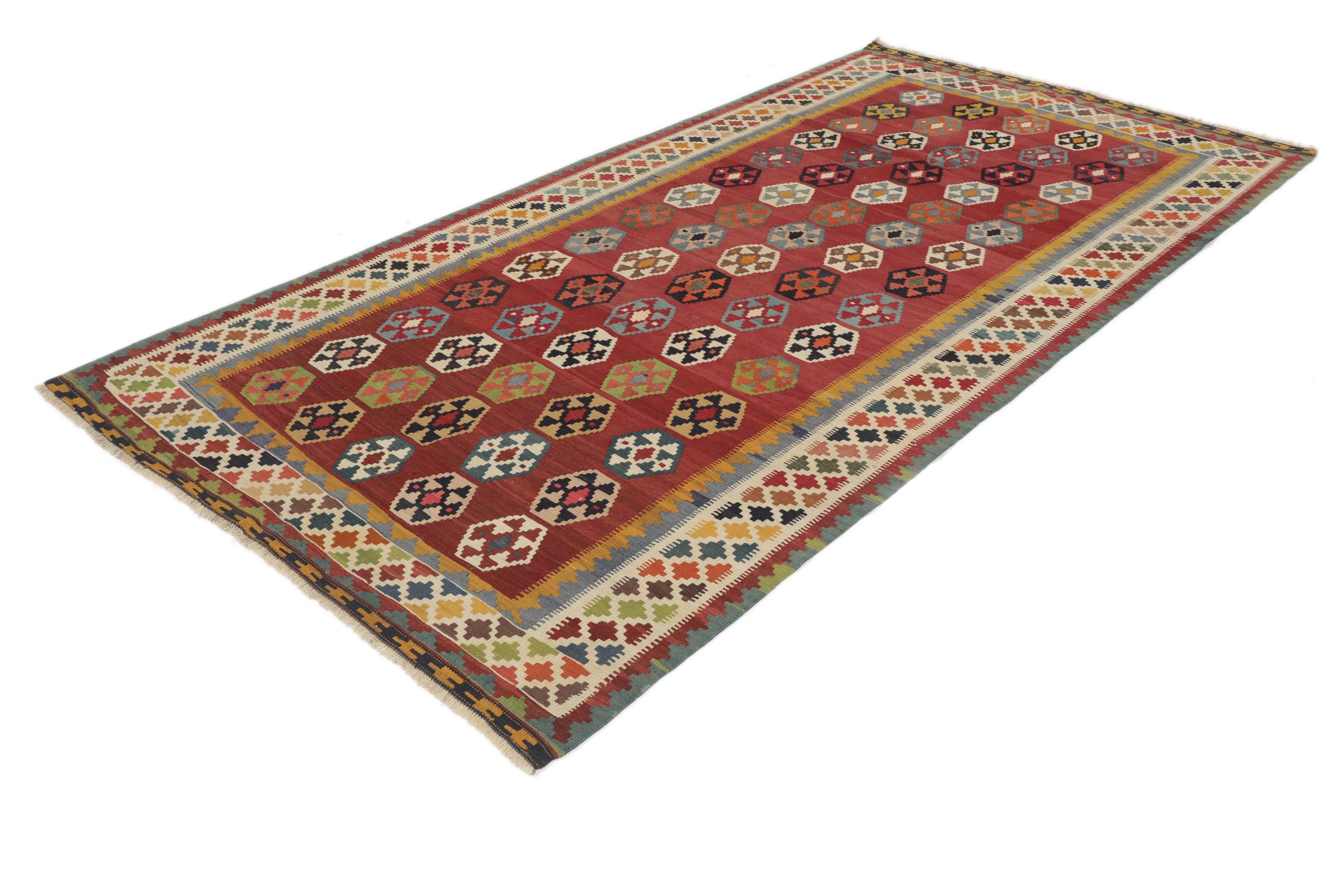
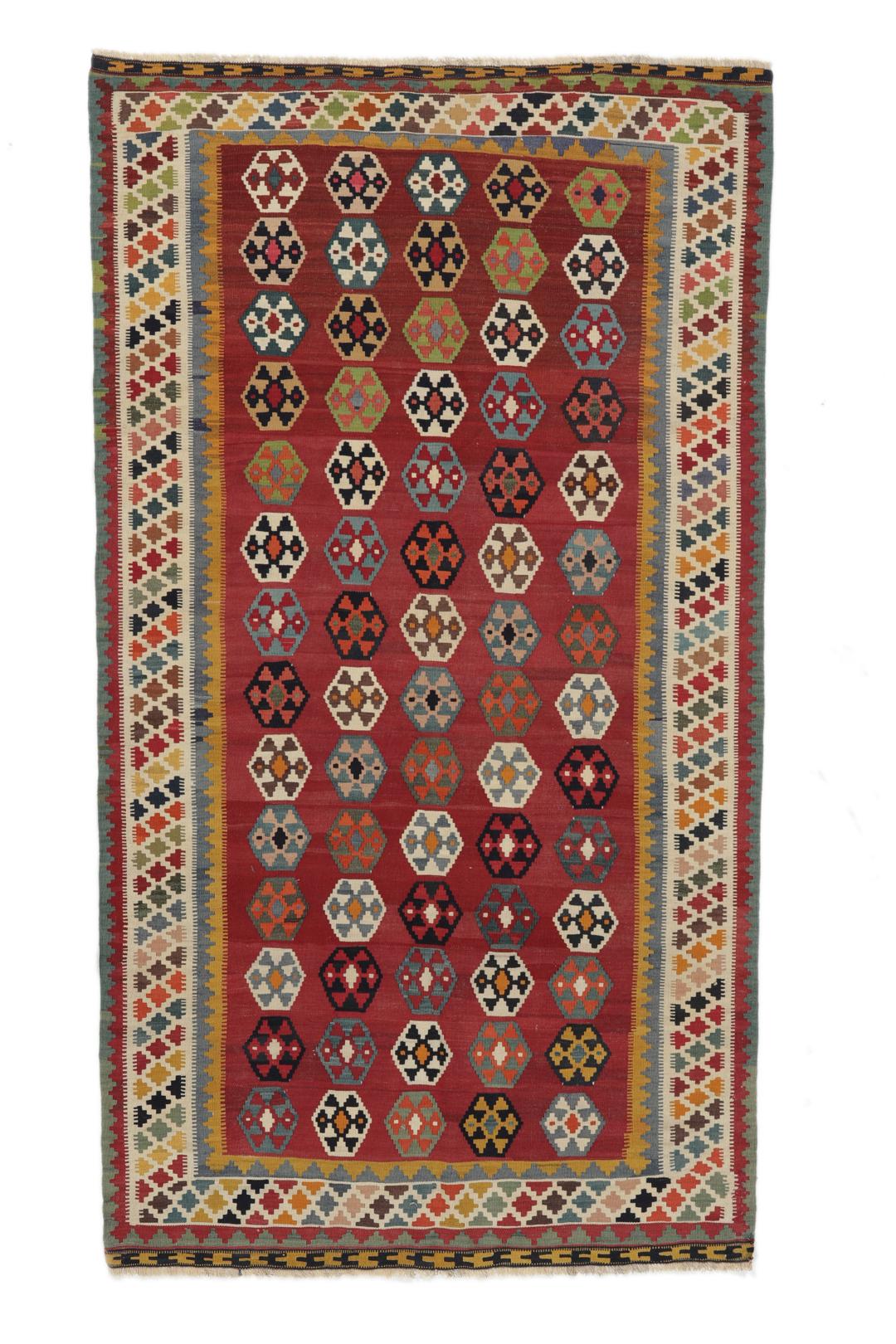
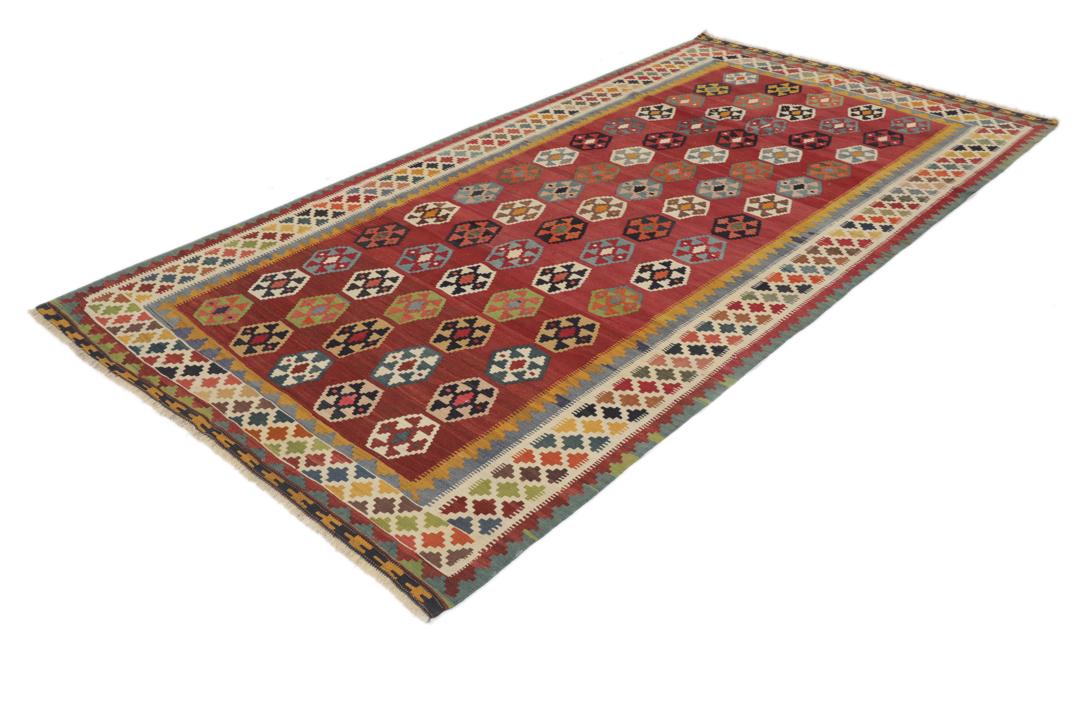
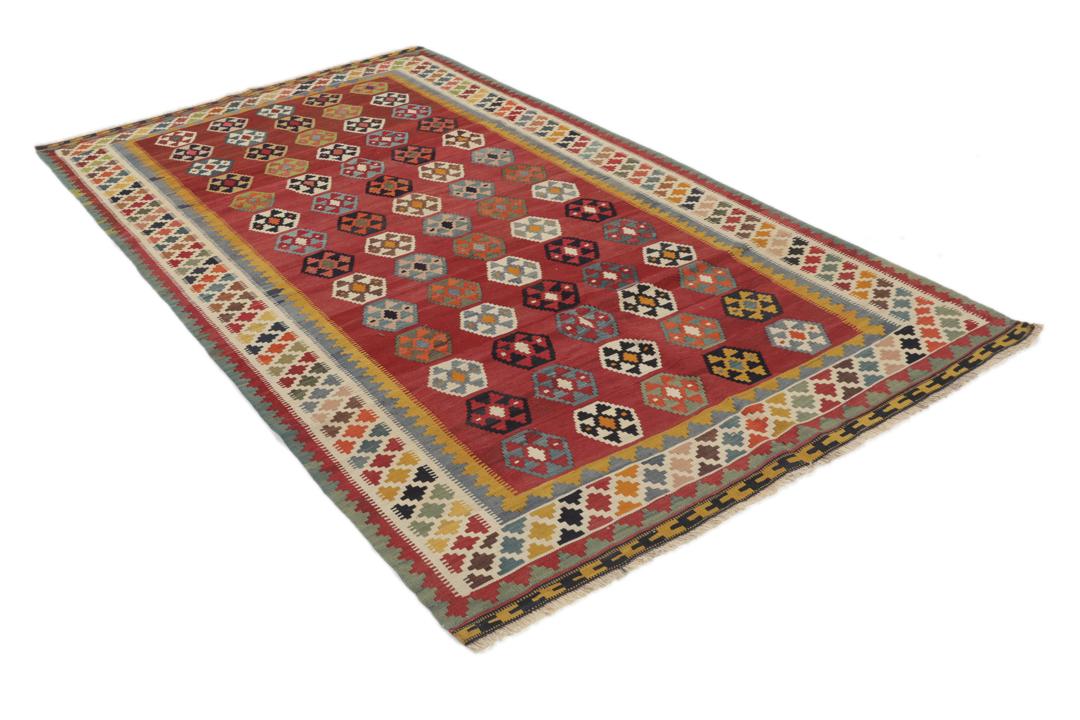
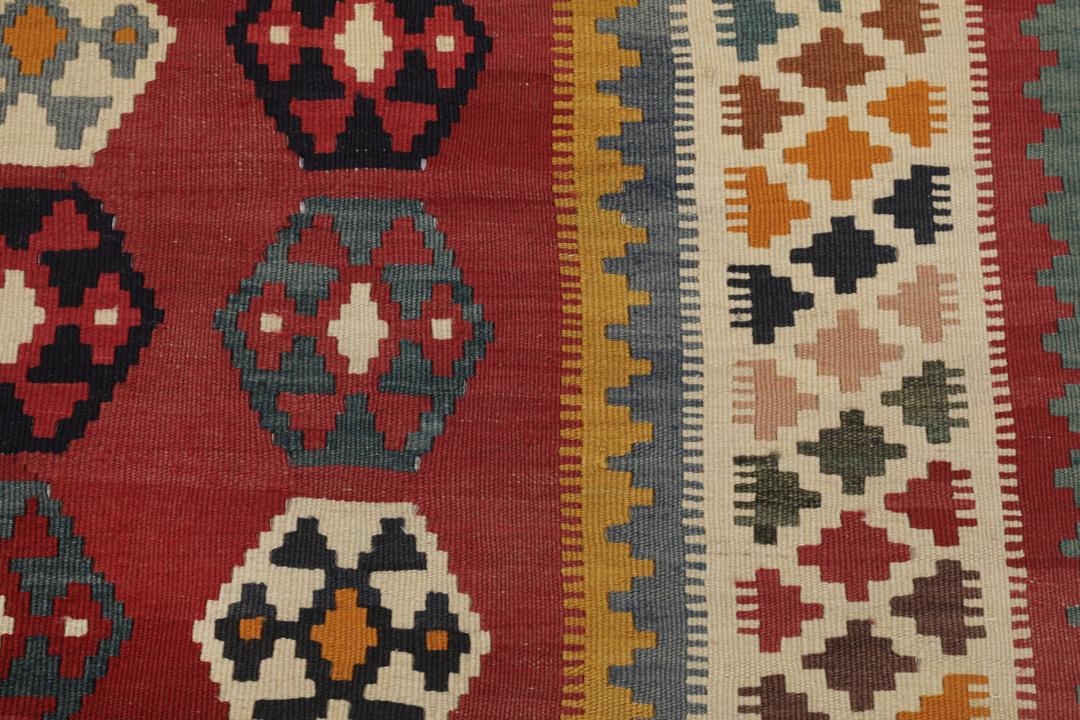
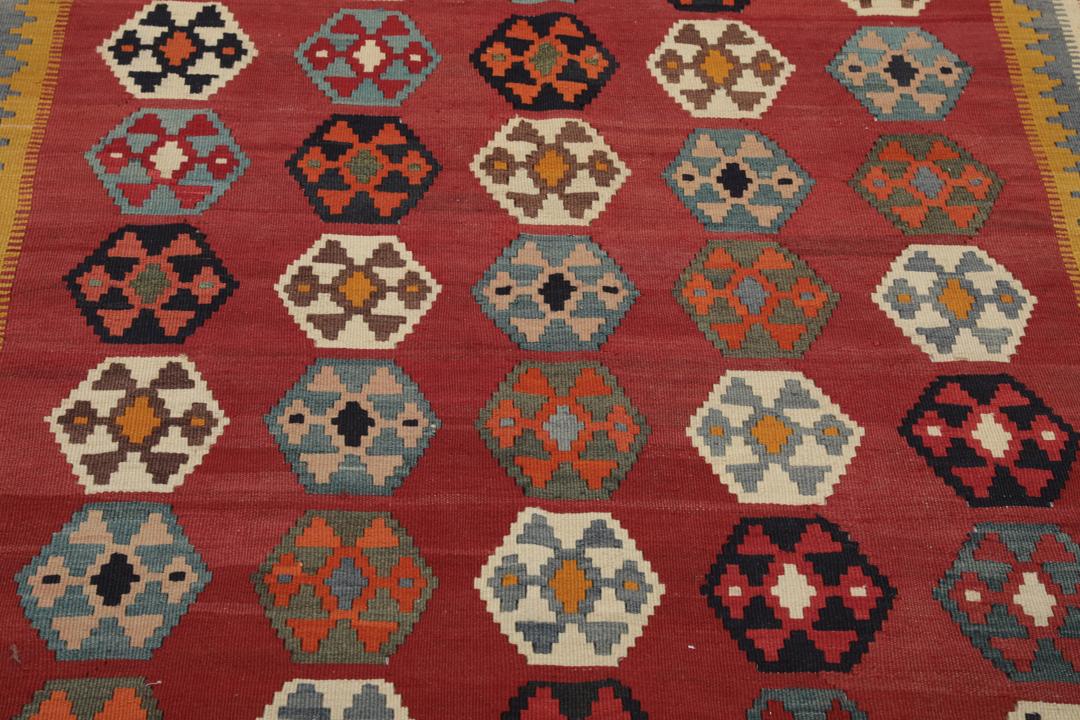
The visual language of this piece is dominated by repeating geometric medallions, often interpreted as symbols of protection or prosperity in the weaving tradition. The use of a vibrant red field is a hallmark of the region, chosen for its symbolic association with joy and life, while the border details frame the inner design to create a sense of harmony.
Collecting vintage kilims is an act of preserving cultural heritage. These rugs are highly valued for the artistic skill they represent and the stories they hold within their fibres. Owning one is an opportunity to connect with an ancient craft that prioritises both beauty and utility, ensuring that these traditions continue to be appreciated in modern homes.