Kilim rugs are a storied tradition originating from the nomadic tribes of the Middle East, where they were initially crafted as functional coverings for tents, floors, and walls. These flat-woven textiles have been essential to regional culture for centuries, serving as both utilitarian household items and expressions of tribal identity and artistic heritage.
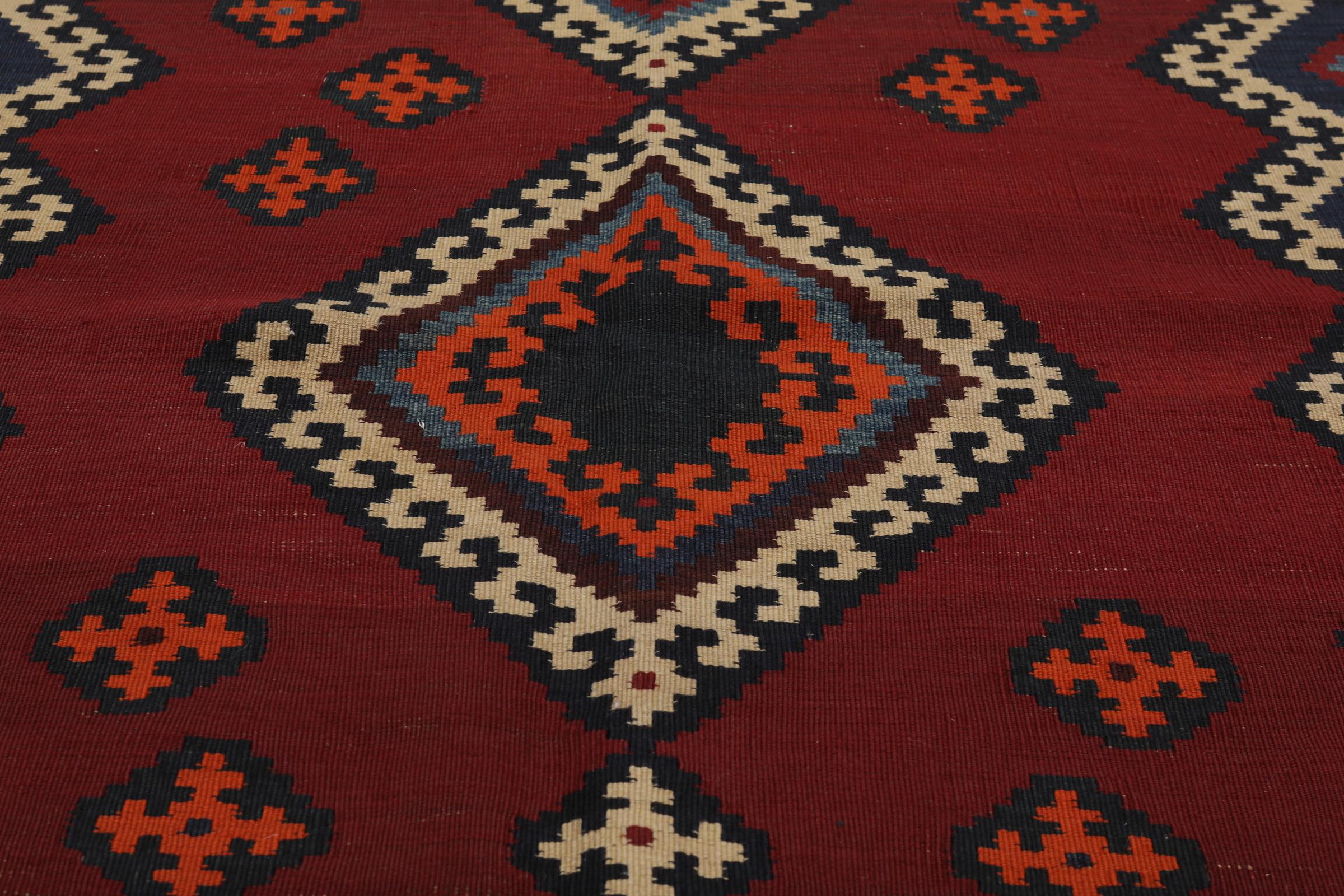
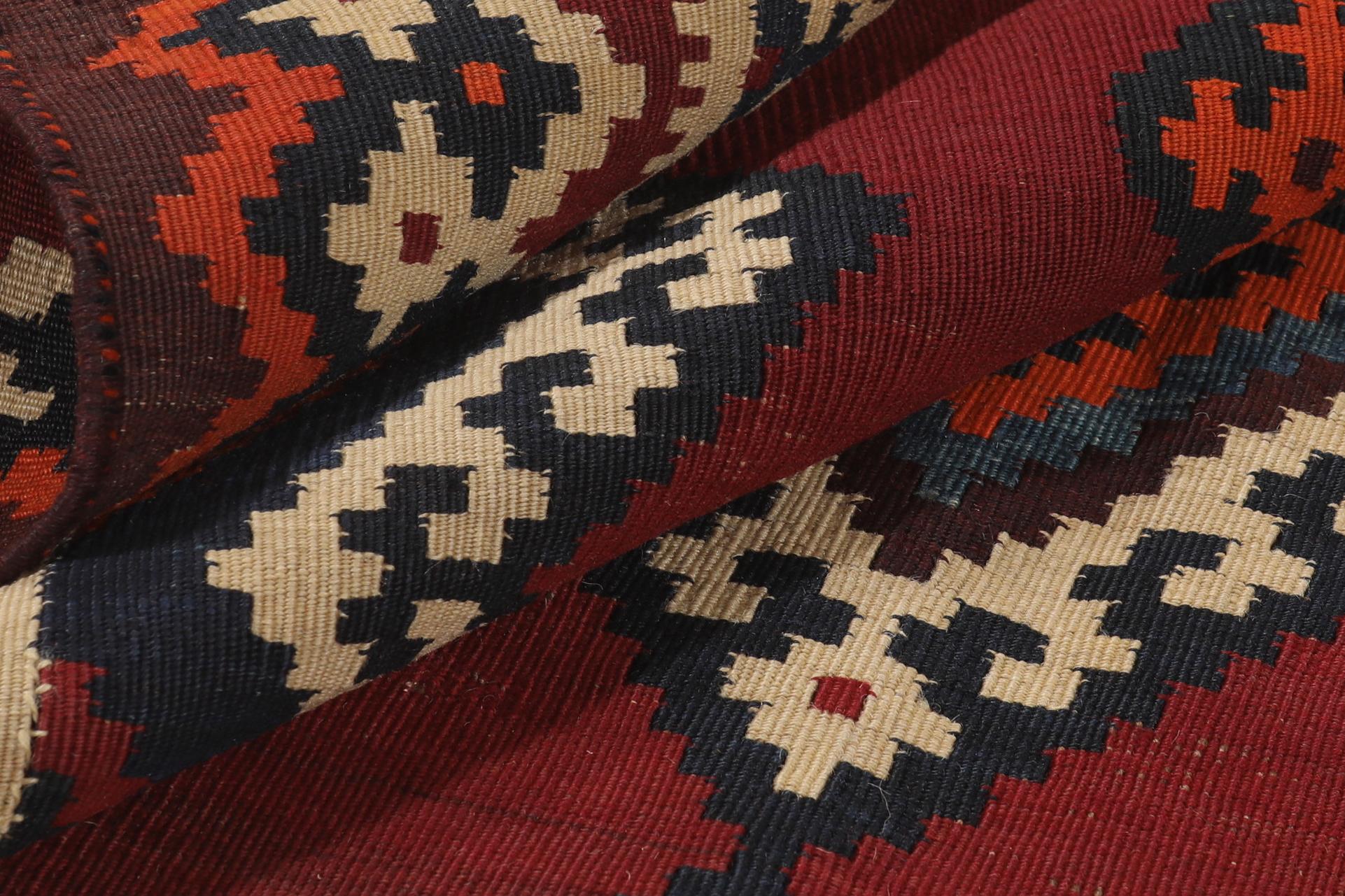
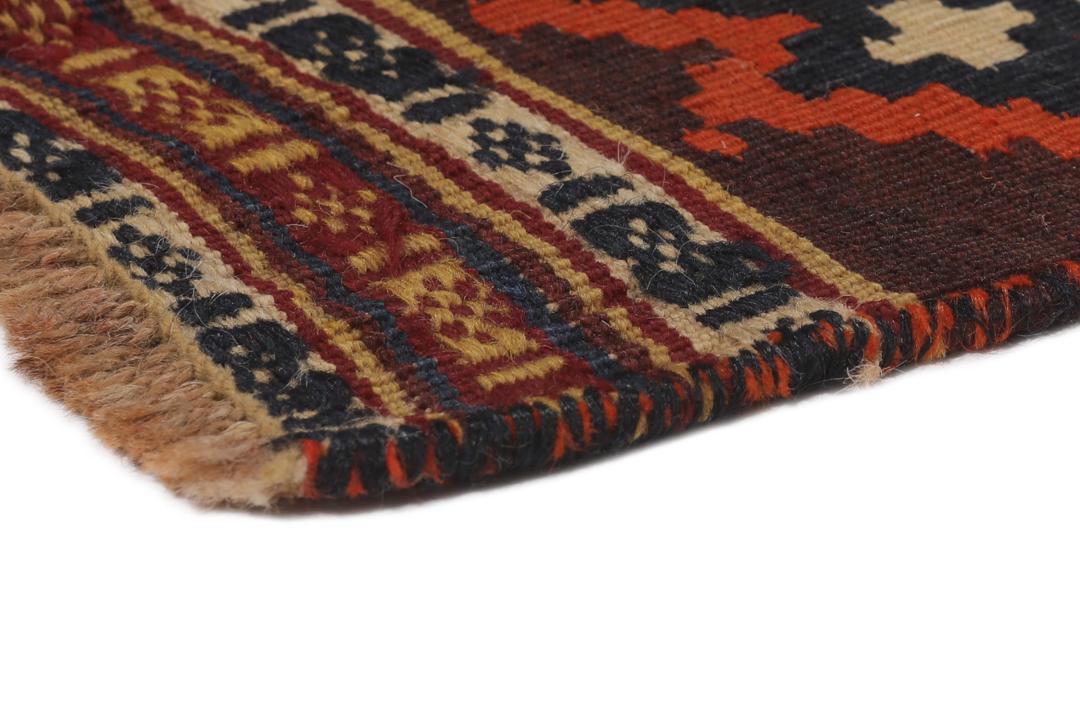
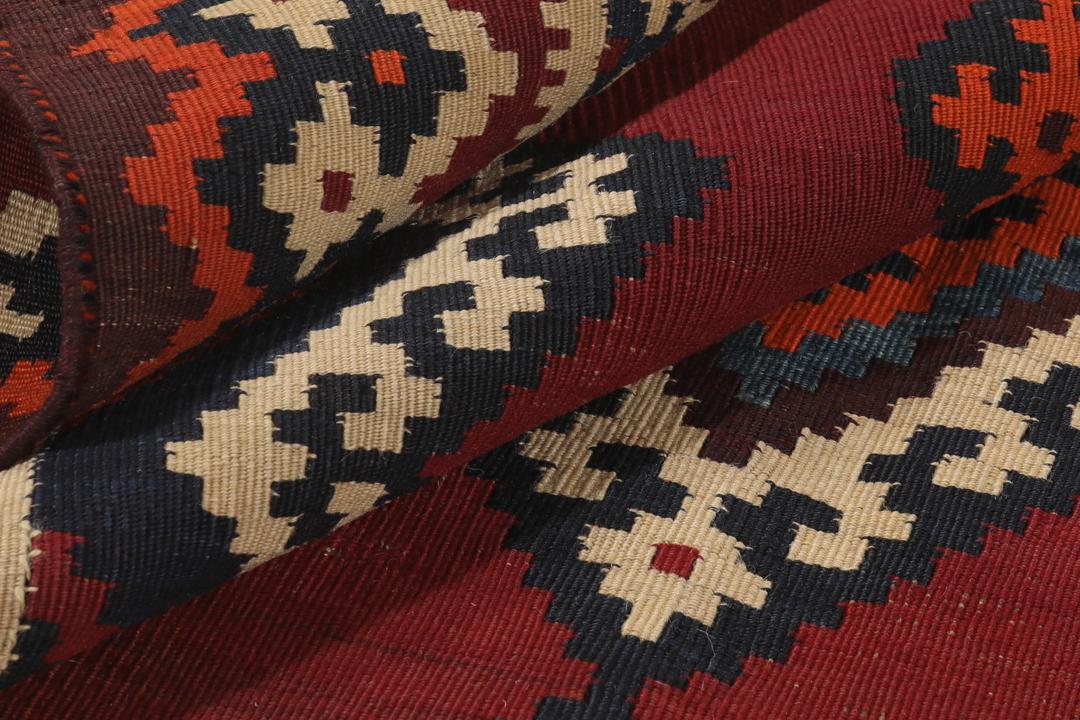
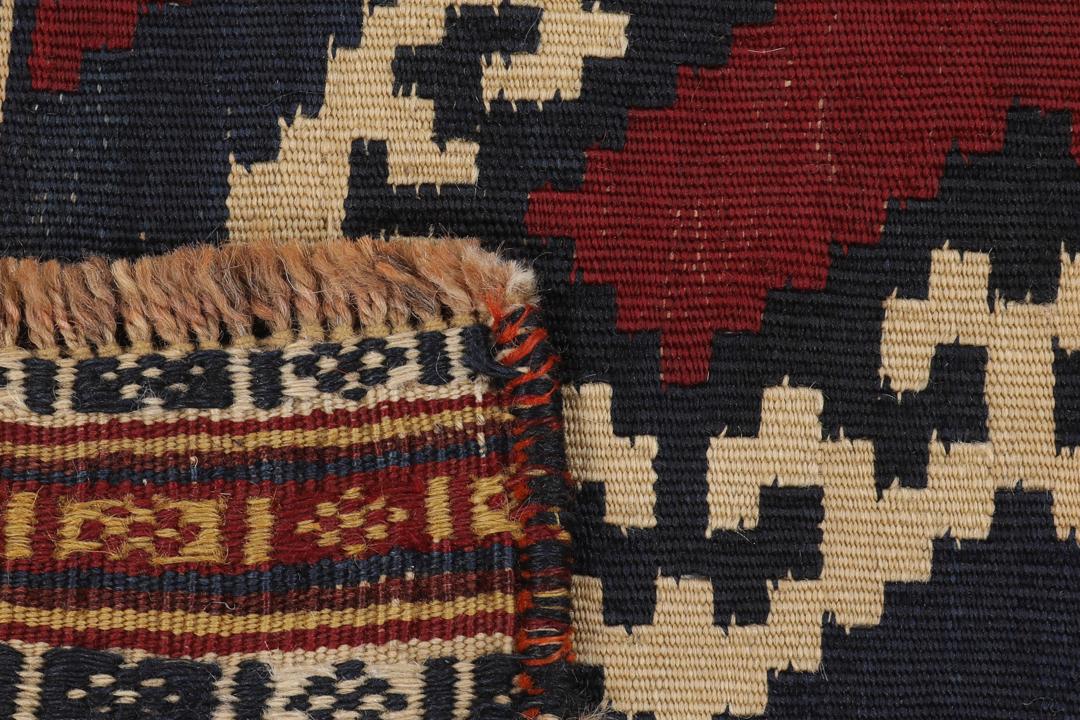
The term 'kilim' refers specifically to the tapestry-weave technique, which lacks the knotted pile found in traditional carpets. This method results in a thinner, reversible rug that is lightweight yet remarkably strong. The absence of pile means that the colours and patterns are integrated directly into the weave, creating a crisp and graphic aesthetic that has remained popular across generations.
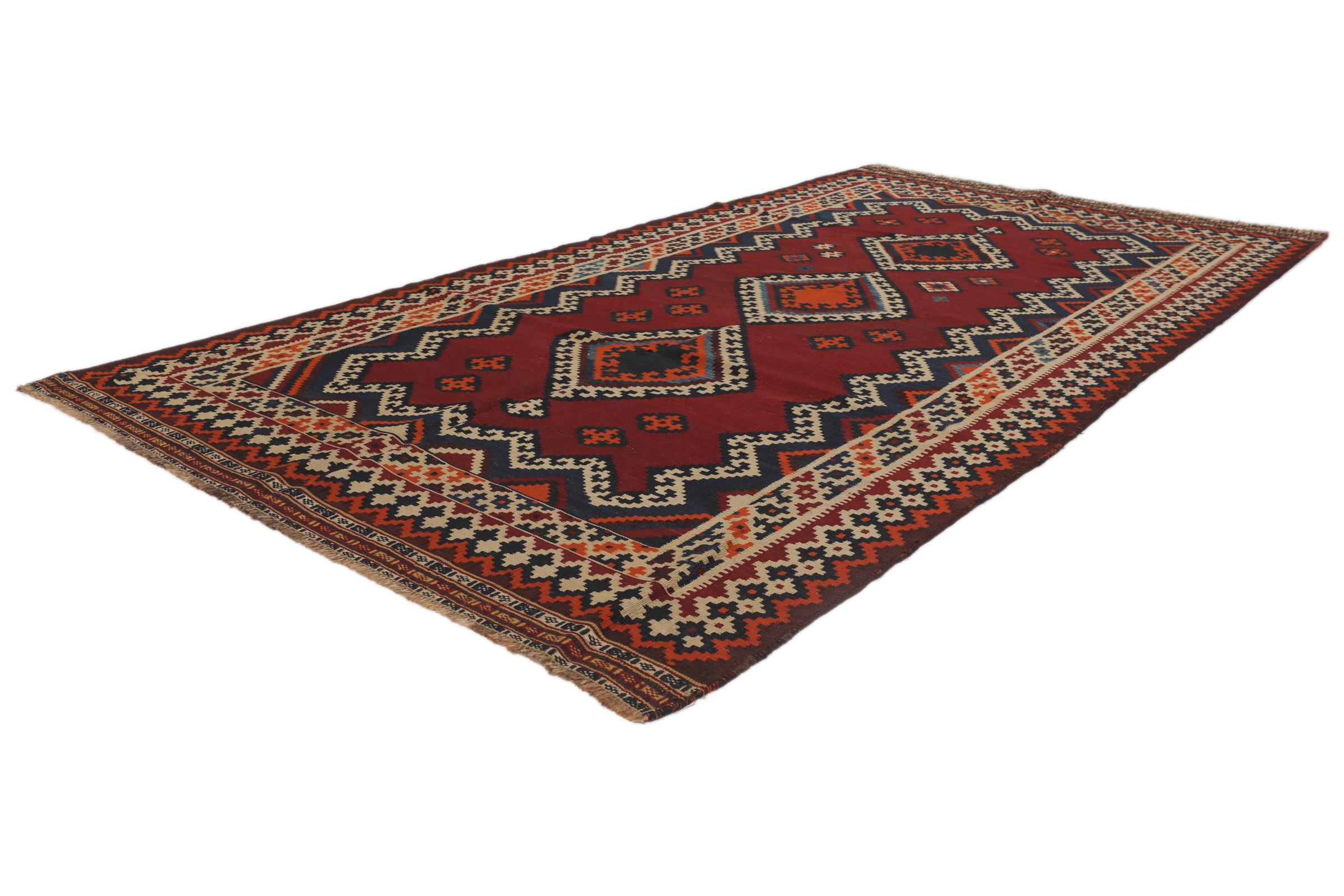
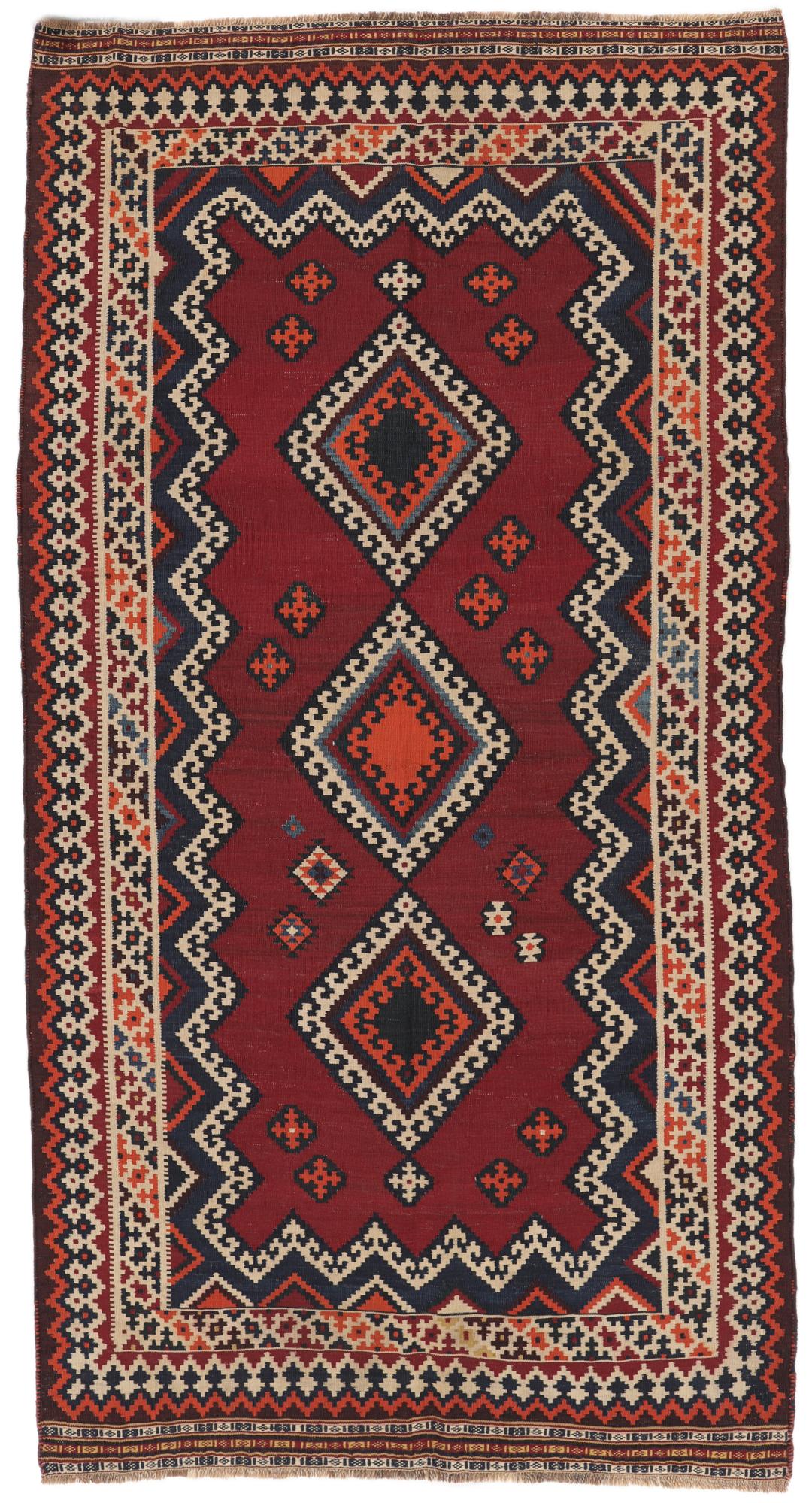
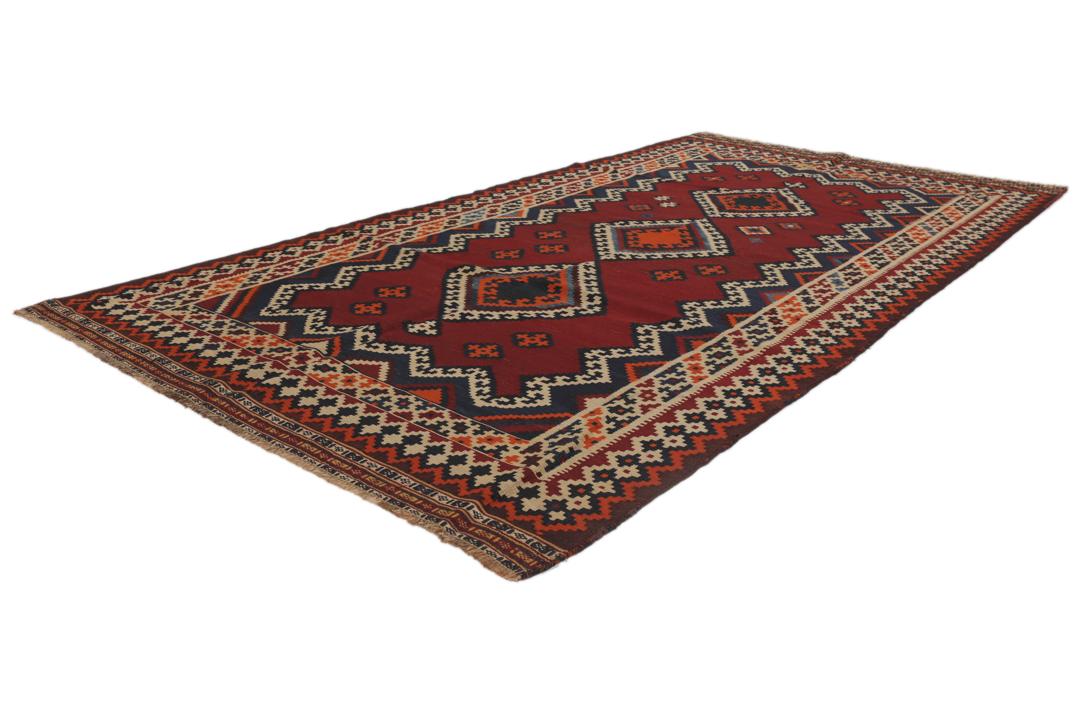
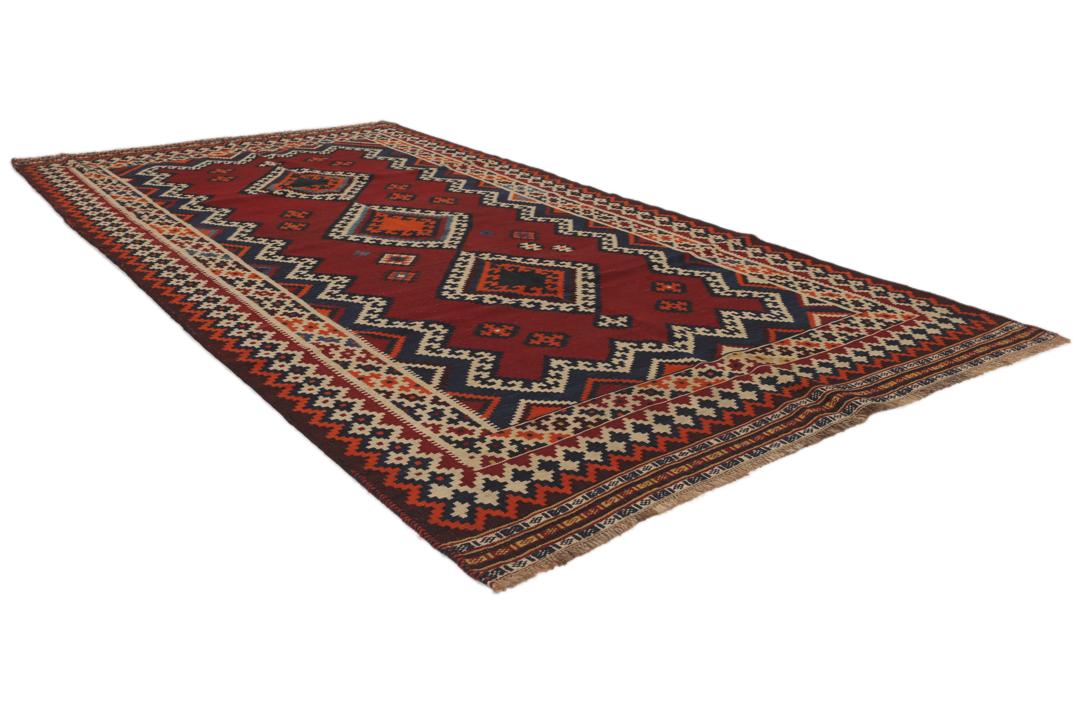
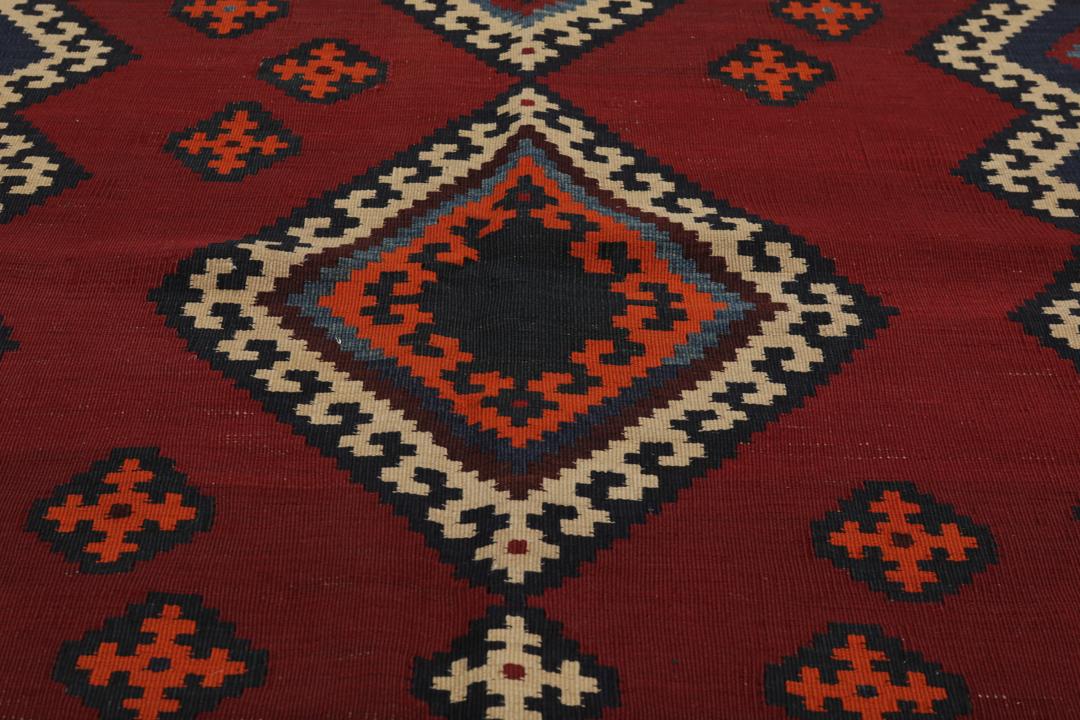
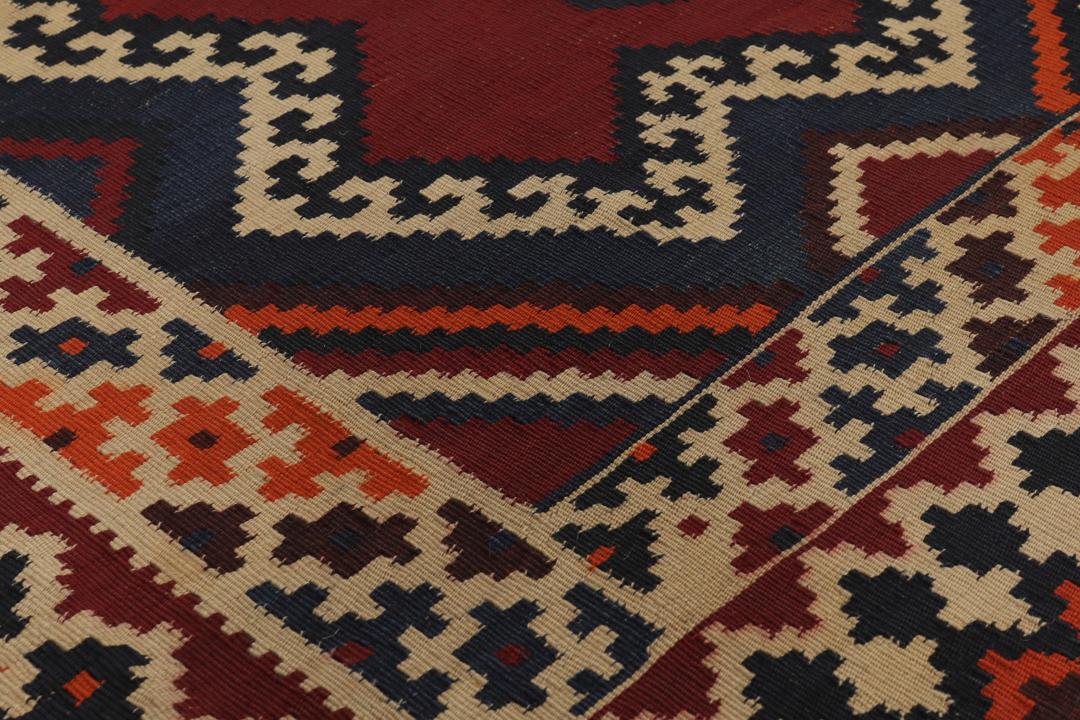
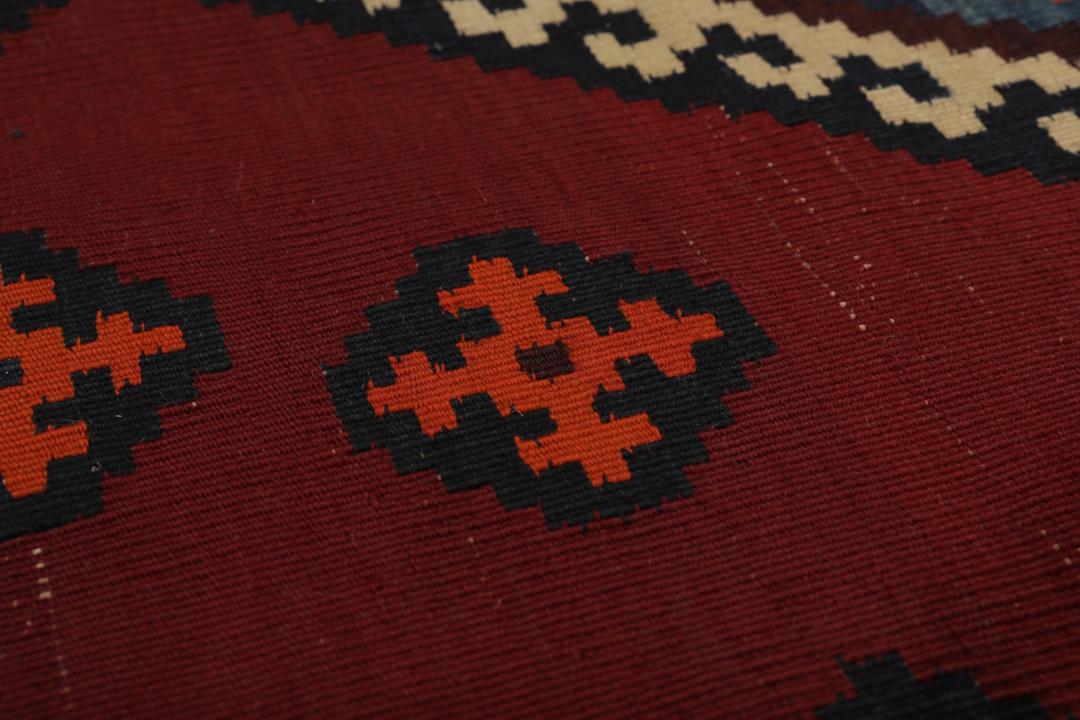
Visually, these rugs are defined by their sharp, geometric vocabulary, often featuring diamonds, triangles, and stylized motifs that hold symbolic meaning within their culture of origin. This particular piece showcases a bold, symmetrical arrangement of medallions, framed by an ornate decorative border that speaks to the high level of artistry found in traditional weaving centres.
Today, these rugs are highly sought after by collectors and interior enthusiasts alike for their historical weight and timeless appeal. By bringing a piece of this heritage into your home, you are preserving a craft tradition that values patience, skill, and the beauty of natural materials over modern convenience.