Kilim rugs originate from the nomadic and village traditions spanning across the Middle East, North Africa, and Central Asia. Historically created by tribal weavers for practical household use such as floor coverings, blankets, and storage sacks, these flatwoven textiles formed an essential part of daily nomadic life.
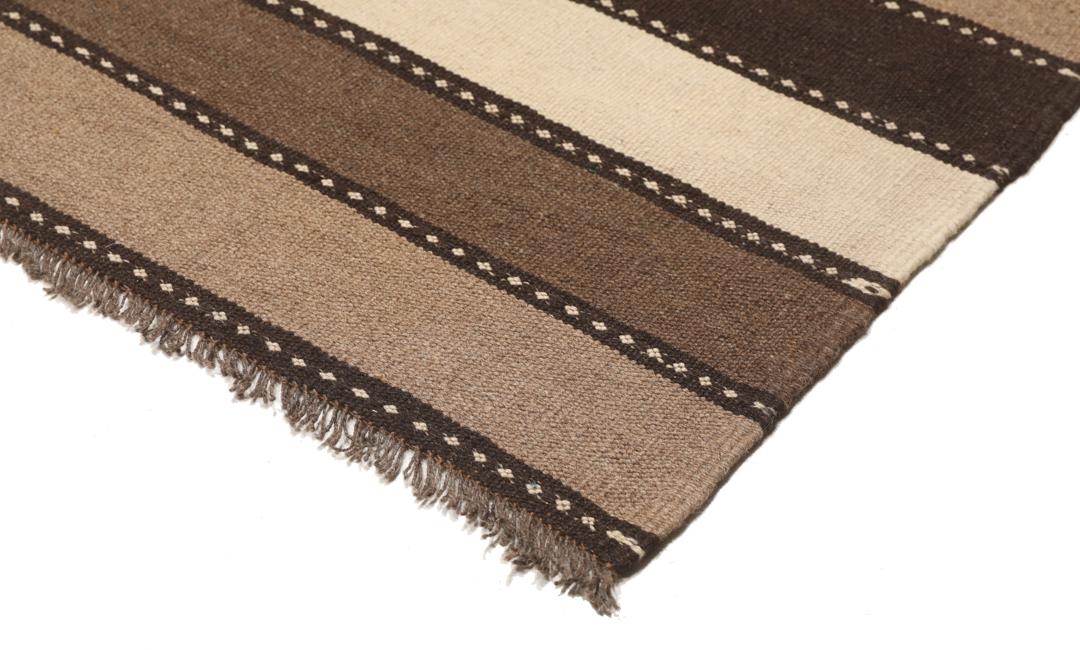
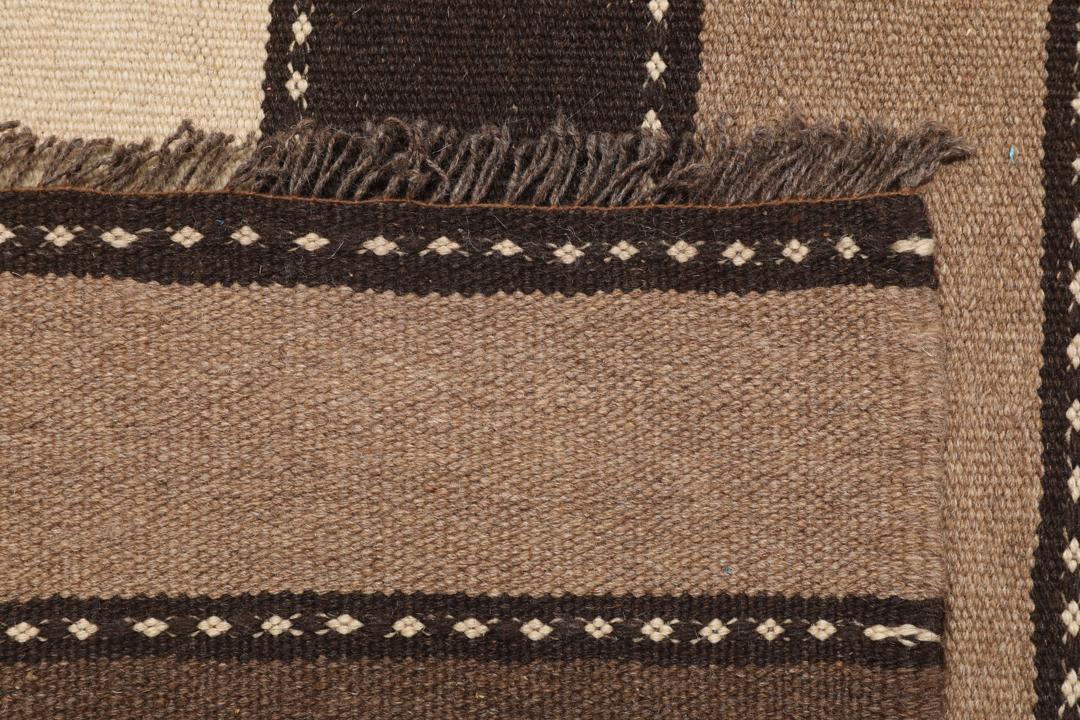
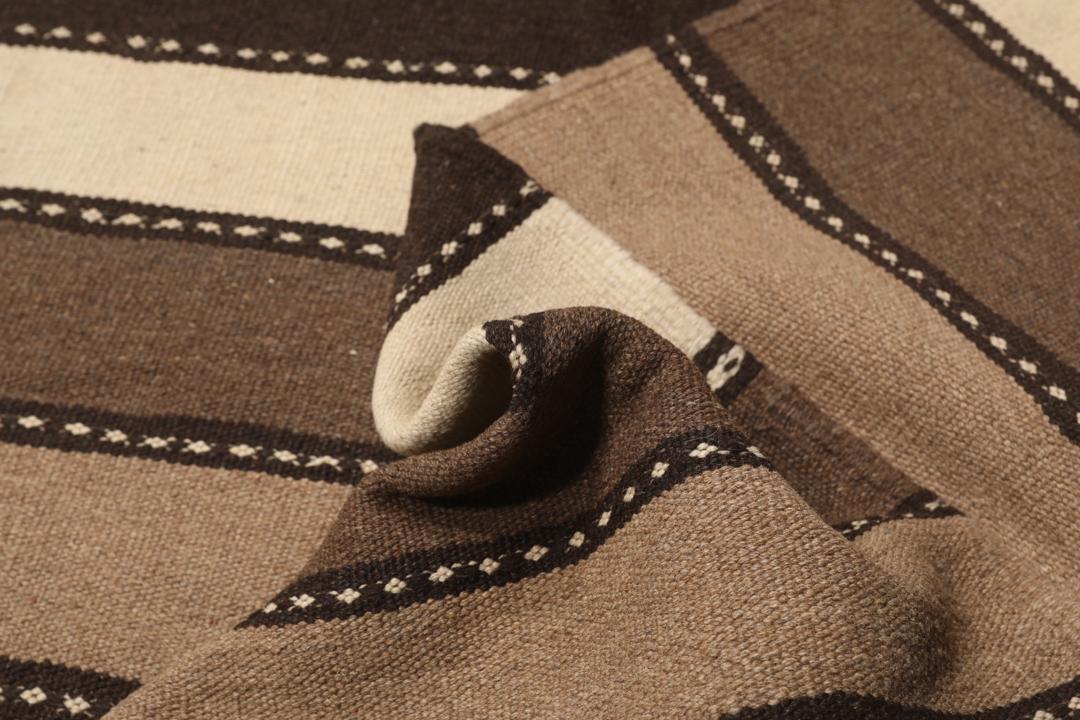
The flatweave construction method relies on passing coloured weft threads back and forth through the vertical warp threads, leaving no loose pile. This technique produces a lightweight yet remarkably durable fabric that can be easily folded, moved, and used on both sides.
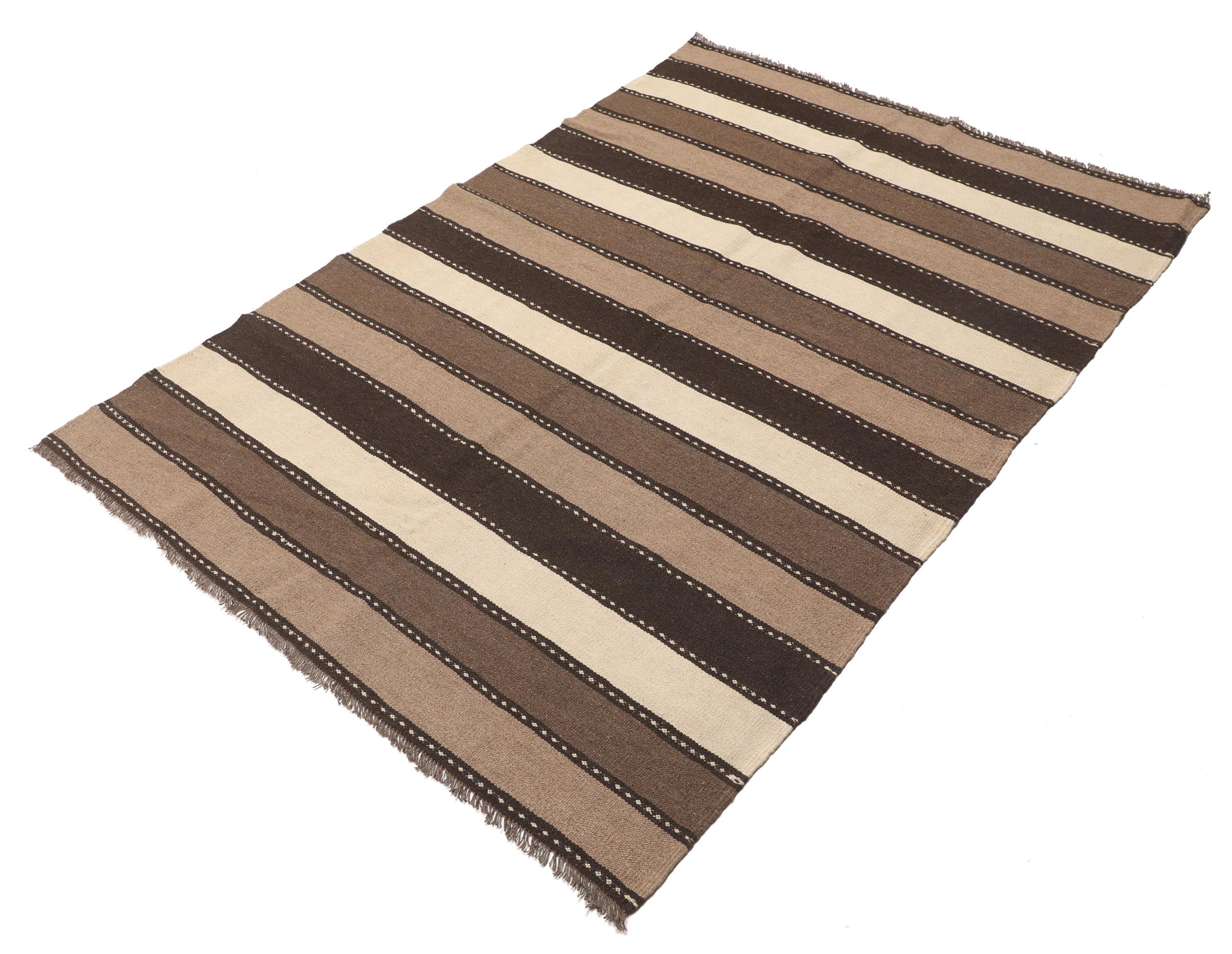
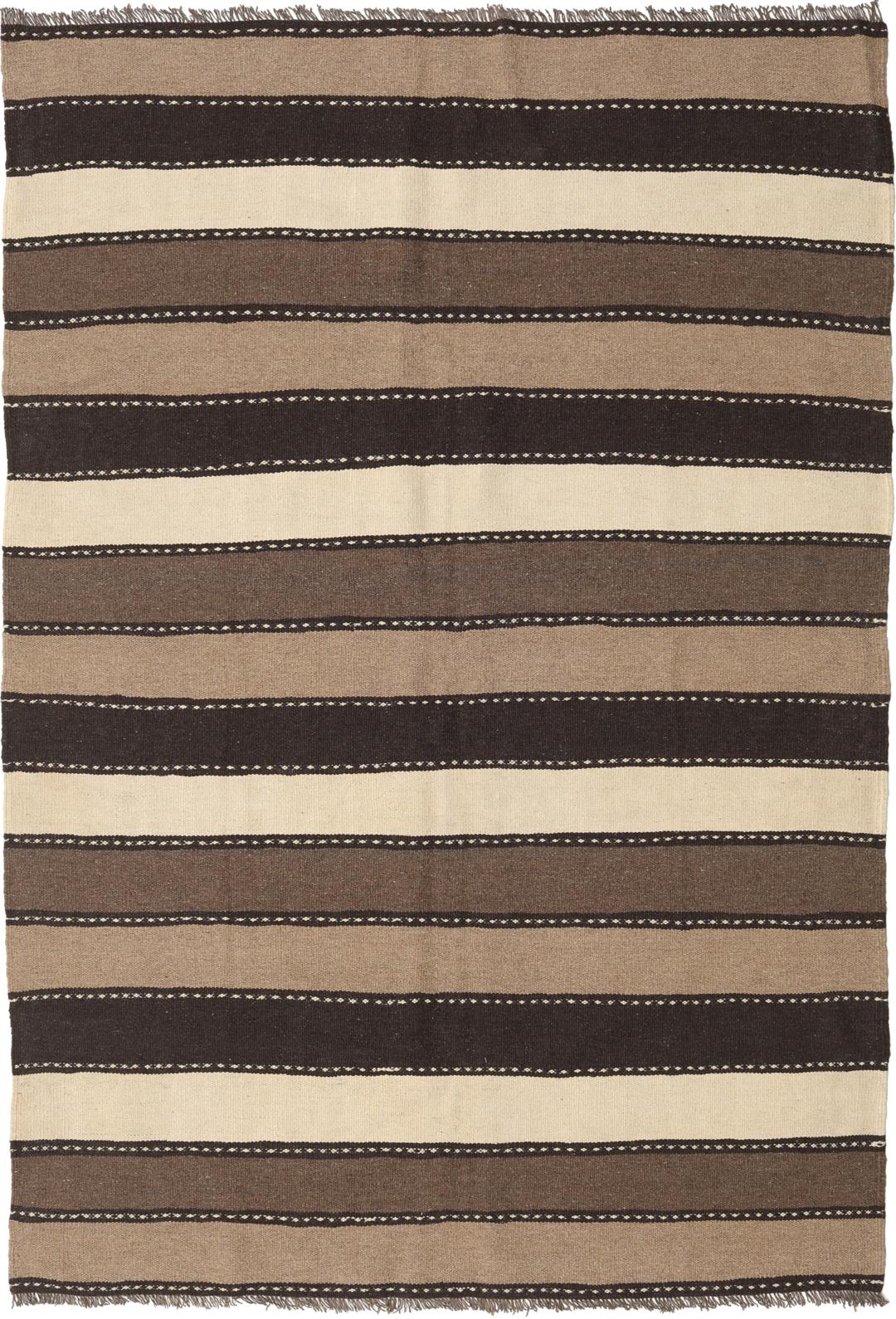
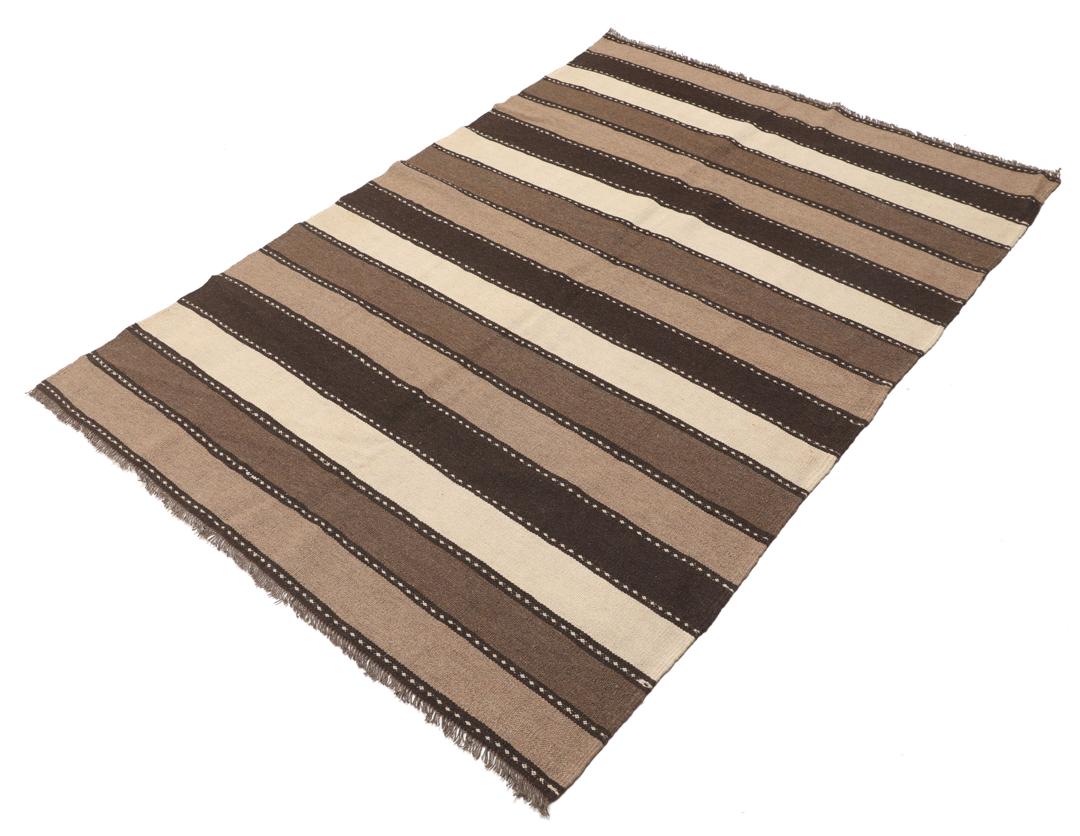
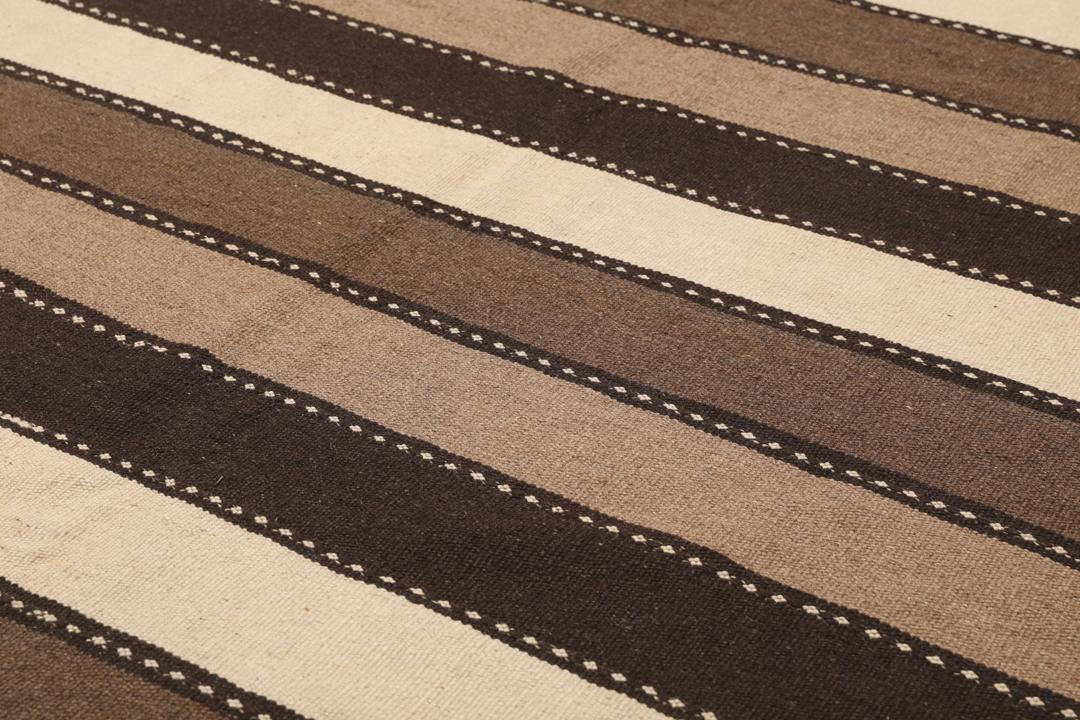
Design traditions in Kilim weaving are rooted in geometric storytelling, where horizontal stripes, diamonds, and symbols often represent local beliefs, tribal identity, or wishes for protection and fertility. The alternating bands of colour seen here reflect a classic aesthetic designed to bring balance and order to the visual field.
Collecting vintage and contemporary Kilims allows you to connect with a centuries-old craft where local materials and individual artisan decisions shape every piece. Each rug serves as a tangible record of regional heritage and human creativity.