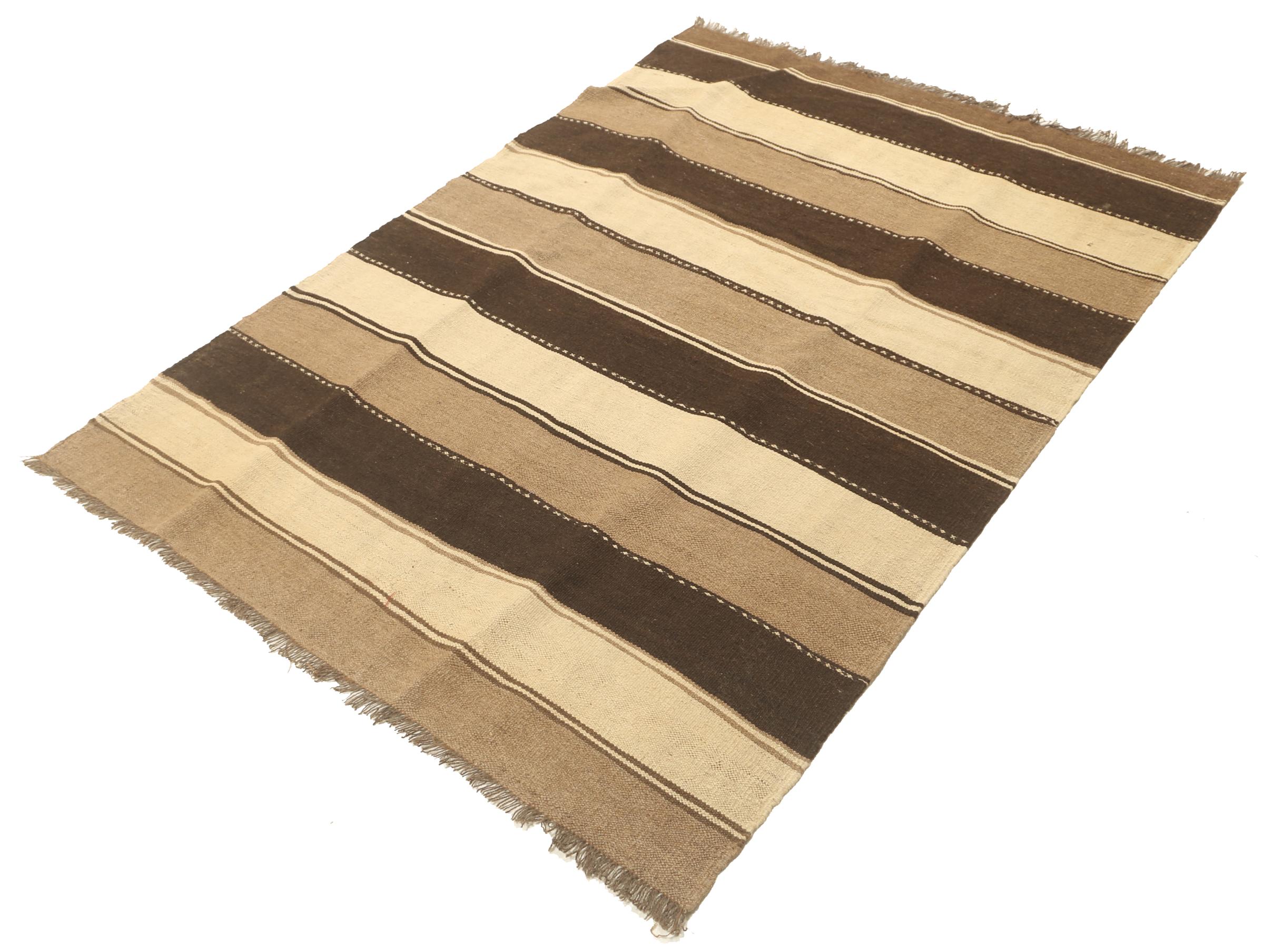
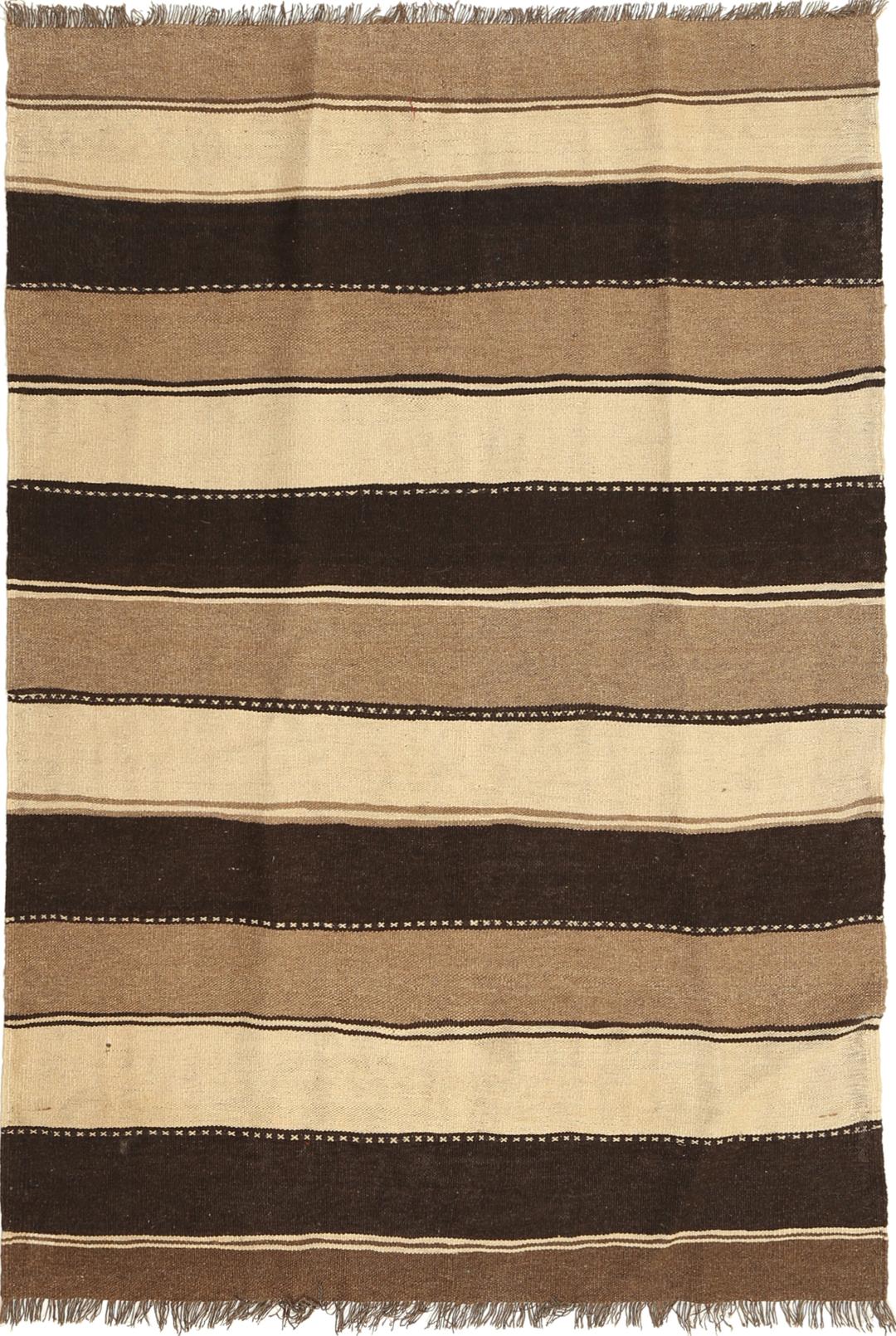
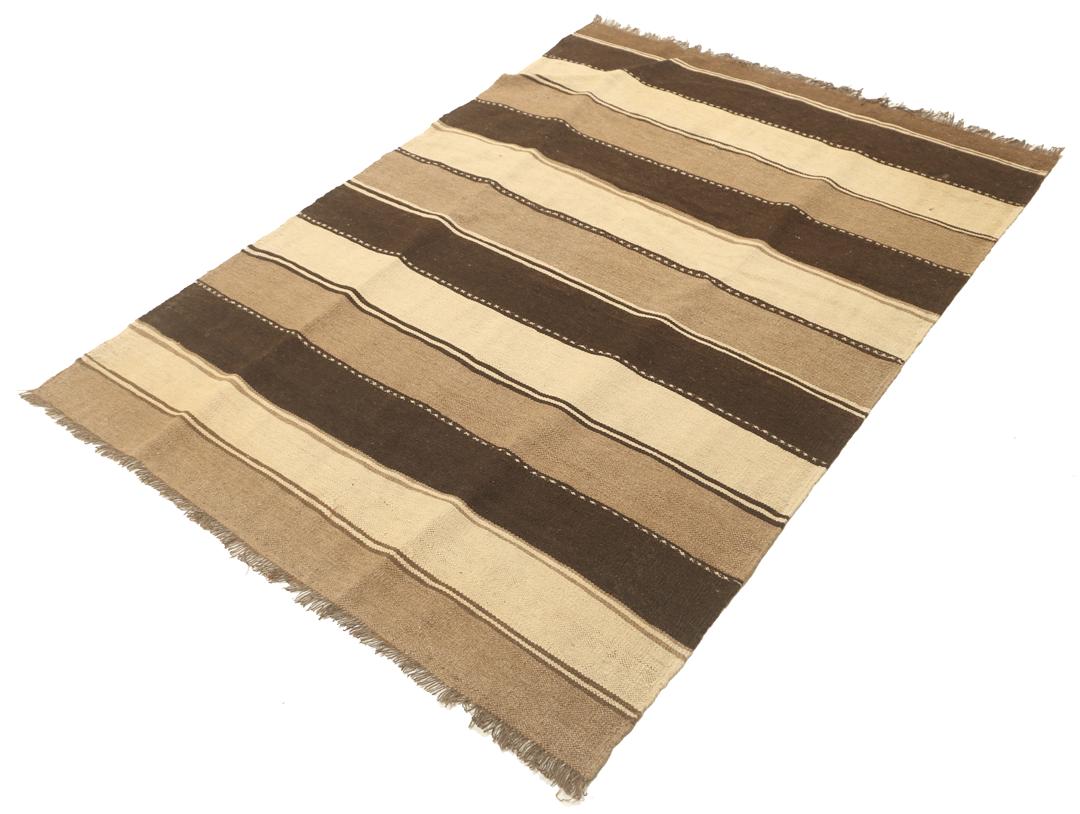
Kilim rugs are a cornerstone of textile history in the Middle East, originating from nomadic tribes who needed durable, portable, and versatile floor coverings. These flat-woven textiles were historically used as everything from saddlebags to room dividers and floor mats, evolving into the refined decorative pieces we appreciate today.
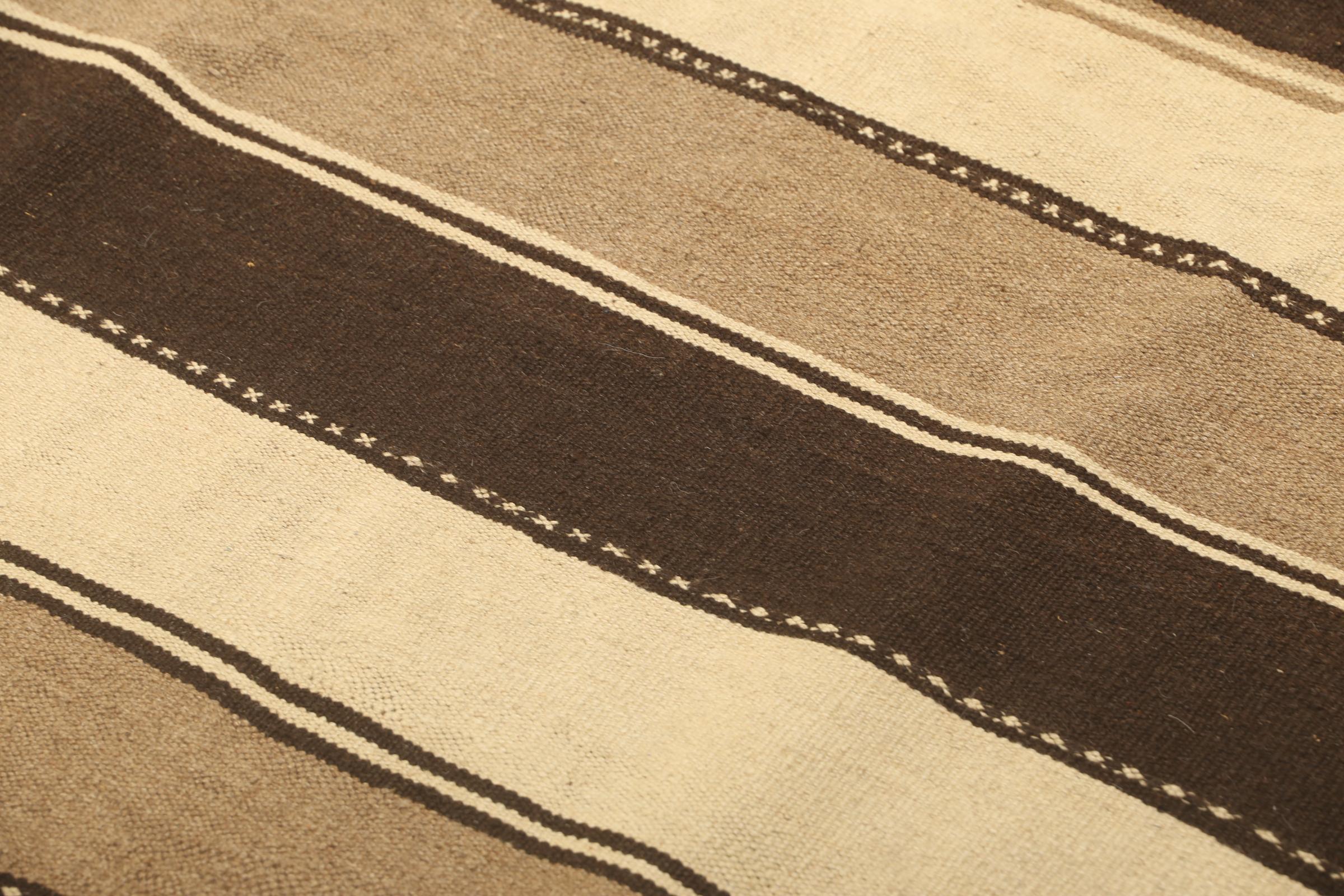
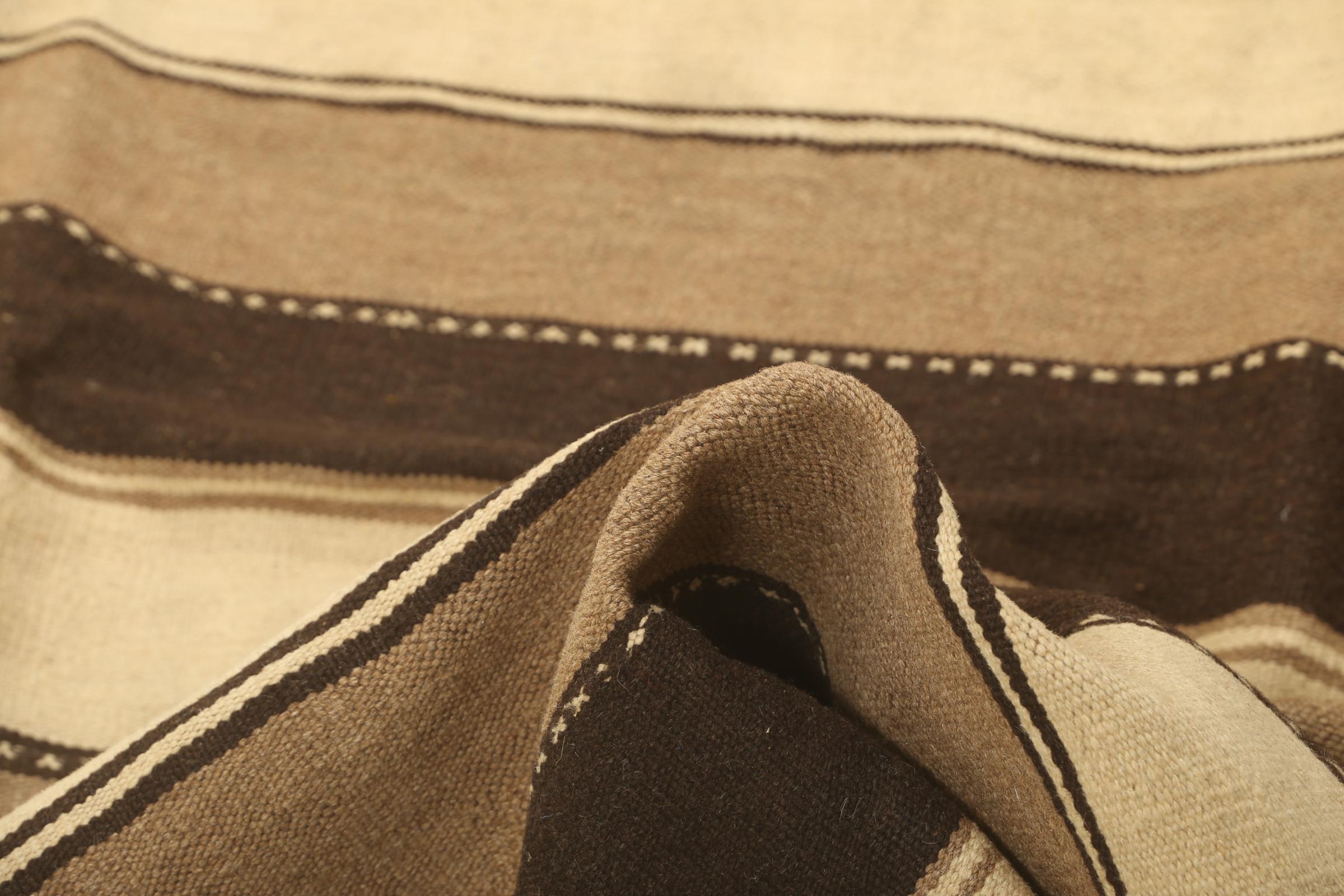
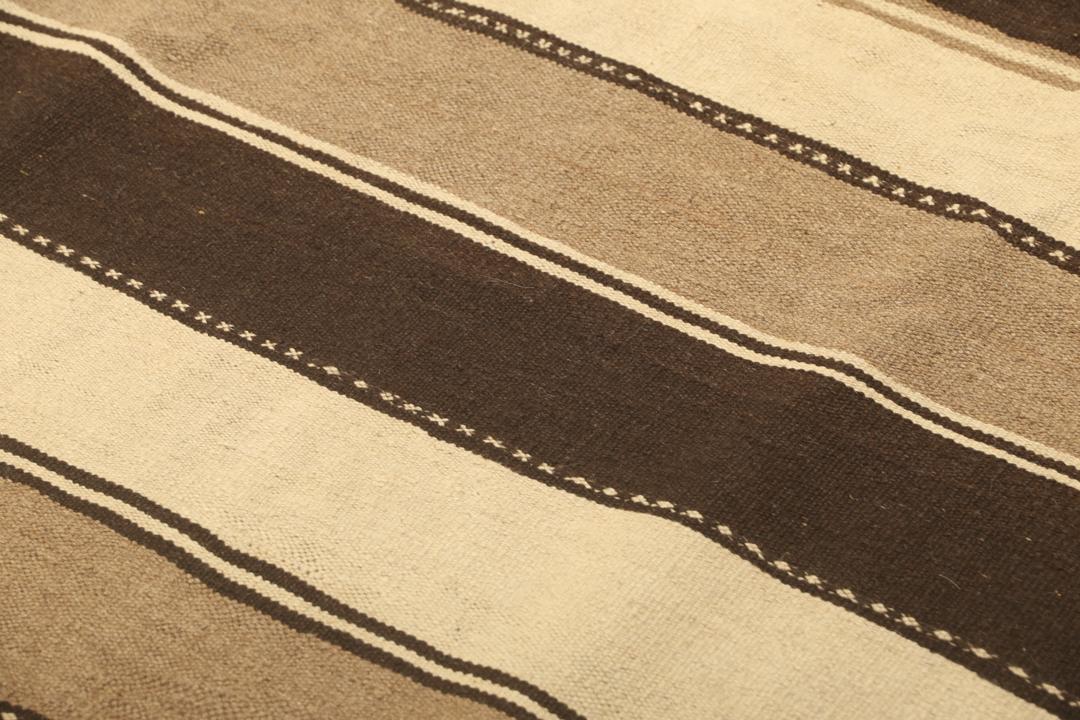
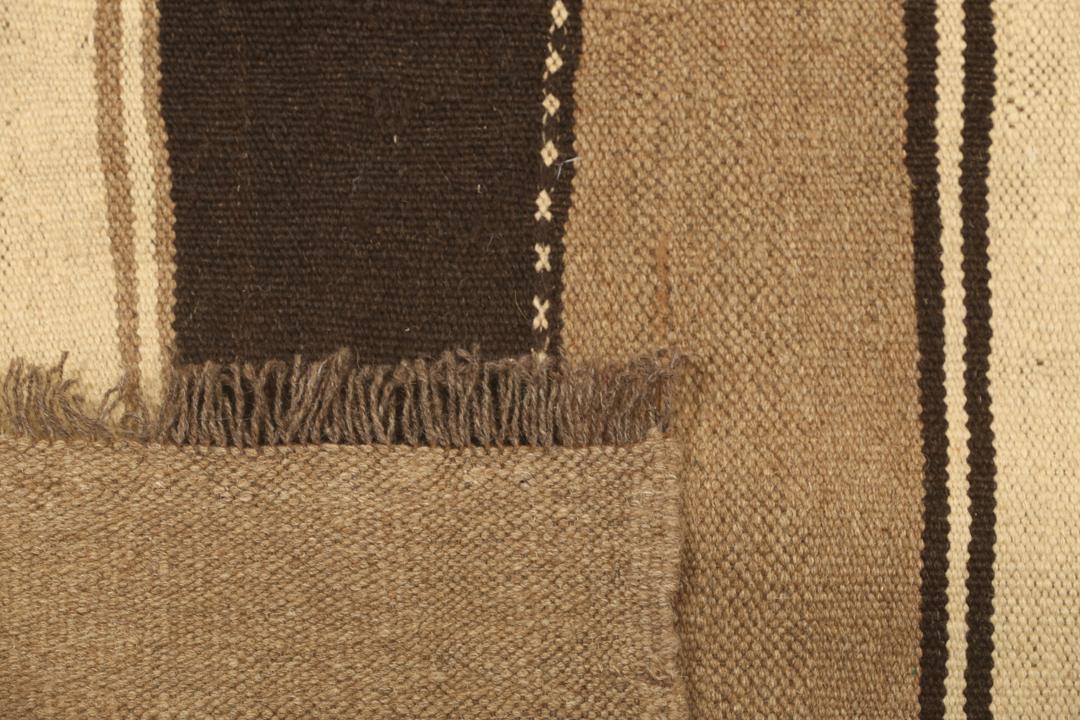
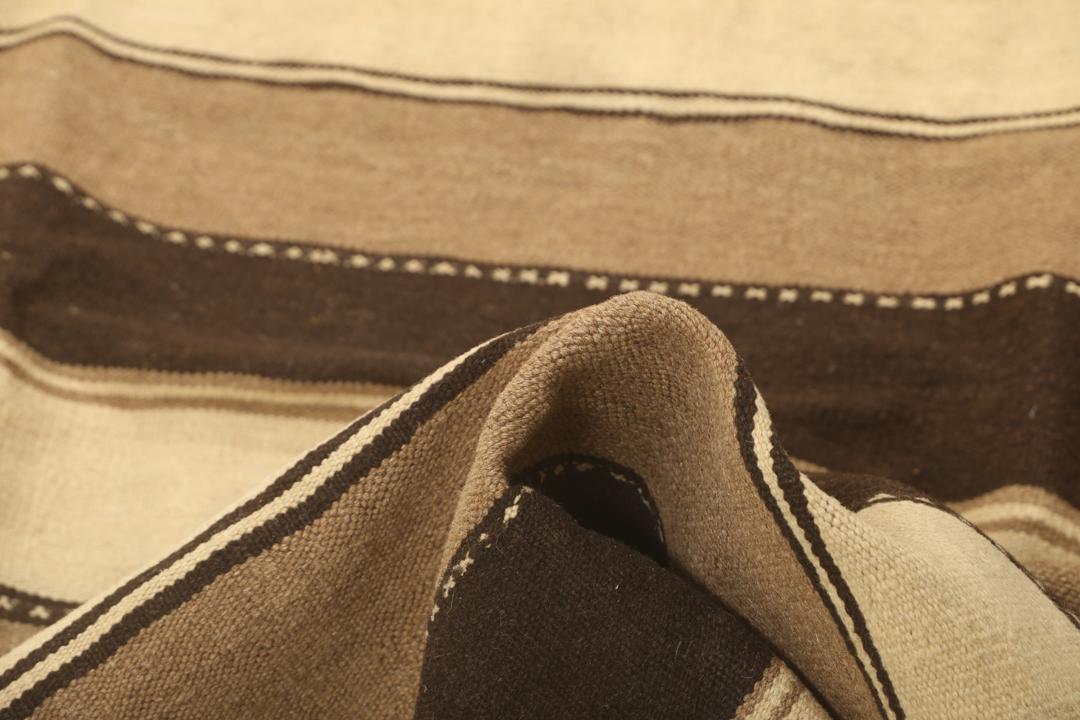
The term Kilim refers to the specific flat-weaving technique used to create these rugs. Unlike knotted rugs, the design is created by tightly interlocking the horizontal and vertical threads, which results in a smooth, reversible surface that is both thin and remarkably strong.
Signature design elements in these rugs often revolve around geometric shapes and horizontal stripes, which are rooted in the traditional weaving looms used for centuries. The use of natural, undyed, or traditionally dyed Wool allows the patterns to emerge organically, often reflecting the surroundings and cultural identity of the region where they were produced.
Owning a hand-woven Kilim is more than just purchasing a floor covering; it is an investment in a craft that has survived for generations. These pieces are highly valued by collectors for their authenticity and the human story behind every thread, offering a connection to a rich legacy of textile artistry.