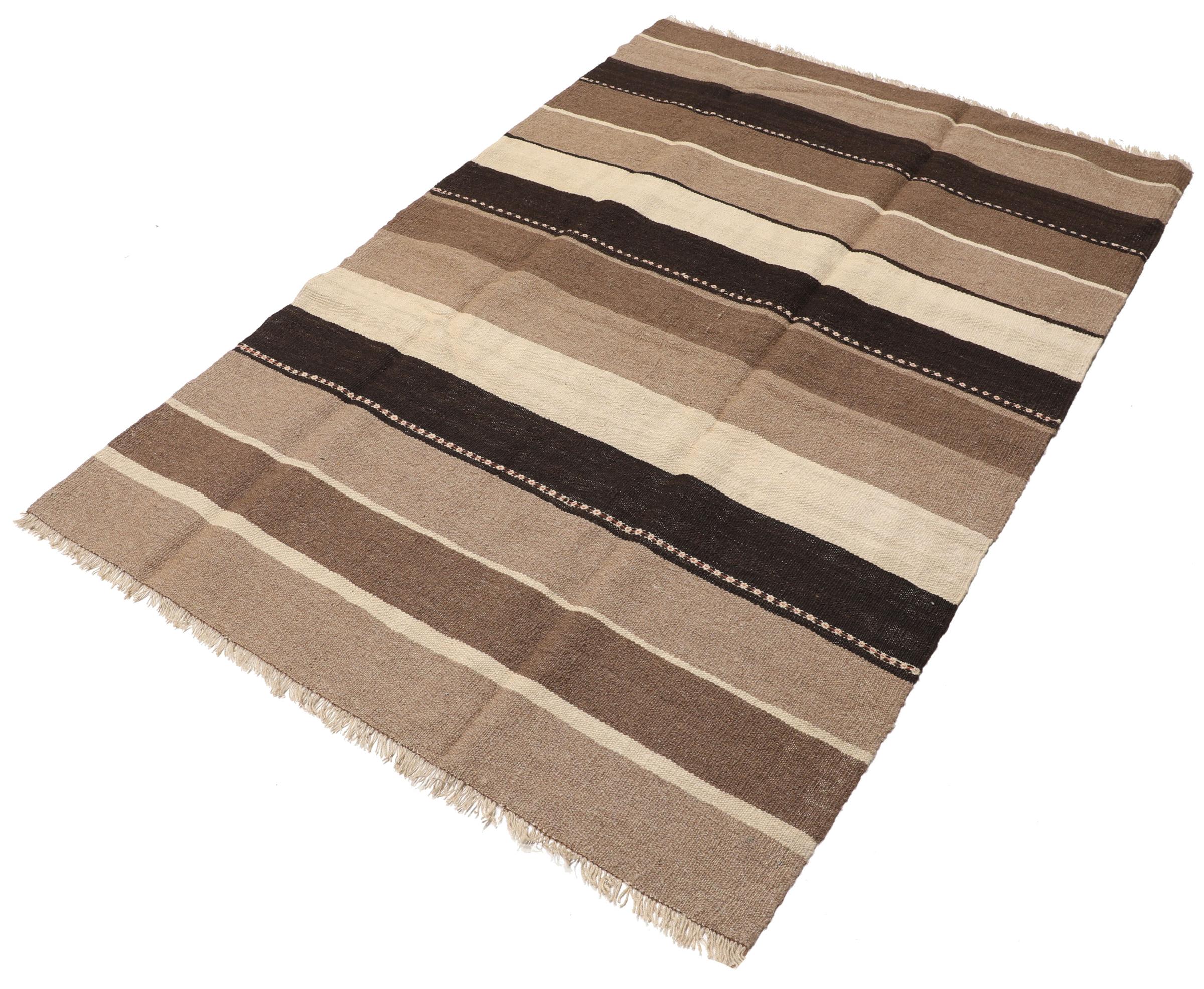
Kilim rugs are a cornerstone of Middle Eastern textile history, traditionally woven by nomadic and village communities across the region. These rugs were historically created as functional items for daily life, serving as floor coverings, tent dividers, or saddlebags, which necessitated a durable and portable design.
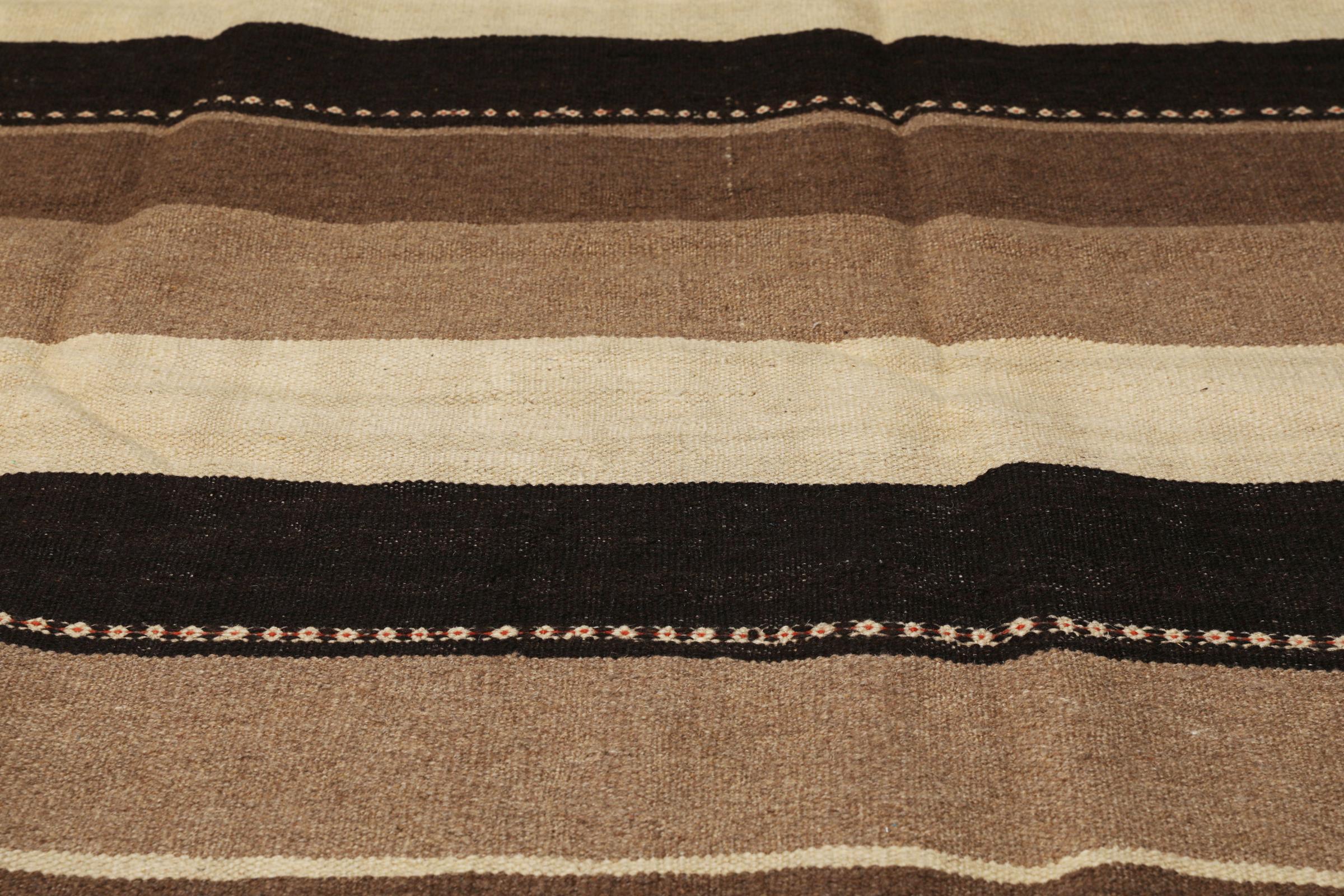
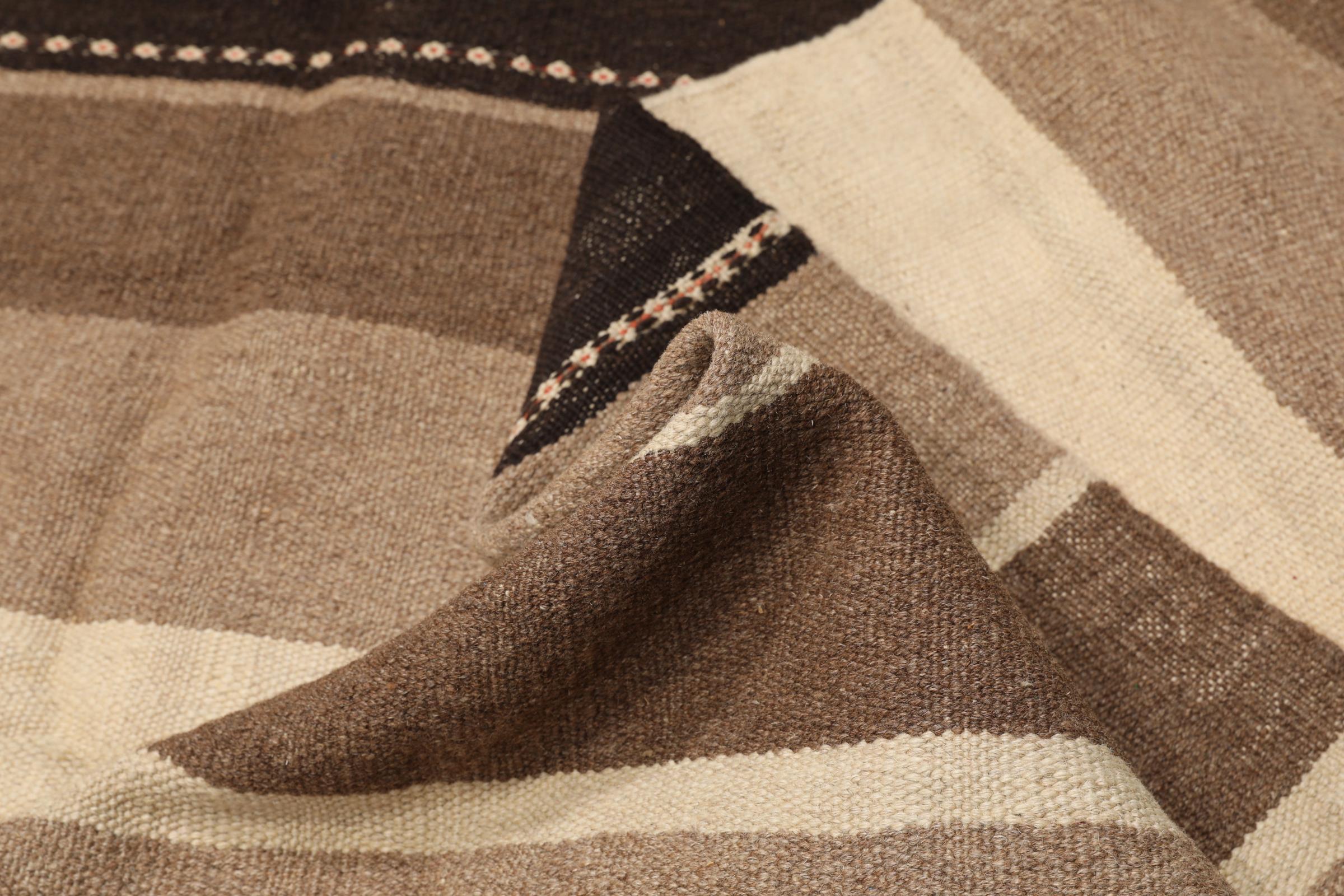
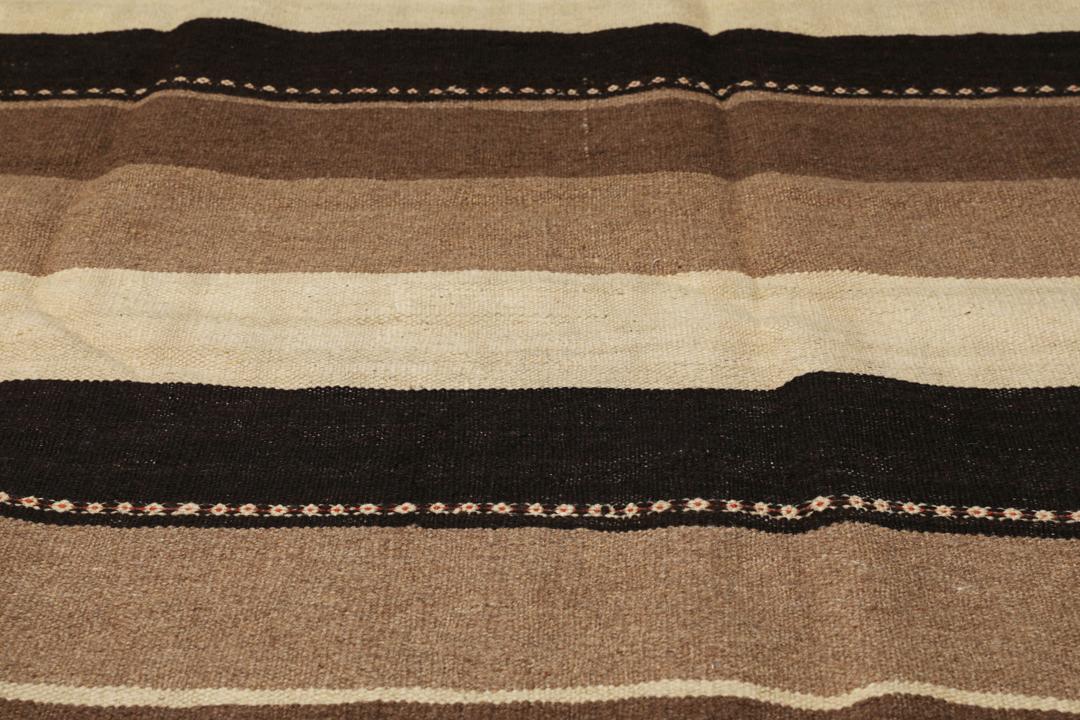
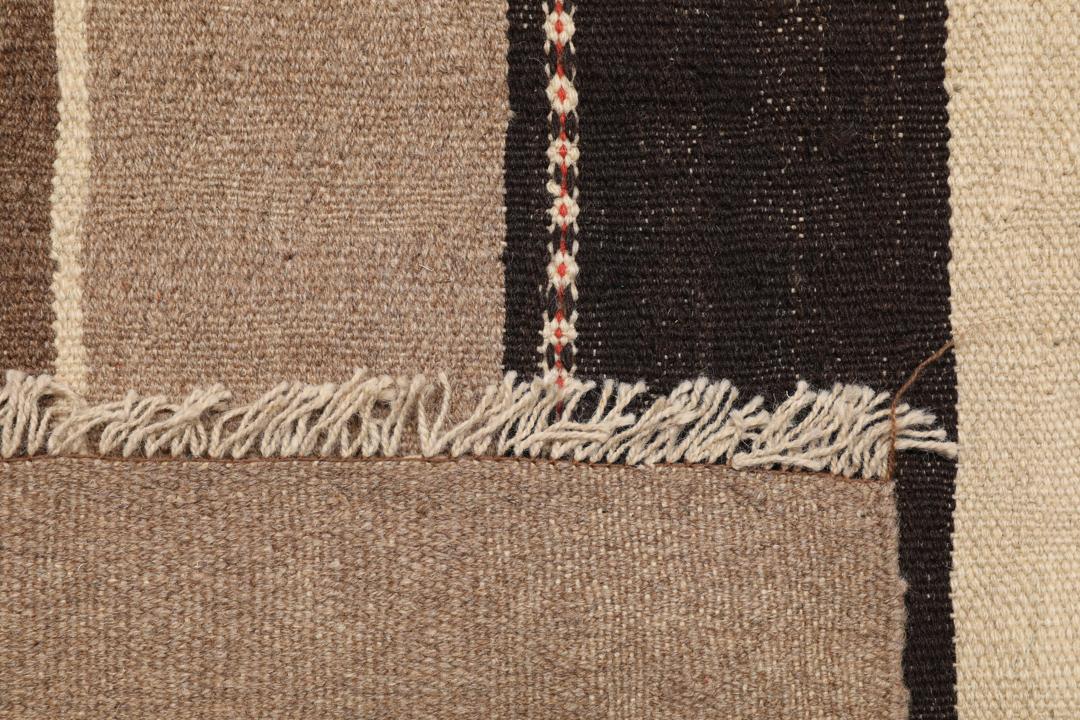
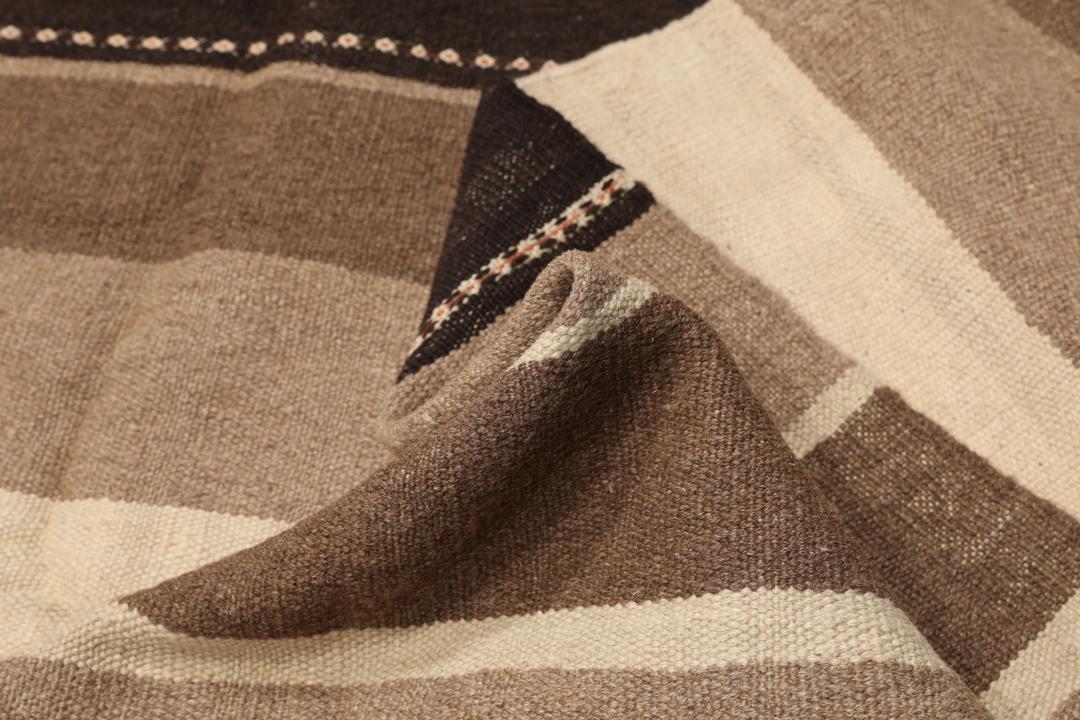
The term Kilim refers to a flat-weaving technique where the warp and weft threads are interlaced tightly to create a smooth, pileless surface. This method creates a thin, lightweight, yet incredibly strong fabric that is highly valued for its versatility. The lack of pile allows the intricate pattern work to remain crisp and clear, showcasing the weaver's mastery of geometry and colour.
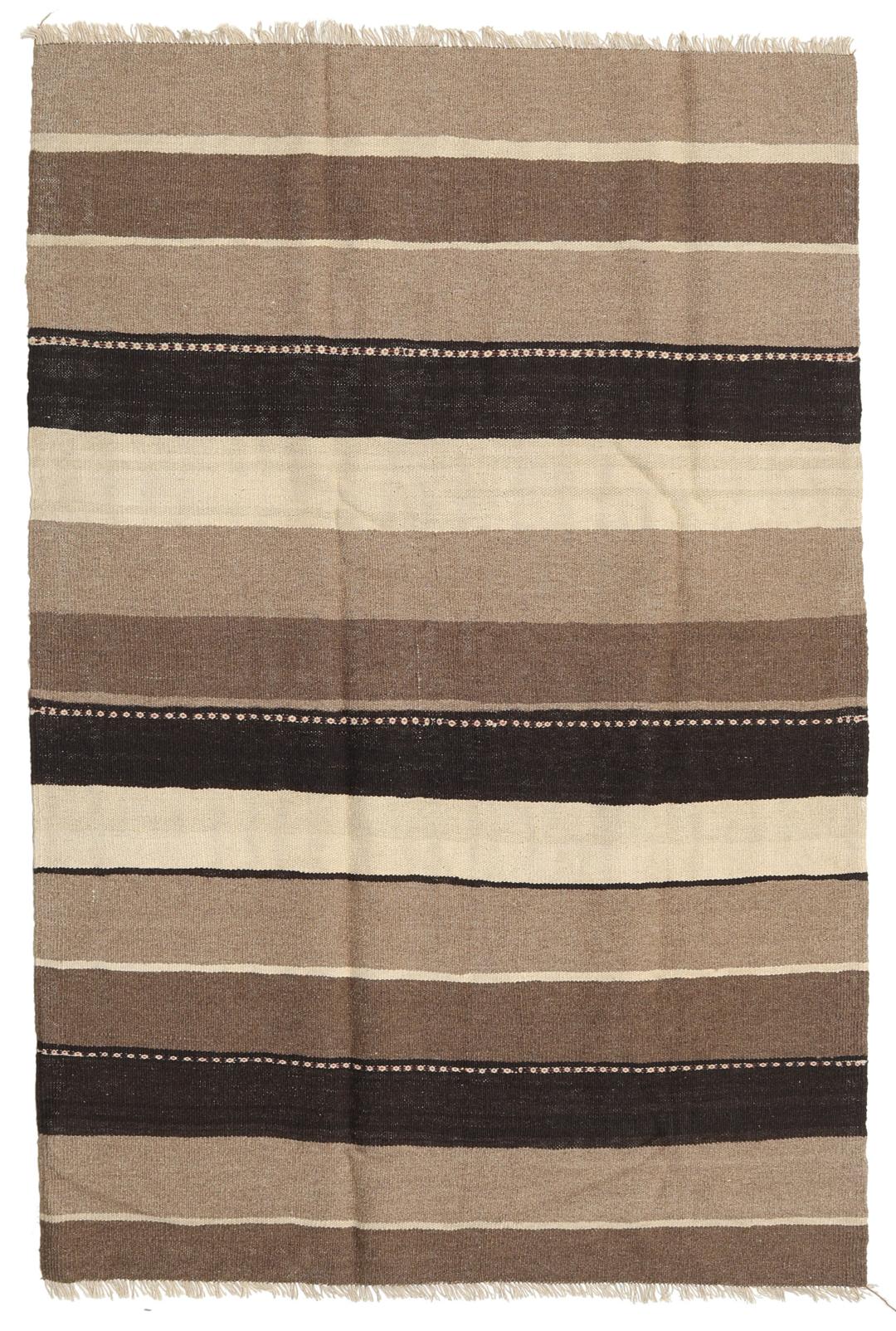
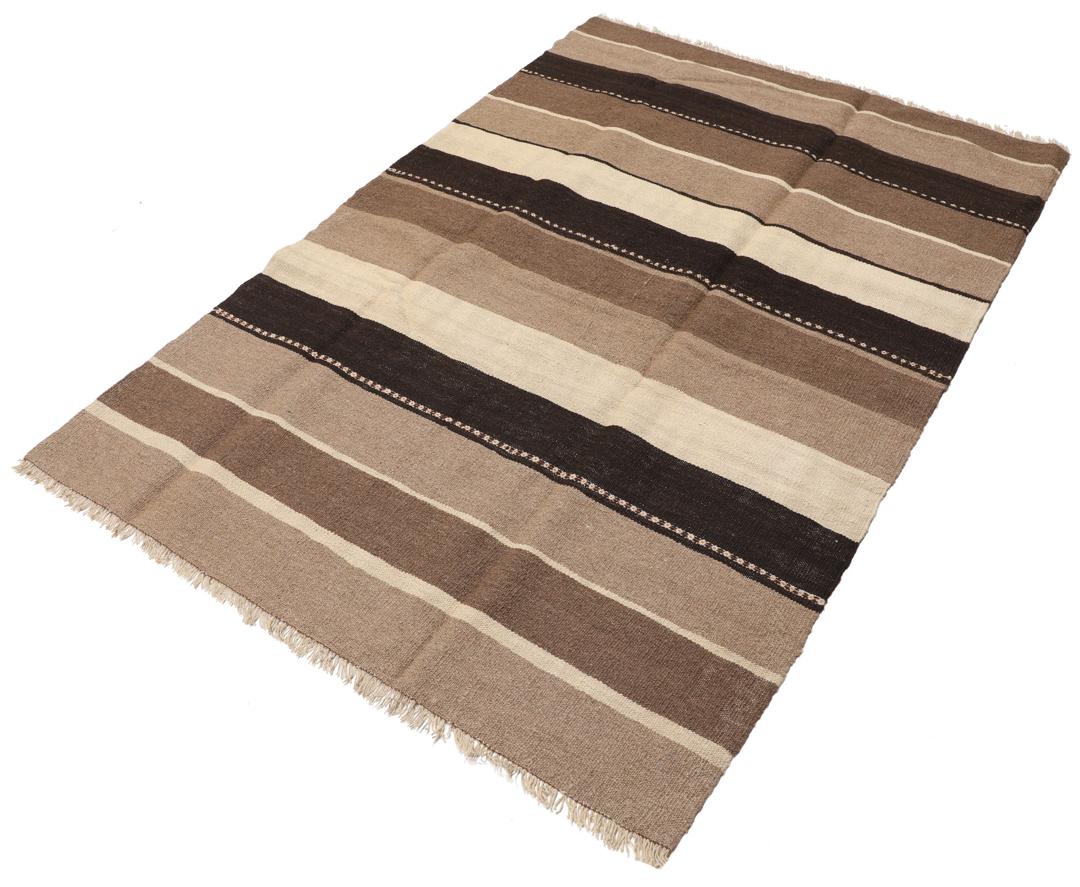
Stripes are among the most classic and foundational motifs in the Kilim tradition. While patterns can range from complex geometric medallions to pictorial narratives, the stripe is a timeless element that reflects the rhythm of the loom. In this particular piece, the horizontal banding creates a sense of balance and order, drawing the eye across the surface and emphasising the natural beauty of the Wool.
Collecting a hand-woven Kilim is an investment in human skill and cultural heritage. Each piece acts as a document of the weaver's artistic choices and the specific traditions of their region. By bringing such a rug into your home, you are not just adding a decorative element, but participating in a long-standing craft tradition that honours the beauty of handmade objects.