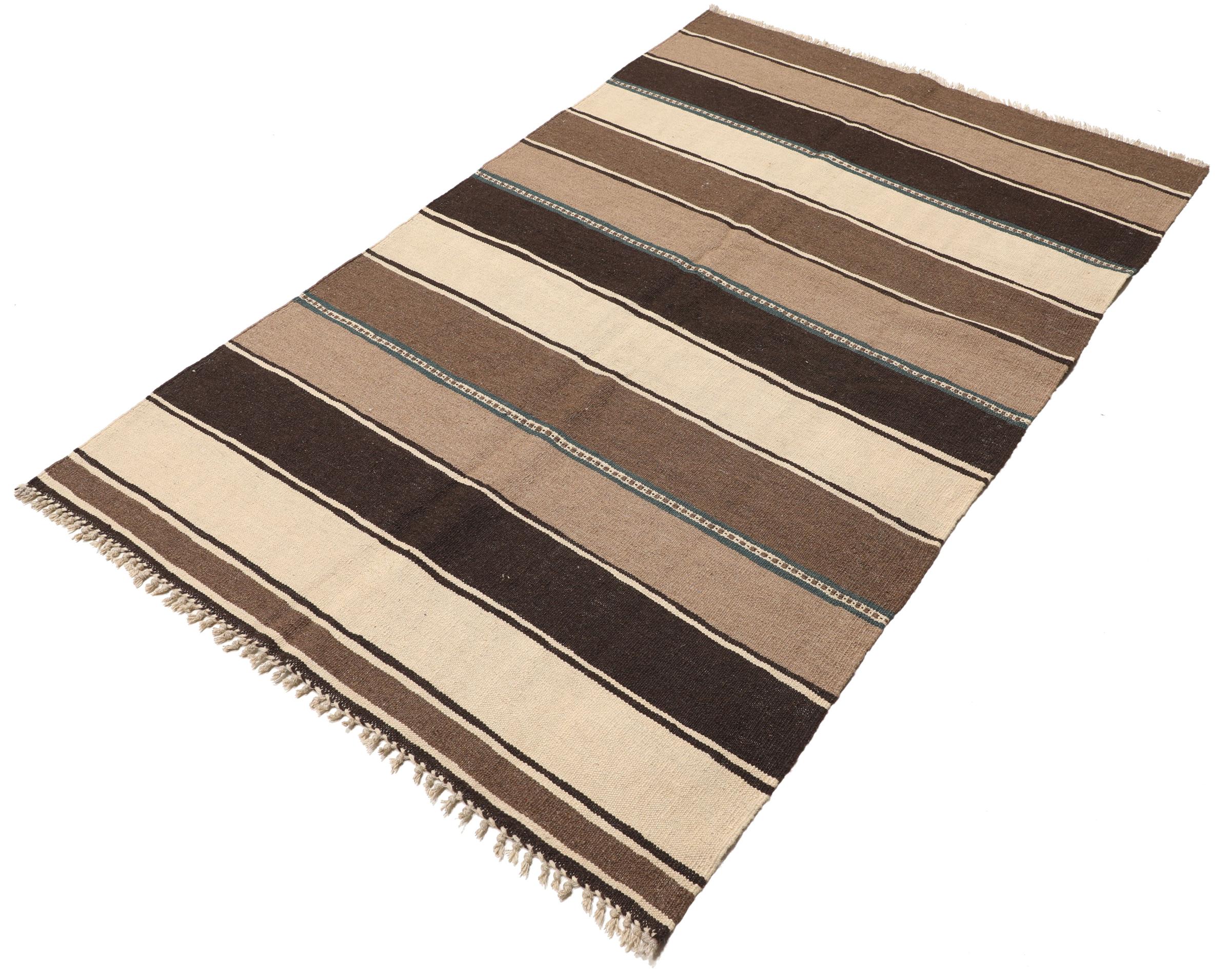
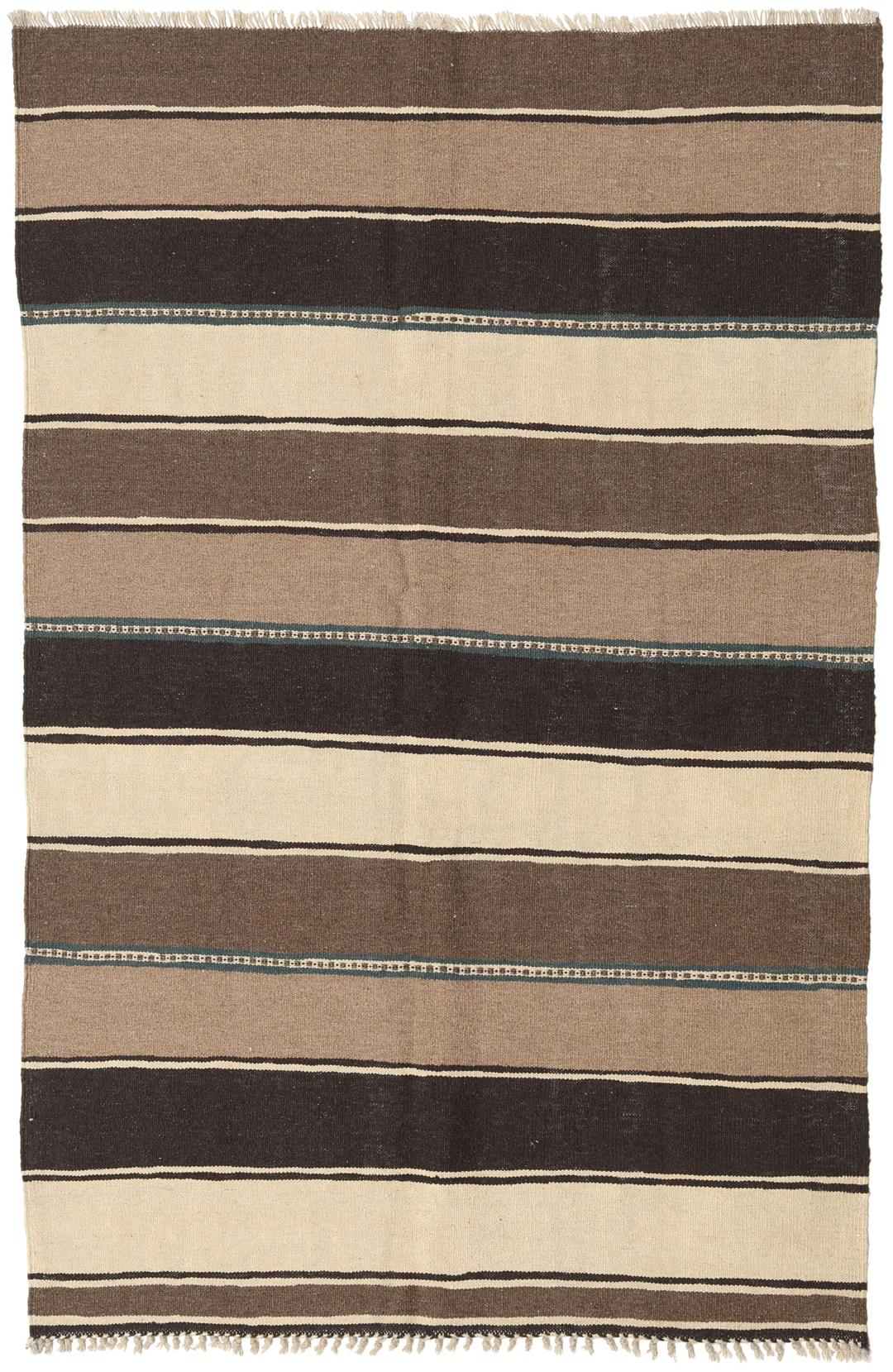
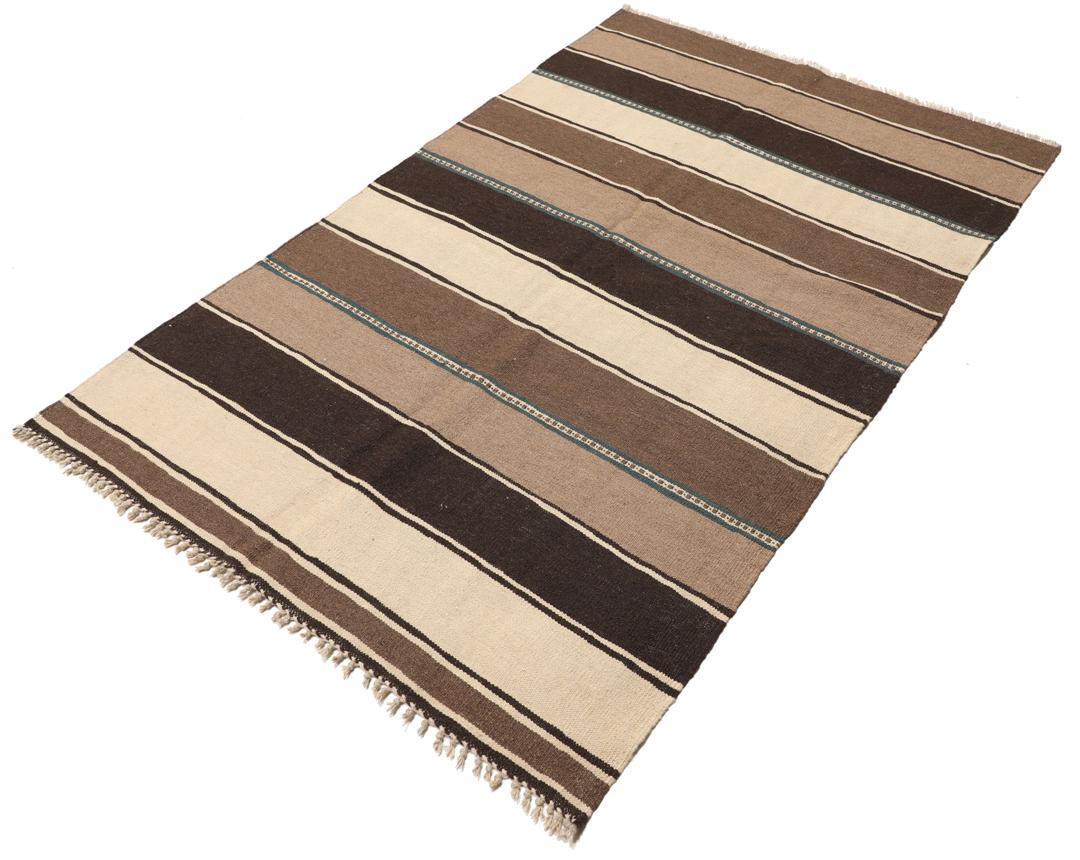
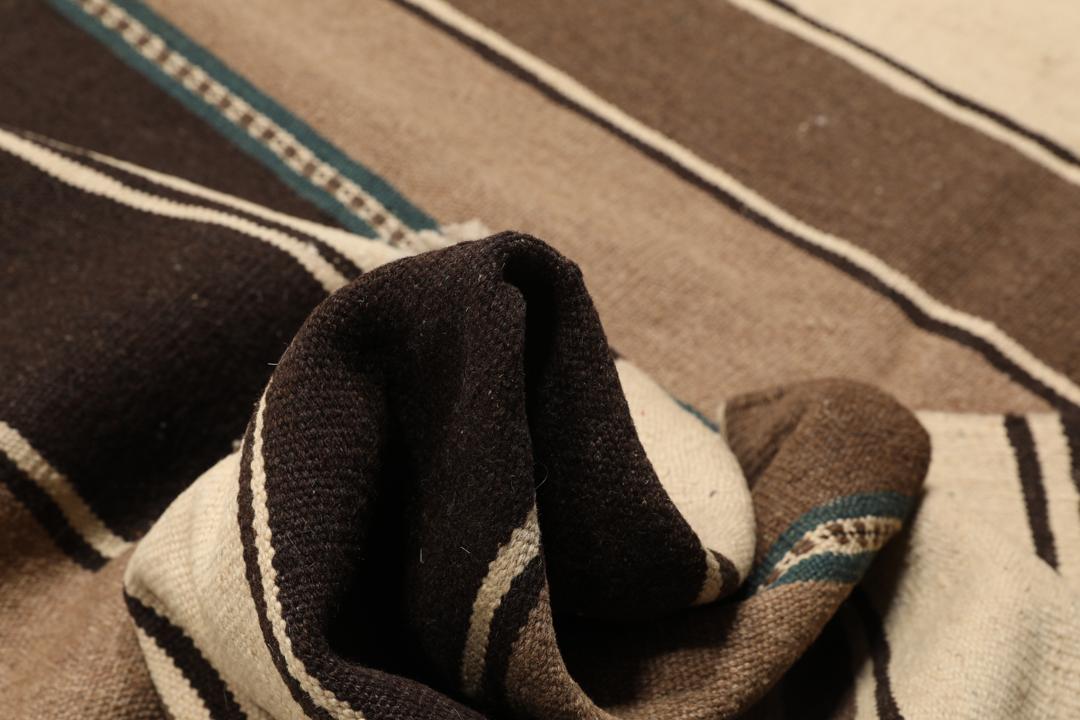
Kilim rugs originate from the rich weaving traditions of the Middle East and Central Asia, where they have served as essential household items for centuries. Historically, these flat-woven textiles were used by nomadic and village communities as floor coverings, blankets, and storage bags, reflecting a lifestyle that prioritised both beauty and utility.
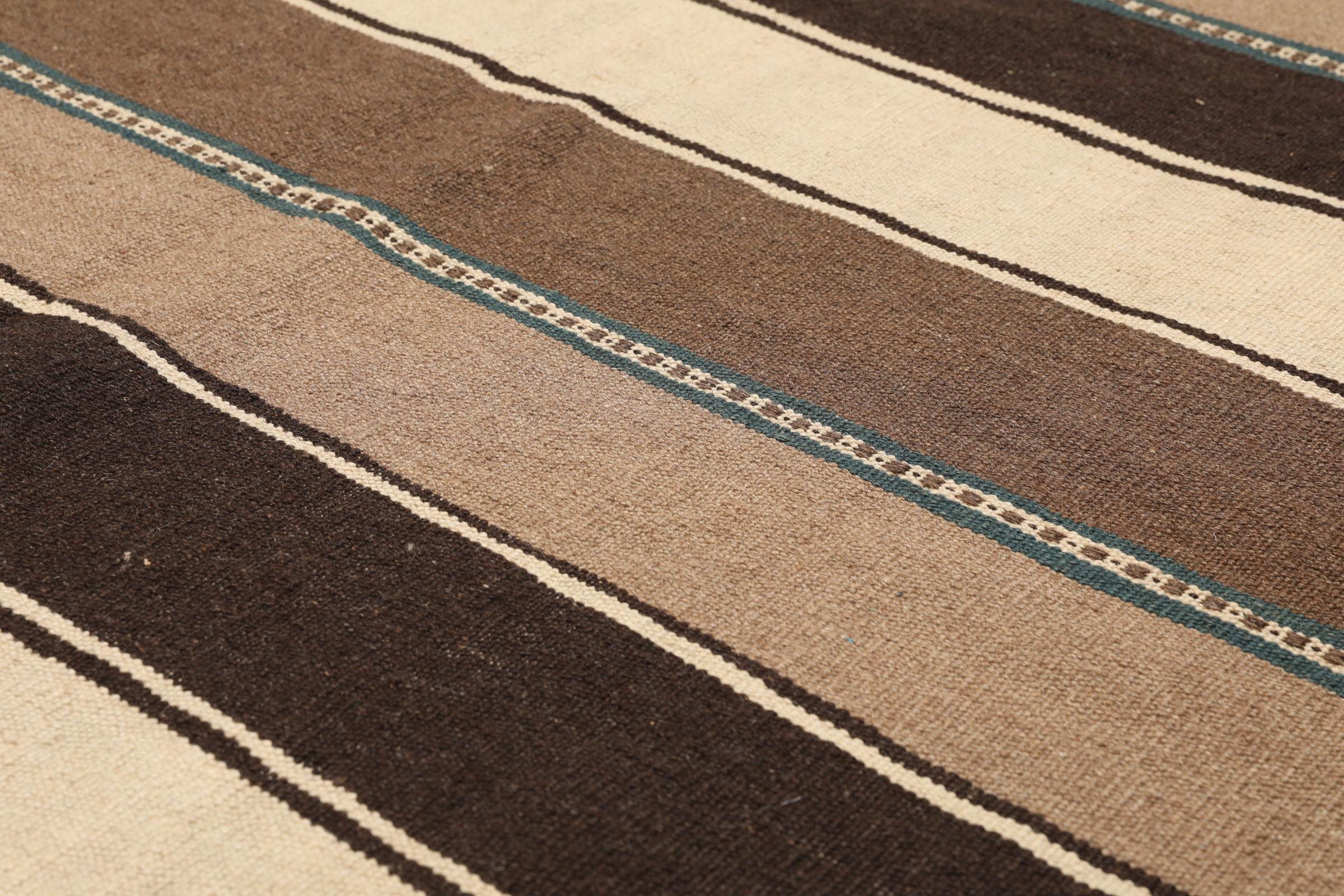
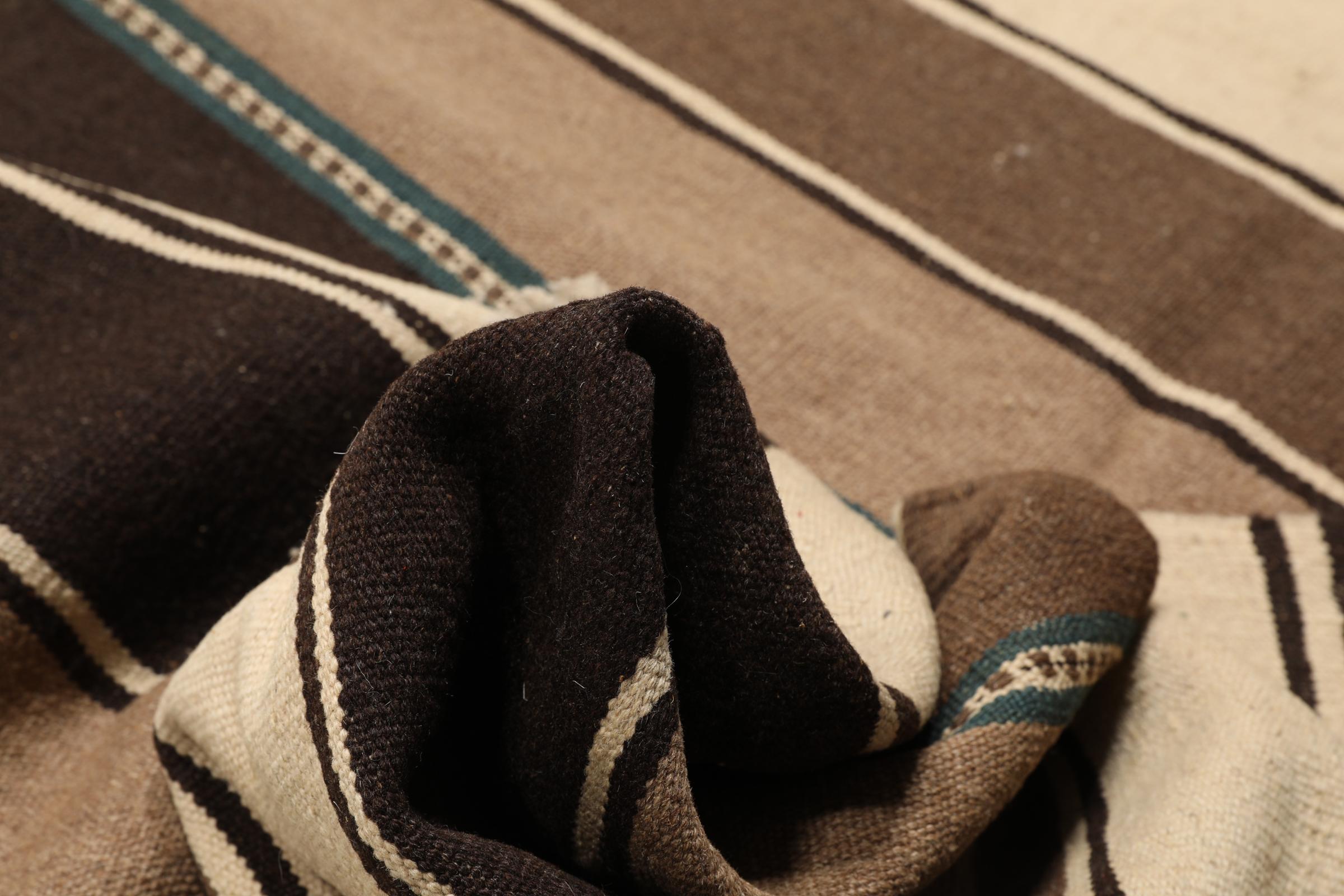
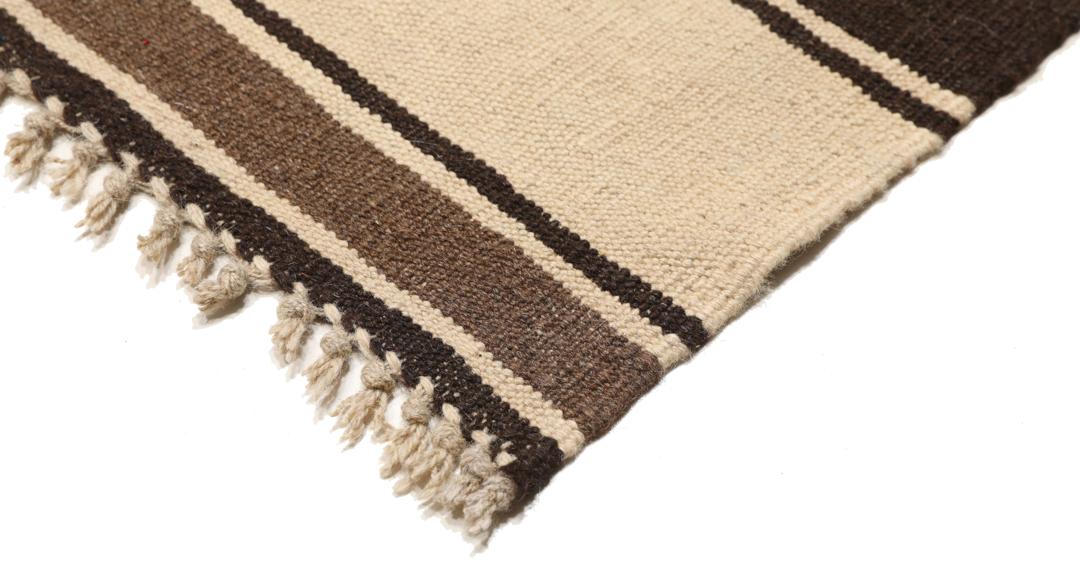
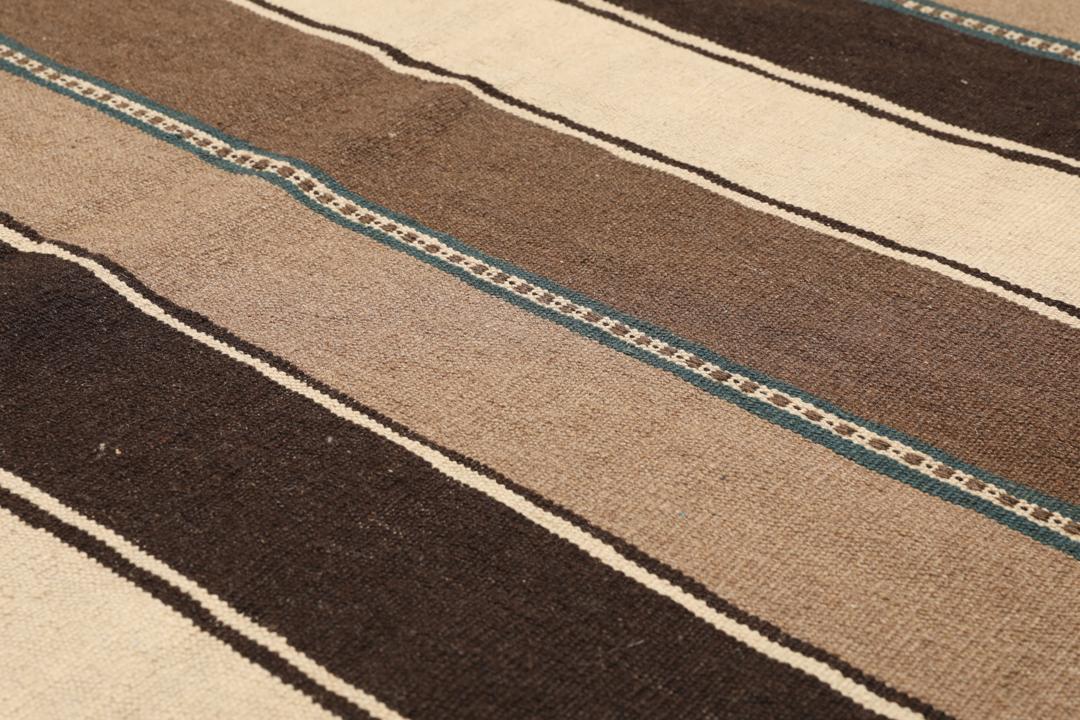
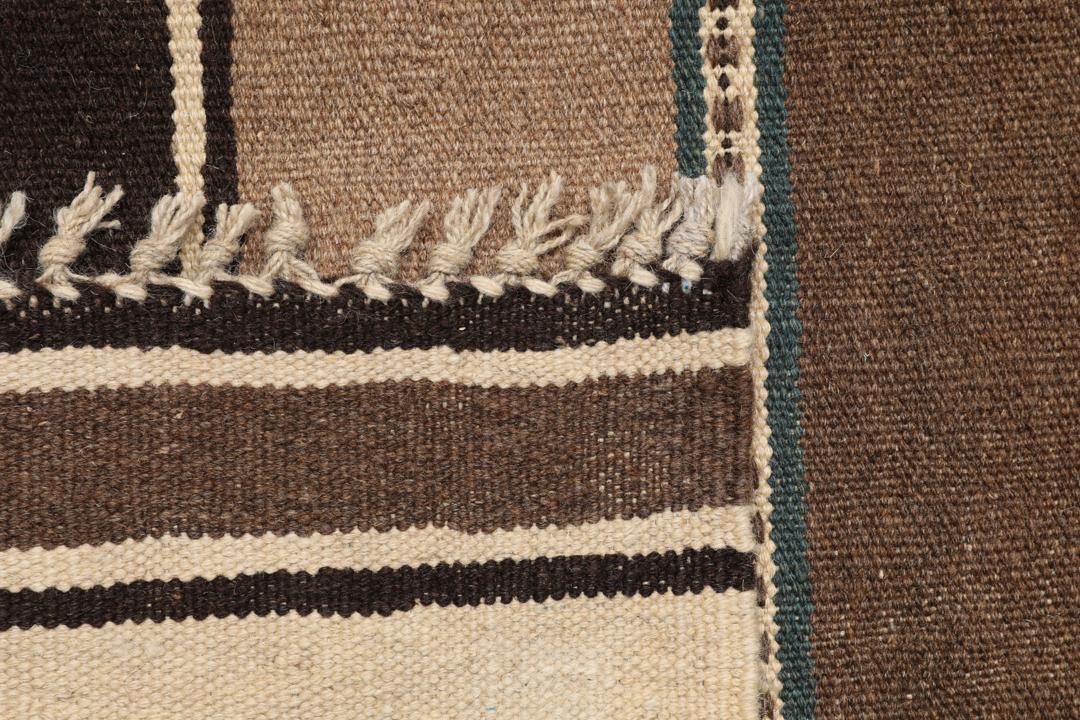
The term Kilim refers specifically to the flat-weaving technique, which avoids the use of a knotted pile. Instead, the weavers create patterns by interweaving the coloured weft threads through the warp, resulting in a thin, durable, and reversible fabric that is highly portable and remarkably strong.
The visual language of the Kilim is often characterised by geometric motifs and striped patterns, which are deeply rooted in the cultural identity of the regions where they are made. These designs have evolved over centuries, with each region developing its own signature colour palette and symbolic patterns that convey stories of the weaver's heritage.
Today, these rugs are highly sought after by collectors and enthusiasts who value them for their historical significance and the immense skill required to produce them. Owning a Kilim is a way to connect with a storied tradition of craftsmanship, bringing a piece of heritage and human artistry into your home.