The Kelim Ghashghai tradition originates from the nomadic tribes of the Middle East, whose lifestyle necessitated functional yet portable art. These rugs were historically woven by women within the community, serving as essential items for both daily utility and as expressions of tribal identity, often featuring motifs that were passed down through generations of families.
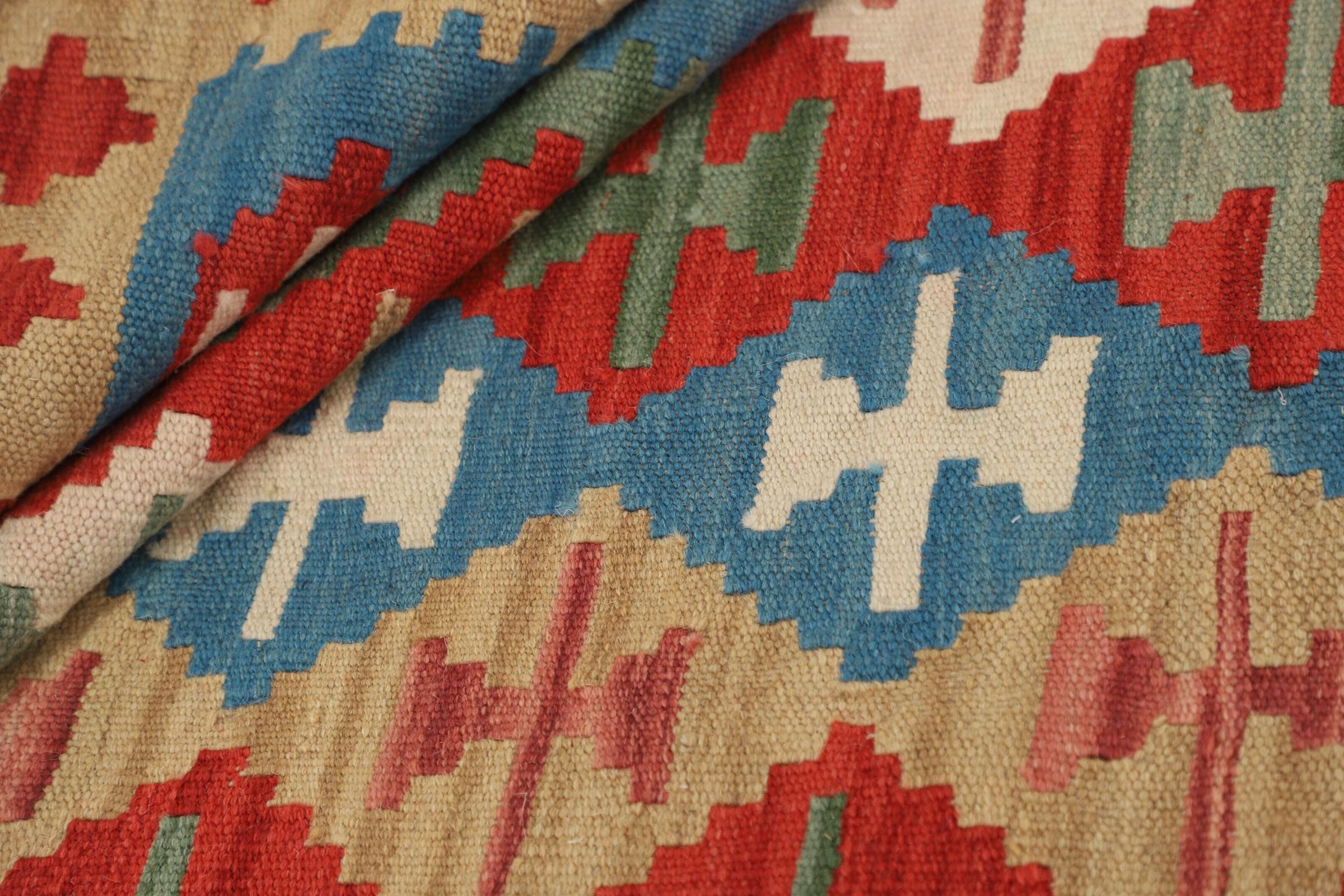
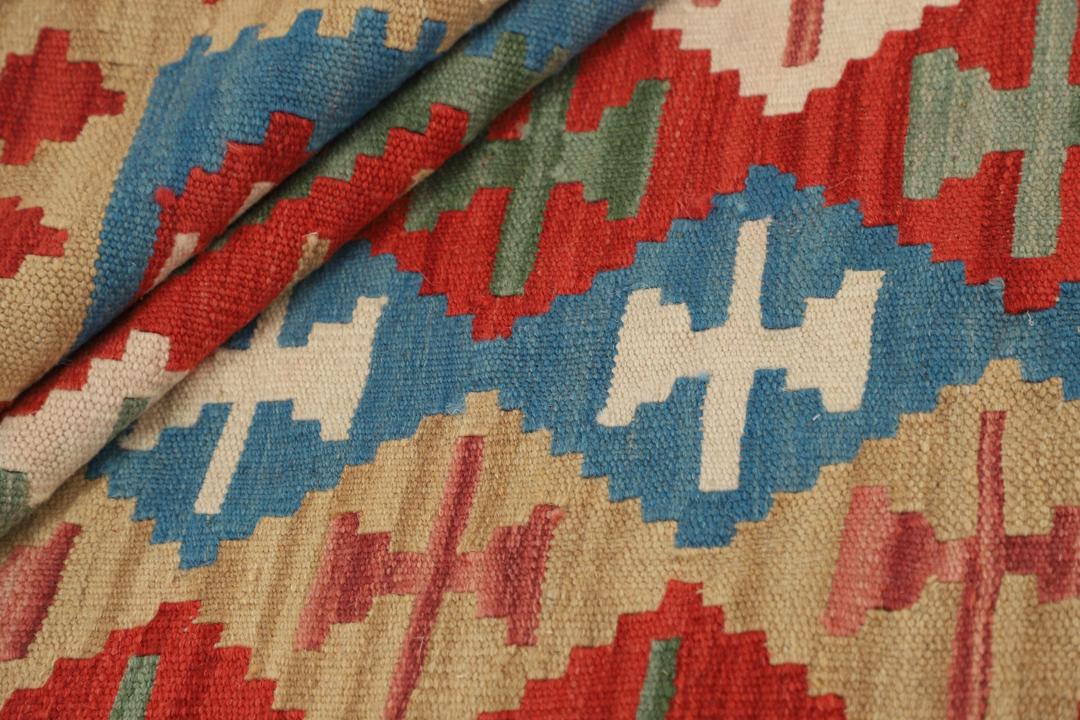
The term 'Kelim' refers to the flat-weaving technique where the warp and weft are interlaced tightly to form a durable, reversible textile without a pile. This method is highly prized for its clarity of design, as the lack of pile allows for sharp, precise geometric shapes and clean lines that would be difficult to achieve with thicker, knotted constructions.
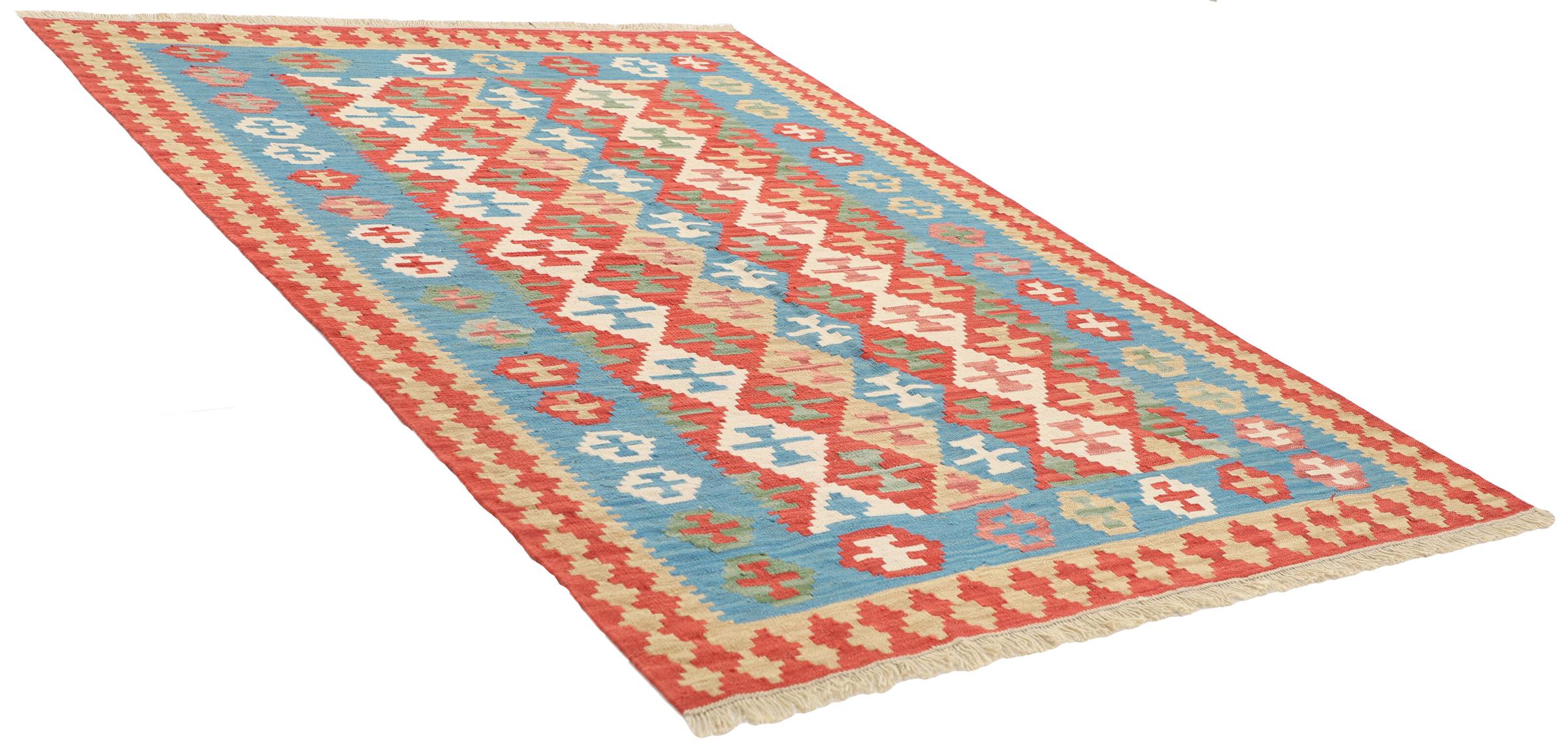
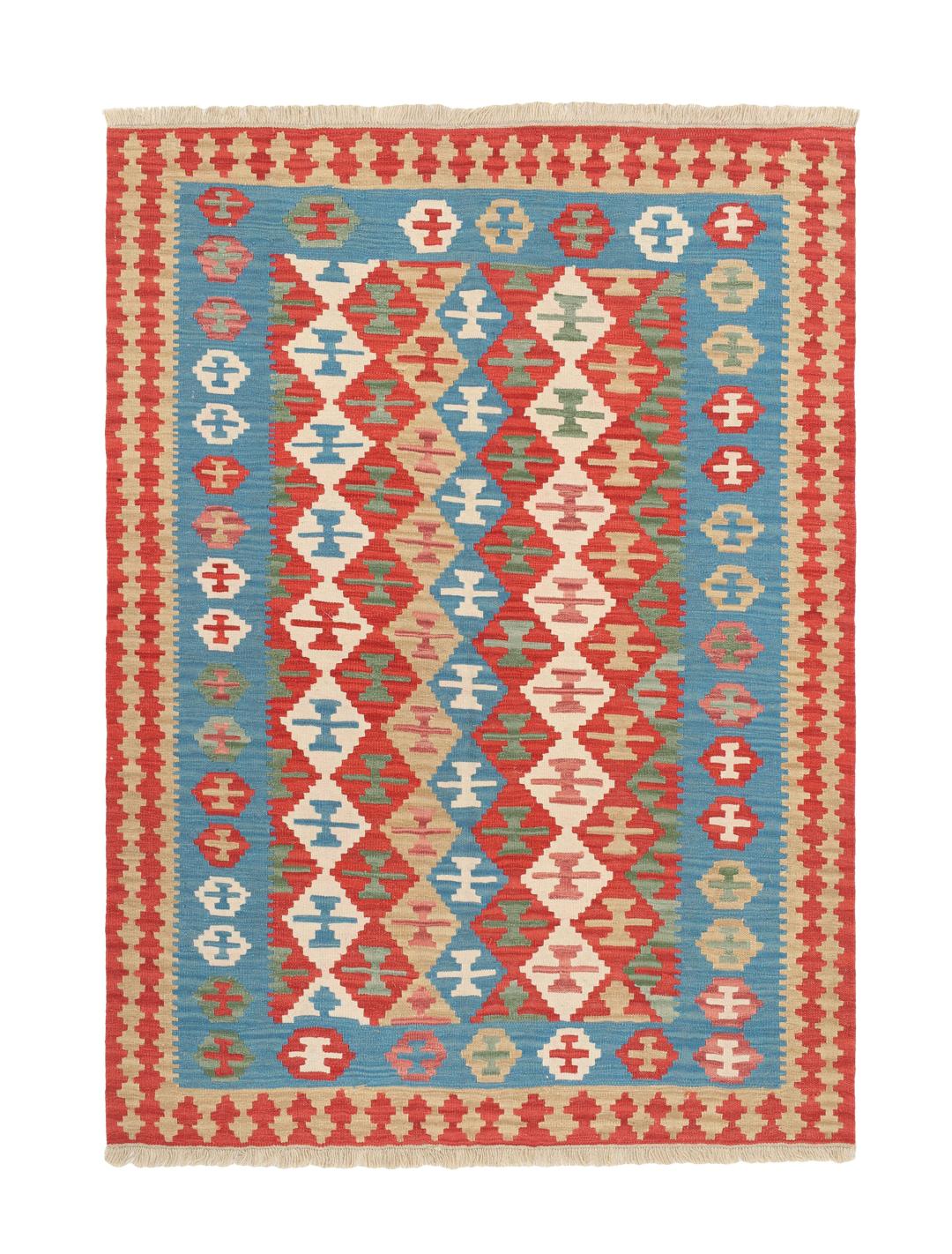
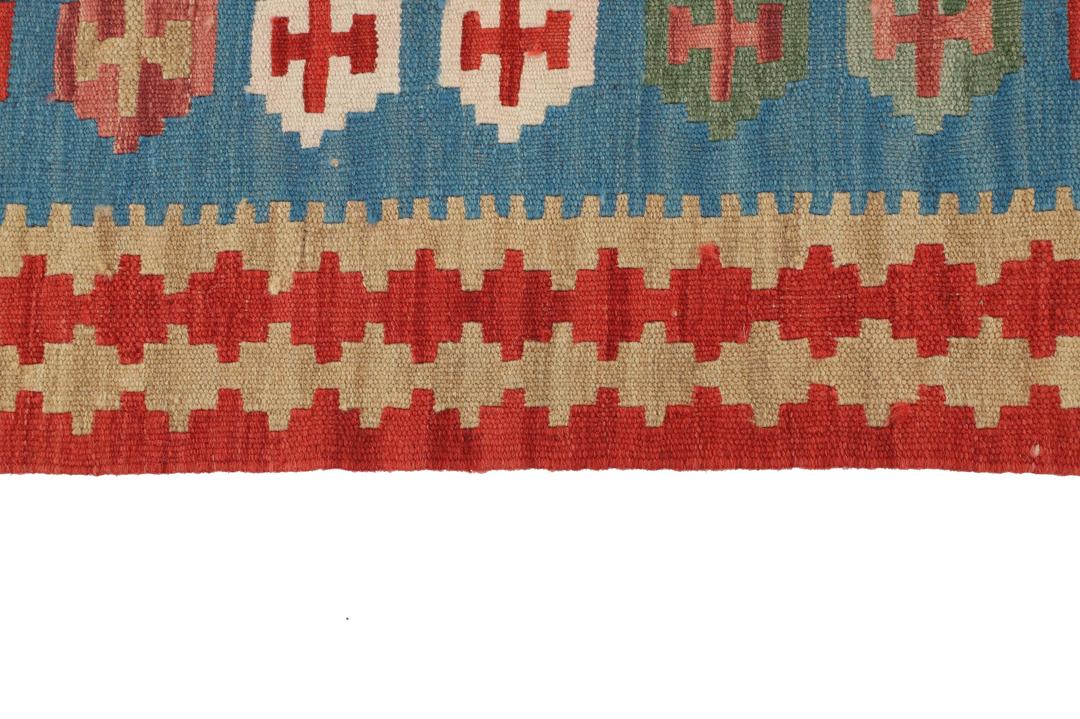
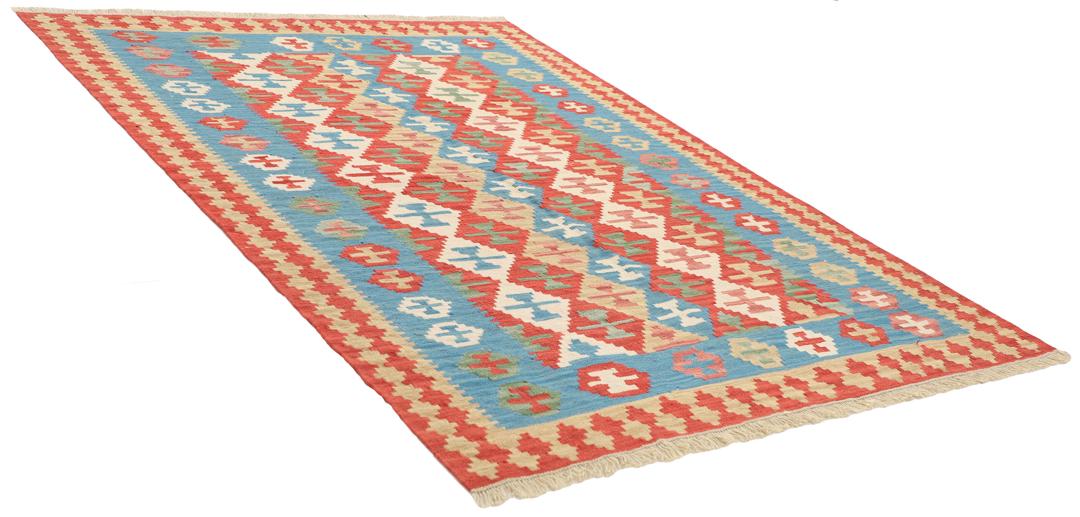
Signature design elements of these pieces often include bold diamond shapes and repeating geometric motifs, framed by intricate, symbolic borders. The colour palettes are traditionally sourced from natural dyes, resulting in the deep, earthy reds and vibrant blues that have become synonymous with this specific tribal aesthetic, often reflecting the natural landscape of the region.
Owning a Kelim Ghashghai is an investment in cultural heritage and long-standing craft tradition. These rugs are highly sought after by collectors not just for their visual beauty, but for the skill and ancestral knowledge required to produce them, making each piece a lasting connection to a rich, nomadic history.