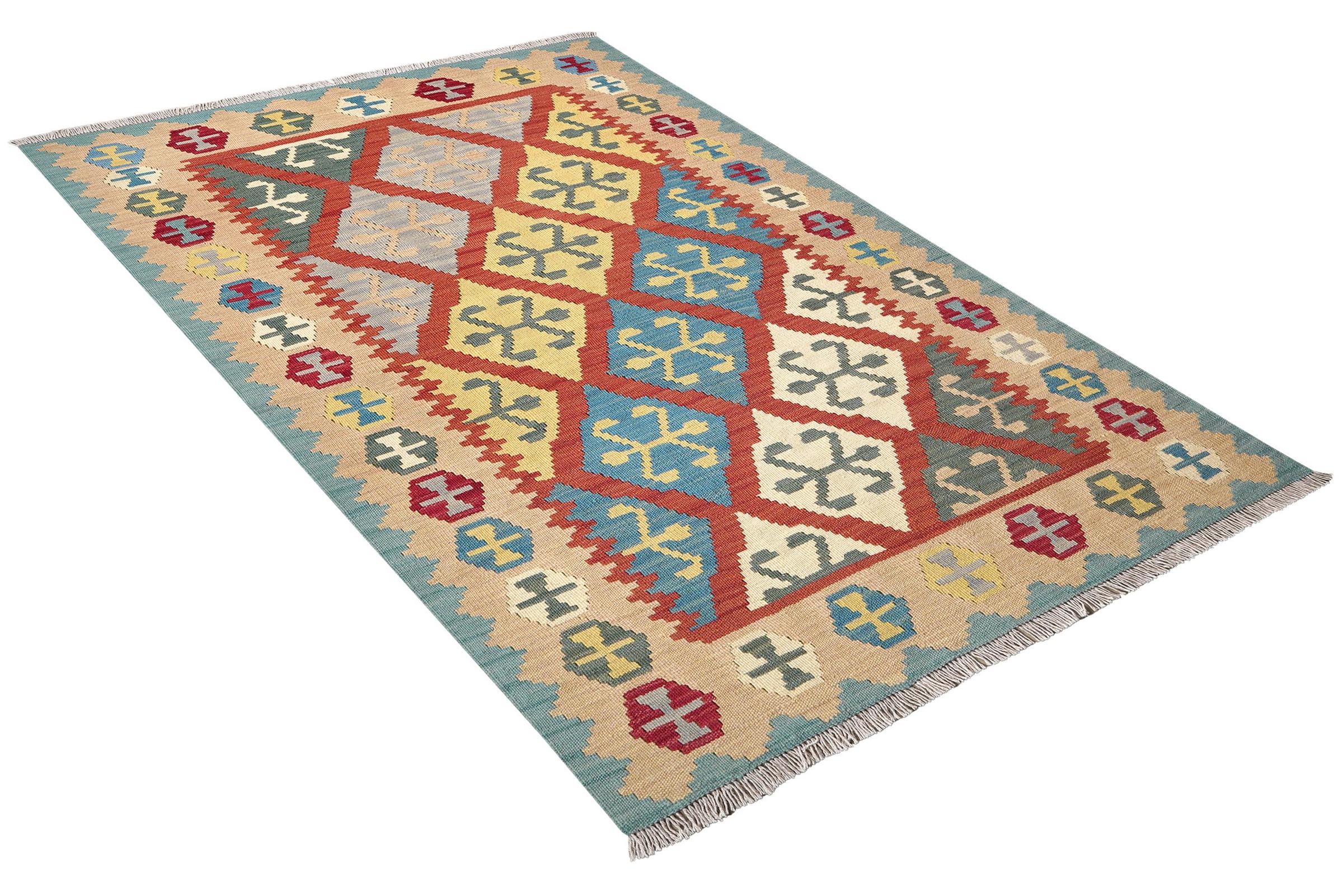
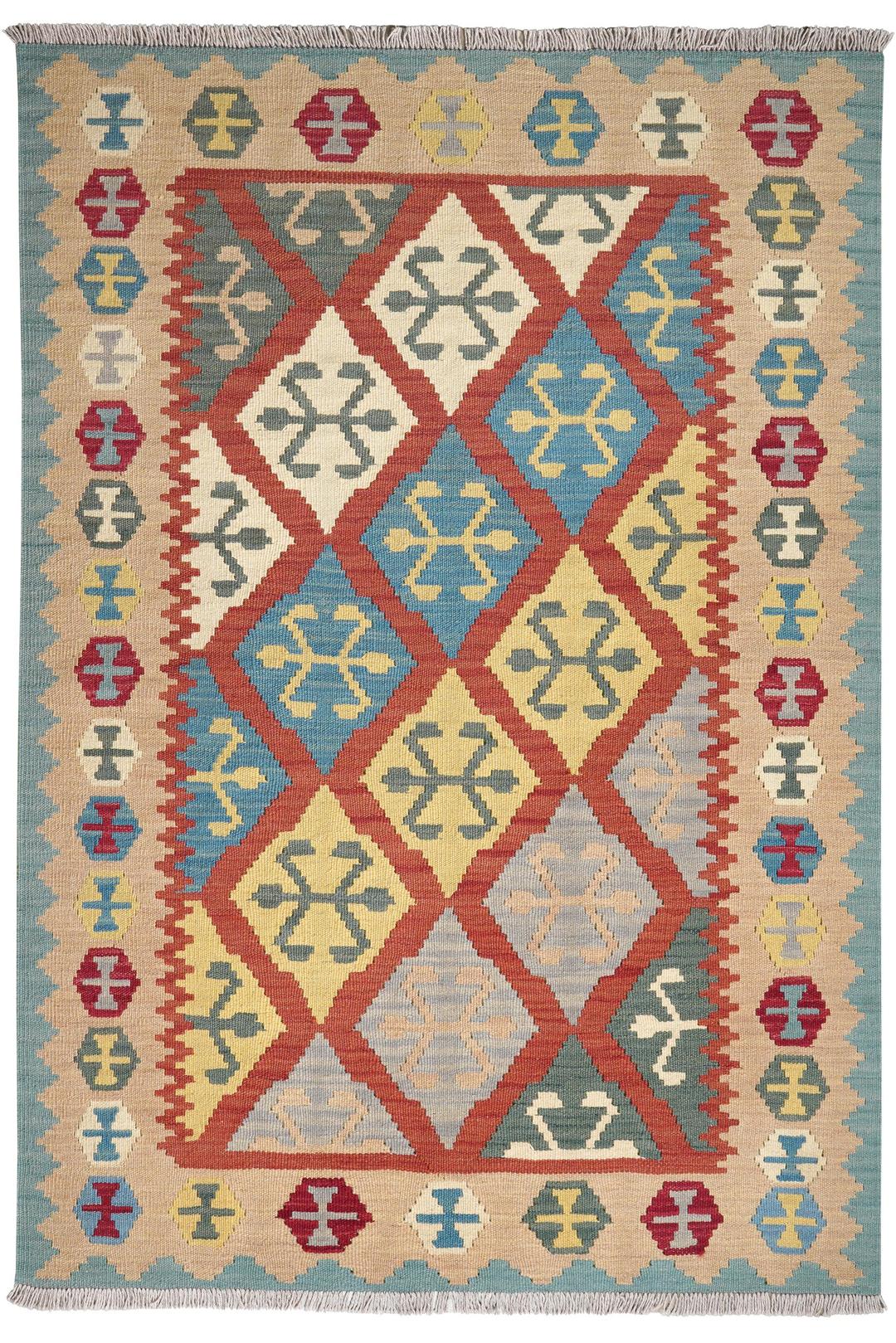
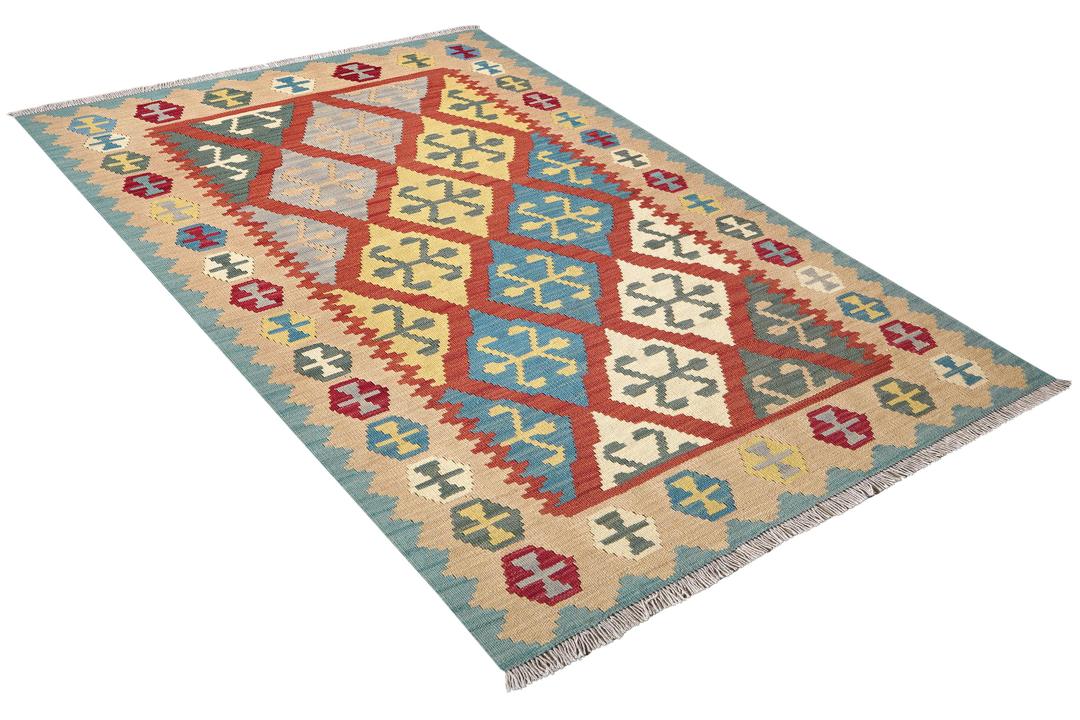
Kelim Ghashghai rugs originate from the nomadic Ghashghai tribes of the Middle East. Historically woven on portable ground looms during seasonal migrations, these rugs were created to serve practical purposes in daily tent life, from floor coverings to storage bags, while displaying the family's artistic heritage.
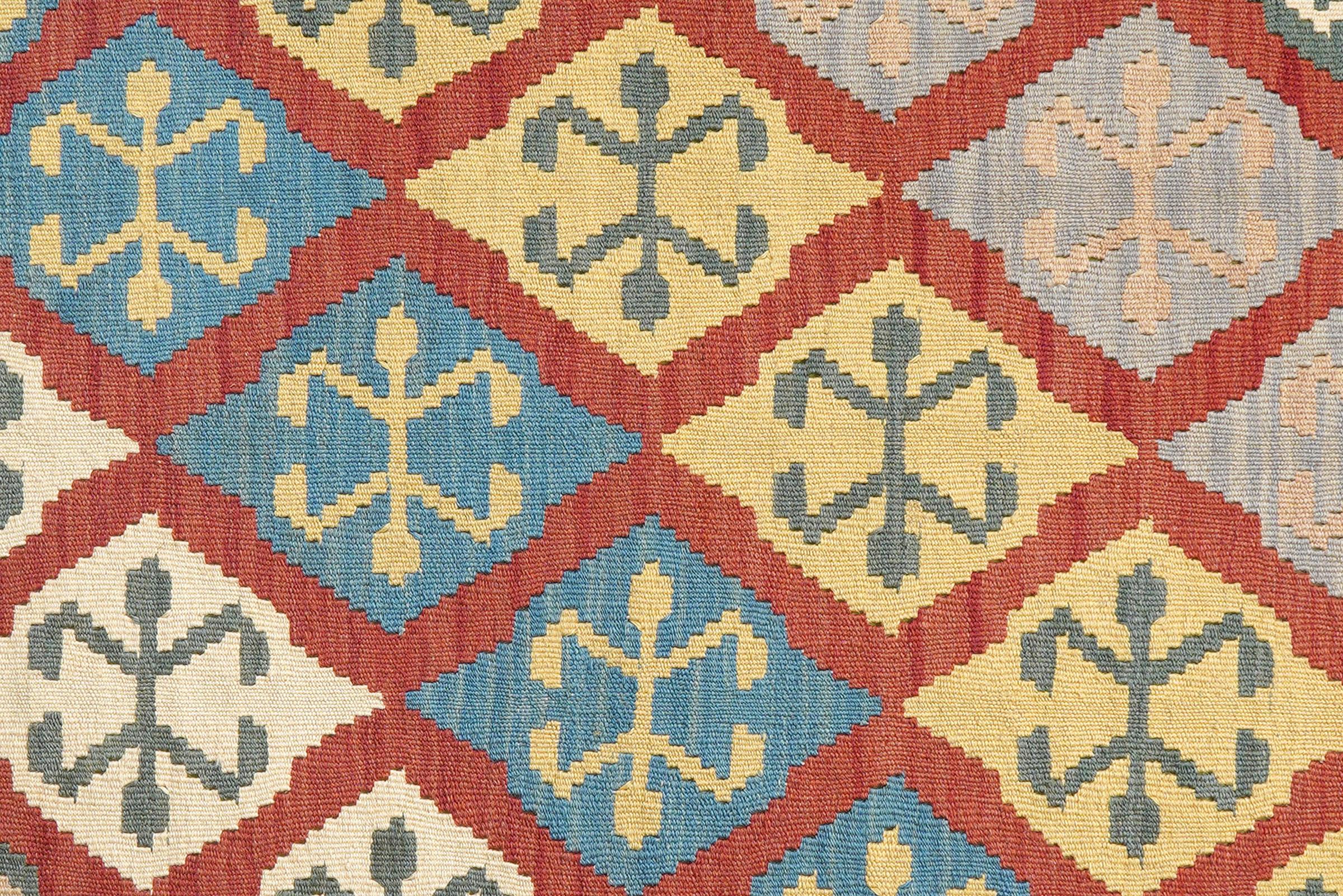
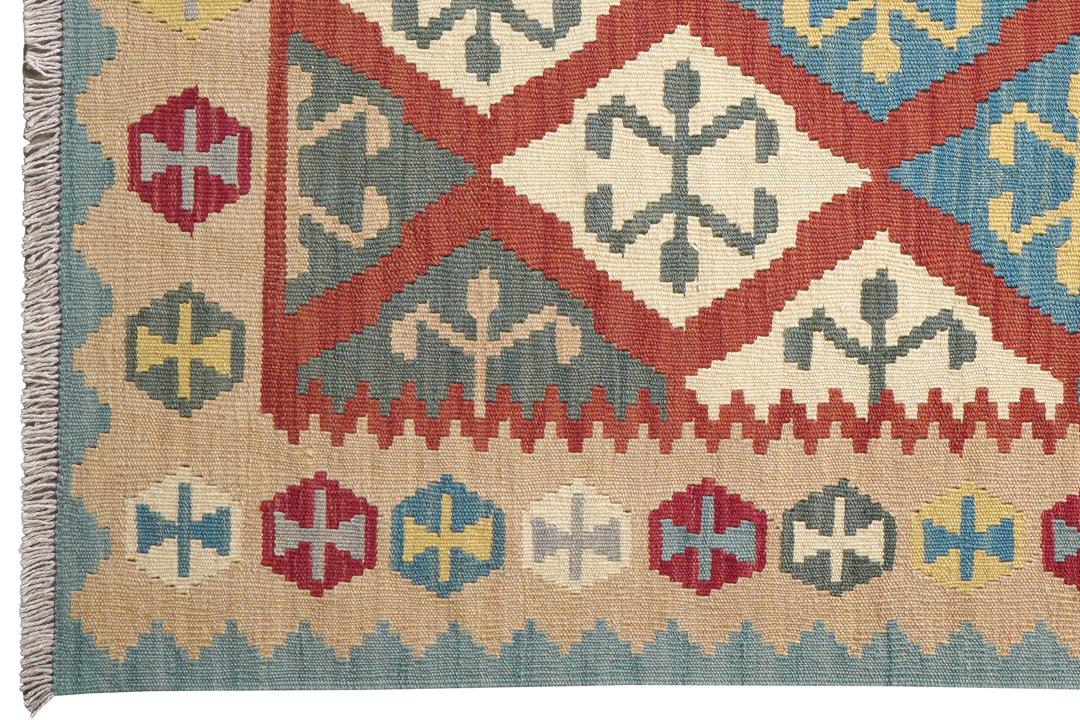
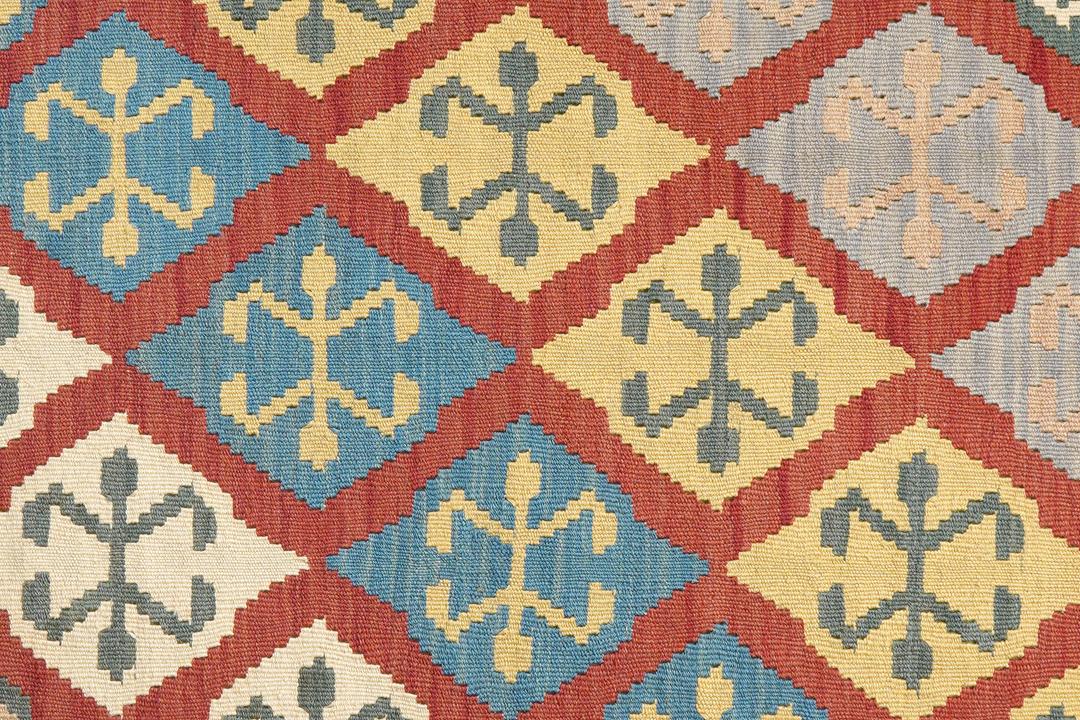
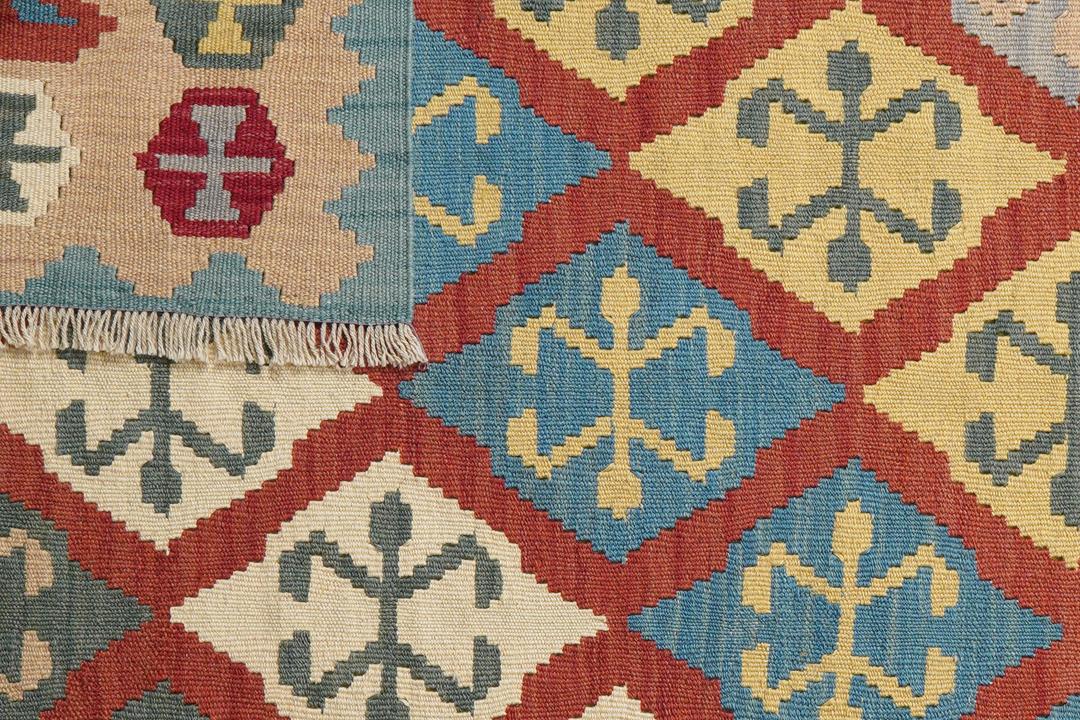
Unlike pile rugs, a kelim is flatwoven using a slit-weave technique where the weft threads are tightly packed over the warp strands. This creates a smooth, reversible fabric without a pile, resulting in clean lines and sharp geometric forms that highlight the natural strength of the wool.
The visual language of Ghashghai weaving is defined by bold diamond medallions, stylized floral symbols, and intricate borders. Woven from memory rather than drawn patterns, every motif carries traditional meanings linked to protection, nature, and tribal identity, giving the rug its distinctive narrative depth.
Today, traditional Ghashghai kilims are highly valued by collectors and interior enthusiasts for their authenticity and spontaneous design. Acquiring one means preserving a piece of living history, shaped by generations of nomadic craft traditions.