Kilim rugs are a foundational element of Middle Eastern textile history, celebrated for their flat-woven technique that predates the knotted pile rugs more commonly found in Western markets. Originating from nomadic traditions where portability and durability were paramount, these rugs were designed to serve as functional coverings for tents, floors, and walls. The tradition has evolved over centuries, with Afghanistan becoming one of the most respected hubs for maintaining the integrity of these ancient weaving styles.
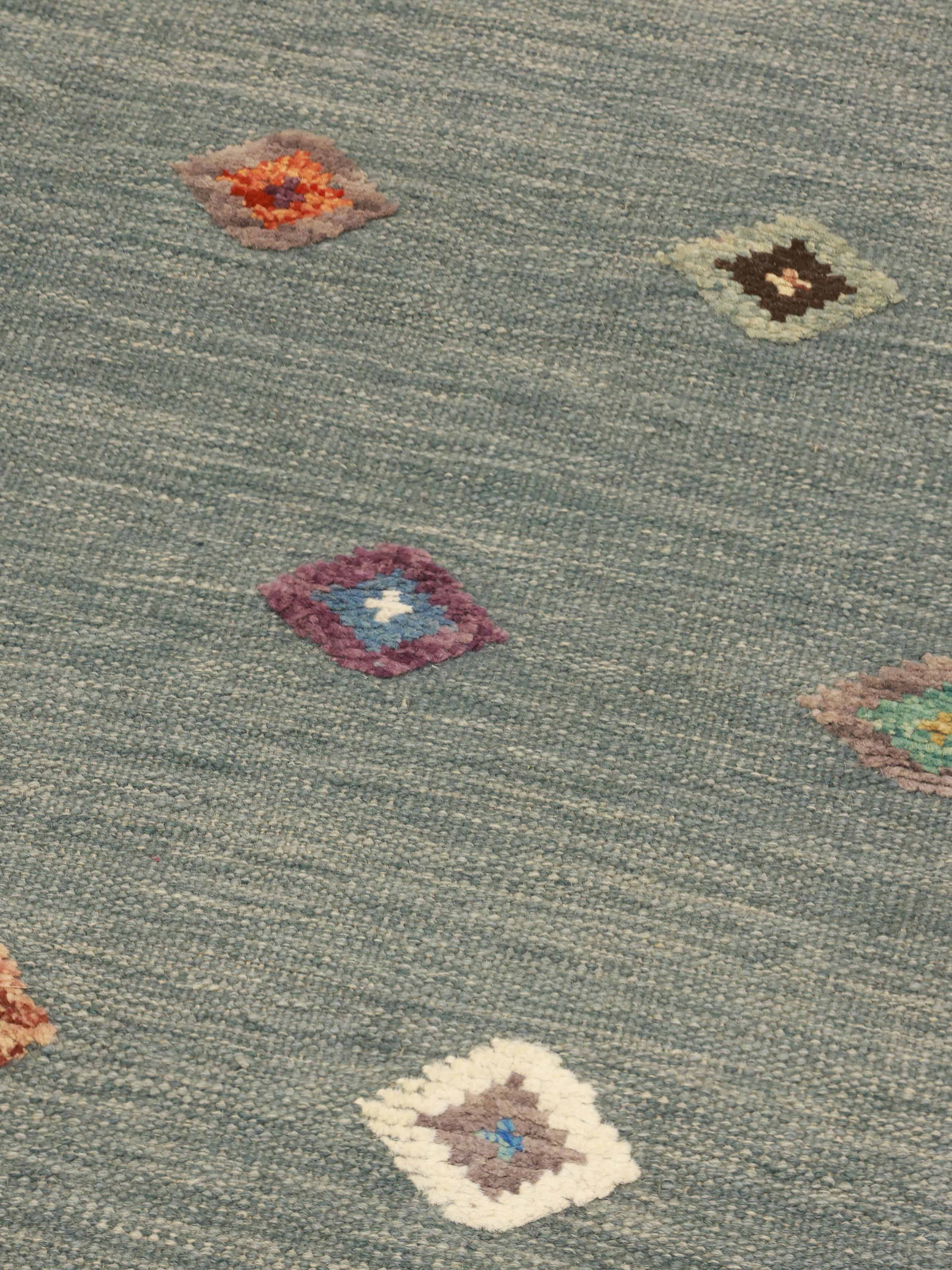
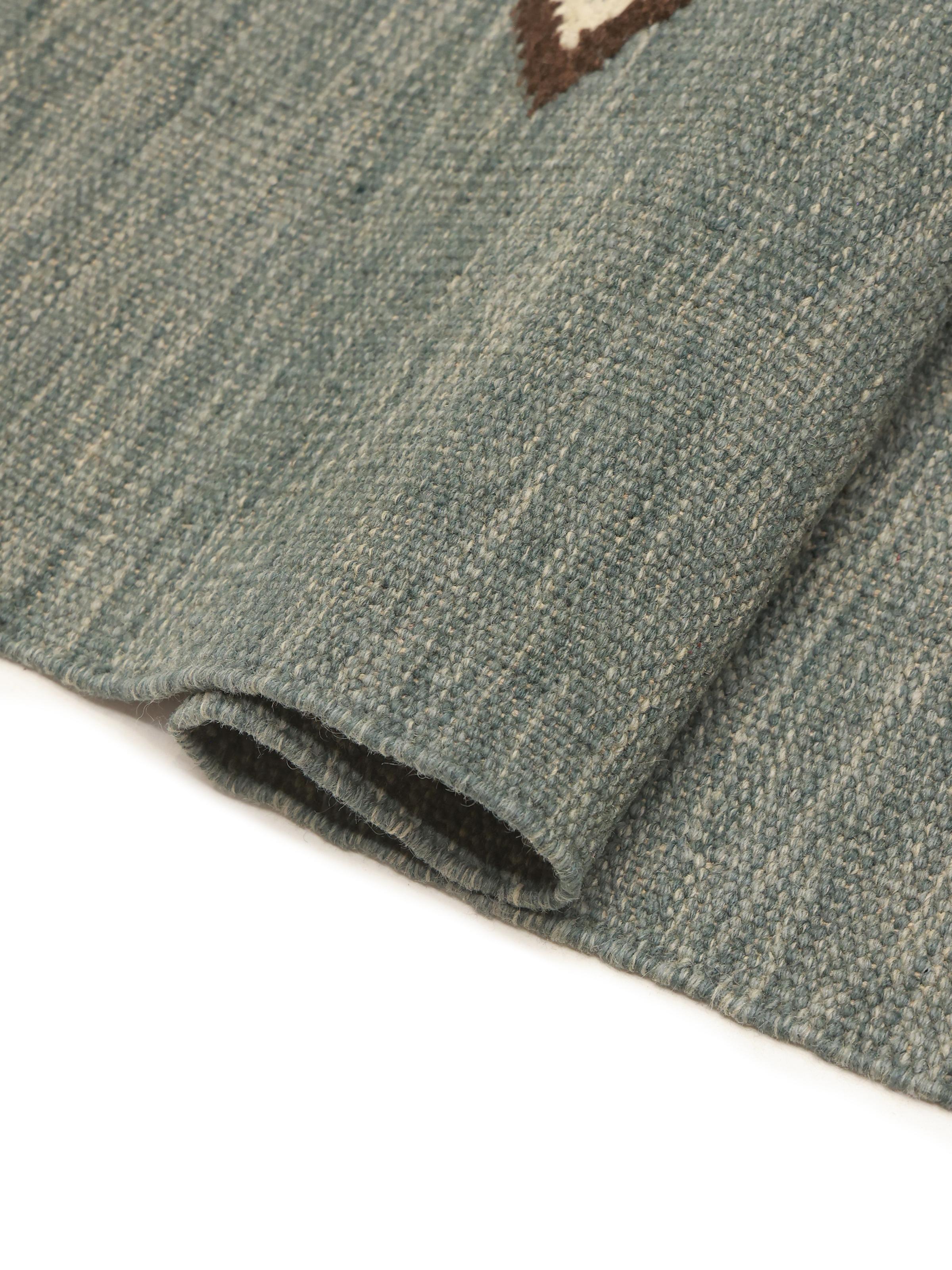
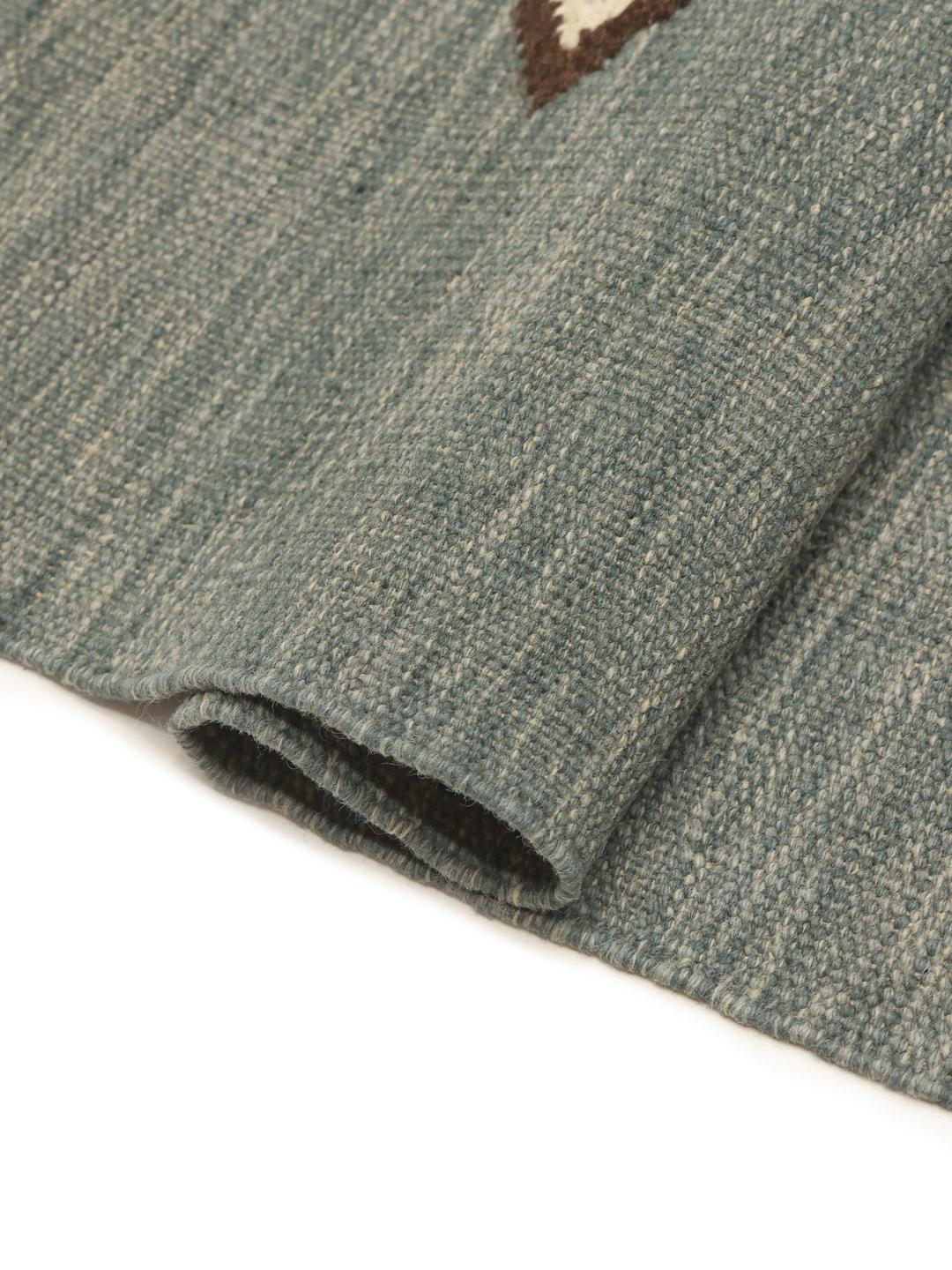
The term 'Nimbaft' refers to a specific, refined approach to the kilim tradition, characterised by its focus on clean lines and intentional, simplified patterning. Unlike thicker rugs, the flat-weave construction relies on the interlacing of the warp and weft, which results in a reversible, lightweight, and incredibly durable fabric. The quality of a Nimbaft is determined by the tightness of this weave, which prevents fraying and ensures the rug retains its shape, even after years of use in the home.
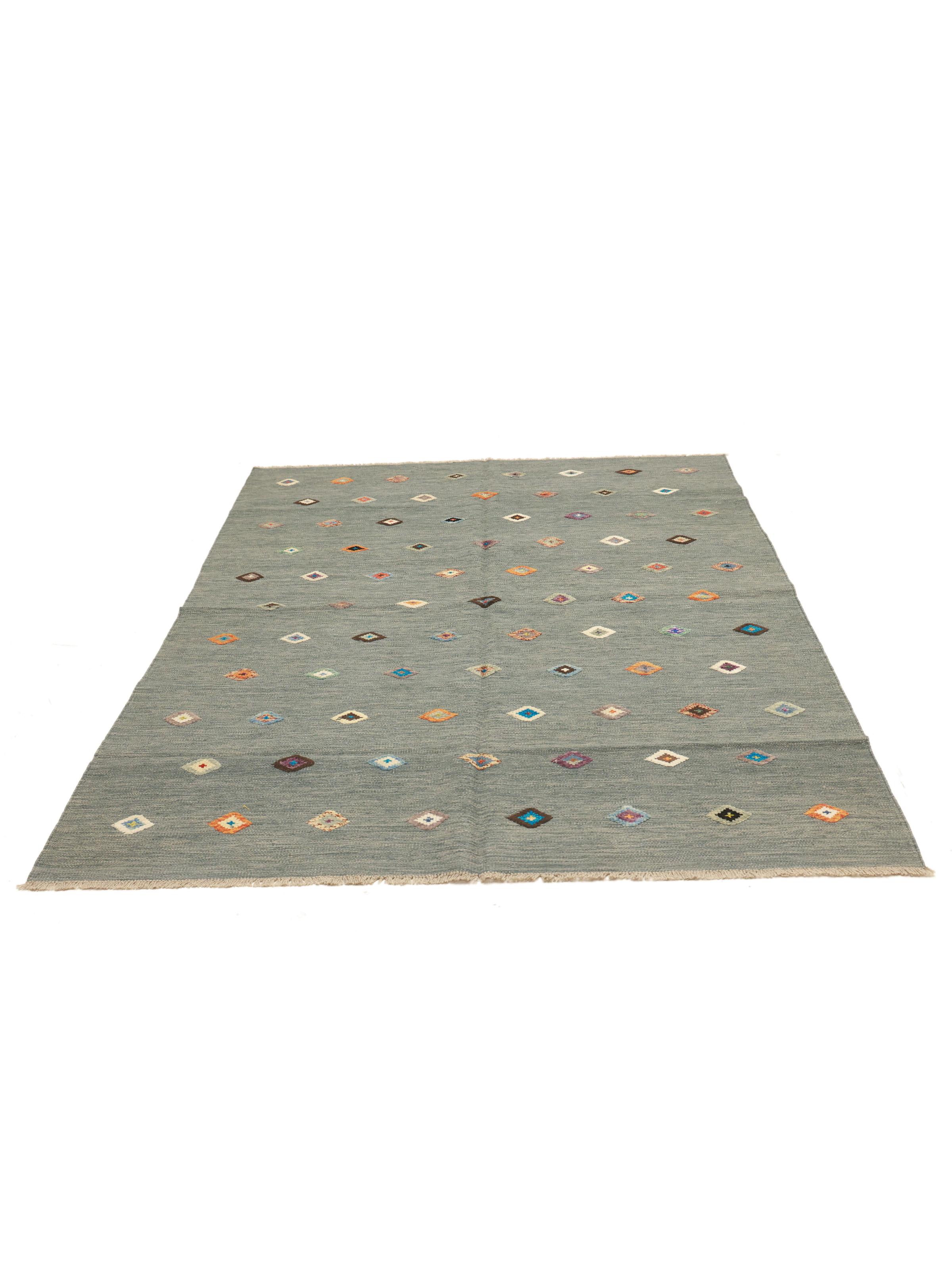
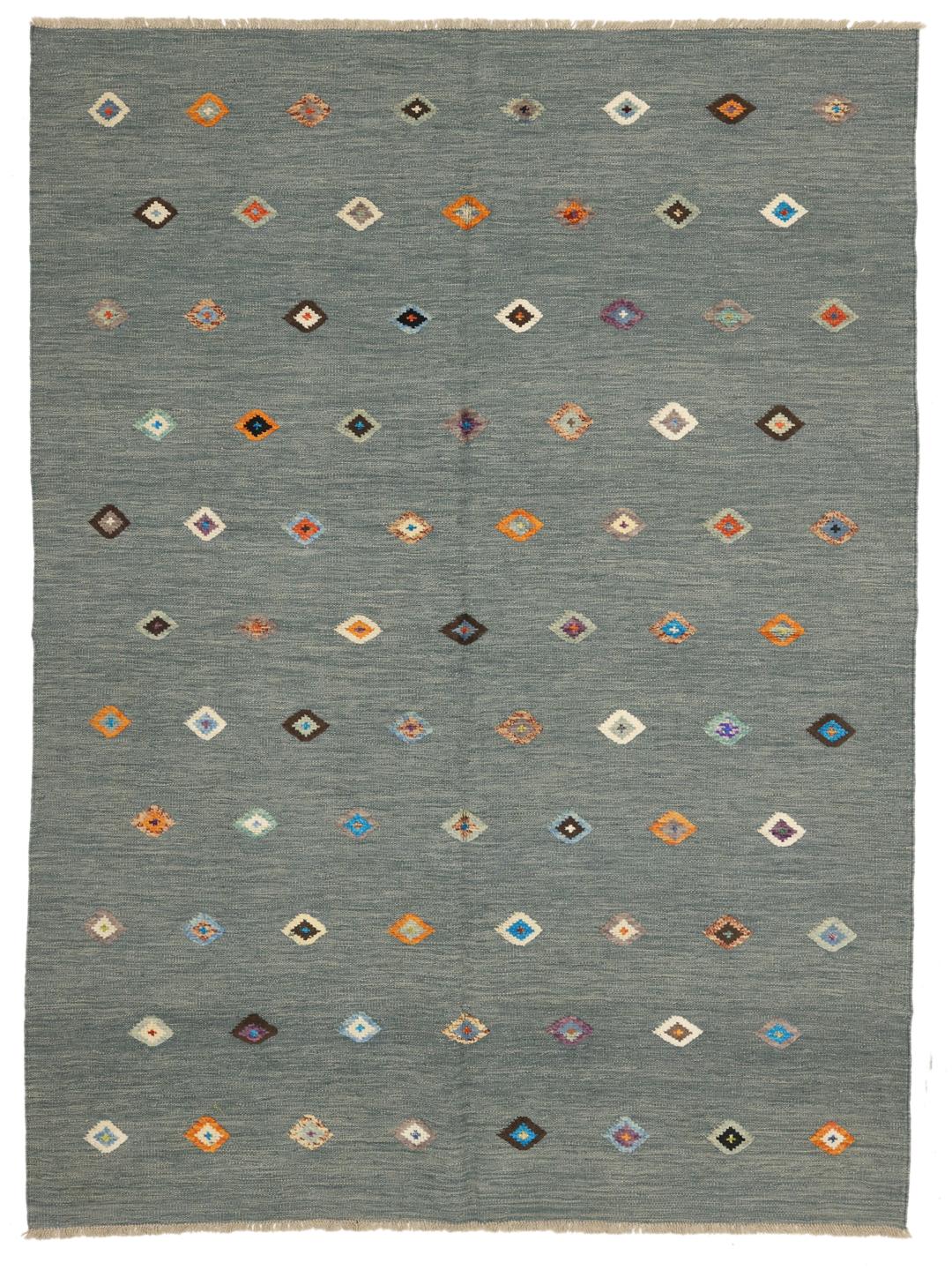
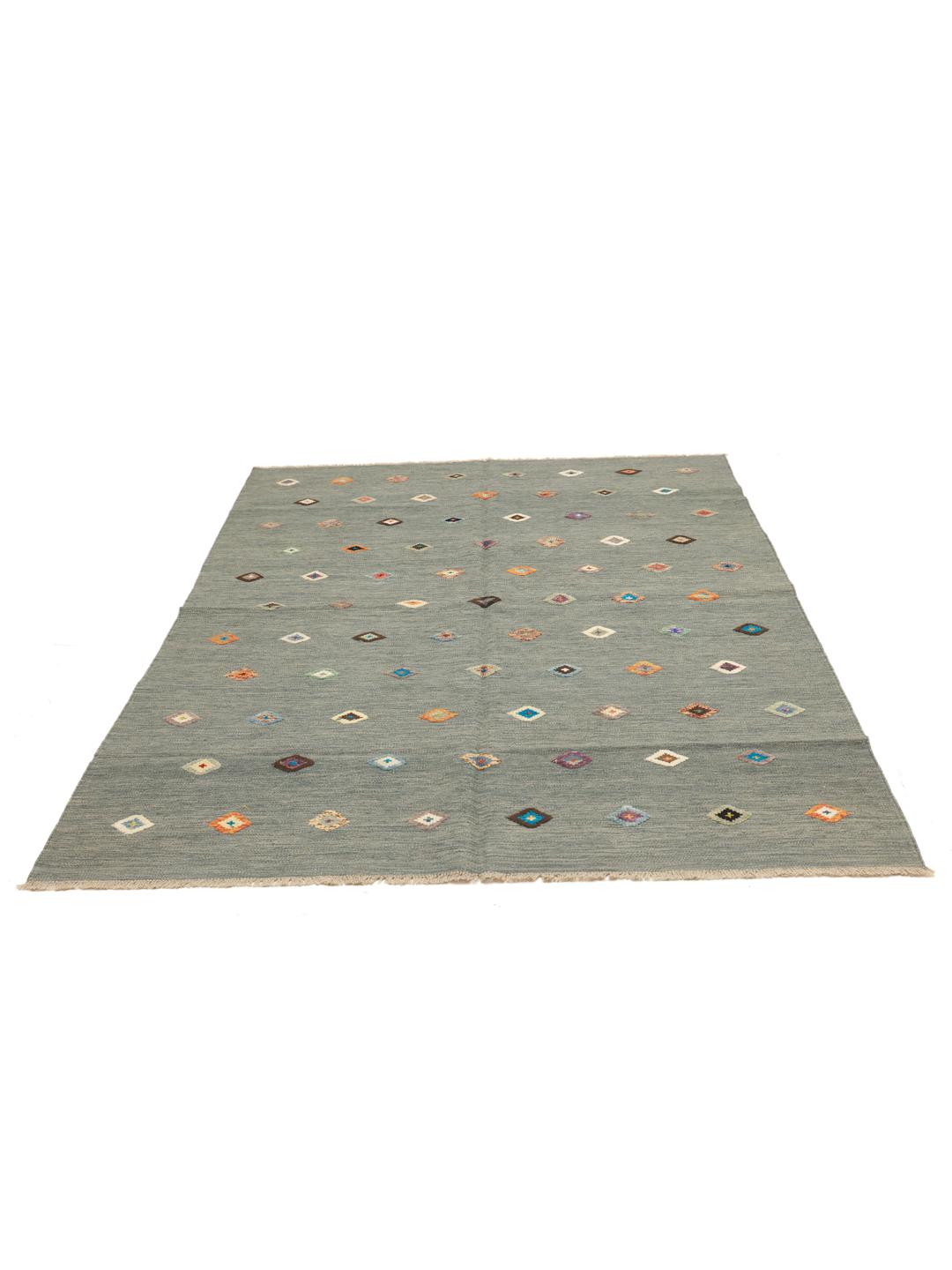
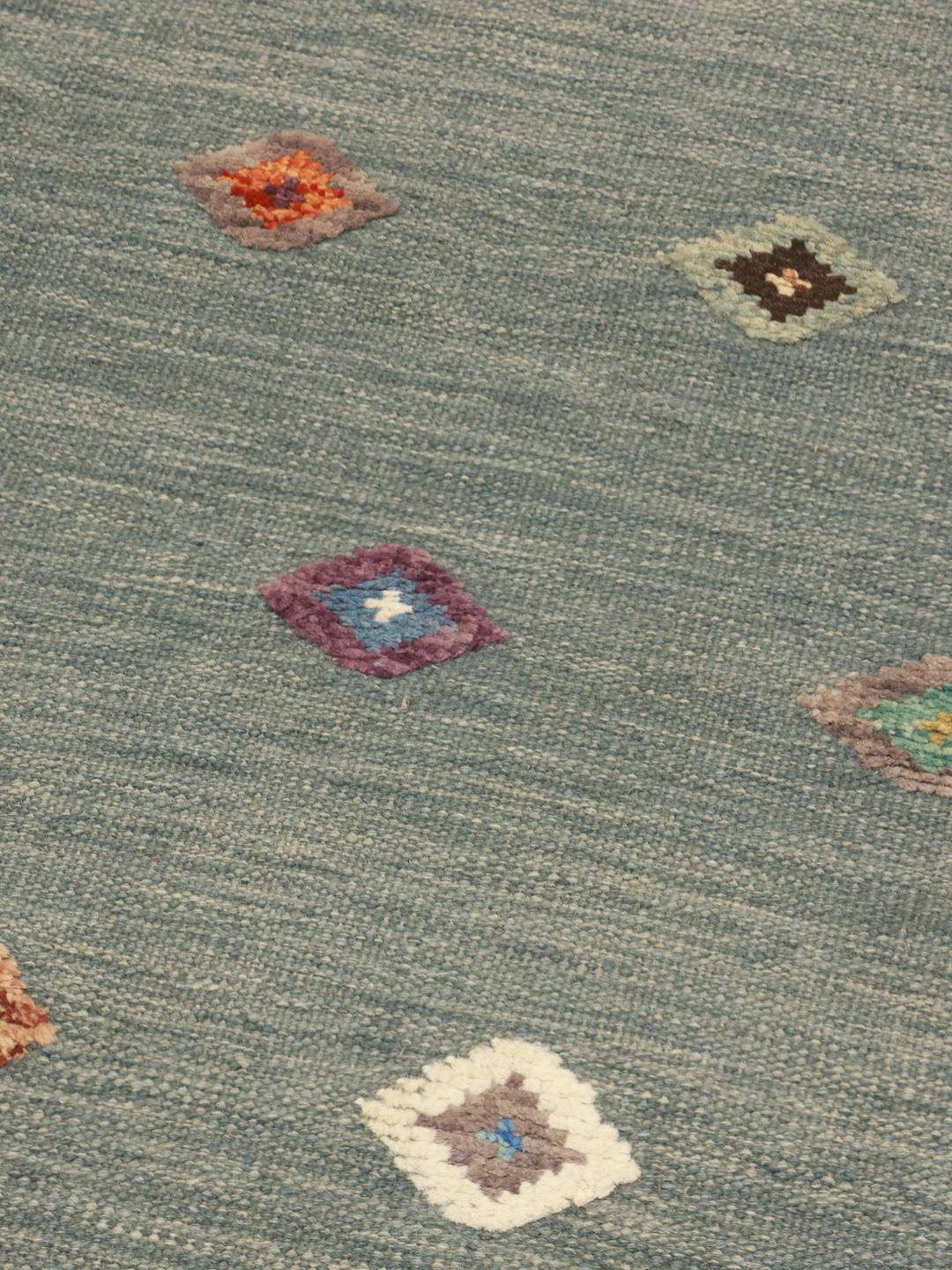
The design of this rug is rooted in a tradition of symbolic geometry. Each of the small motifs scattered across the field is a testament to the weaver's heritage, often representing protection, nature, or local community identity. While the overall aesthetic is calm and understated, the inclusion of varied colours within these motifs shows the weaver's attention to detail, creating a visual rhythm that is both orderly and deeply expressive.
Collecting a hand-woven kilim is an investment in human skill and cultural continuity. These rugs are highly valued for their authenticity and the way they bridge the gap between ancient nomadic heritage and modern interior design. By choosing a piece like this, you are preserving a craft tradition that has been passed down through generations, ensuring that the art of the hand-loom remains a vibrant part of our homes today.