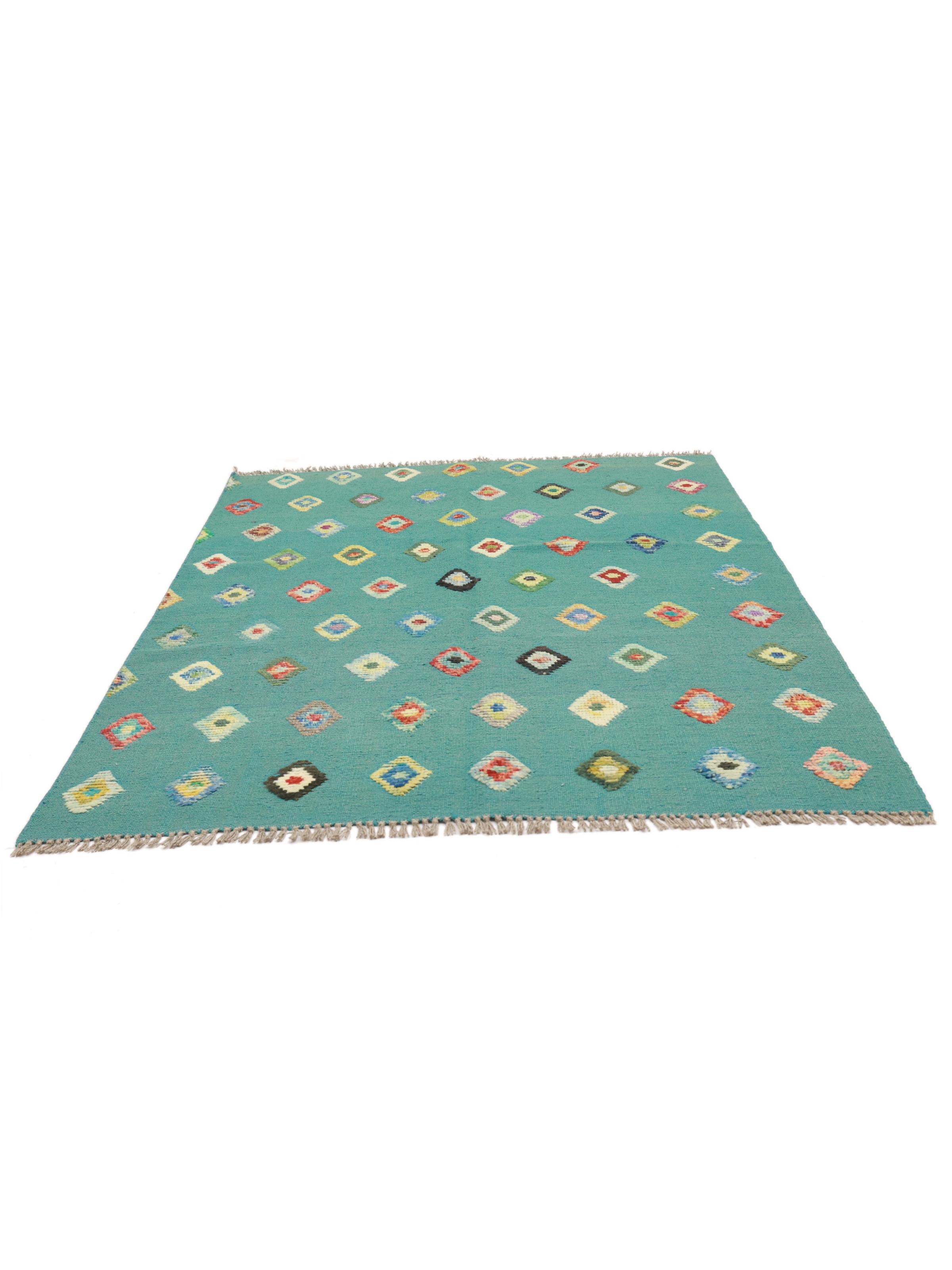
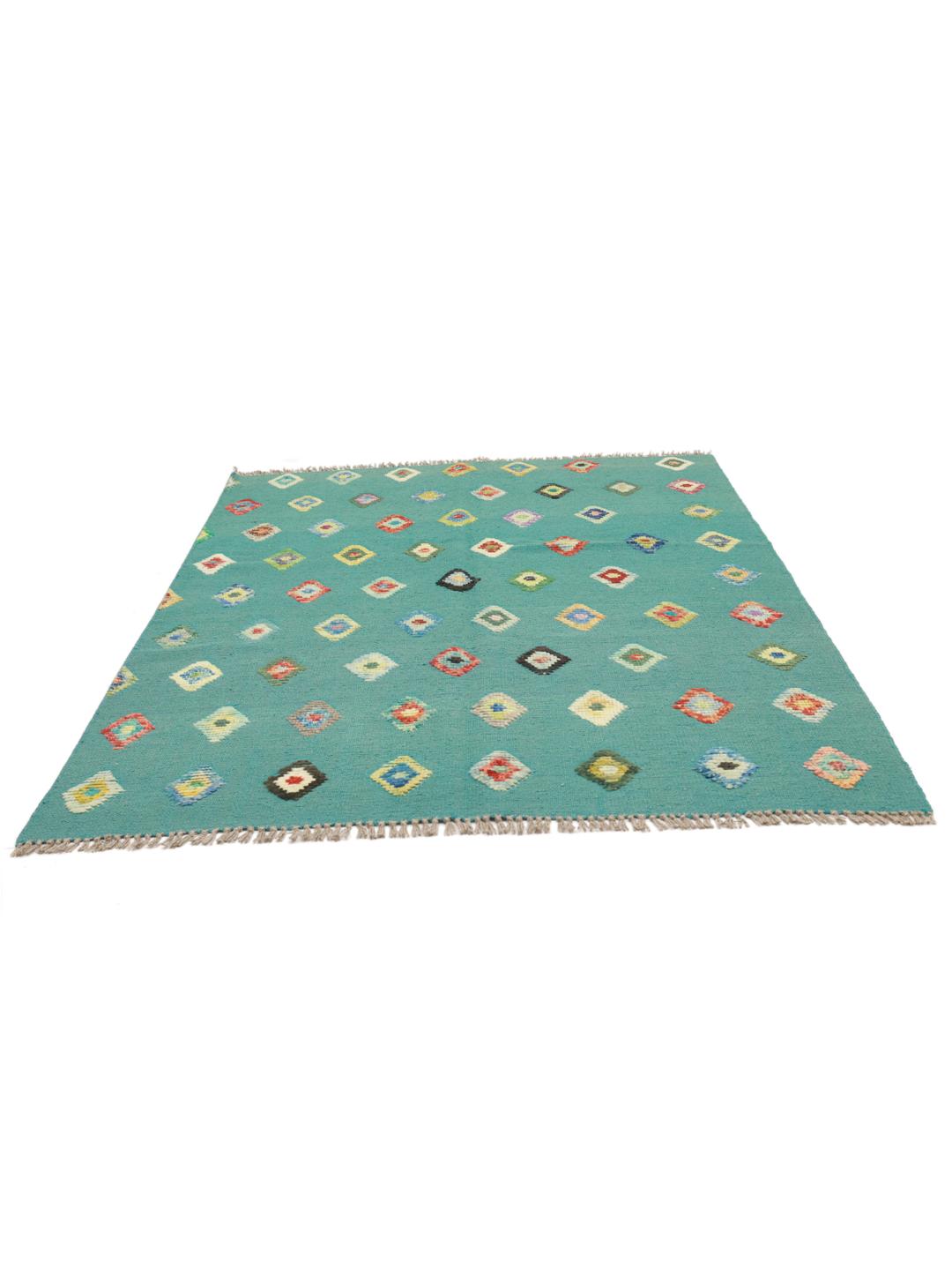
Kelim rugs have a history that spans centuries across the Middle East and Central Asia, serving as both functional floor coverings and expressions of cultural identity. The term Nimbaft refers to a specific, refined approach to the flat-weaving tradition, where the focus is on creating a tight, durable, and lightweight textile. These rugs have evolved from their nomadic roots into highly sought-after pieces that reflect the rich weaving heritage of Afghanistan.
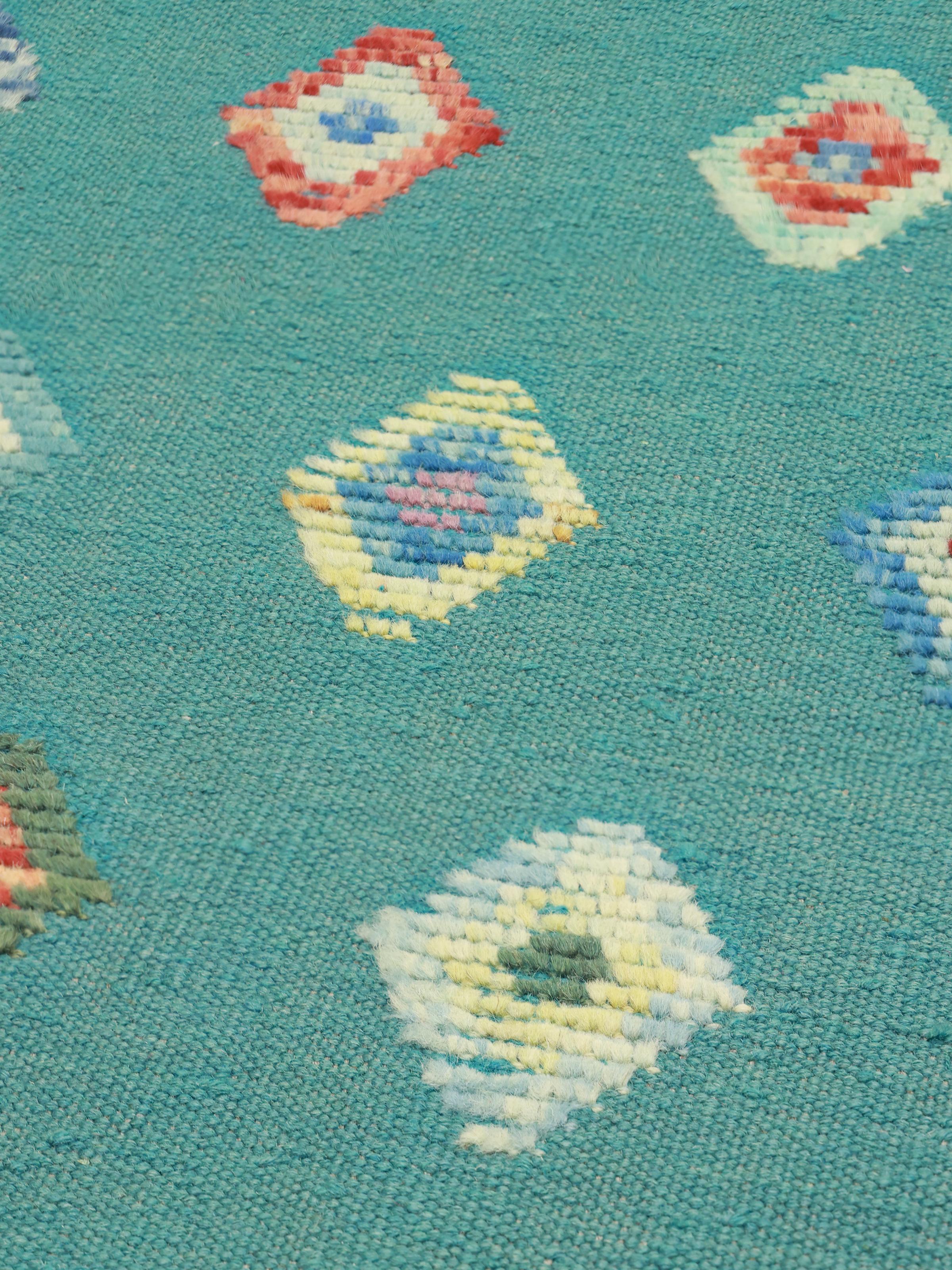
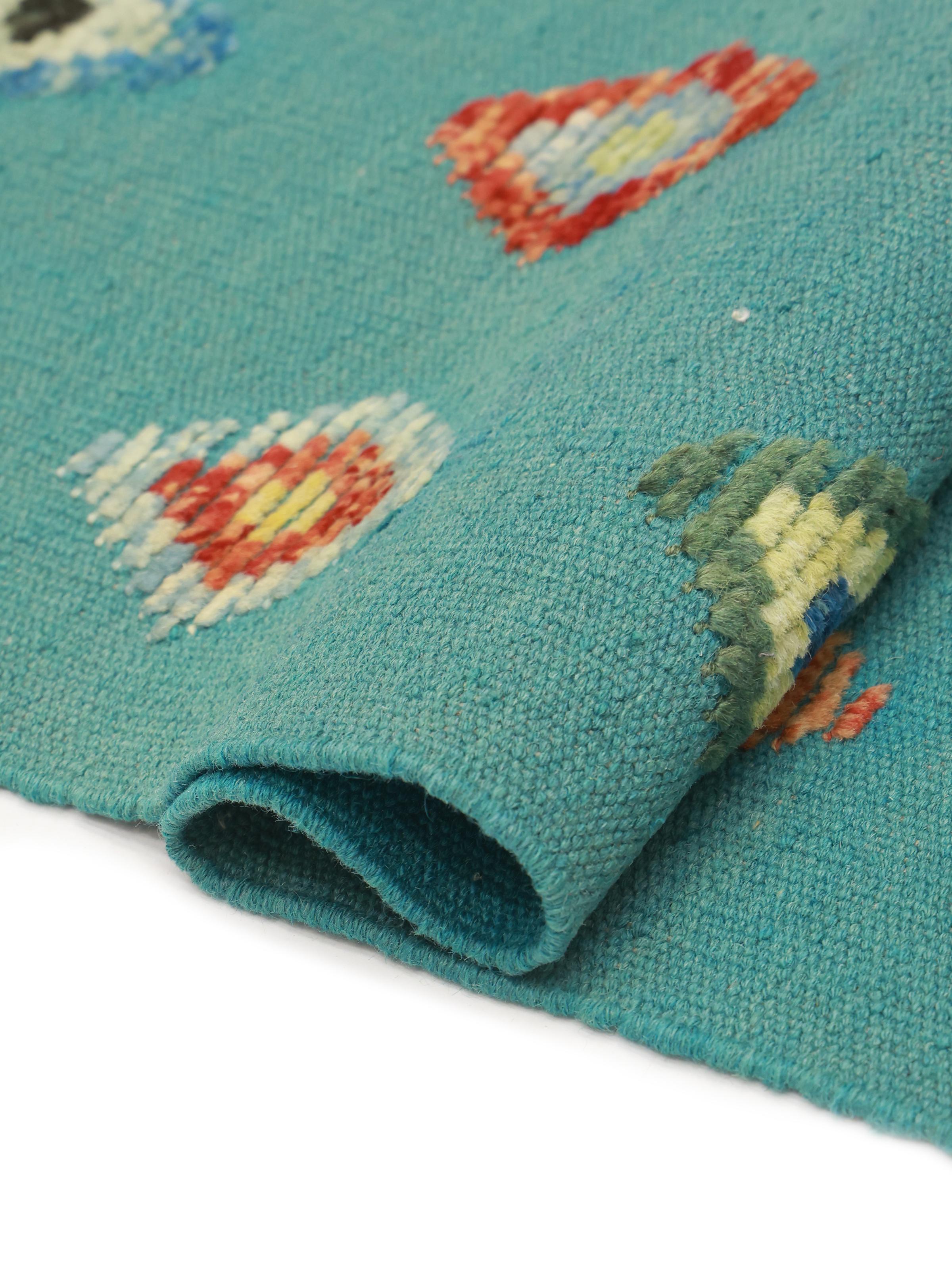
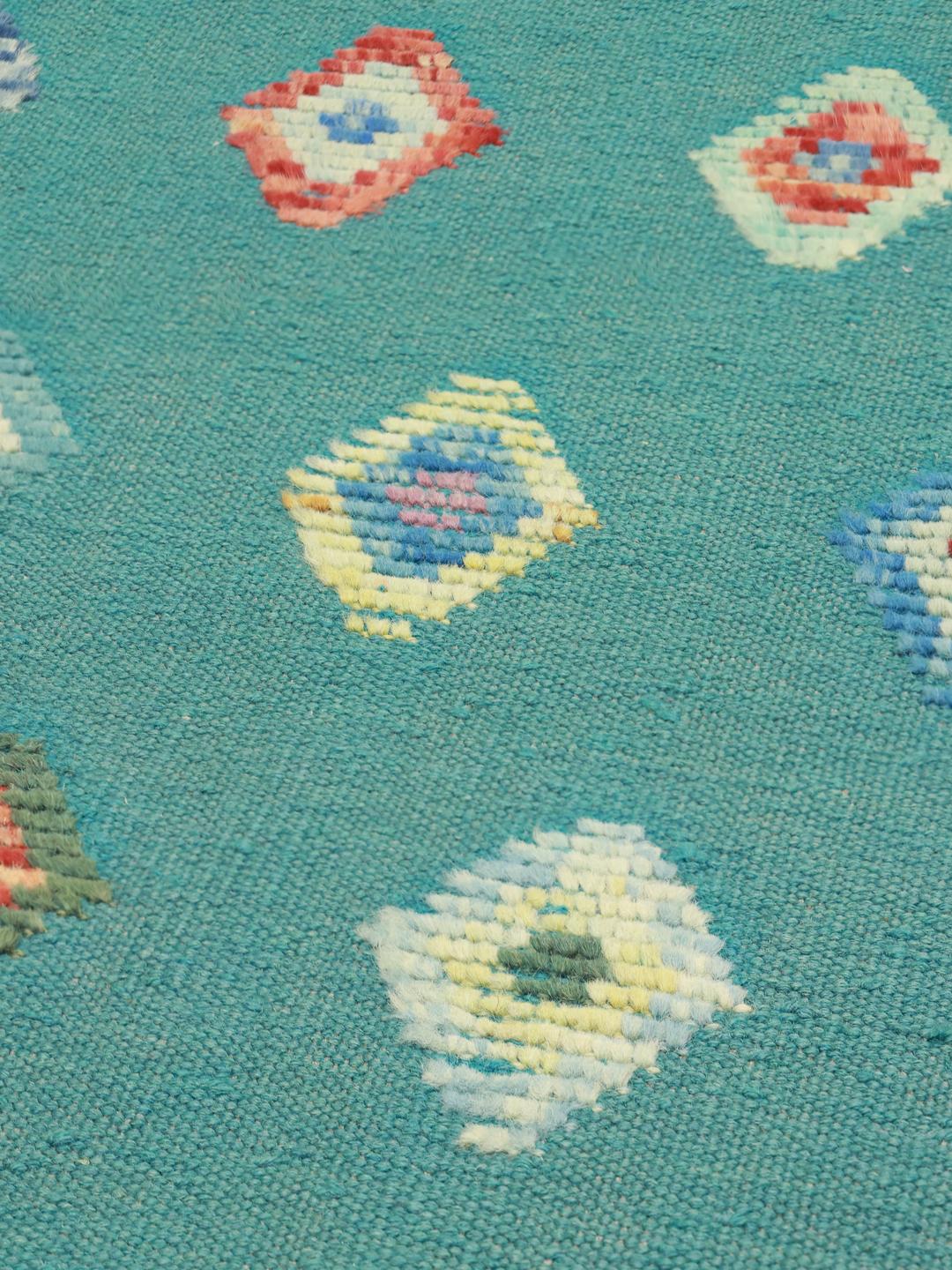
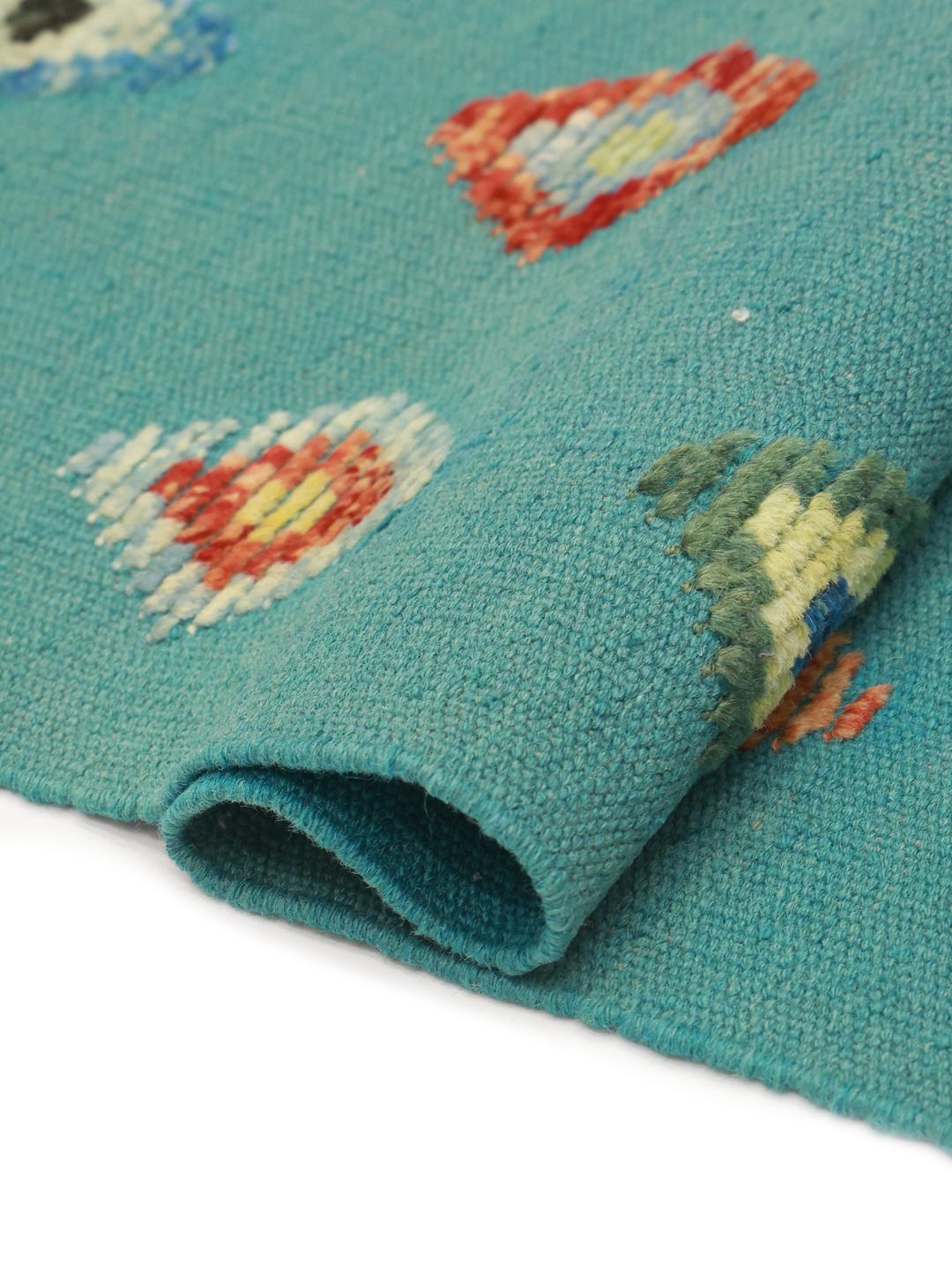
The flat-weave construction is what distinguishes a Kelim from pile rugs. By interweaving the warp and weft threads to create the pattern, artisans achieve a thin, reversible fabric that is exceptionally versatile. This technique requires significant skill, as the design must be calculated and built during the weaving process rather than added afterward. This level of technical mastery is what gives these rugs their sharp, clean lines and long-lasting durability.
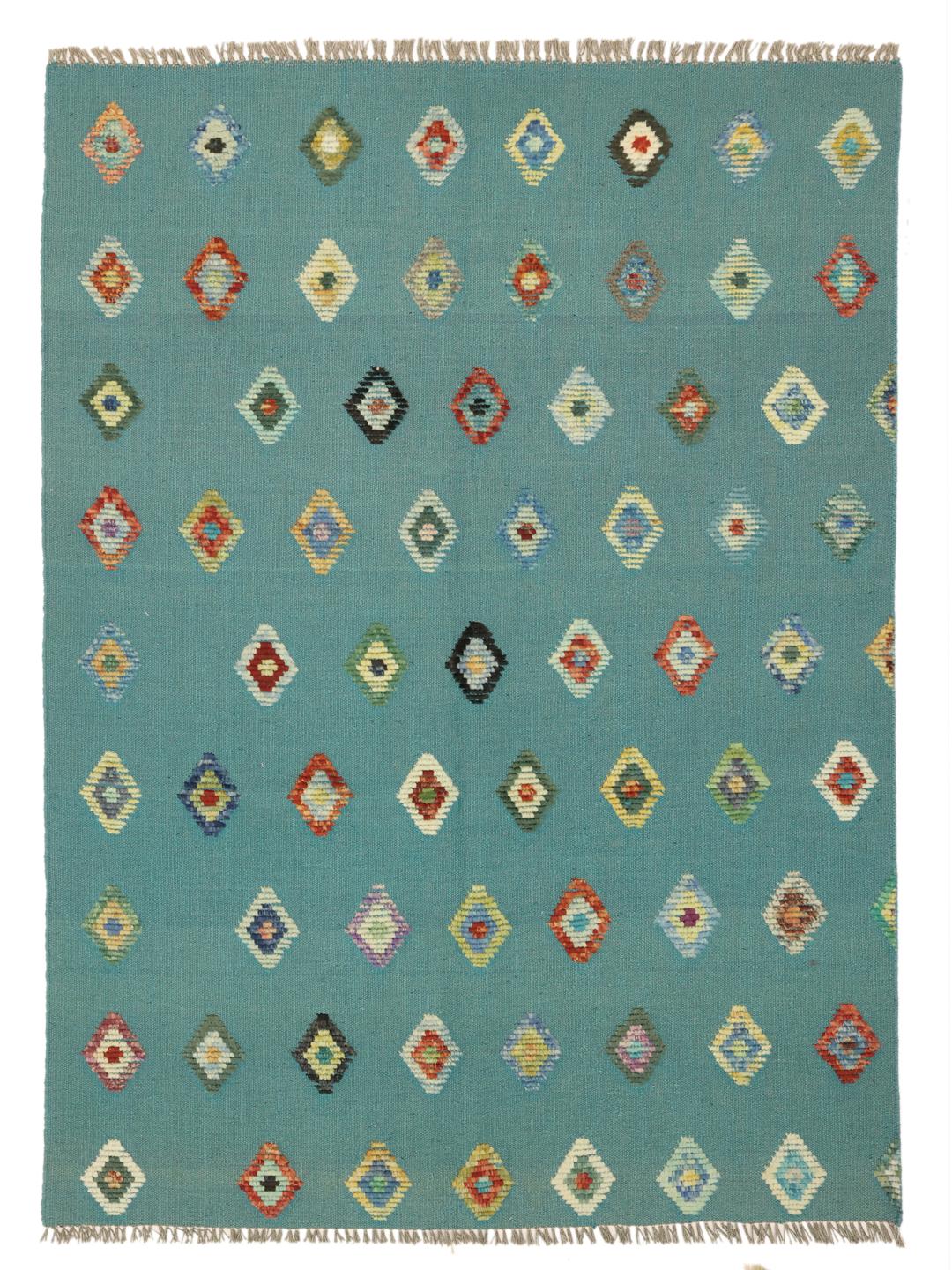
Signature to the Nimbaft style is the use of geometric motifs, most notably the diamond, which is often interpreted as a symbol of protection or prosperity in local traditions. The arrangement of these shapes in orderly rows creates a sense of balance and rhythm that is iconic to the region's aesthetic. While the patterns may look simple, they are deeply rooted in a visual language passed down through generations of weavers.
Collecting a Kelim Nimbaft is an opportunity to own a piece of living history. These rugs are valued not only for their beauty but for the immense effort and cultural knowledge embedded in every square centimetre. By bringing one into your home, you are participating in a tradition that celebrates human skill, natural materials, and the enduring power of geometric storytelling.