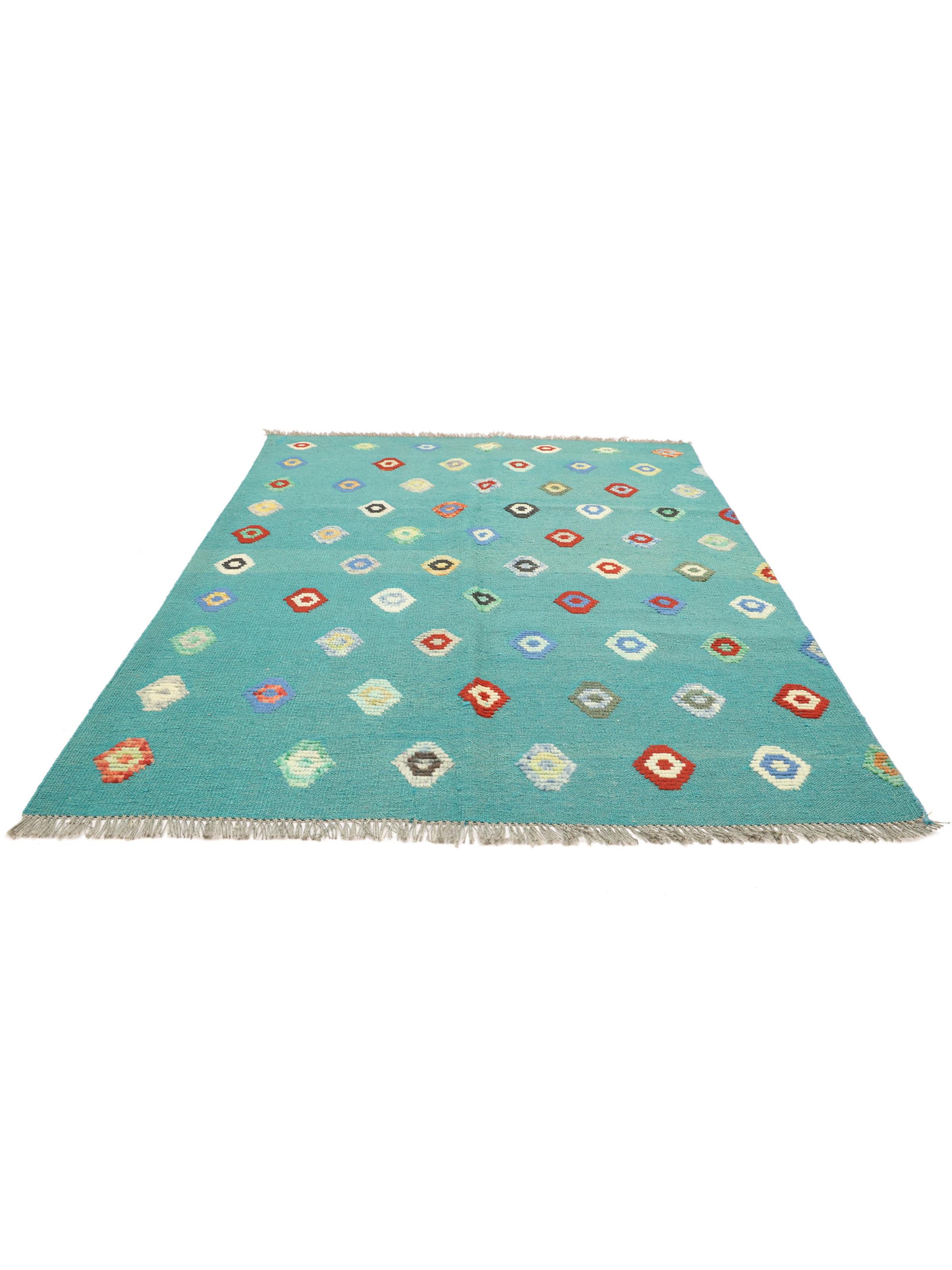
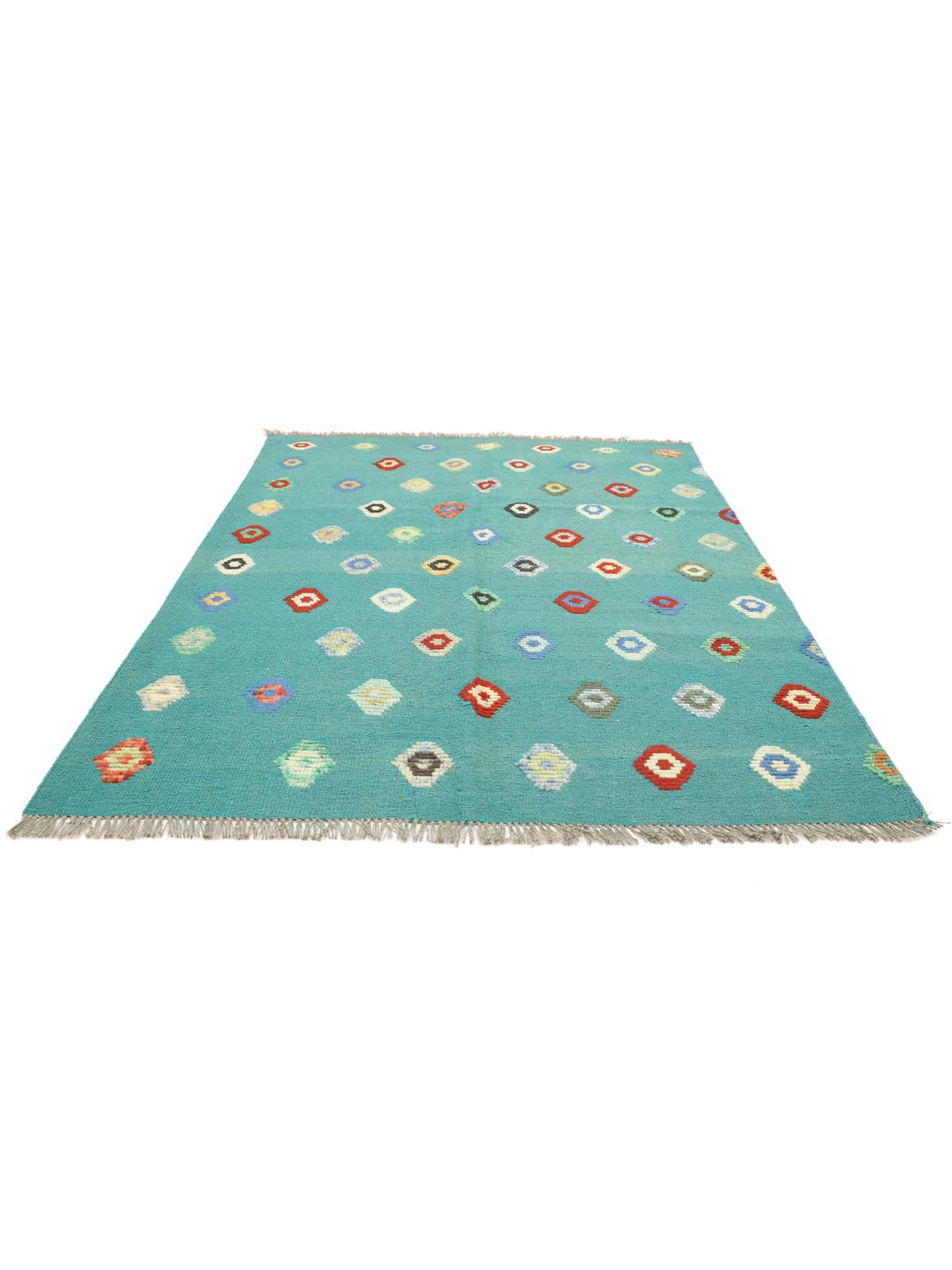
The Kelim, or Kilim, tradition is a storied art form originating from the nomadic and village cultures of the Middle East and Central Asia. These flat-woven textiles were historically created as functional items for daily life, ranging from floor coverings and prayer rugs to saddlebags and storage sacks. Today, they are celebrated globally for their versatility and the profound skill required to create them without a pile.
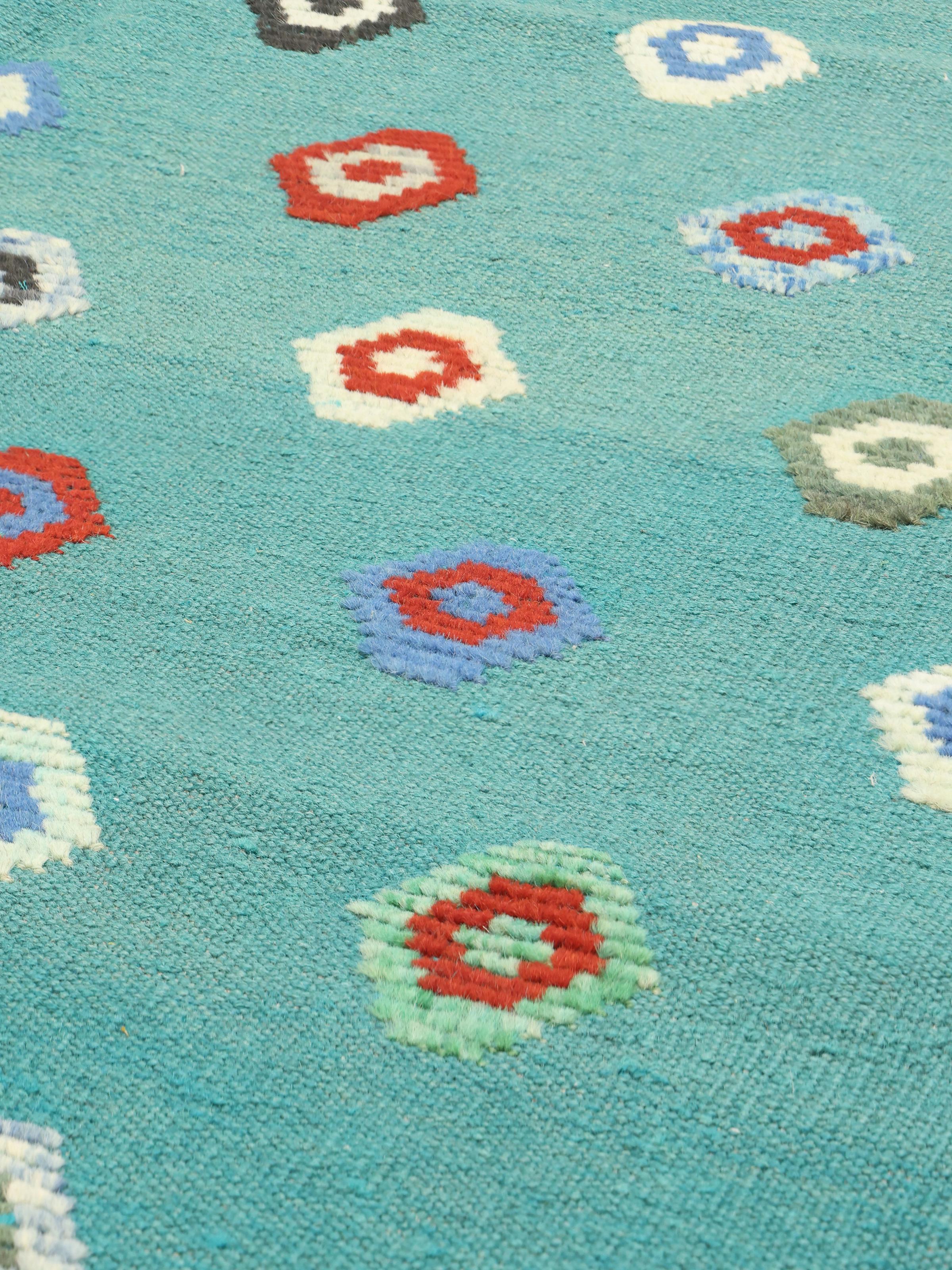
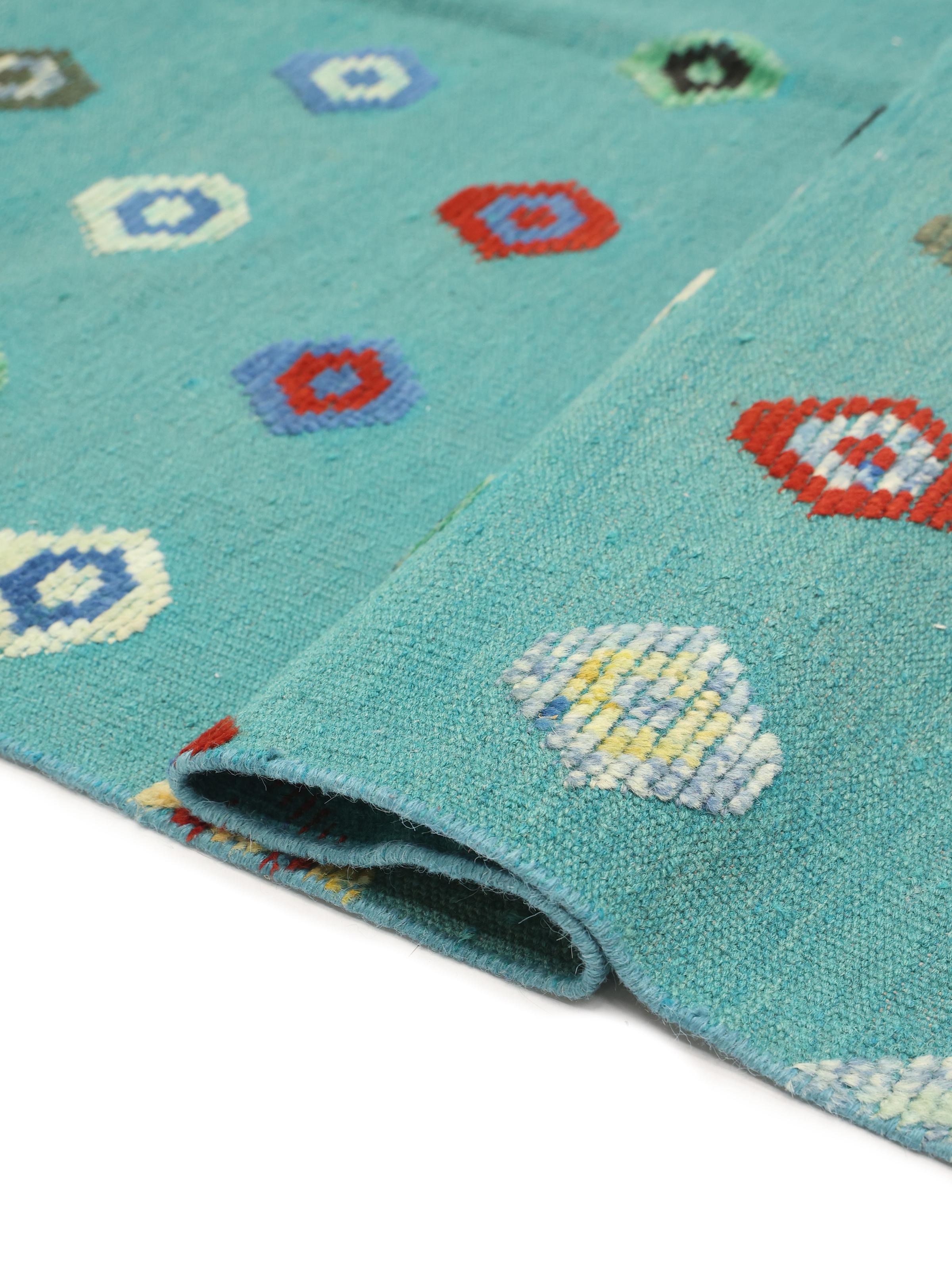
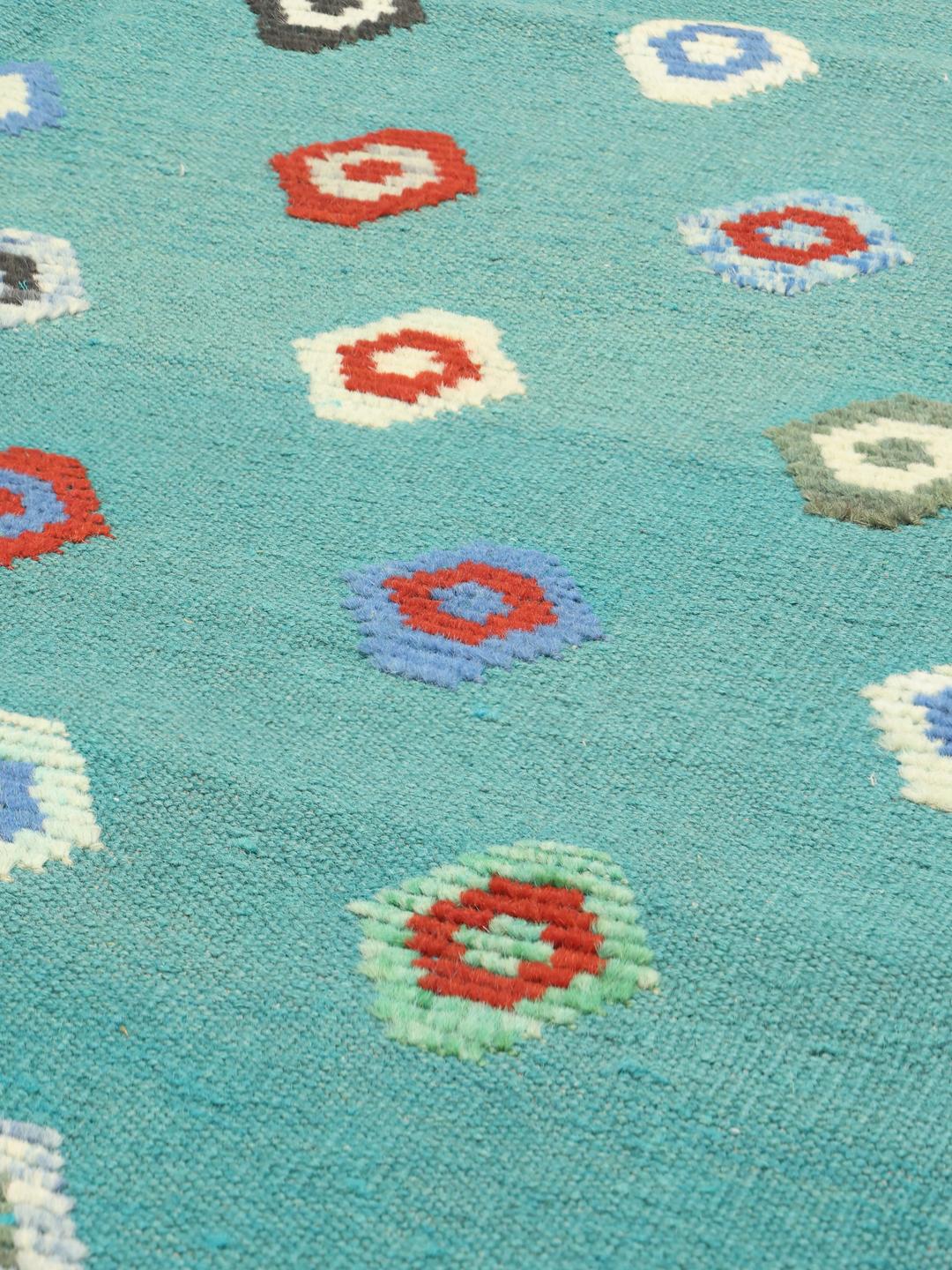
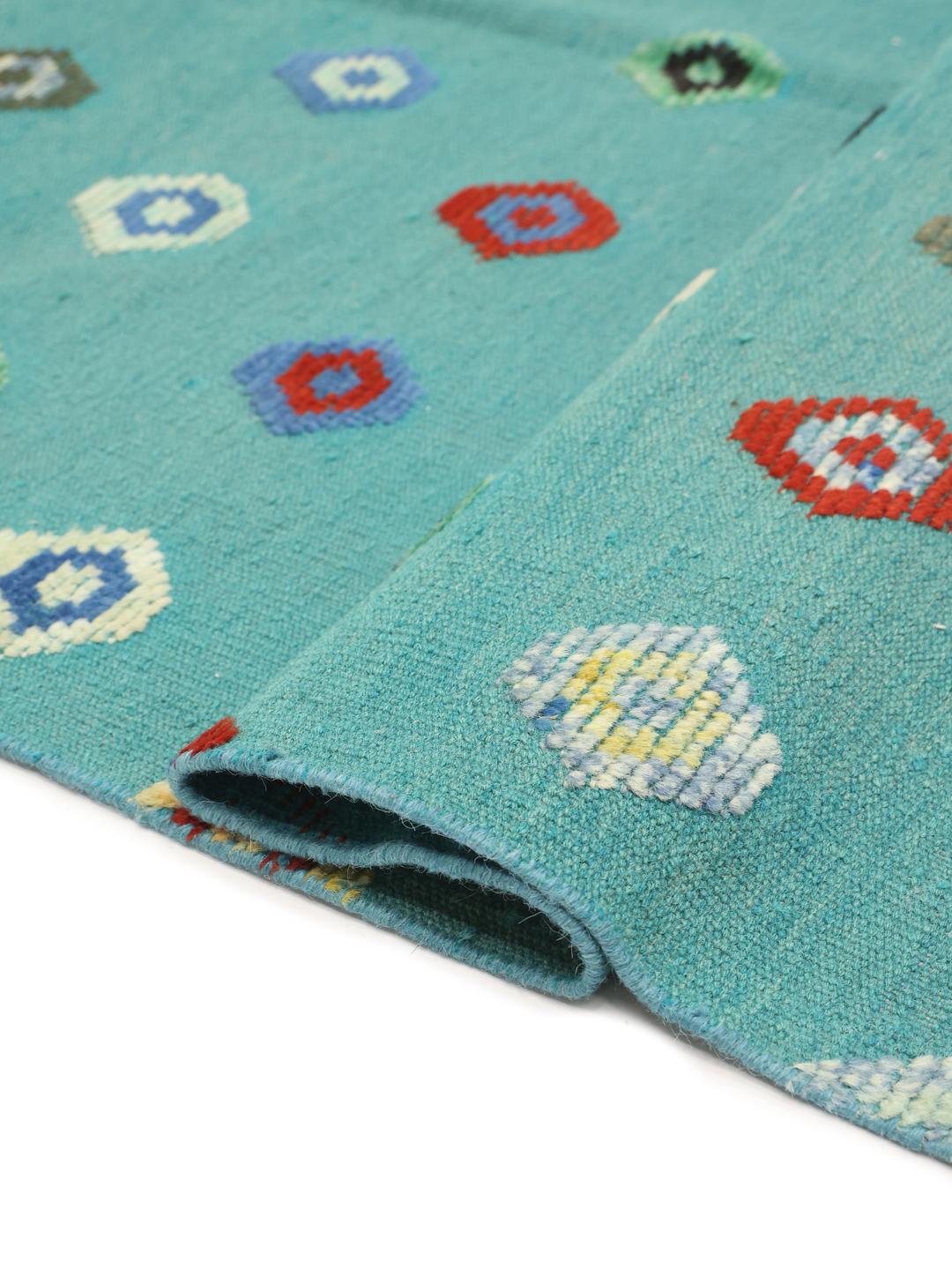
The term Nimbaft refers to a specific approach in this weaving tradition, emphasising a refined, tight structure that enhances the rug's durability. By using a flat-weave technique, the weaver creates a surface that is both lightweight and resilient. This method relies on the interweaving of the warp and weft threads to form the pattern, a process that demands deep knowledge of tension and spacing to ensure the finished piece remains perfectly straight and stable.
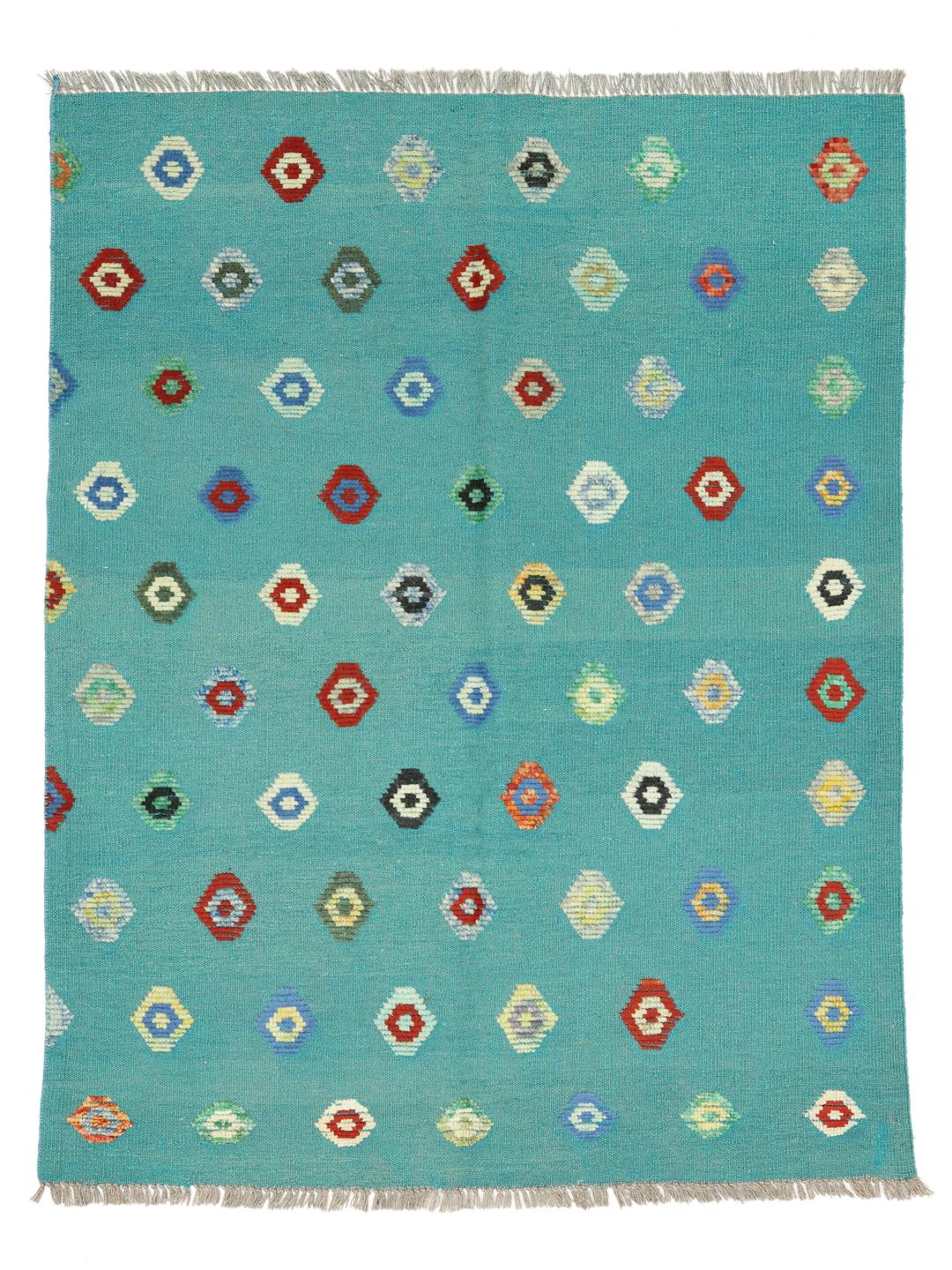
Visually, these rugs are defined by their geometric language. While traditional patterns often lean towards repeating diamonds or tribal symbols, the Nimbaft style is known for its ability to incorporate varied, smaller motifs that populate the entire field. The use of vibrant, contrasting colours against a single-toned background is a hallmark of this tradition, allowing the geometric elements to pop with clarity and intention.
Collecting these rugs is an investment in cultural preservation. Each piece carries the history of the region and the specific aesthetic choices of the weaver who made it. By bringing a piece like this into your home, you are participating in a long-standing tradition of craft that values individual expression and the tangible beauty of hand-worked materials, ensuring that these ancient skills continue to be appreciated in modern settings.