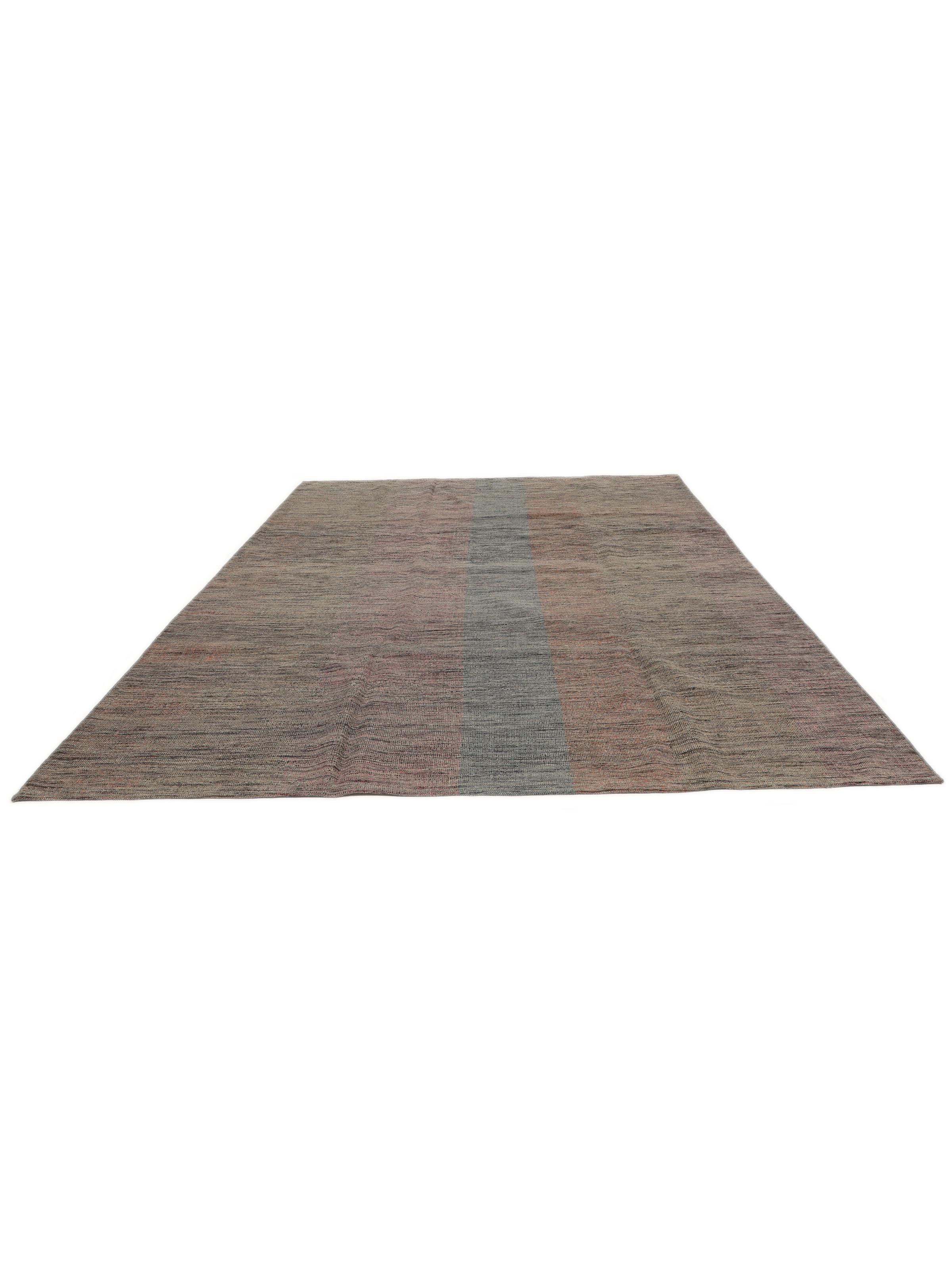
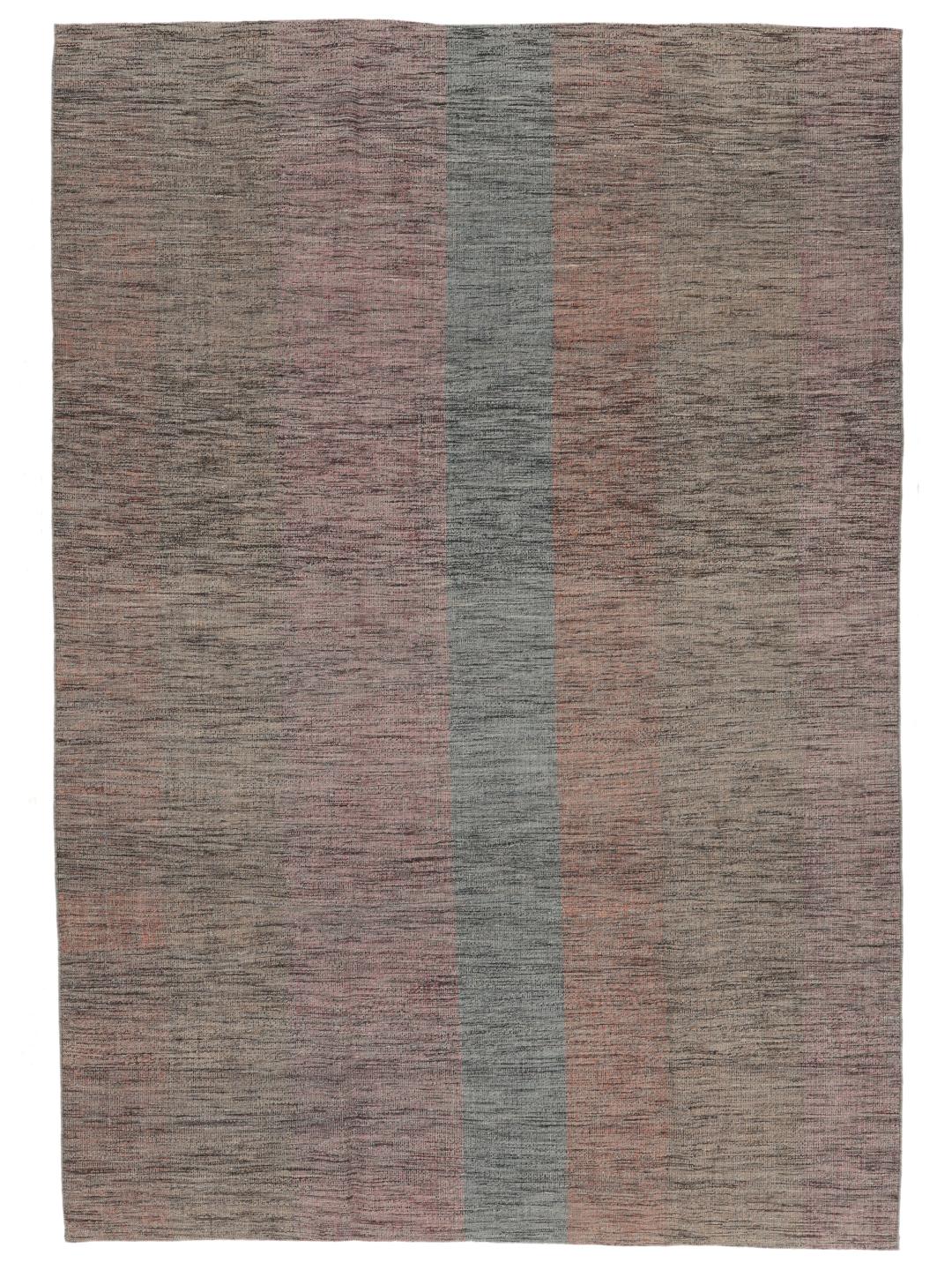
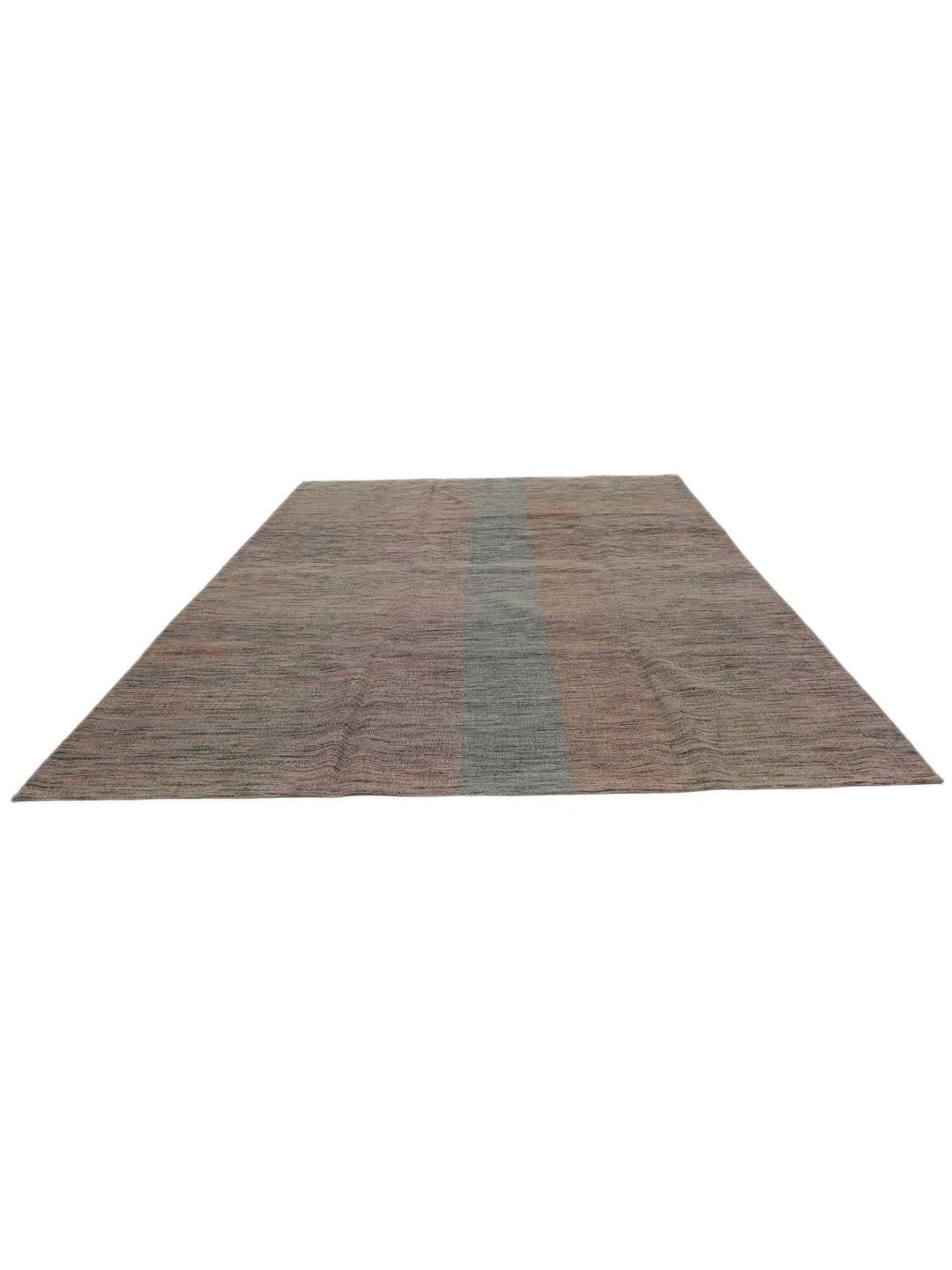
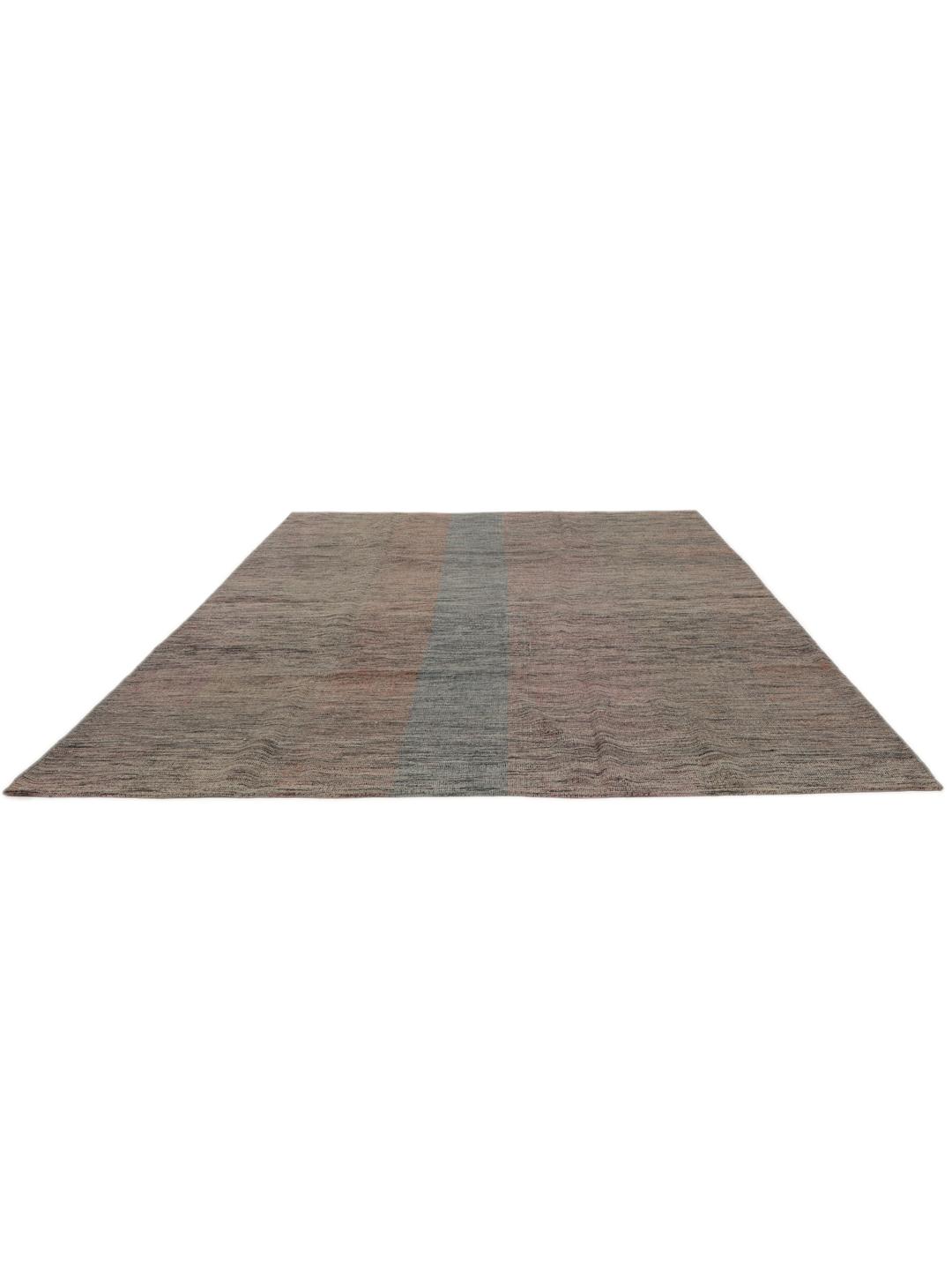
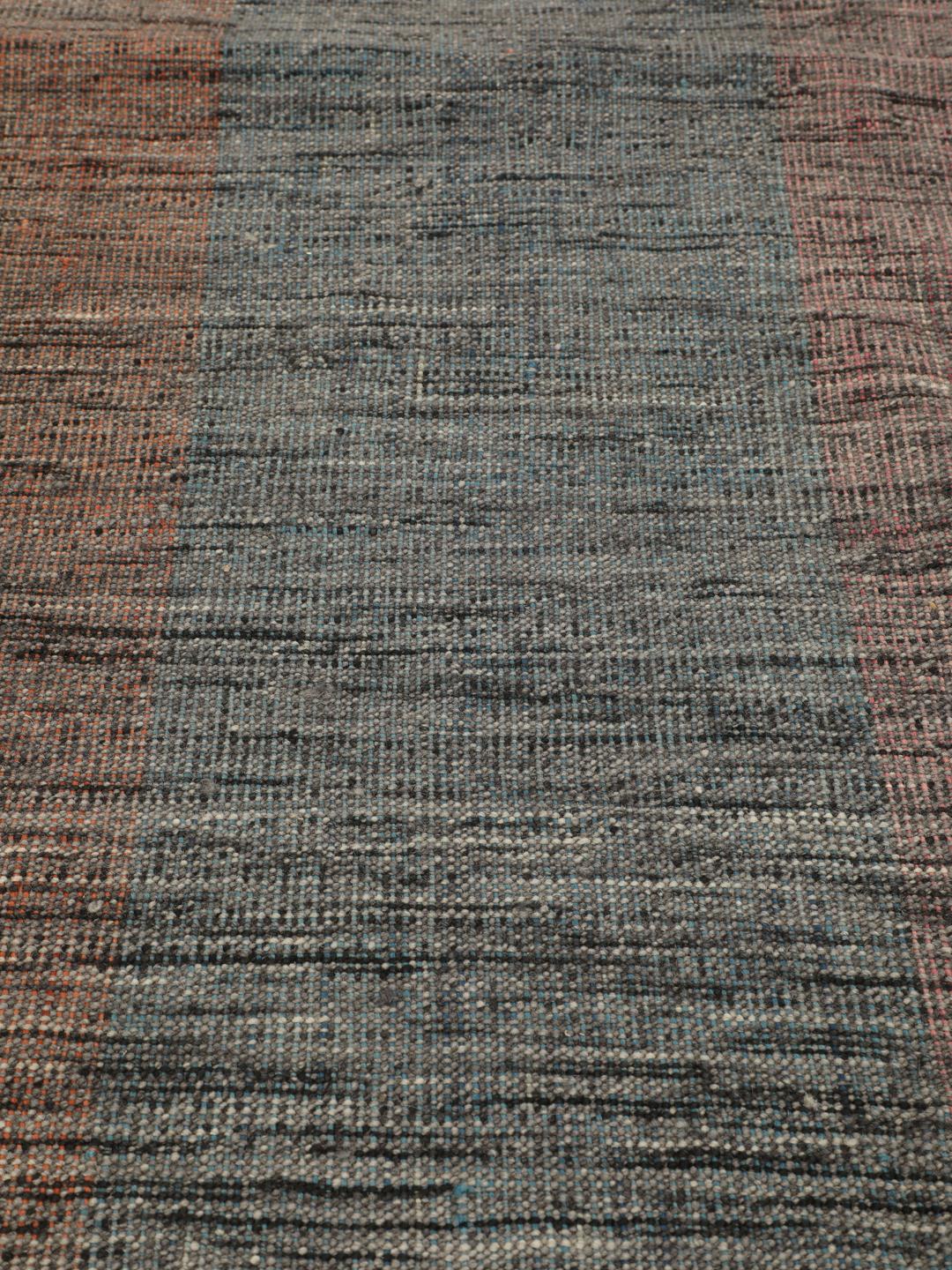
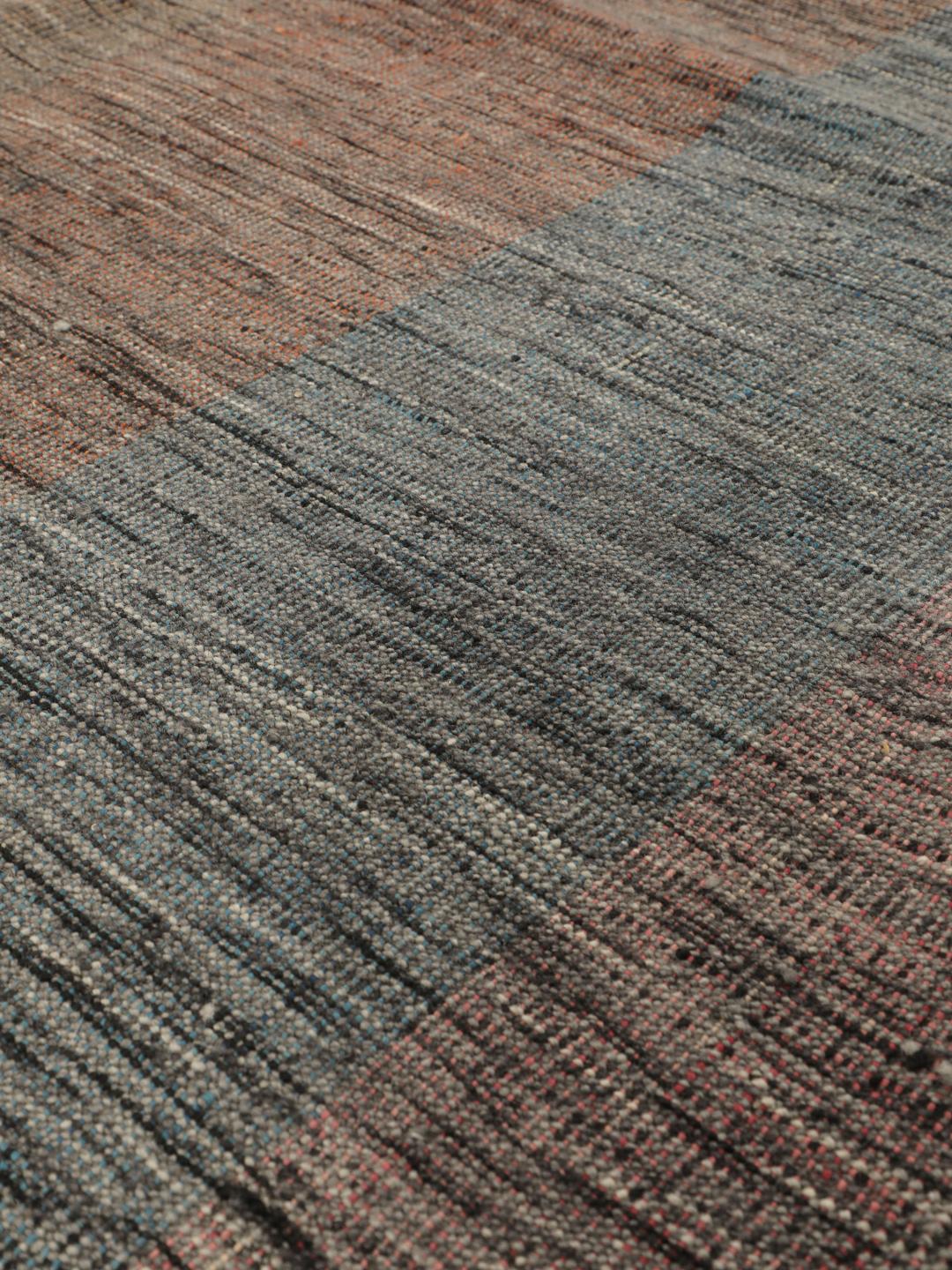
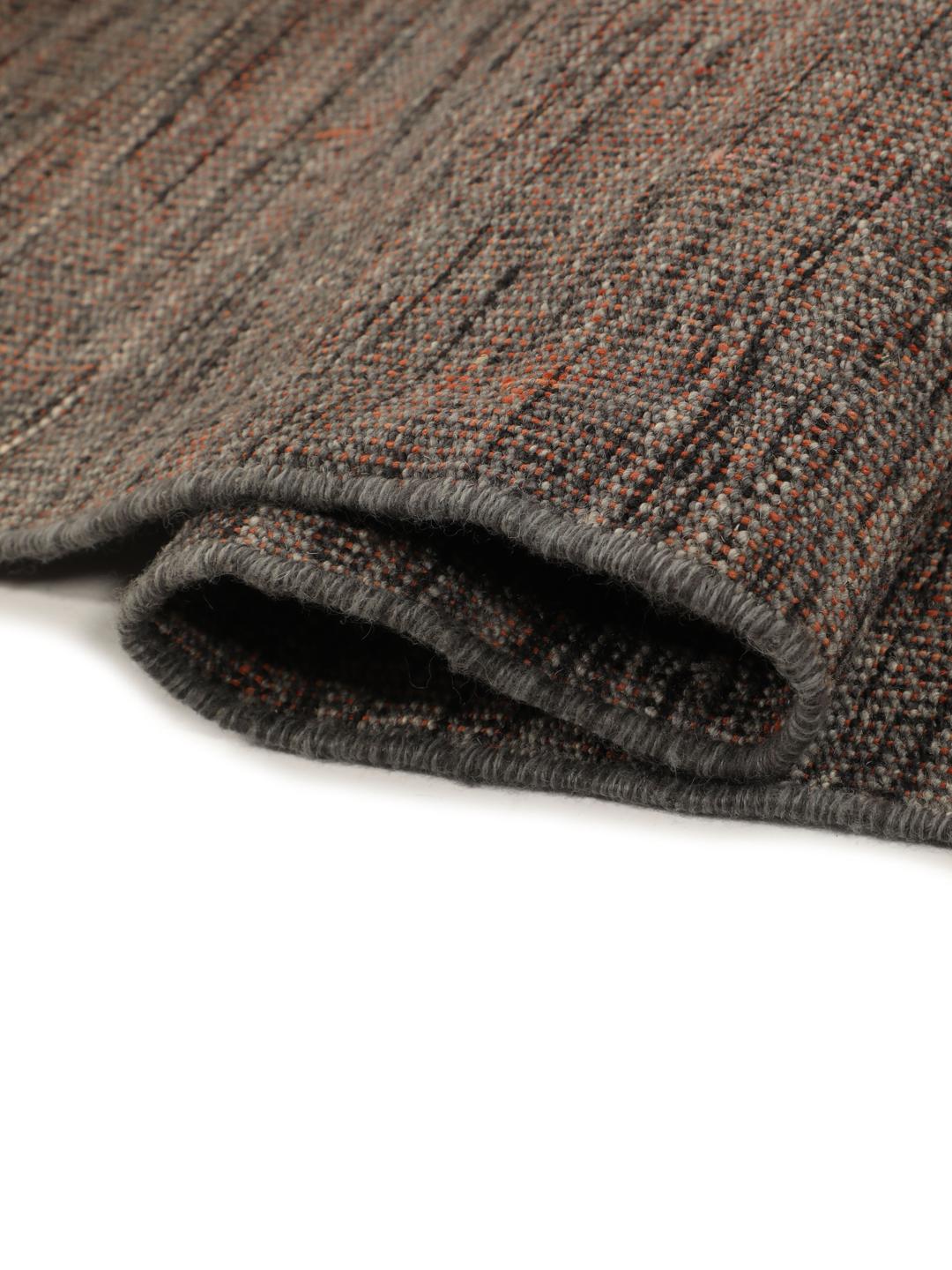
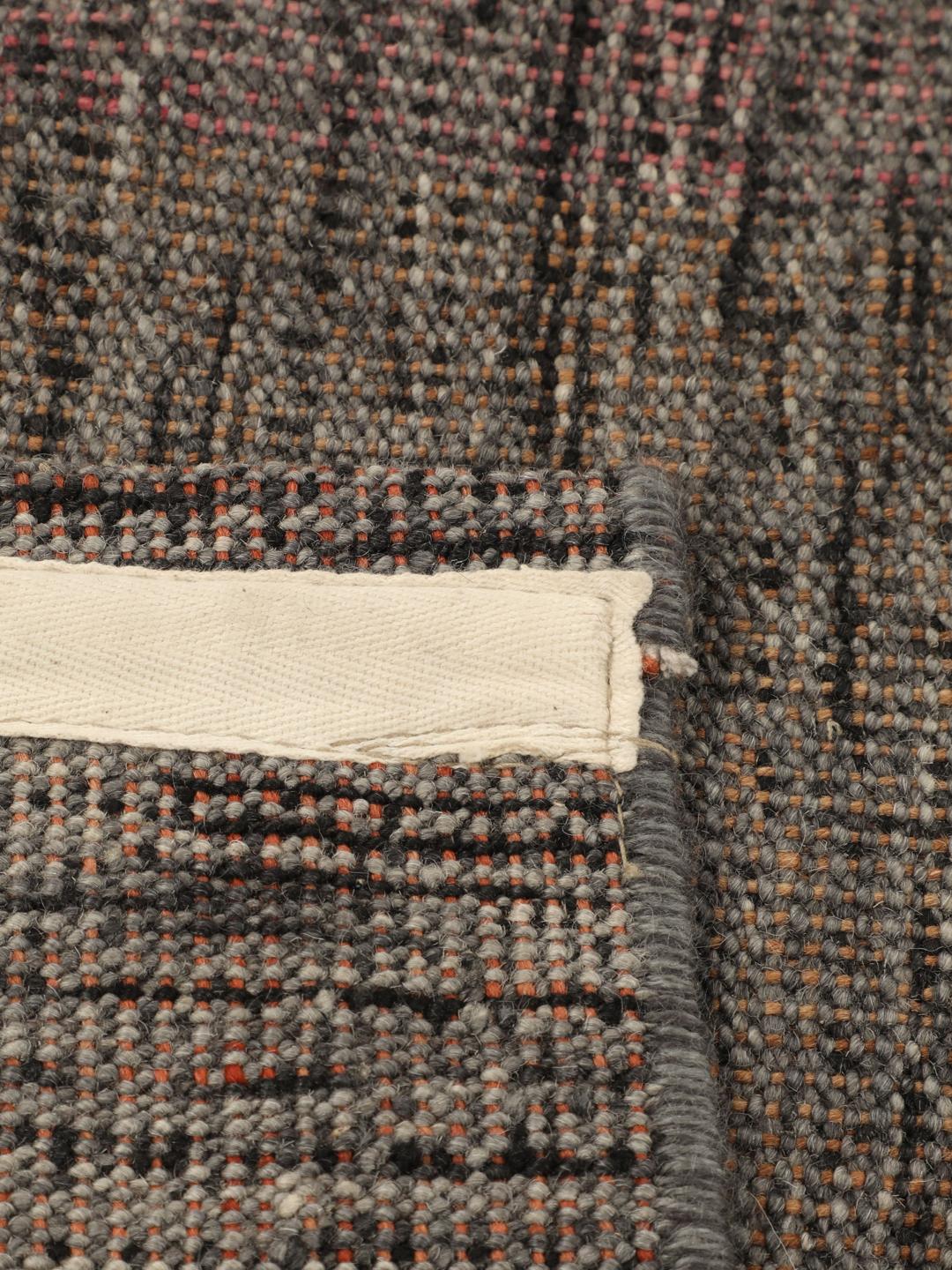
Kilim rugs are a storied part of Middle Eastern weaving culture, historically serving as both functional floor coverings and essential nomadic tools. These flat-woven textiles were traditionally crafted by tribal communities to withstand the rigours of a migratory lifestyle, emphasising durability and portability without sacrificing visual beauty.
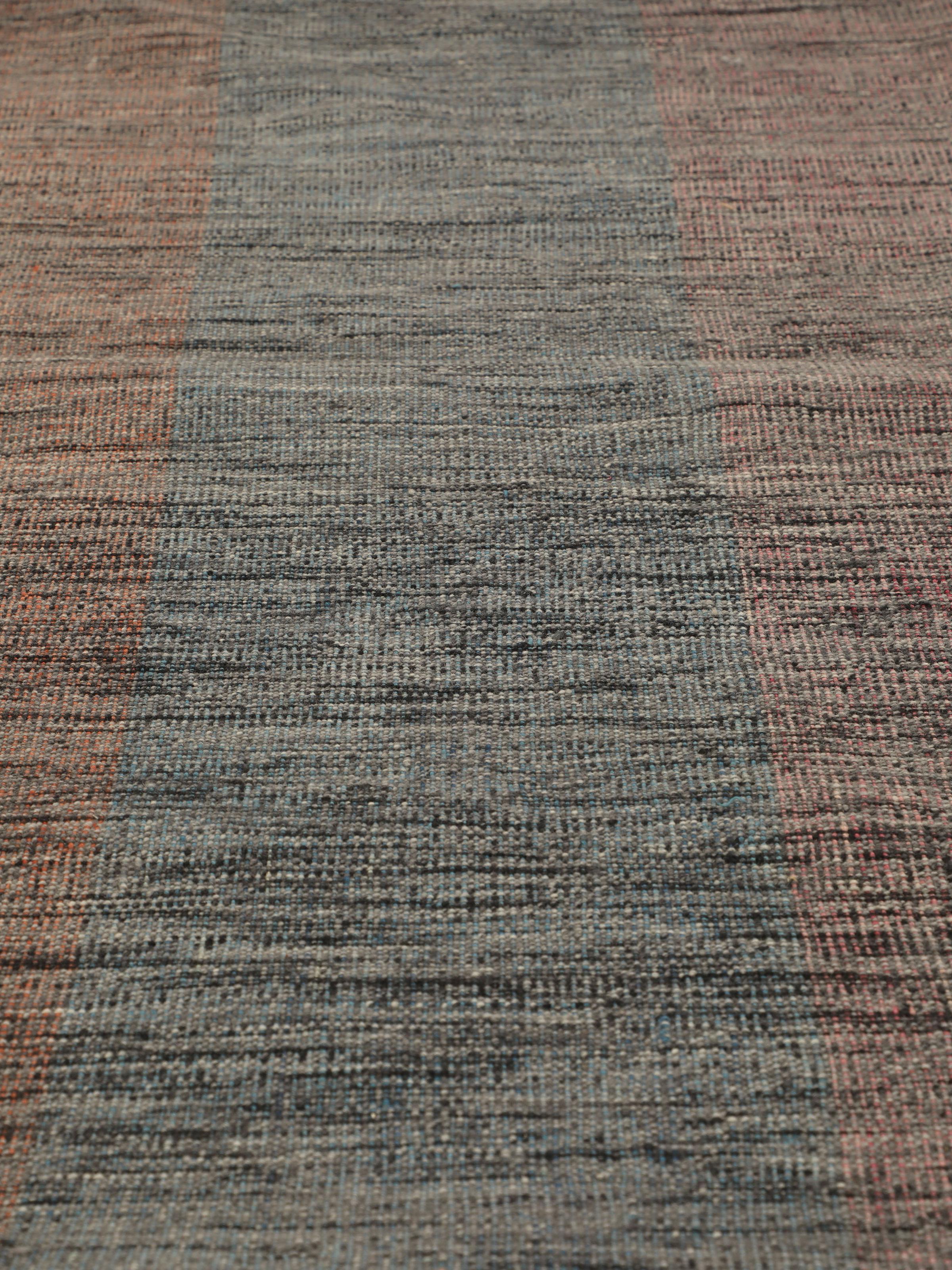
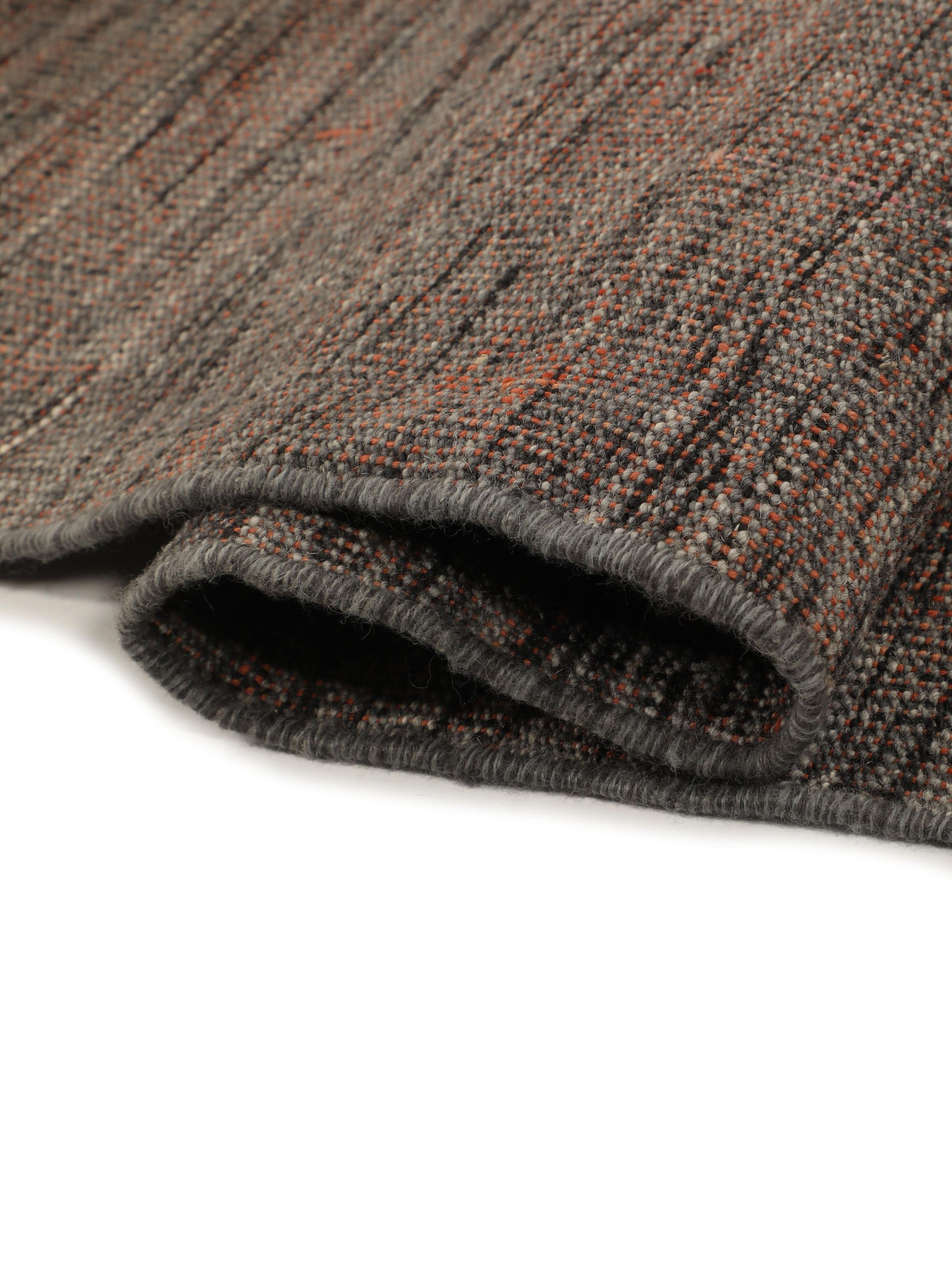
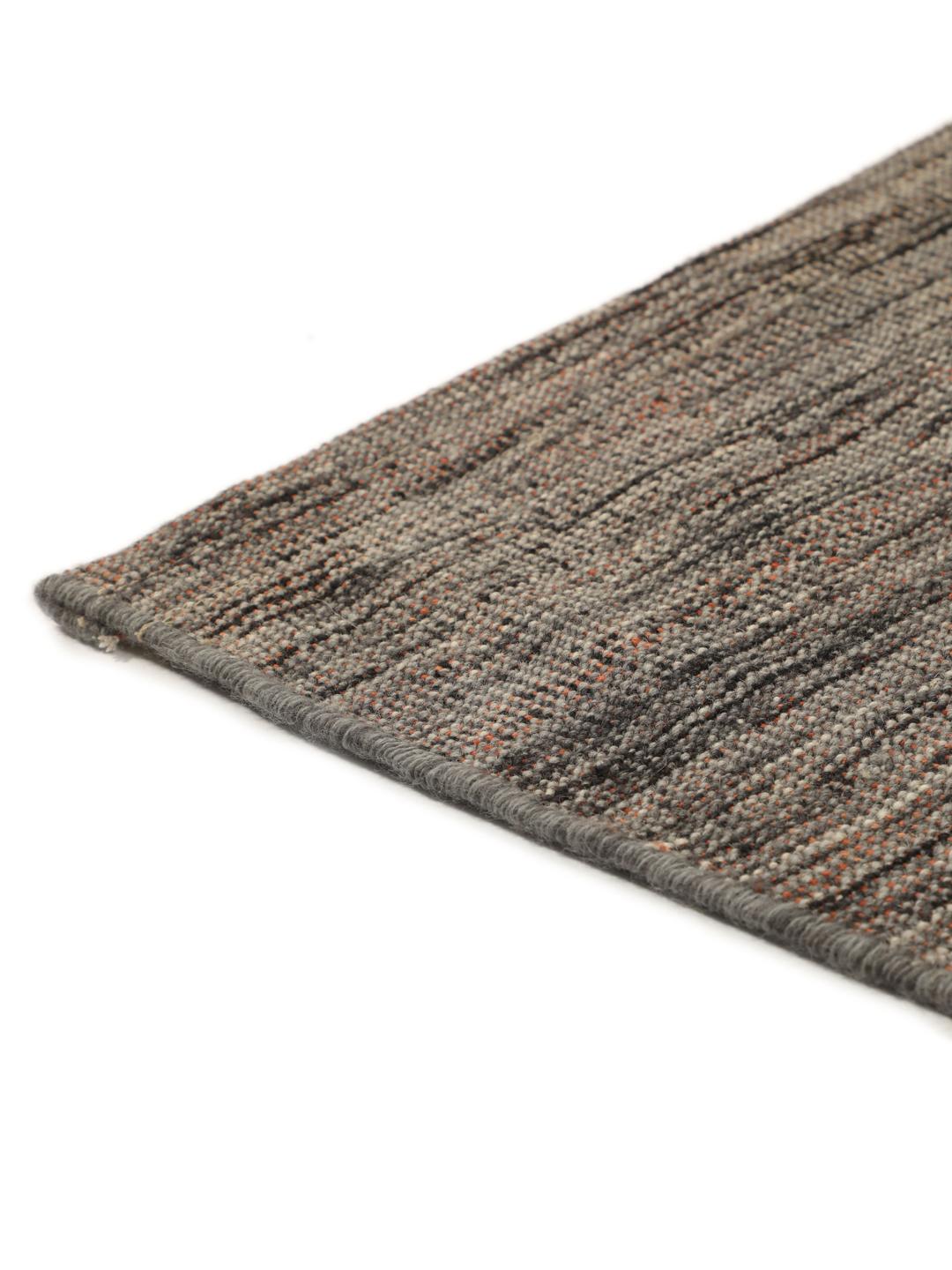
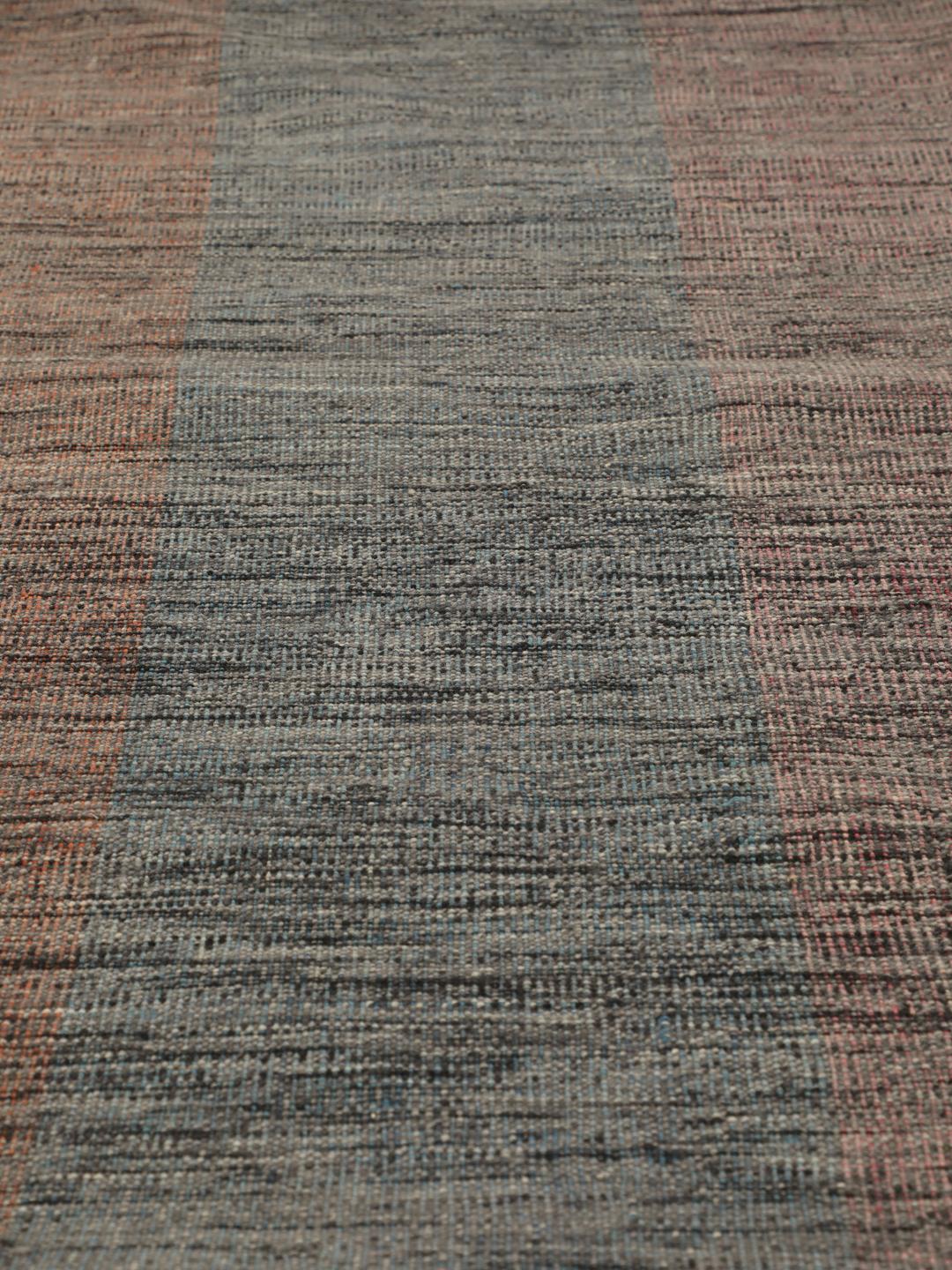
The term Kilim refers to the specific slit-weave technique employed, where the weft threads are pulled tightly to cover the warp, resulting in a smooth, pileless surface. This method requires immense precision, as the pattern is created by the colour changes in the weft, making the design appear identical on both sides of the rug.
Modern Middle Eastern Kilims represent an evolution of these ancient techniques, blending traditional nomadic motifs with contemporary colour palettes and minimalist aesthetics. These rugs are highly valued for their clean lines and understated elegance, which allow them to complement both modern and traditional interiors with ease.
Owning a hand-woven Kilim is an investment in cultural heritage and human skill. Because these rugs are made without the use of modern machinery, they retain a raw, authentic quality that connects the owner to a long lineage of artisans. They are cherished by collectors who value the unique imperfections and personal touches that only a human hand can impart.