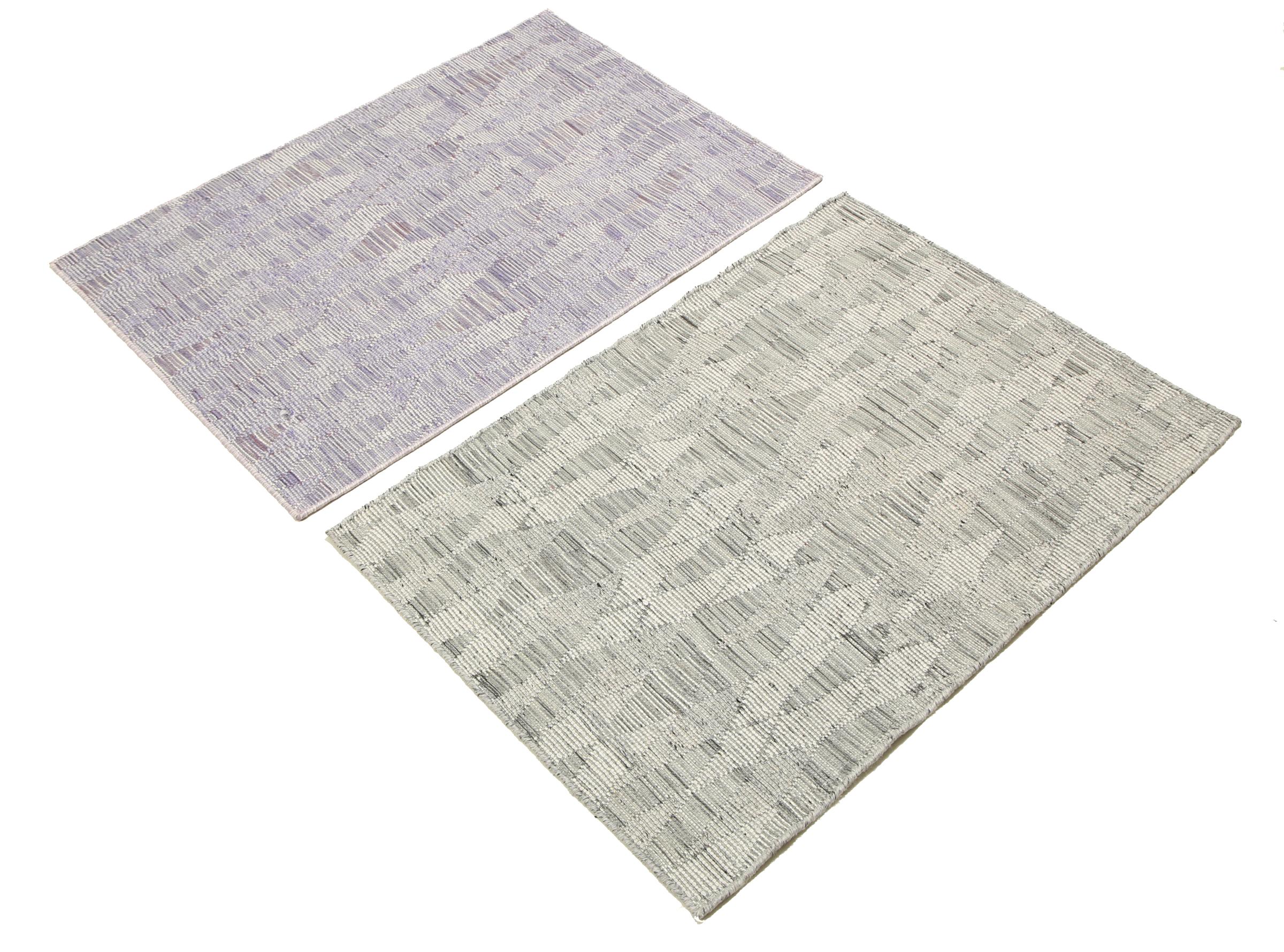
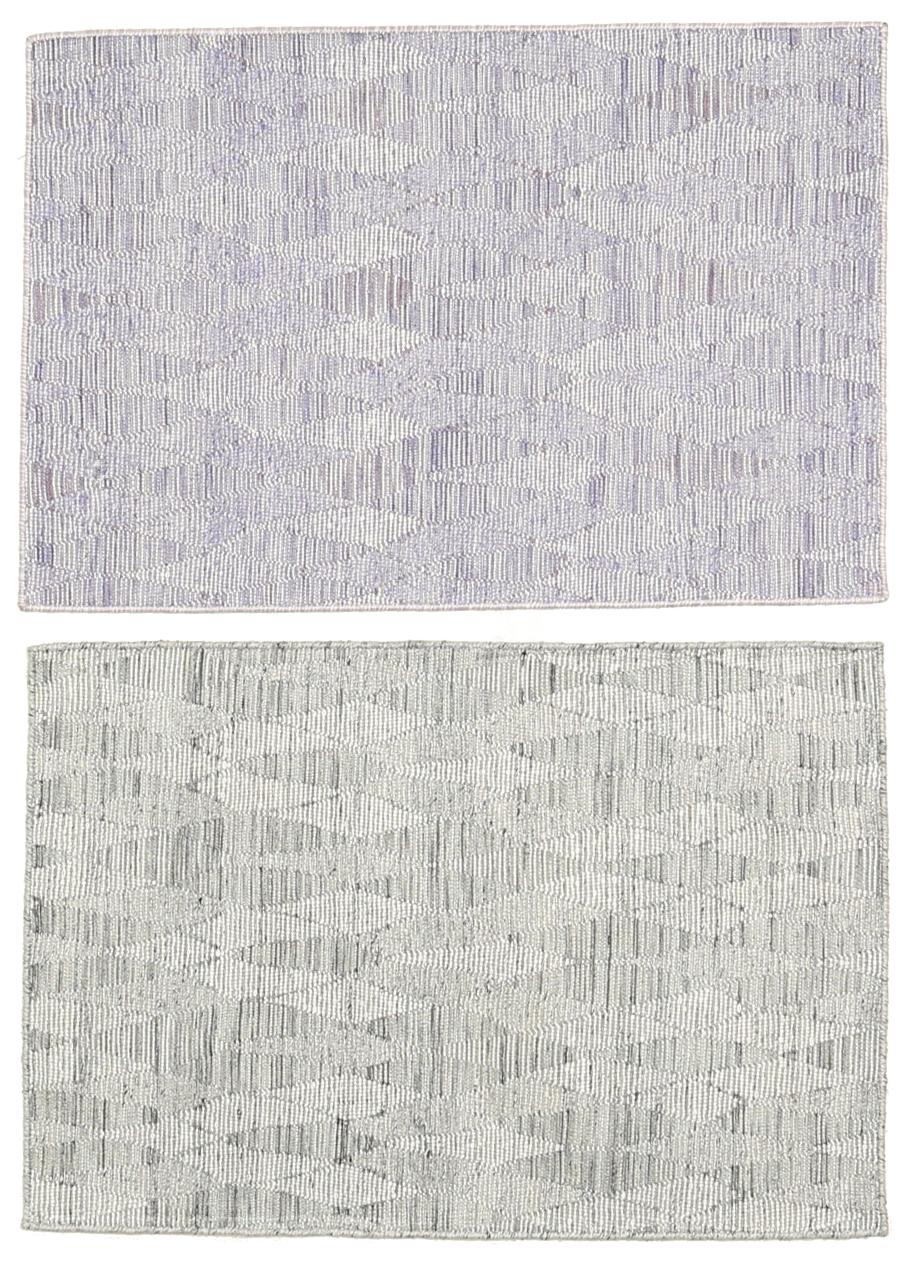
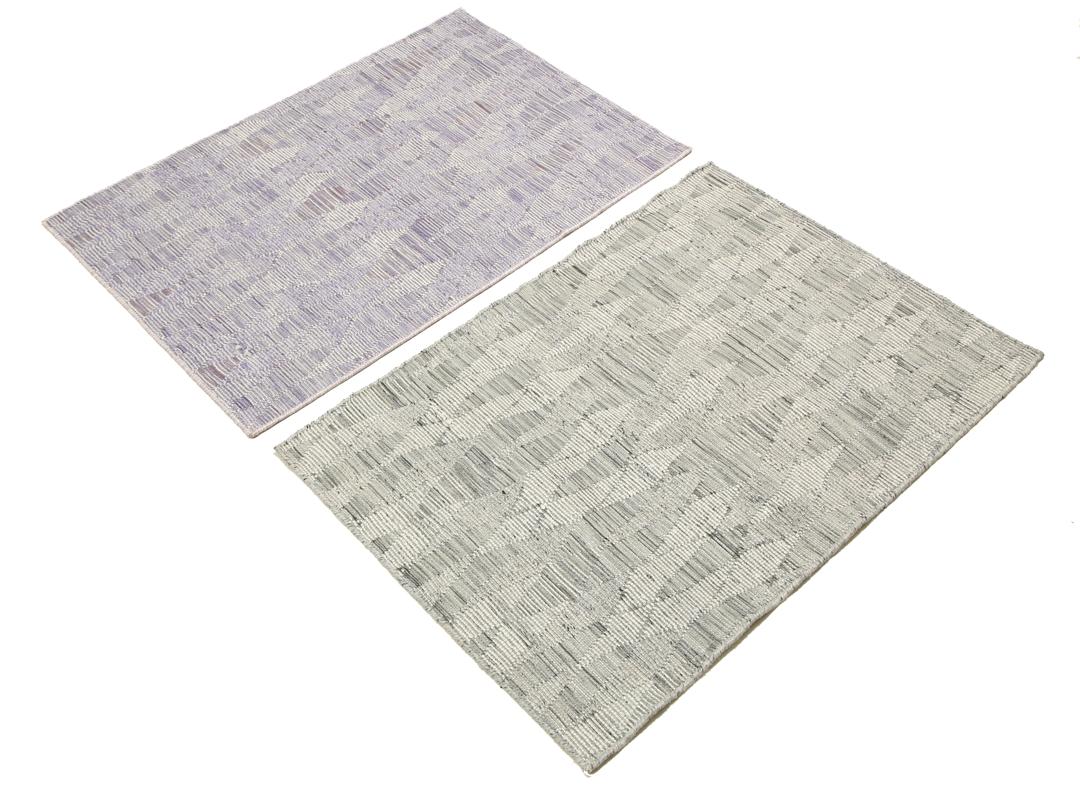
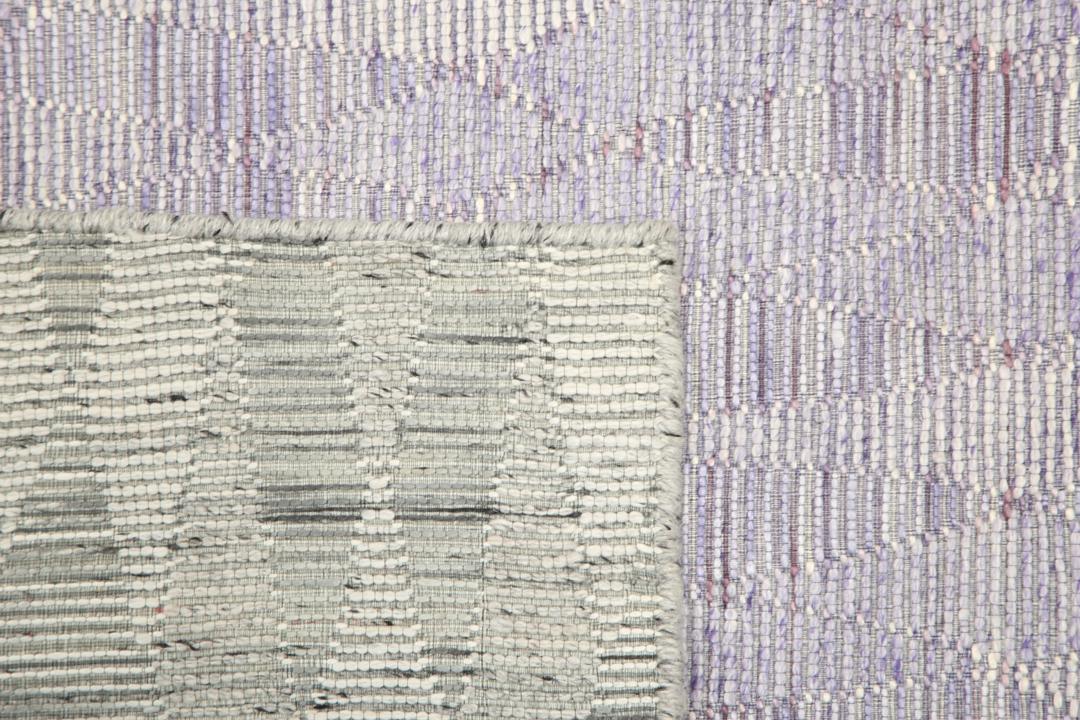
Kilim rugs are a testament to the enduring legacy of flat-weave traditions across the Middle East and Central Asia, though this specific piece finds its origin in the rich textile heritage of India. These rugs have been used for centuries as versatile floor coverings, wall hangings, and functional textiles for nomadic and village life, prized for their portability and strength.
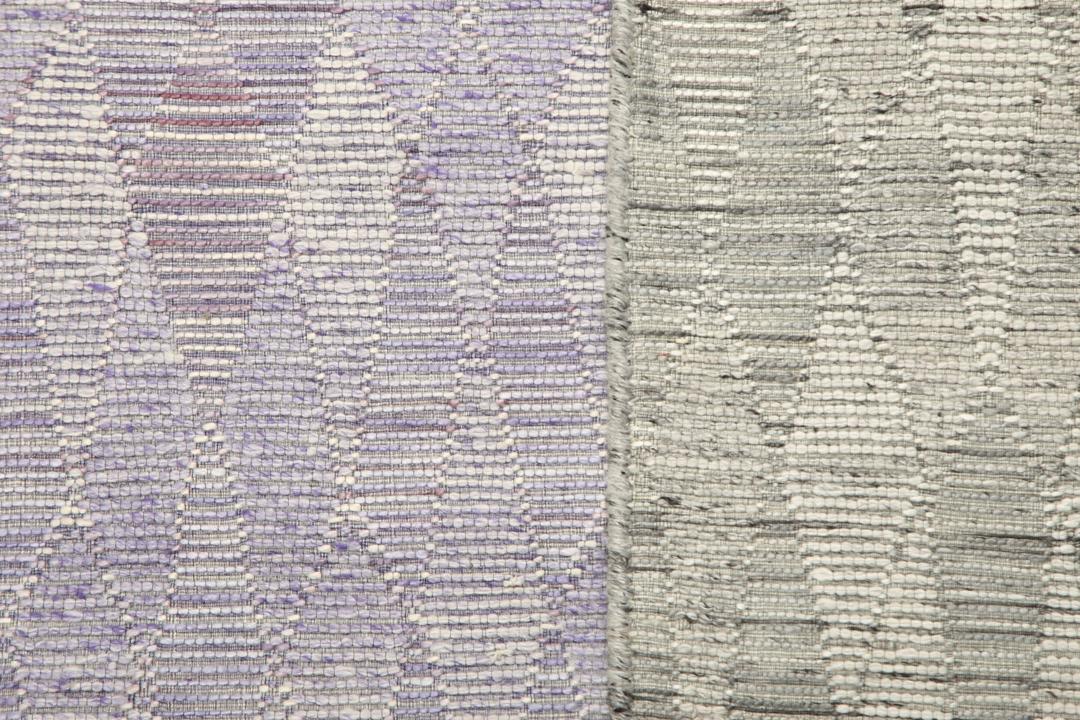
The term 'Kilim' refers specifically to the tapestry-weaving technique where the weft strands are pulled tightly down to hide the warp threads, resulting in a smooth, pileless surface. This method is what gives the rug its characteristic thin, durable profile and makes it an ideal choice for modern homes that prioritise clean lines and functionality.
Visually, Kilims are defined by their geometric language. While traditional examples often feature vibrant, tribal-inspired motifs, modern interpretations like this one often utilise more muted palettes and subtle patterns. This specific piece uses the traditional geometric vocabulary of the craft to create a contemporary look that feels both historic and fresh.
Collecting a Kilim is an investment in the art of the loom. These rugs are valued not just for their aesthetic appeal, but for the skill required to maintain uniform tension throughout the weaving process. Owning one is an opportunity to connect with a craft tradition that has been passed down through generations, representing a blend of utility and artistic expression.