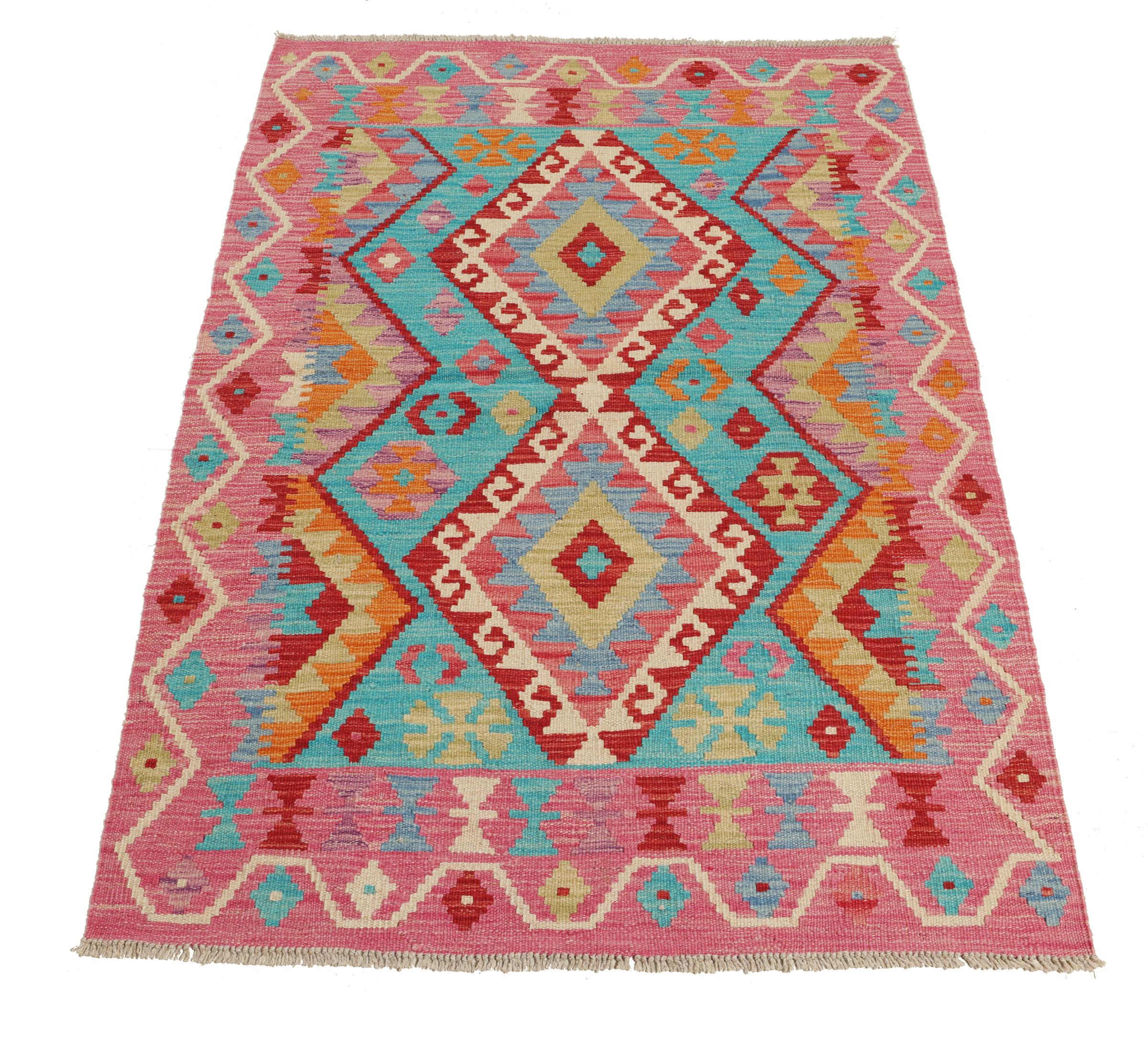
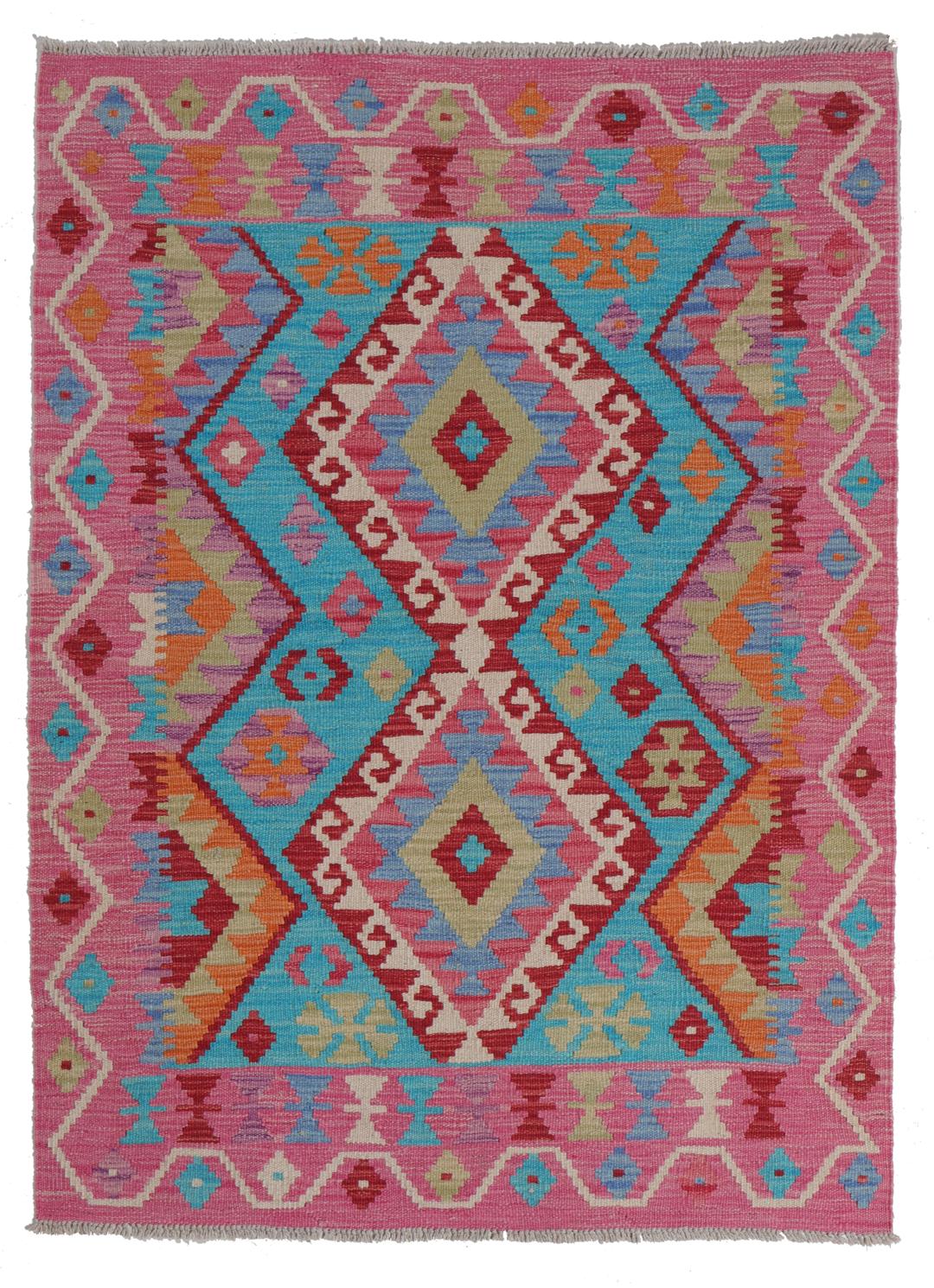
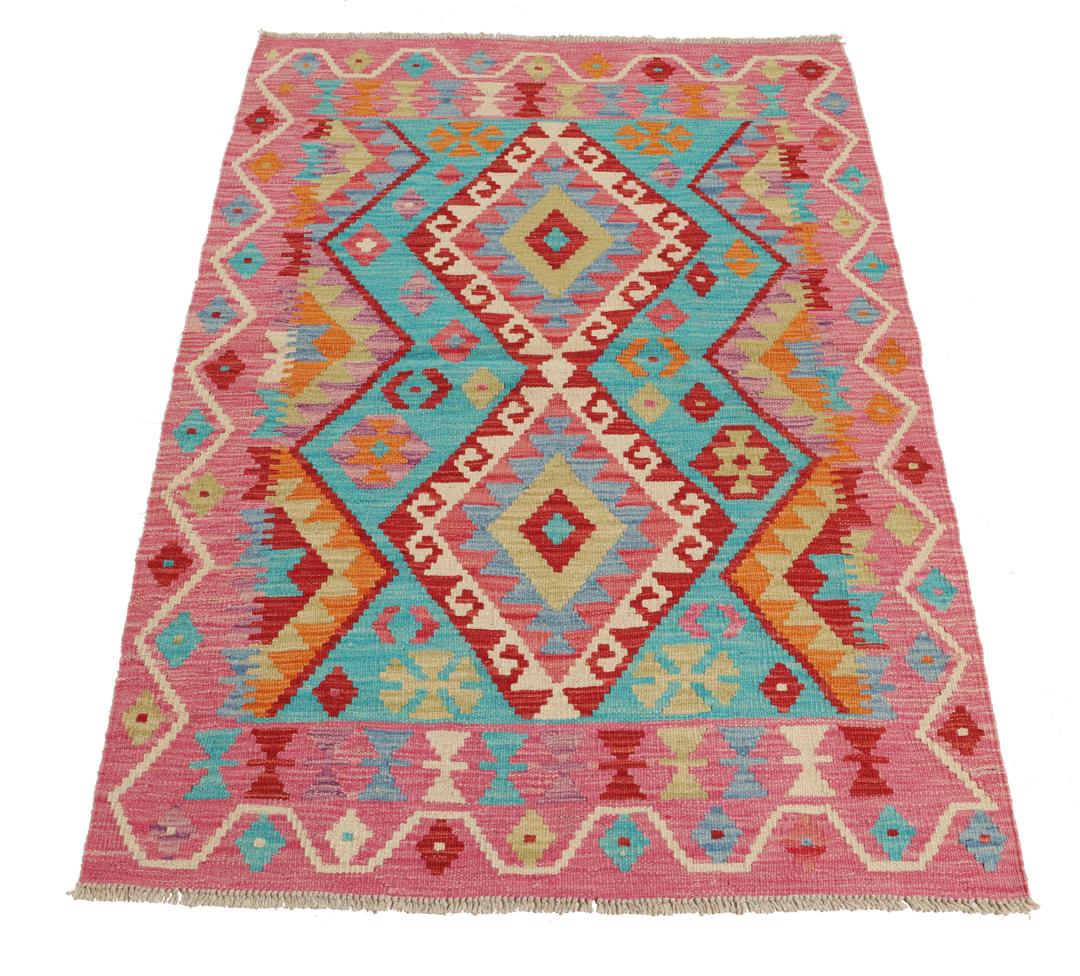
Kelim rugs have long been a cornerstone of nomadic life across the Middle East and Central Asia. Originally created by tribal weavers, these flat-woven textiles were designed to be both portable and highly functional, serving as floor coverings, blankets, and storage bags for families on the move.
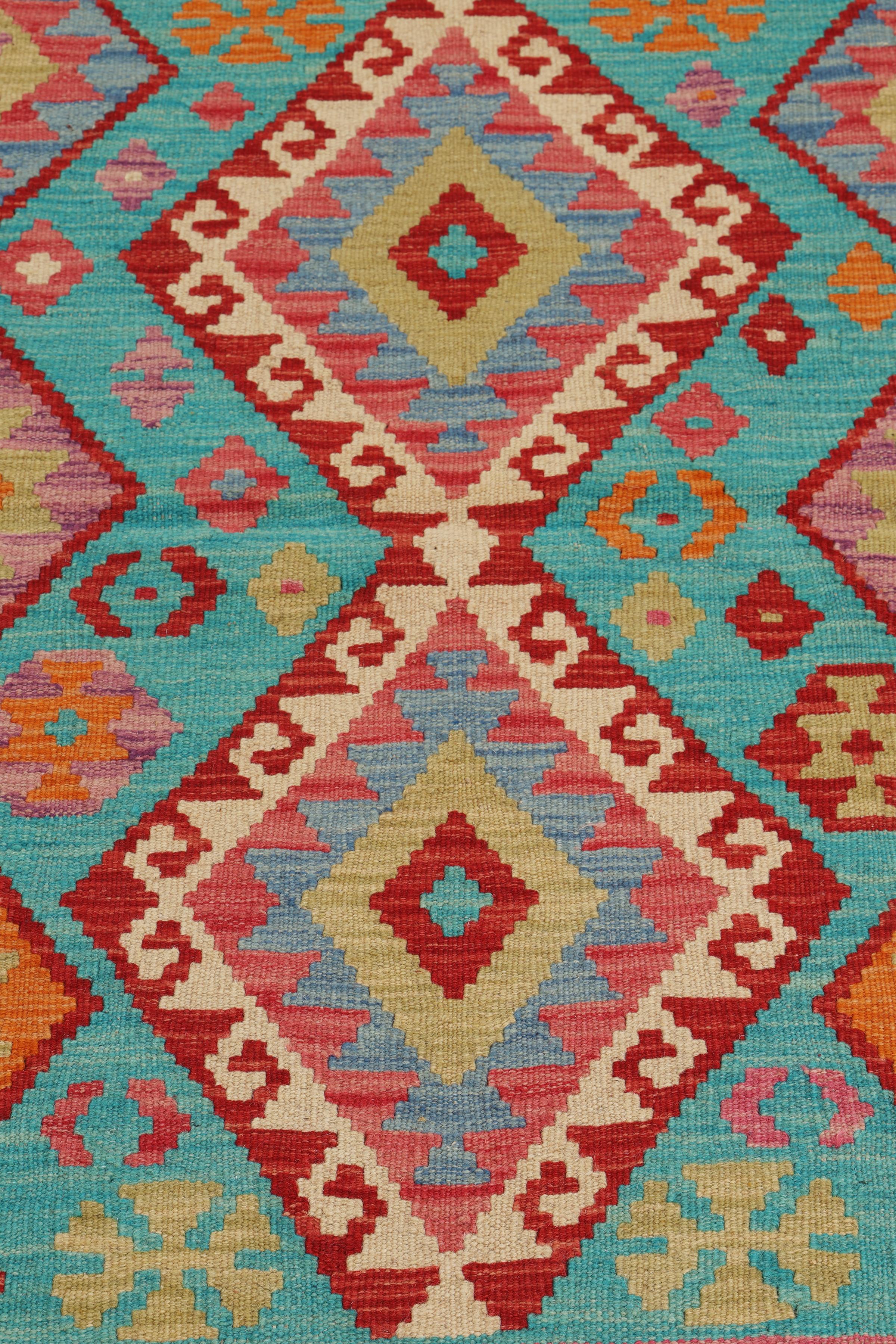
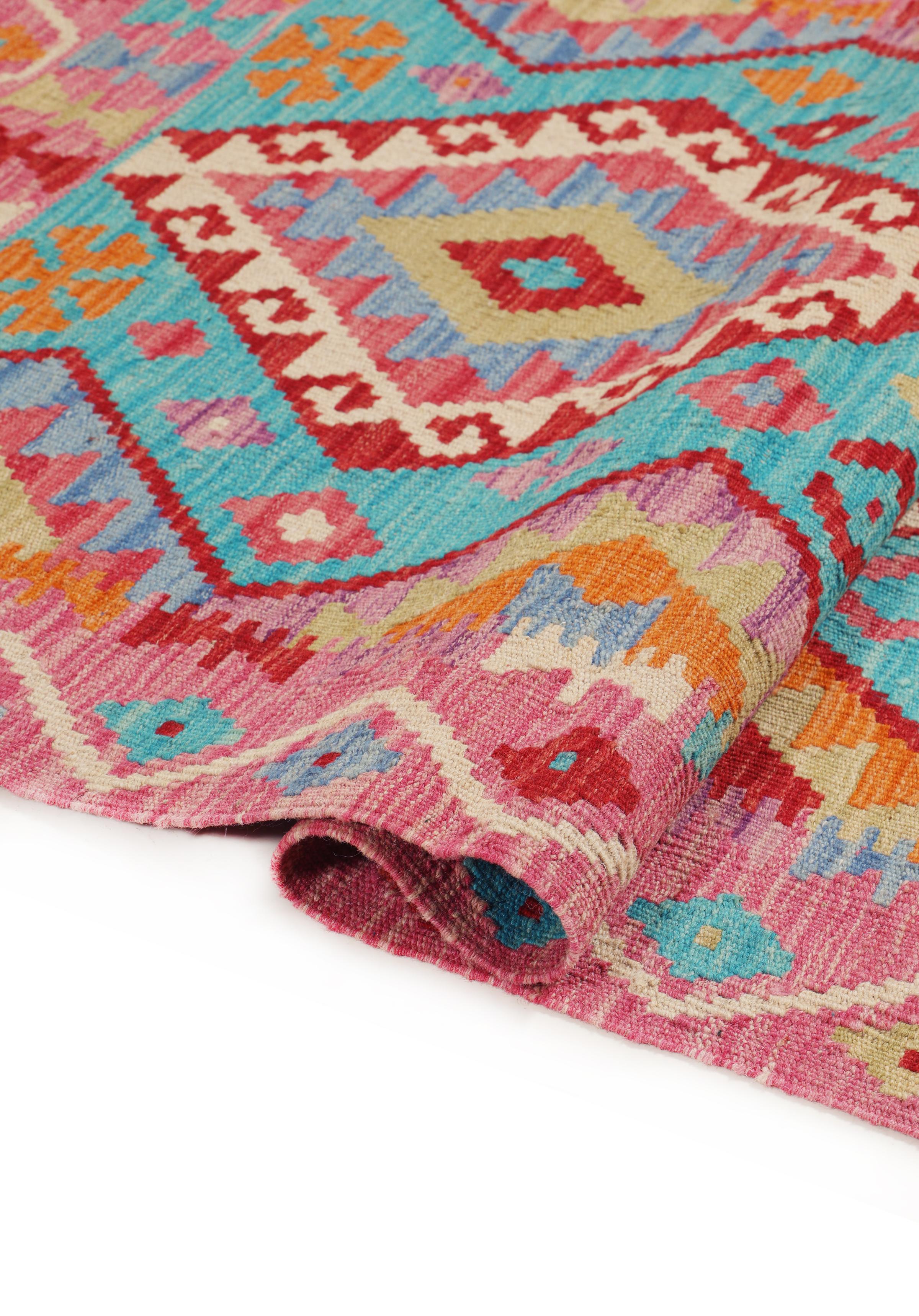
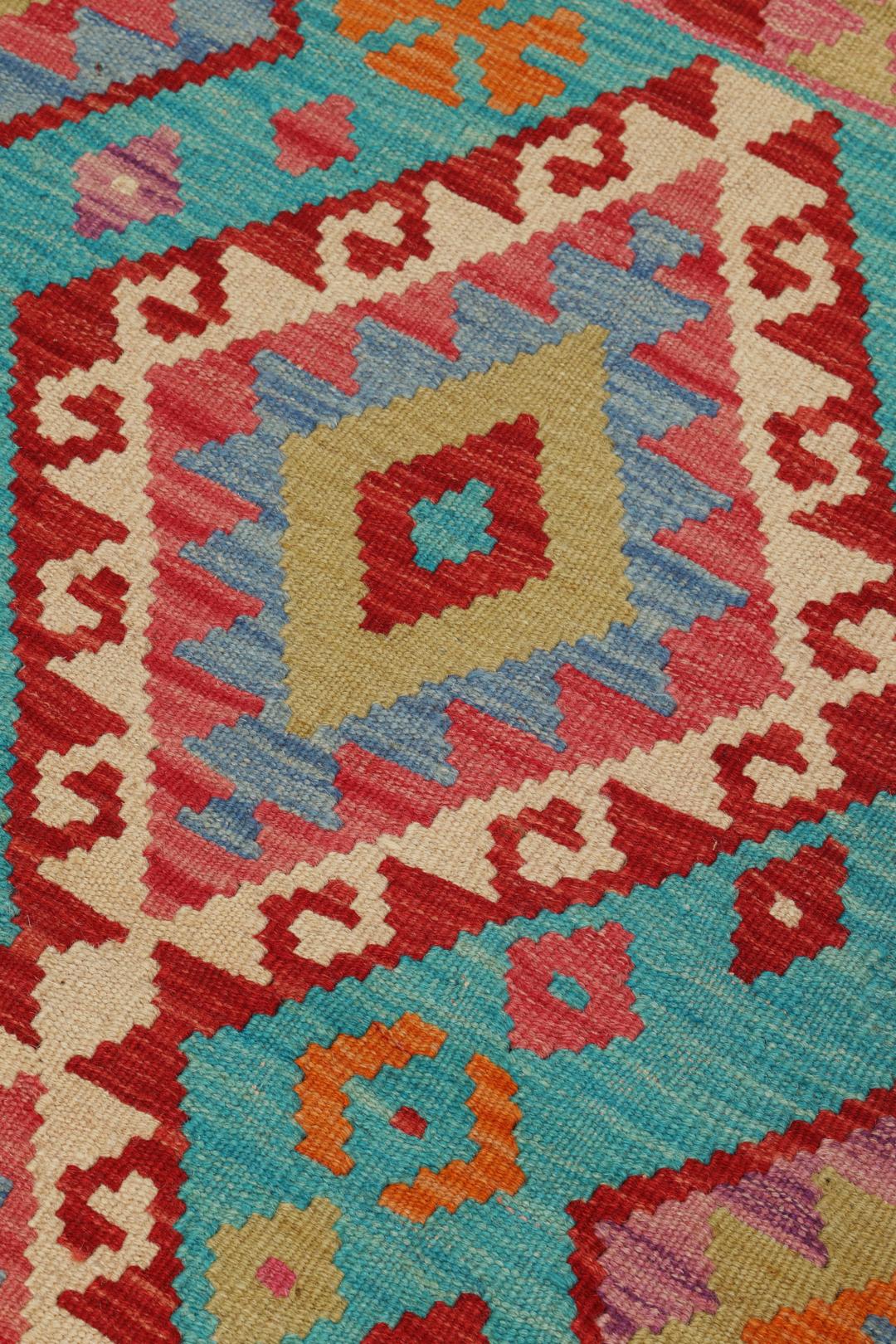
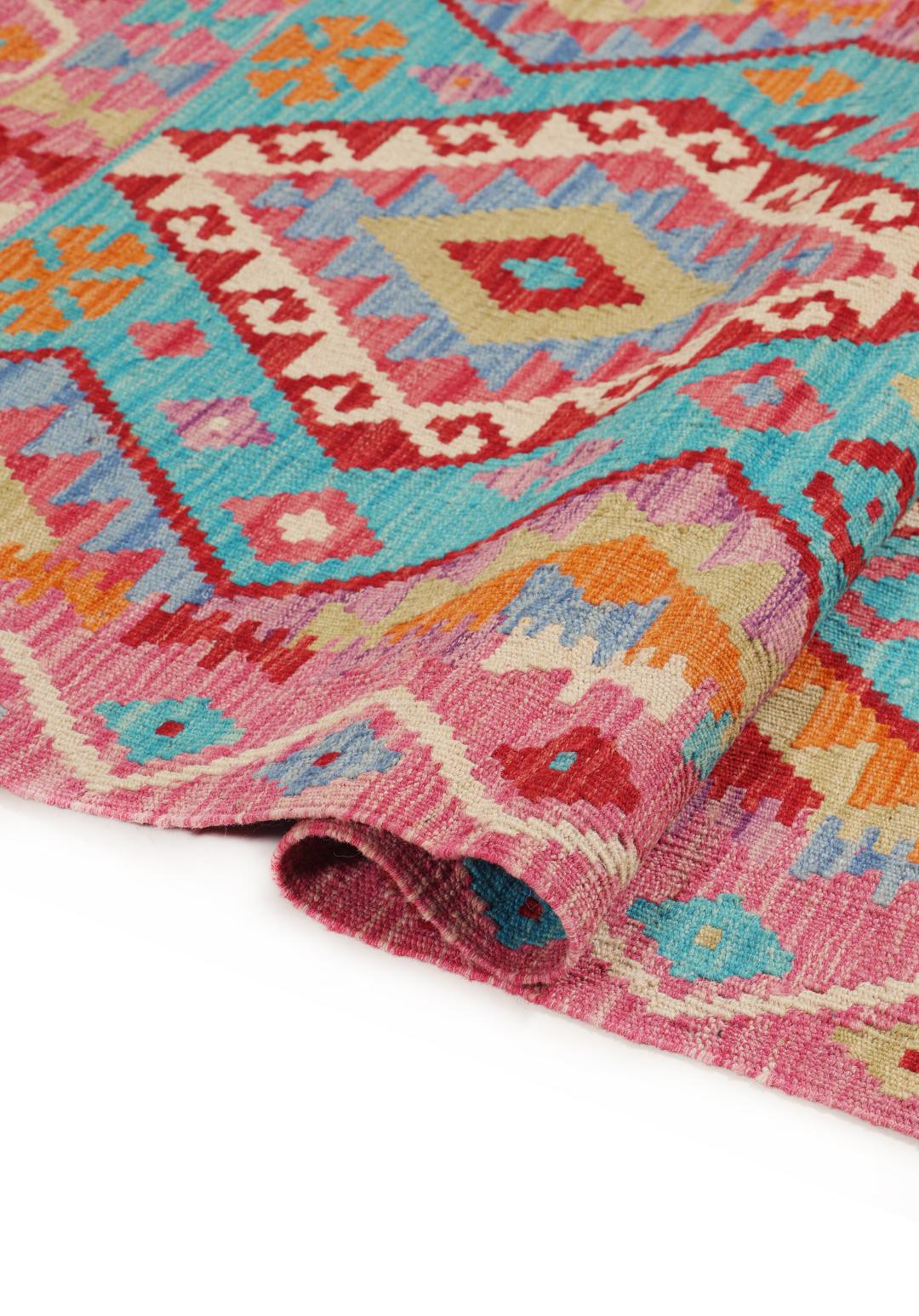
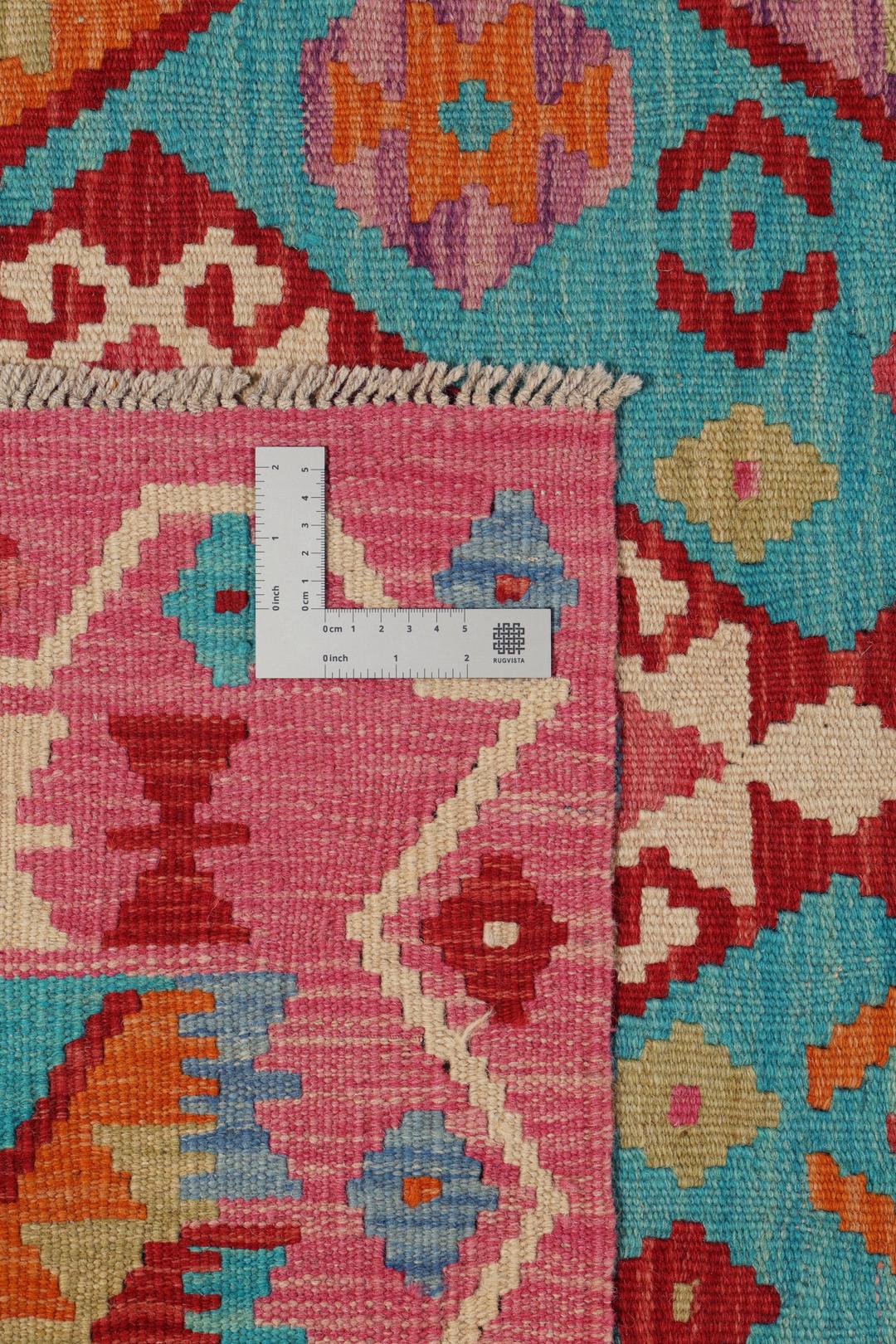
The term Kelim refers to the specific slit-weave technique used in their creation, where the weft threads are passed back and forth to create distinct, sharp-edged patterns without the need for a raised pile. This results in a durable, reversible rug that is prized for its versatility and clear, graphic design language.
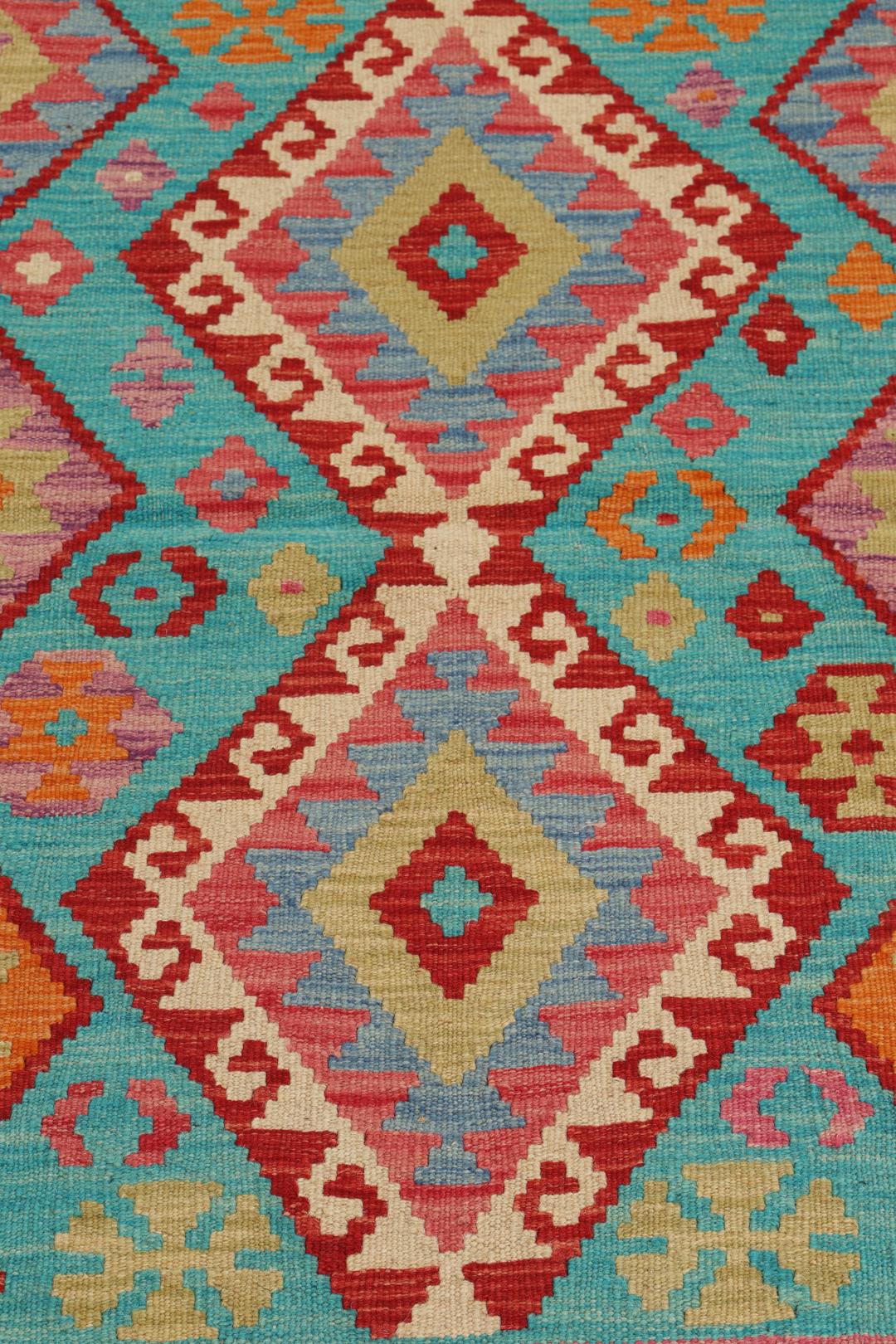
The design of this piece draws on centuries of tradition, featuring geometric medallions and tribal motifs that hold symbolic meaning within the weaving culture. The use of repeating shapes is intended to ward off misfortune and bring harmony to the home, with each weaver often adding subtle variations that reflect their personal creative expression.
Owning an Afghan Kelim is a way of connecting with a rich, enduring heritage. These rugs are not just floor coverings; they are historical narratives woven in Wool. Their value lies in their authenticity and the skill required to maintain these traditional techniques, making them highly sought after by those who appreciate items with cultural weight and lasting quality.