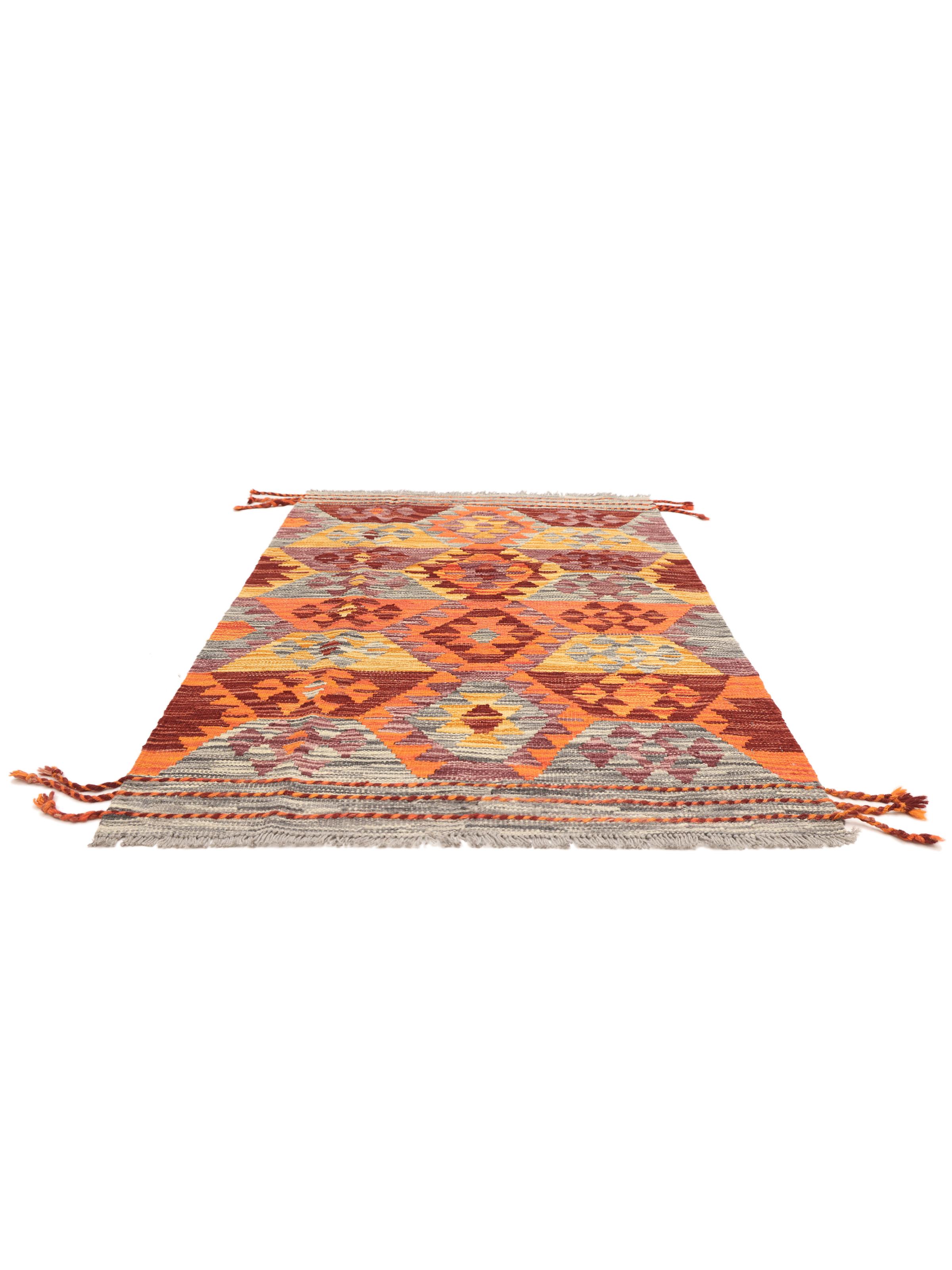
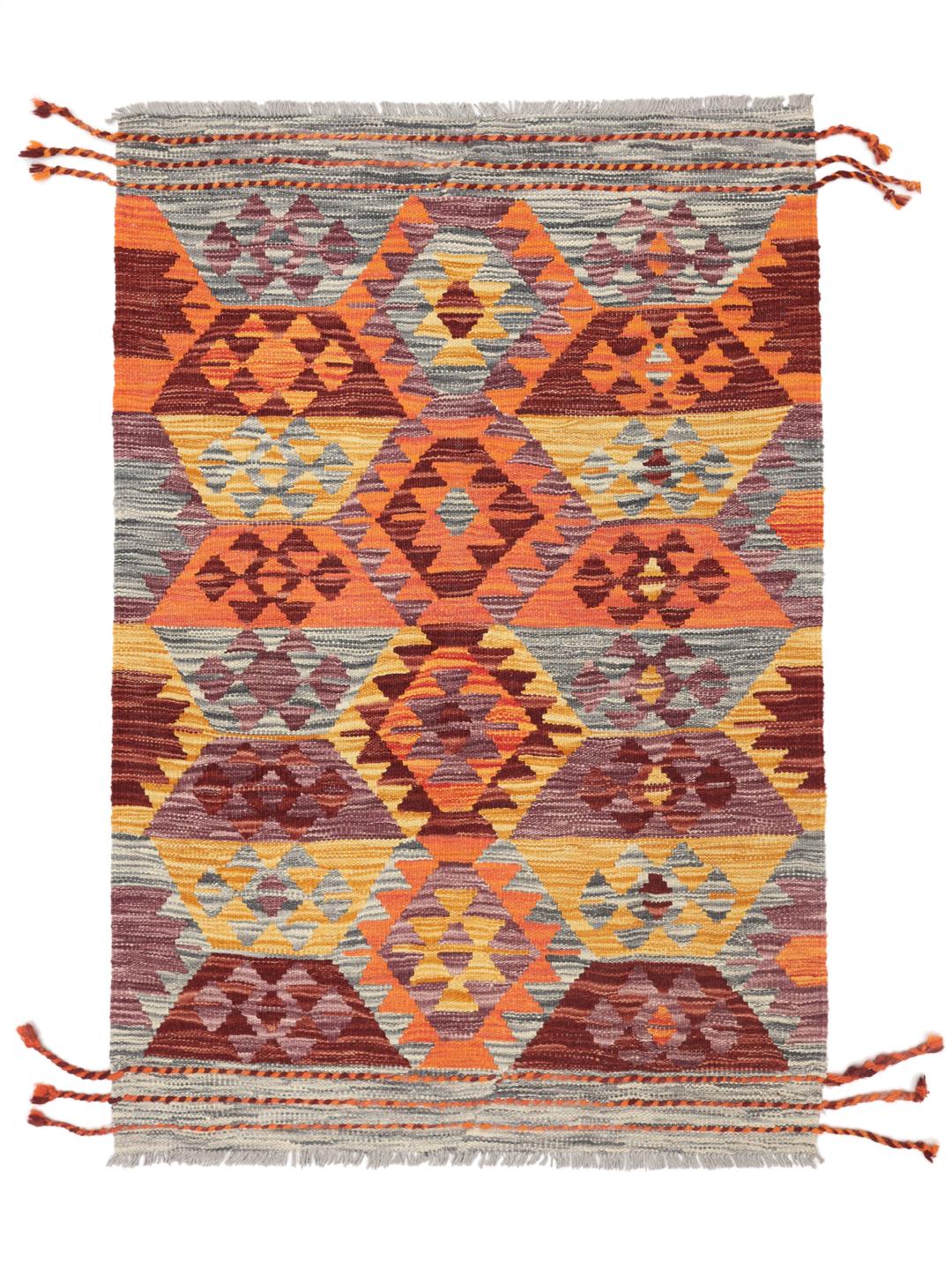
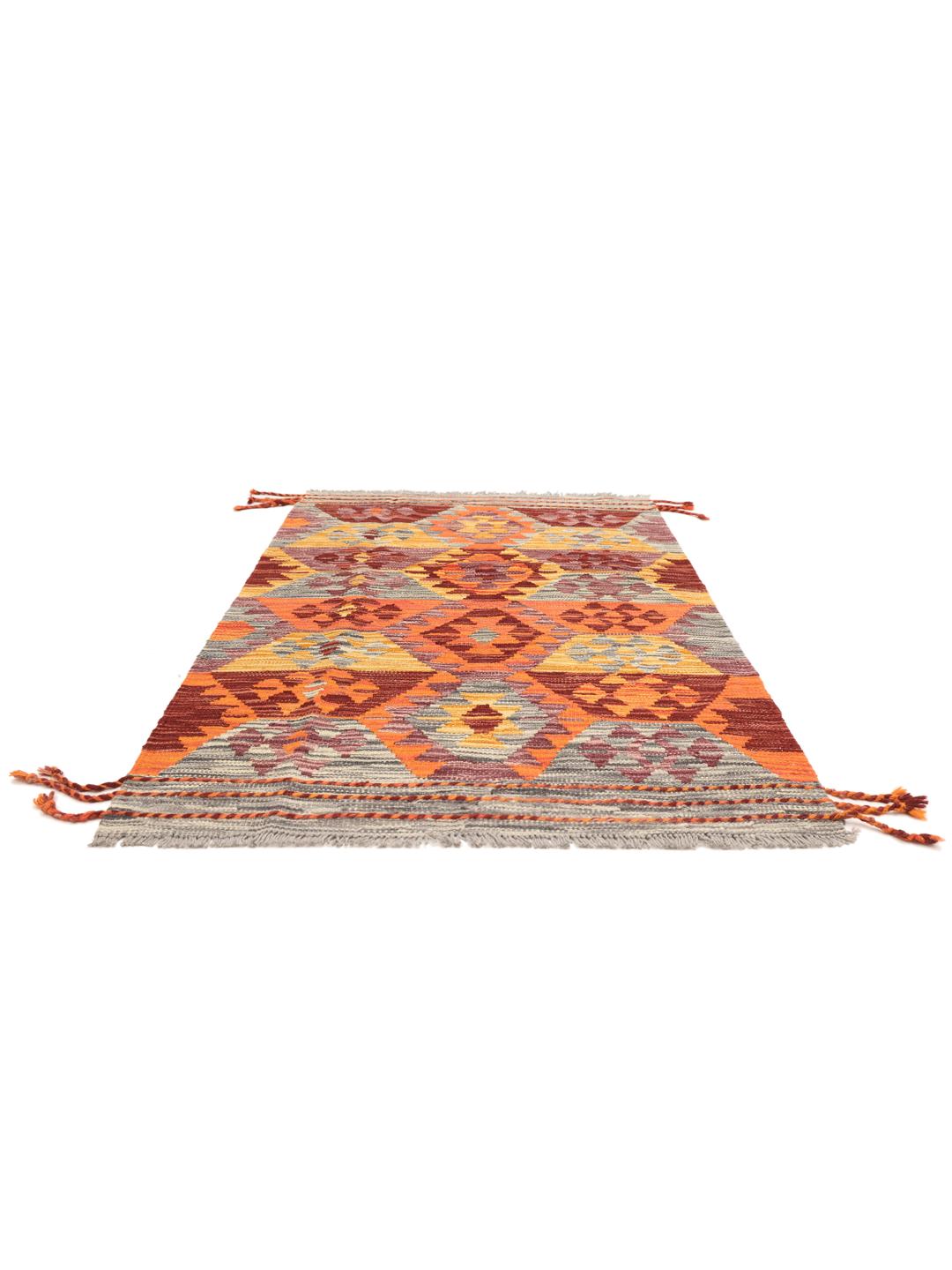
Kelim rugs have long been a cornerstone of nomadic and village life across the Middle East and Central Asia. Historically, these flat-woven textiles were crafted by tribes for practical use as floor coverings, wall hangings, and storage bags, reflecting the specific regional aesthetics and resource availability of the weavers.
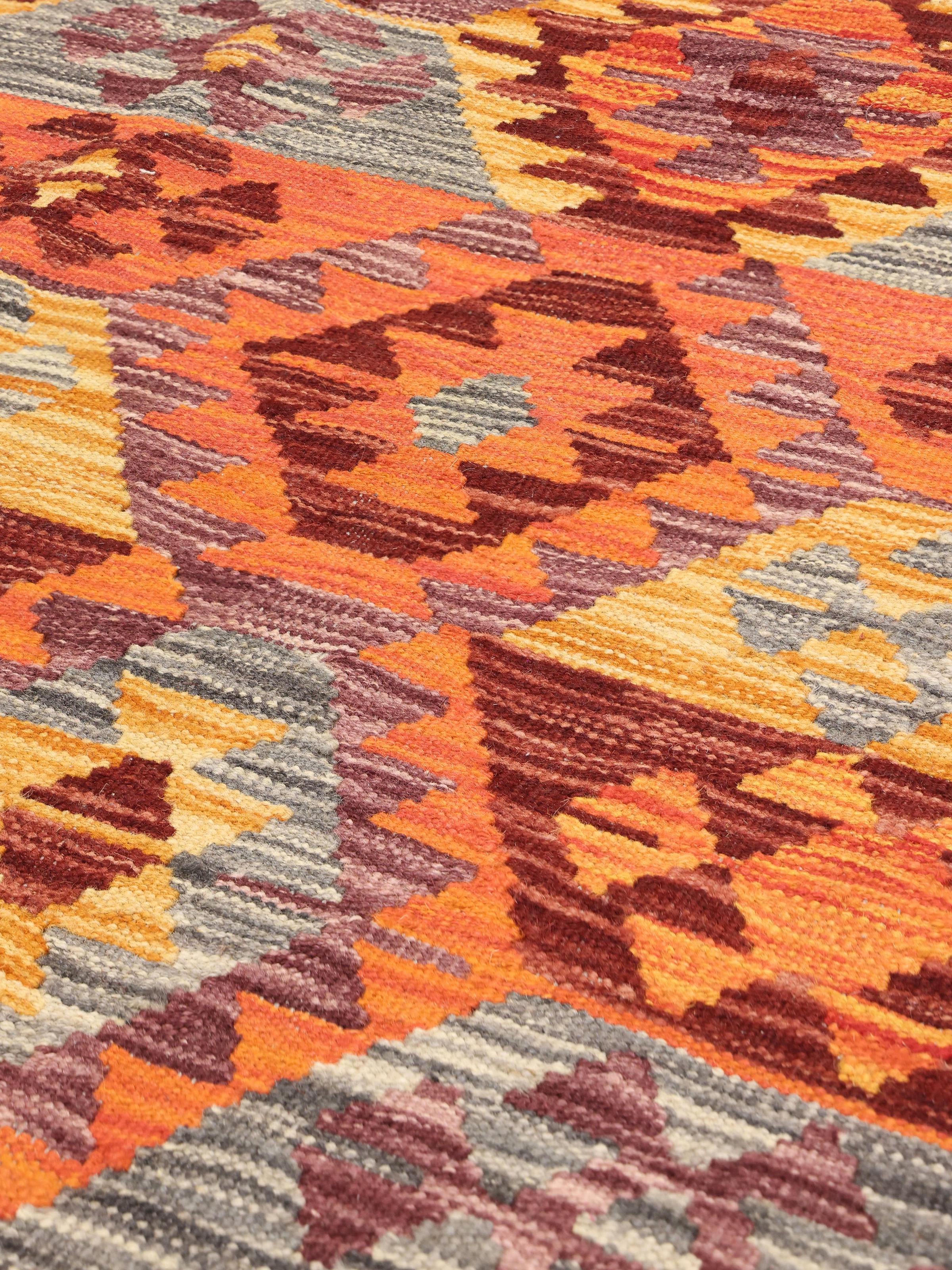
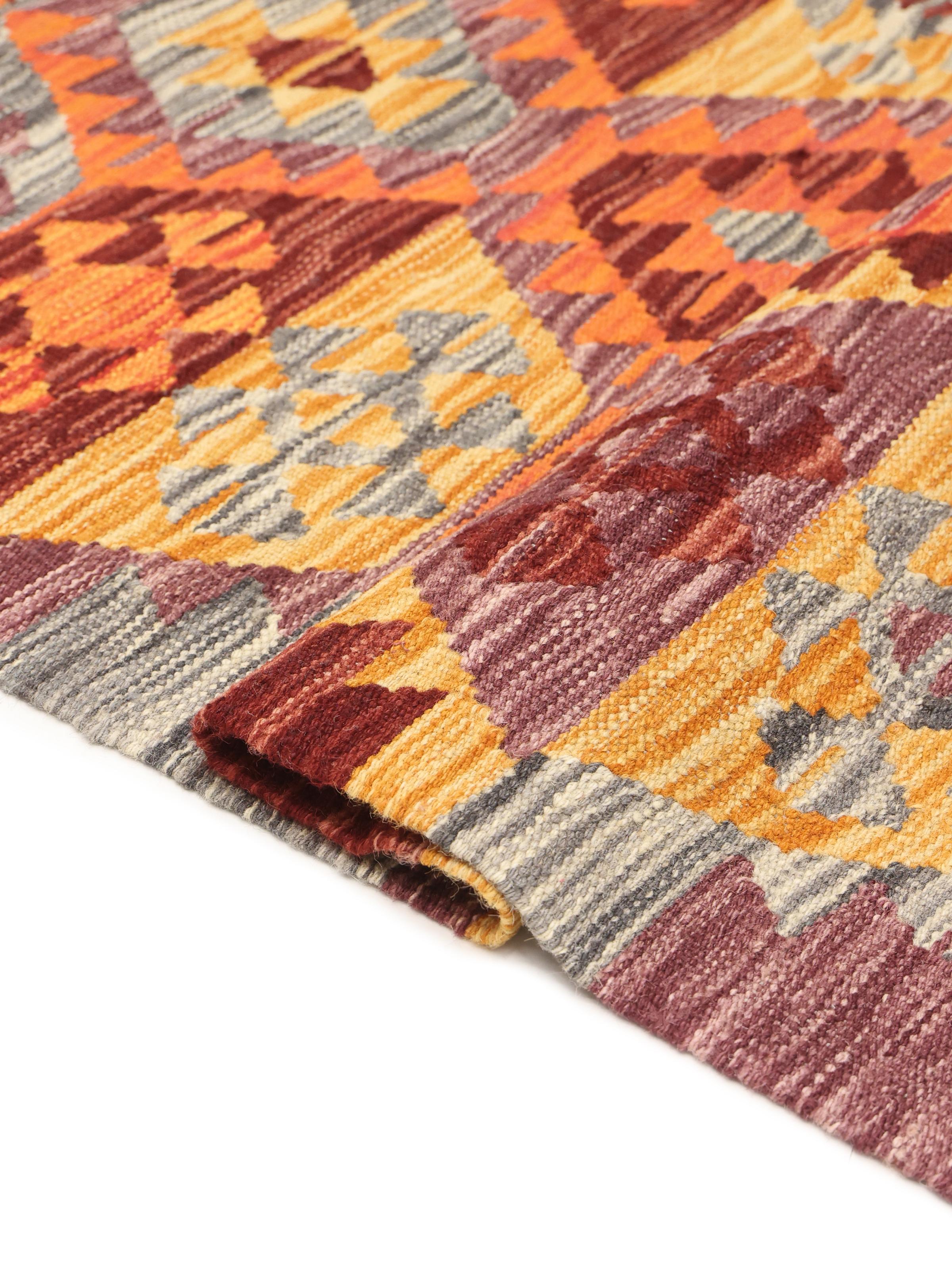
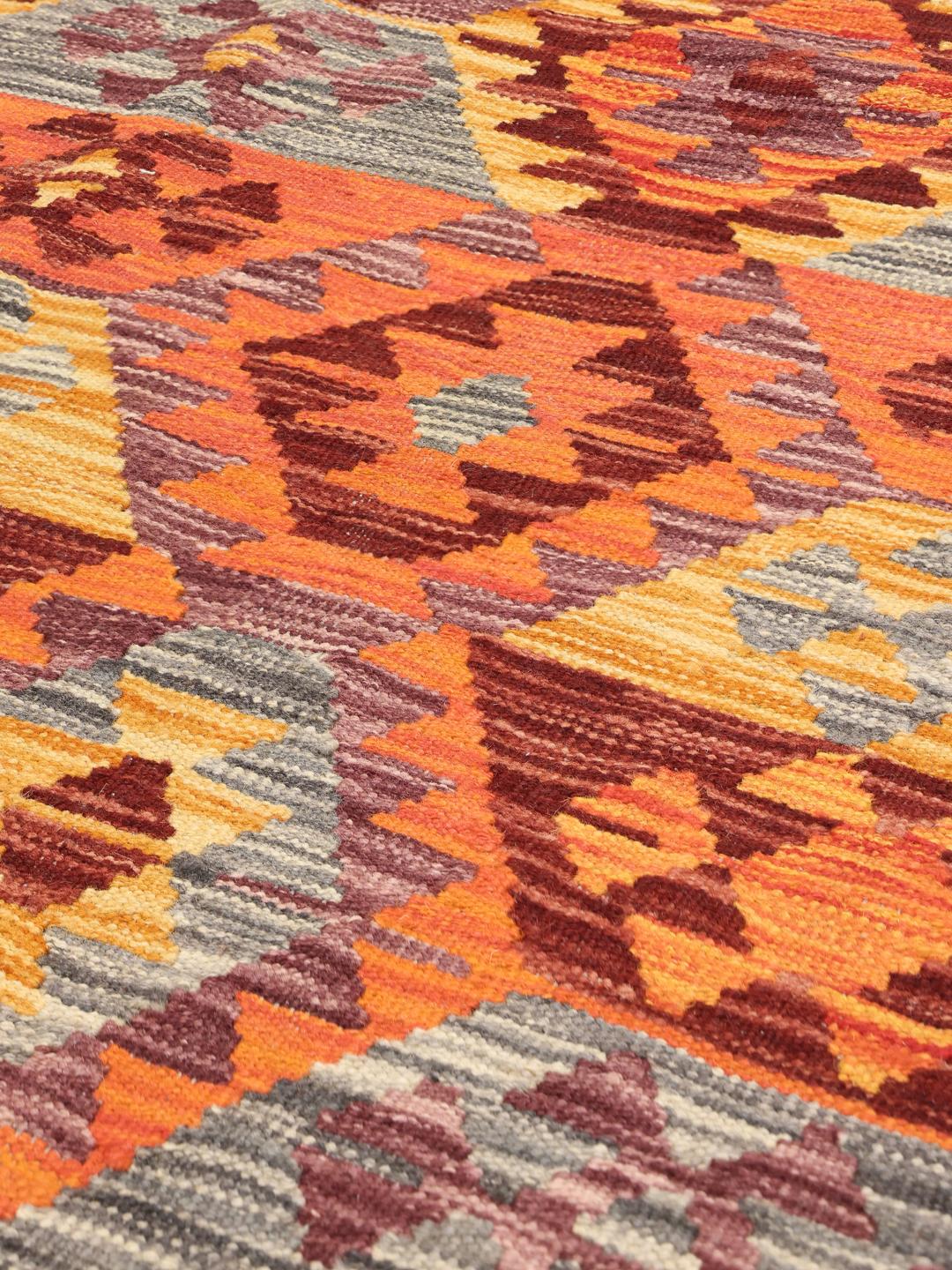
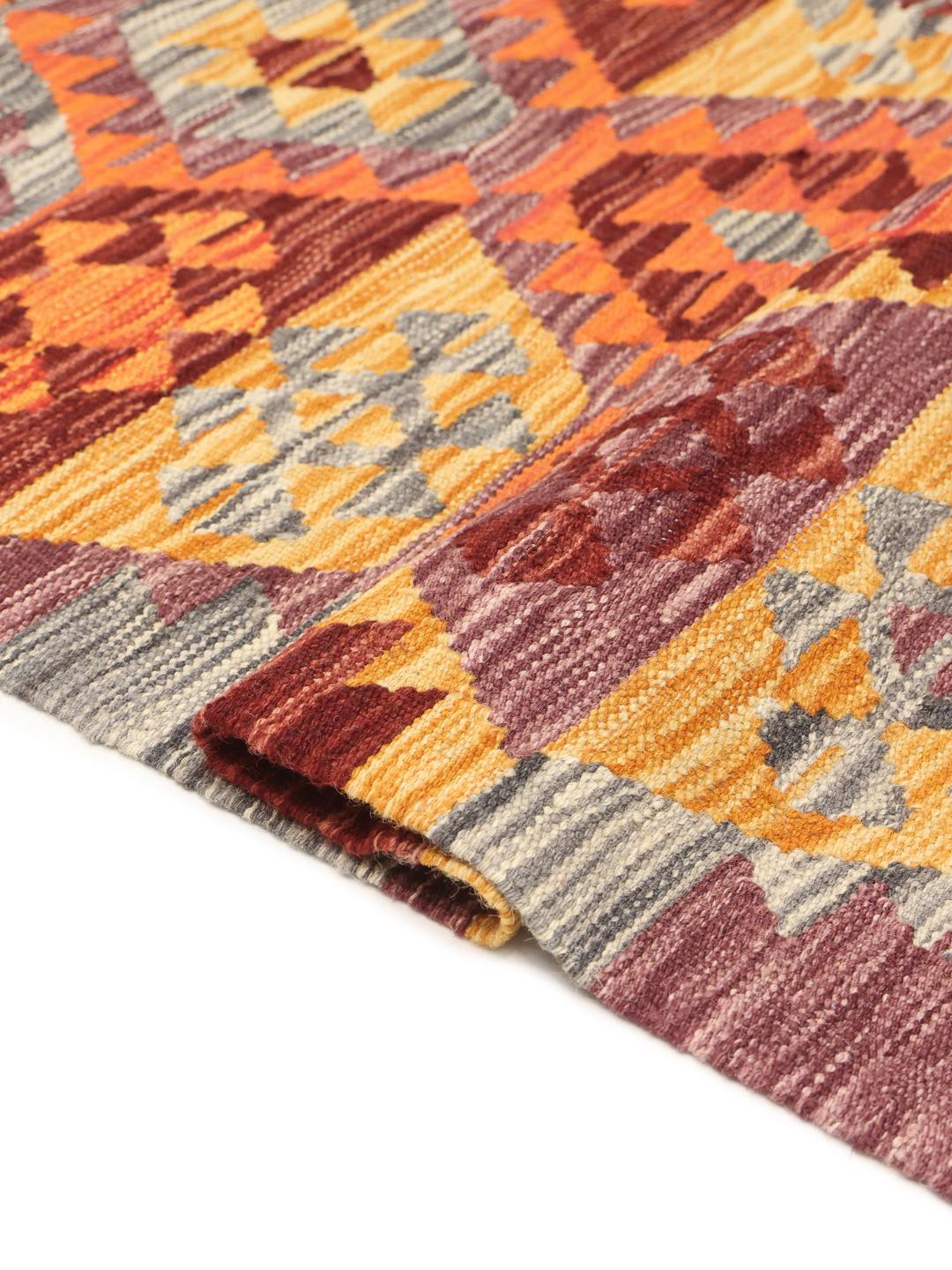
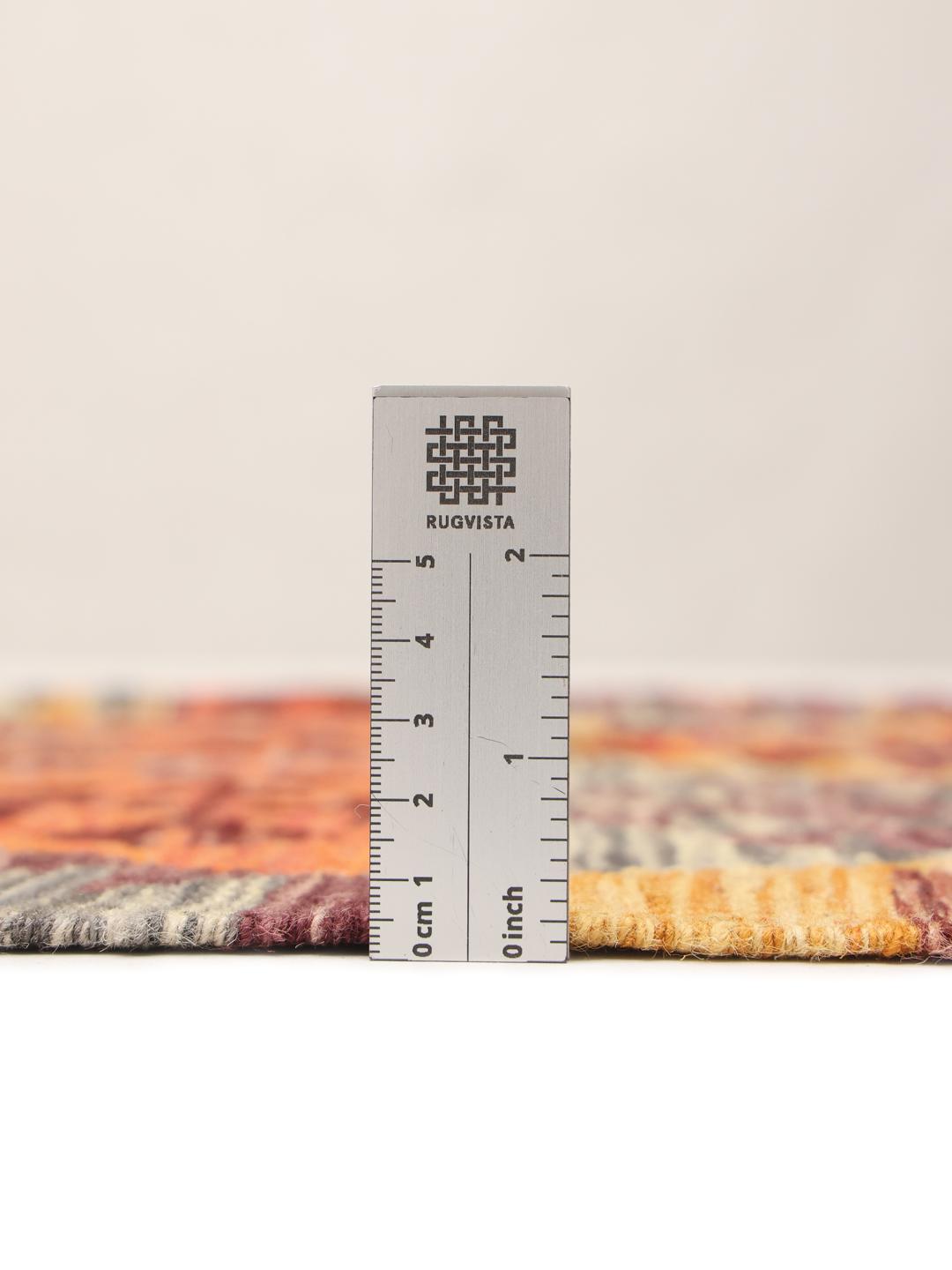
The term Kelim refers to the specific flat-weaving technique used, where the weft threads are passed over and under the warp threads to create a pattern without a raised pile. This method results in a durable, reversible fabric that is prized for its versatility and its ability to showcase intricate geometric designs with great clarity.
The visual language of the Kelim Afghan is deeply rooted in tribal traditions, often featuring bold geometric motifs, diamonds, and stylized floral elements. These patterns are not merely decorative but often carry symbolic meanings related to protection, fertility, and tribal identity, passed down through generations of weavers.
Collecting these rugs is an investment in human heritage and the preservation of ancient craft skills. Owning a piece from this tradition connects your home to a long lineage of artisans, offering a sense of depth and cultural significance that mass-produced decor cannot provide.