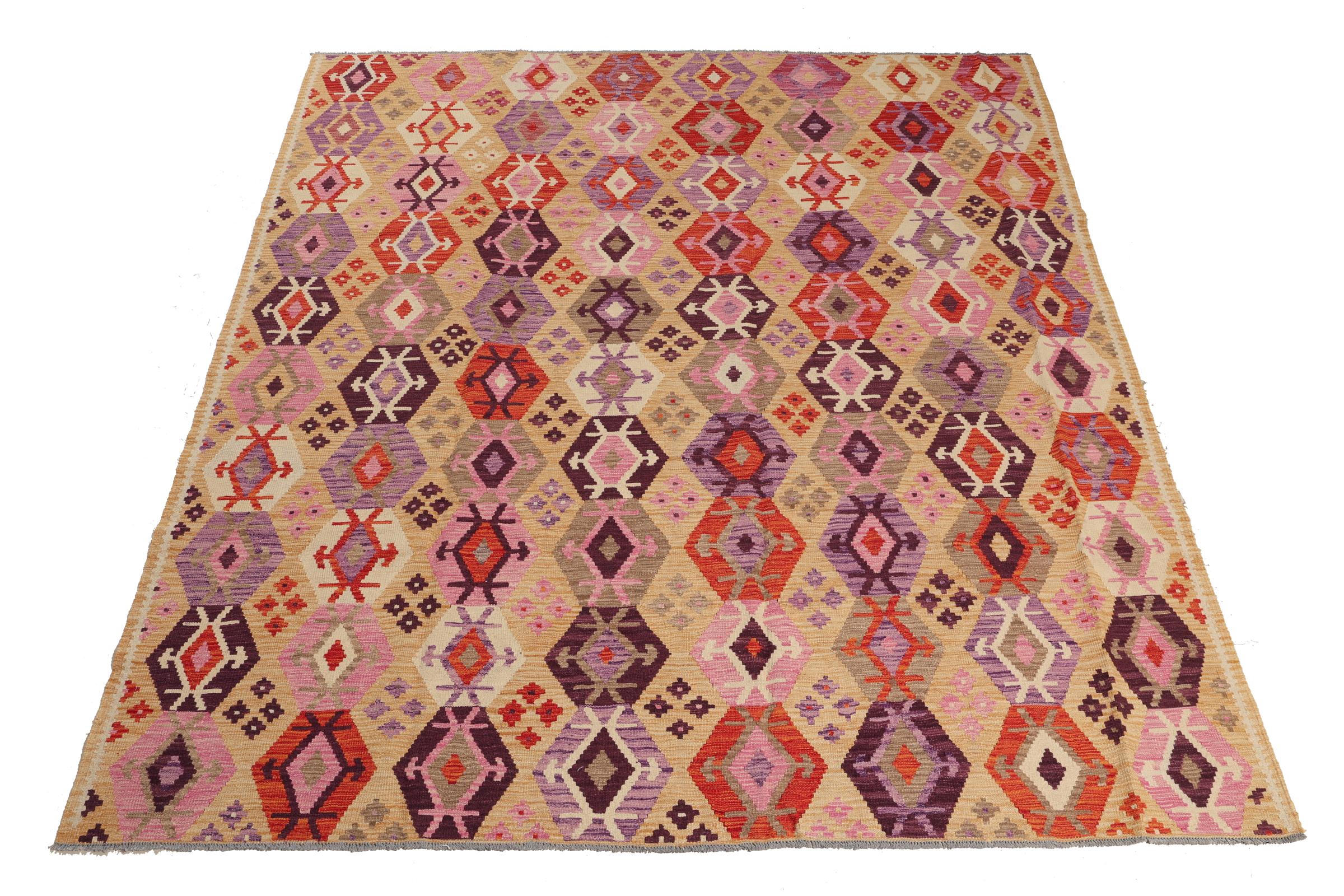
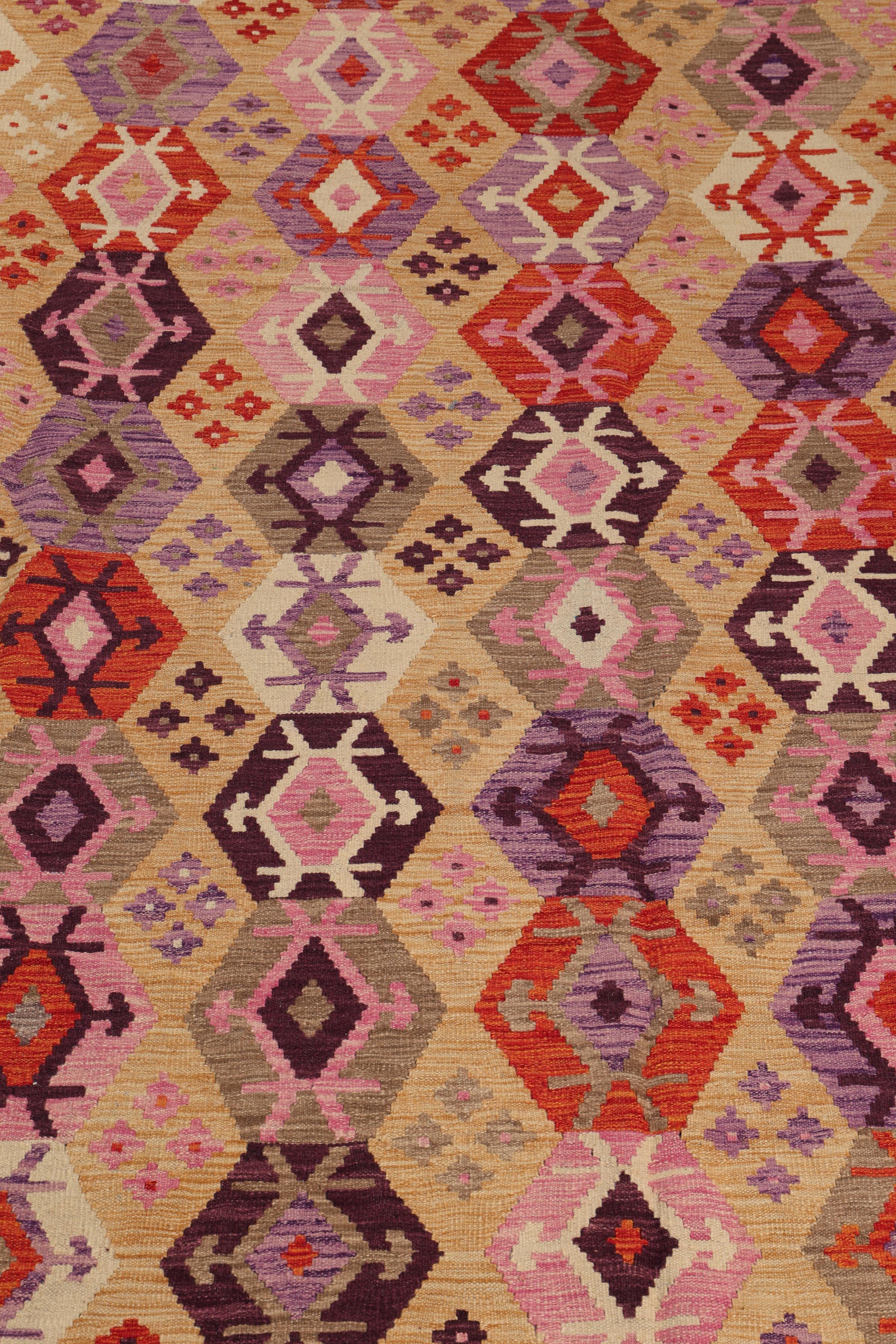
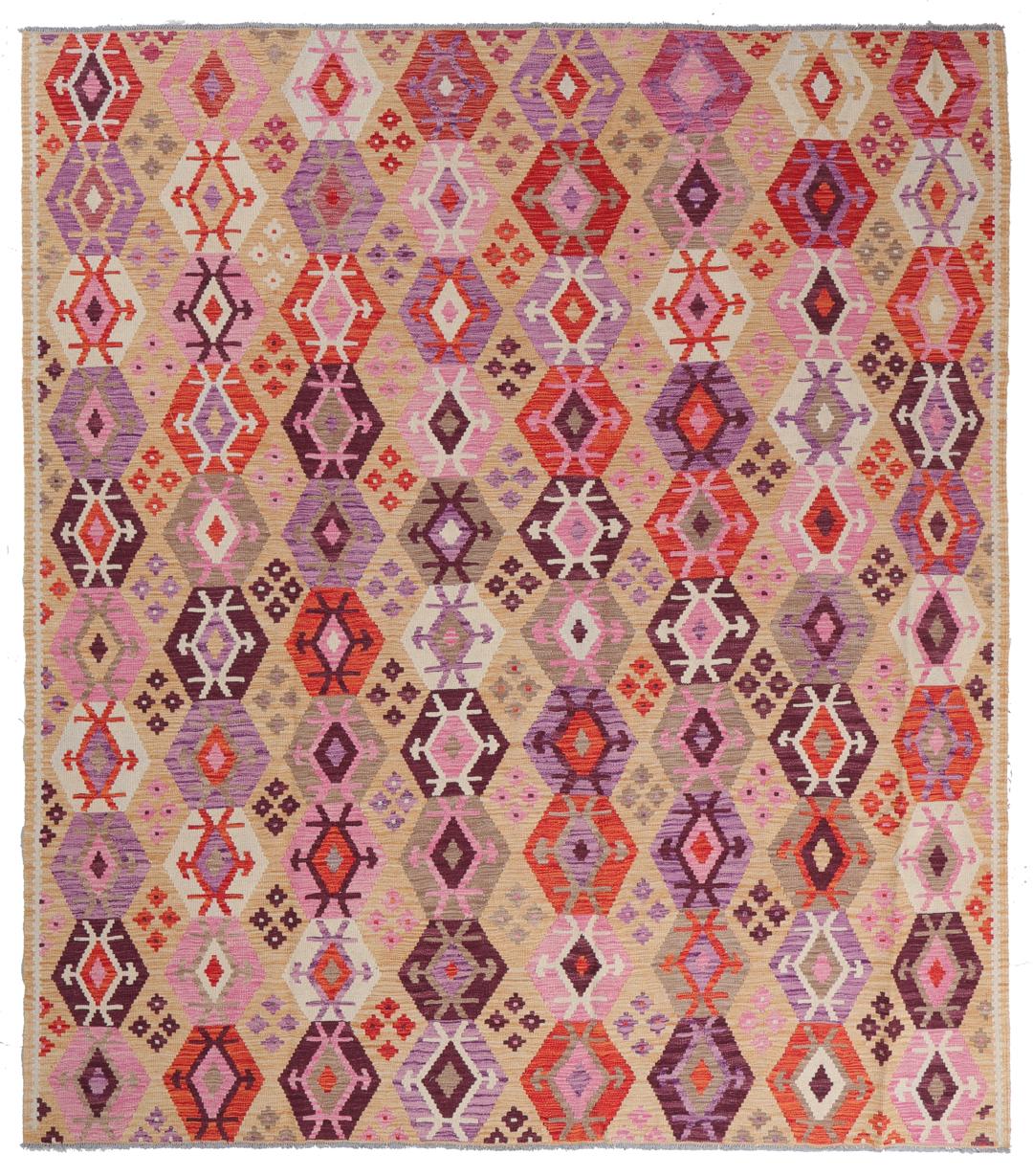
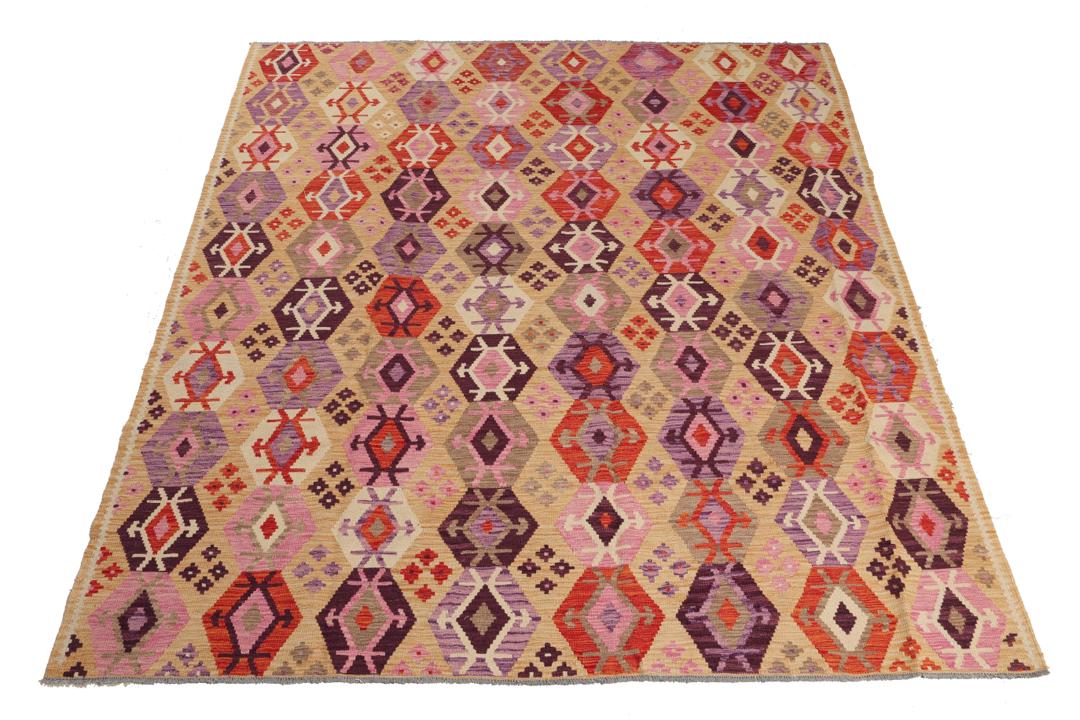
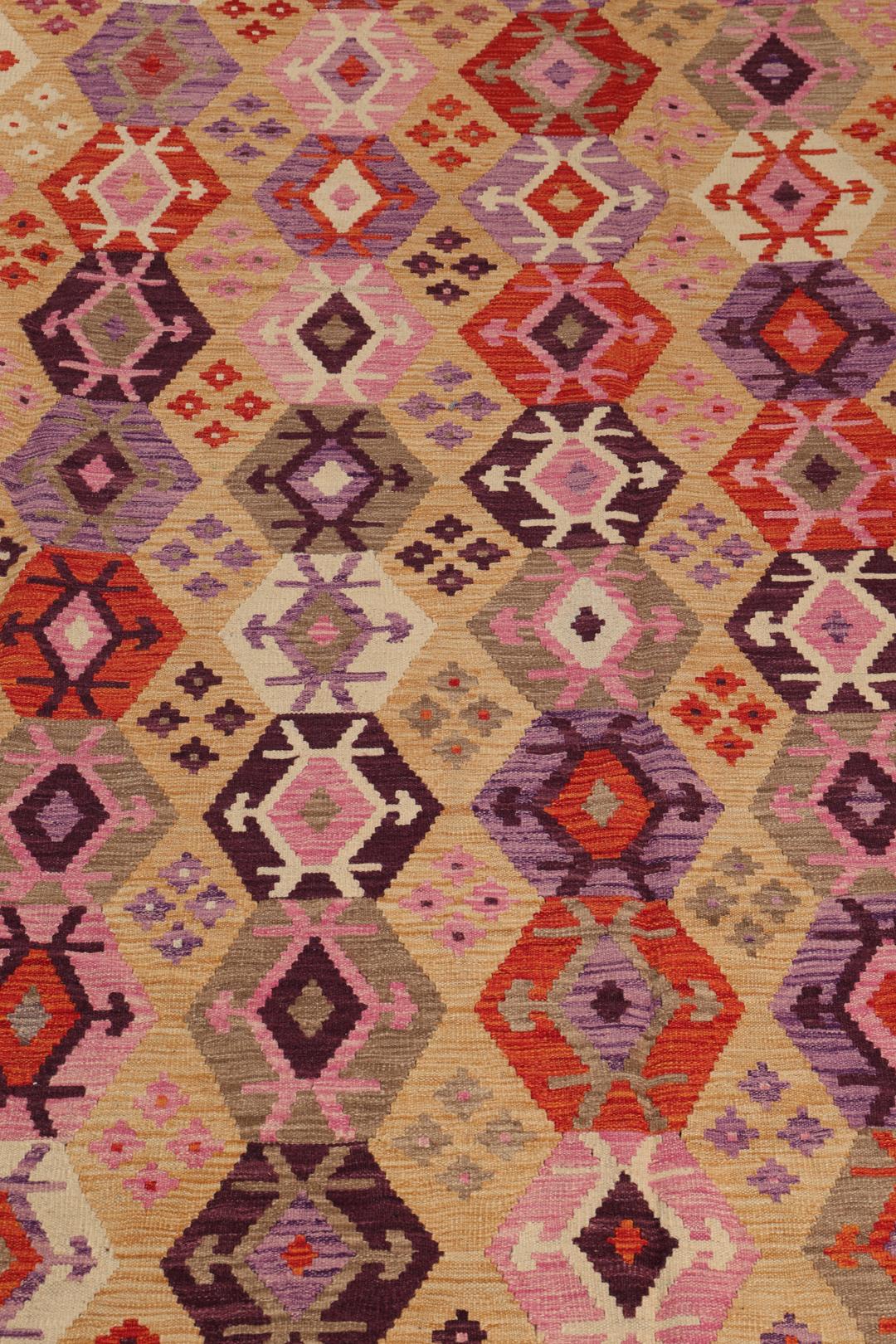
Kelim rugs have a storied history rooted in the nomadic cultures of the Middle East and Central Asia. Traditionally created by tribal weavers for practical use as floor coverings, tent hangings, or storage bags, these rugs were essential to the mobile lifestyle, offering insulation and beauty in harsh environments.
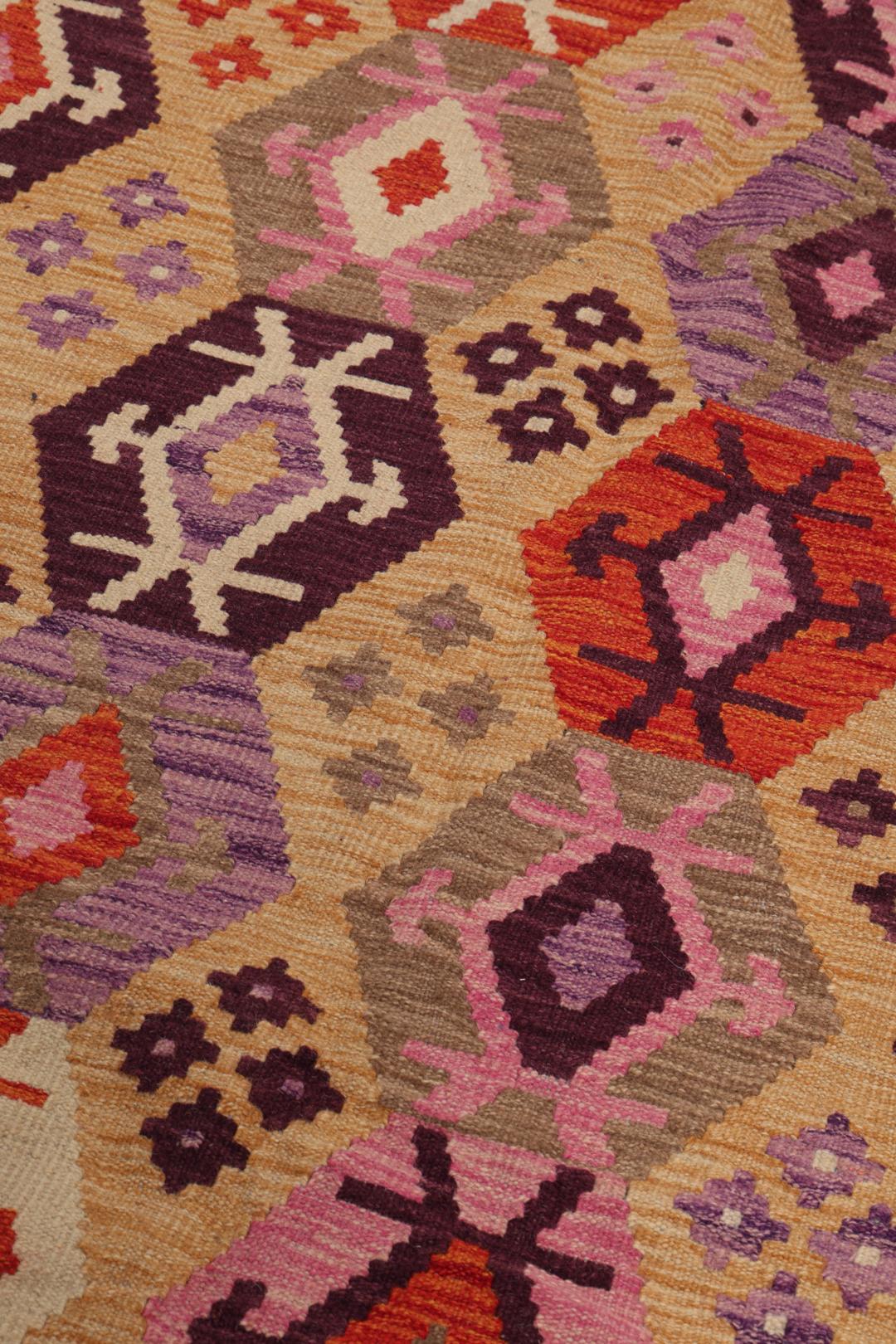
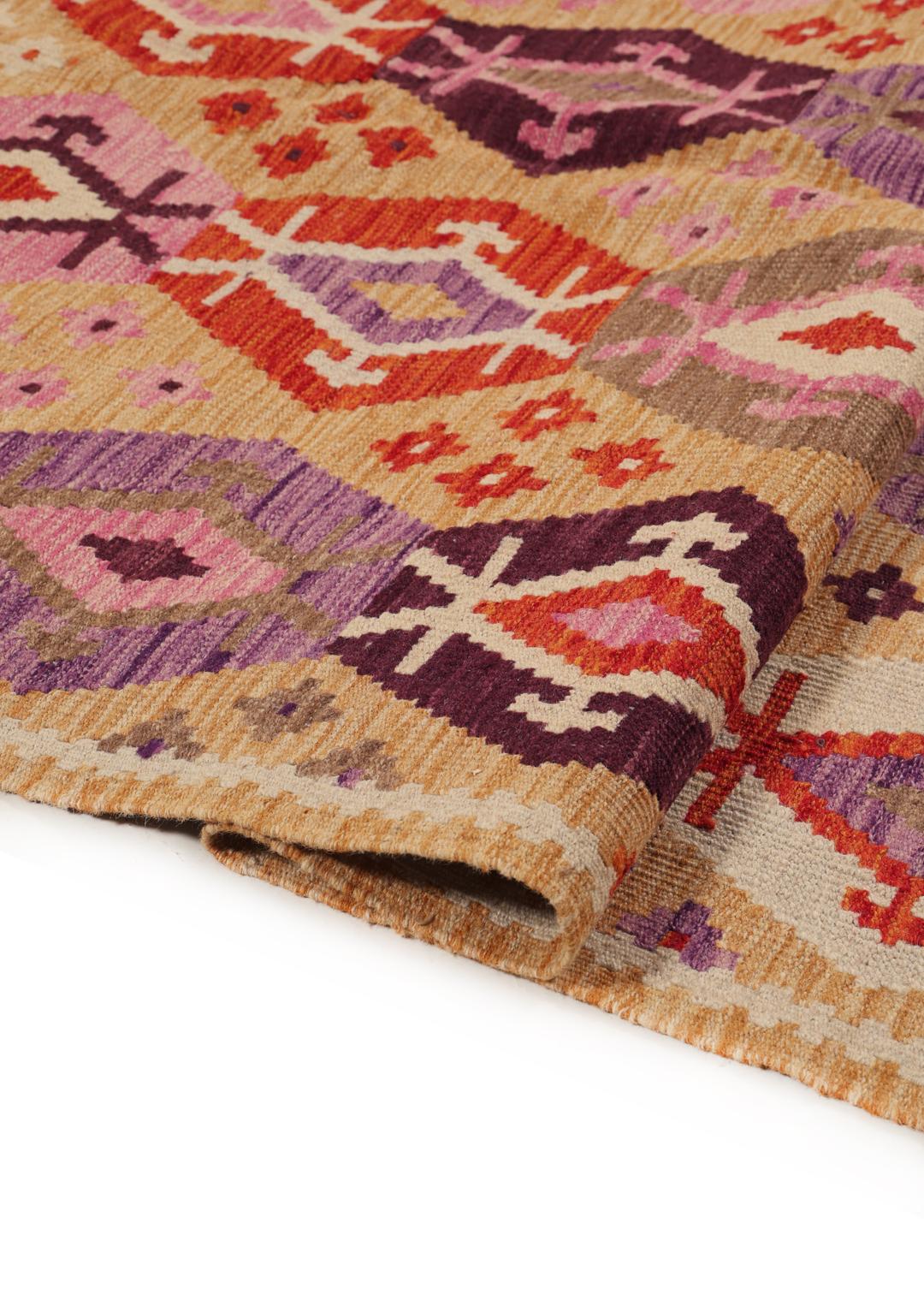
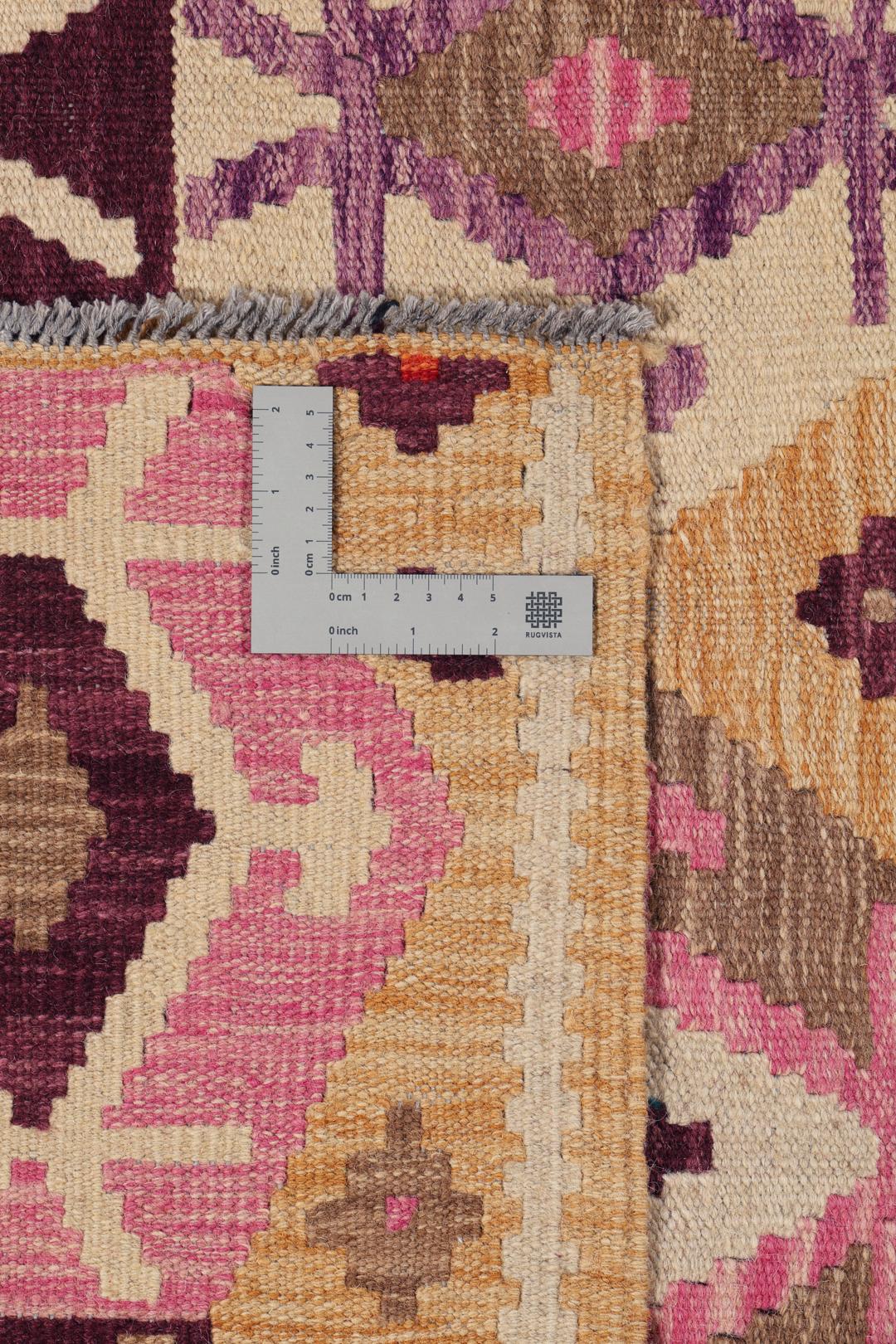
The term 'Kelim' refers to the flat-weaving technique where the warp and weft are interlaced without creating a pile. This results in a reversible rug with a clean, crisp finish. In Afghanistan, these traditions have been passed down through generations, with each region developing its own specific colour palettes and symbolic motifs that tell stories of the weaver's environment.
The signature design elements of these pieces are often defined by geometric shapes like diamonds, triangles, and hexagons. These patterns are not merely decorative but often serve as cultural symbols representing protection, fertility, or the natural world. The use of vibrant, contrasting colours is a hallmark of the old-style aesthetic, creating a bold, graphic impact.
Today, these rugs are highly valued by collectors for their authenticity and the immense skill involved in their creation. Owning a traditional Afghan Kelim is an investment in cultural heritage, representing a bridge between ancient craftsmanship and contemporary living. It is a testament to the enduring appeal of handmade items that carry the touch of the artisan.