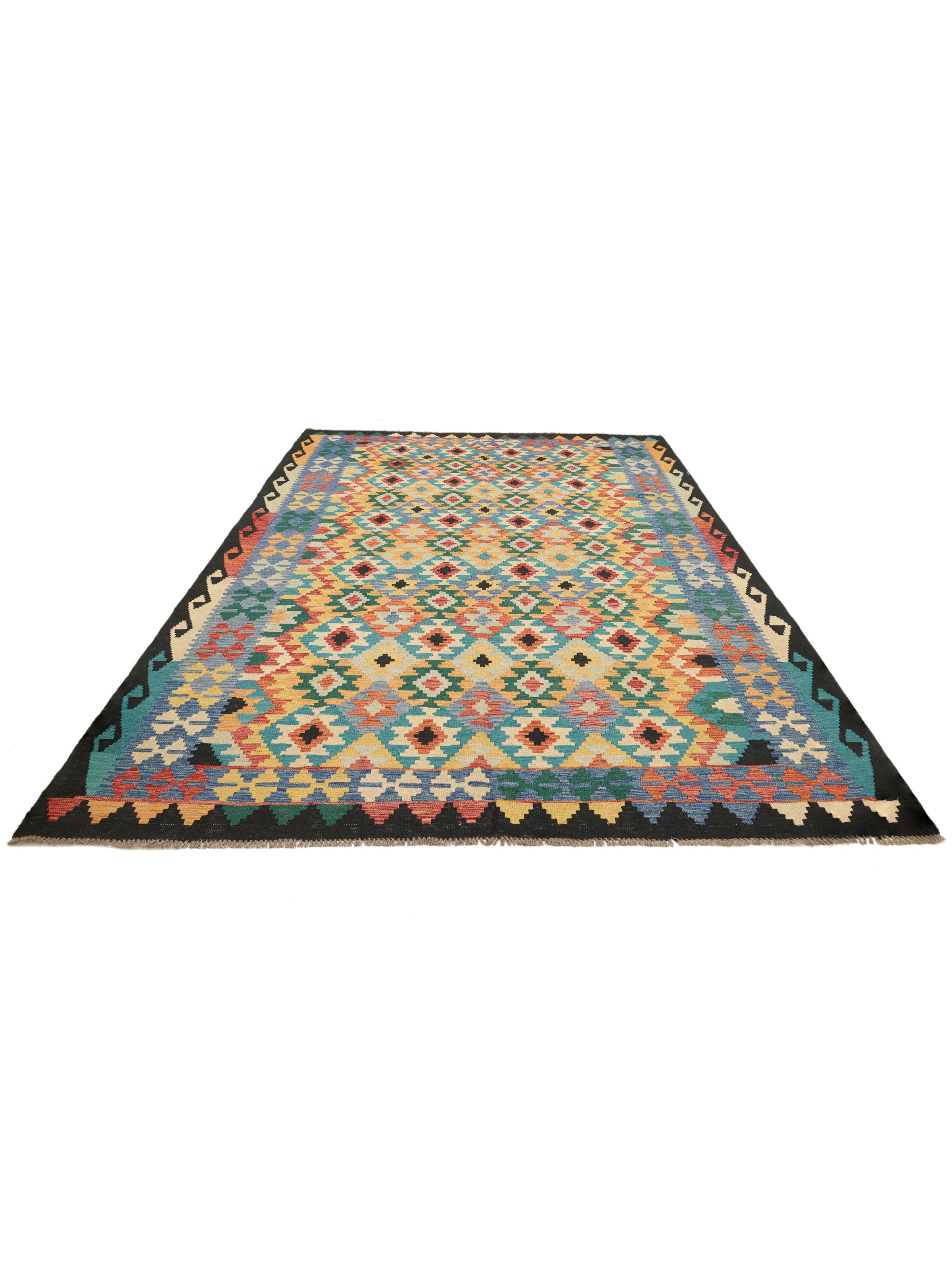
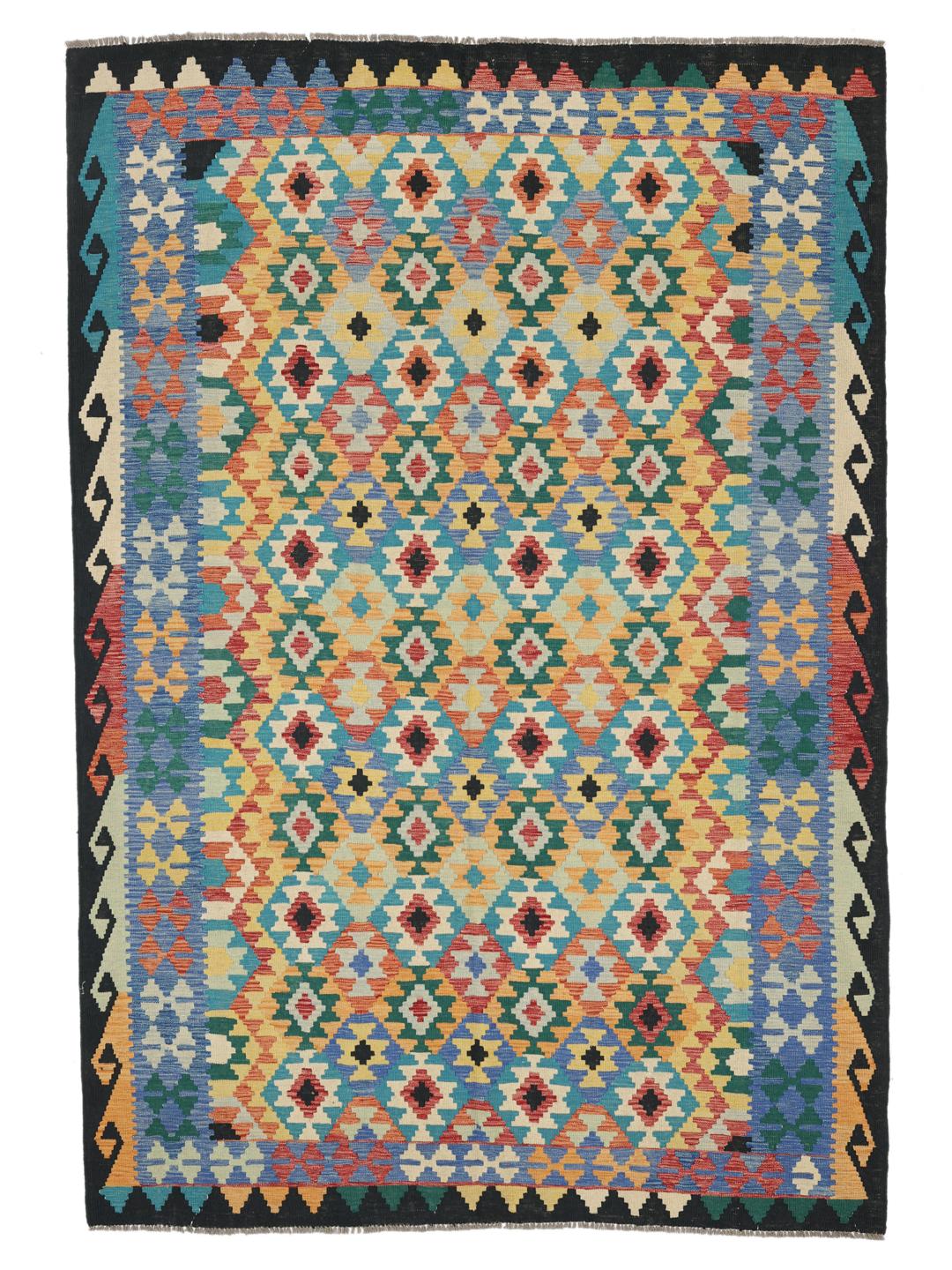
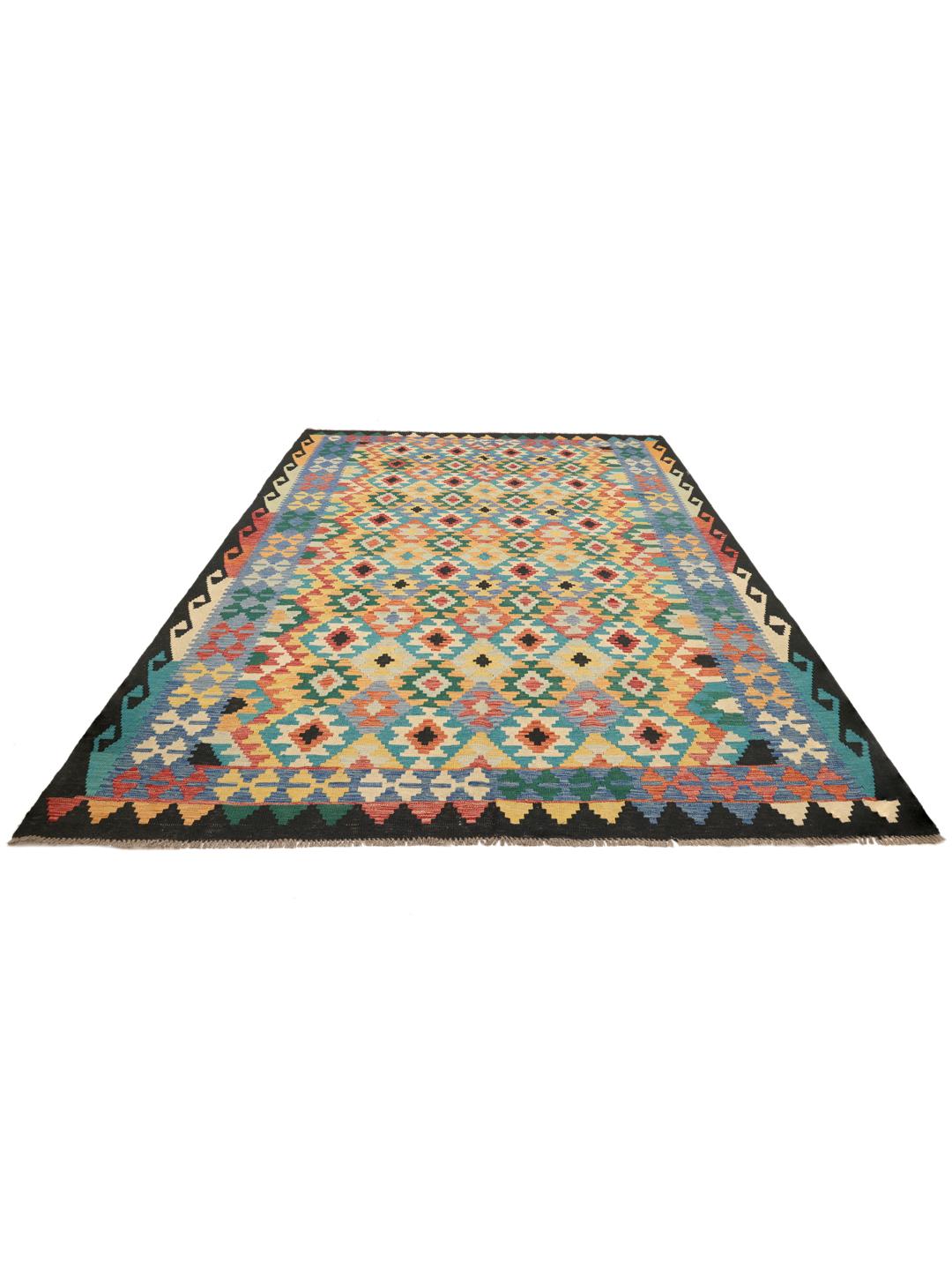
The Kelim tradition in Afghanistan is deeply rooted in the nomadic and semi-nomadic lifestyles of the region. These flat-woven rugs were historically created by tribal weavers for practical use within the home, serving as floor coverings, blankets, and storage bags, which necessitated a construction that was both portable and incredibly resilient.
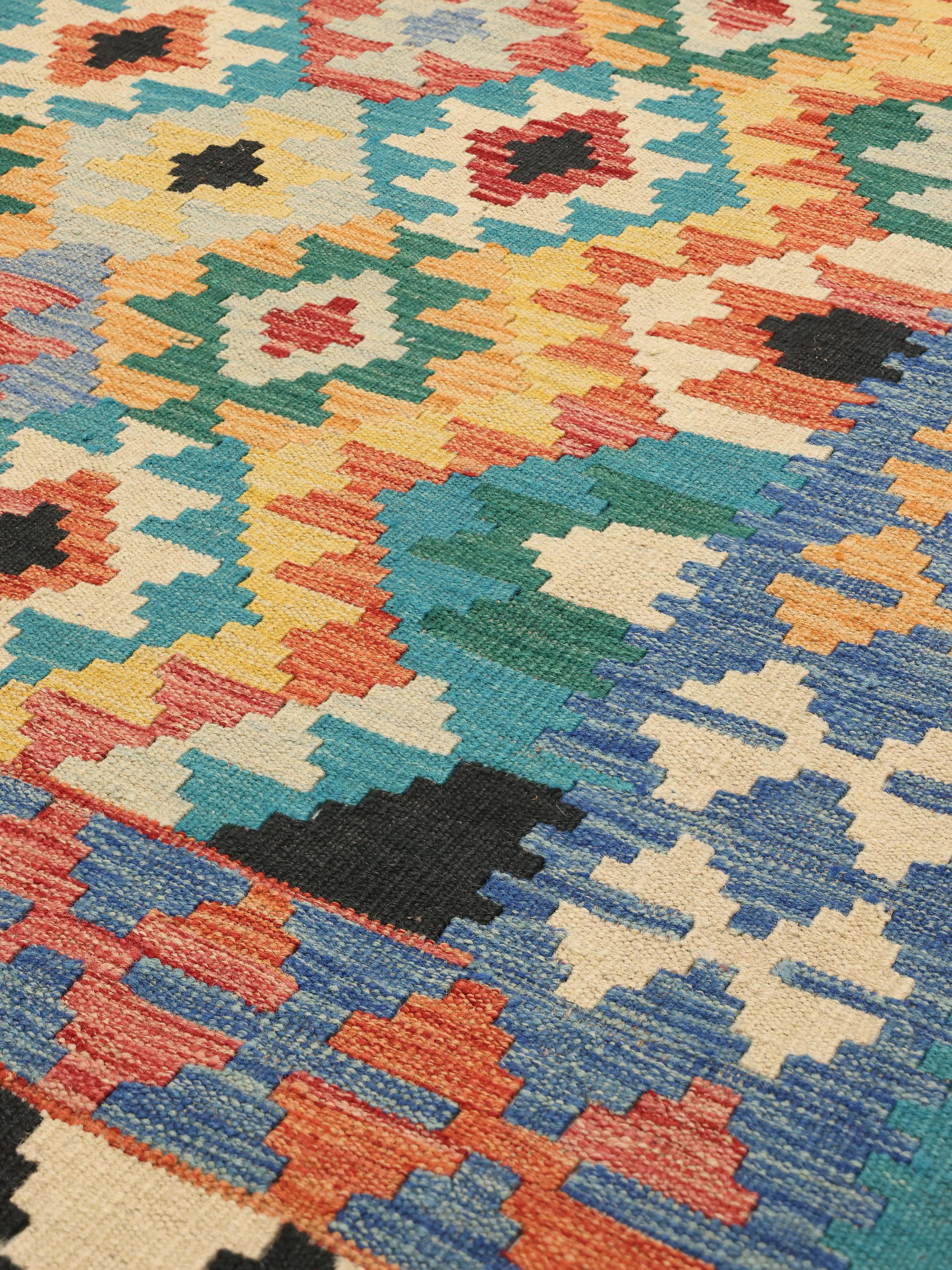
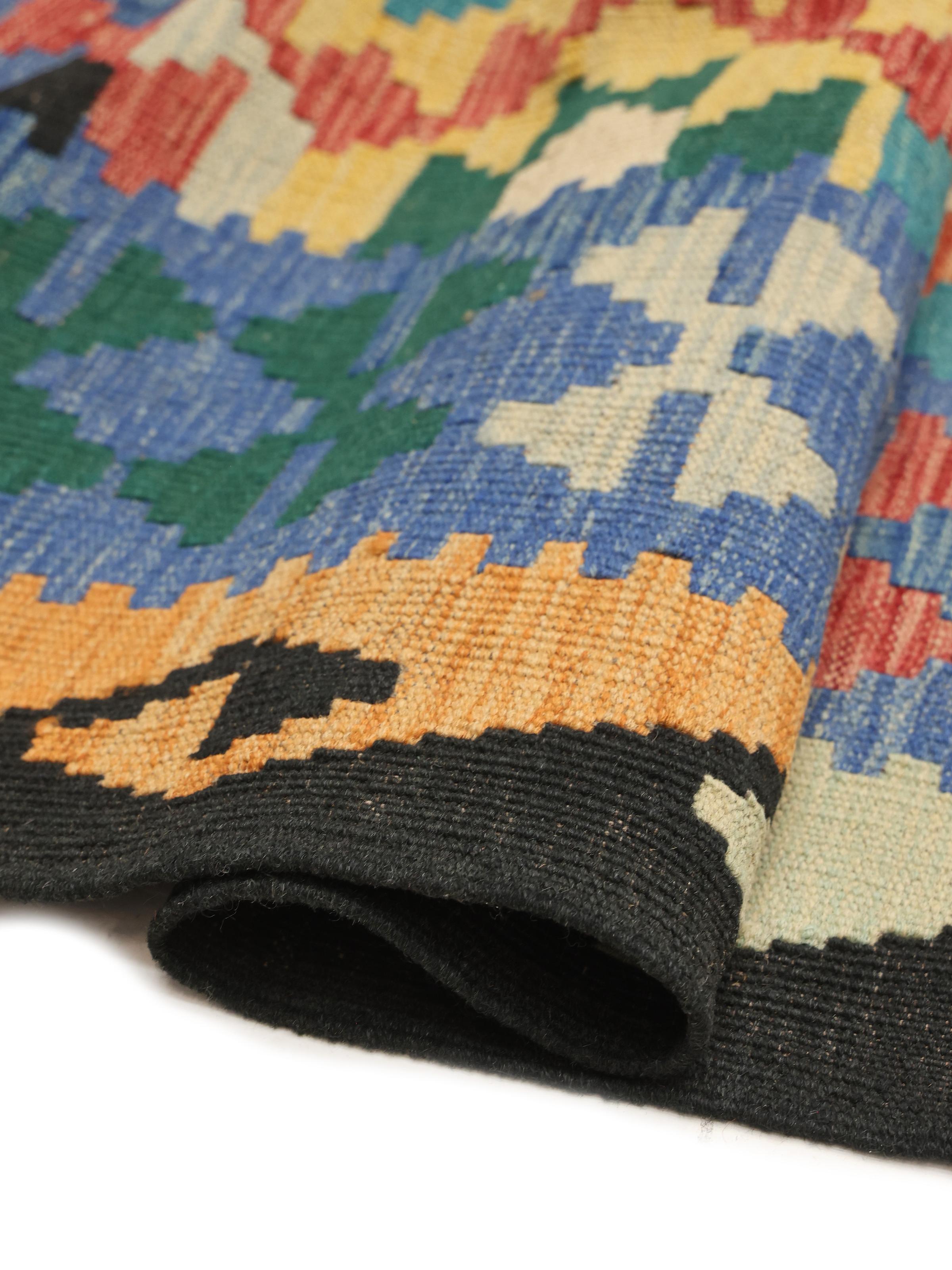
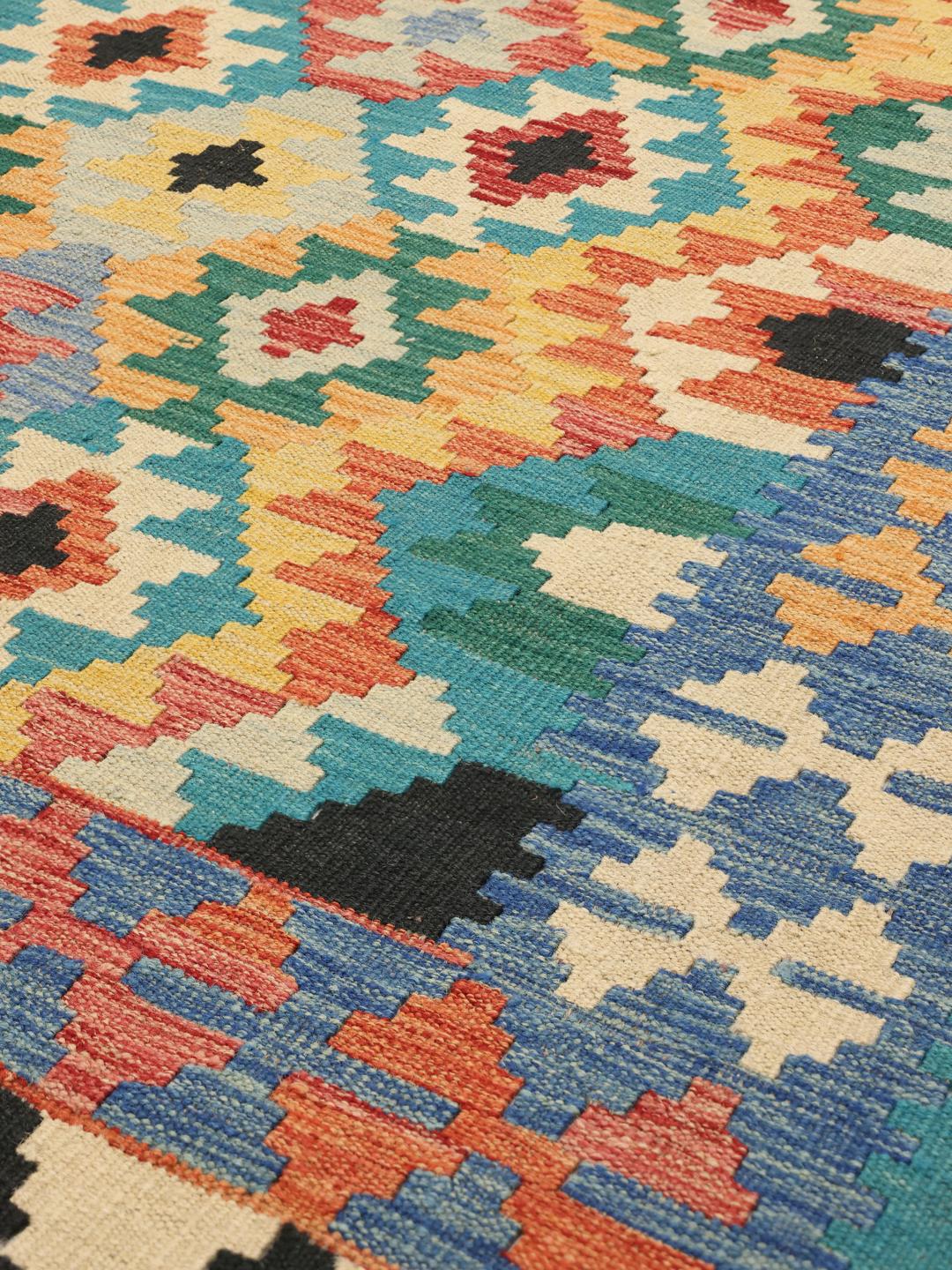
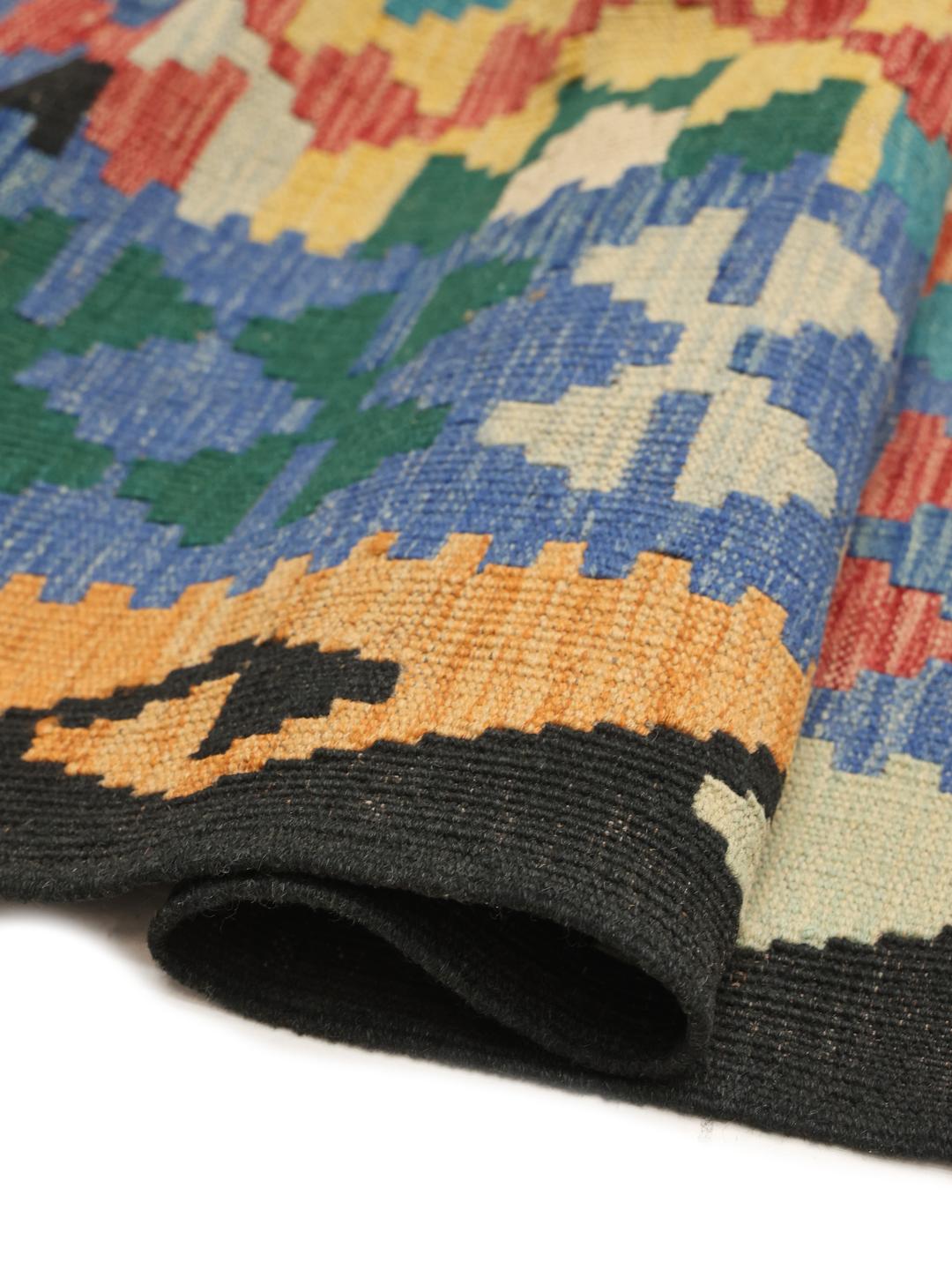
The term 'Kelim' refers specifically to the tapestry-weave technique, which is devoid of a pile. This method relies on the weaver's ability to interlock coloured weft threads to create patterns, a skill that is passed down through generations. The lack of pile gives these rugs a distinctive, lightweight feel that is highly prized for its versatility and ease of maintenance.
Signature design elements in Afghan Kelims often feature bold, geometric motifs such as diamonds, triangles, and stylized floral forms. These patterns are not merely decorative but often carry symbolic meanings related to protection, fertility, and the weaver's environment. The use of vibrant, natural-inspired colours is a classic trait, designed to bring warmth and joy to the interior of a tent or a home.
Owning a piece from this tradition is a commitment to preserving a rich cultural heritage. These rugs are highly collected because they represent an authentic intersection of art and functionality, showcasing the individual expression of the weaver alongside the collective wisdom of their community. Each piece serves as a link to an ancient way of life, making it a meaningful addition to any modern interior.