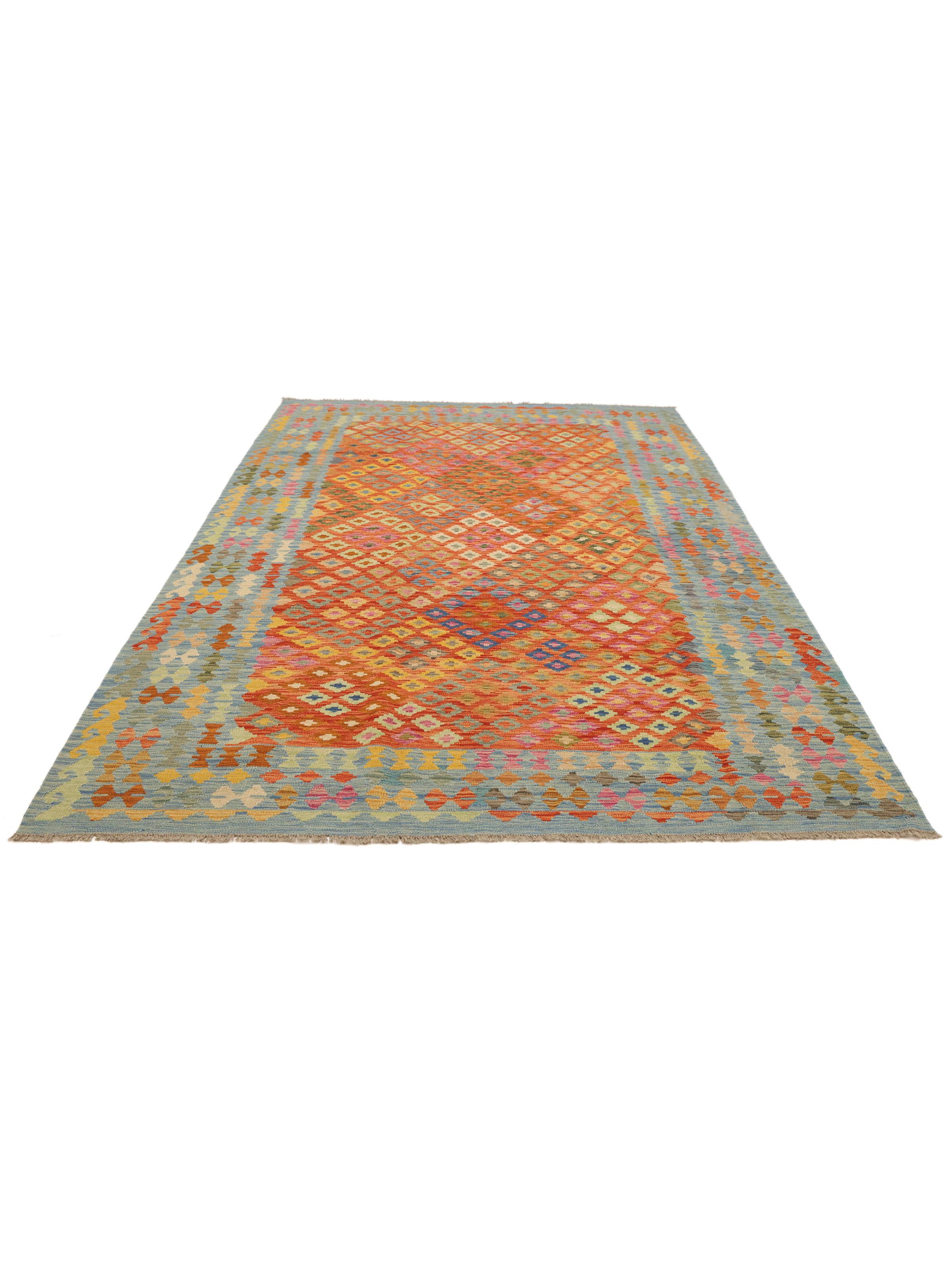
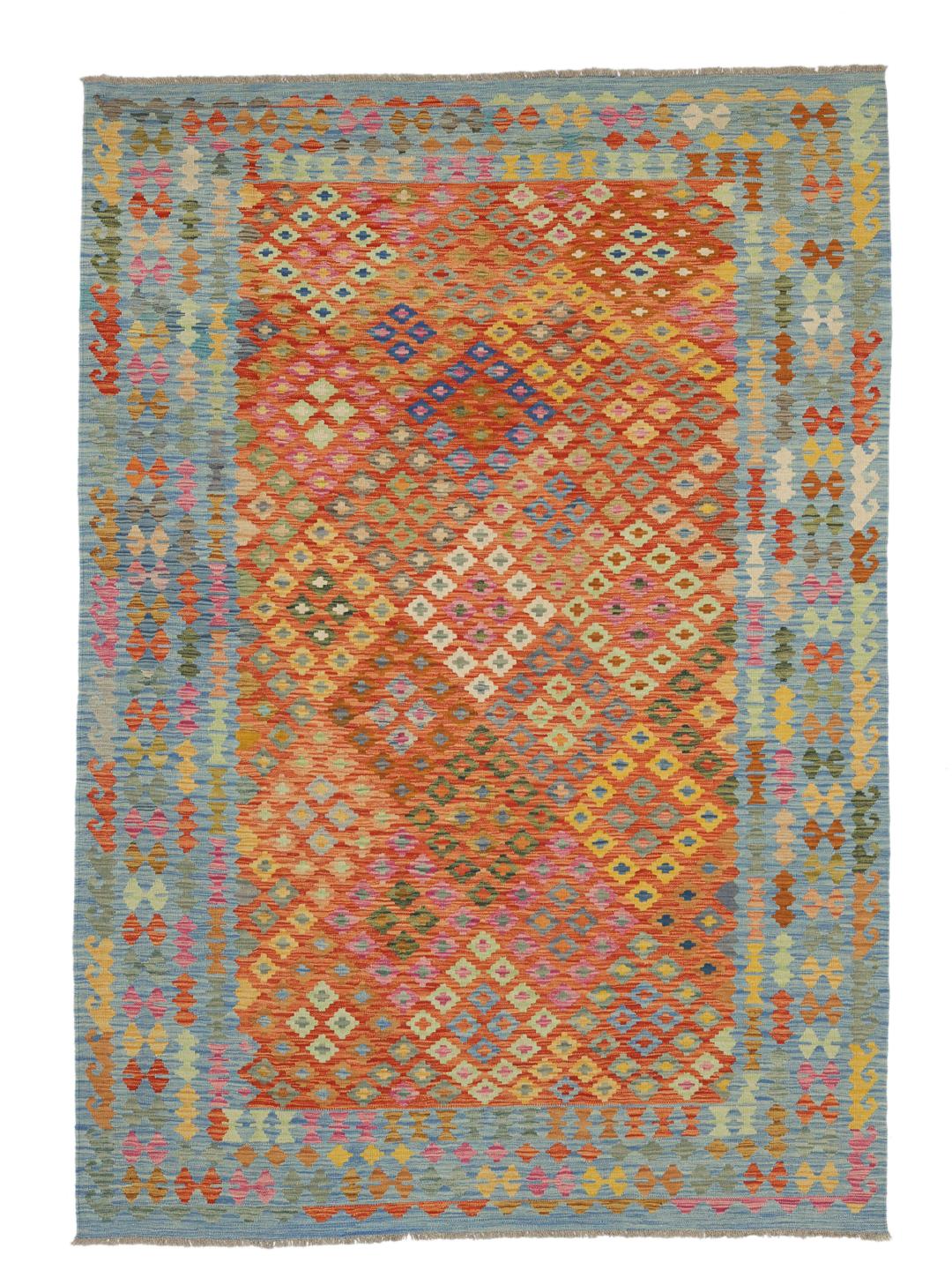
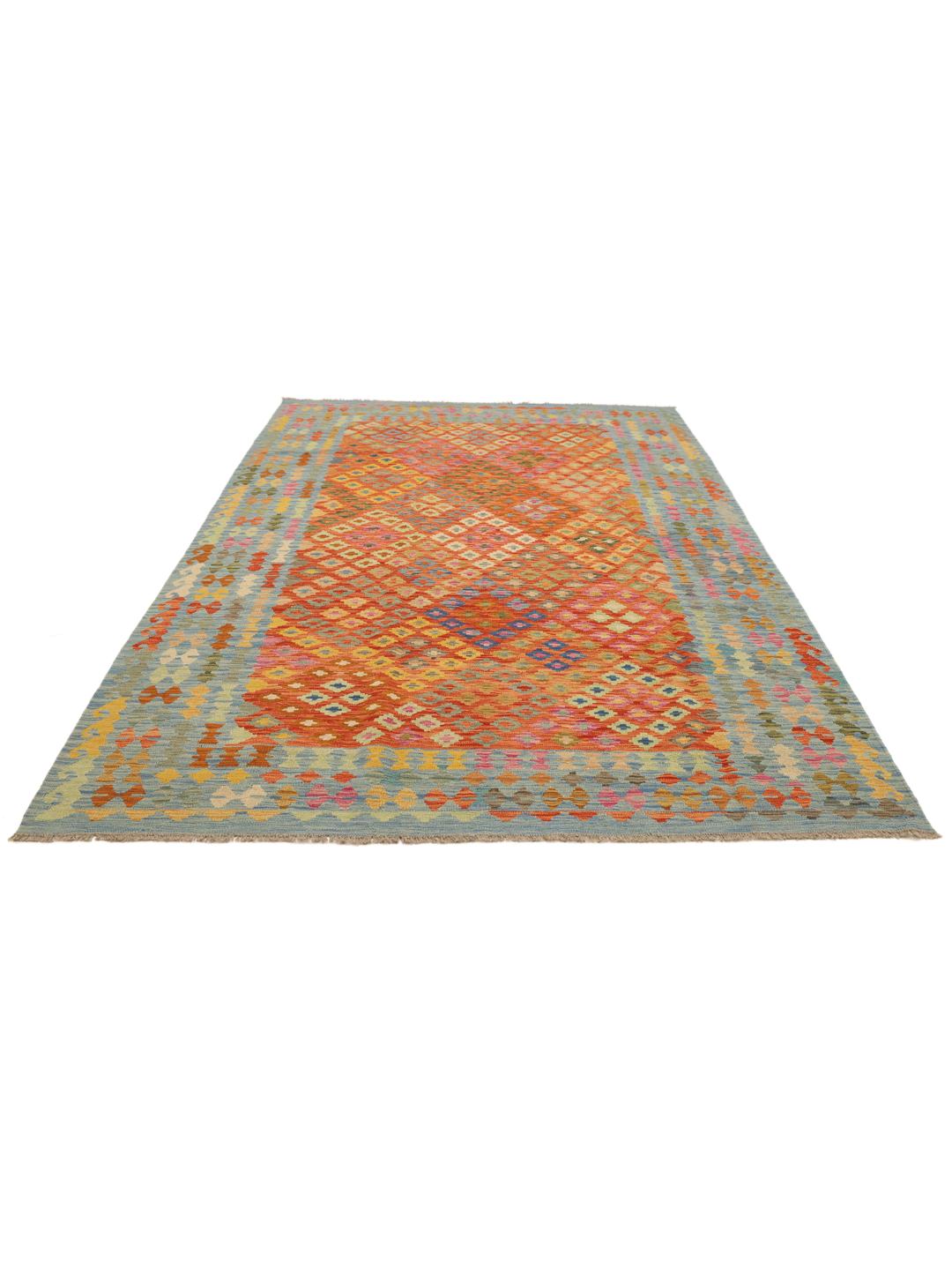
Kelim rugs have been a cornerstone of life in the Middle East for centuries, serving as both functional floor coverings and decorative expressions of tribal identity. Traditionally, these flat-woven textiles were created by nomadic and semi-nomadic groups to provide warmth and comfort in tents, as well as to serve as storage bags and blankets.
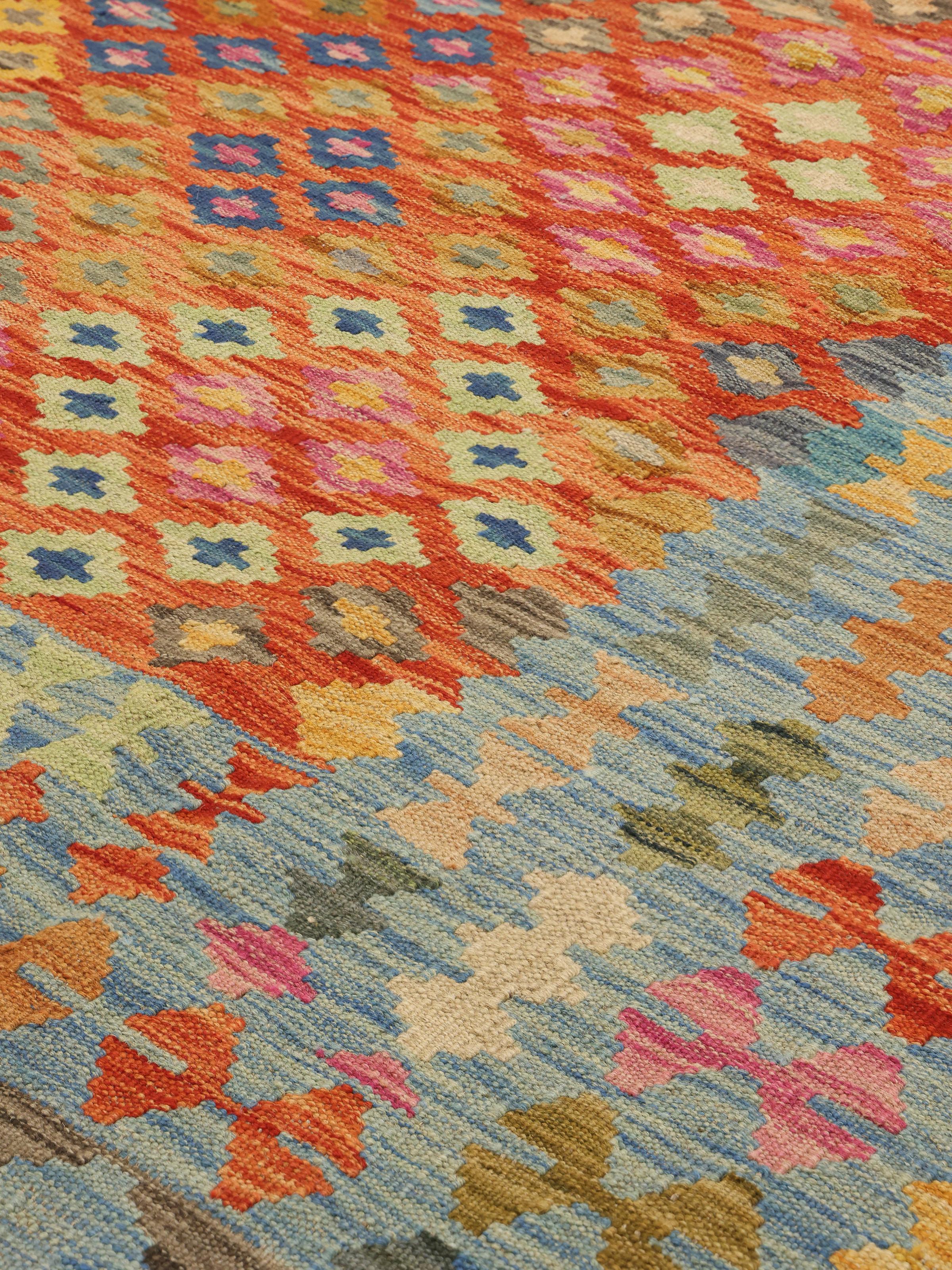
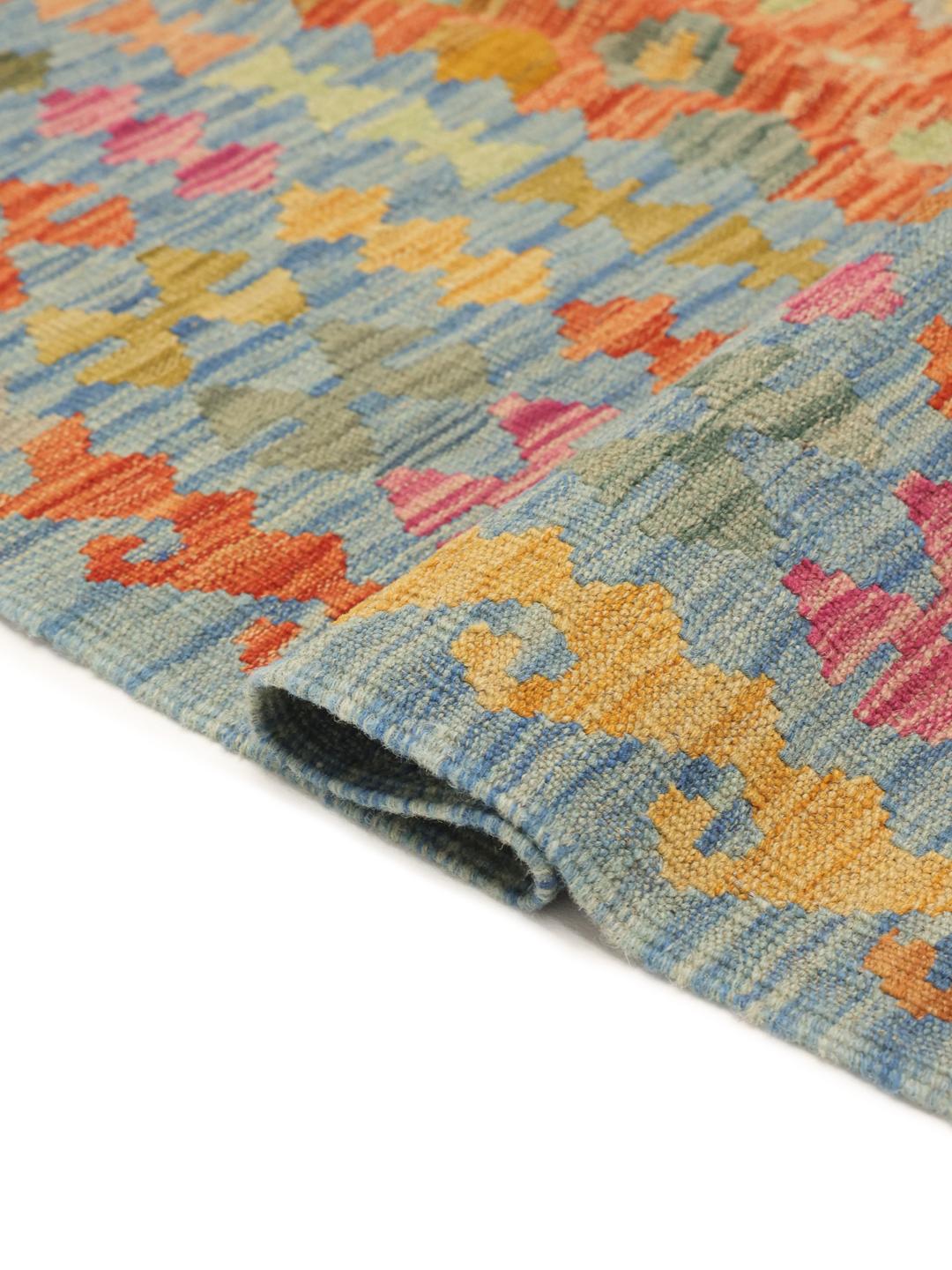
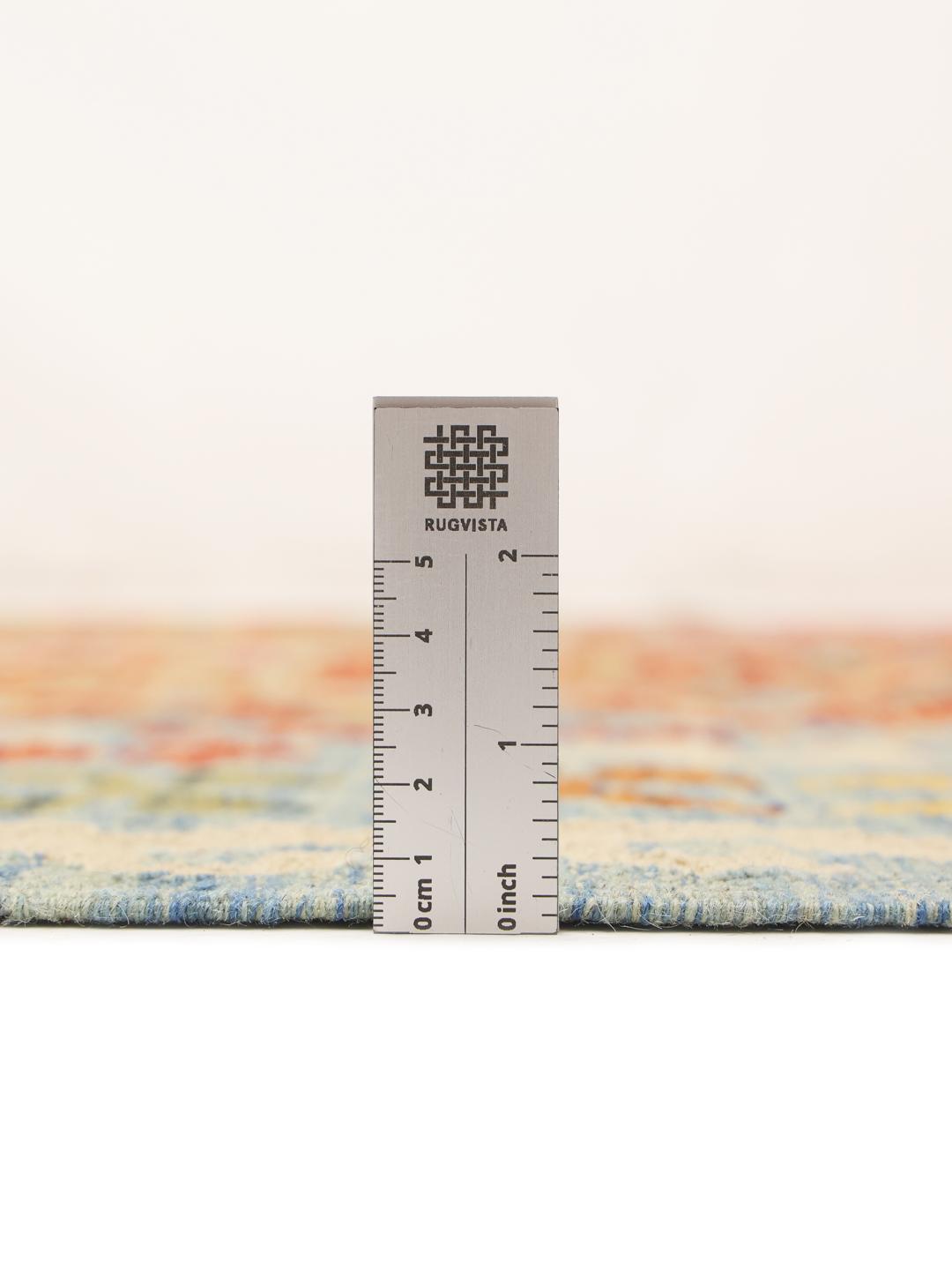
The term 'Kelim' refers to the specific slit-weave technique used to create these rugs. Unlike pile rugs, Kelims have no knots; instead, the pattern is created by interlocking the coloured threads of the weft. This method results in a thinner, lighter rug that is highly reversible and exceptionally durable, making it ideal for the practical needs of nomadic life.
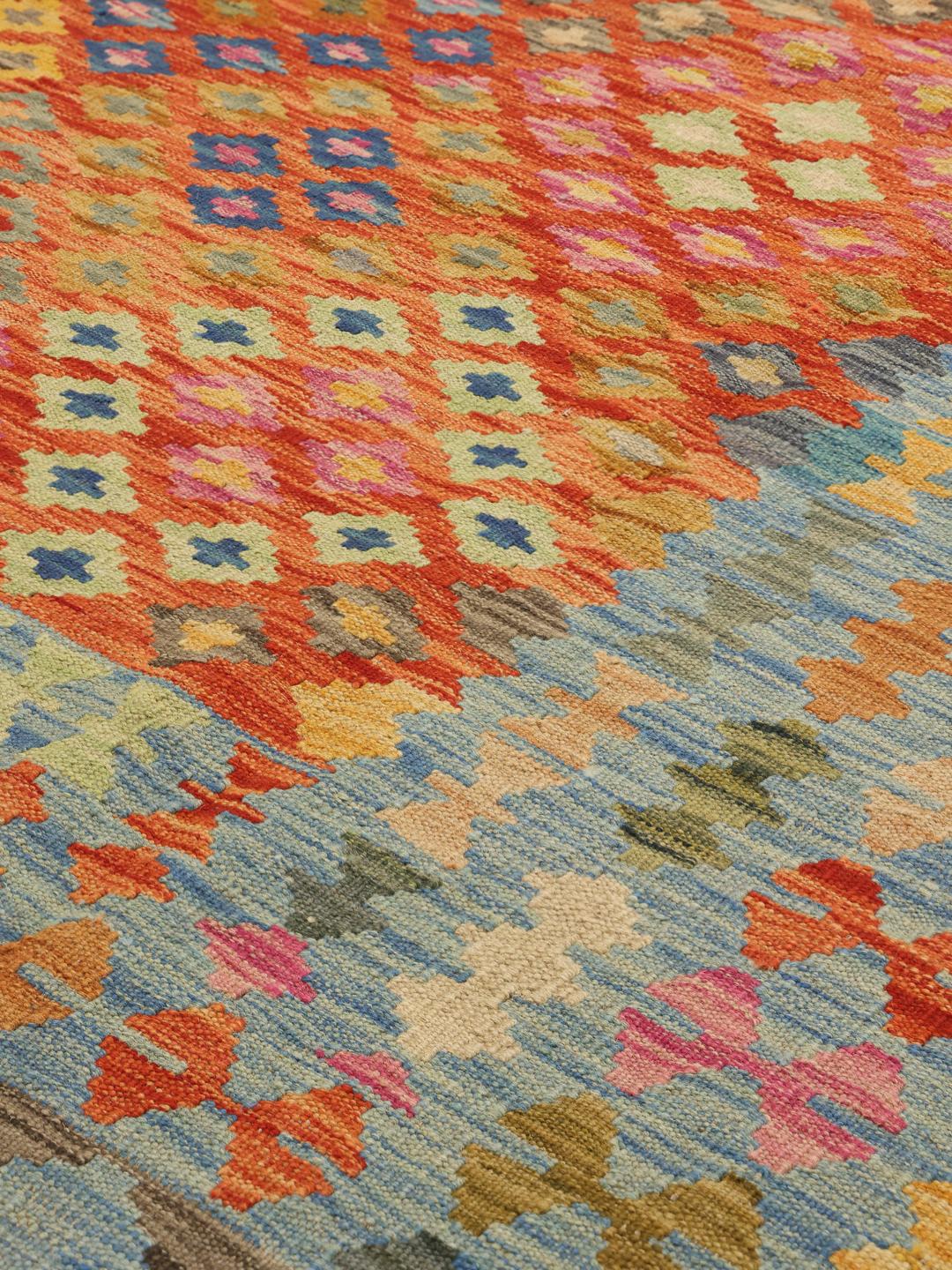
The visual language of the Kelim Afghan is defined by its bold geometric motifs, often featuring diamonds, triangles, and stylized floral elements. These patterns are not merely aesthetic, but often carry symbolic meanings related to protection, fertility, and the weaver's environment. The use of vibrant, natural dyes and complex borders is a hallmark of this tradition, reflecting the artistic spirit of the region.
Today, these rugs are highly prized by collectors for their cultural significance and the stories woven into their threads. Owning a Kelim Afghan is an opportunity to preserve a piece of living history, as it represents a centuries-old craft that continues to be passed down through generations of skilled artisans.