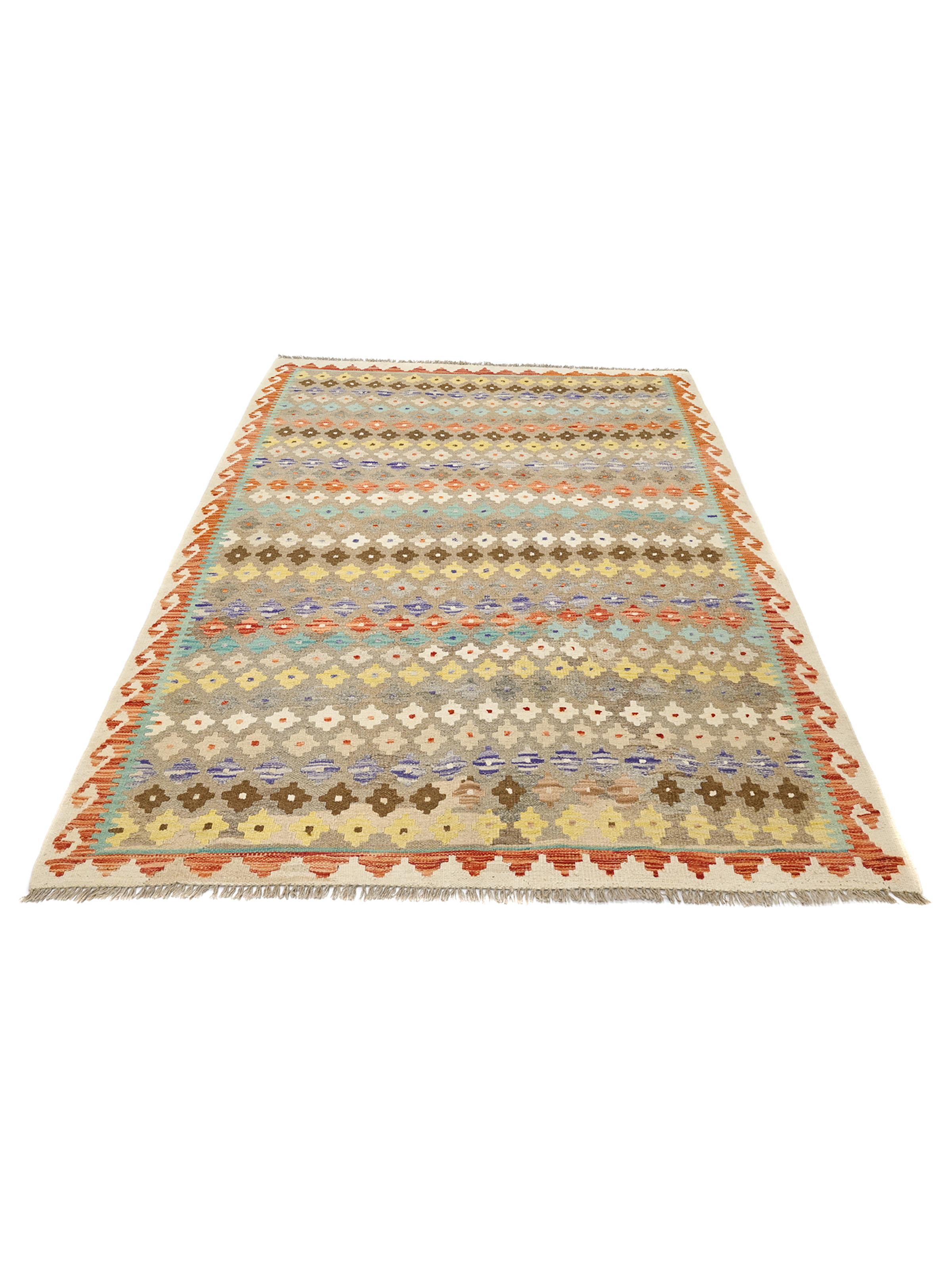
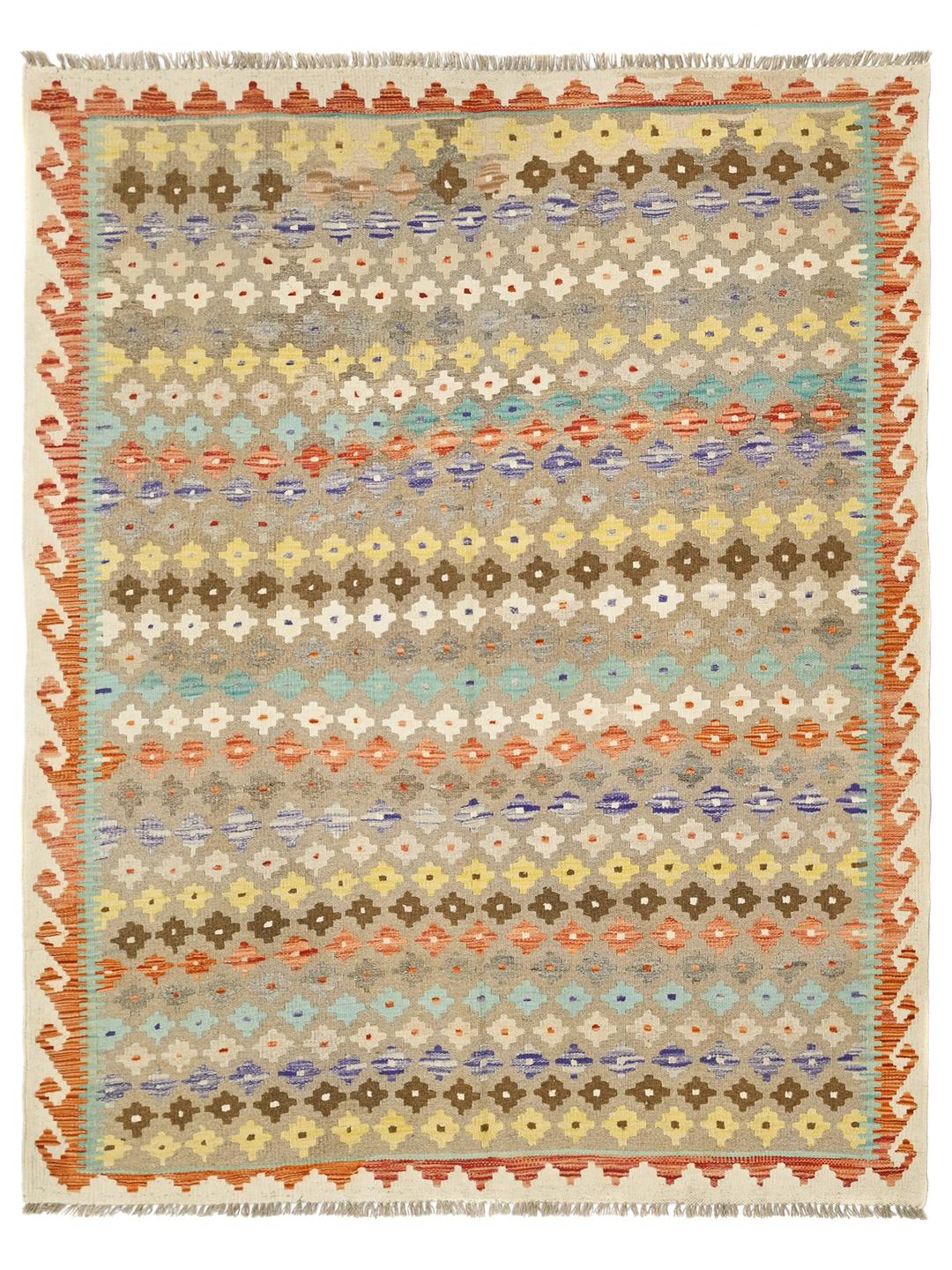
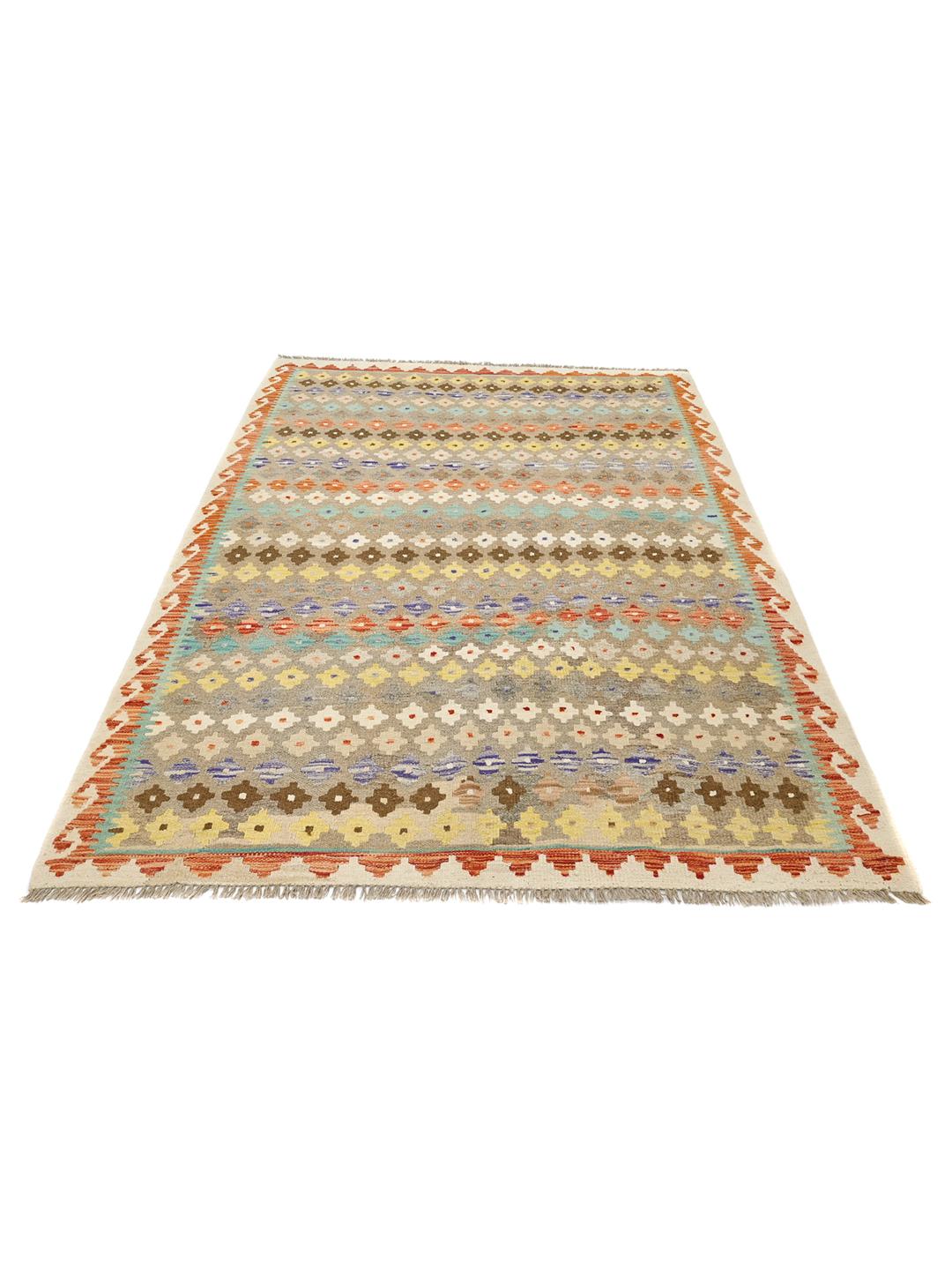
The Kelim Afghan Old Style rug emerges from a long-standing tradition of flat-woven textiles in the Middle East, particularly within the nomadic and village cultures of Afghanistan. These rugs were historically created as functional, portable floor coverings, room dividers, and storage bags, designed to meet the practical needs of life while reflecting the weaver's creative identity.
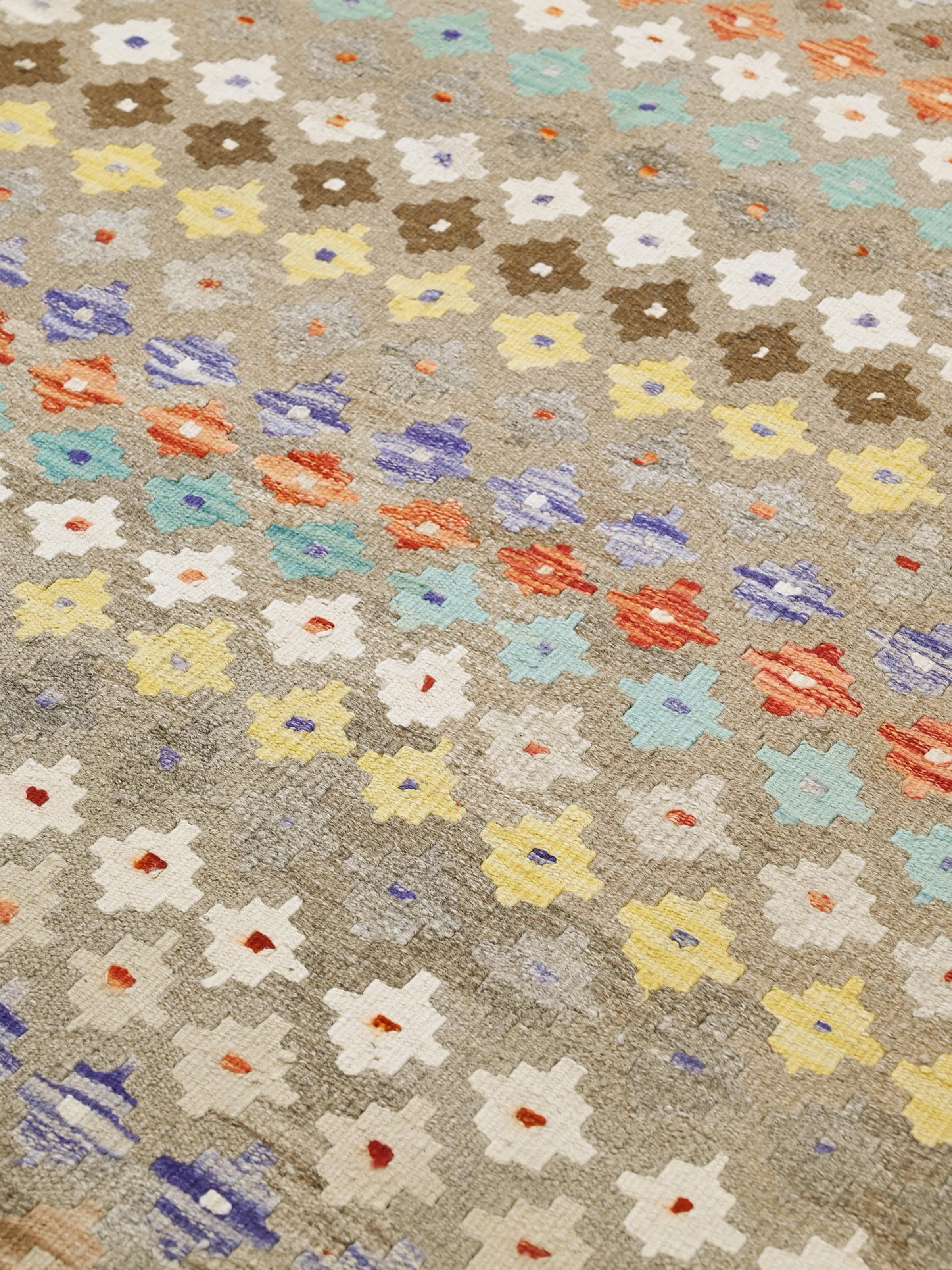
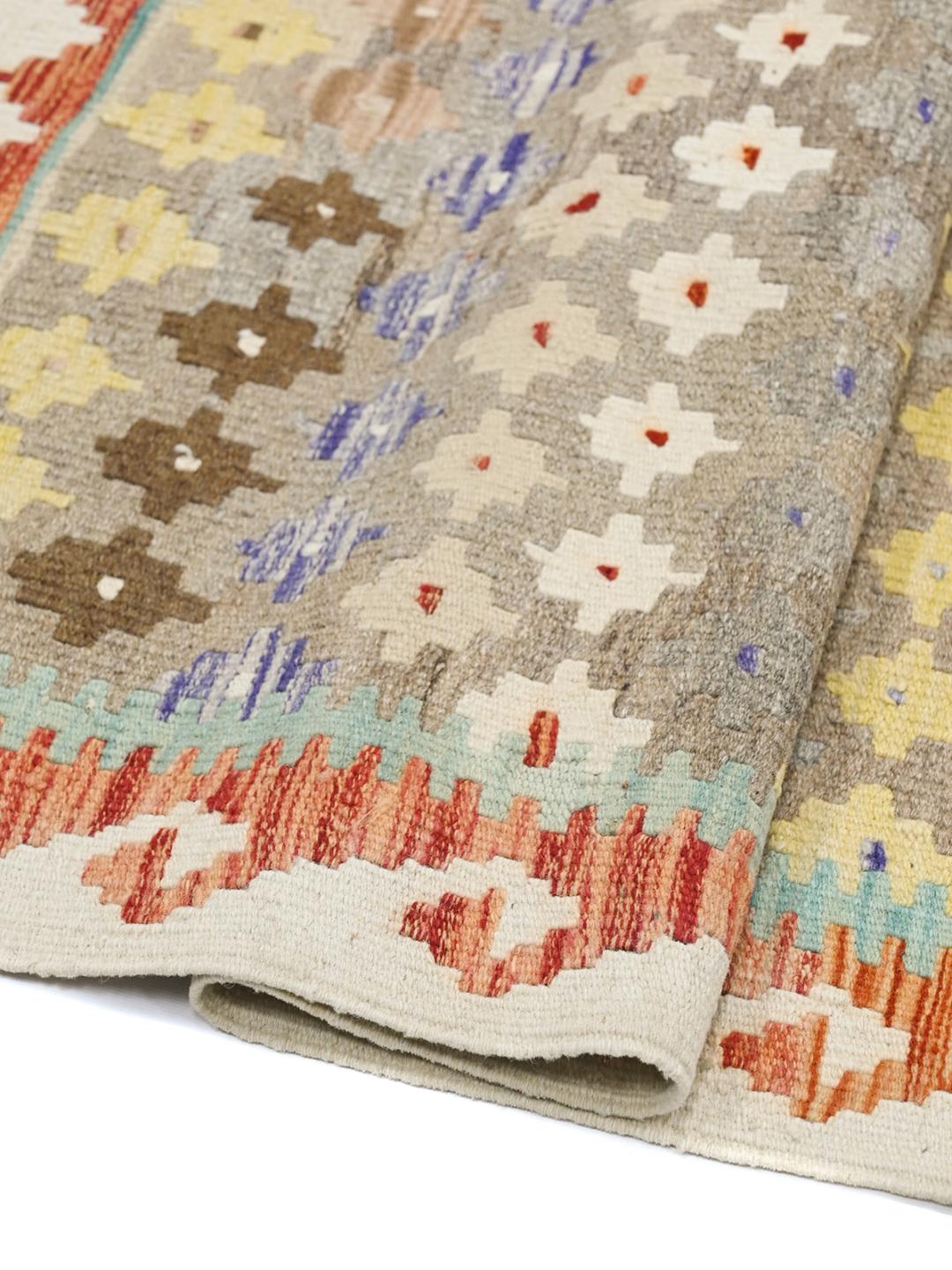
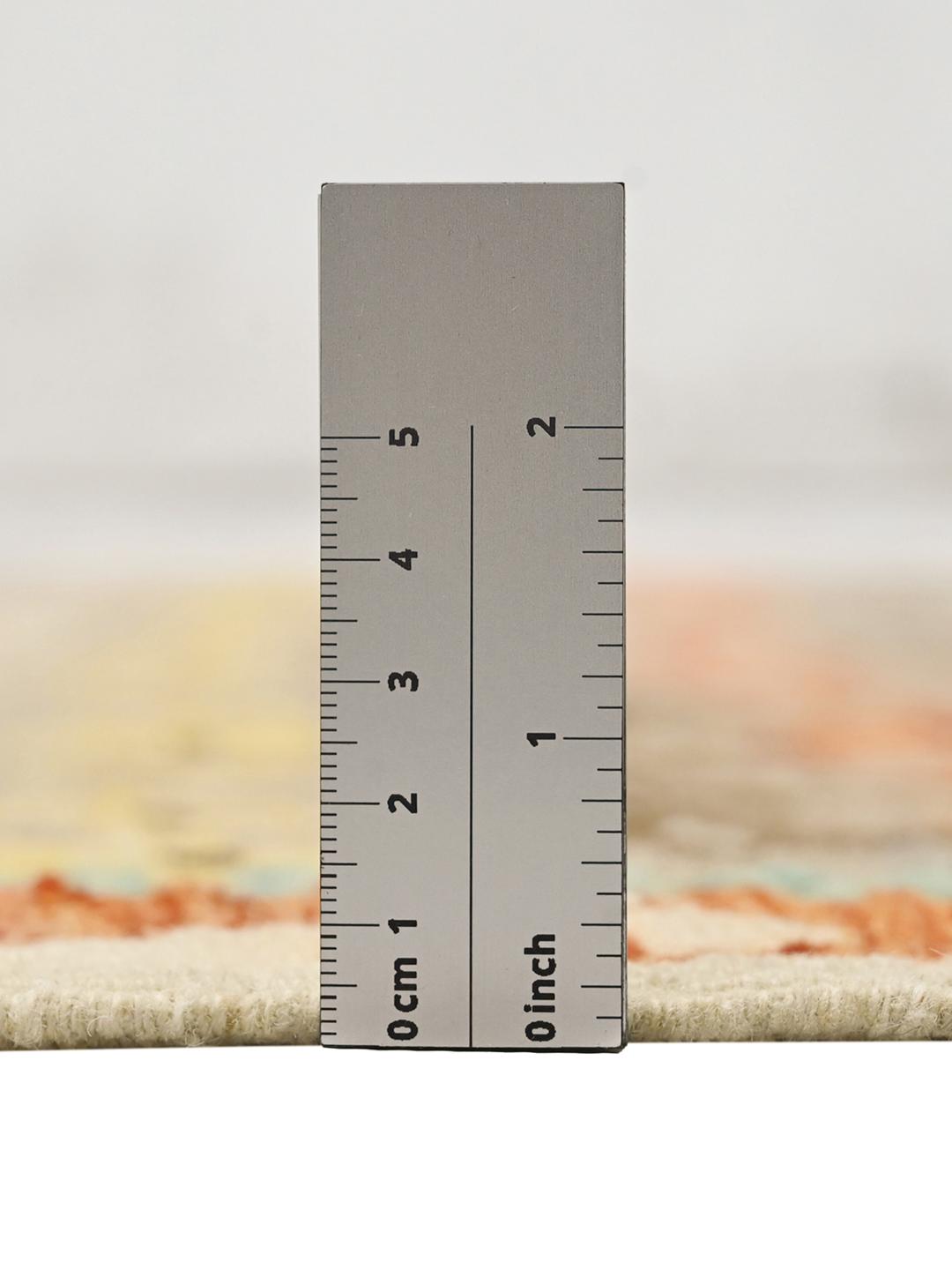
A kelim is distinguished by its flat-weave construction, meaning it is created by interlacing the warp and weft strands without the use of a pile. This technique produces a durable, reversible textile that is both lighter and thinner than traditional knotted rugs, making it a masterpiece of efficient and elegant design that has been perfected over centuries.
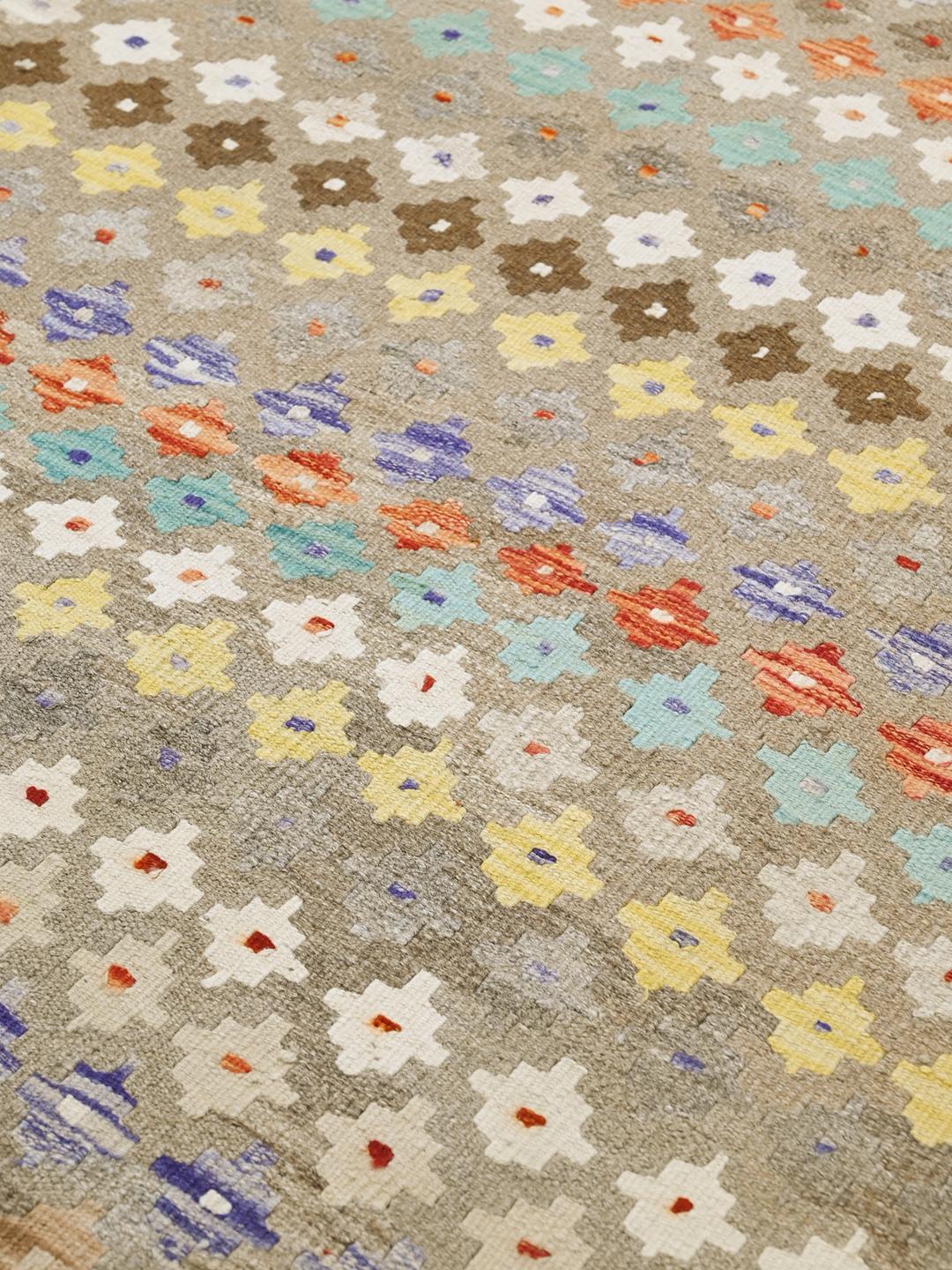
Visually, these pieces are defined by a geometric language that often includes diamonds, stripes, and stylized floral motifs arranged in repeating bands. The use of vibrant, natural-inspired colours is a hallmark of the Afghan tradition, where dyes were once derived from local plants and minerals. Each motif often holds symbolic meaning, representing elements of the landscape or tribal identity, which gives the rug a narrative quality.
Today, these rugs are highly sought after by collectors and interior enthusiasts for their ability to bridge the gap between ancient craft and modern living. Owning a piece from this tradition is an investment in cultural heritage, representing a level of skill and history that remains unmatched in the world of contemporary, mass-produced home decor.