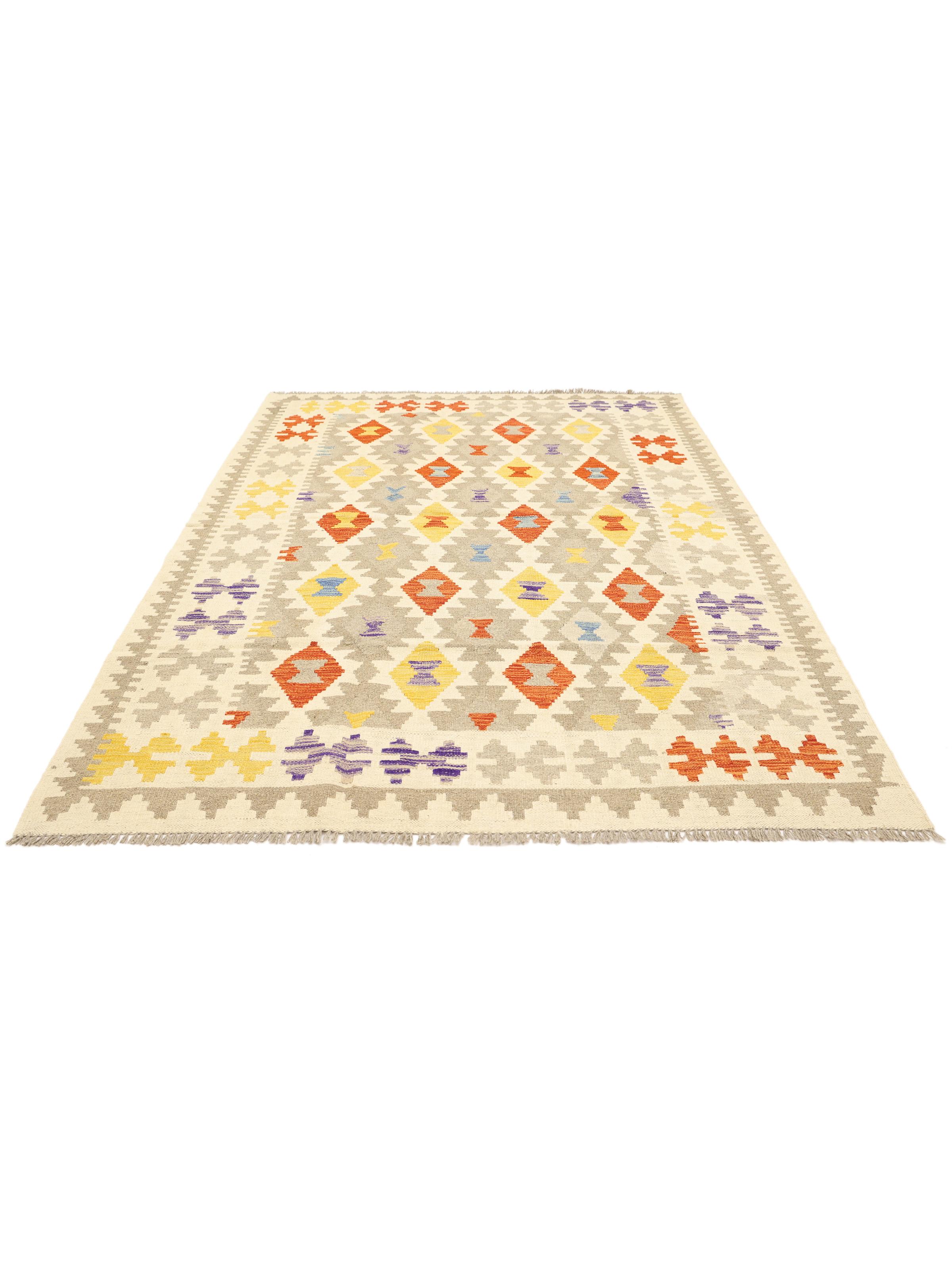
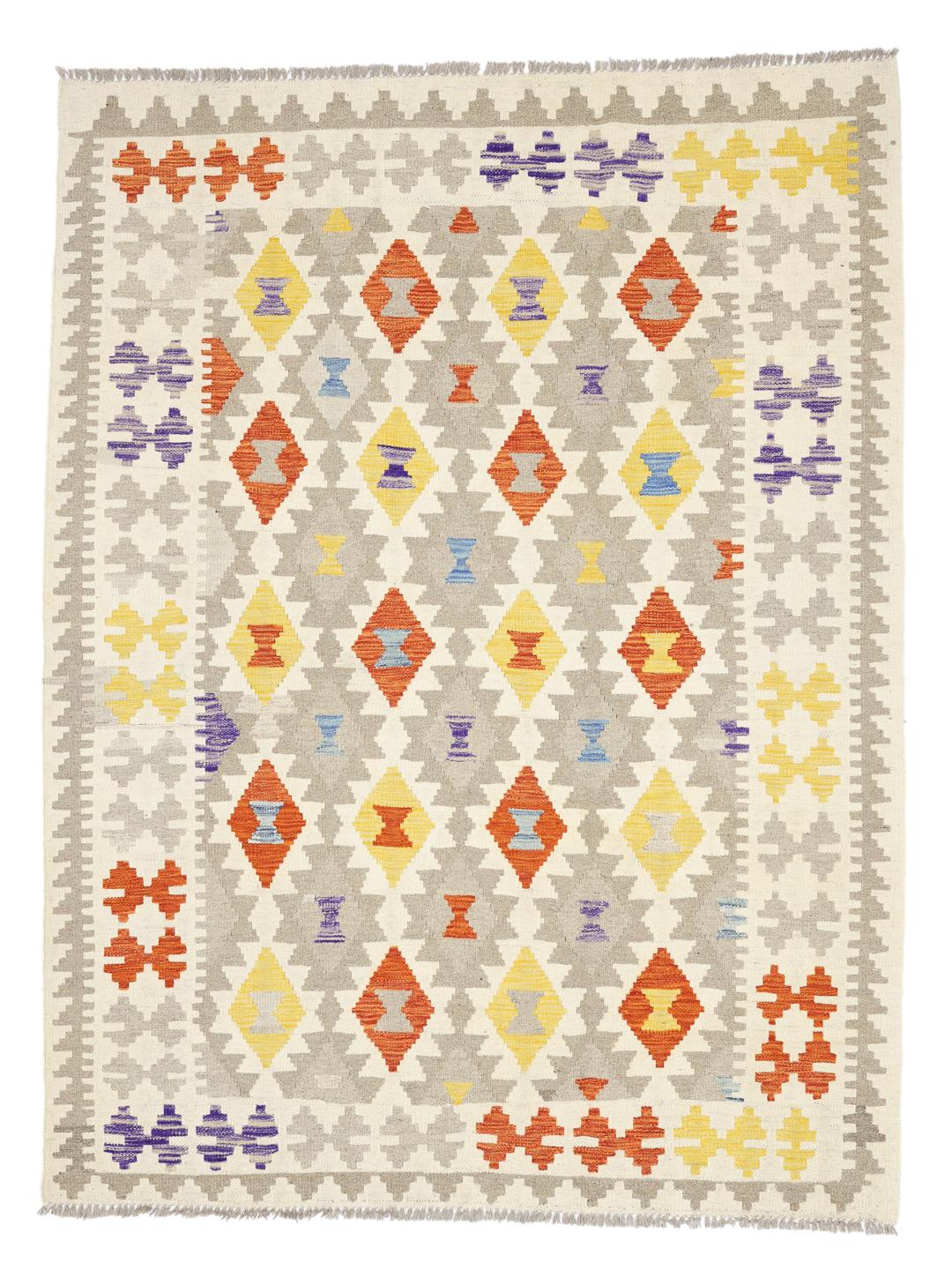
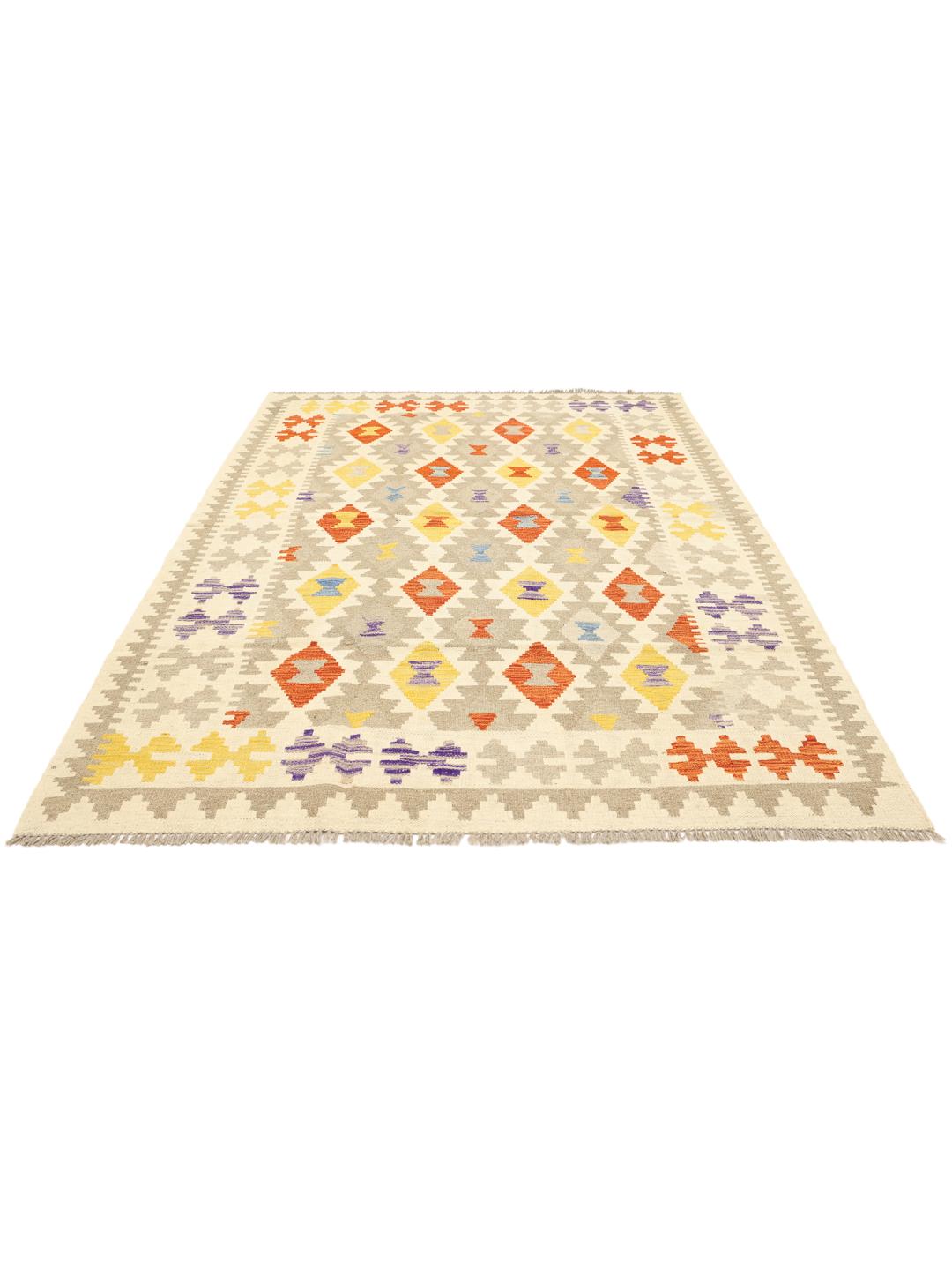
Kelim rugs from Afghanistan are deeply rooted in the nomadic traditions of the region, where weaving served as a functional necessity for daily life. These flat-woven textiles were originally designed to be portable, durable, and versatile, often serving as floor coverings, wall hangings, or storage bags in the tents of tribal families.
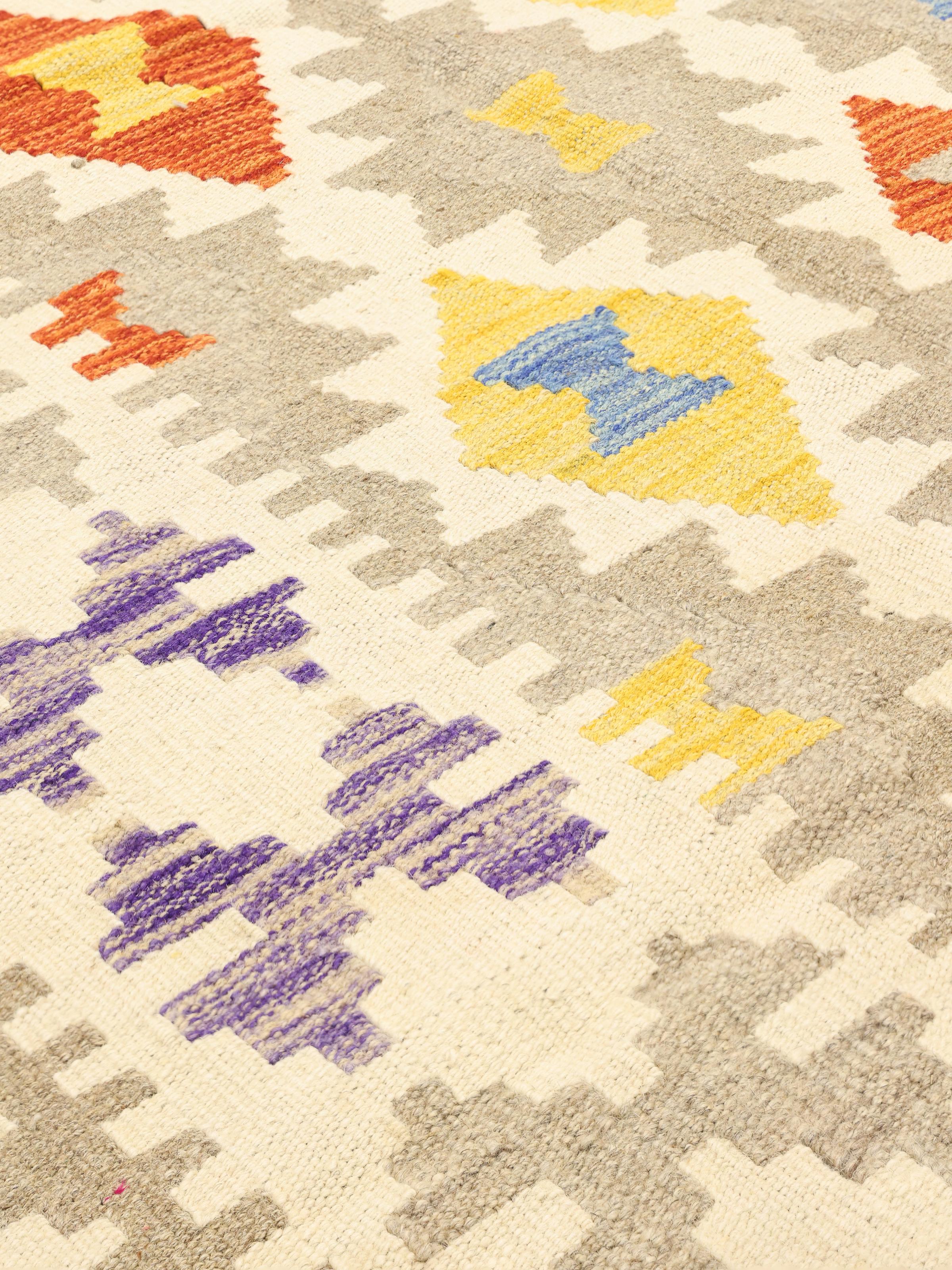
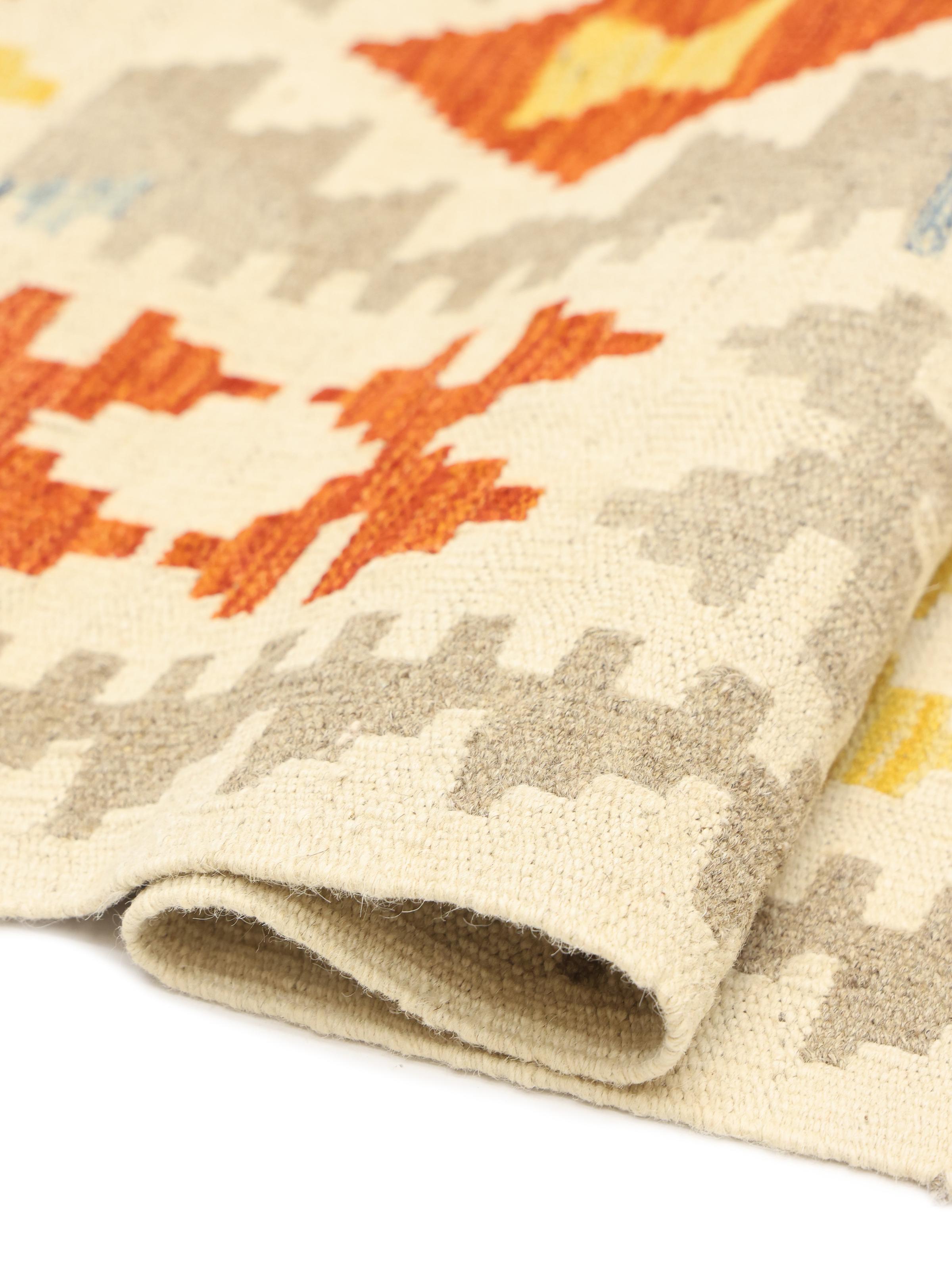
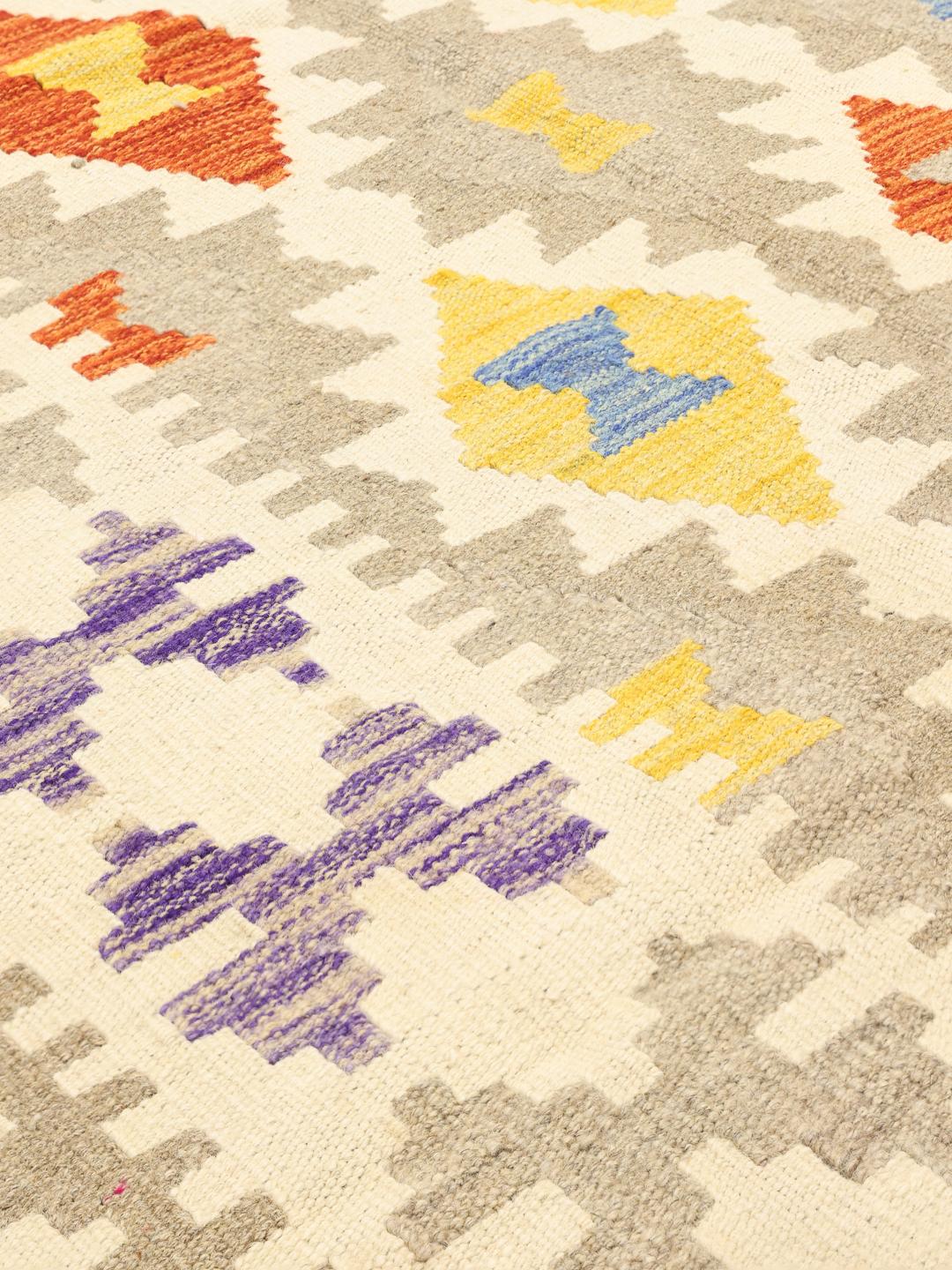
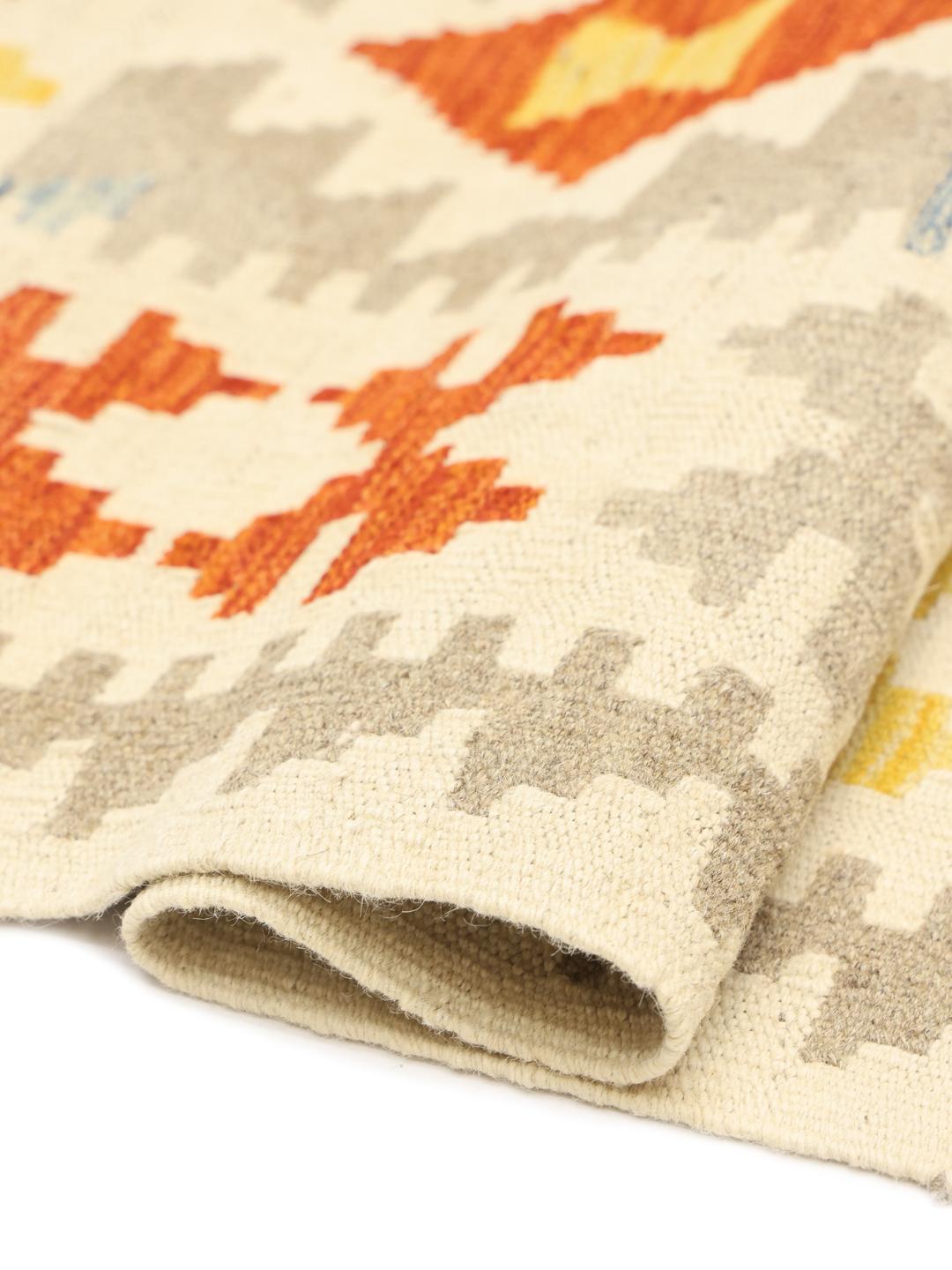
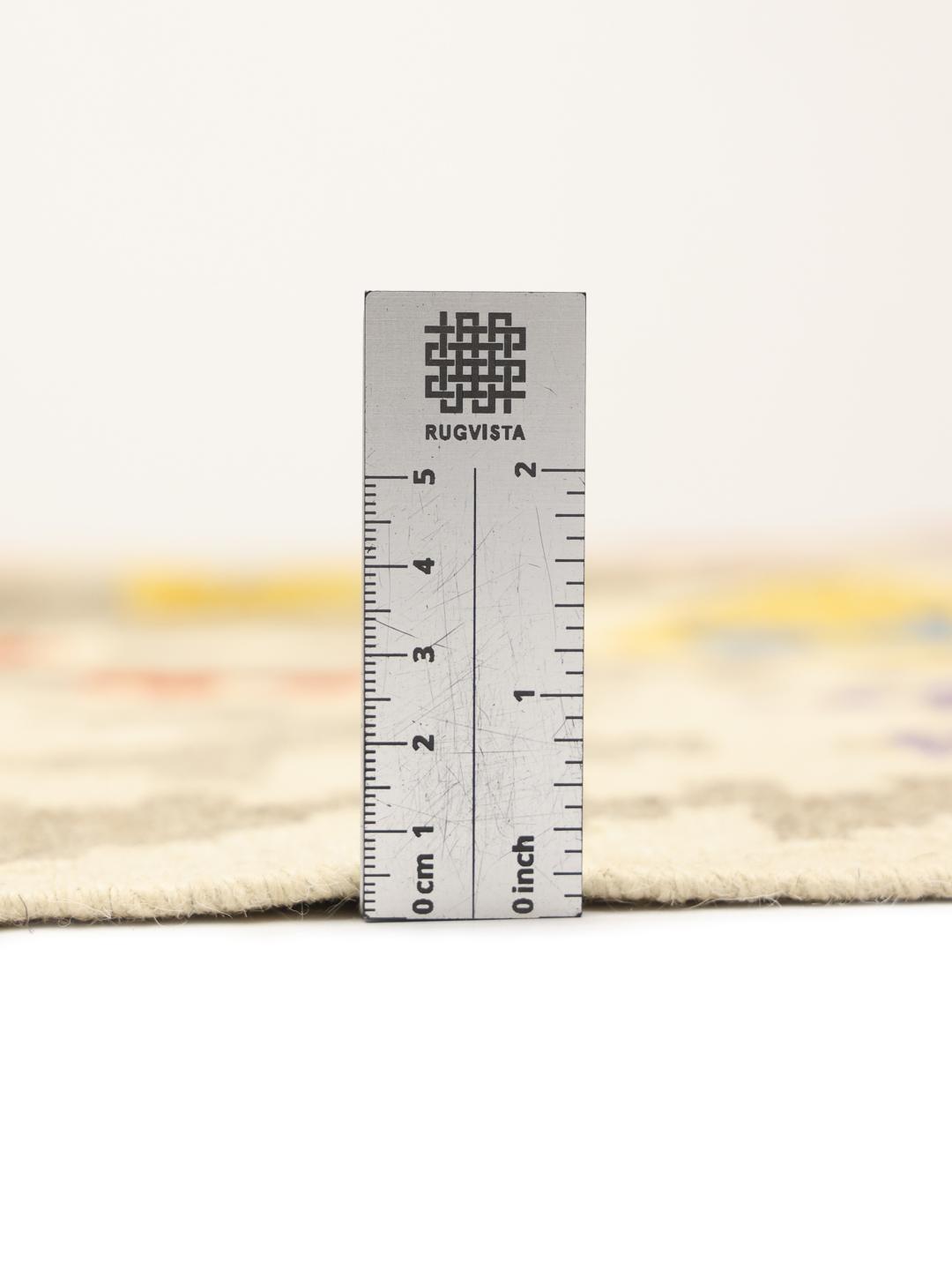
The term 'Kelim' refers to a specific tapestry-weave technique that lacks a pile, creating a clean, reversible surface. This method is highly prized for its clarity of design and the way it allows geometric patterns to be rendered with crisp, sharp edges that are difficult to achieve in knotted-pile rugs.
The signature design of this tradition often features repeating geometric motifs, such as diamonds and stylized symbols, which have been passed down through generations. These patterns are more than just decoration; they often act as a visual language reflecting the weaver's environment, beliefs, and regional heritage.
Collecting these rugs is an investment in cultural preservation. As modern life changes, the traditional techniques used to create these pieces are becoming rarer. Owning an Afghan Kelim means you are preserving a piece of history and celebrating the skill of artisans who keep these ancient, time-honoured traditions alive.