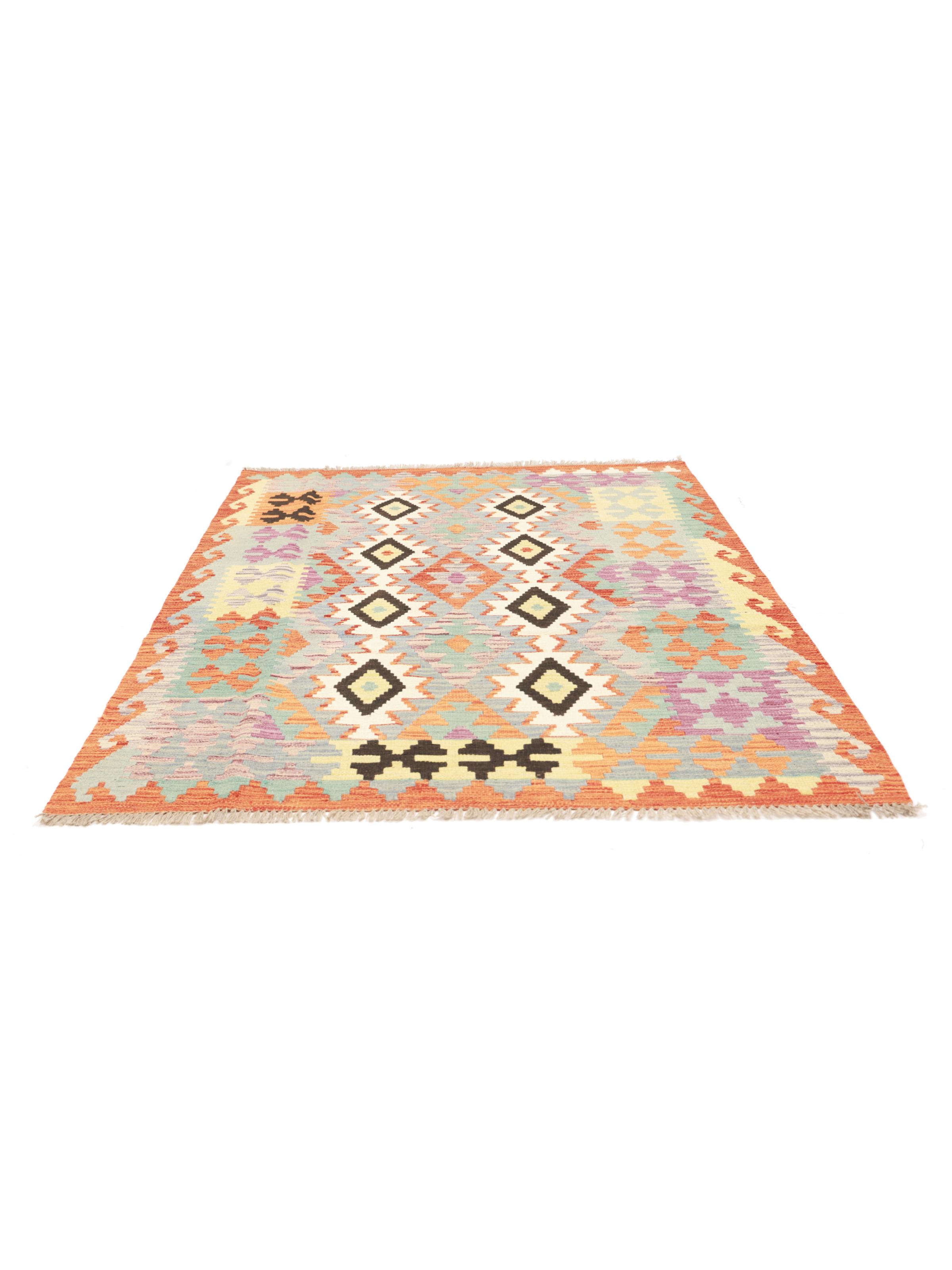
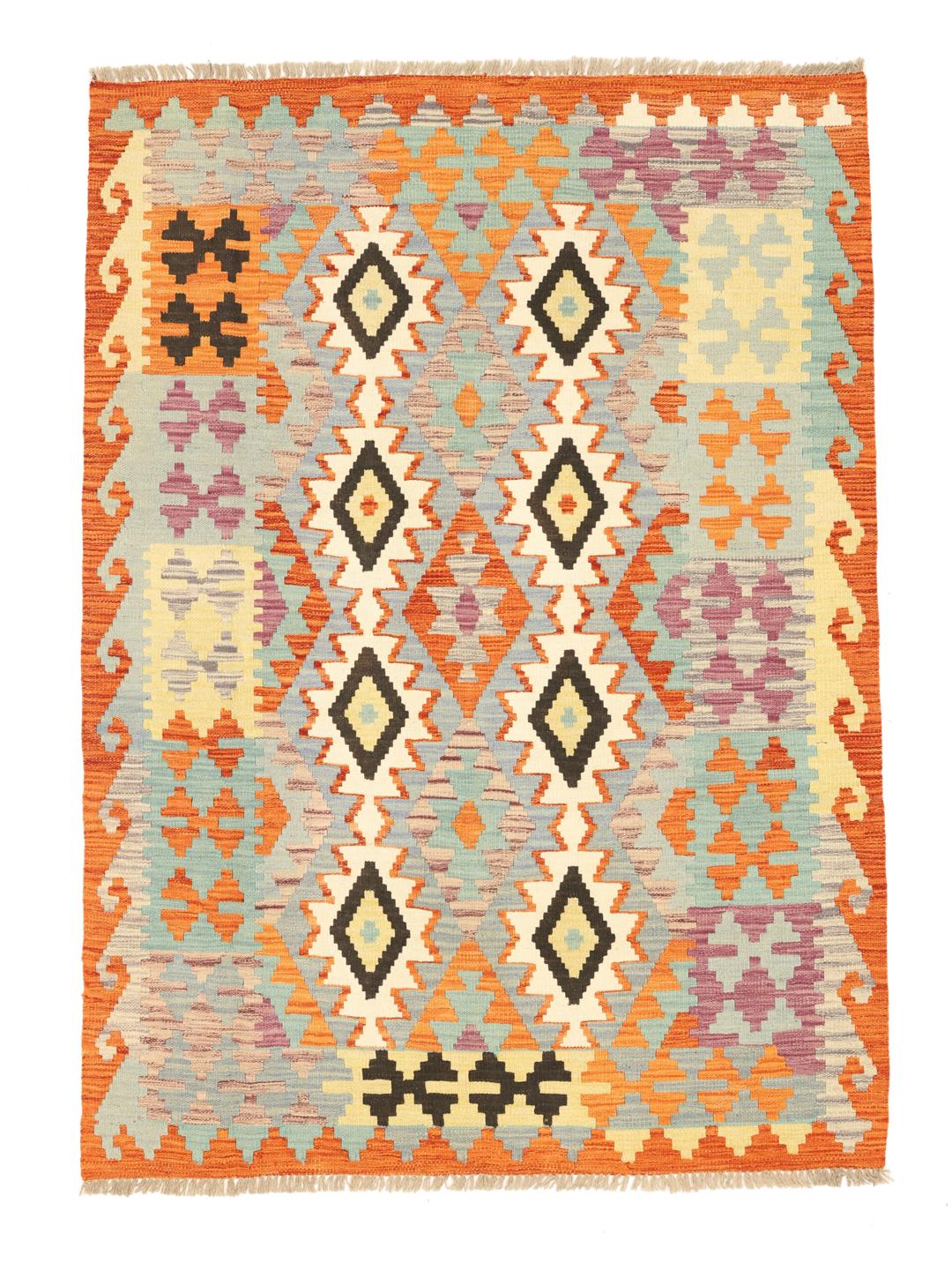
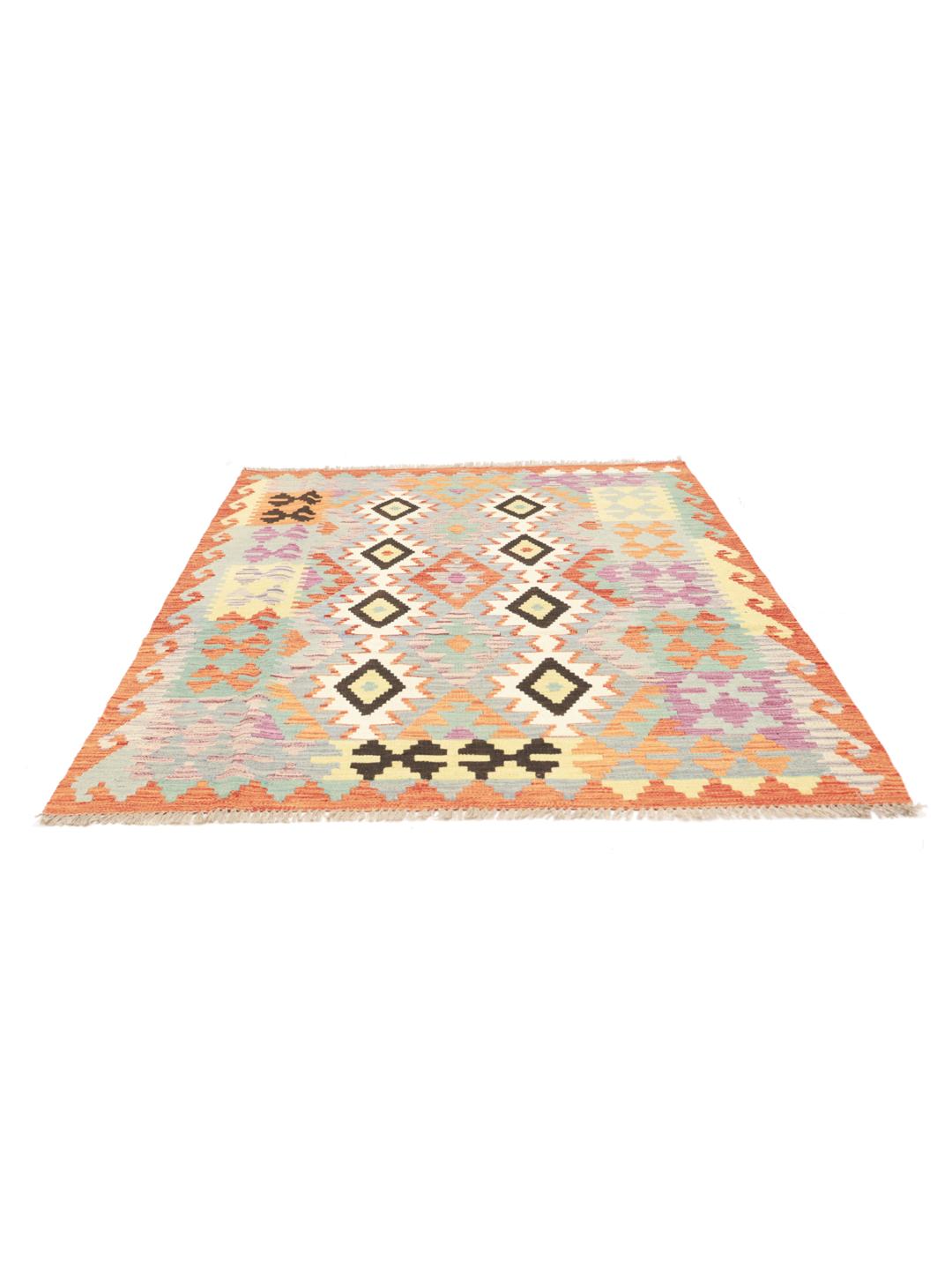
The Kelim Afghan Old Style rug finds its roots in the storied weaving traditions of Afghanistan, a region where textile production is deeply intertwined with daily life and cultural identity. For centuries, these flatweave rugs have been essential to nomadic and village life, serving as everything from floor coverings to storage bags and tent decorations. The migration of these techniques across the Middle East has allowed for a rich evolution of style, blending tribal influences with regional aesthetics.
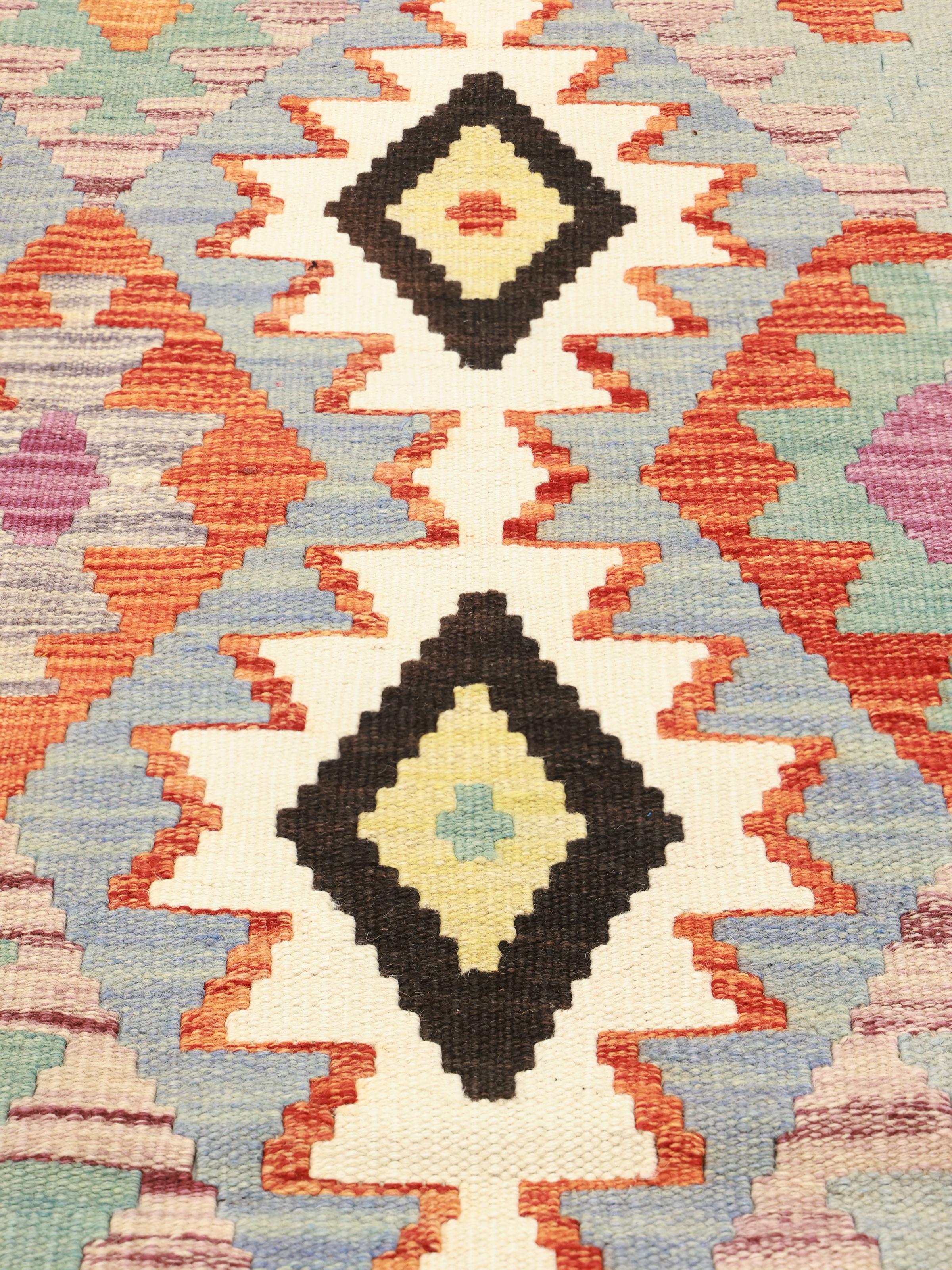
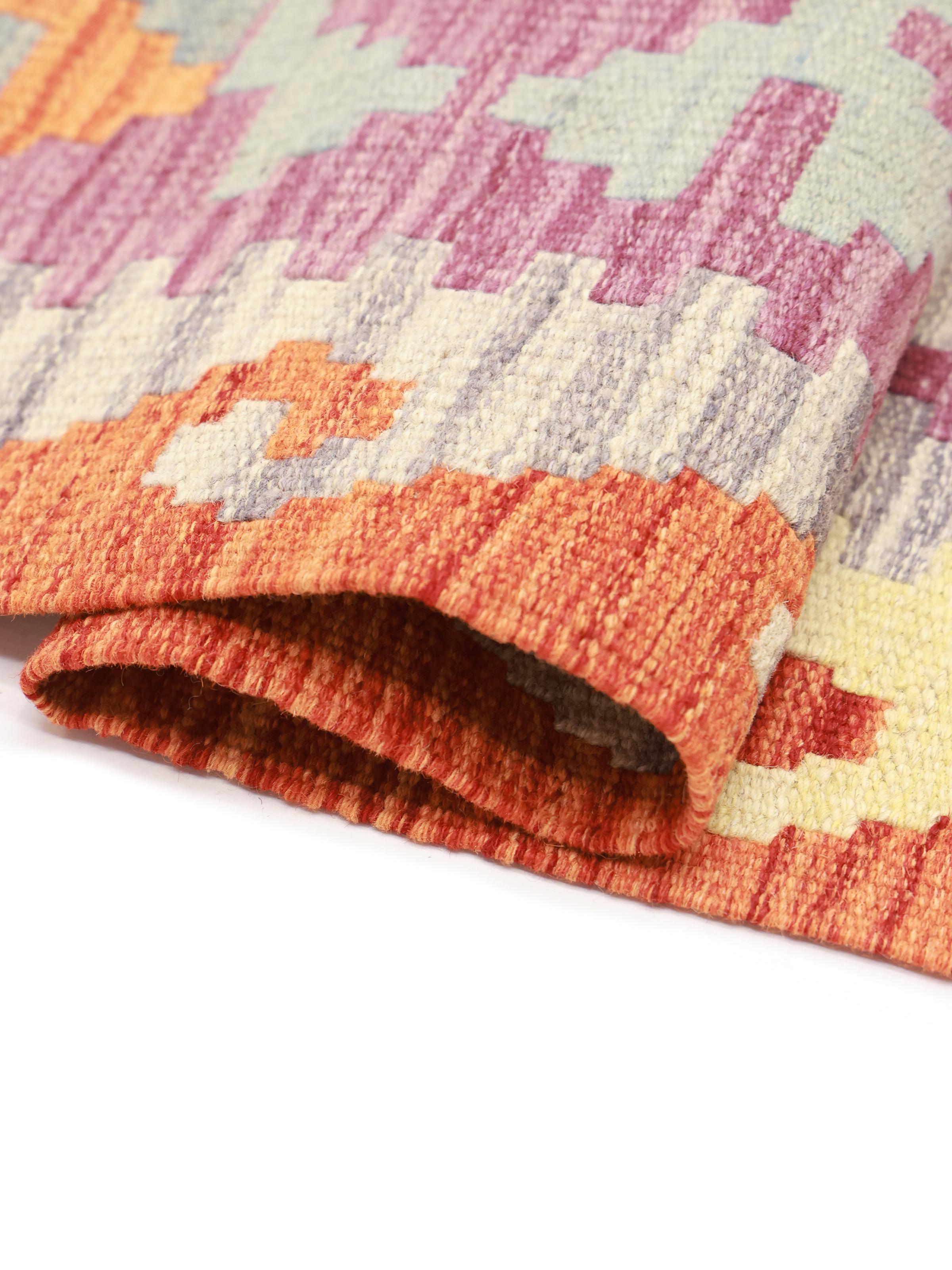
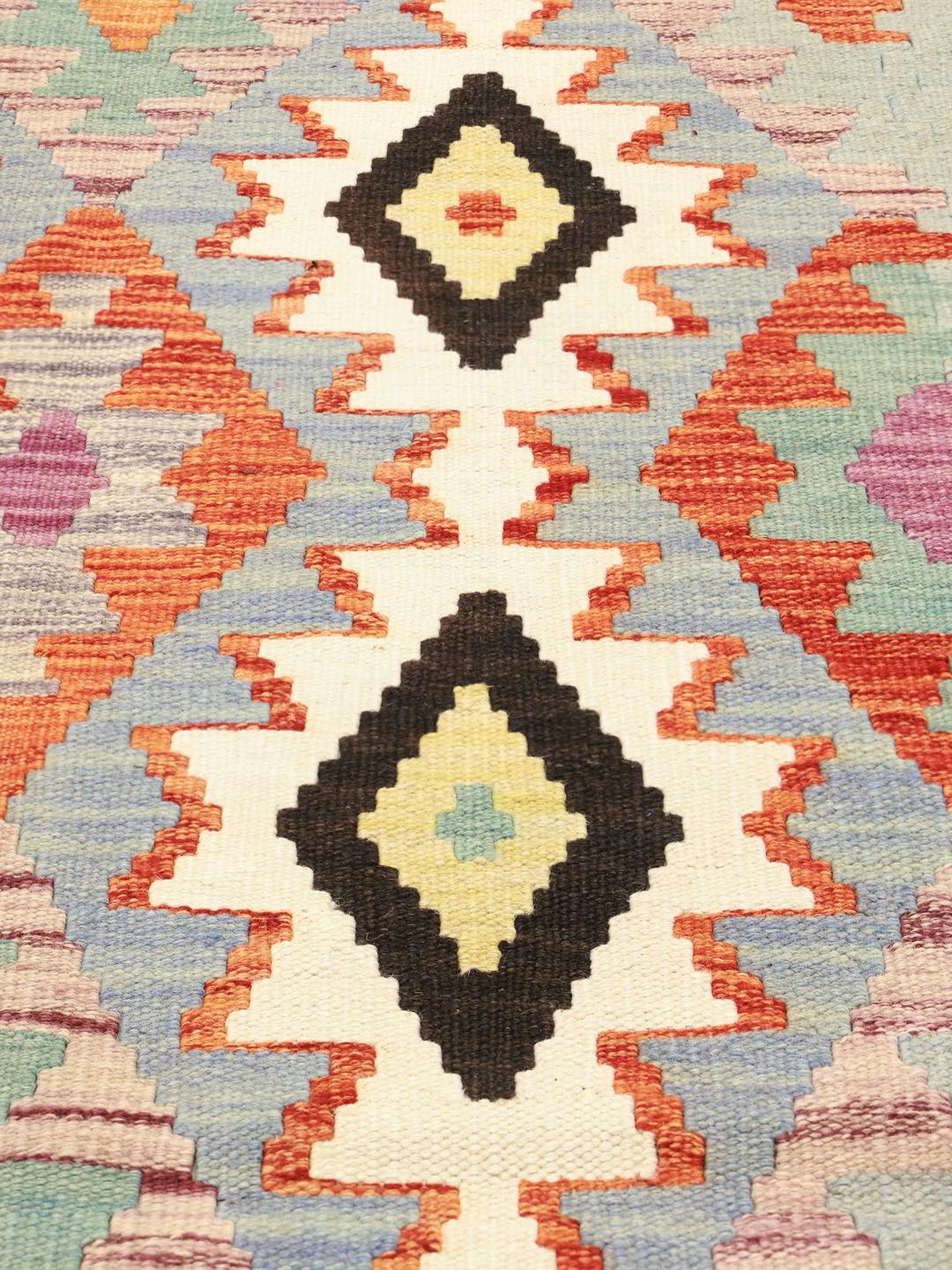
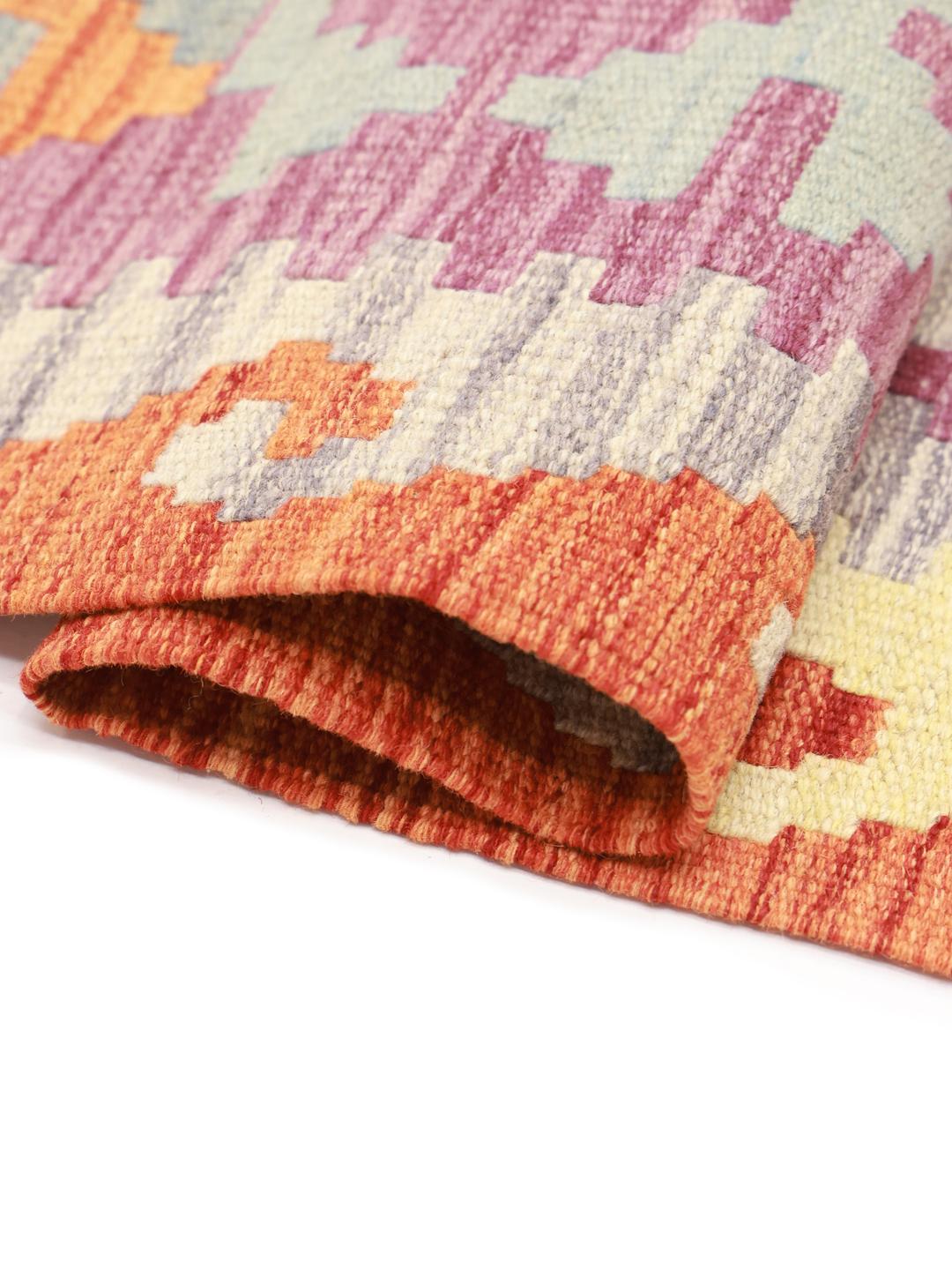
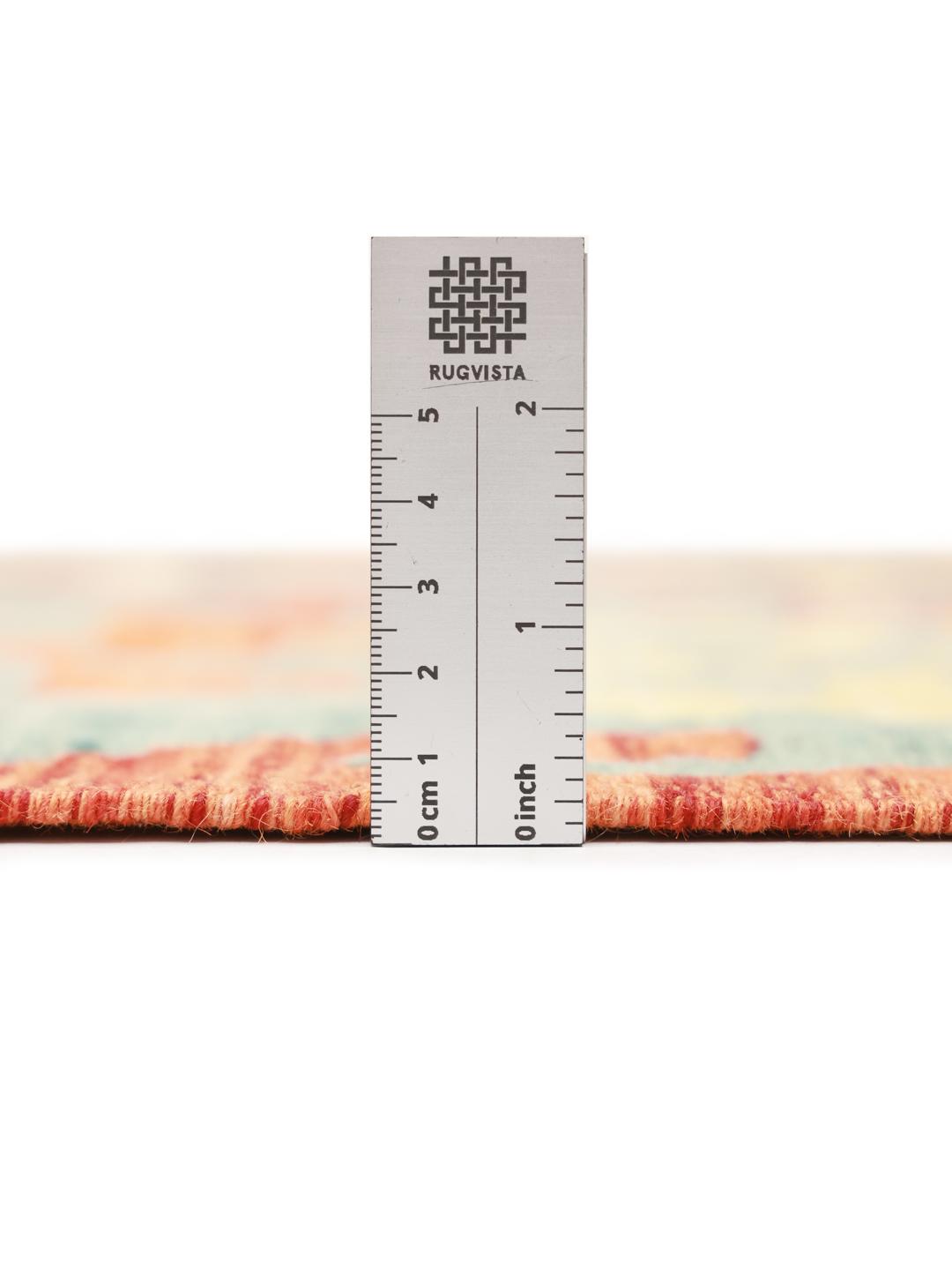
The term 'Kelim' refers specifically to the flatweave technique, where no pile is created. Instead, the weft threads are woven tightly over the warp threads to produce a smooth, durable surface. This method requires a high degree of precision, as the patterns are formed by the colours of the weft threads themselves. This technical approach results in a lighter, more flexible rug that is highly valued for its portability and versatility in various interior settings.
Signature design elements of this tradition often feature bold geometric motifs, such as diamonds, triangles, and stylized floral or animal forms. These patterns are typically arranged in symmetrical grids or rows, framed by intricate, multi-layered borders. The use of vibrant, earthy tones—often derived from natural dyes—is a hallmark of the style, giving the rugs an evocative look that bridges the gap between historical heritage and modern living.
Collecting a Kelim is an investment in cultural heritage and human skill. These rugs are not merely decorative; they are symbols of a slow, thoughtful way of life that prizes longevity and beauty. By owning one, you are preserving a craft that has been passed down through generations, ensuring that these meaningful stories continue to be told within the walls of your home.