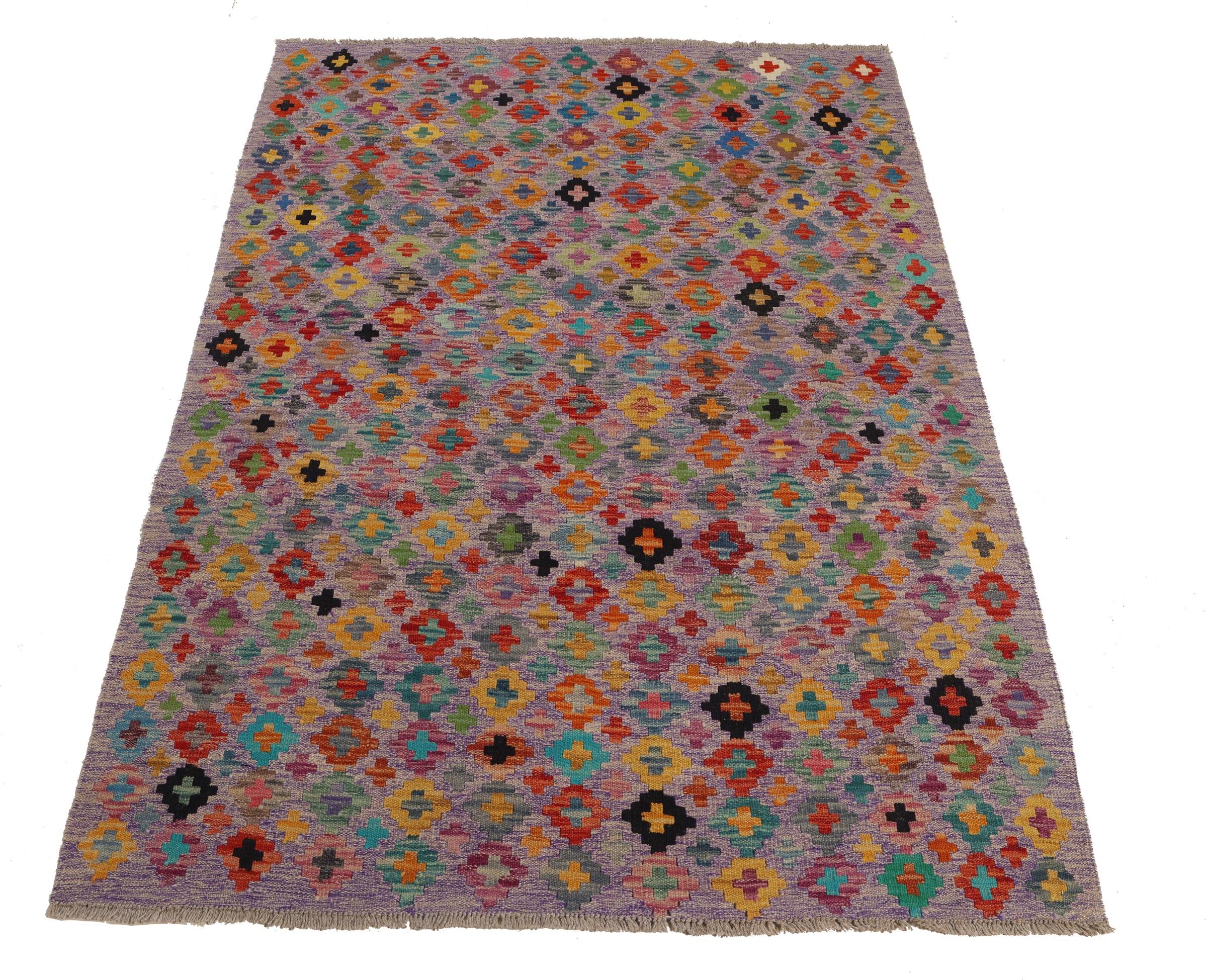
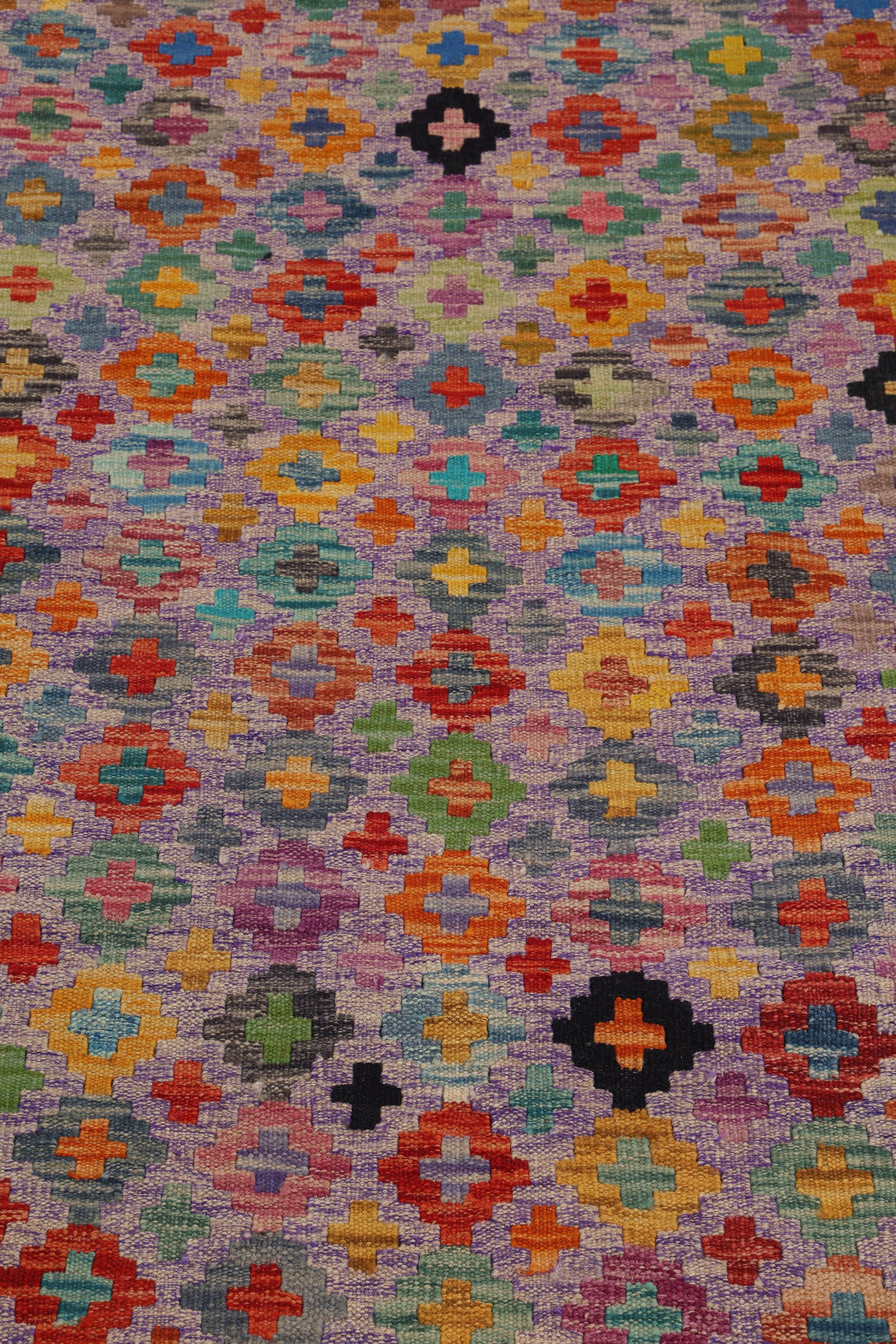
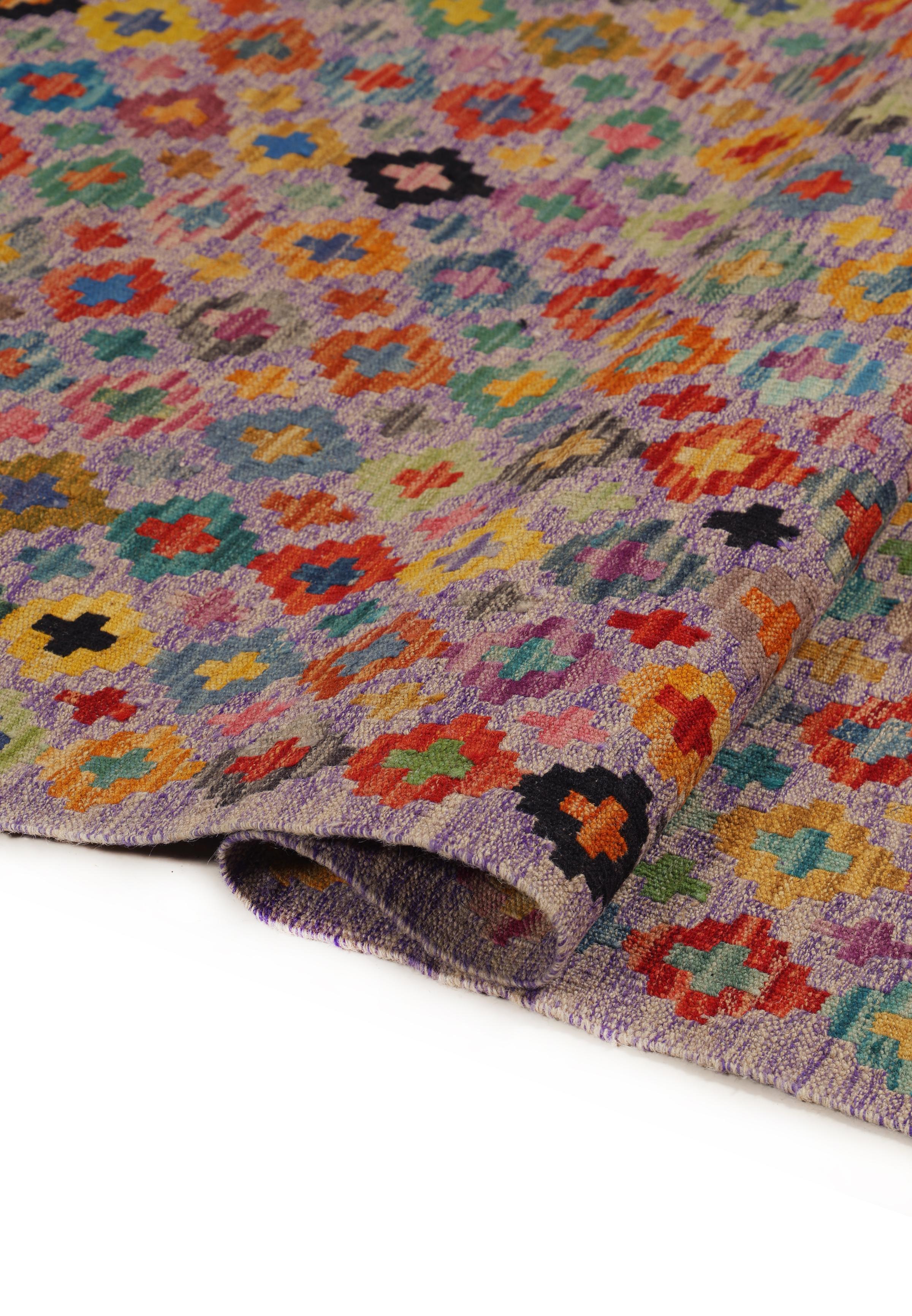
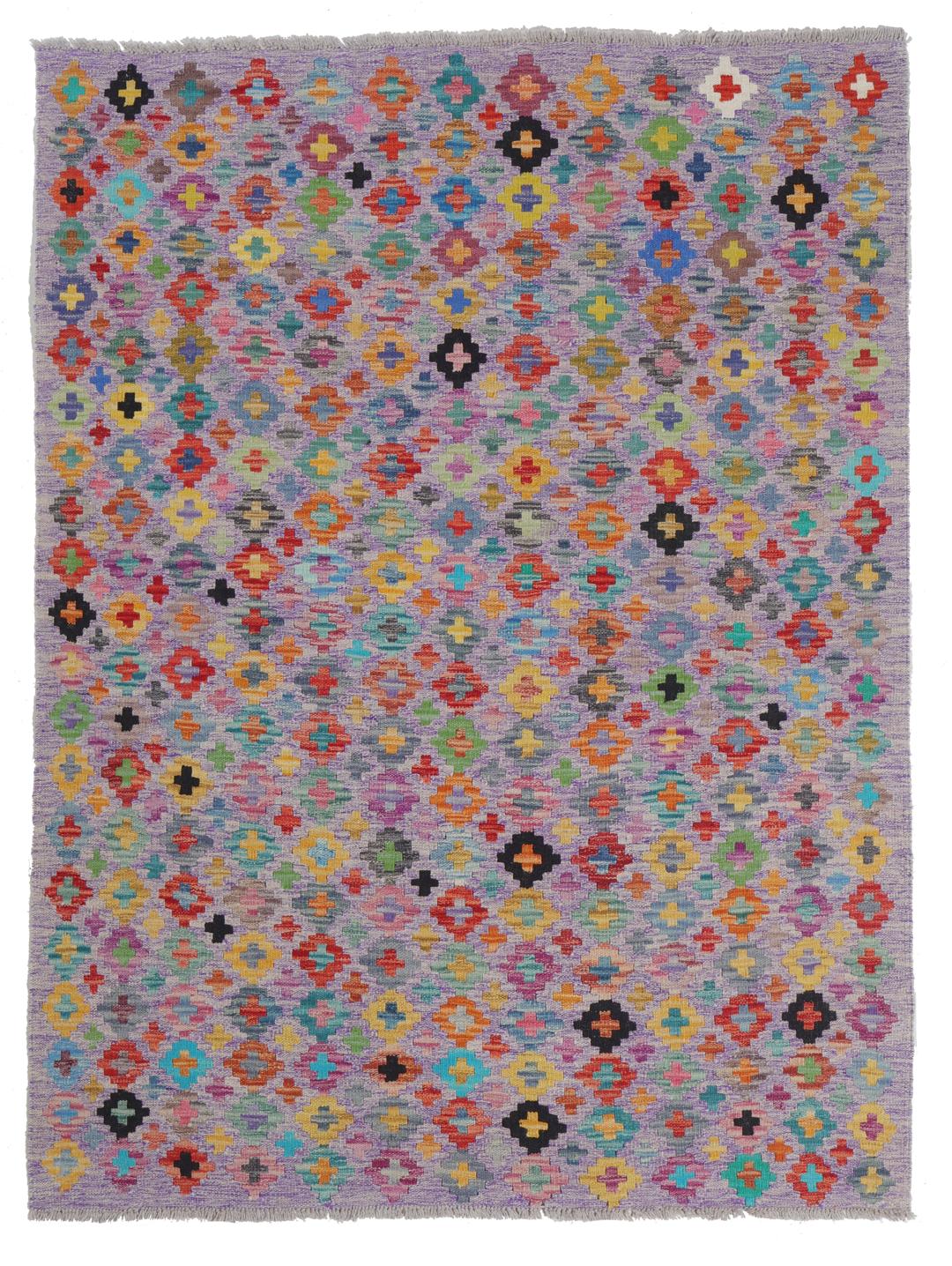
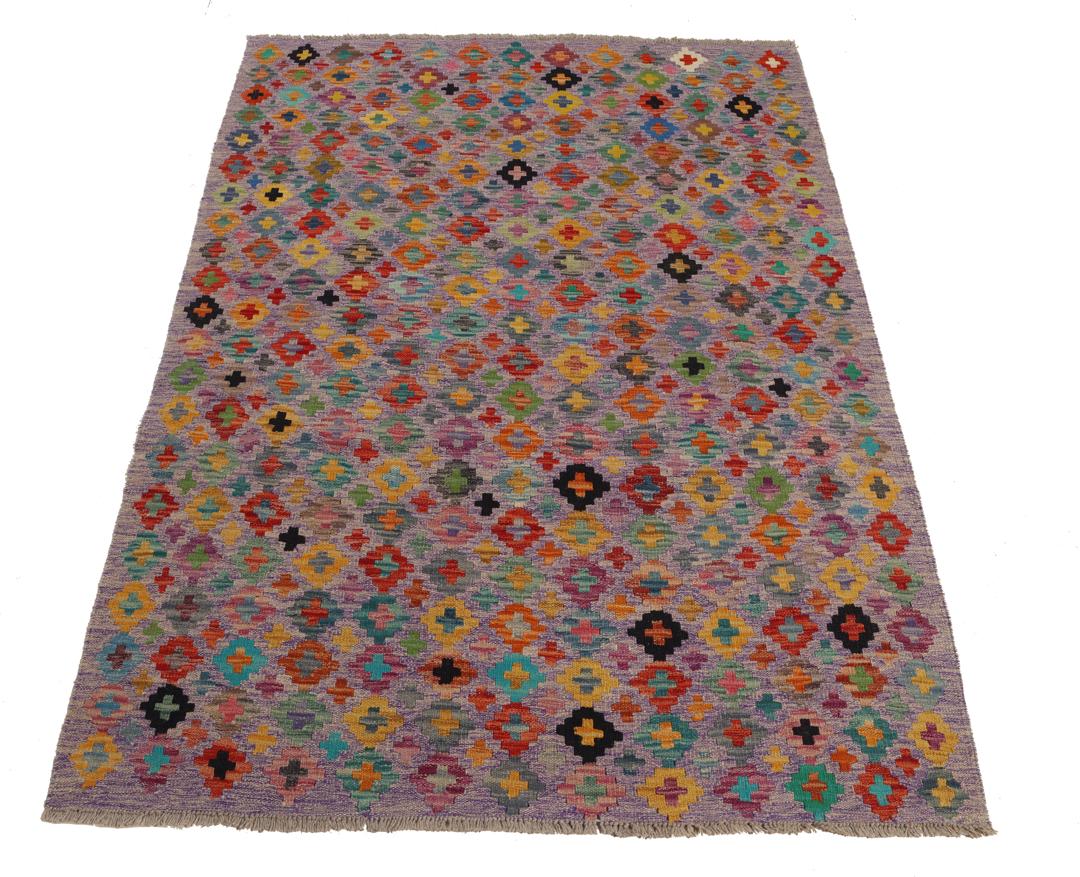
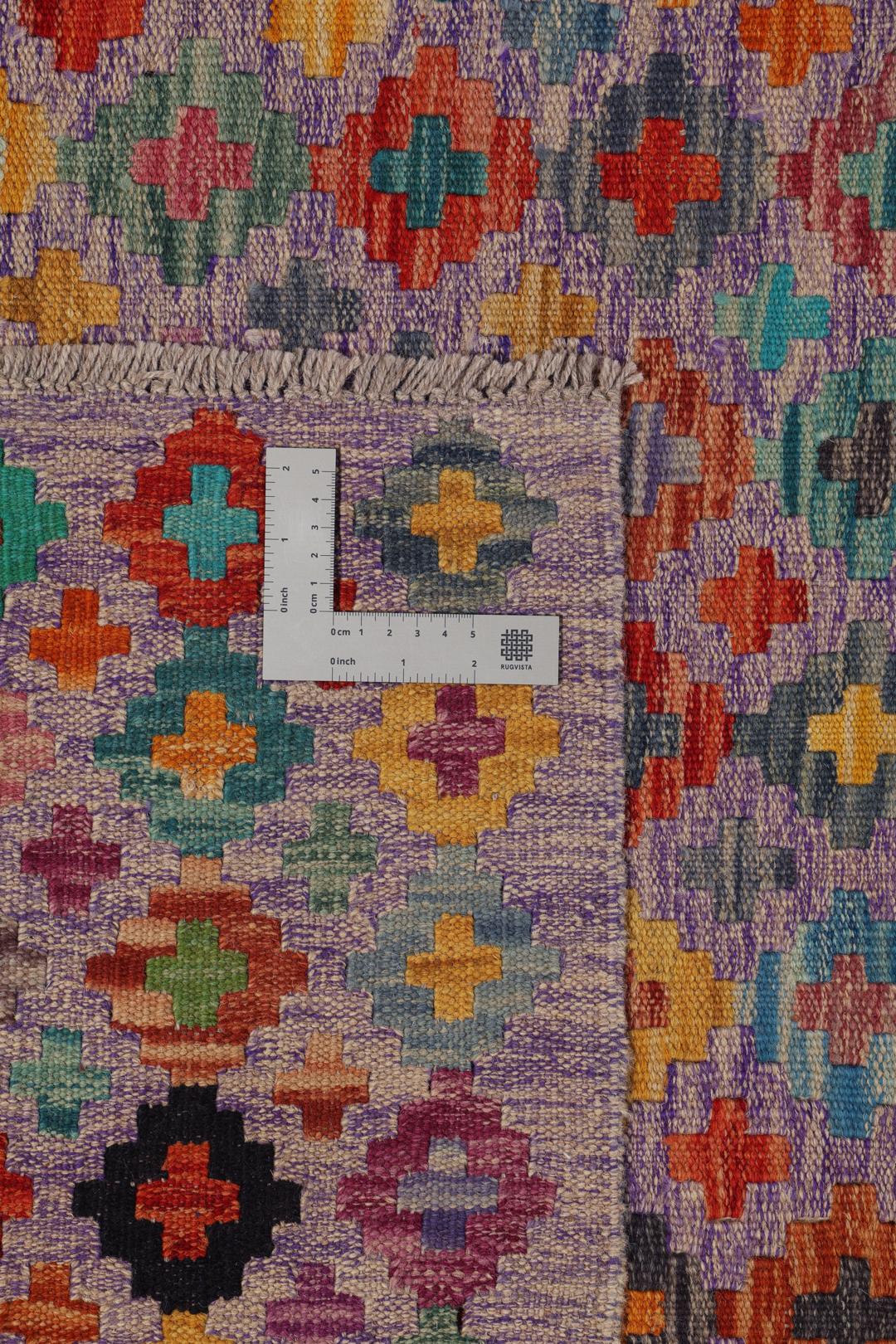
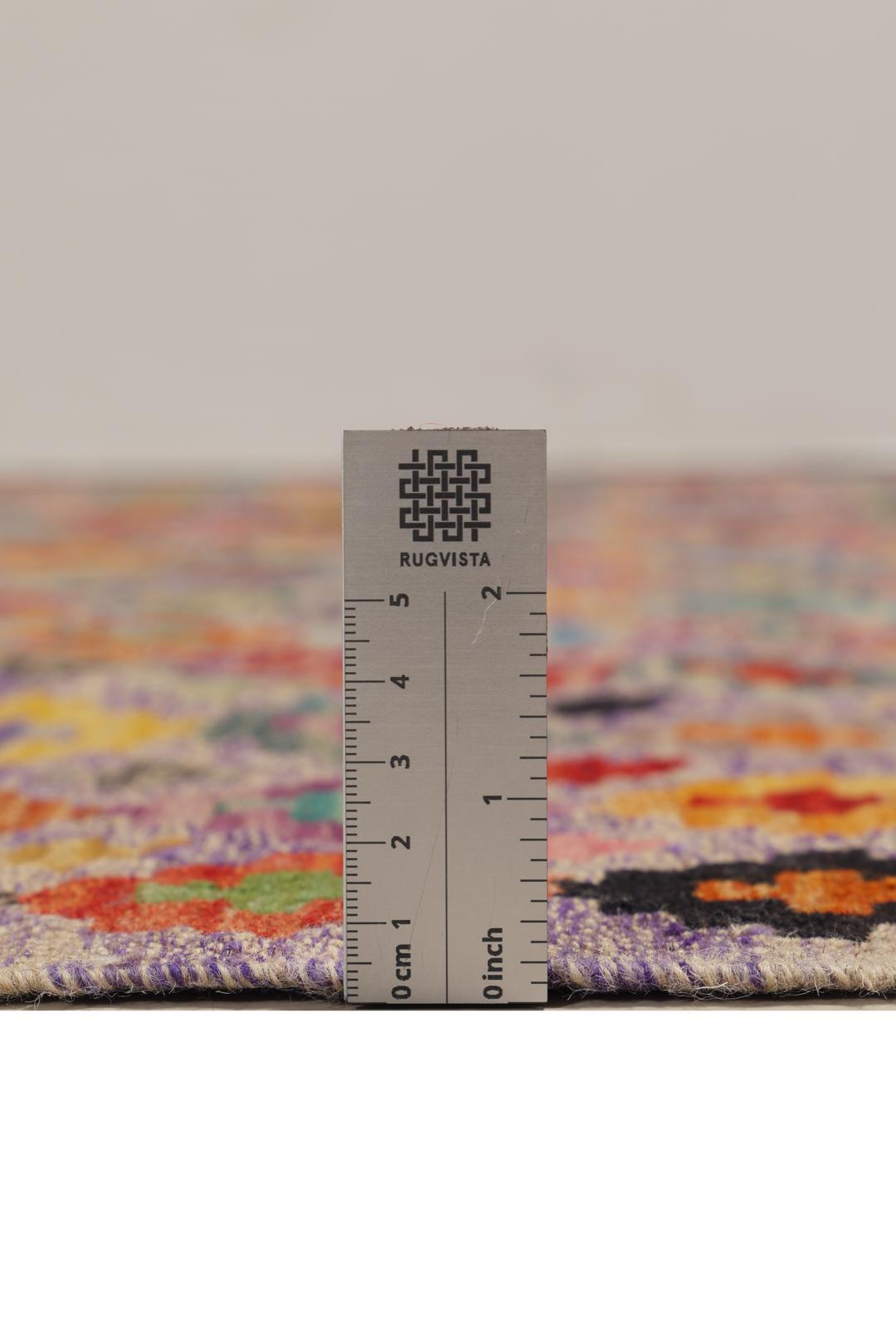
Kelim rugs have a long and storied history across the Middle East and Central Asia. Traditionally, these flat-woven textiles were crafted by nomadic and semi-nomadic tribes for practical use as floor coverings, blankets, or wall hangings. The Afghan tradition is particularly noted for its focus on Wool, which is readily available and offers excellent durability.
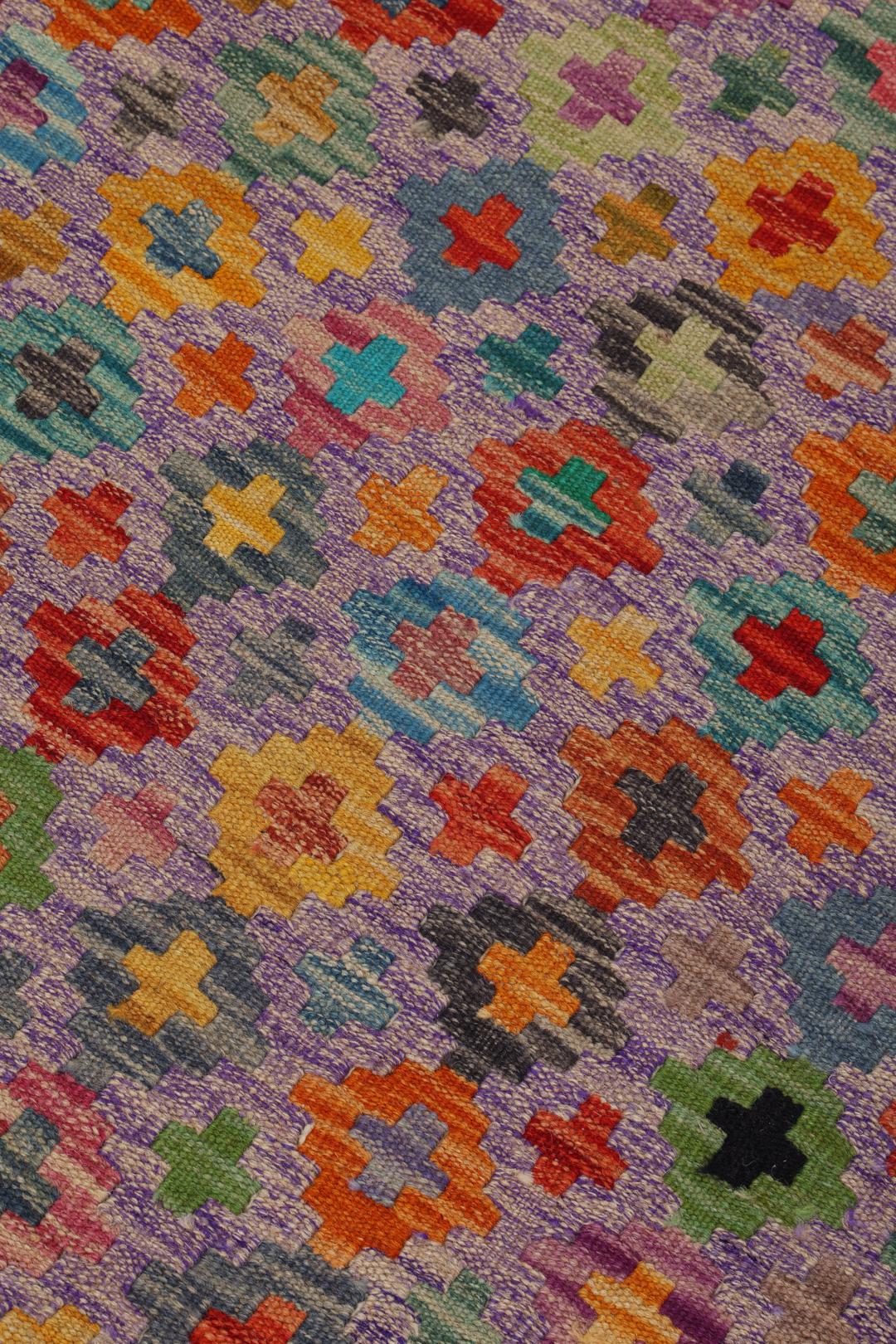
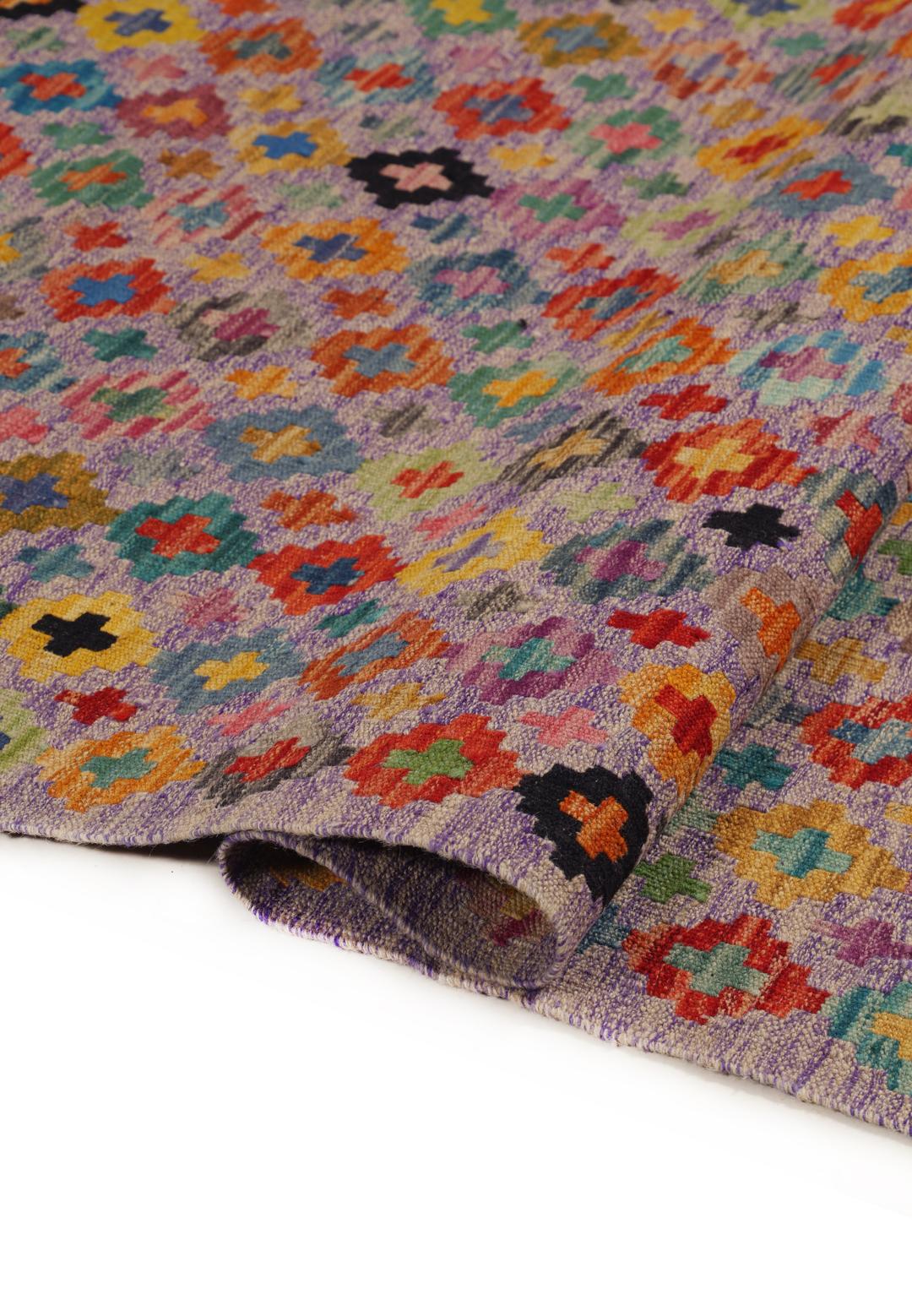
The term 'Kelim' refers to the specific weaving technique where the weft and warp are interlaced to create a pattern that is visible on both sides. Unlike pile rugs, which use knots, the Kelim is created through a tapestry-like process. This results in a lighter, thinner rug that is incredibly versatile and easy to maintain, making it a staple in traditional homes for centuries.
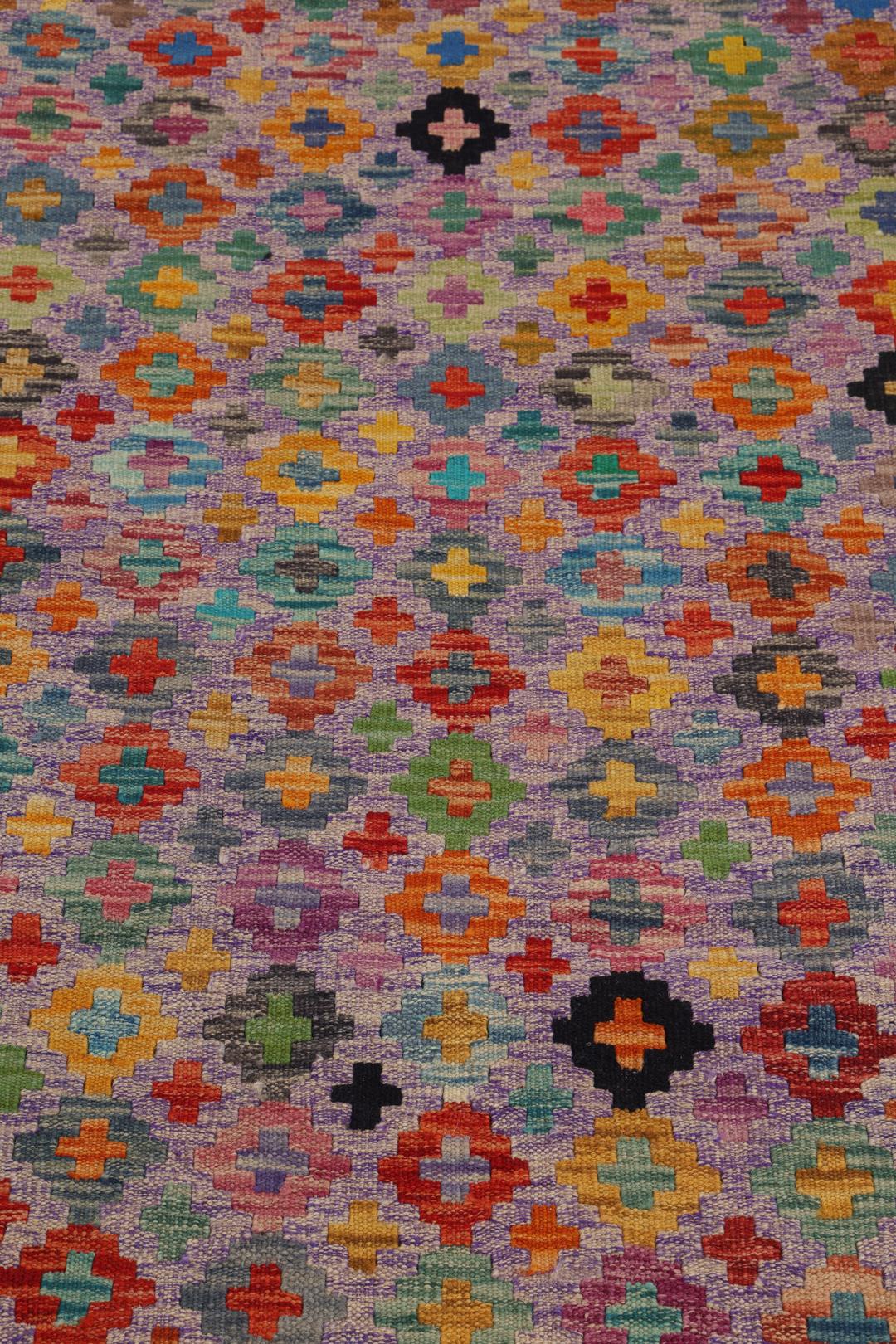
Visually, these rugs are often defined by geometric motifs and bold, earthy or vibrant palettes. The designs frequently feature diamonds, triangles, and small crosses that are not just decorative but often hold cultural or tribal meanings. The patterns are usually arranged in rhythmic, repeating sequences that create a balanced, harmonious effect across the entire field.
Owning an Afghan Kelim is more than just a decor choice; it is an appreciation of a craft that relies on the weaver's memory and skill rather than pre-drawn patterns. Collectors value these pieces for their authenticity and the way they bridge the gap between historical nomadic utility and modern interior design, offering a timeless connection to the past.