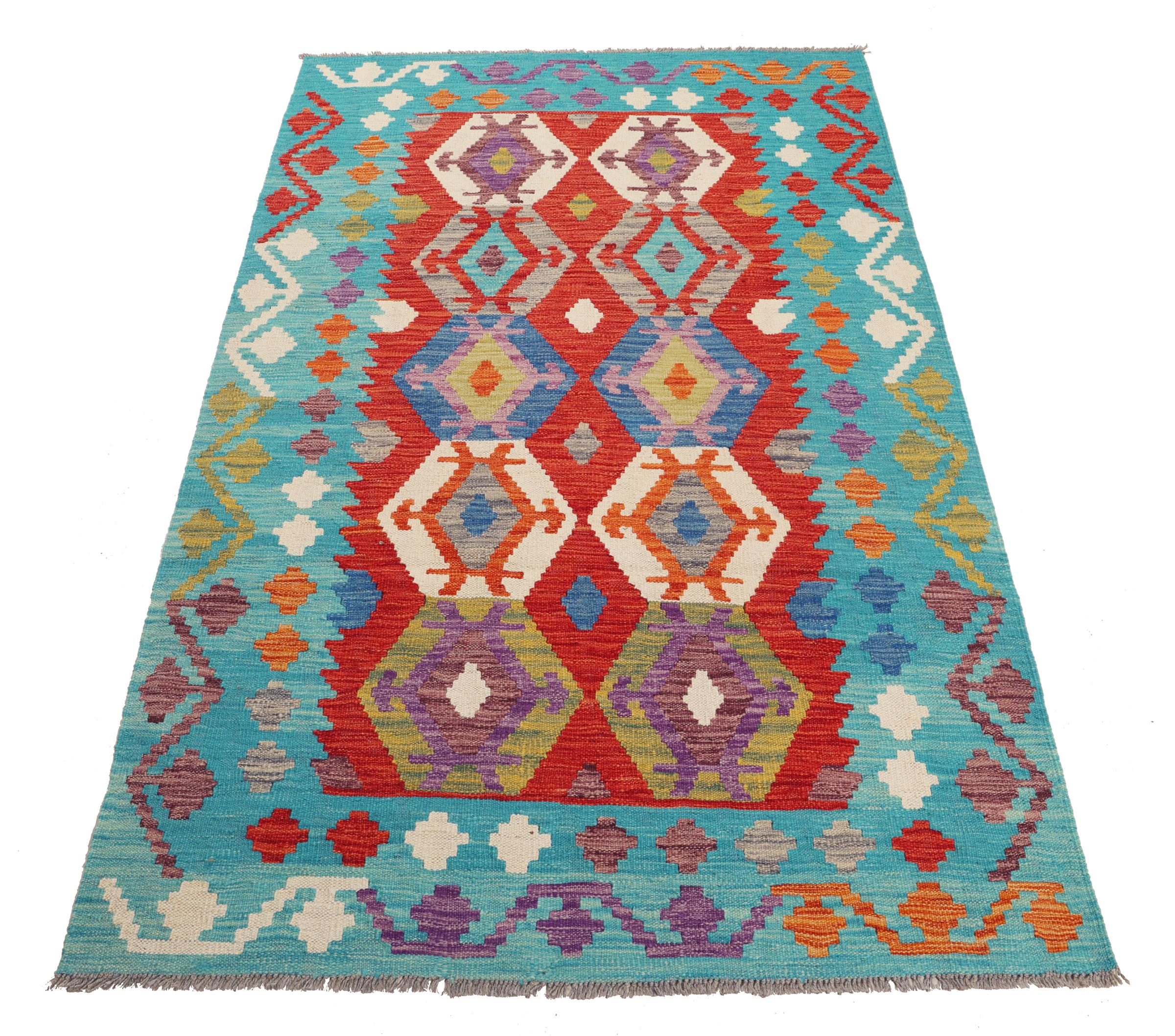
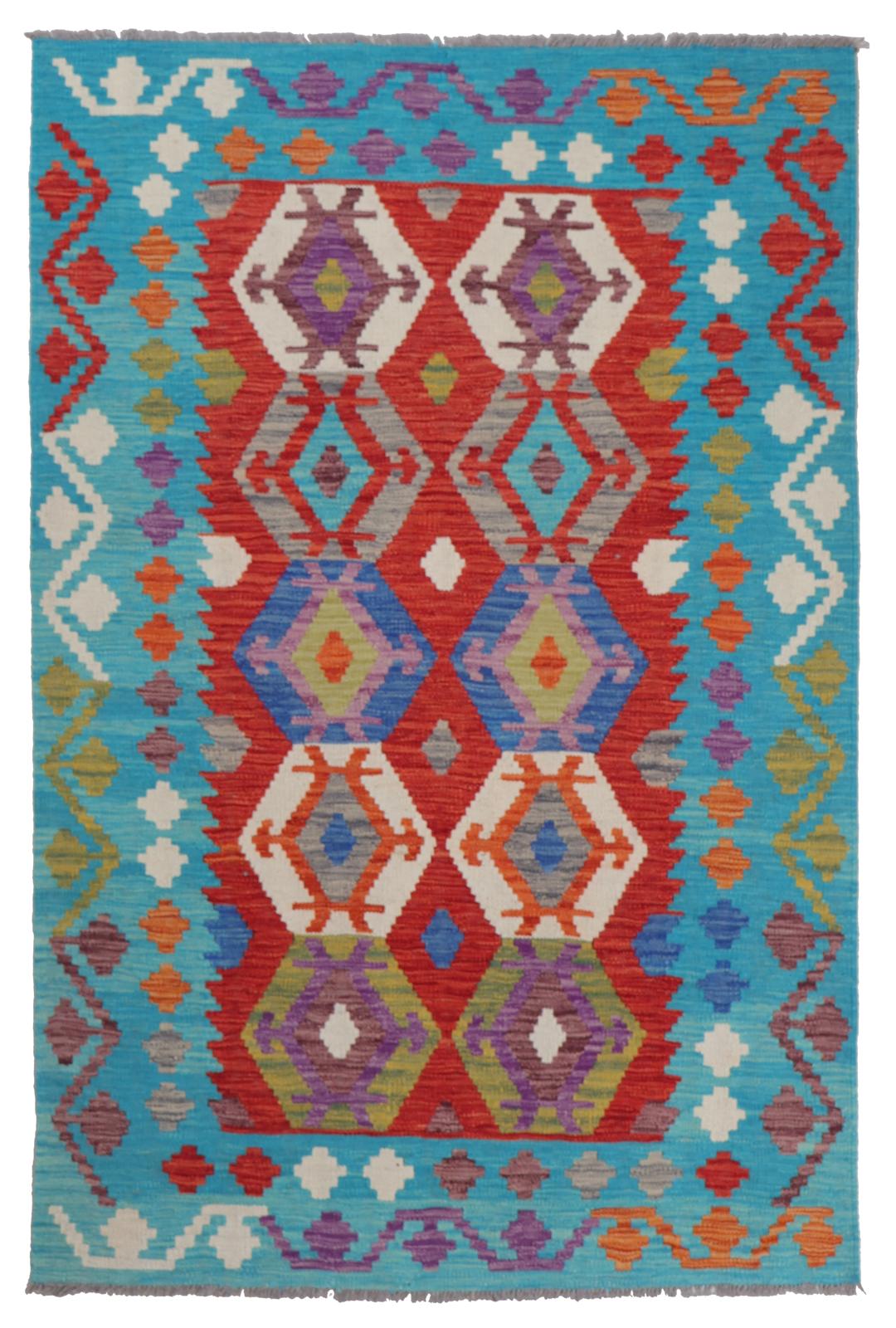
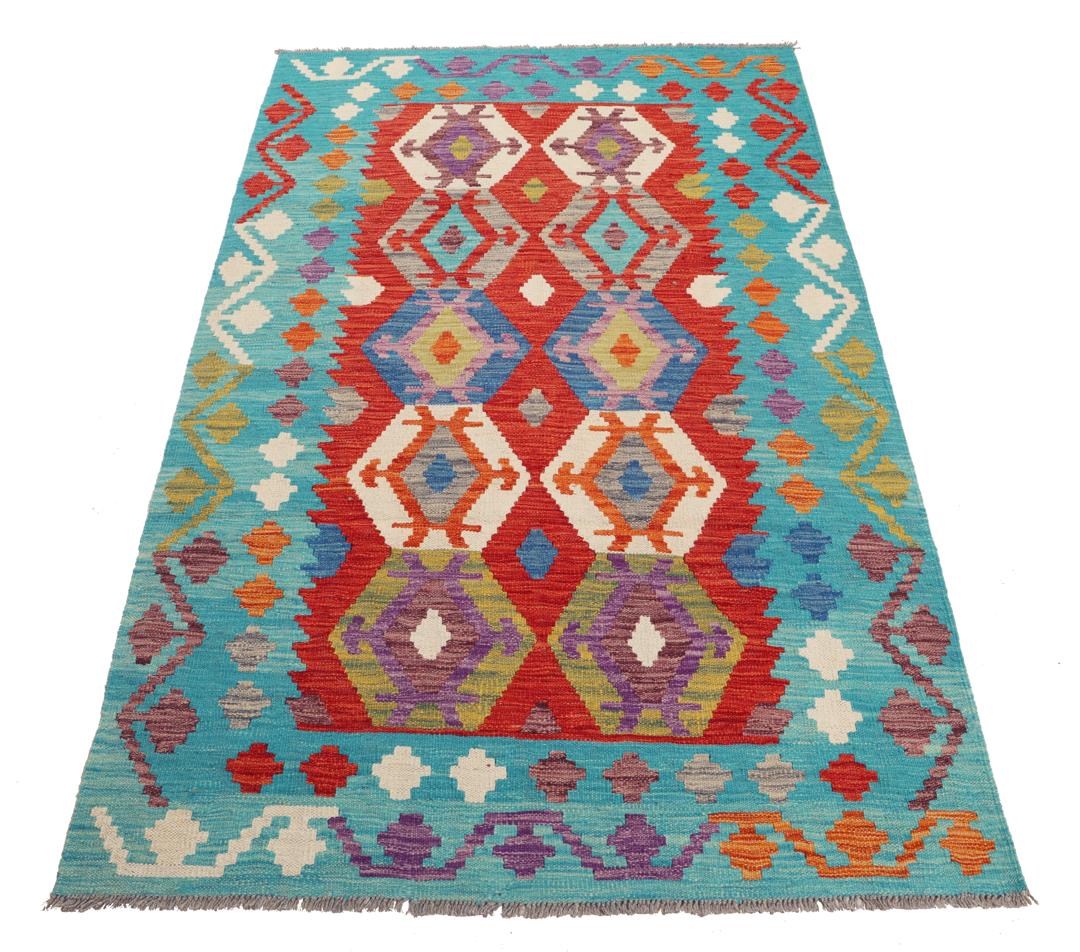
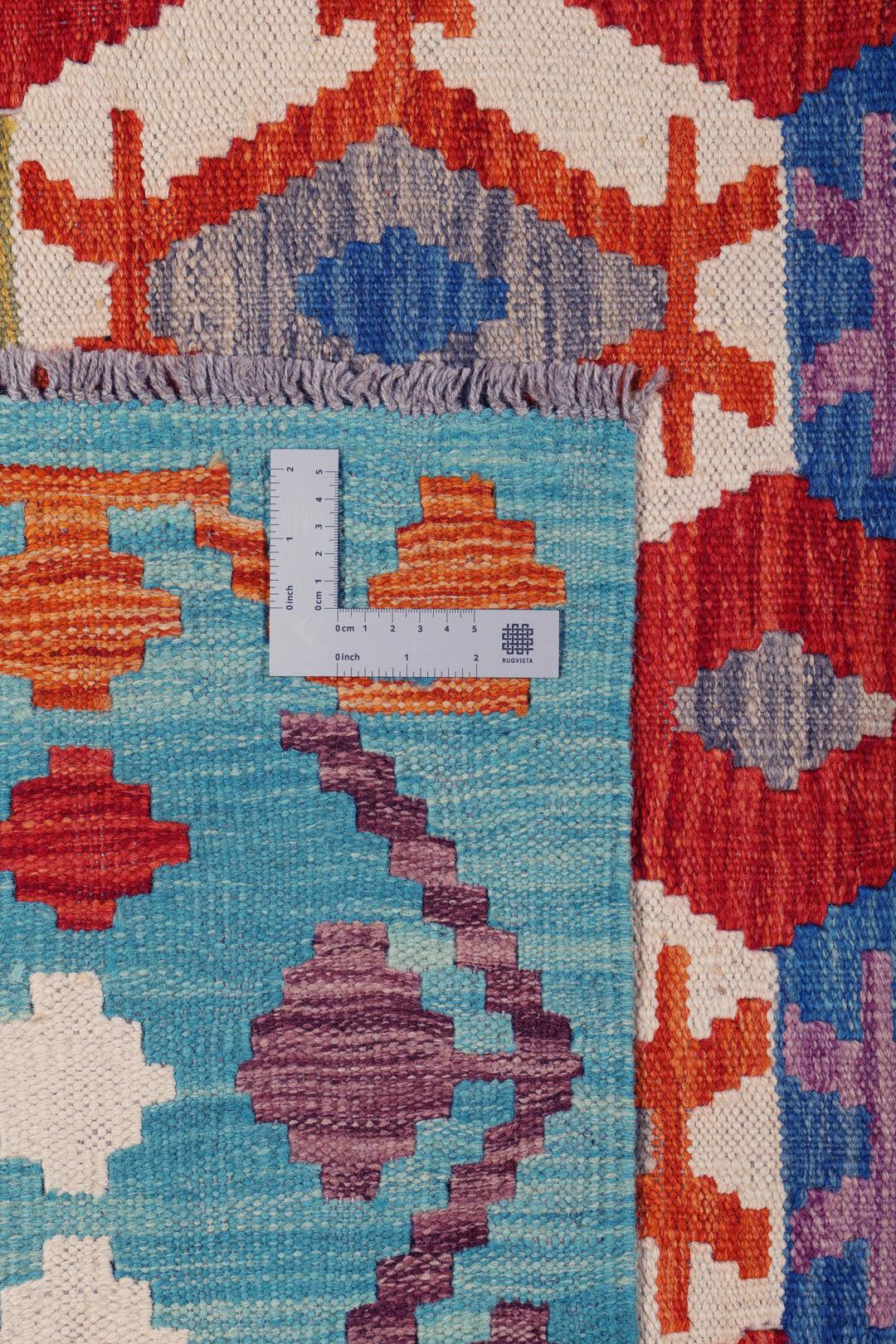
The Kelim tradition in Afghanistan is deeply rooted in the nomadic history of the region, where flat-woven textiles were essential for everyday life. These rugs were historically used as floor coverings, wall hangings, and functional bags for transport, serving as portable expressions of identity and artistry for tribes moving across the rugged landscapes of Central Asia.
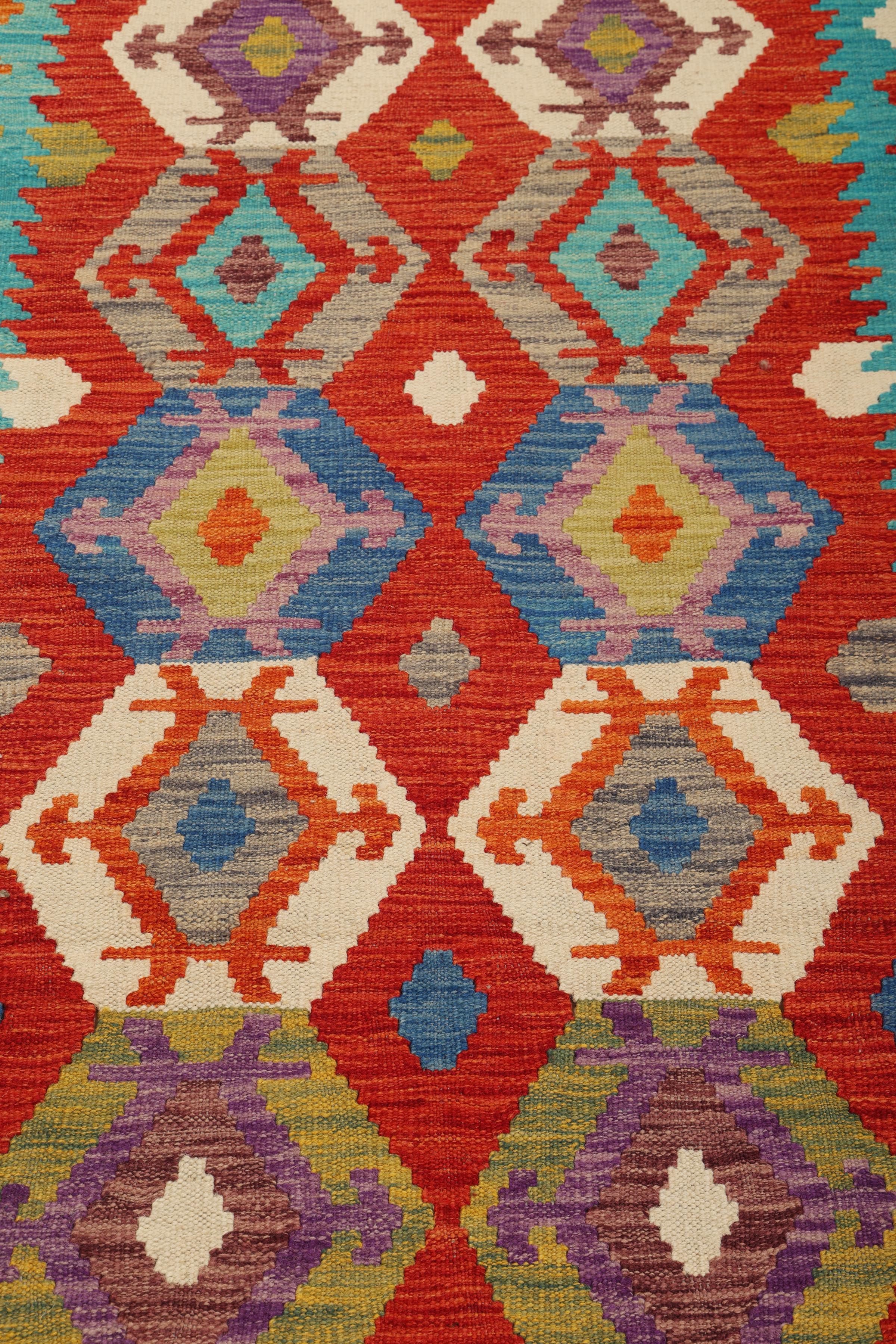
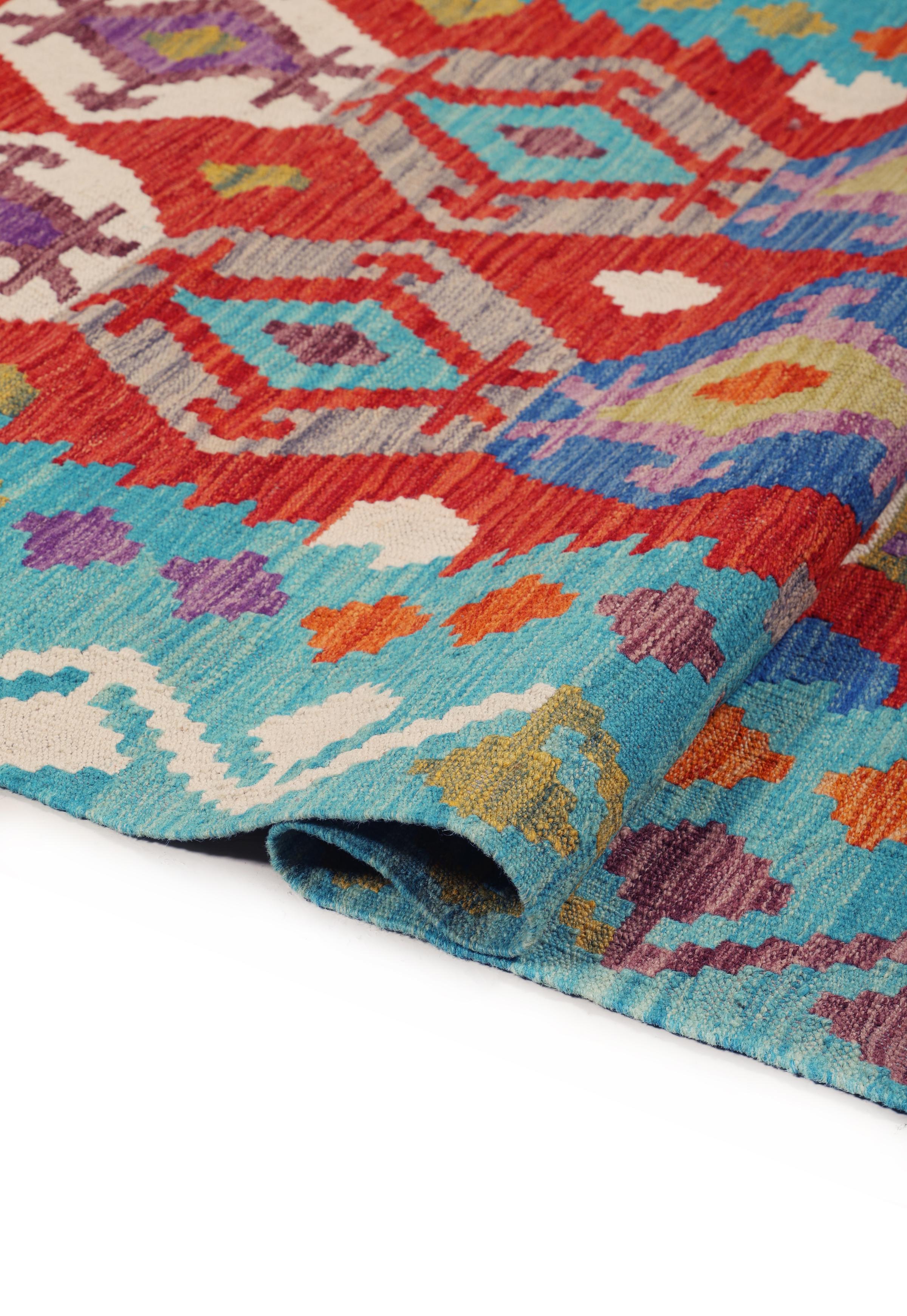
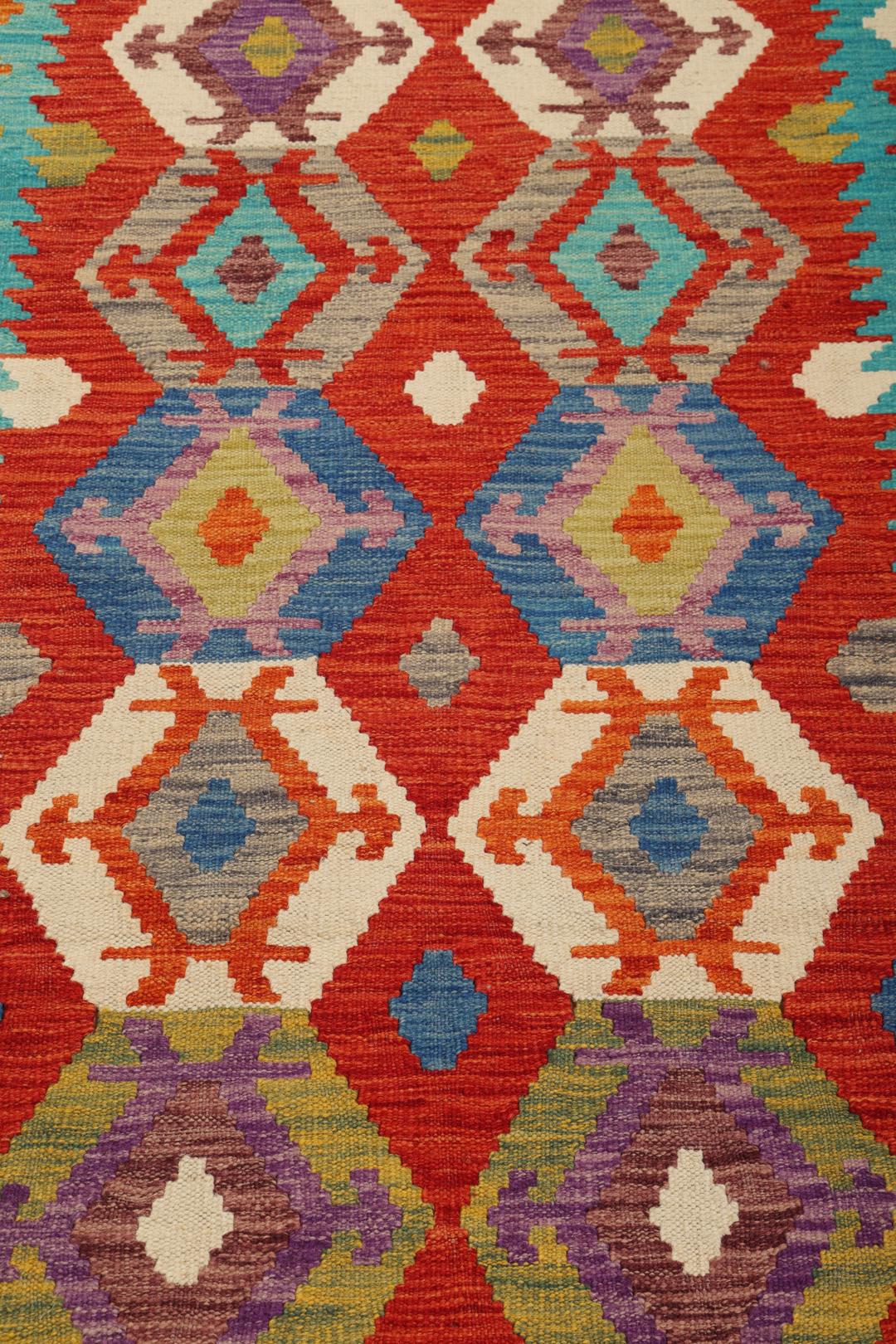
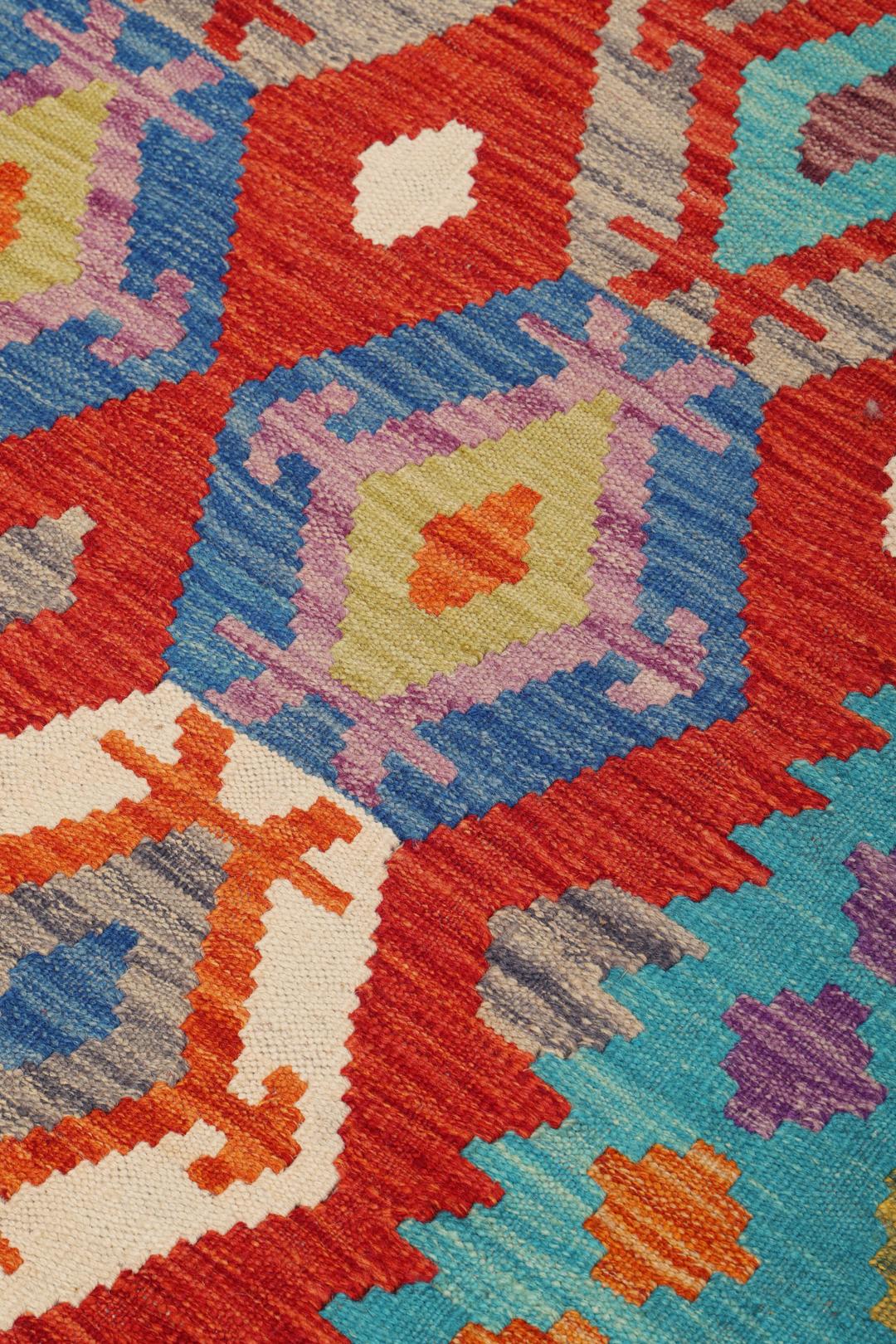
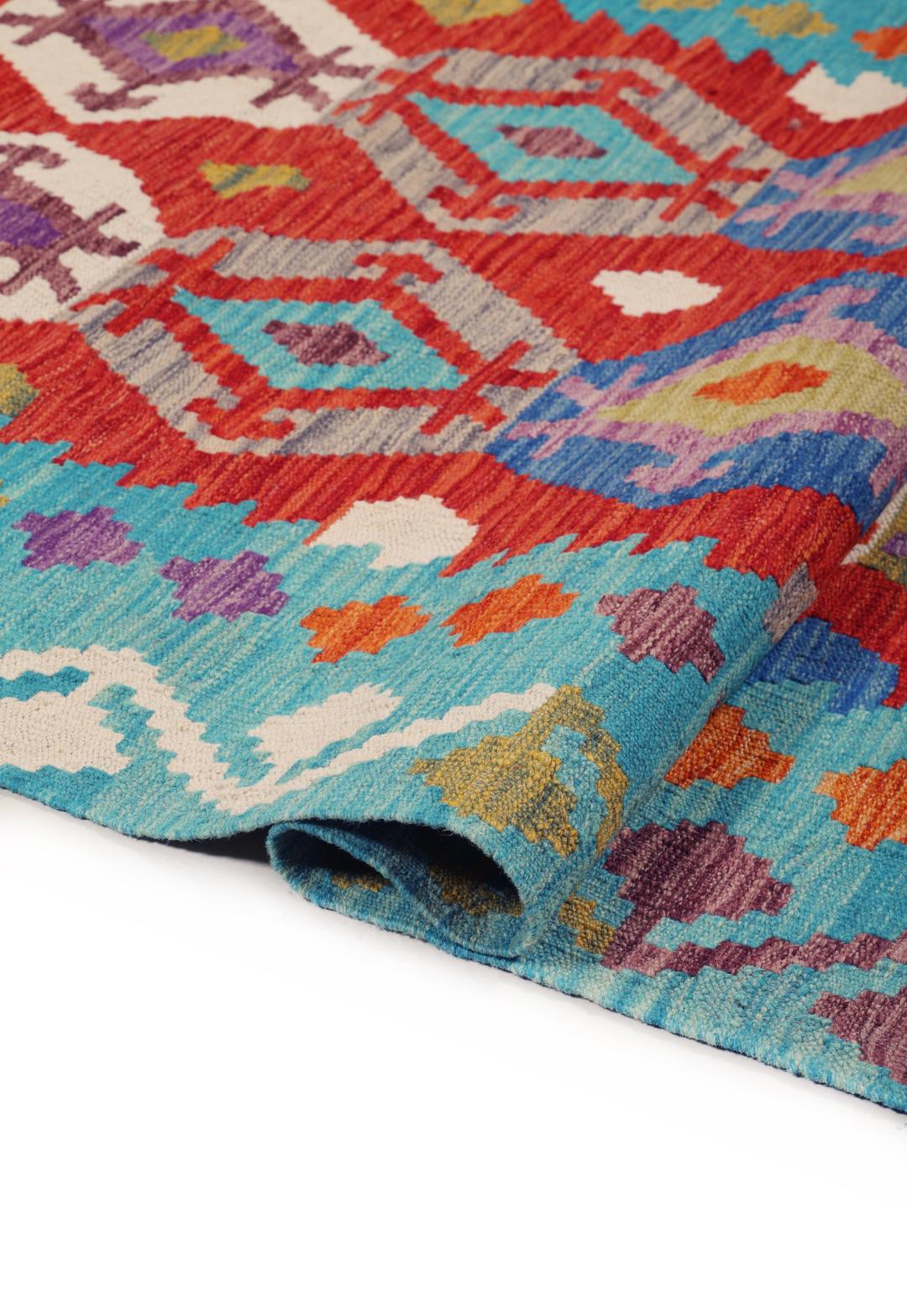
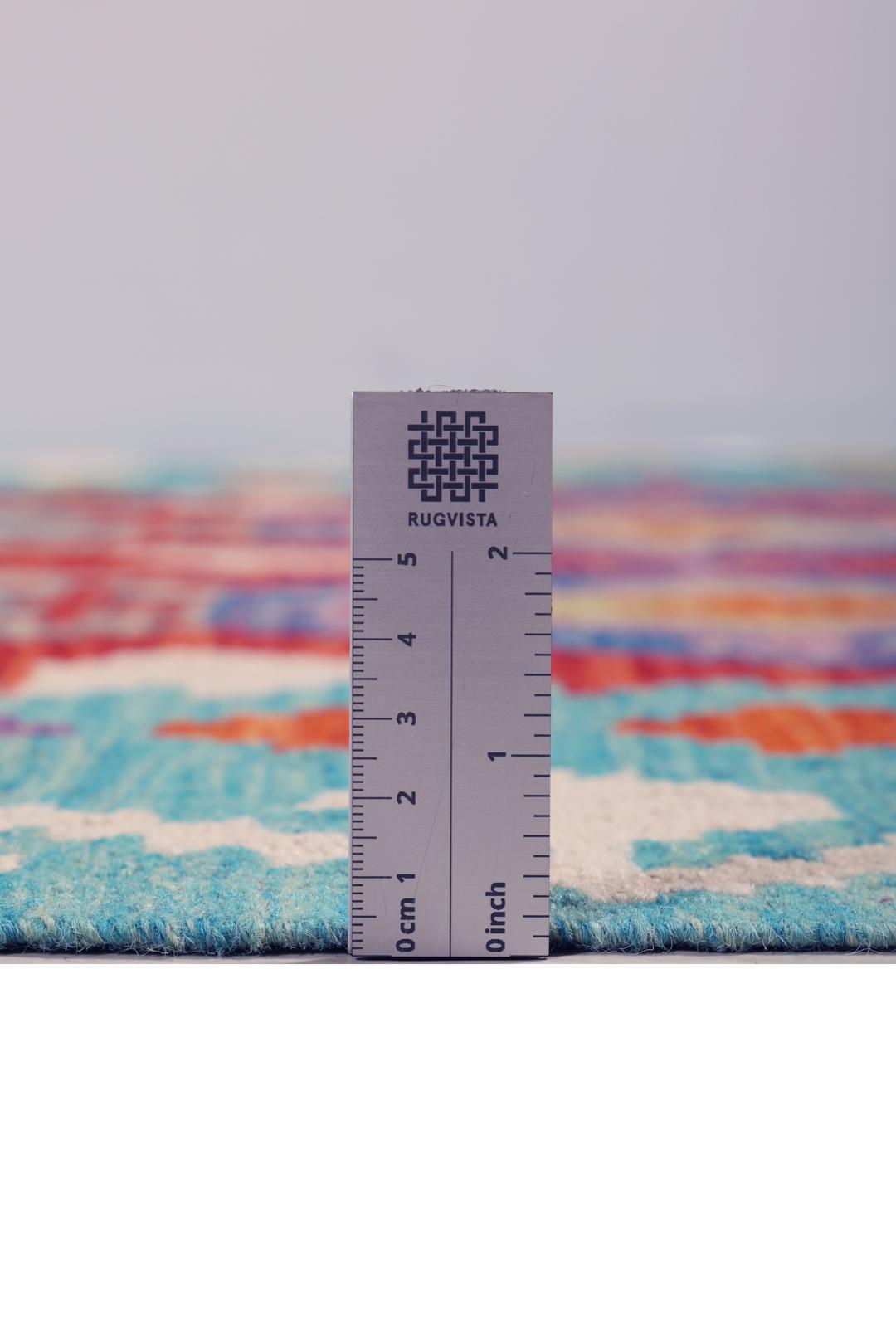
The term 'Kelim' refers specifically to the flat-weaving technique where the warp and weft threads are interlaced to create a smooth, pileless surface. This method is highly prized for its clarity of design, as it allows for precise, clean-edged geometric patterns that are easily visible on both sides of the textile. The strength and resilience of this construction make it an ideal choice for households that value both utility and beauty.
Visually, these rugs are defined by a language of symbols and motifs, often including diamonds, triangles, and stylised floral elements that carry deep cultural meanings. The use of vibrant, contrasting colours is a hallmark of the Afghan style, often achieved through natural dyes that have evolved over centuries to produce the deep, saturated hues seen in this particular piece.
Today, these rugs are collected by enthusiasts who value the human element behind every thread. Owning an Afghan Kelim is an opportunity to preserve a living craft tradition. Each rug tells a story of the region’s history and the specific aesthetic sensibilities of the weavers who brought it to life, ensuring that your home is graced with something genuinely authentic and enduring.