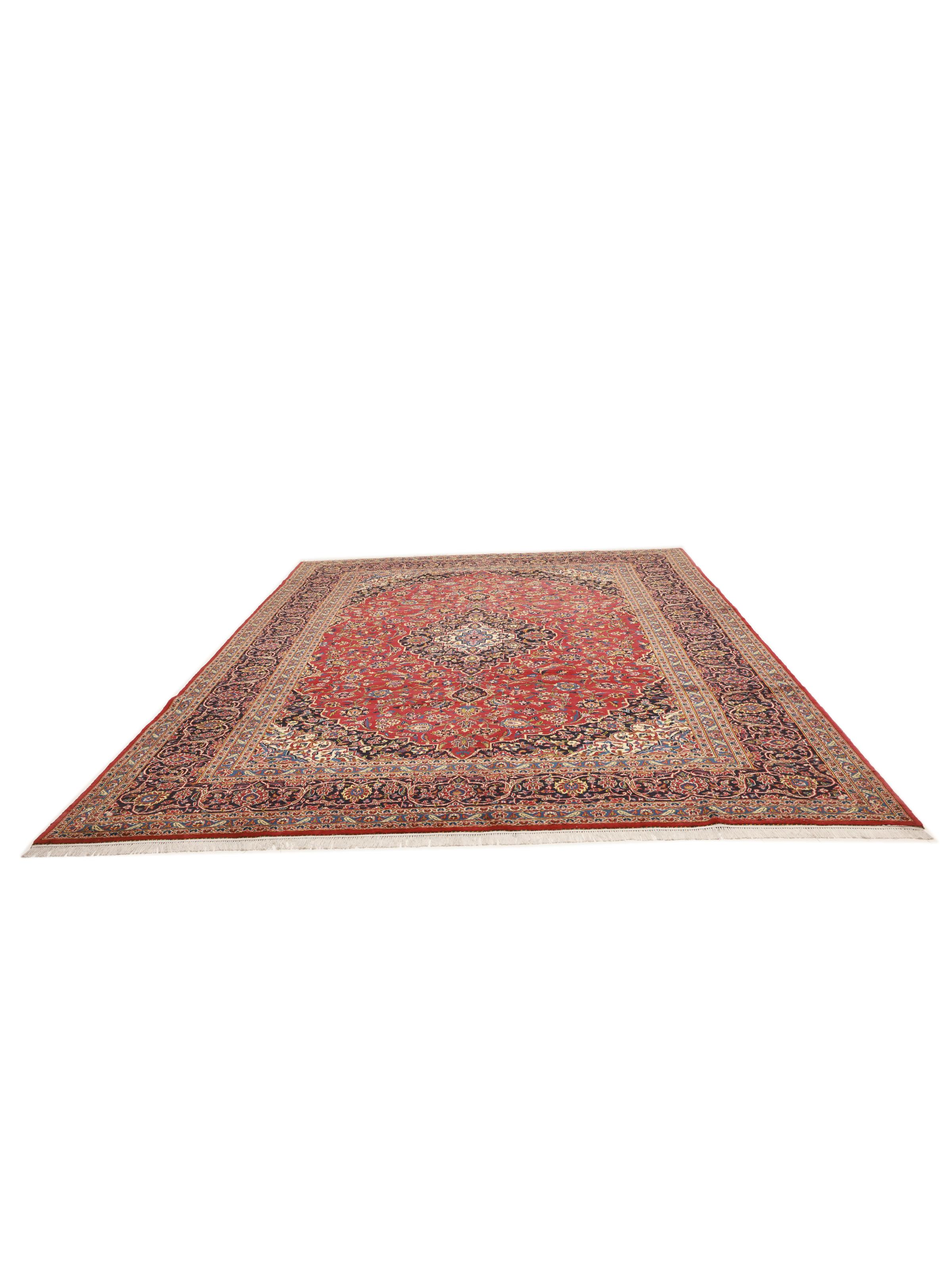
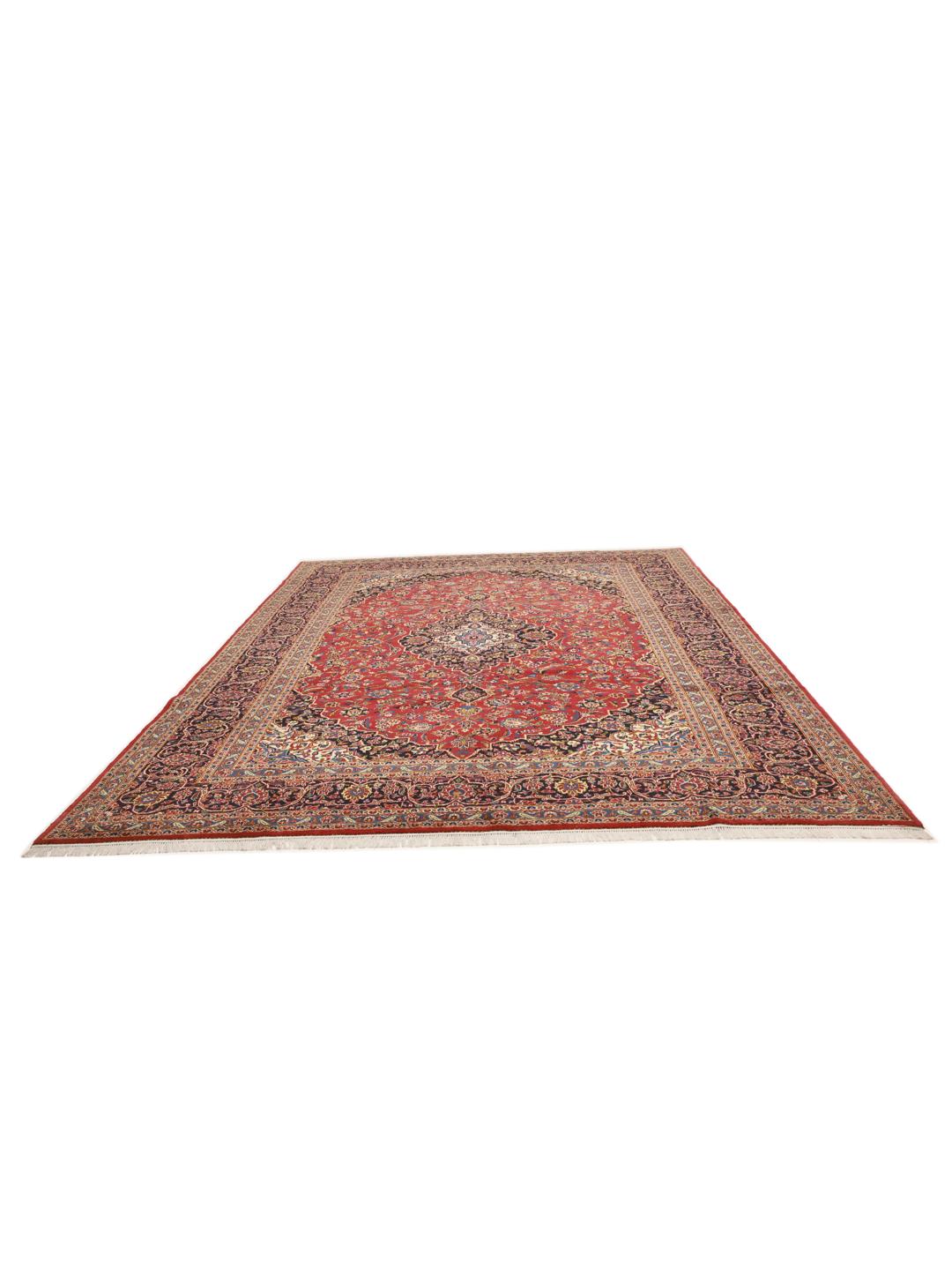
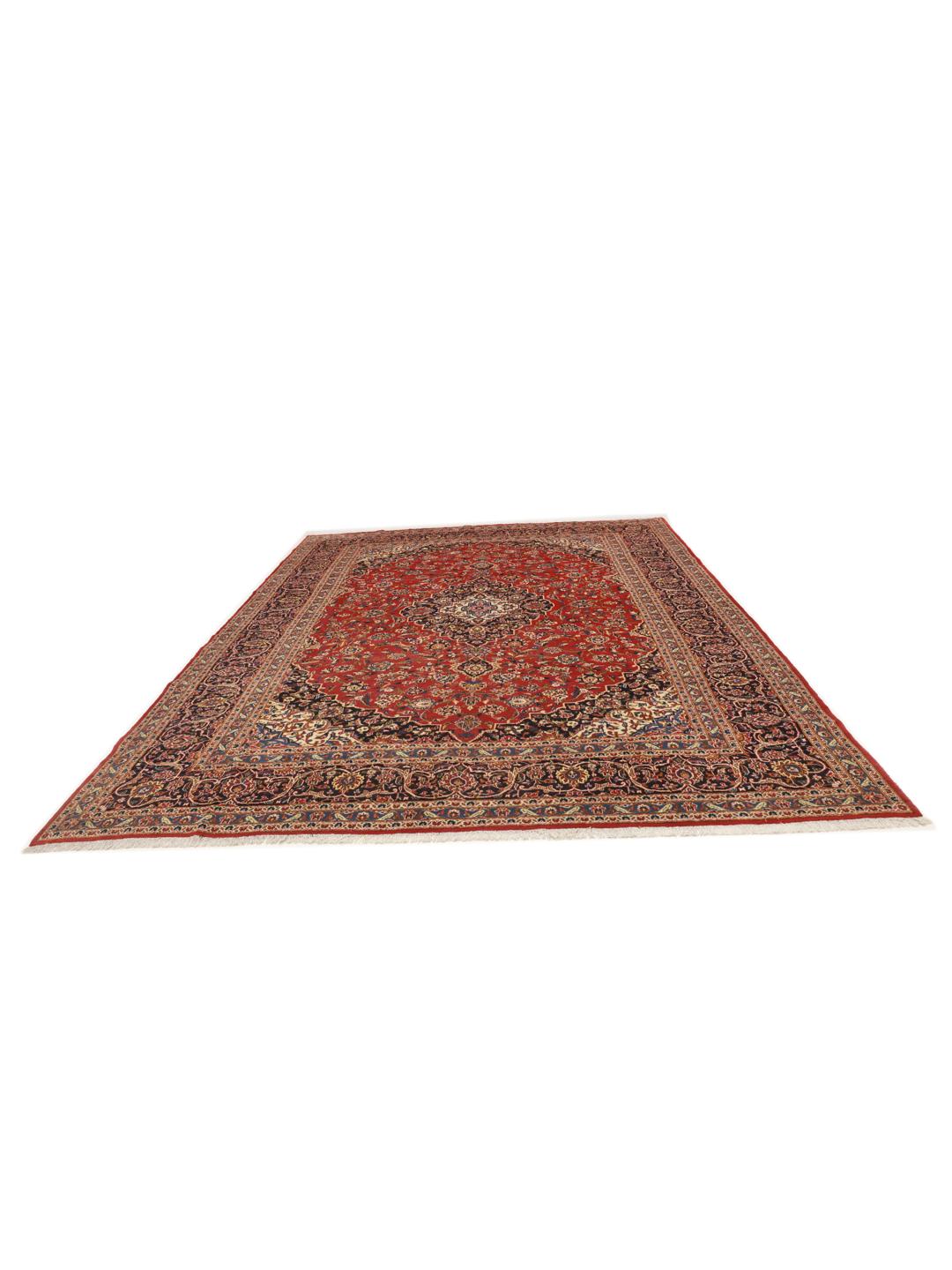
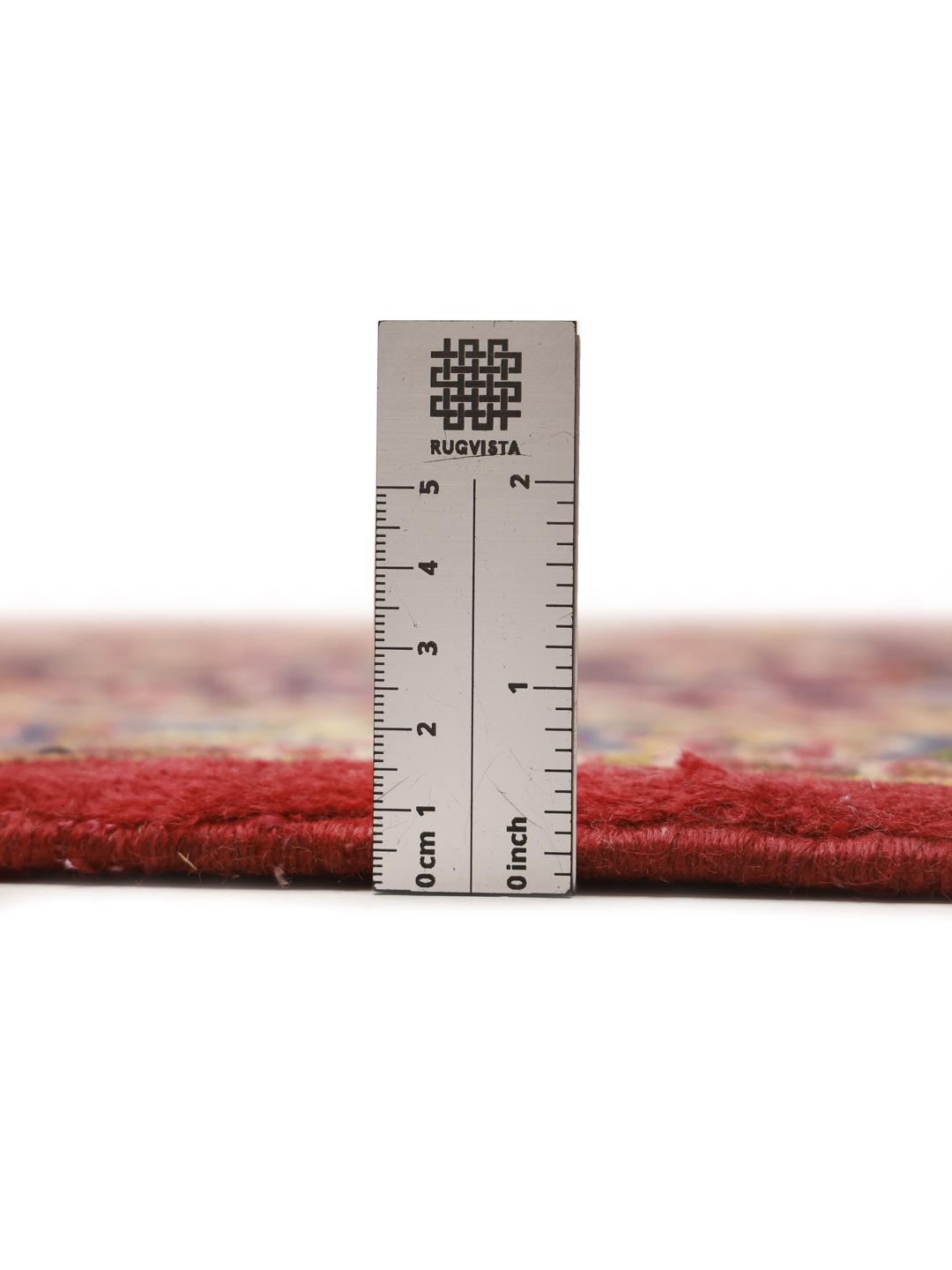
Keshan rugs take their name from the historic city of Kashan in the Middle East, a place long celebrated as a centre for fine textile production. Located on the ancient trade routes, this city developed a reputation for creating some of the most sought-after rugs in the world. The tradition of weaving in this region has evolved over centuries, blending local artistic sensibilities with influences from the broader Middle Eastern landscape to create a style that is both distinct and globally recognised.
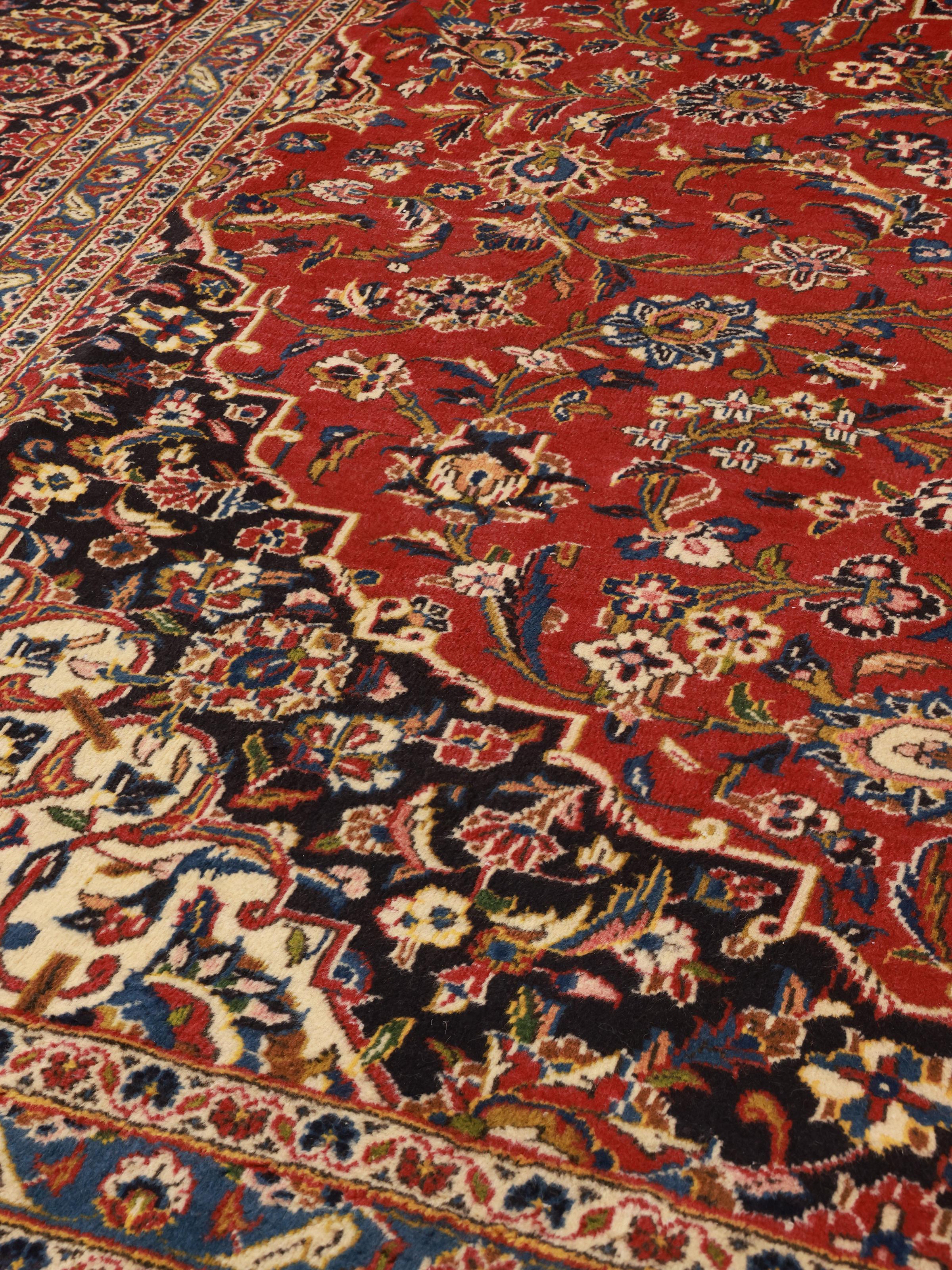
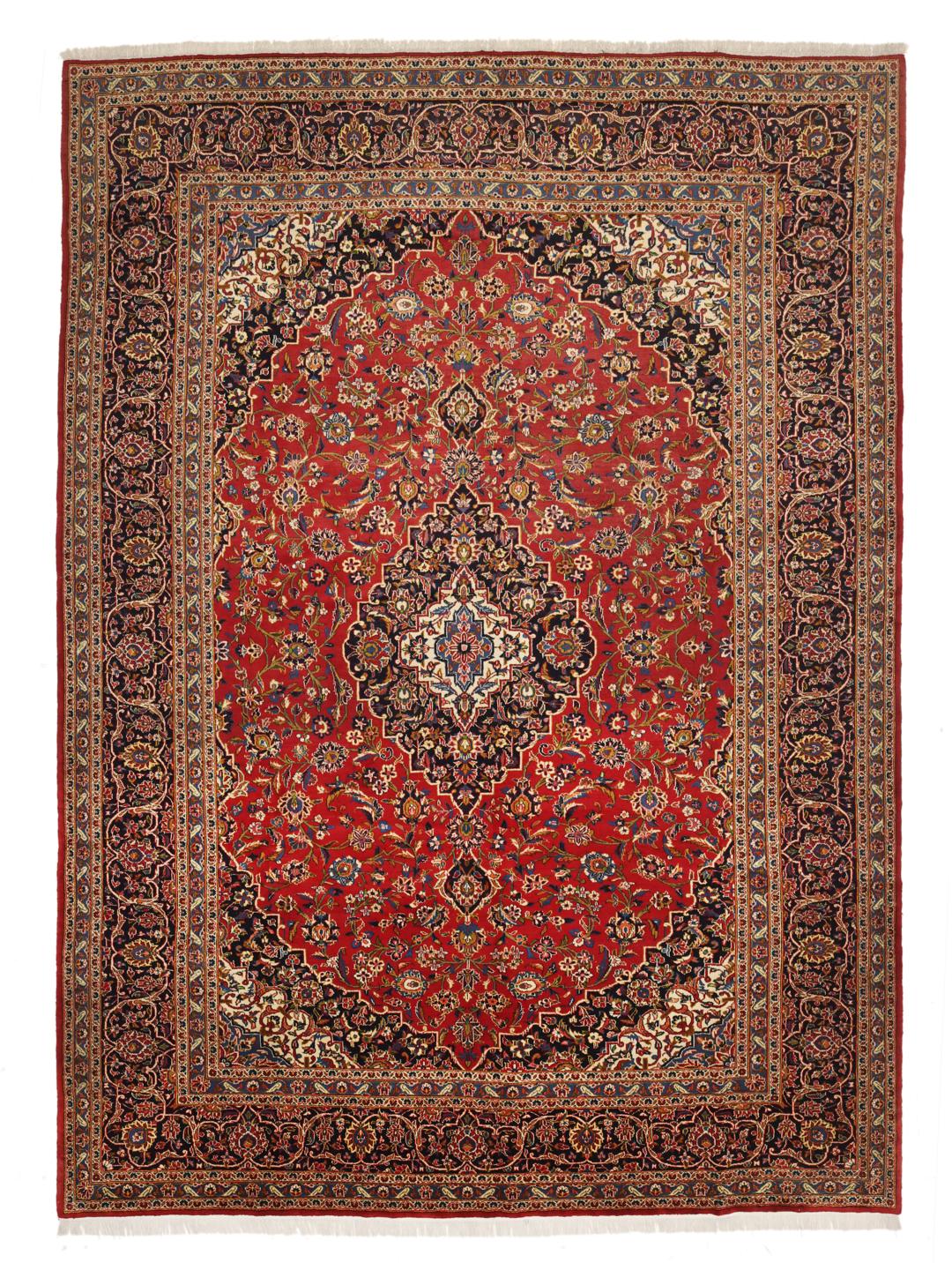
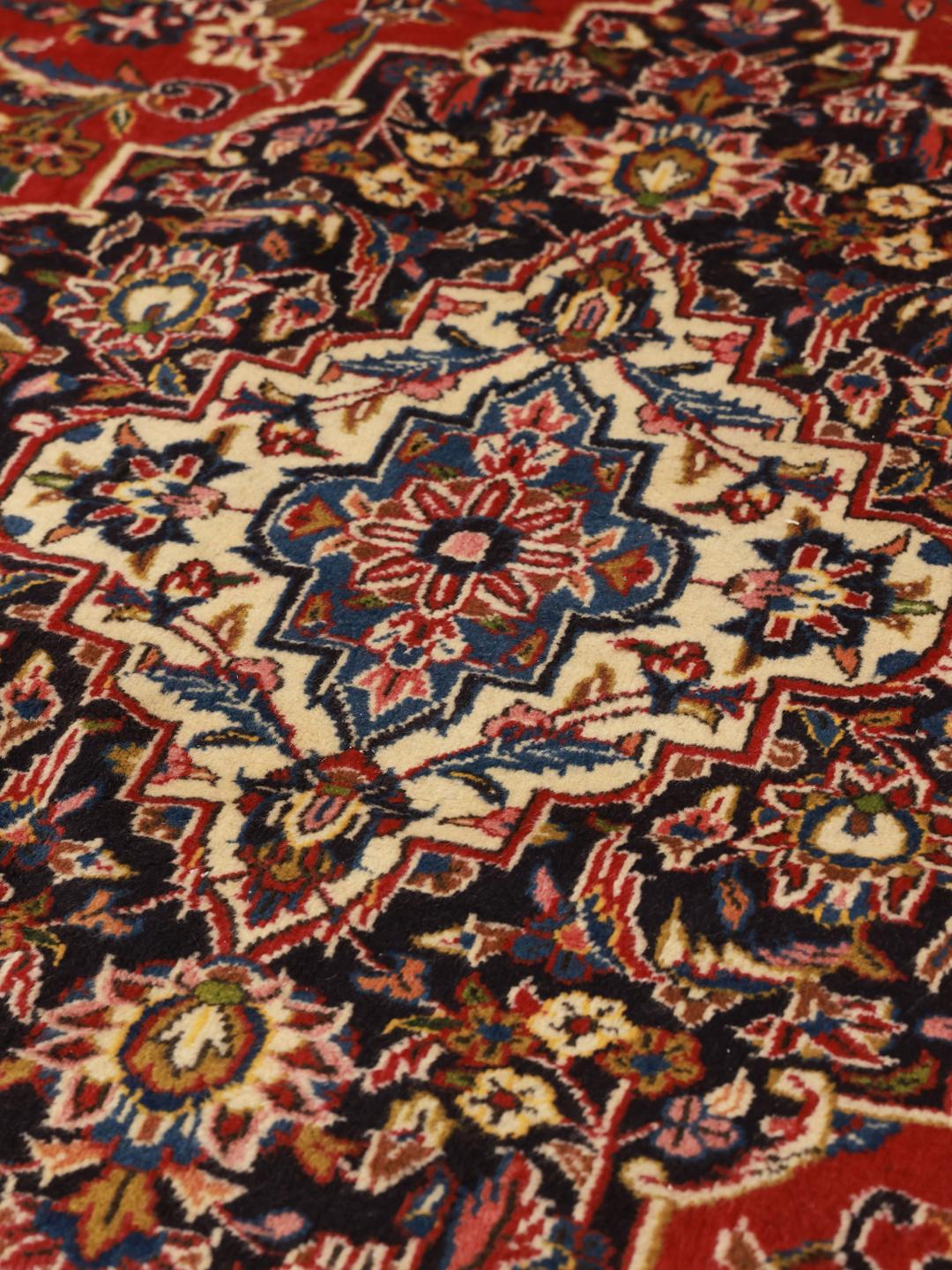
The term Keshan refers to a specific design tradition that emphasises harmony and balance. These rugs are known for their sophisticated use of floral motifs, often featuring a central medallion that is mirrored in the surrounding field. The technical execution involves a high degree of precision, where the density of the knots allows for fluid, graceful curves in the pattern that are a hallmark of this category.
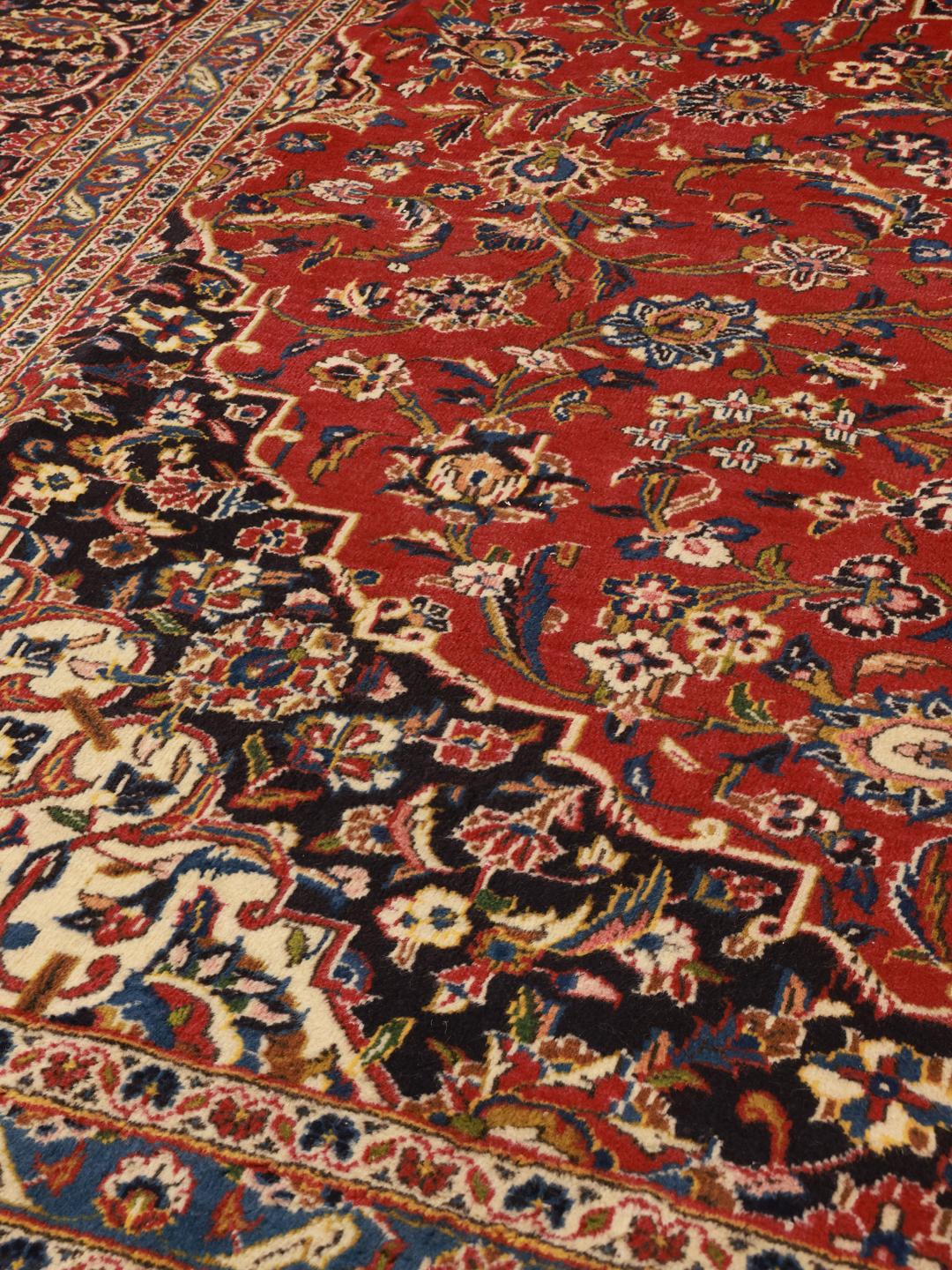
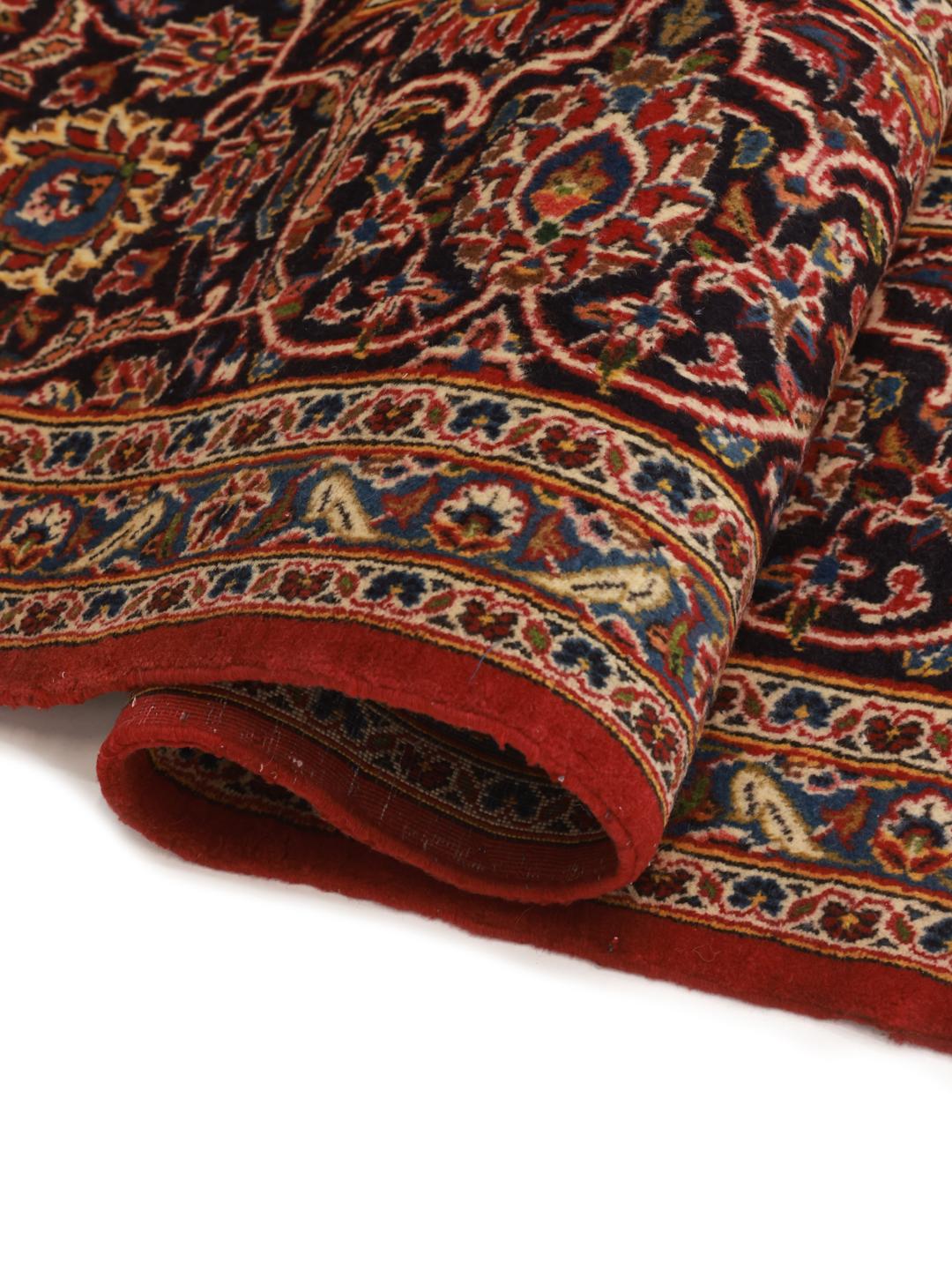
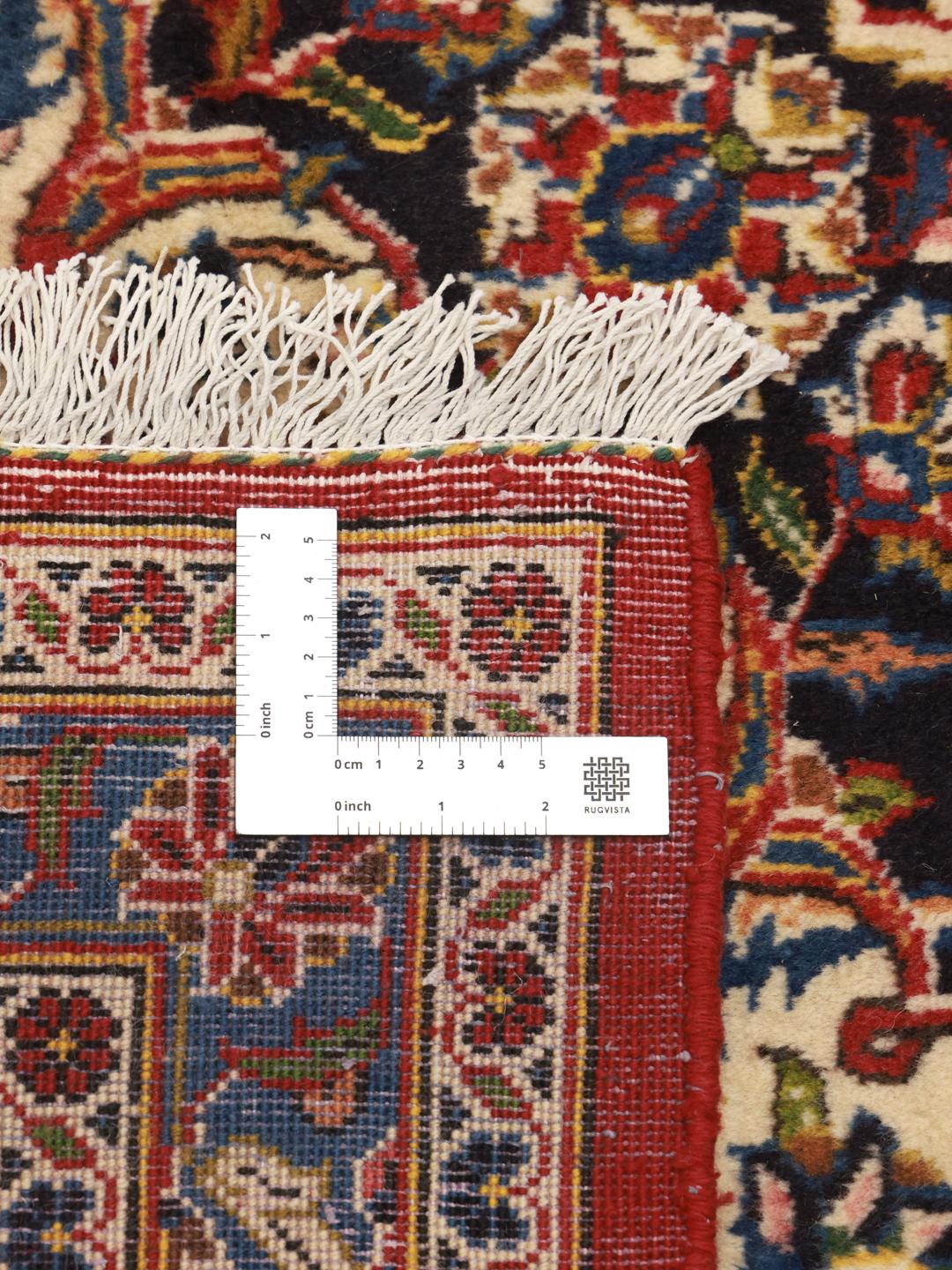
Visually, these rugs are defined by their rich colour palettes and complex, repeating floral patterns. The field is typically adorned with a variety of botanical elements, such as palmettos, rosettes, and scrolling vines, all enclosed within a highly detailed, multi-layered border. This specific piece showcases the classic red and dark-blue tones that are characteristic of the tradition, providing a warm and inviting aesthetic that complements both traditional and modern interiors.
Owning a piece from this tradition is about more than just decoration; it is about acquiring a link to a long-standing cultural legacy. Collectors value these rugs for their combination of artistic beauty and technical skill, recognising them as items that hold their value and beauty over decades. Choosing a hand-knotted rug from this heritage means you are supporting a craft that values slow, deliberate work, ensuring that your home is furnished with something that has real cultural weight.