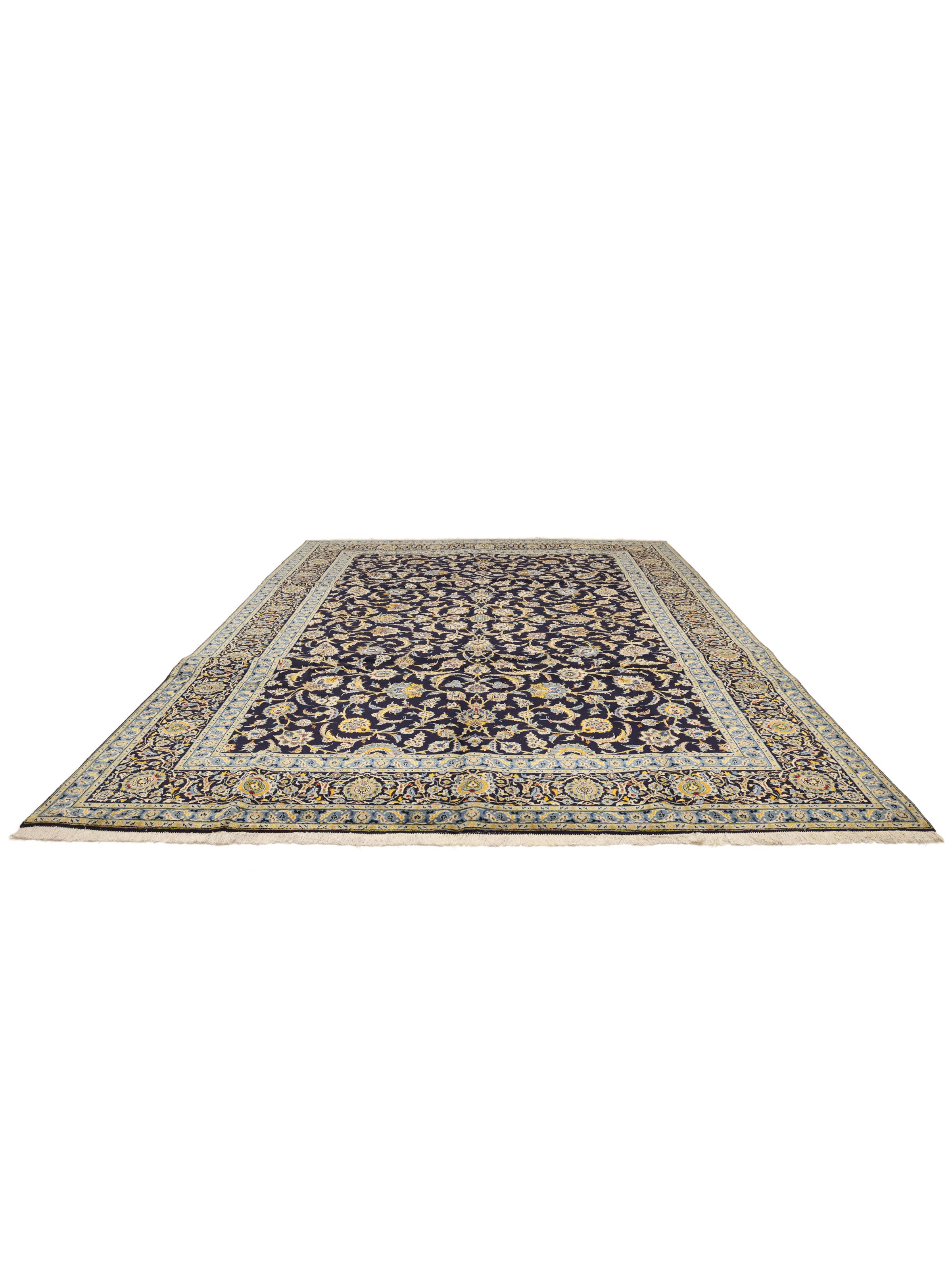
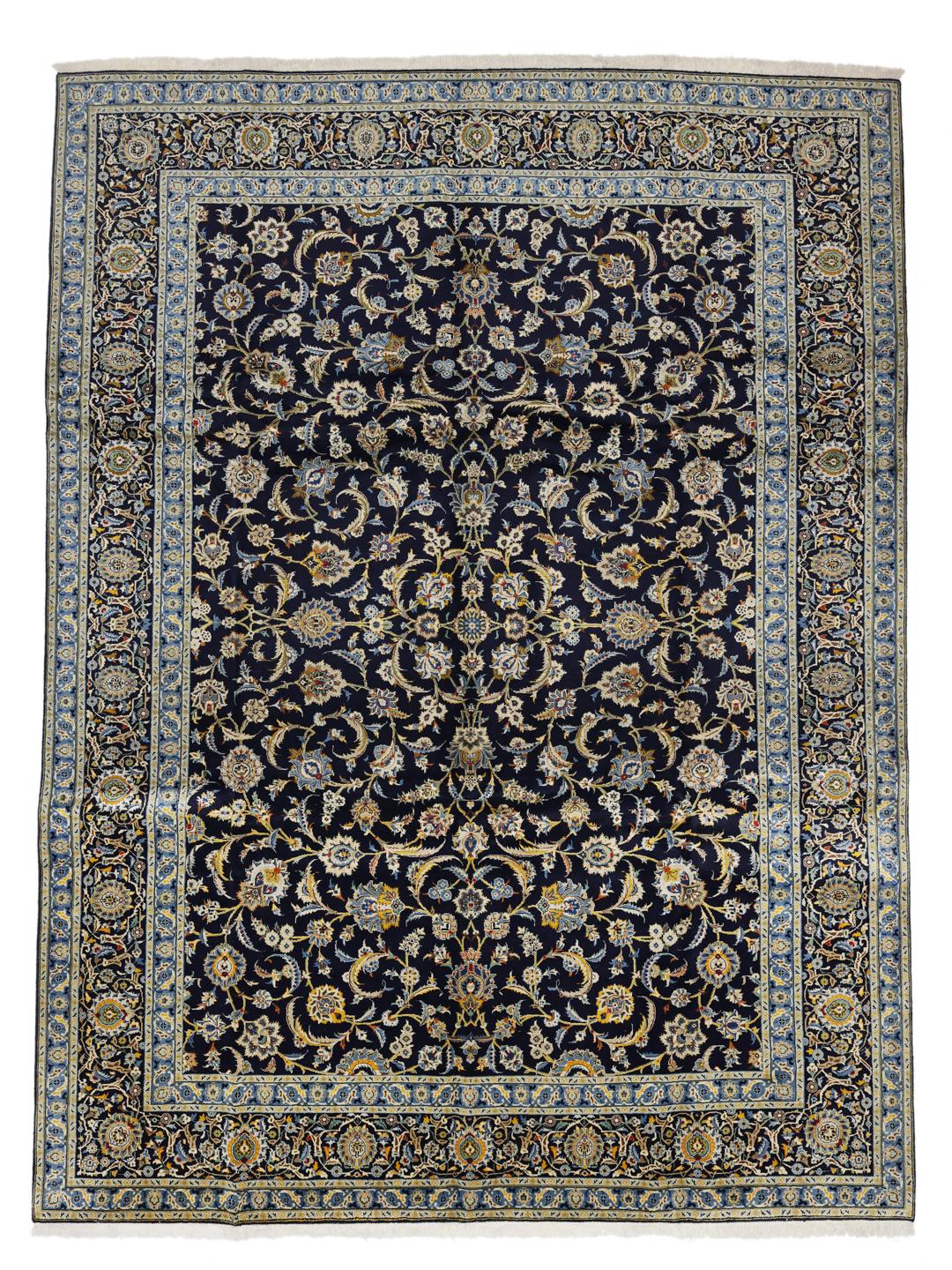
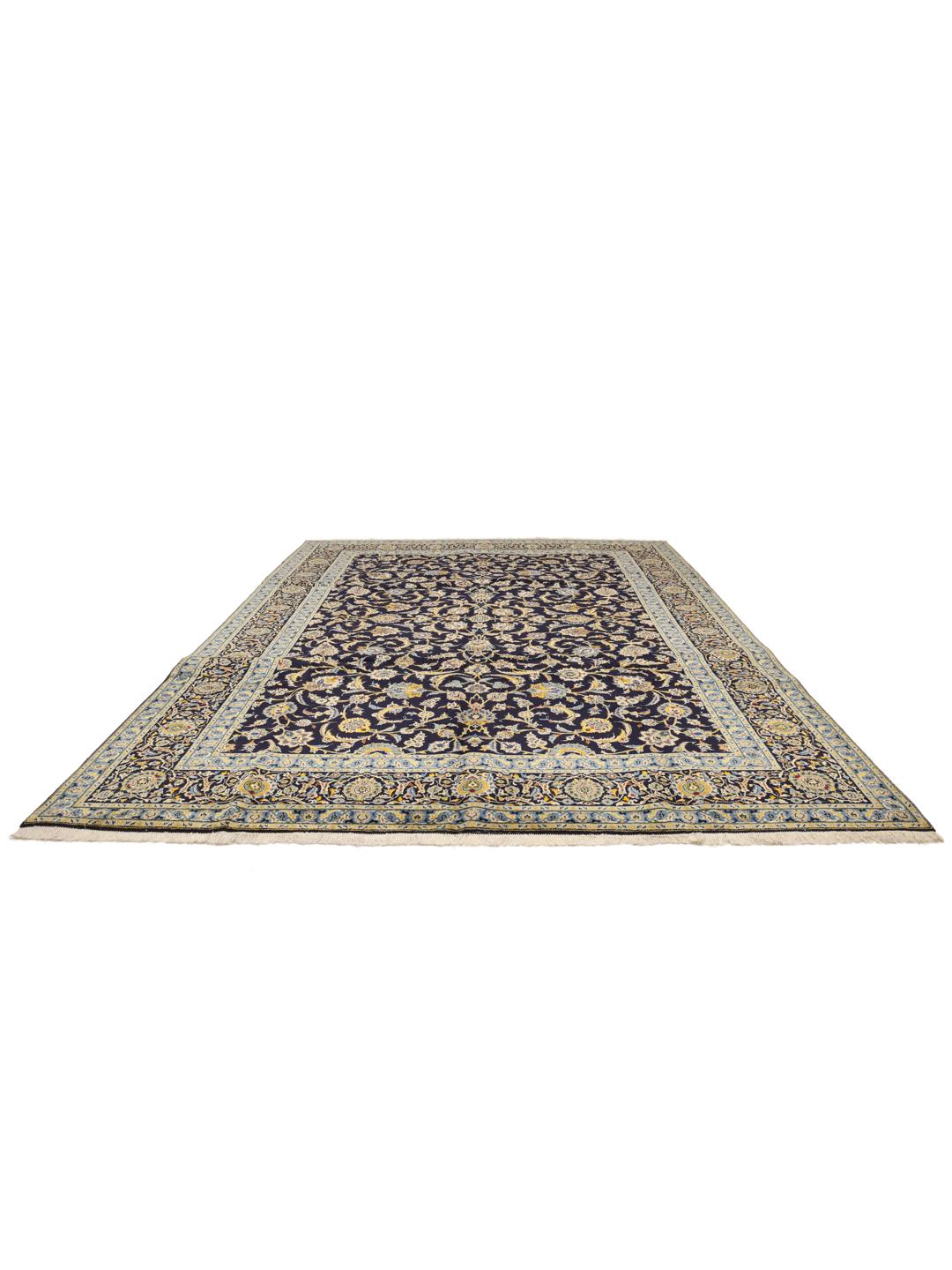
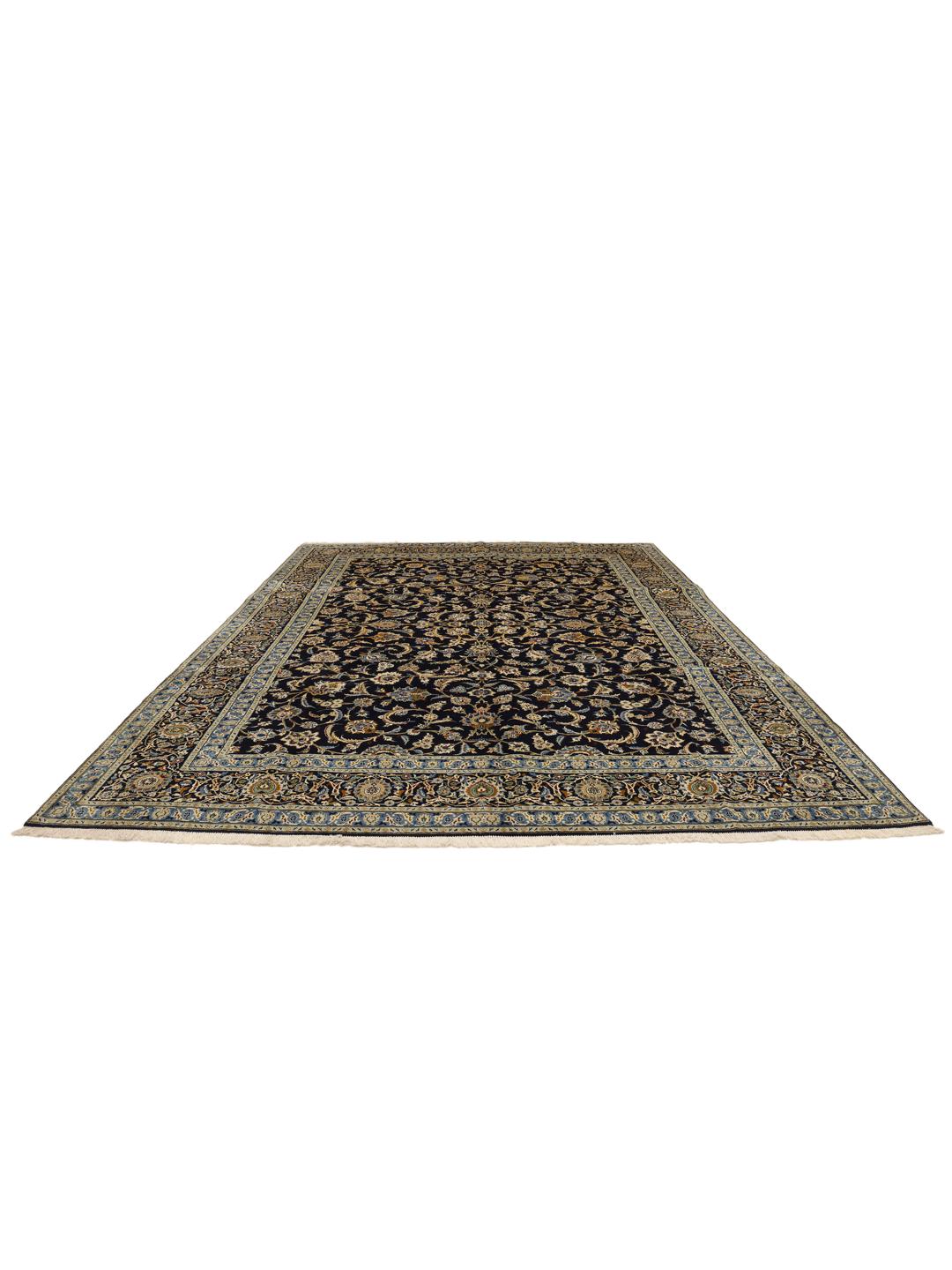
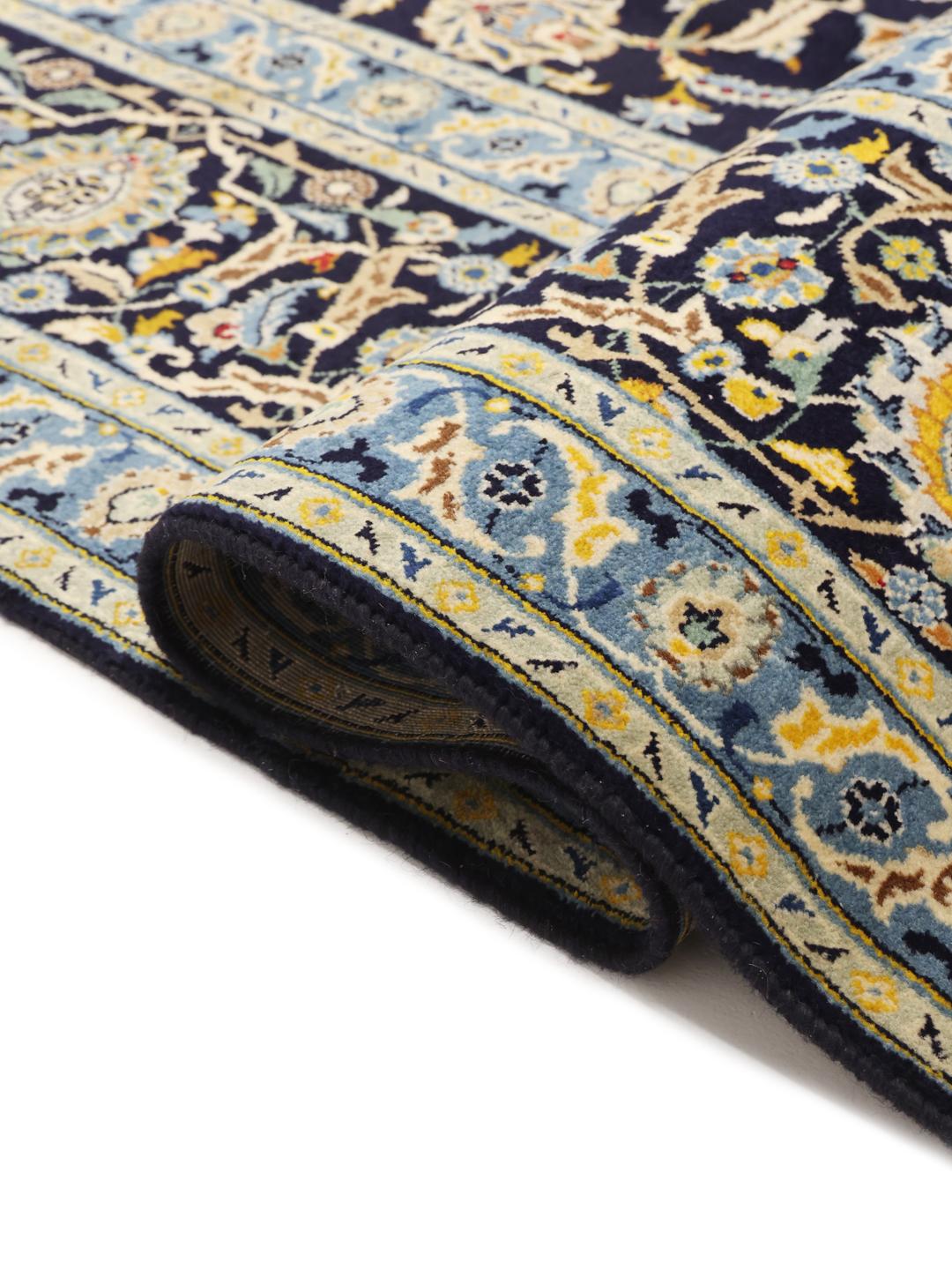
The Keshan rug tradition finds its roots in the historic city of Kashan, located in the heart of the Middle East. Historically, this region has been a vital hub for textile production, celebrated for its access to premium wool and its proximity to major trade routes. The evolution of the Keshan style is deeply tied to the artistic patronage of the region, where weavers integrated sophisticated floral designs and complex medallion layouts that were once reserved for royal courts.
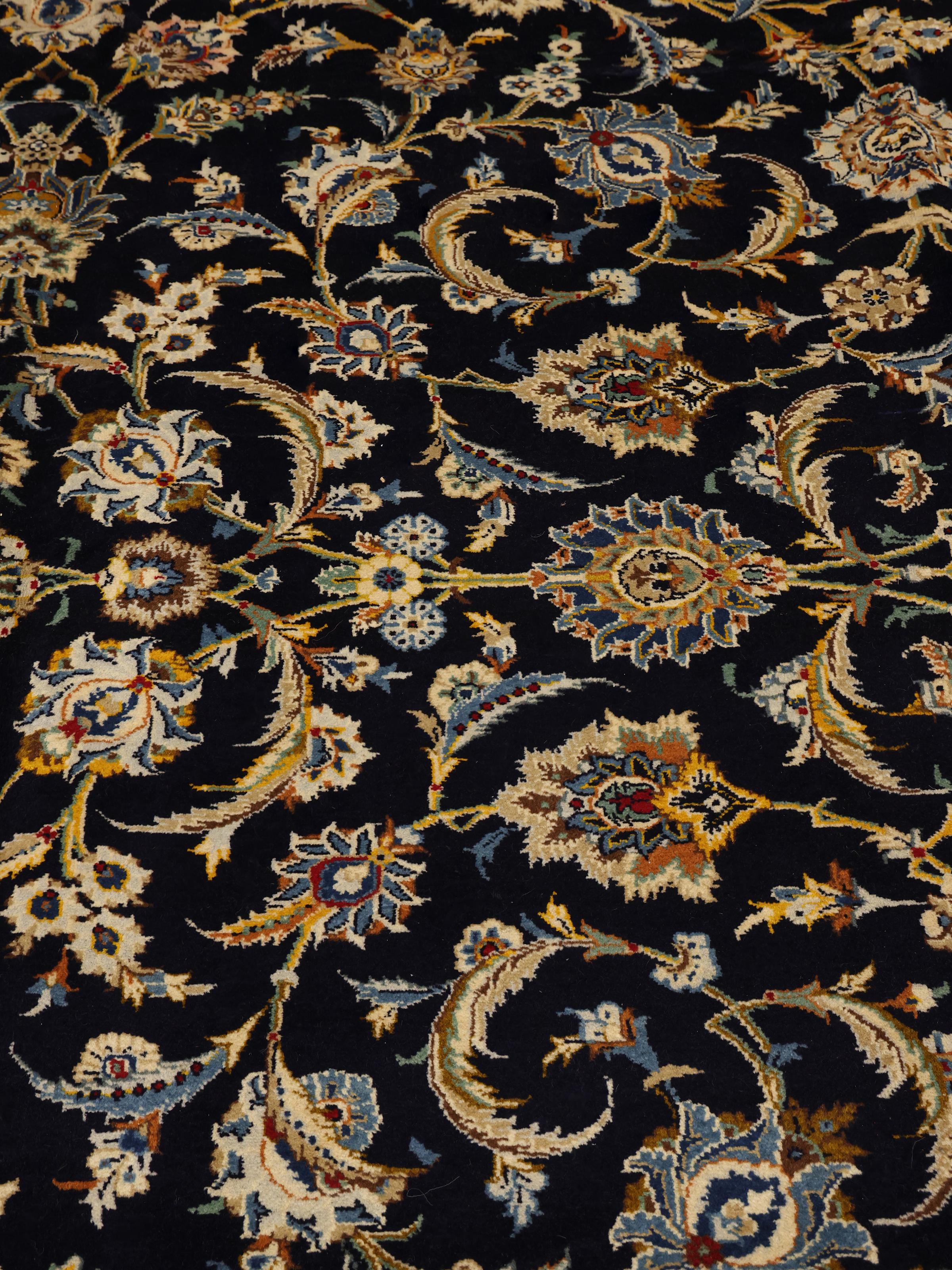
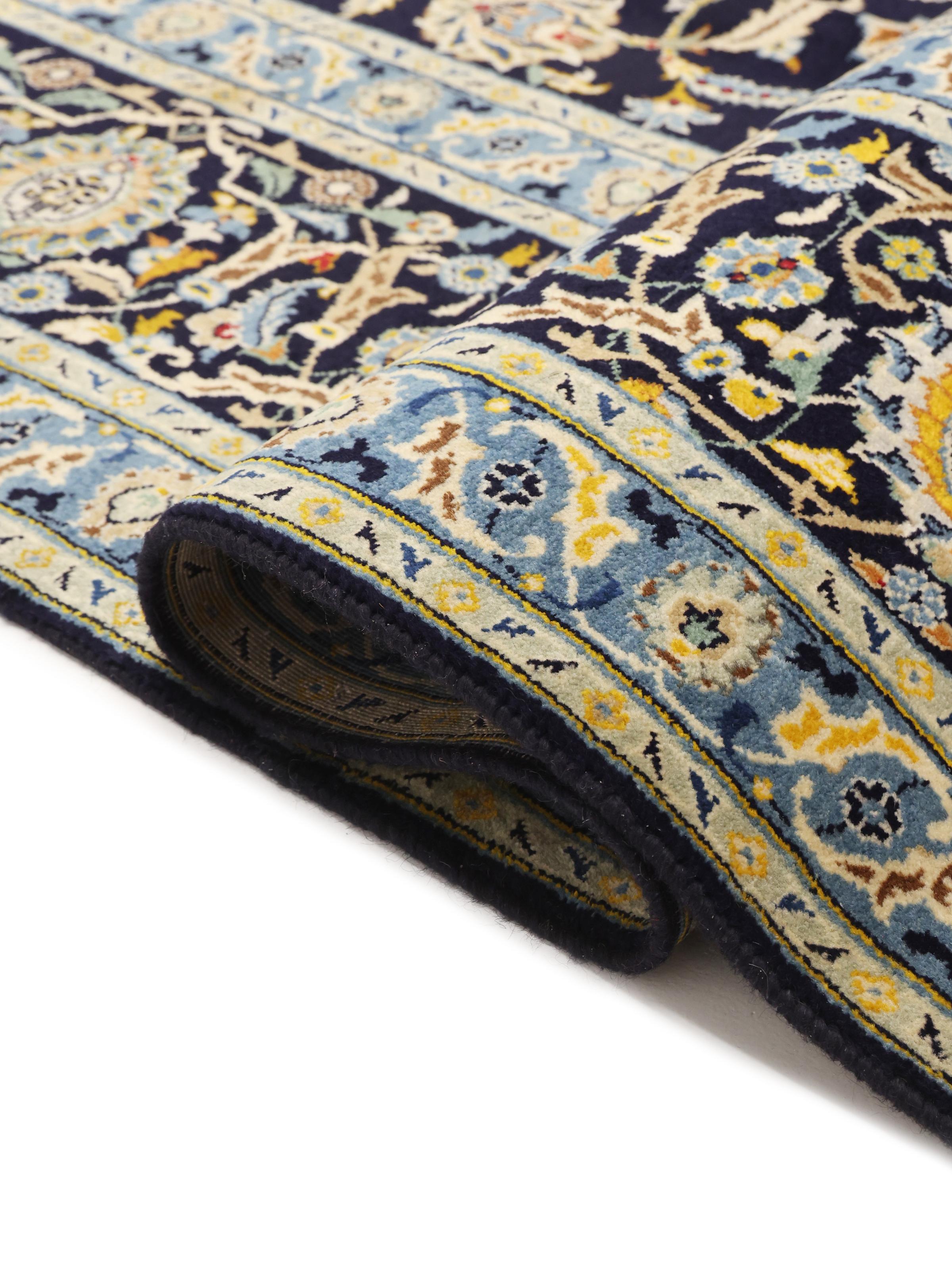
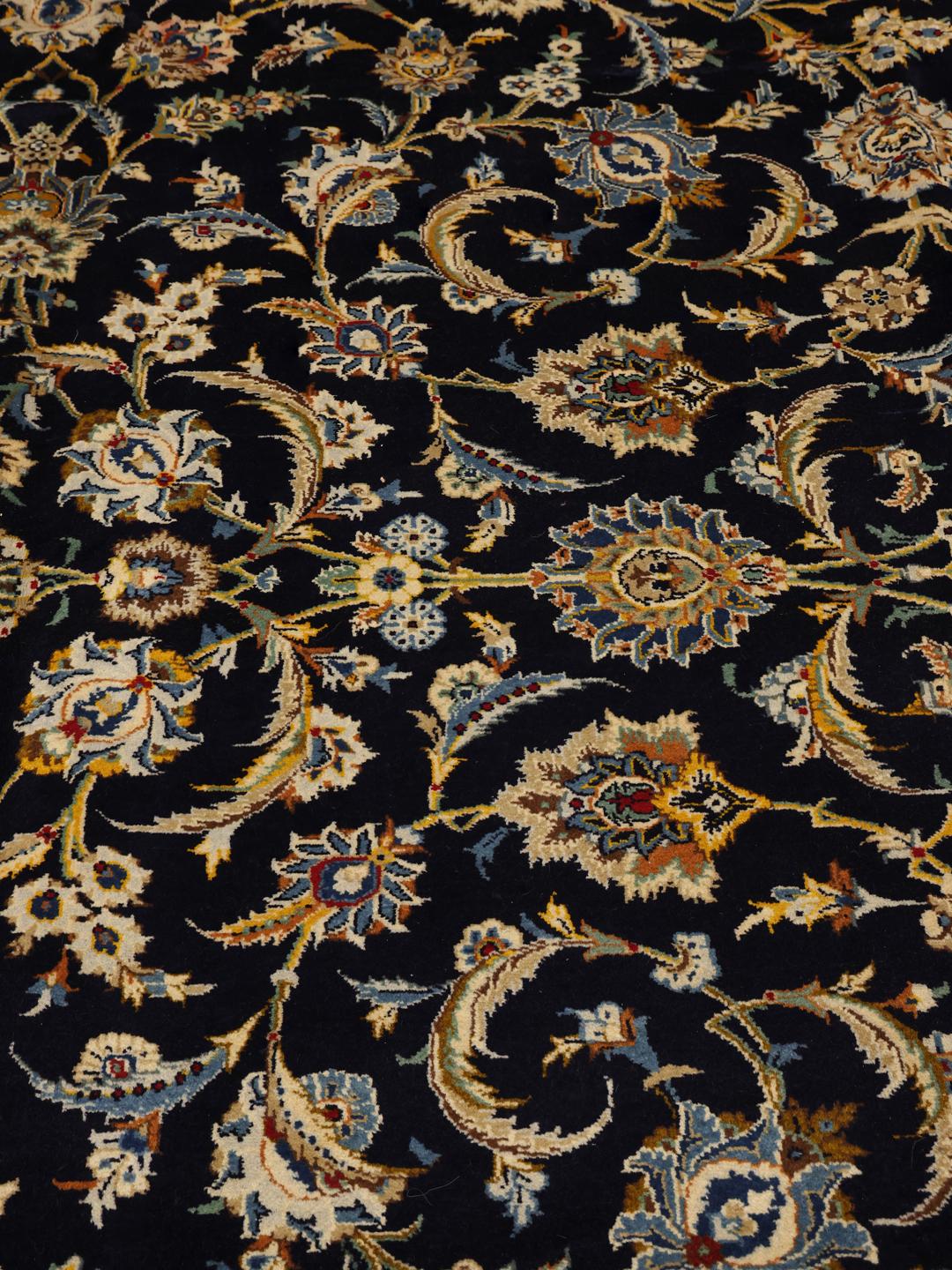
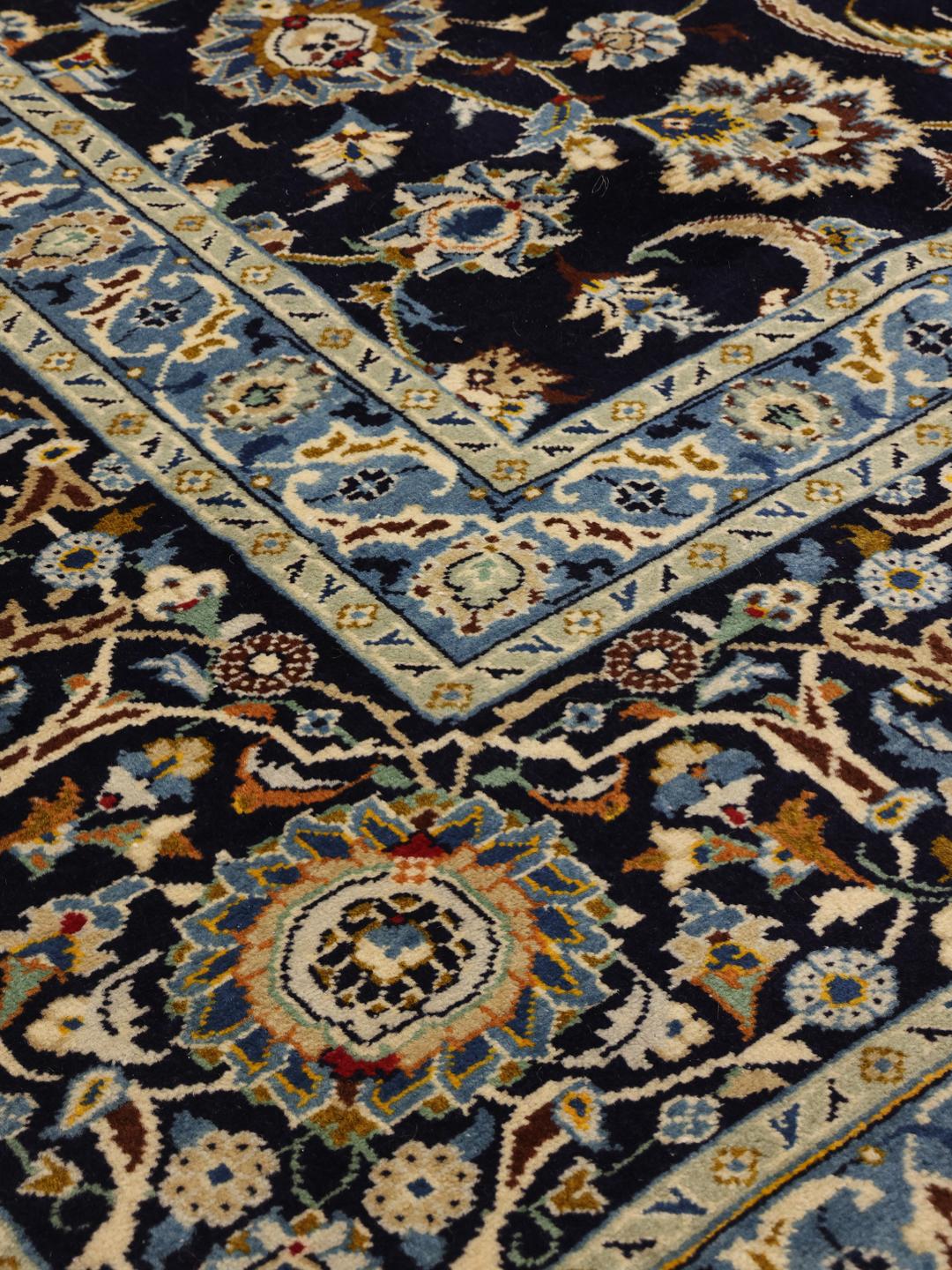
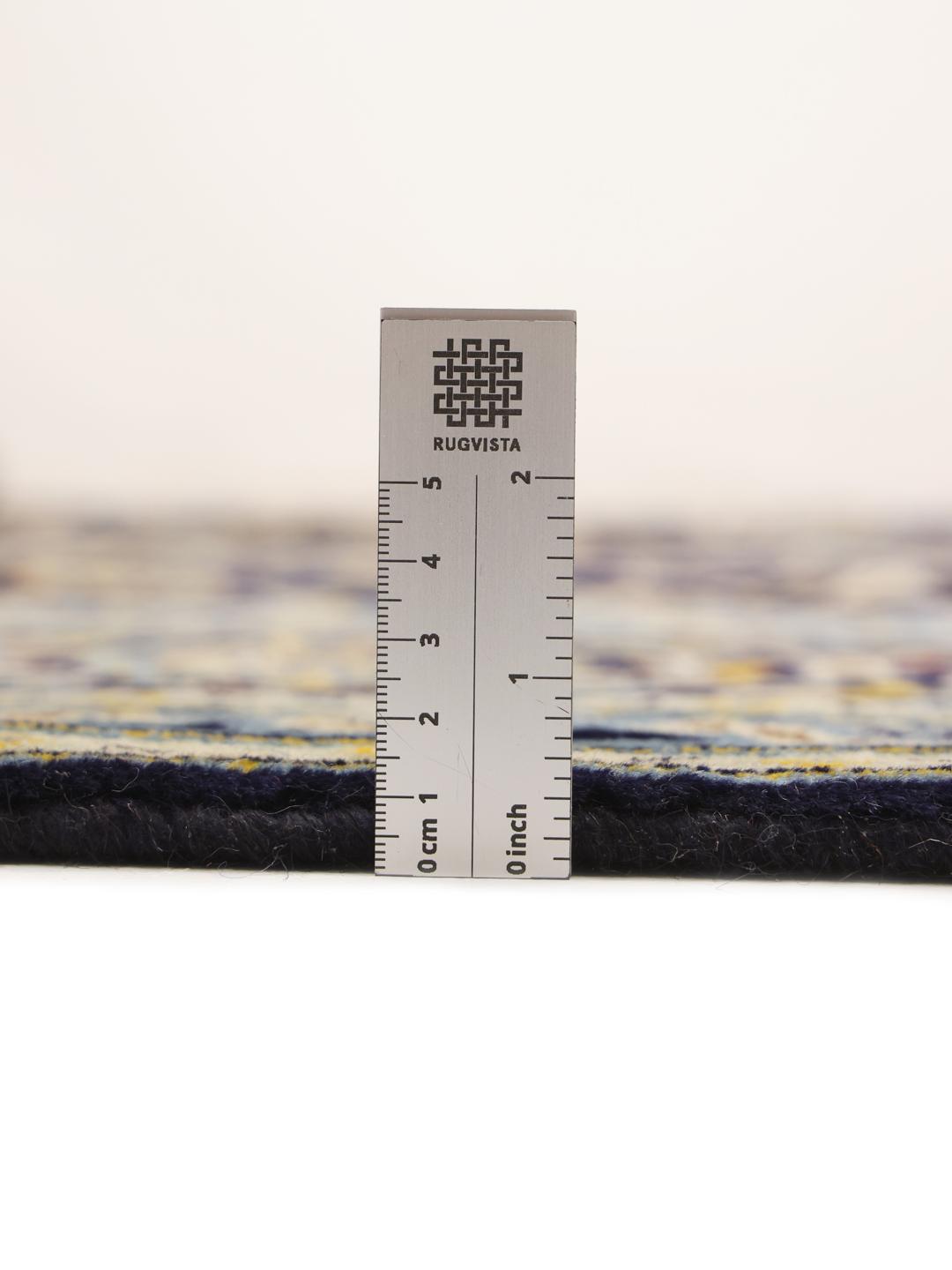
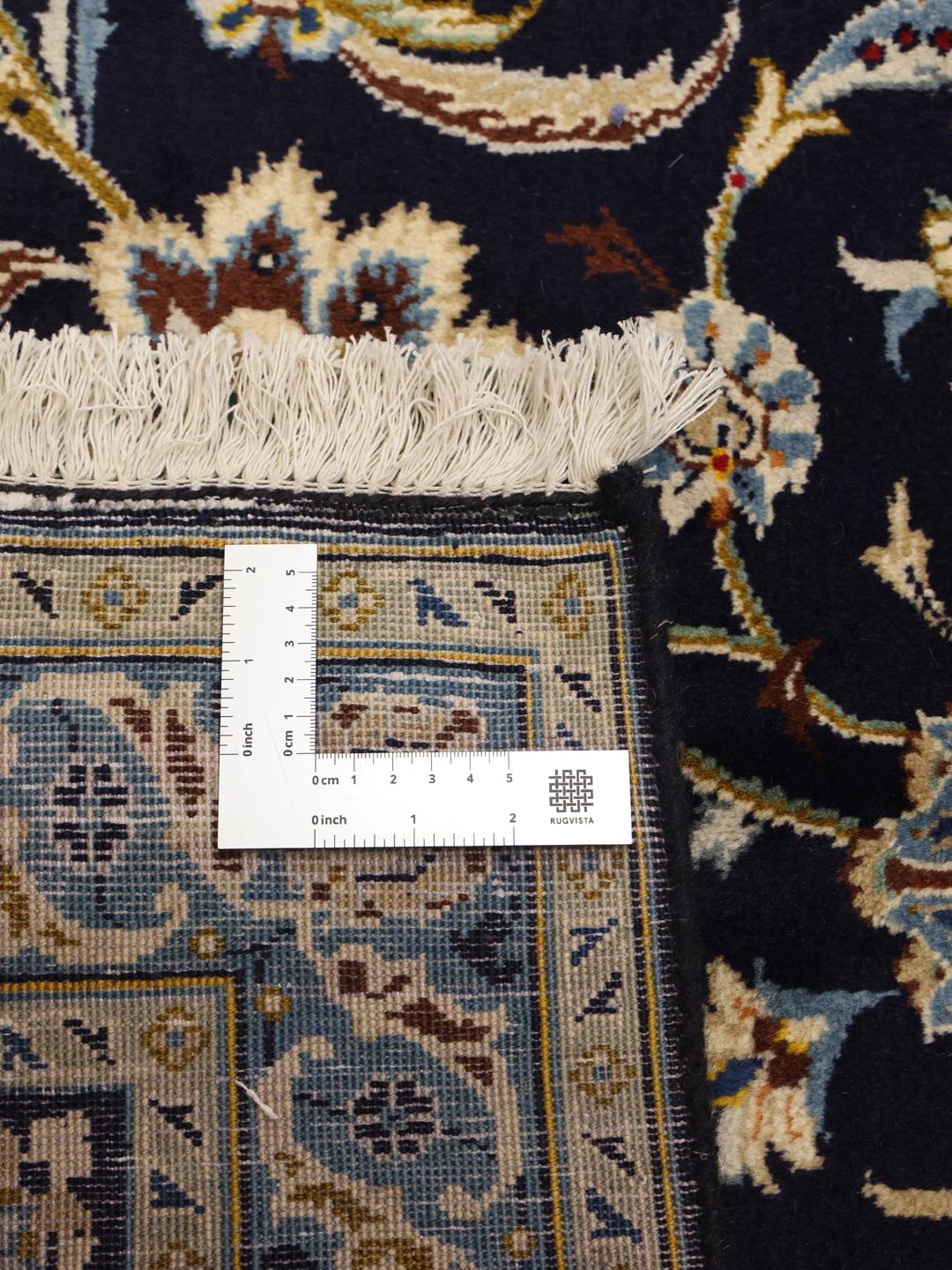
Technical excellence is the hallmark of a genuine Keshan. The use of a dense, hand-knotted pile ensures that the intricate curves of the floral motifs are rendered with precision. This density is not merely for show; it creates a supportive, resilient surface that protects the rug from the wear of daily life, allowing the intricate designs to remain crisp and well-defined even after decades of use.
Visually, these rugs are defined by a classic 'Shah Abbas' design, characterised by stylised palmettes, scrolling vines, and delicate floral sprays. While traditional examples often feature a central medallion, the field is frequently filled with a rhythmic, sprawling garden of blossoms that creates a sense of movement. The border systems are typically wide and complex, mirroring the elegance of the central field and framing the rug with a formal, sophisticated structure.
Collectors value Keshan rugs for their blend of historical prestige and technical mastery. Owning a piece from this tradition is akin to preserving a chapter of textile history, where the weaver’s skill transforms raw wool into a lasting cultural artifact. These rugs are highly sought after not just for their aesthetic appeal, but for their ability to anchor a room with a sense of gravity and heritage that mass-produced floor coverings simply cannot replicate.