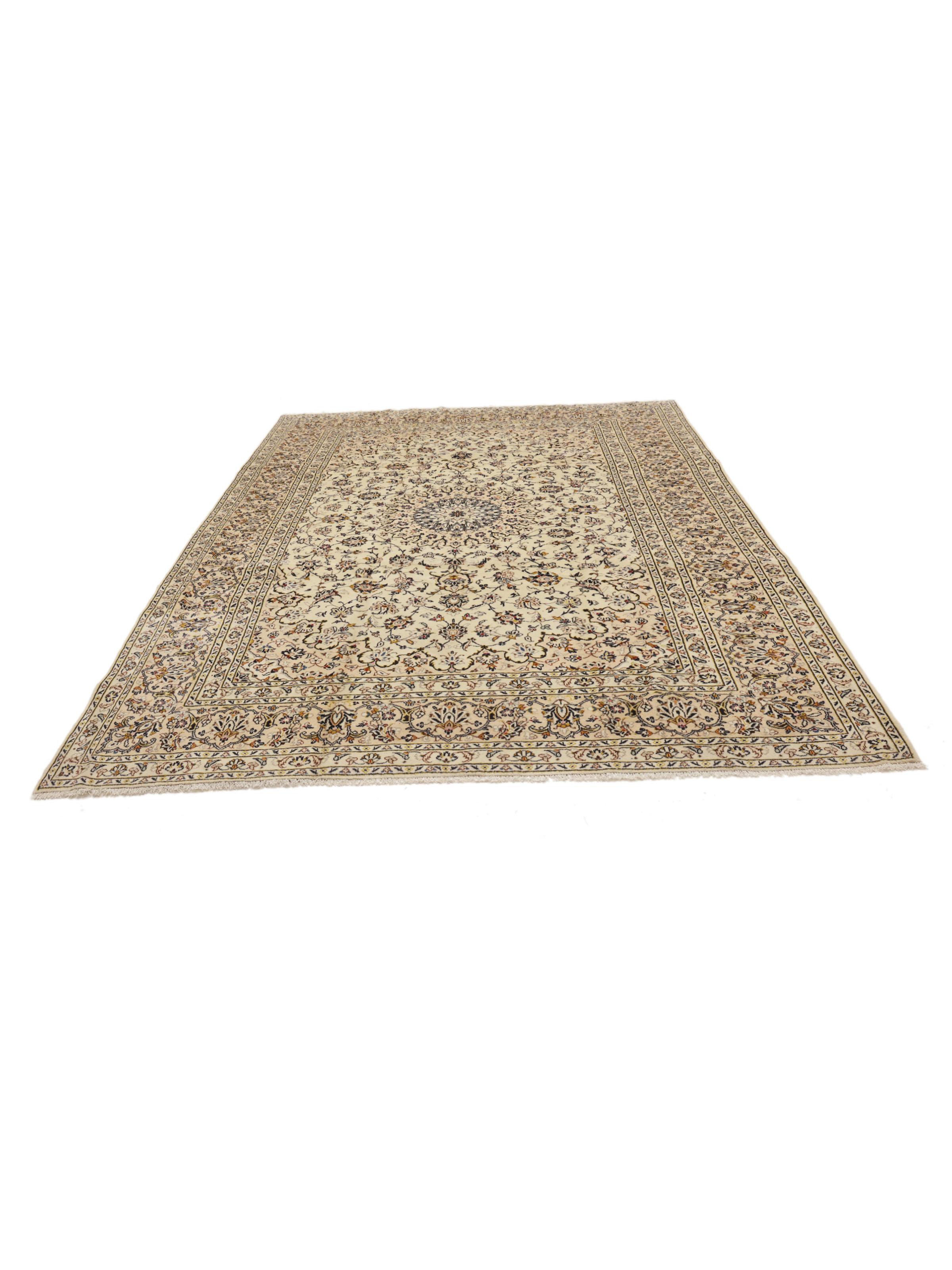
The Keshan rug tradition finds its origins in the historic city of Kashan, a desert oasis in the Middle East that has long been a centre for textile excellence. Historically, this city was a renowned stop on the ancient trade routes, where artisans developed a reputation for creating some of the most sought-after floor coverings in the world. This tradition of weaving has been passed down through generations, evolving to incorporate sophisticated floral designs that remain highly prized today.
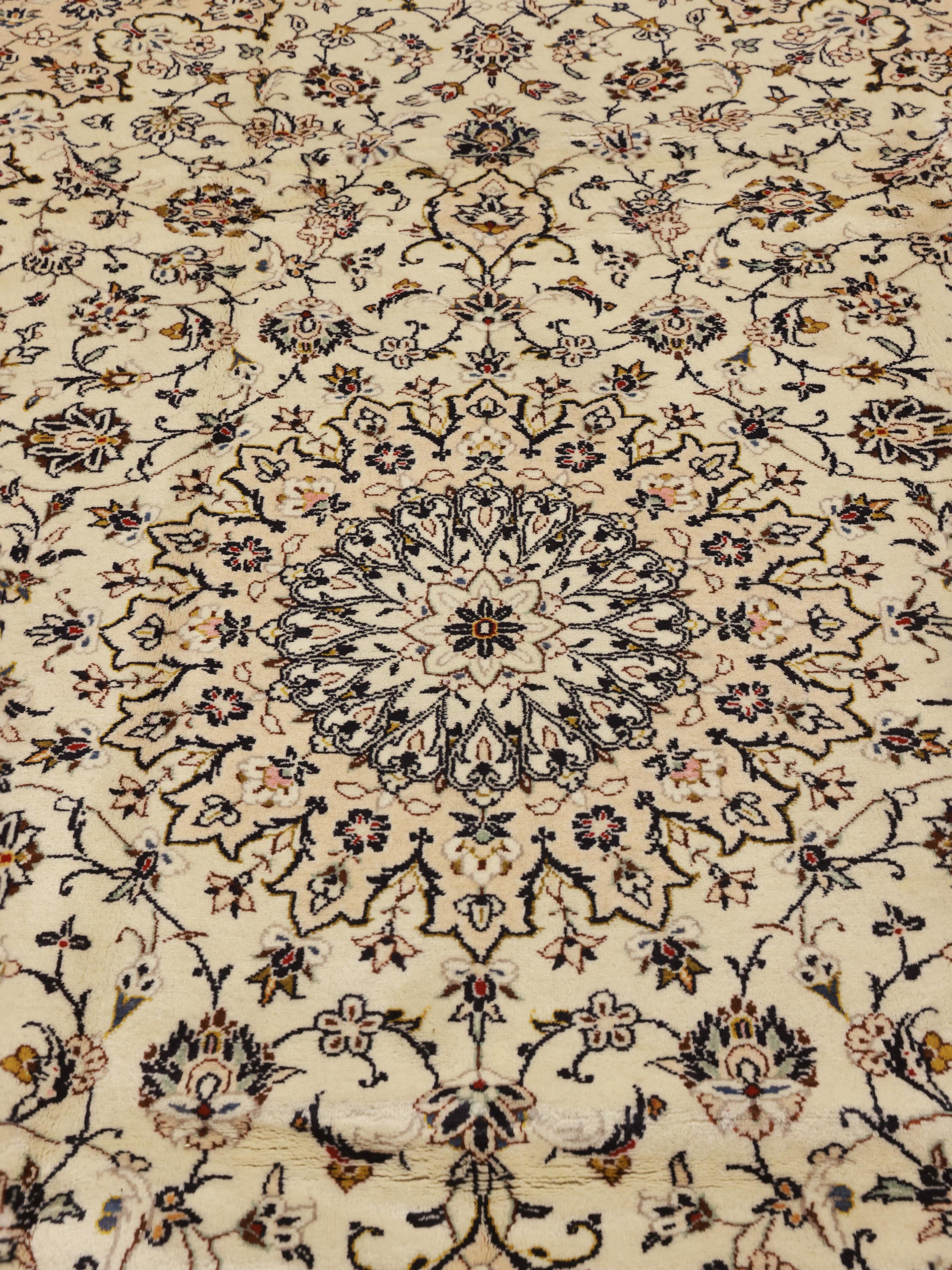
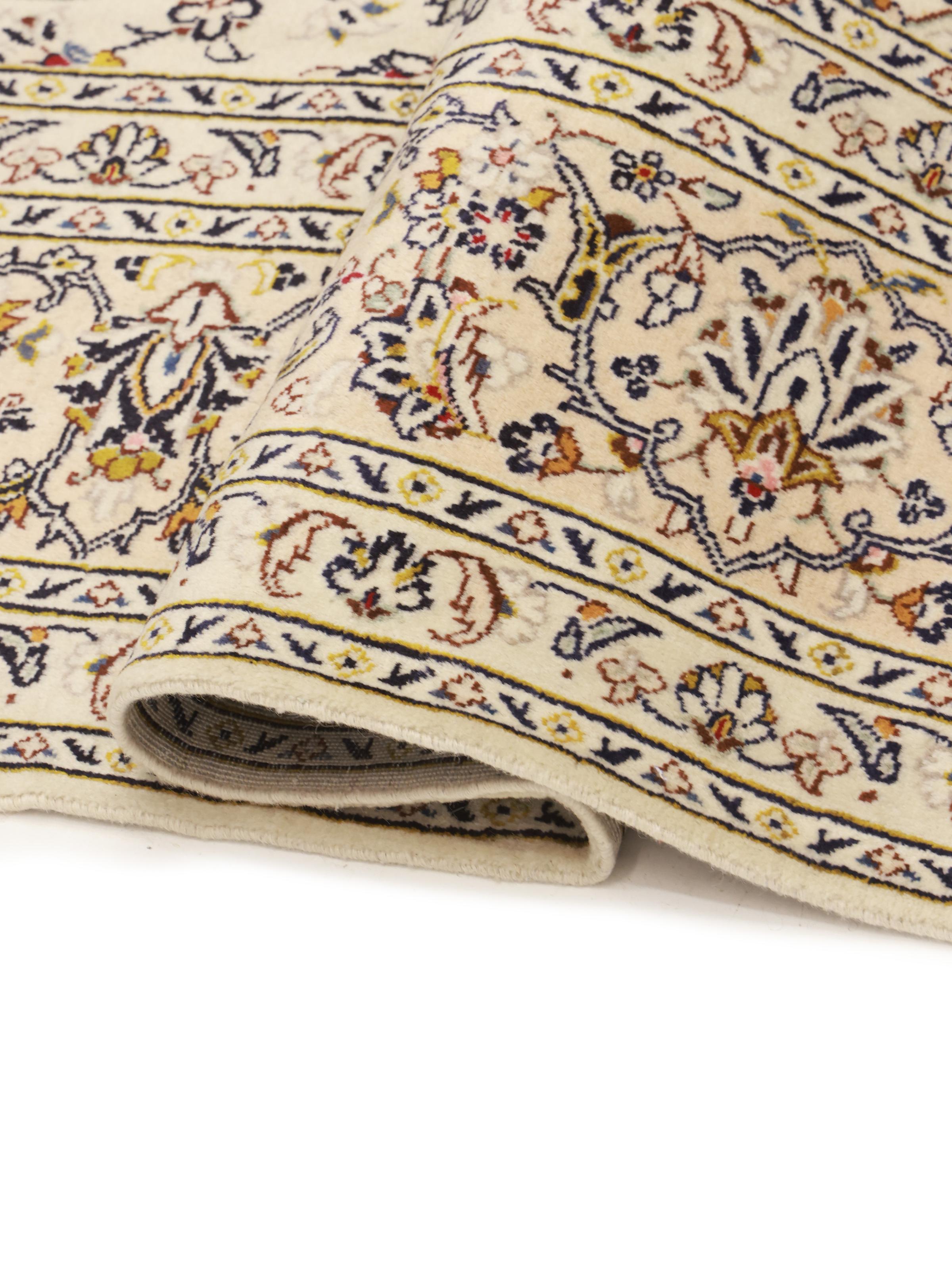
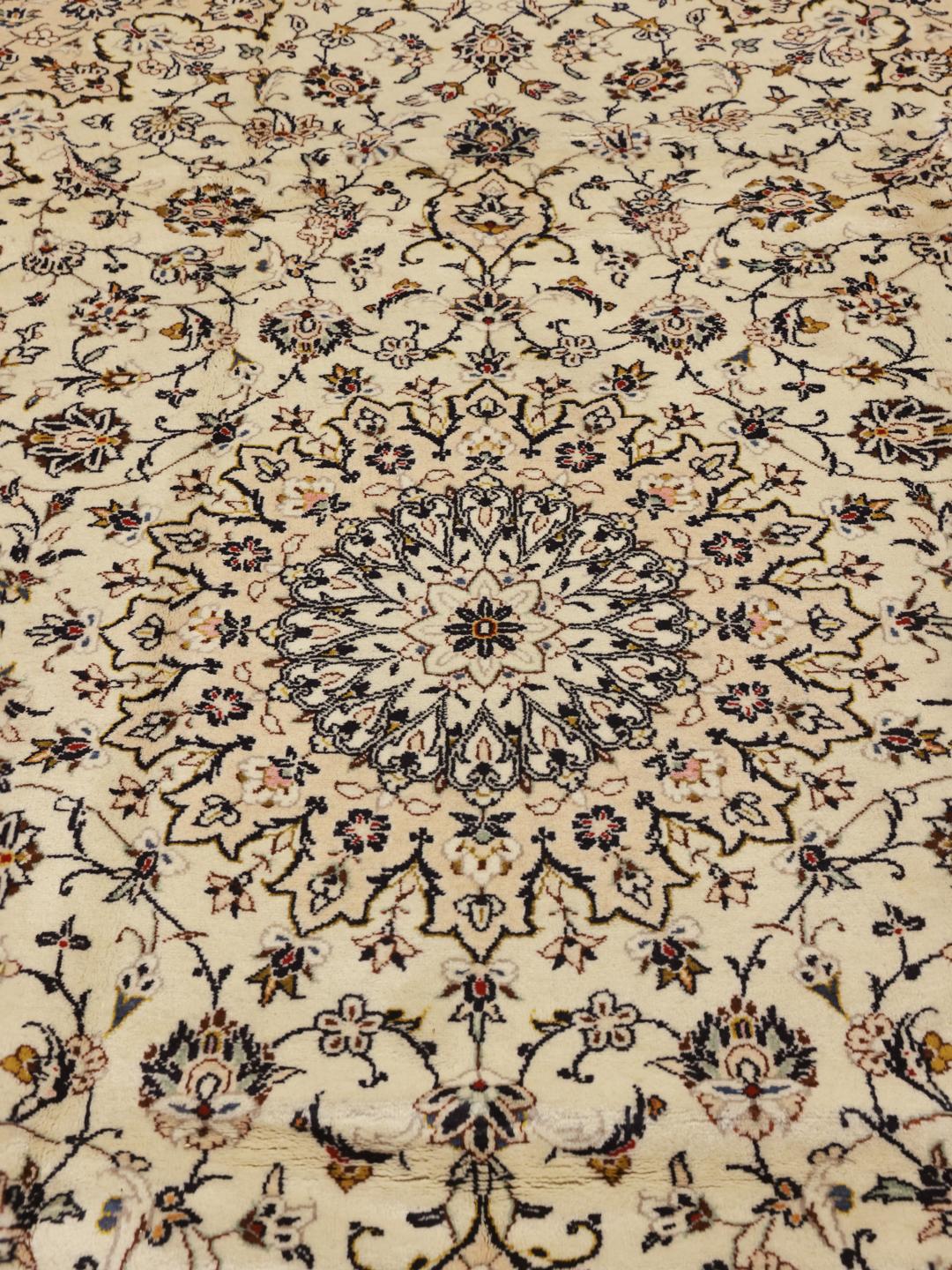
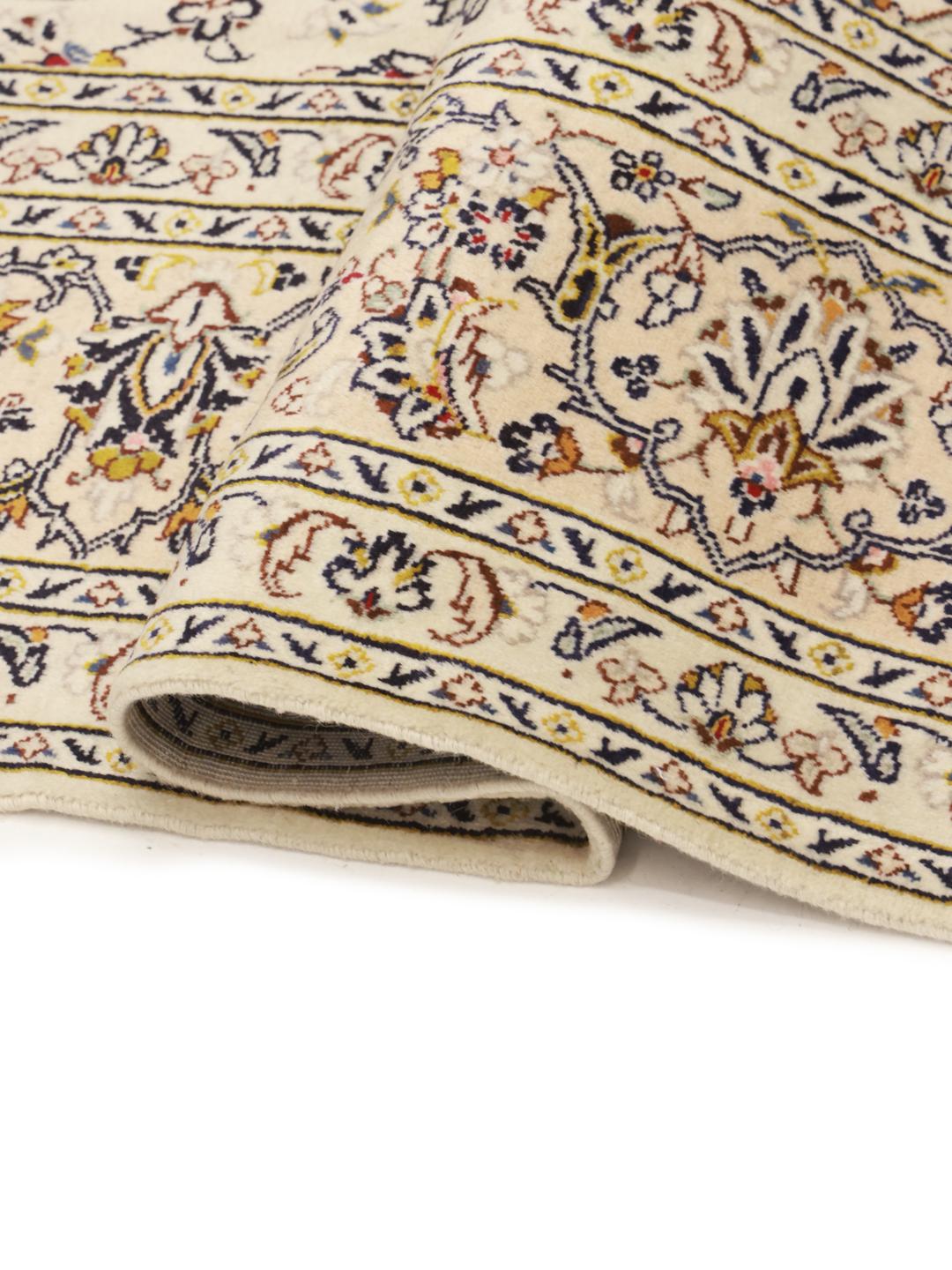
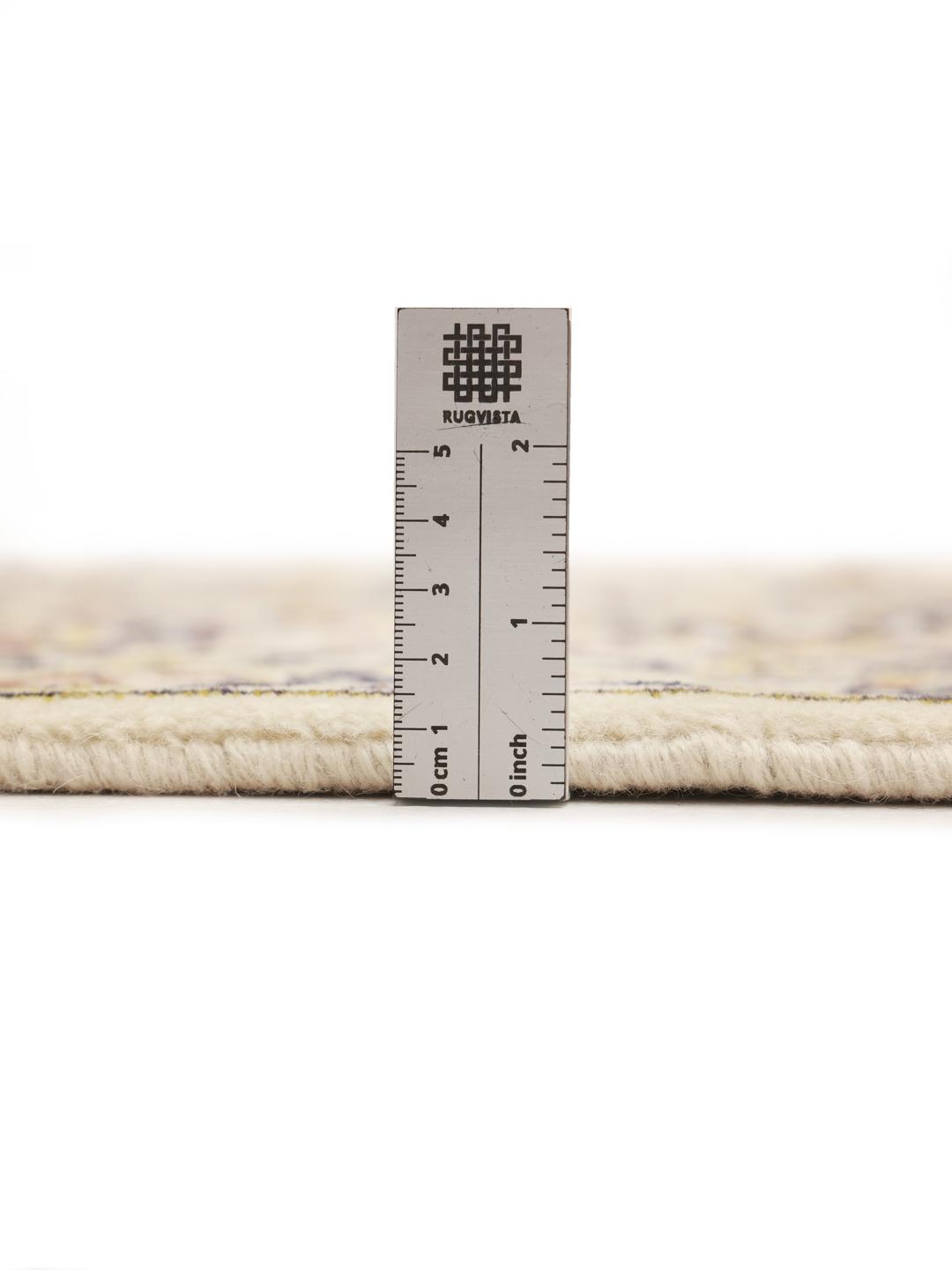
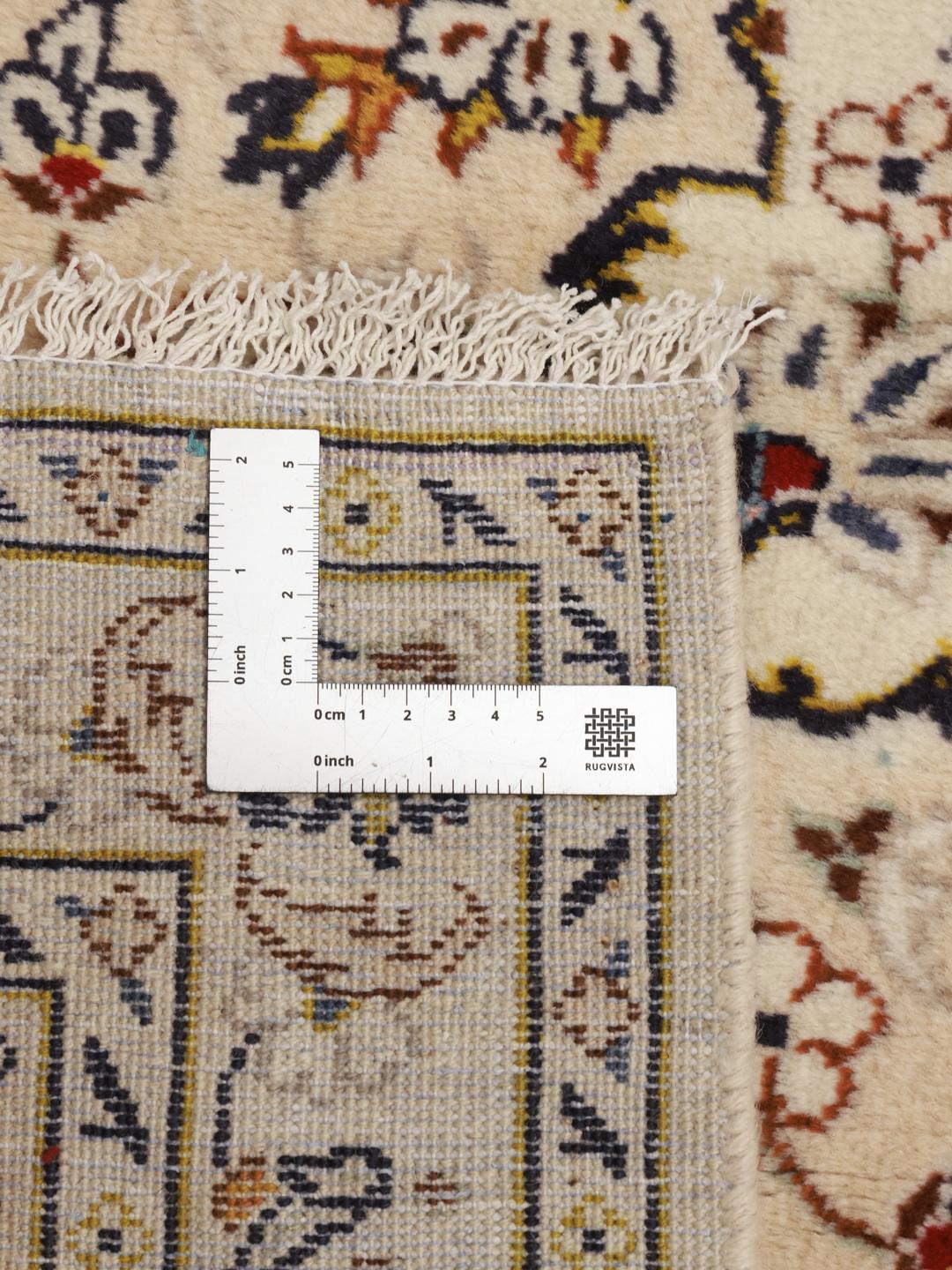
A defining feature of these rugs is the use of high-quality wool, which is expertly knotted to create a pile that is both soft and durable. The term hand-knotted refers to the technique of tying individual strands of wool onto a foundation of cotton. This process is significant because it allows for a high level of detail and a dense, luxurious pile that withstands the rigours of daily life while maintaining its aesthetic appeal.
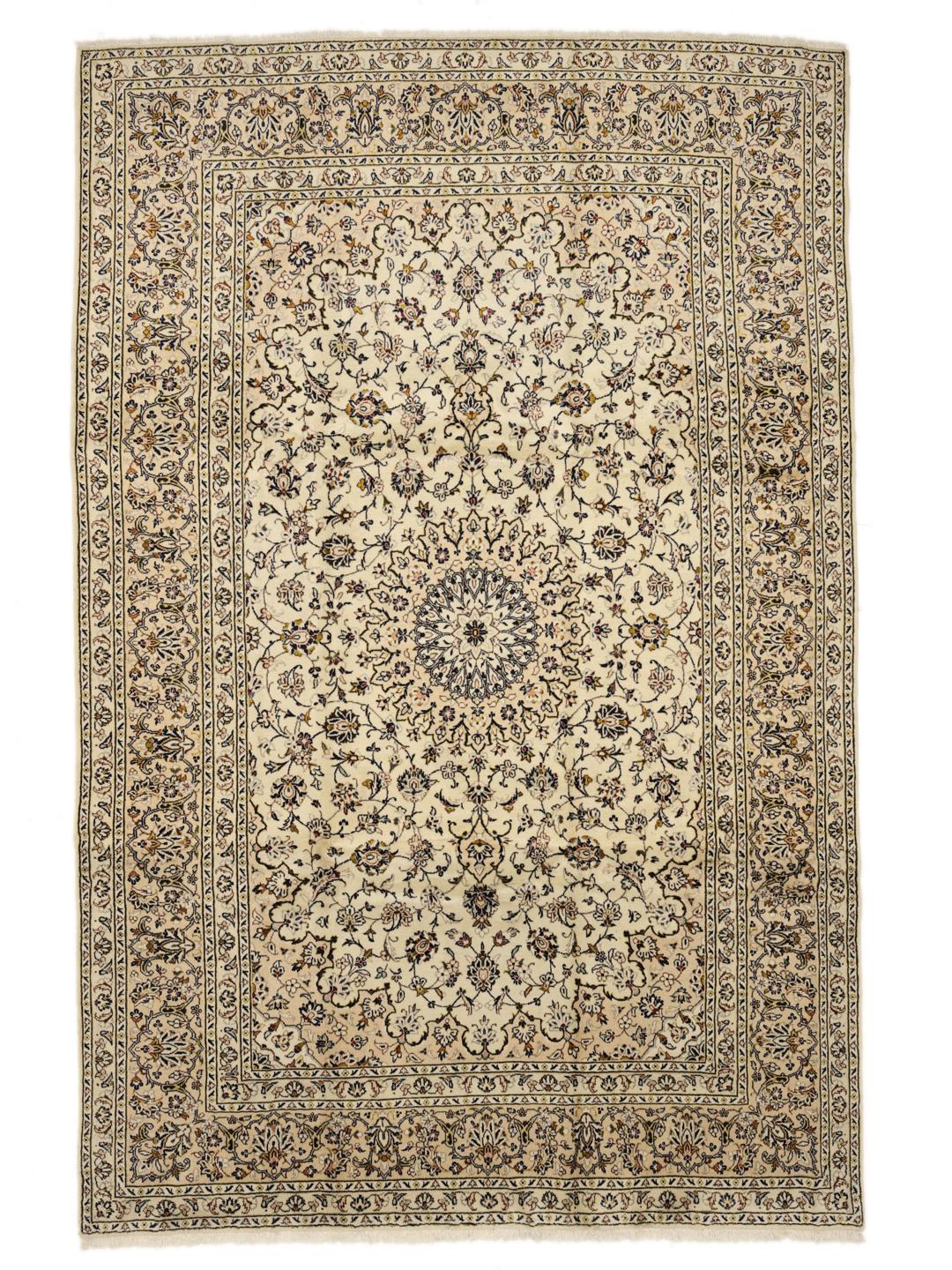
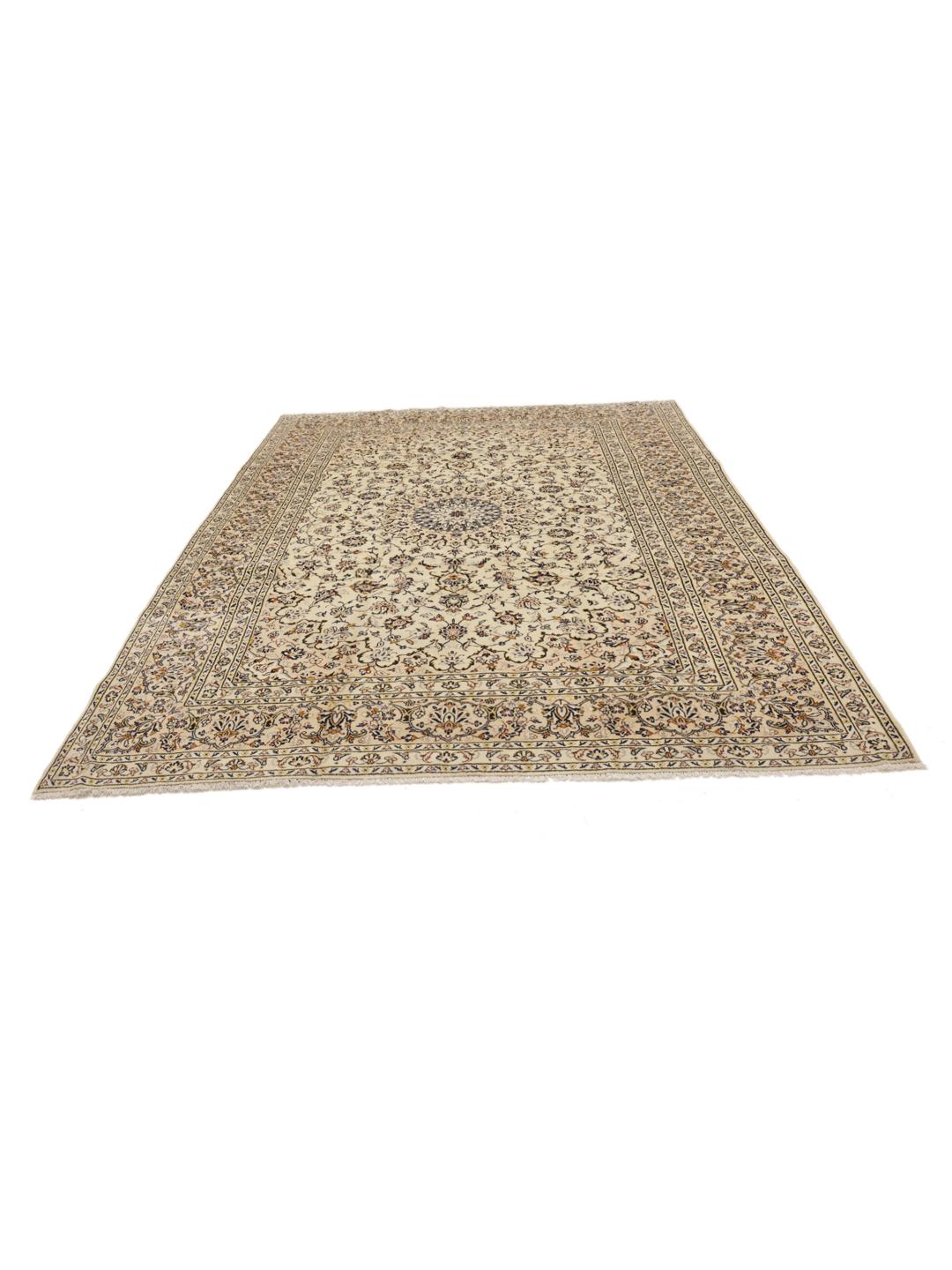
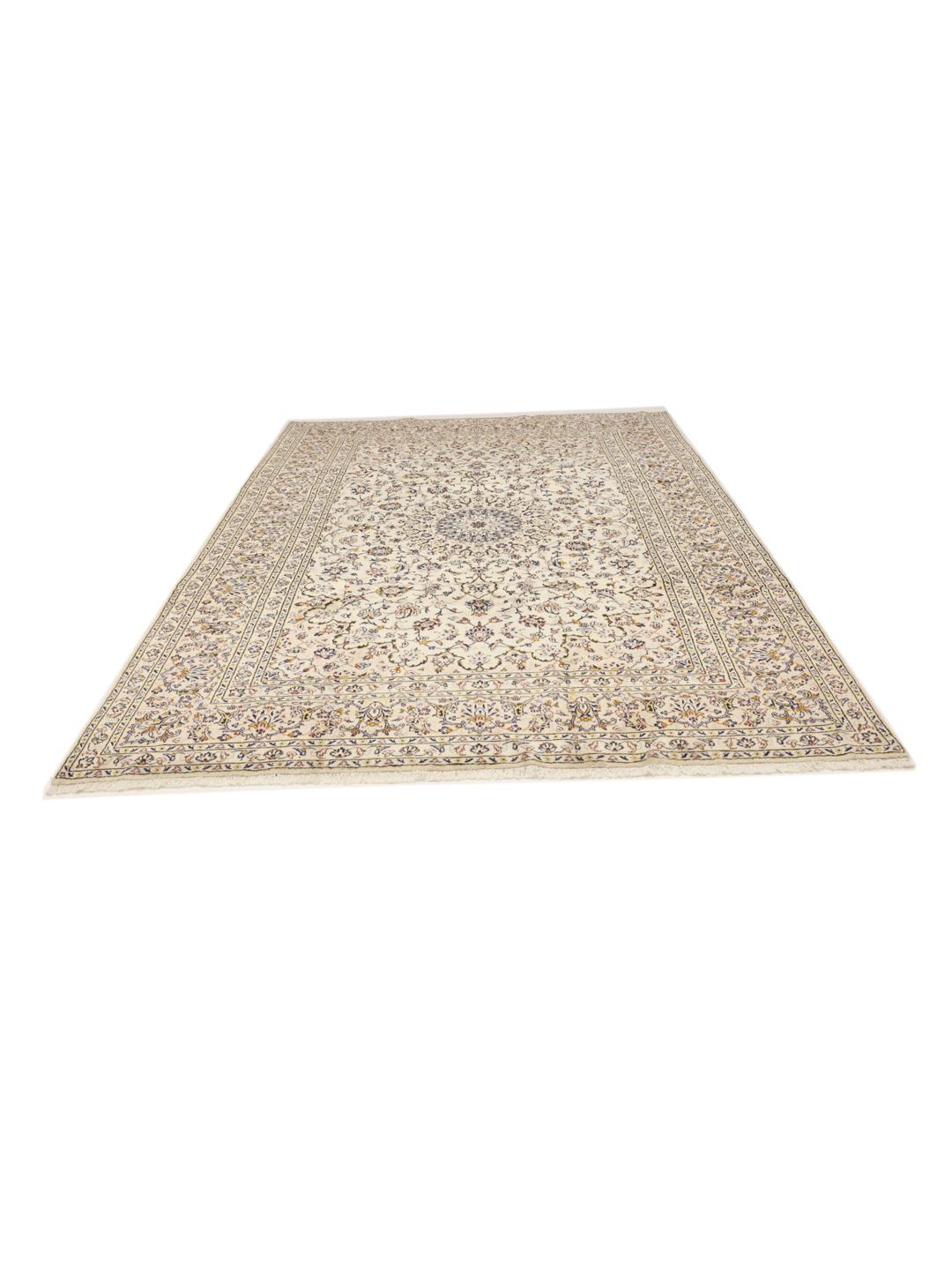
Visually, these rugs are often defined by their intricate floral patterns, scrolling vines, and the iconic central medallion that draws the eye. The borders are usually wide and ornate, mirroring the complexity of the central field. While traditional designs often feature deep reds and blues, this piece showcases a beautiful beige palette, highlighting the versatility and artistic range that weavers in this region have cultivated over centuries.
Collecting a rug from this tradition is about more than just decoration; it is an investment in cultural heritage. Because of the immense skill and time required to produce them, these rugs are considered symbols of prestige and lasting quality. Owning one means connecting your home to a long lineage of craft, ensuring that your space is grounded by a piece that carries real historical weight and artistic significance.