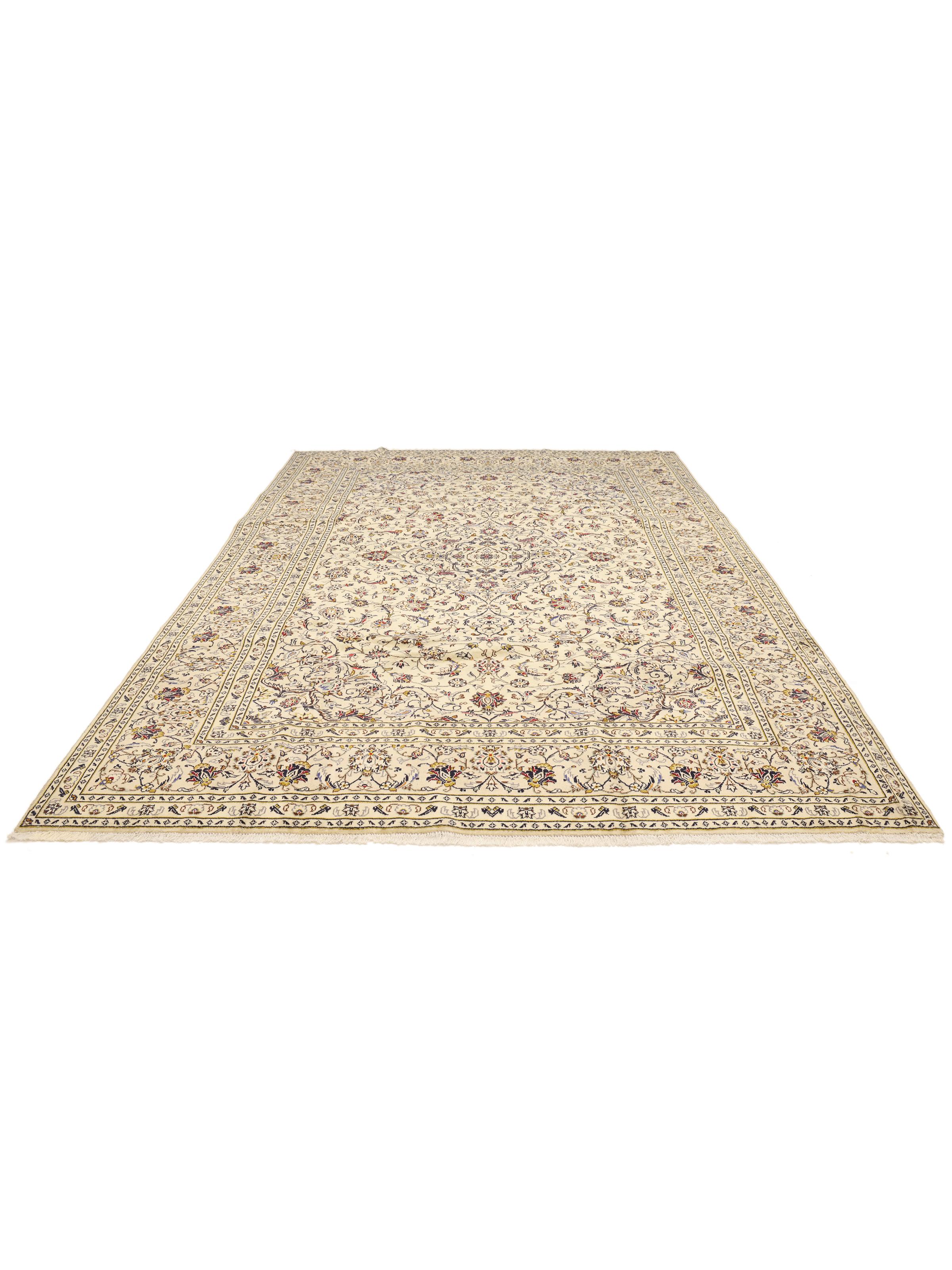
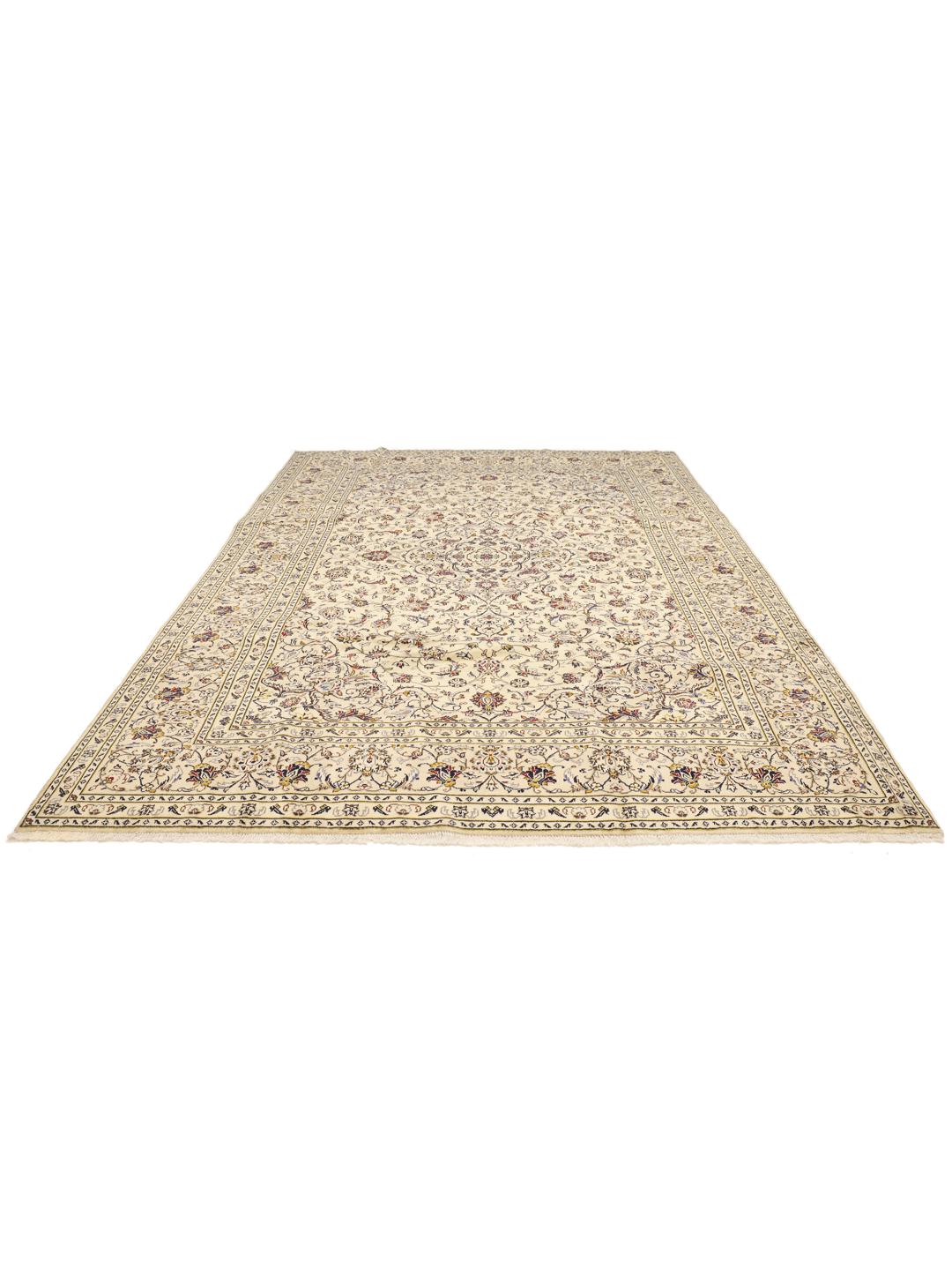
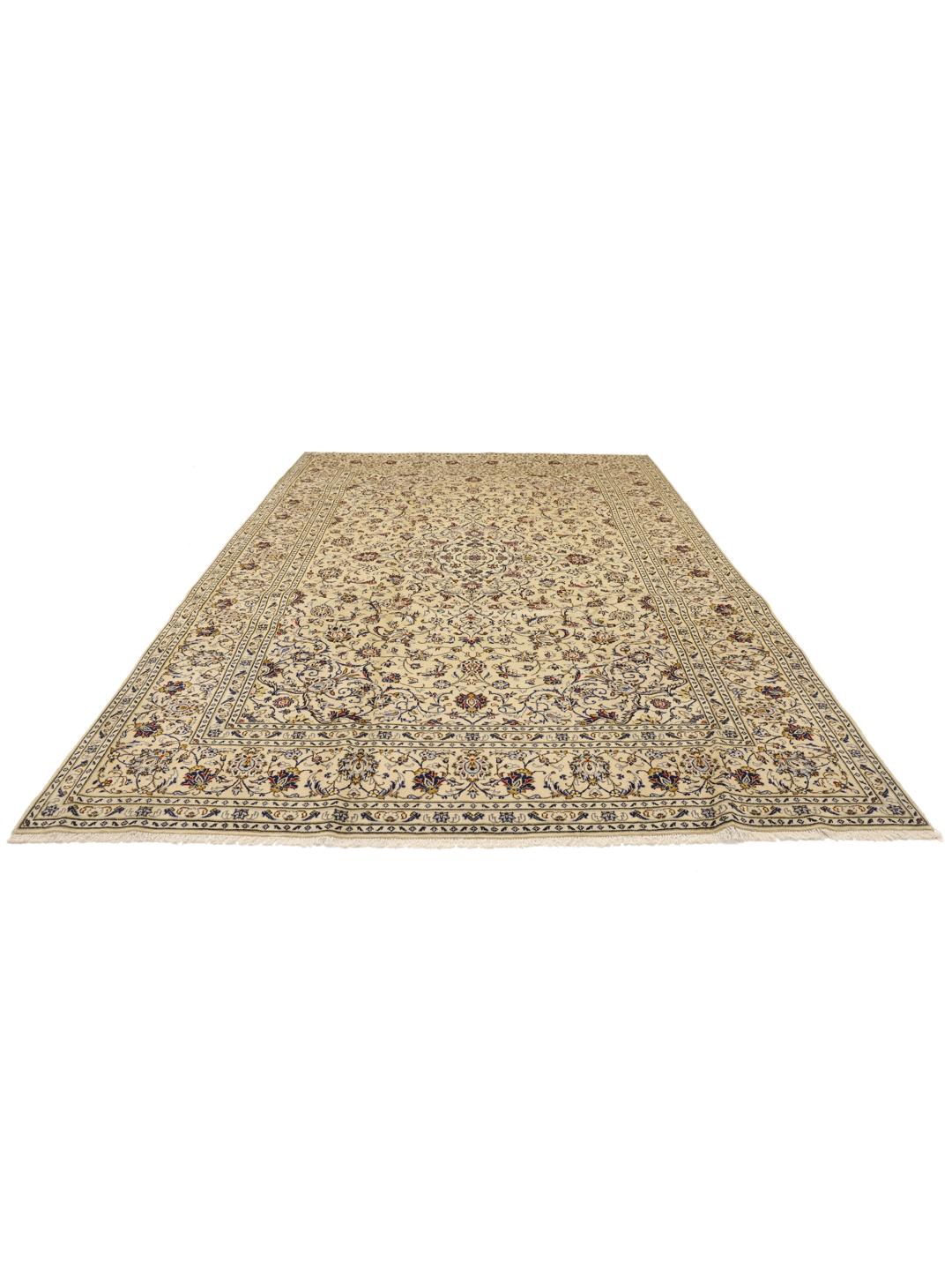
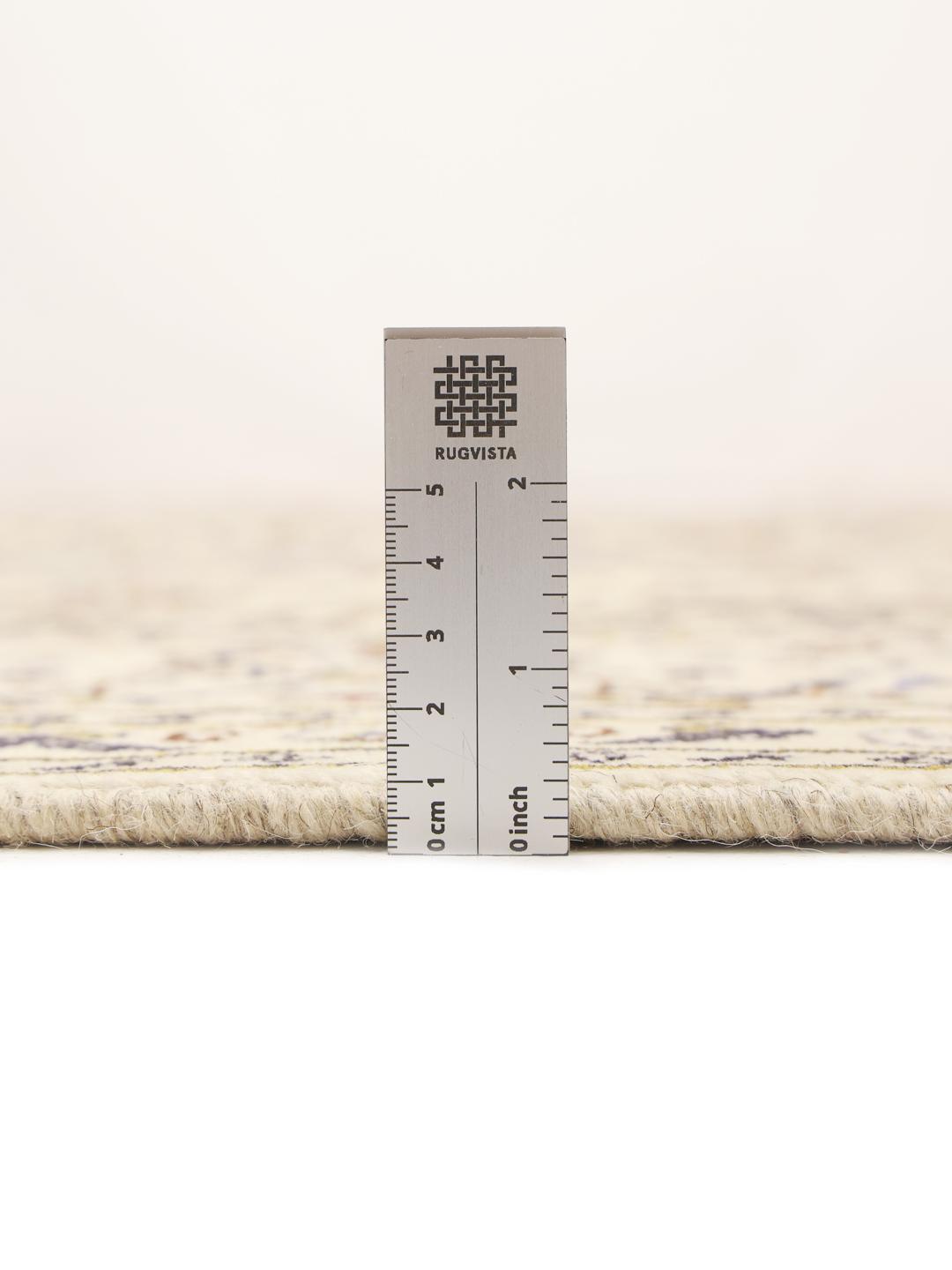
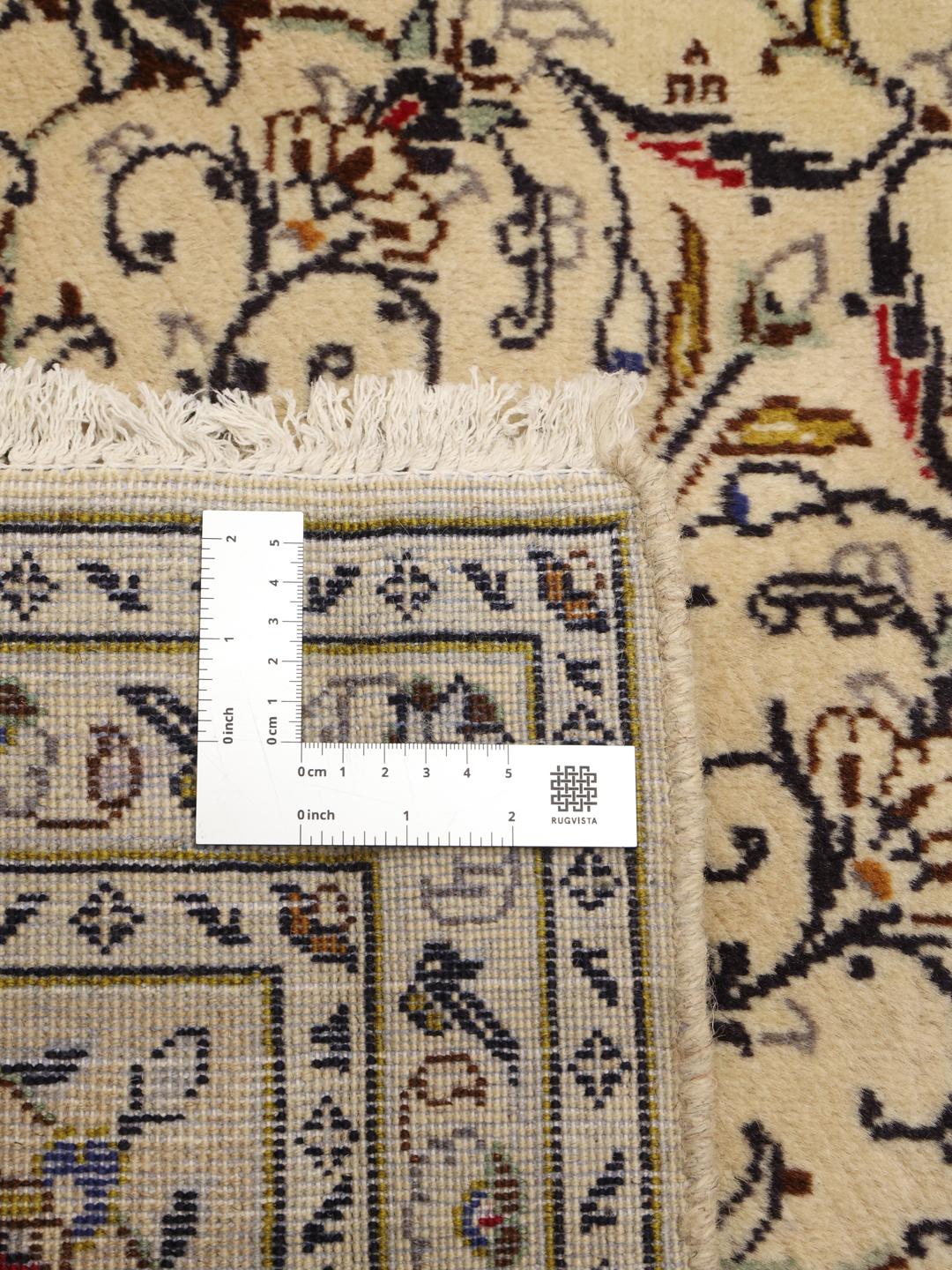
The Keshan rug tradition is deeply rooted in the history of the Middle East, specifically named after the ancient city of Kashan. Historically, this region was a major centre for silk production and textile arts, known for creating some of the most sought-after floor coverings in the world. Today, the tradition continues, with artisans blending regional techniques to produce rugs that are celebrated for their sophisticated beauty and enduring quality.
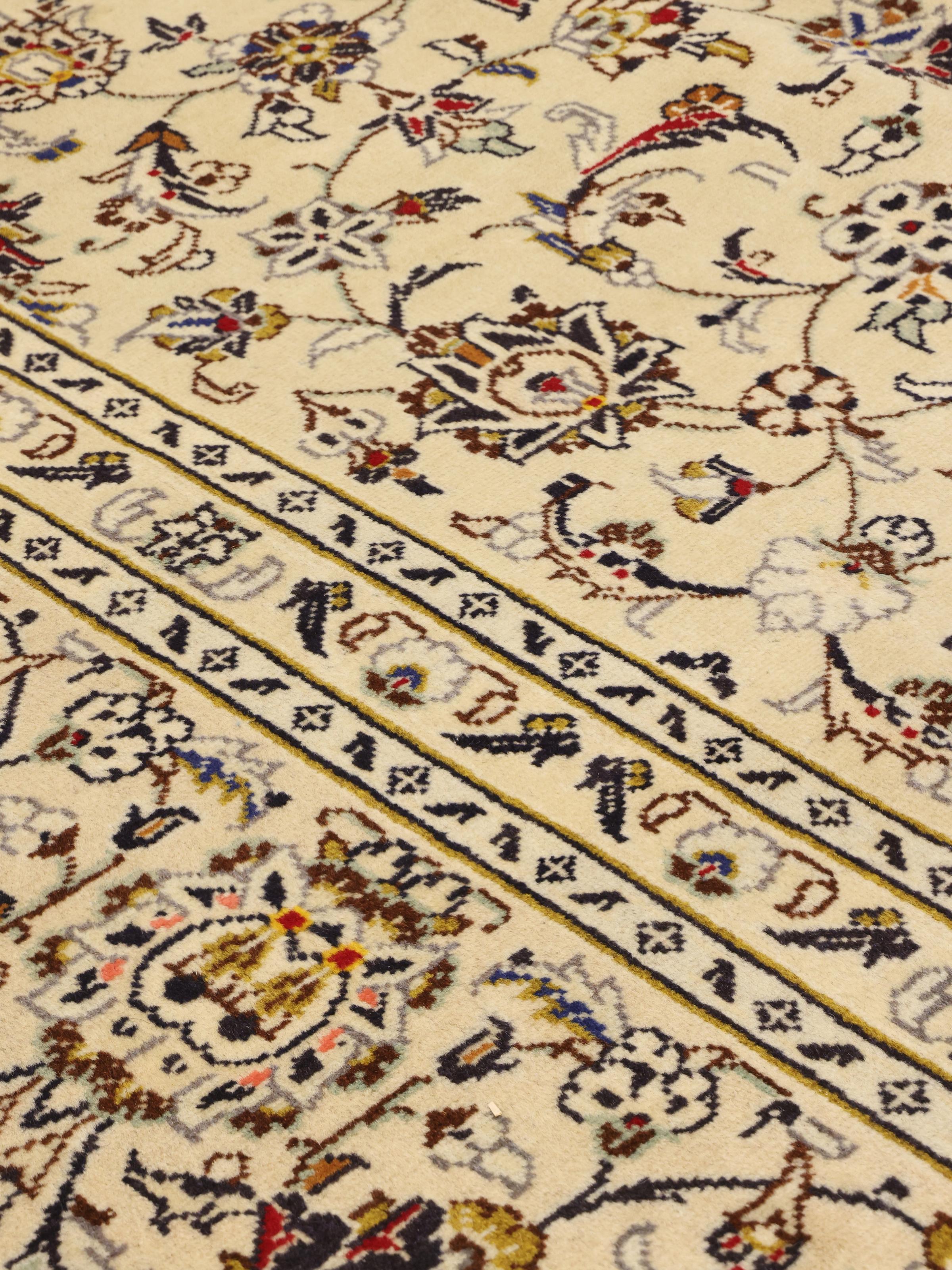
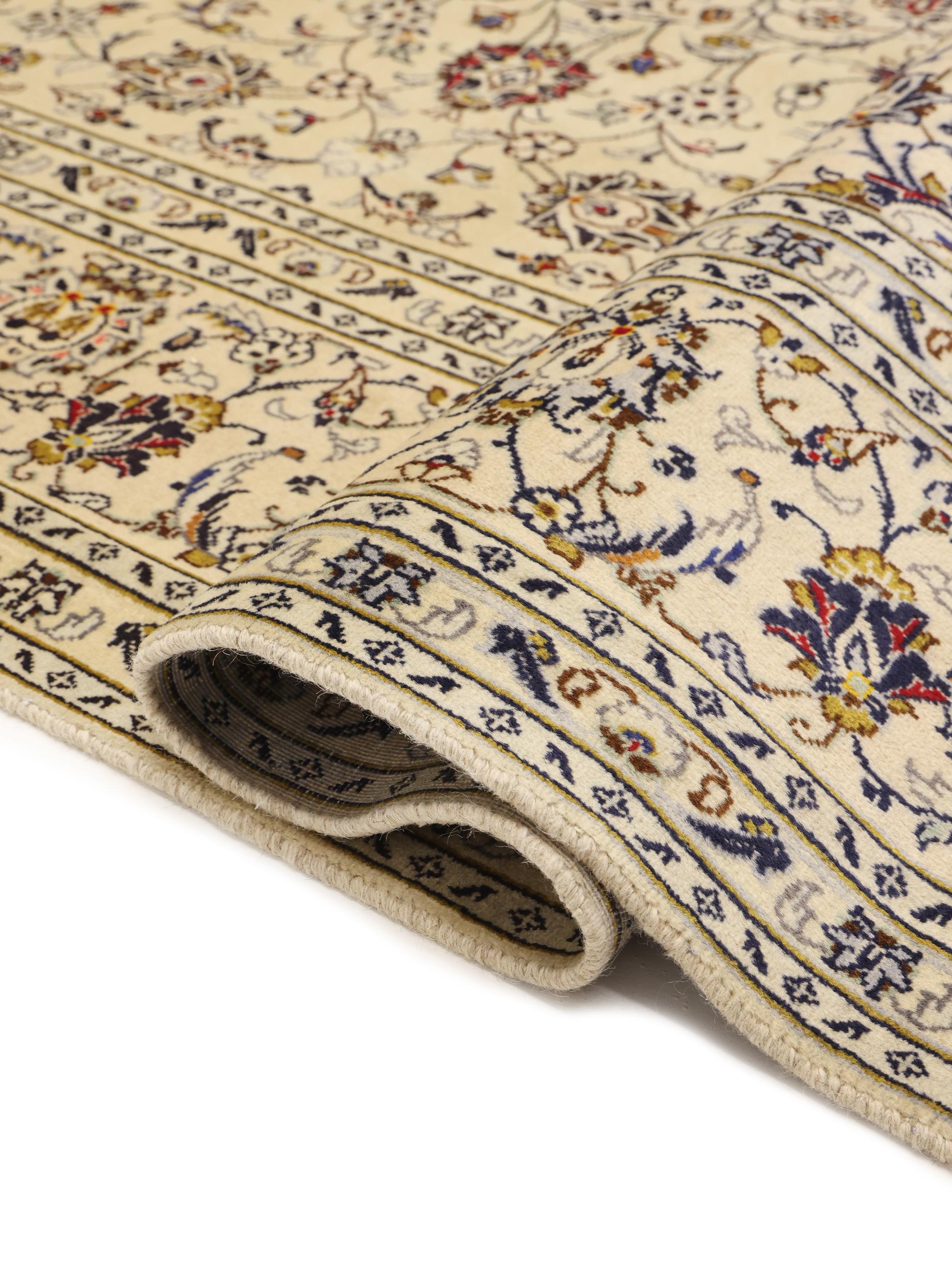
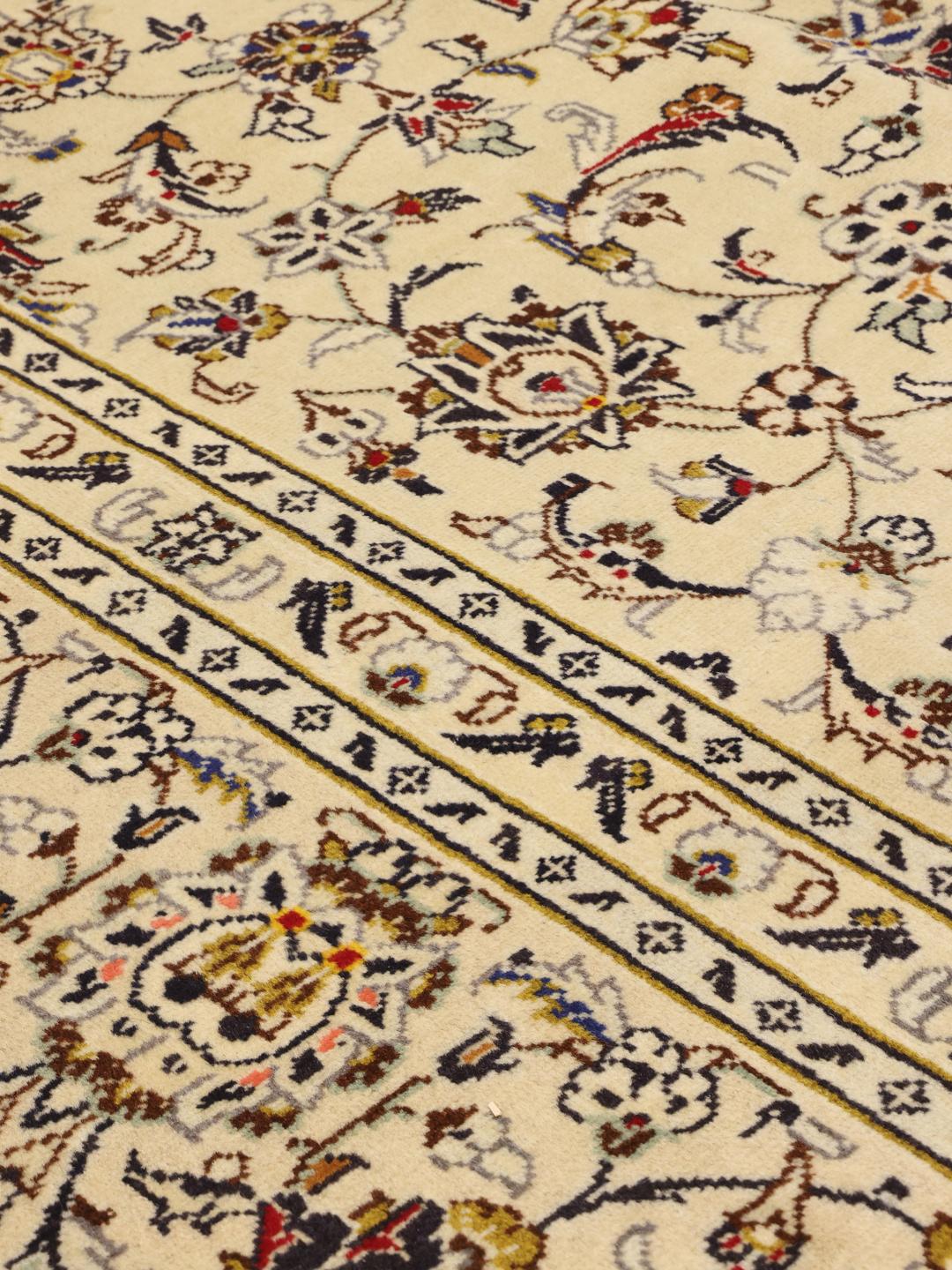
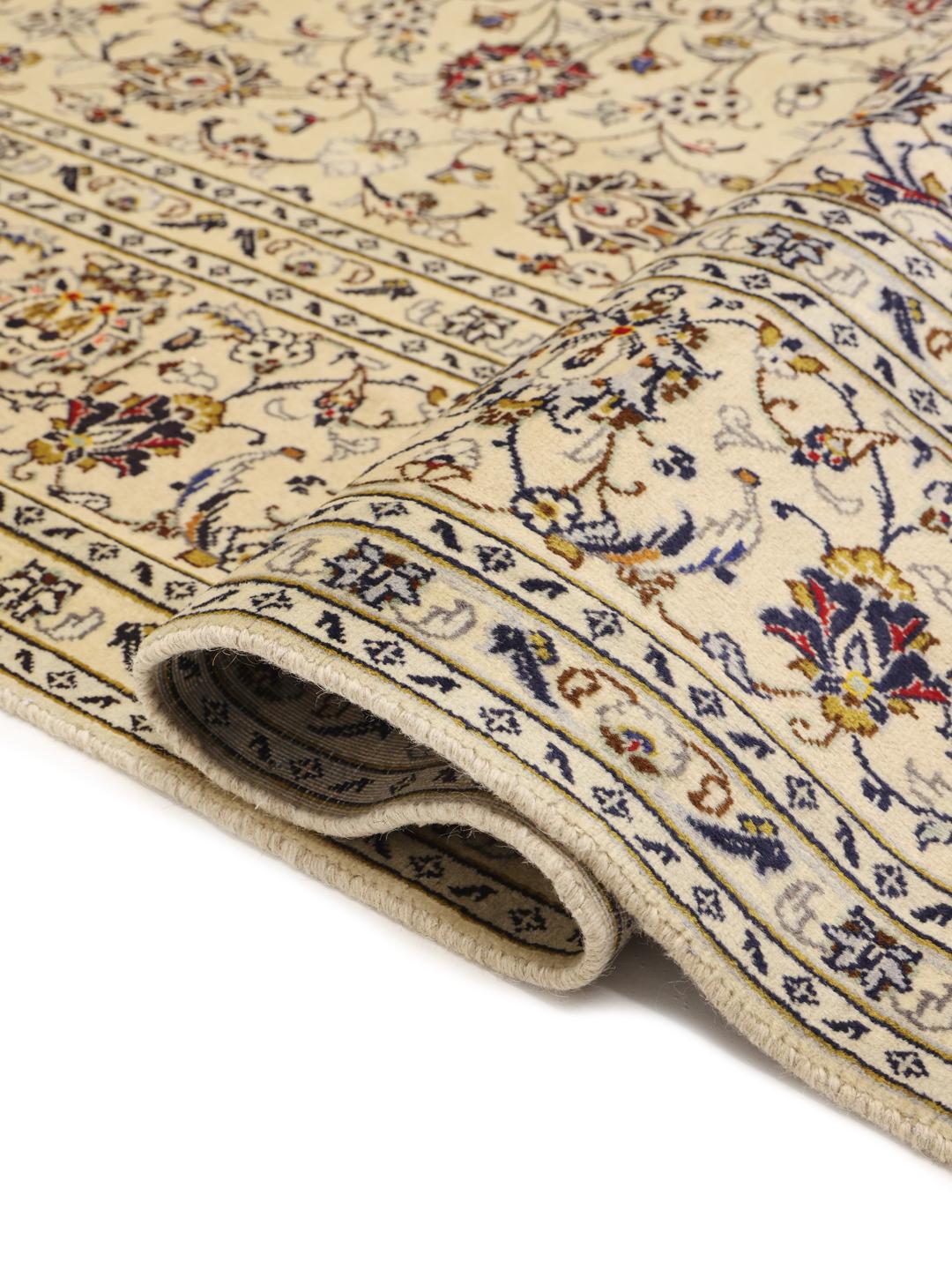
The term 'hand-knotted' refers to the most traditional and labour-intensive method of rug making. Unlike looms that use mechanical aids, this technique relies entirely on the artisan's dexterity and eye for detail. The resulting pile is anchored firmly to the foundation, creating a texture that is both dense and luxurious. This method is the hallmark of high-quality, long-lasting rugs that are designed to age gracefully.
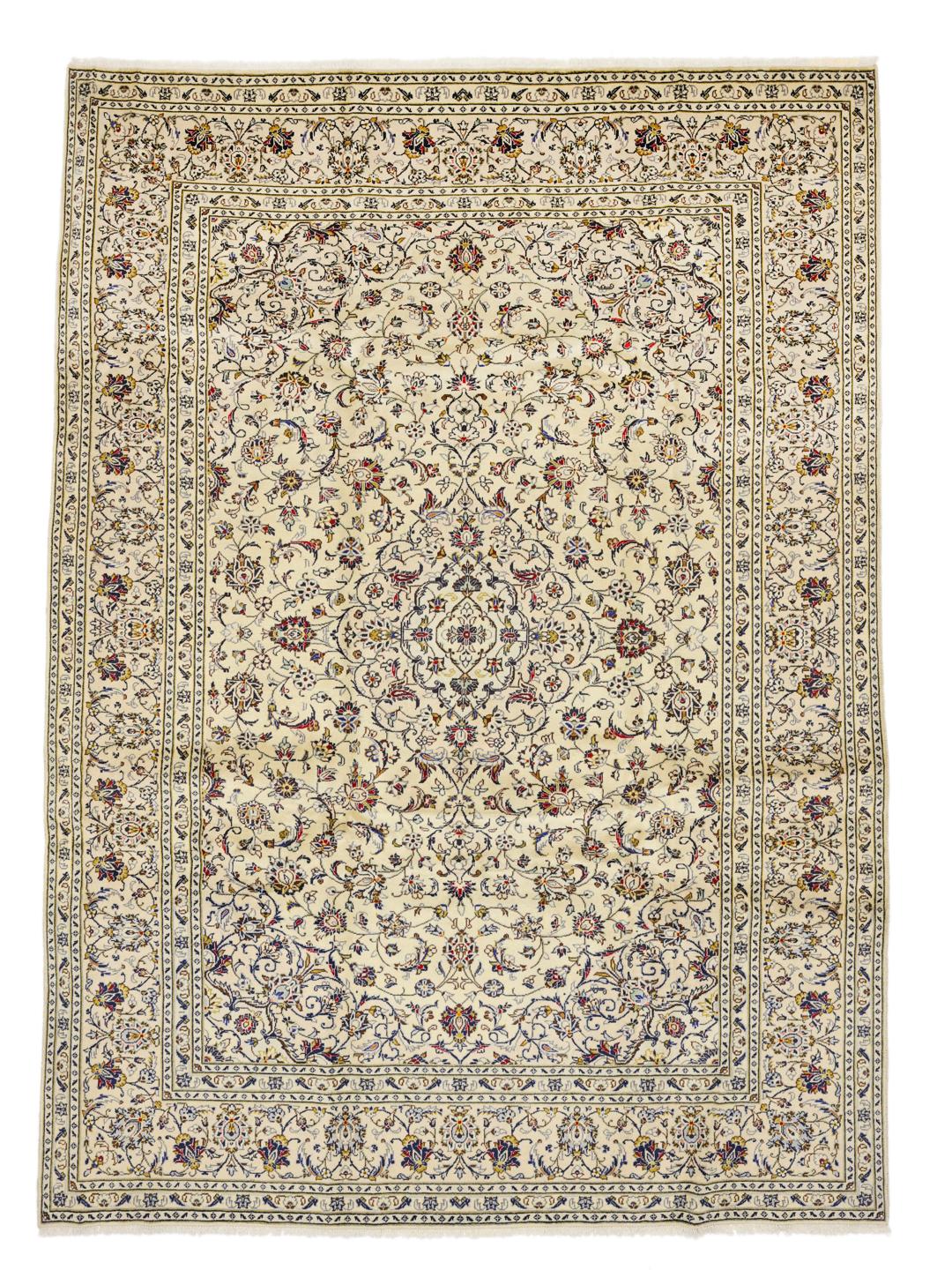
Signature design elements of a Keshan rug typically include a central medallion surrounded by a field filled with intricate floral sprays, vines, and palmettes. The borders are often formal and detailed, framing the central field to create a balanced, harmonious look. While traditional colour palettes often feature deep reds and blues, this piece showcases a softer, more neutral aesthetic that highlights the complexity of the patterns.
Owning a hand-knotted rug from this tradition is about more than just decoration; it is about acquiring a piece of cultural heritage. These rugs are collected for their skill, their artistic narrative, and their ability to bring a sense of history into a contemporary home. By choosing a unique, hand-knotted piece, you are supporting a craft that has been passed down through generations, ensuring that these skills remain a vibrant part of our world.